
 There’s a new toy on the shelf that’s been whipping up online comments that accuse its maker of radically challenging expectations of femininity, enforcing oppressive gender norms, and preaching conformity over experimentation. Some say she’s racist, as there are no dolls-of-color in her line. Others point to a liberal tree-hugger theme, as they are dressed for back-packing and camping. Living in the Middle East, you become acclimated to intractable differences. But for Pete’s sake, people – these are dolls.
Meet the innocent looking doll who’s been around the block

Camels are #1 killers in world’s most fatal place to drive
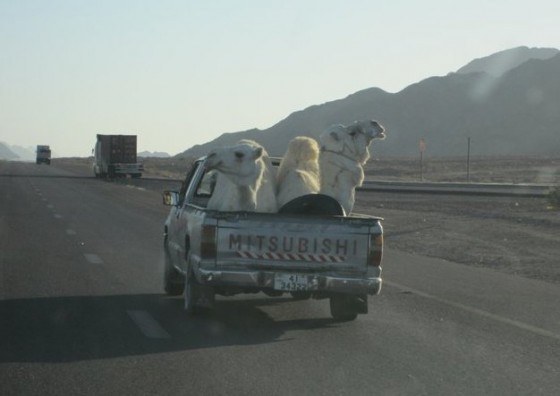
Saudi Arabia is a dangerous place to drive. It’s the world’s most dangerous, according to recent media reports. Drifting, that past-time where young Saudi males drive their skidding cars into crowds is one cause, but camels, are to blame for about 97% of all accidents and fatalities that occur in the Kingdom, a new study shows. Researchers in Saudi Arabia are trying to figure out how to map roaming camel populations to alert drivers, especially at night so accidents can be avoided.
According to Yahoo!. “The World Health Organization has stated that deaths from traffic accidents in the Kingdom mostly result in the death of male adults between 16 and 36 years old, and has labelled the Kingdom’s roads to be among the most dangerous in the world, with 29 fatalities for each 100,000 road users in 2007, in comparison with 19 per 100,000 in 2002. It was estimated that more than 1 million people died or have suffered serious injuries from traffic accidents since 1970, which is more than 4 percent of the population.”
The Waze for camels?
We like to write about of course about sustainable choices of vehicles, anywhere you might roam, and of course public transport. But mapping camels and helping people avoid them is the topic of a new research project.
The Waze for camels?
“The new study was conducted by King Abdulaziz City for Science and Technology, and was primarily concerned with the design and publishing of a system that depends on geographic information systems to define the locations of big camel populations in order to avoid traffic accidents,” according to Yahoo.
We have a good solution for Saudi Arabia. Let more women drive cars and we bet traffic accidents will fall by half. Oh and follow the infographic below for traffic accident help.

Futuristic dome collectors collect dew for drinking water and crops
Harvesting water from the air is not a new idea. Arid countries like Yemen are already using low tech watercones to funnel sea water to drinking water. Another funnelling device is being developed by an Italian designer to trap water vapor in a Warkawater tower to harvest potable water directly from the air.


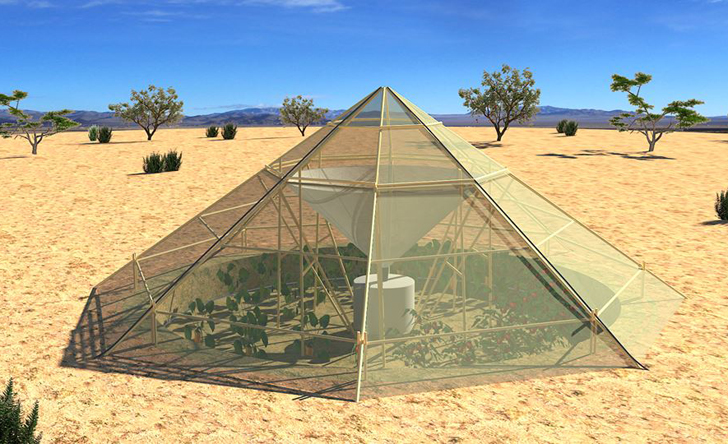
Still another device, called the Roots Up Dew Collector, is now being developed for Ethiopia in a project together with the University of Gondar. The device, which can also be used to grow vegetables and other crops, is dew trapping and will be used in the country’s arid northern regions.
The dome-like structure uses plastic sheeting to trap water vapor during the day, turning it into dew which is then changed into water when exposed to cool evening air.
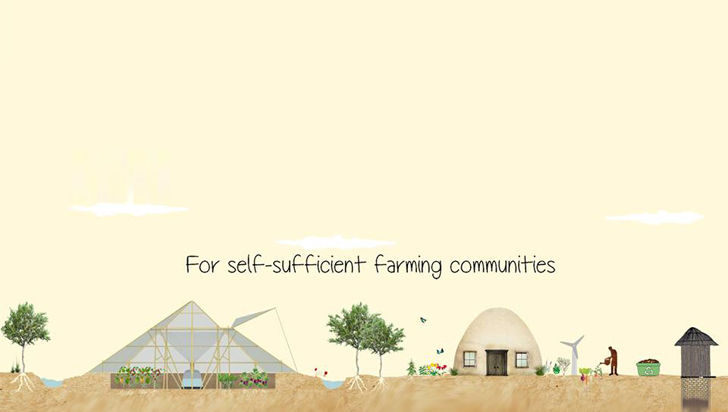
Roots Up is an organization based in northern Ethiopia that is working together with local farmers to help them use more sustainable agricultural methods to produce crops.

The greenhouses can be placed over planted crops to provide them wth water as well as producing needed drinking water. Due to not needing any mechanical components (motors, etc), the device can be quicky moved from place to place and then erected quickly without needing any external power sources. Their overall simplicity makes them a good solution in undeveloped arid regions.
Read more on ways to create drinking and irrigation water from water vapor:
Warka water towers pull drinking water out of thin air
Time to drink water from aircon units
Yemen funnels seawater to drinking water with the low tech watercone
Update 2024: looks like someone needs to make this happen.
Bio-Pyramid turns Egyptian pyramid into a desert-reversing skyscraper!

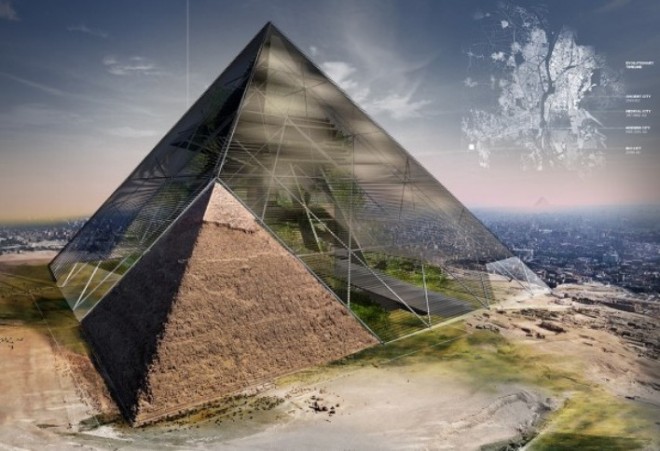 Seven designers teamed up on a project to transform an ancient Egyptian pyramid into a green skyscraper that works to reverse desertification. Their Bio-Pyramid concept won an honorable mention in the 2015 eVolo Skyscraper Competition, an award that recognizes outstanding ideas that challenge the way architecture relates to both natural and built environments. Could up-cycling the Great Pyramid into a towering biosphere stop the Sahara Desert from advancing?
When will the Middle East wake up to green roofs?
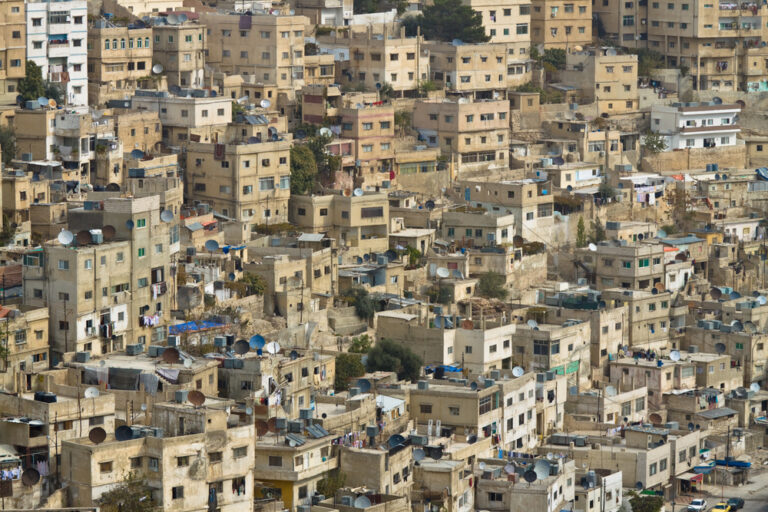
 Vive la France! The country recently passed legislation that requires rooftops on all new commercial buildings to be at least partly covered with solar panels or rooftop gardens. French environmental activists had sought to mandate full green roof coverage for all new buildings, but the new law allows commercial owners the option to install roof-mounted solar panels to generate distributed renewable energy – further lessening the carbon footprint of new construction. Imagine the immediate benefits if the sunny nations of the Middle East slipped this into their building codes, turning acres of flat rooftops into something more than a place to hang laundry and anchor a satellite dish.
Capture your loved ones in custom glass planets?
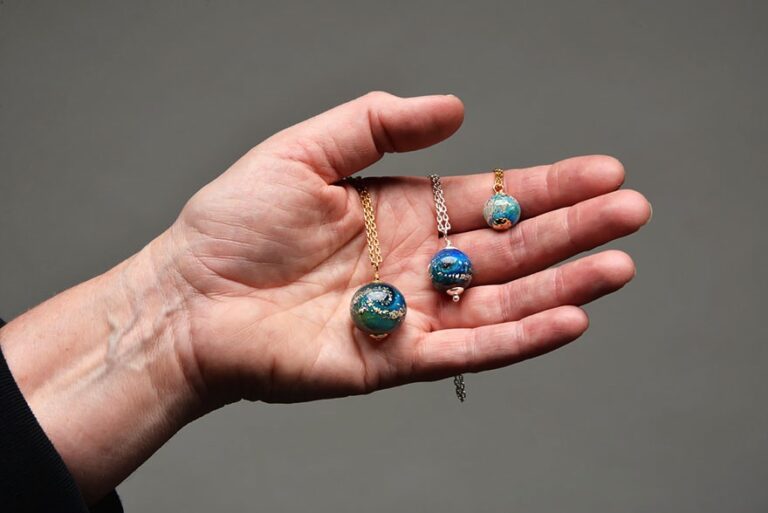
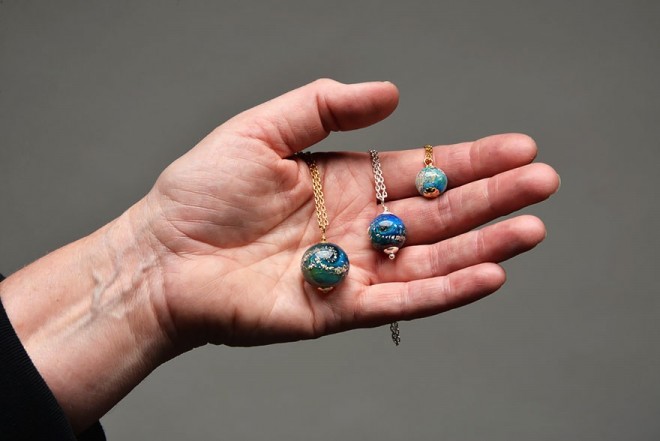
An artist in northern California (need we add, “where else but?”) is making tiny glass beads meant to look like planets or solar systems encapsulated within delicate glass beads. What makes her creations especially otherworldly is the secret ingredient – cremated human remains caught in dramatic and colorful swirls for eternity. So do we now switch the funereal sentiment to “Rest in Beads”?
Indoor air pollution and the ugly corners it lurks

 Earlier this month mothers everywhere reeled over hearing about the baby who died from his neighbor’s unlaw pesticide use. While it’s an extreme example, it’s very worth remembering that just because you are inside does not make you free from air pollution caused by cars, industry, and by pest control.
On a darker level, indoor air can cause persistent health effects. Think about a Mediterranean or Middle East winter that rains, rains and rains. Apartments and homes aren’t sealed well or bathrooms are too sealed and black mould builds up everywhere. Or the old lead paint on buildings, and asbestos piping. Or radon gas.
Indoor pollution can be a silent killer. There is dust, mites, dander, chlorine and a universe of things you don’t want to know. The infographic below can show you what may be lurking below the surface of things.

Thanks to Airfilterbuy for the tip; image of man with gas mask indoors, via Shutterstock
Eco-friendly concrete now mandatory in Dubai
 Dubai has taken a giant step forward in greening up the city with its decision to move away from ordinary Portland cement (OPC) for all new buildings. As of April 1, OPC use is limited across the emirate; building permissions are reliant on developers specifying eco-friendly Supplementary Cementing Materials (SCMs). The new requirement aims to give residents a clean and pollution-free environment.
Portland cement is a basic ingredient in concrete, stucco, mortar, and most non-specialty grout. It’s manufactured by super-heating a mix of chalk or limestone with clay to produce a material called clinker, which is then mixed with gypsum and pulverized to form OPC. There are significant environmental problems related to OPC manufacture, transport and usage:
- Quarrying the raw materials permanently scars the natural landscape.
- Producing one tonne of clinker requires large amounts of energy (typically coal or petroleum coke) and emits one tonne of carbon dioxide (CO2), plus toxic gases, and pollutants such as nitrogen and sulfur oxides (NOx and SOx).
- That tonne of new cement also generates 164 kg of dust, which intensifies global warming and causes increased chance of disease such as asthma and cancer for workers and nearby residents.
- Transporting OPC to mixing plants and job sites produces dust and noise and consumes fossil fuels.
DM’s decision to mandate use of OPC substitutes – recyclable byproducts from other industries such as fly ash and ground granulated blast slag (GGBS) – follows extensive research on the risks associated with OPC and the feasibility of safer alternatives, officials said at a press conference last Sunday.
“We are keen to provide what is best for the city. We are looking at every element of buildings,” DM Director-General Hussain Nasser Lootah told the Khaleej Times.
The construction industry is ready to switch to green concrete, according to Robin Styles, technical support manager of CEMEX, a global leader in building materials.
“From the ready-mix industry perspective, I think we are very well prepared for the change…The municipality has been engaging with the stakeholders for a few years. By using these alternative options, you can reduce the carbon footprint of concrete by up to 45 per cent,” he said.
The UAE construction industry depends on a dozen in-country cement manufacturers, presently producing about half the tonnage that they are capable of. These factories will now increase fly ash and GGBS output.
Green building materials can cut the carbon footprint of a structure by up to 45 percent compared to a similar structure built from traditional concrete and often offer better quality at the competitive prices. The green additives create a stronger concrete mix, more resistant to water, salt and sulfate than OP, and causing less dust and fumes. The result is more durable buildings.
“Building a sustainable city includes all aspects that impact society, economy and environment,” said Lootah, “The concept of Green Buildings will enhance the level of Dubai among sustainable cities. The 79 regulations will deal with the buildings from its designing stage by choosing sustainable sites, using appropriate orientation and using modern techniques which help in minimizing the environmental impacts of construction phase in balance with economic vision. The regulations and specifications support green products and materials used in construction and operation processes.”
DM introduced Green Buildings Regulations in 2010 to improve building performance, to enhance a healthy indoor life style, and cut use of natural resources over project lifetime. Initially mandatory for government projects only, as of March 2014 all projects must completely abide by the green building regulations.
Dubai has ambitions to be one of the top ten sustainable cities in the world by 2020. If they want to take a cue on how to do things better, and maybe build better artificial islands that don’t stink, check out Econcrete.
Sustainable and safe fun at sea


With the weather heating up more people are going to be heading to the sea for a big cool down. Boating, jetskiing, sailing, paragliding at sea. Spending the day at sea is a very low-carbon footprint activity, and it can be greener – especially if you make your own natural tea sunscreen (check out our recipe!).
But is also around this time of the year that many accidents take place. Check out the primer below, so you and your loved ones stay safe.

Via: El Dabe Law Firm of Los Angeles; image of kid at sea via Shutterstock
Archeologists unearth 5000-year-old micro-brewery in Tel Aviv!
Hey Brooklyn and your micro-breweries – turns out you’ve got nothing on Tel Aviv!
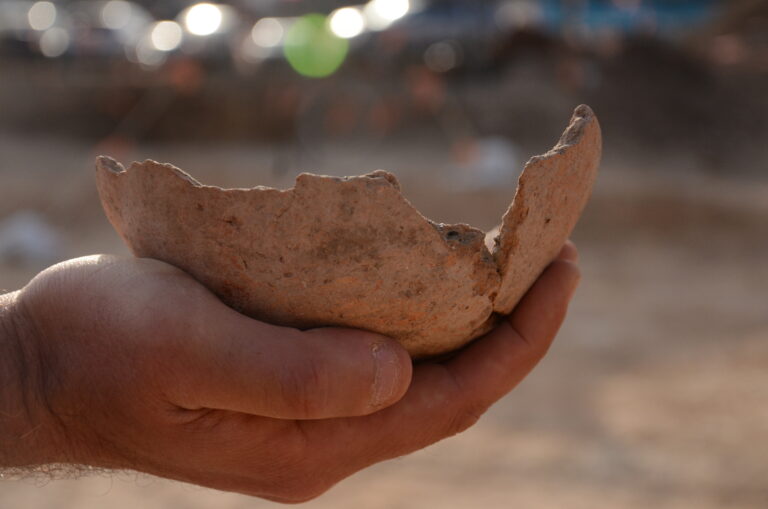
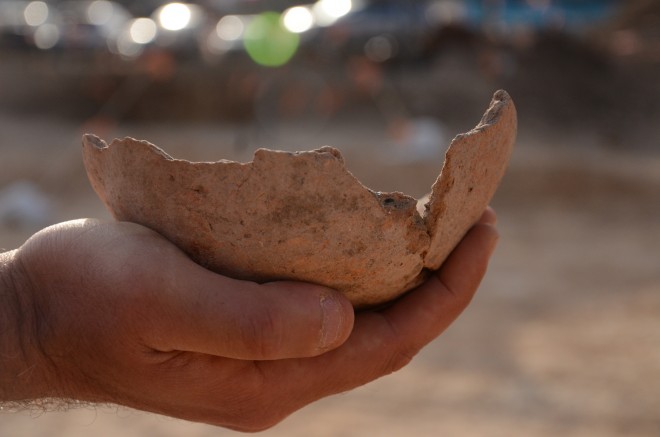
Evidence of an Egyptian brew-house dating to 5000 years ago is being dug up in Tel Aviv. Archeologists there have found pieces of ancient pottery vessels used to make beer. See above and below for how they did it back then.
Apparently Egyptians were drinking the beverage, young and old:
“Now we know that they also appreciated what the Tel Aviv region had to offer and that they too knew how to enjoy a glass of beer, just as Tel Avivians do today,” says Diego Barkan, excavation director on behalf of the Israel Antiquities Authority.
He adds: “Already thousands of years ago Tel Aviv was the city that never sleeps!”
RELATED: Make Tej, an ancient Ethiopian honey beer!
The evidence indicates that there were Egyptians at the site, living and brewing beer. Not a beverage typically associated with the Middle East. So think again.
The site was located on Ha-Masger Street next to the Ma‘ariv Bridge in downtown Tel Aviv and is part of a salvage operation done before any new construction is done in Israeli cities and towns.
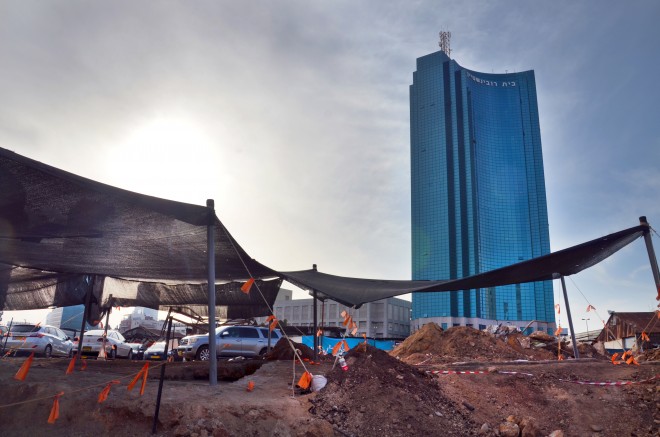
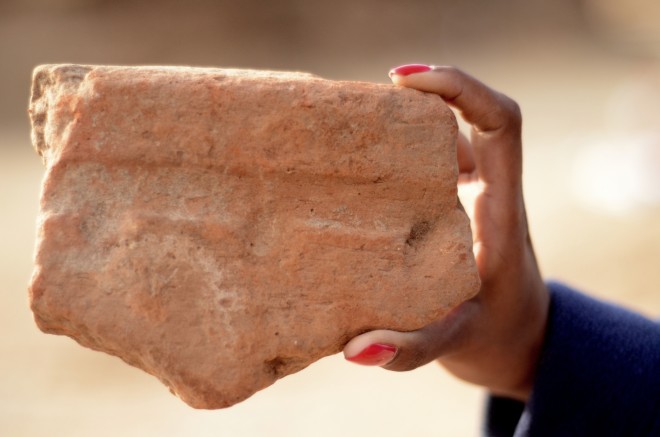
Barkan relates: “We found seventeen pits in the excavations, which were used to store agricultural produce in the Early Bronze Age I (3500-3000-BCE). Among the hundreds of pottery shards that characterize the local culture, a number of fragments of large ceramic basins were discovered that were made in an Egyptian tradition and were used to prepare beer.

“These vessels were manufactured with straw temper or some other organic material in order to strengthen them, a method not customary in the local pottery industry.
RELATED: Lost Tribes Brew restores ancient beers
It is interesting to note that although Muslims shun alcohol (read here why Muslims do not drink) beer was the “national drink of Egypt” in ancient times. It was considered a basic commodity like bread and it was consumed by the entire population, regardless of age, gender or status.
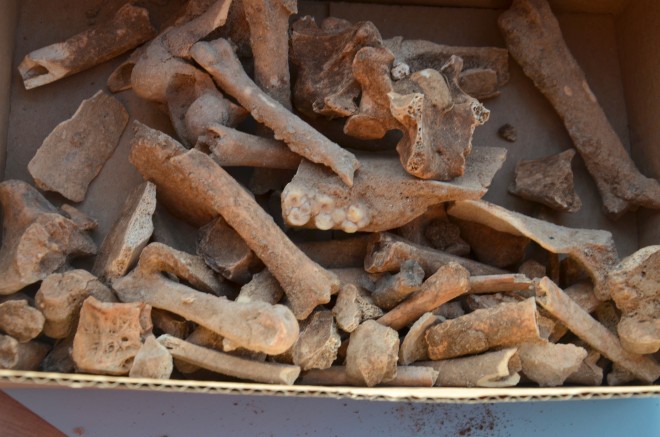
Bones (below) were also found suggesting that beer and barbecues were the combination of choice.
The ancient beer made from a mixture of barley and water that was partially baked and then left to ferment in the sun. Various fruit concentrates were added to this mixture in order to flavor the beer, the experts say. “The mixture was filtered in special vessels and was ready for use.
Strange timing for release of the news. Later this week starts the Jewish holiday of Passover, a time when Jews are forbidden to eat leavened wheat or products made from yeast and leaven – like beer.
5 minutes will sell you on a Middle East visit!
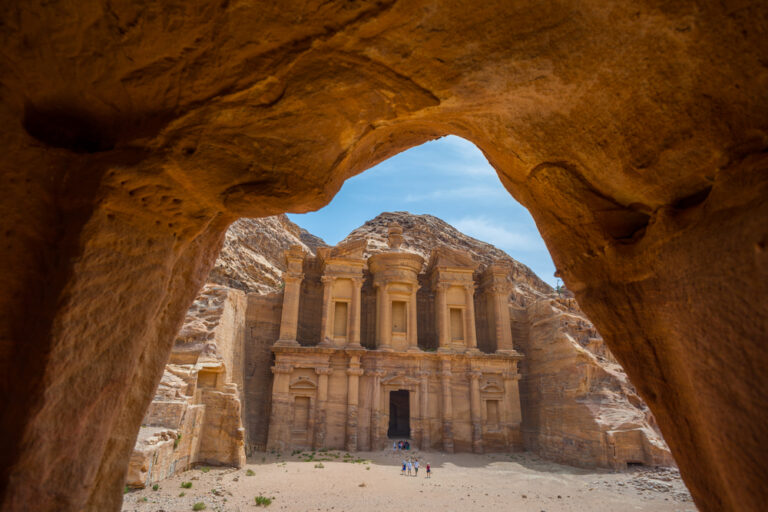
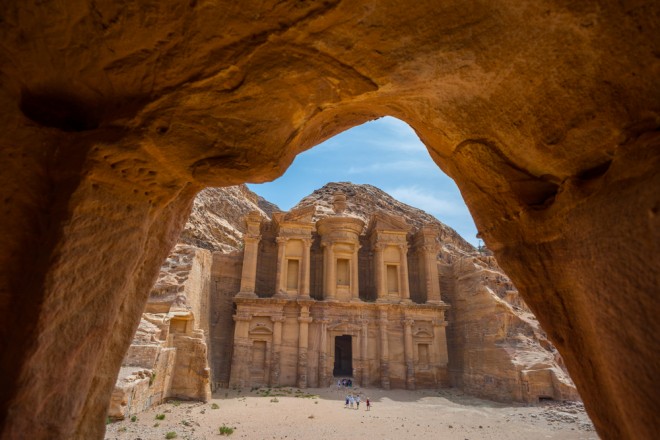 Travel to the Middle East has never been a better deal than now – in terms of economics (deep-discounted hotels and holiday packages), weather (blizzards have all blown by and crushing heat is still months away), and – in most of the region’s top touristic venues – political stability. All my view based on four years of living in Amman. But how to convince the media-saturated and uninitiated? A five-minute film may do the trick.
The Urban Death Project will turn your dead body into beetroot
 Finding greener ways to bury our dead is nothing new. In both Judaism and Islam, people are buried in the most simple and green manner.
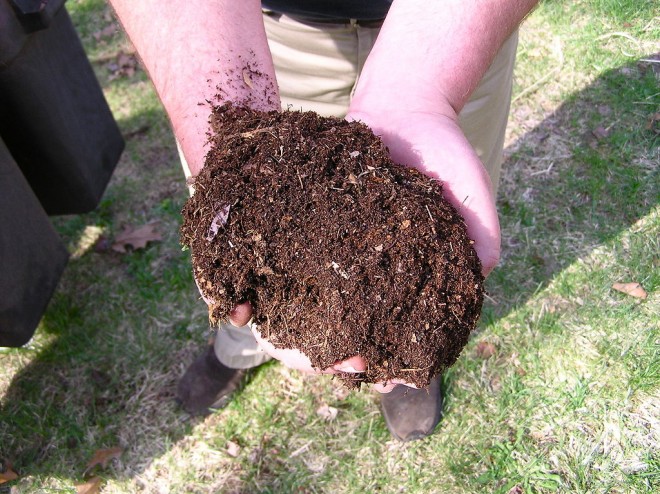
Along with these “basic” burial rites, a variety of eco-funerals are now available to let your death be ever-green. Perhaps, the most novel, and really earth friendly way of disposing of human remains is being proposed by an organization called the Urban Death Project, in which a person’s body will be turned into natural compost to be used for fertilizing gardens and food crops.
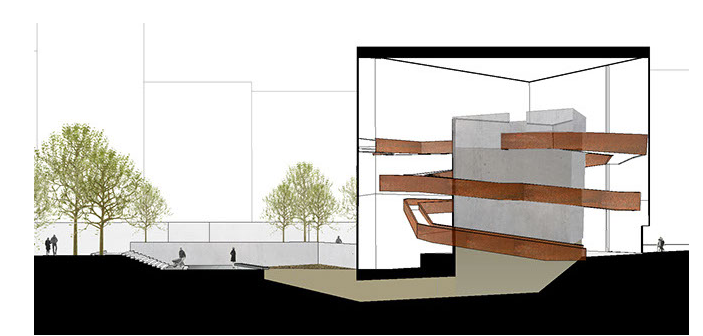
Headed by Seattle based Katrina Spade, who also heads an environmental NGO, the Echo Green Organization, the Urban Death Project involves “interning” human remains into a large three story “core”, within which bodies and high-carbon materials are placed.

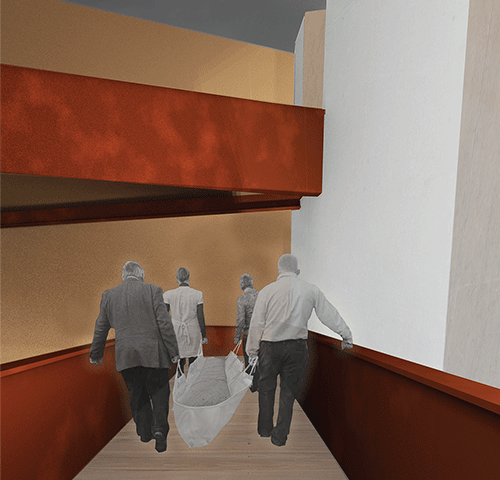

Over the span of a few months, with the help of aerobic decomposition and microbial activity, the bodies decompose fully, leaving a rich compost that can be used to fertilize crops and gardens.
While many people may object to this method of burial, from a natural and green standpoint, the actual burial process is not that much different than the coffin-less burials practiced by the Muslim and Jewish religious groups.
The burial and composting facility will have a section where a dignified religious funeral can take place, including interning the shroud wrapped body into a bed filled with wood shavings and other organic material.
This entire process excludes the need for using poisonous embalming fluids and non environmental friendly caskets.
The Urban Death Project is being presented as a non-profit organization in which people will be asked to give donations towards a more ecological manner in which to bury human remains.
Regarding the creation of compost materials, human and animal waste products from raw sewage and farms is already being practised to create compost material.
An example of turning human “crap” into valuable compost is currently being done outside of Dubai. Taking this in mind, if human excrement can be turned into compost material, why not human remains themselves?
It’s simply taking the natural “composting process” one step further by finding a more green solution to the disposal of our mortal remains after death.
Ikea rolls out 10,000 flat-pack refugee shelters
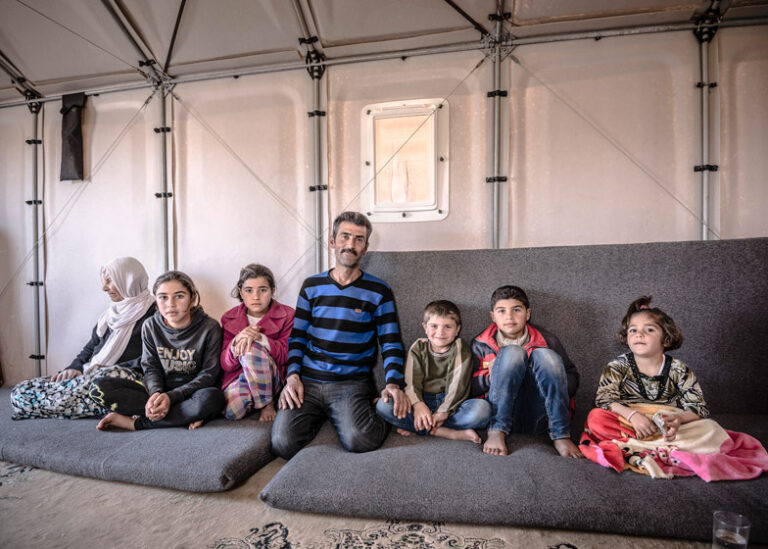
 IKEA and UNHCR (the United Nations High Commission for Refugees) emerged from two years of research with a prototype shelter suitable for refugee families anywhere. It features an innovative roof that reflects 70% of the sun’s rays during the day yet retains heat during the night, and it’s fitted with solar panels that power an interior light fixture and a USB outlet both built into the structure. They’ve begun producing 10,000 of these temporary homes, and as you’d expect from the Swedish home goods giant, they arrive via flat-pack shipping.
Heat hackers breach computer systems by “breathing” data whispers
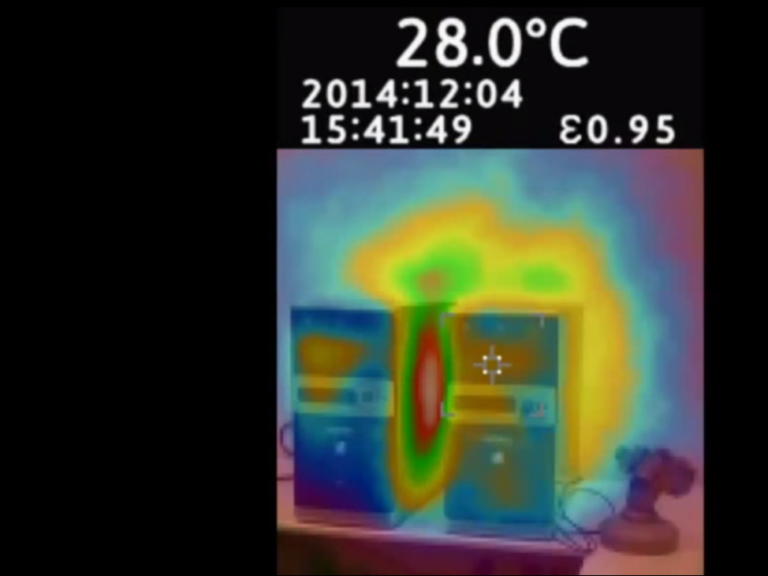
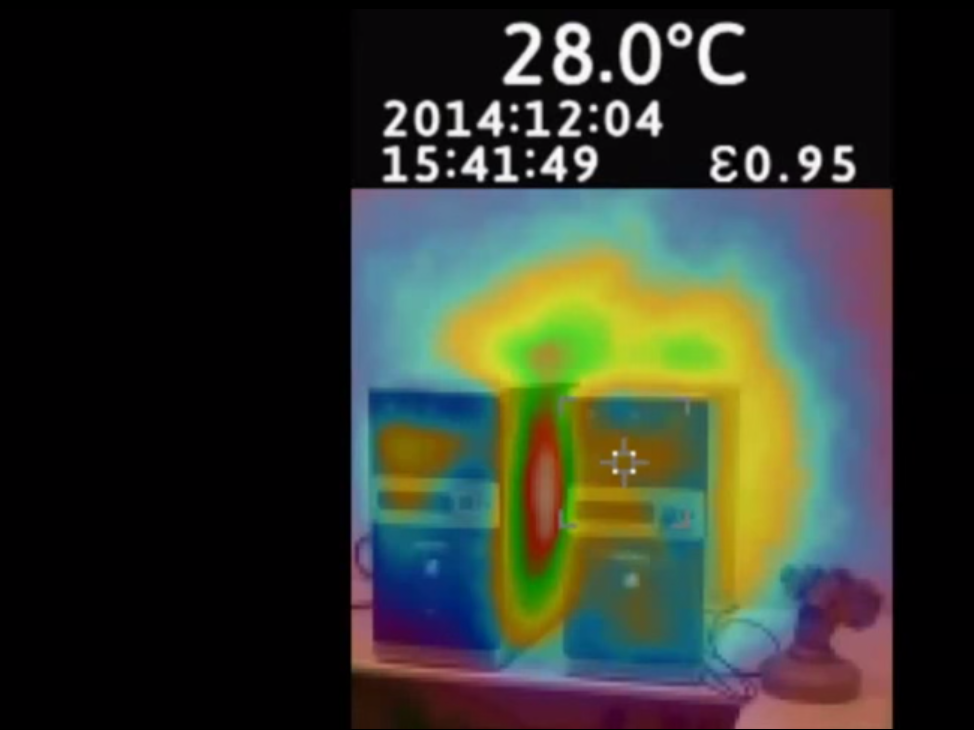
How can the environment around computers be used to hack data? Computer scientists have now determined that it’s possible to send data or “steal” data by using heat transfer between computers – those typically used as servers in high profile institutions like banks and police. Their exercise in hacking heat points out vulnerabilities in today’s computer systems so security experts can build walls around them.
The researchers from Ben Gurion University developed what they are calling BitWhisper to breach into computer systems that use air gapped cooling. This breach lets the computers talk to one another through heat. Wow or what?
According to the researchers, “The scenario is prevalent in many organizations where there are two computers on a single desk, one connected to the internal network and the other one connected to the Internet. BitWhisper can be used to steal small chunks of data (e.g. passwords) and for command and control.
Stealing with a breath of warm air
“These properties enable the attacker to hack information from inside an air-gapped network, as well as transmit commands to it,” the BGU researchers explain. “Only eight signals per hour are sufficient to steal sensitive information such as passwords or secret keys. No additional hardware or software is required. Furthermore, the attacker can use BitWhisper to directly control malware actions inside the network and receive feedback.”
The research, conducted by Mordechai Guri, a Ph.D. student is part of an ongoing focus on air-gap security. Computers and networks are air-gapped when they need to be kept highly secure and isolated from unsecured networks, such as the public Internet or an unsecured local area network.
Typically, air-gapped computers are used in financial transactions, mission critical tasks or military applications.
The new development of BitWhisper bridges the air-gap between the two computers, approximately 15 inches (40 cm) apart that are infected with malware by using their heat emissions and built-in thermal sensors to communicate.
It establishes a covert, bi-directional channel by emitting heat from one PC to the other in a controlled manner. By regulating the heat patterns, binary data is turned into thermal signals. In turn, the adjacent PC uses its built-in thermal sensors to measure the environmental changes.
These changes are then sampled, processed, and converted into data. Scary. Hackers stealing through heat. Let’s put minds like this on cracking bee colony collapse disorder and we’ll have started a revolution in bio hacking.
Worth their weight in gold: biggest losers in Dubai win coins for weight lost

The Middle East is seeing the worst rising weights of obesity in the world: but a new Biggest Loser contest in Dubai, is showing that locals there, and children, are taking on the challenge for losing weight. If the prize is gold coins for every pound you’d drop, you’d want to lose too! Consider this is a region where people drive cars made from gold. So gold is a great prize and incentive.
According to Yahoo a 54-year-old woman emerged as the “biggest loser” while a 13-year-old boy became the winner among child contestants. Winners received bags of gold for the efforts.
The woman Sharada Serigara won by losing a whole 32.2kg from 96kg during the two month ordeal. The child, Somesh Chakrabortty, a grade nine student lost 12kg from a starting point of 97kg. Sharada won 32 grams of gold, the boy 12 grams.
We do hope that those running the contest have a sustainable plan so the biggest “losers’ of weight will be able to keep it off.
Below are some tips for keeping it off.
