Home Blog Page 258

The surprising economic history of salt

1

dead_sea_saltOil prices have fallen considerably over the past two years. But this isn’t the first time the price of a core society resource has dropped so drastically. The economic history of salt is an interesting lesson for our time.

Middle Eastern countries spend millions of dollars and consume more than one hundred million kilowatt-hours of electricity per day to remove salt from water. Salt, it seems, is an abundant and extremely inexpensive resource.

Icy countries can buy a metric tonne of Jordanian road salt for US $50. The same amount of gold would cost about $50 million. But for much of human history, the price of an ounce of salt was almost the same price as an ounce of gold. Salt was as crucial to life in the ancient world as oil is in our world. Salt deposits found near the edge of deserts made civilization possible. Salt roads and caravans of tens of thousands of camels carried salt to inland markets. It was used as a nutrient and as a preservative for everything from food to mummies. Jewish people were known as children of salt and a salt covenant commanded Israelites to salt all of their sacrifices.

Salt was a flavoring for culinary inventions such as the Roman salad. Salt is also believed to be the cause of civilization’s first war which was fought over valuable Dead Sea salt supplies near the ancient city of Essalt on the Jordan river.

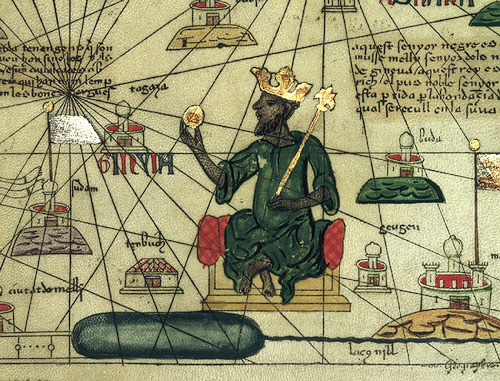
Mansa_MusaSalt was also used as a currency. The English word salary has its roots in the Latin word for salt. The expression,”not worth his salt” began in ancient Greece where salt was traded for slaves. Salt’s value was comparable to gold and books. Adjusted for inflation, the wealthiest person in history was king Mansa Musa I of Mali who cornered the world’s salt market in the 14th century.

Sa’di’s Golestan tells the story of a Persian king named Nushirvan who might have been the first person in history to borrow salt from a neighbor for a meal. But when this king sent a boy to get salt from a nearby village, he insisted that the salt must be paid for, “otherwise it will become a custom and the village will be ruined.”

The king explained that “To please the king who eats a single apple from a subject’s garden, his slaves will pull the tree up whole to plant in the palace yard; and if he lets five eggs be taken by force, his army will put to the spit a thousand birds.”

Gandhi_at_Dandi_5_April_1930

Salt remained valuable in early part of the 20th century. It was a salt tax imposed by the British government that inspired Mahatma Gandhi and many followers to march 200 miles to the Arabian sea to illegally gather their own salt as a form of peaceful protest.

Detroit began using salt on roads in the 1940s but demand for salt was seasonal and regional so its price fell behind the price of oil. But the Winter of 2014-2015 marked the beginning of a strange trend. The price of oil in November 2014 was only about half of what it was the previous year, but in the United States, an unusually cold winter doubled the price of salt over the same time period.

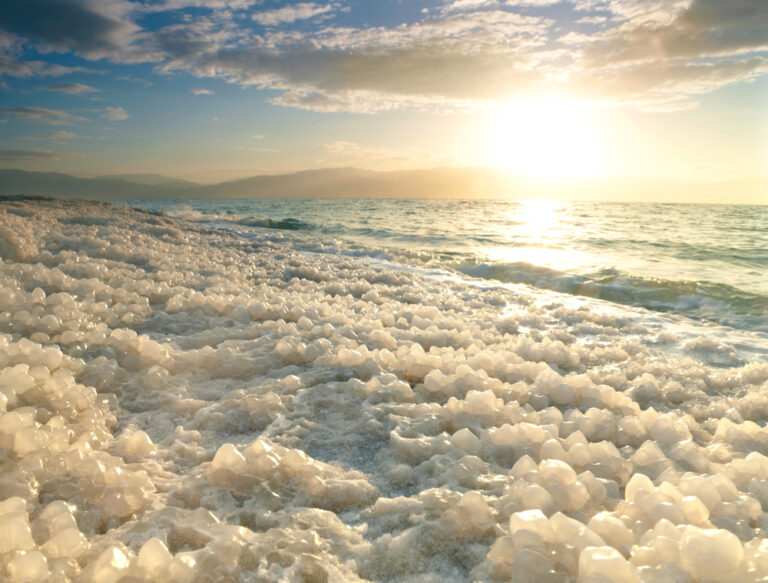
Photo of salt on Dead Sea shoreline by SJ Travel Photo and Video via Shutterstock Photo of King Mansa Musa I of Mali via wikimedia
Photo of Gandhi defying British law to harvest salt for the poor via wikimedia

Always recycle, like the smart kids do.

0

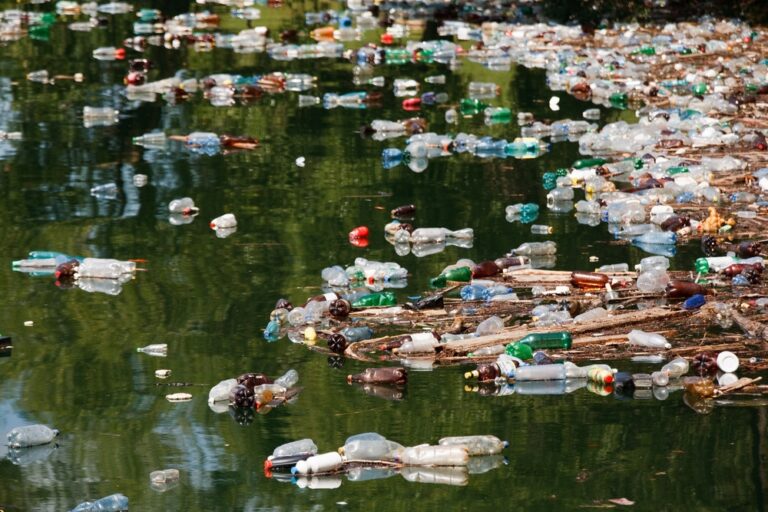
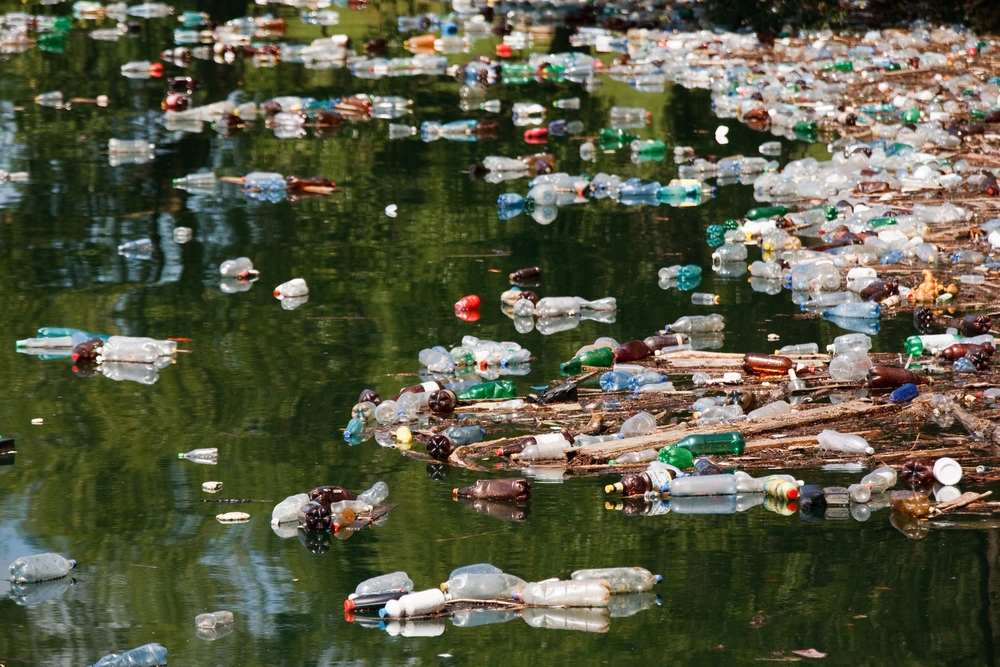
 teach your child to recycleTake four minutes to get smart about what happens when you fail to recycle plastics. Emphasis intended on the word “fail” because you know better than to toss the stuff in with regular trash. You also know what a plastic ocean gyre is.  And you’ve seen the stomach-turning photo of that turtle whose adult shell grew around the plastic six-pack wrapper that entangled him as a pup. Just four minutes with a pleasant-sounding narrator provides a gentle push to clean up your act. Think of it as your contribution to a bit of global spring cleaning.

Sunshine turns an Iranian mosque into a kaleidoscope!

1

Ramin Rahmani Nejad Asil

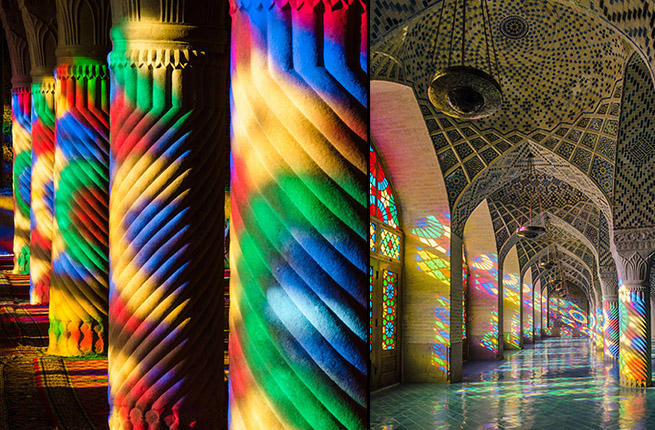
Spectacular images of a mosque in Iran have been flying around the internet of stunning Islamic architecture washed in rainbow-bright hues. The forms are familiar – pointed arches, vaulted ceilings, surfaces covered with dazzling tiles. But the magic occurs at daybreak, when sunlight streams through stained glass windows, turning the interiors into a stunning kaleidoscope. The pictures aren’t Photoshopped or digitally enhanced. This is simply the intersection of architecture and sunlight.

ICARDA scientists save 80% of a priceless trove of Syrian seeds

Syria's seeds protected from war

A team of Syrian scientists at the International Center for Agricultural Research in Dry Areas (ICARDA) braved the terrors of civil war to protect a critical piece of global heritage, meticulously transporting plant genetic material from a seed bank in Aleppo to the Svalbard Seed Vault in Norway. Their actions to protect the region’s ancient farming heritage – nearly 150,000 seed samples collected over the past four decades from dryland regions worldwide – earned them the Gregor Mendel Innovation Prize for outstanding contributions to plant breeding.

AgMania in the land of milk and honey

7

flux hydroponics team, Nir Hertman, Amichai Yifrach, Tal Catran

The flux team, one of the featured companies at the Innovation Pavillion at the annual Agritech Conference. Agrivest for investors kicked off the week of “agmania”.

Steve Rhodes the CEO and co-Founder of the Trendlines Group opened this year’s Agrivest conference in Israel showing some interesting trends. Last year 2014 saw a steady increase to $2.36 billion in investments across 264 financing deals citing Rob Leclerc, CEO of US based Agfunder, from precision agriculture, to biotech, to drones.

Things are heating up and fast. Venture Capitalists are investing in companies set on revolutionizing how we grow, produce, and distribute food around the world.

“The challenge is for the community to work together – entrepreneurs, investors, regulators, policymakers, government and the market,” said Oded Distel, Director of Israel New Tech and Invest in the Ministry of Economy. “Everybody has to see the same things, share the same vision, have the same goals and try to work together.”

Trendlines Agrivest conference: ‘bigger and better’, message ‘loud and clear’.

Embrace collaboration, innovation and investment if we are to overcome the challenge of feeding 10 billion sustainably by 2050, say the experts. The question for agriculture investors is how to capitalize accordingly, what horses to back and where to find the intelligence.

Collaboration was the theme at the 3rd AgriVest showcase conference held at the prestigious Weizmann Institute of Science in Israel. The premier annual agtech investment event of the season, launched by the Trendlines Agtech team under the leadership of CEO Nitza Kardish, rapidly positioning as the Queen of Agtech.

The event was held in partnership with GreenSoil Investments, Israel New Tech and the Ministry of Economy with some 350 delegates and heavyweight investors from more than 20 nations spanning the globe: “It’s a week of AgMania” said one delegate given Agrivest precedes Agritech Israel Exhibition taking place at the Tel Aviv convention centre over three days.

Google’s Farm2050 hosted a networking event the evening prior to Agrivest, and we were there, so AgMania it is.

‘Loud and clear’ is the understatement of the 21st century after NASA’s ominous warning to the sunshine state, California: “You have one years’ supply of groundwater remaining, the countdown is on.”

Keynote speaker, Pam Marrone, CEO and Founder of Marrone Bio Innovations sets the record straight: “We need a global arms race across the world of sustainability, one arms race, humanity should welcome.”

Midway through the day, Pam gave incredible insights into her tough experiences as a serial entrepreneur, from Start-Up to IPO, not once but twice, receiving huge adulations from the audience.

Which is just as well, because later that afternoon, we listened to panel experts exploring key drivers in agtech investments, the subject of gender diversity amongst the entrepreneurial and VC community raised after the recent Kleiner Perkins case.

Throughout the day 12 selected Start-up’s pitched the audience, asked to vote after each presentation on a scale of 1-5. It was a strong line-up, difficult to grade due to the high quality, but the eventual winner Doux Matok took the title.

How sweet it can be 

Founded in 2014, Doux Matok has managed to do the impossible, find a way to enhance the sweetness of sugars whilst significantly reducing actual sugar consumption, therefore reducing caloric values of foods and beverages, retaining the taste and “energizing effect” of sugar without the aftertaste. They were looking to raise $4 million Series A, definitely a company to watch out for in the future.

The morning’s panel focused on profiling tomorrow’s agtech solutions and listening to the experts, it was clear; a massive food consumption shift is approaching as world attention shifts towards the food, energy and water security nexus. There’s a growing surge of interest in the ‘Nexus’ way of thinking about the interdependencies, tensions, trade-offs but in the wider context of technology, the economy and environmental change, California recently being designated as ‘ground zero’.

“The world will have a serious crisis on its hands if venture capital and agricultural innovations and inventions don’t materialize. The challenges are so vast, we must establish collaborative ecosystems” said Sam Fiorello, COO, Danforth Plant Science Center and President of the Bio-Research and Development Growth Park. The Danforth Center is the world’s largest independent research institute focused on plant science helping life science firms, bridge research and relationships to achieve success.

Agtech is “going through digital transformations and the industry will be adapting, innovative uses of information across all aspects of farming,” said Eyal Lipetz-Eliassi, Israel Country Manager and Innovation-Based Growth leader, DuPont.

Whilst some experts called for collaboration, others warned of the legal minefields, complications and pitfalls. Change on this scale can throw hand grenades due to escalating costs, patent issues and contractual problems warned Barry Schindler, Co-Chair Global Patent Prosecution Group at Greenberg Traurig.

Farming for data

Visibly unnerved by the term ‘collaboration’ Schindler said, “we have to be careful with any collaborations, it can be a legal minefield, who owns what from an IoT, big data perspective, who decides how data can be used, how much data can be used? There are no easy solutions; it’s all down to the fine details within contracts and IP.

It’s the Wild West in the United States with regards to self-regulation on big data, there’s no legislation. Does the farmer own the data, or the OEMs? In Europe regulations are a little tighter but I’m certain problems will emerge.”

Sam Fiorello also raised some good points warning, “farmers are already overloaded with data” suggesting solutions should be simple and always developed with the end users in mind.

The afternoon panel session focussed on exploring key drivers in agtech investments, moderated by Gideon Soesman, Co-Founder and Managing Partner of GreenSoil Investments.

Of particular interest was UK based Michael Lee, Managing Director of Syngenta Ventures suggesting they had significant ‘strategic’ advantages as investors for Start-Ups over the ‘minion’ VCs. “Benefits of scale and strong existing distribution channels” as an example.

That opened up some light afternoon megalomaniac entertainment as the VCs immediately returned fire listing why they’re a better bet than the “strategics”, so much for collaboration then! Has to be a good sign for entrepreneurs in the agtech space when the financial community starts fighting over who gets to invest first.

Other interesting discussions focussed on funding gaps highlighted by a knowledgeable member of the audience during an open Q&A.

The closing consensus seems to be the agtech sector as a whole is in its early days, still evolving with many strengths, weaknesses, opportunities, threats ahead, but the mega-macro trend lines are off the charts, agtech is rapidly becoming an exciting industry sector and Israel is pulling ahead as a world leader on the field.

I can’t help but be reminded that investment in agtech is investment in the human race. We must continue to expand the scale and scope of consciousness across, food, energy and water security. We must spread the word and sow the seed for future generations.

Underwater tennis and floating villas, #OnlyInDubai

0

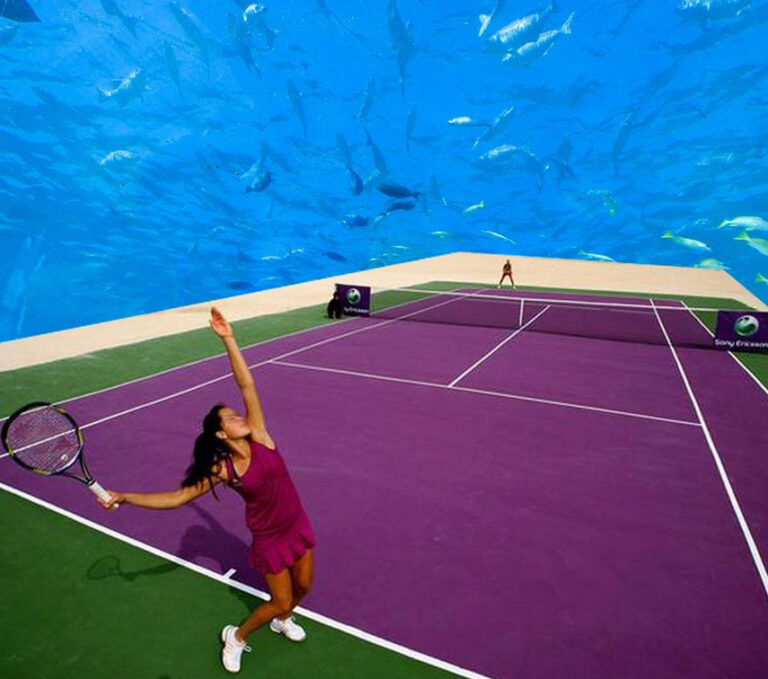
Underwater-Tennis-in-DubaiWant to sink some money into the latest Dubai folly? A Polish architect has served up a scheme for an underwater tennis center off the coast of Dubai, now he’s fishing for investors to make tennis beneath the ocean a reality in the United Arab Emirates (UAE).

Eddy is artificial intelligence for vertical farms and hydroponics

3

flux-device-prototype

Eddy is like the “easy button” for hydroponics

The United Nations is screaming it –– and California is feeling it: drought caused by climate change is killing the way we grow food. And it will only get worse. Thought leaders want a shake up of conventional agriculture, because large mono-crop farms are not producing enough to feed the world. They are also damaging ecosystems, some irreparably.

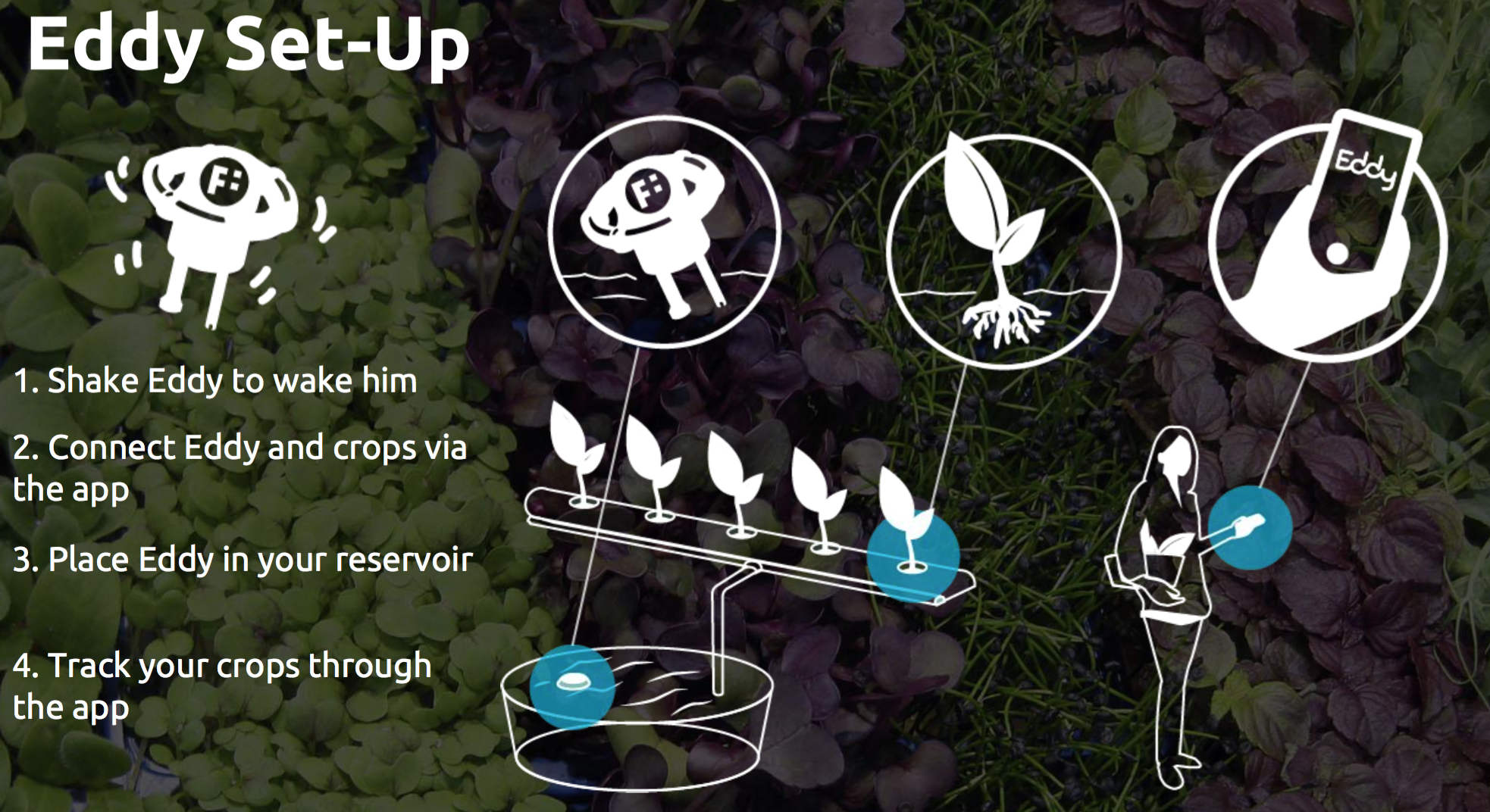
flux has developed Eddy, a tool that makes it easy for anyone to grow food anywhere. The technology and software company built on Israeli R&D and based in Dallas, solves global food production from the ground up. Eddy makes it easy for anyone to grow food at home or as a small or medium size vertical farm business.

Tired of GMOs, massive mergers of ag chem companies? Take your food into your own hands.

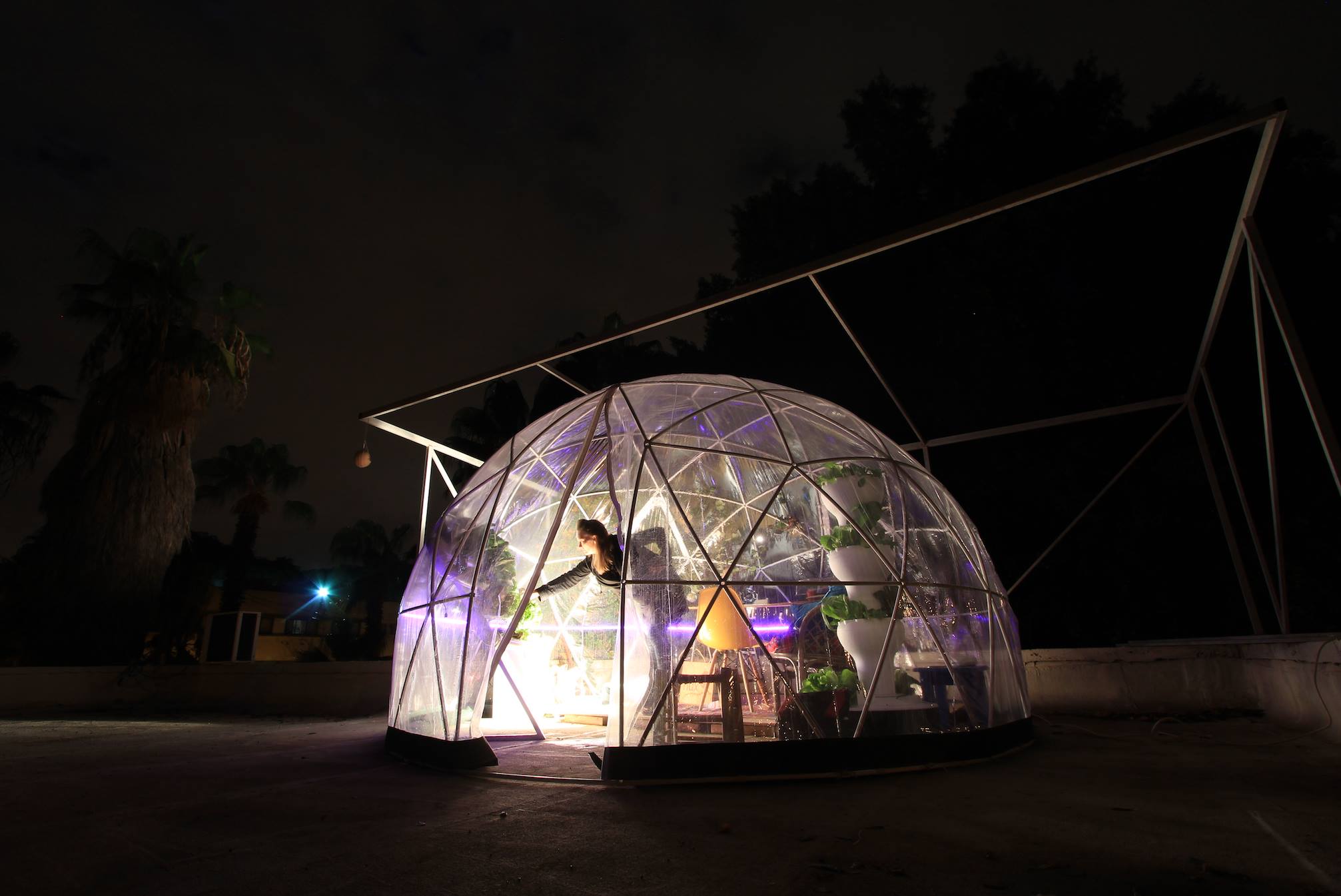
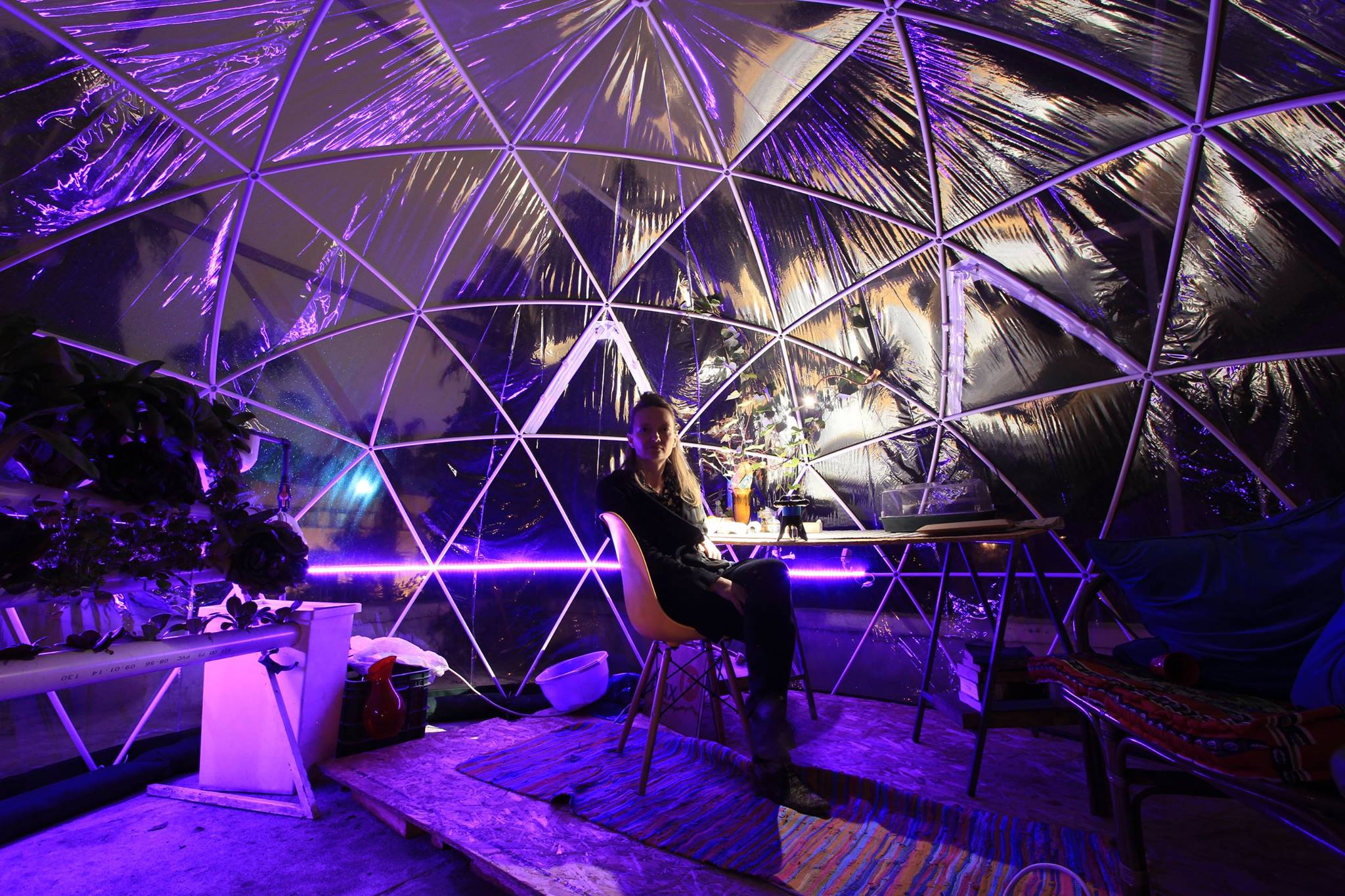
“Look to any sustainability expert in the United States and globally, and they will point out the flawed economics of large, conventional farms relying on government subsidies to exist,” says Karin Kloosterman, the founder of Eddy. She is pictured below in her hydroponic office:

“Growing and shipping food from Canada to China and back again is causing climate change. Pesticides and residues used by farmers have stark health effects for humans and the ecosystems that support us. We created flux out of fear for the future, but with hope that people – like us –- can turn the situation around,” says Kloosterman.

Plant and Play Remote Controls

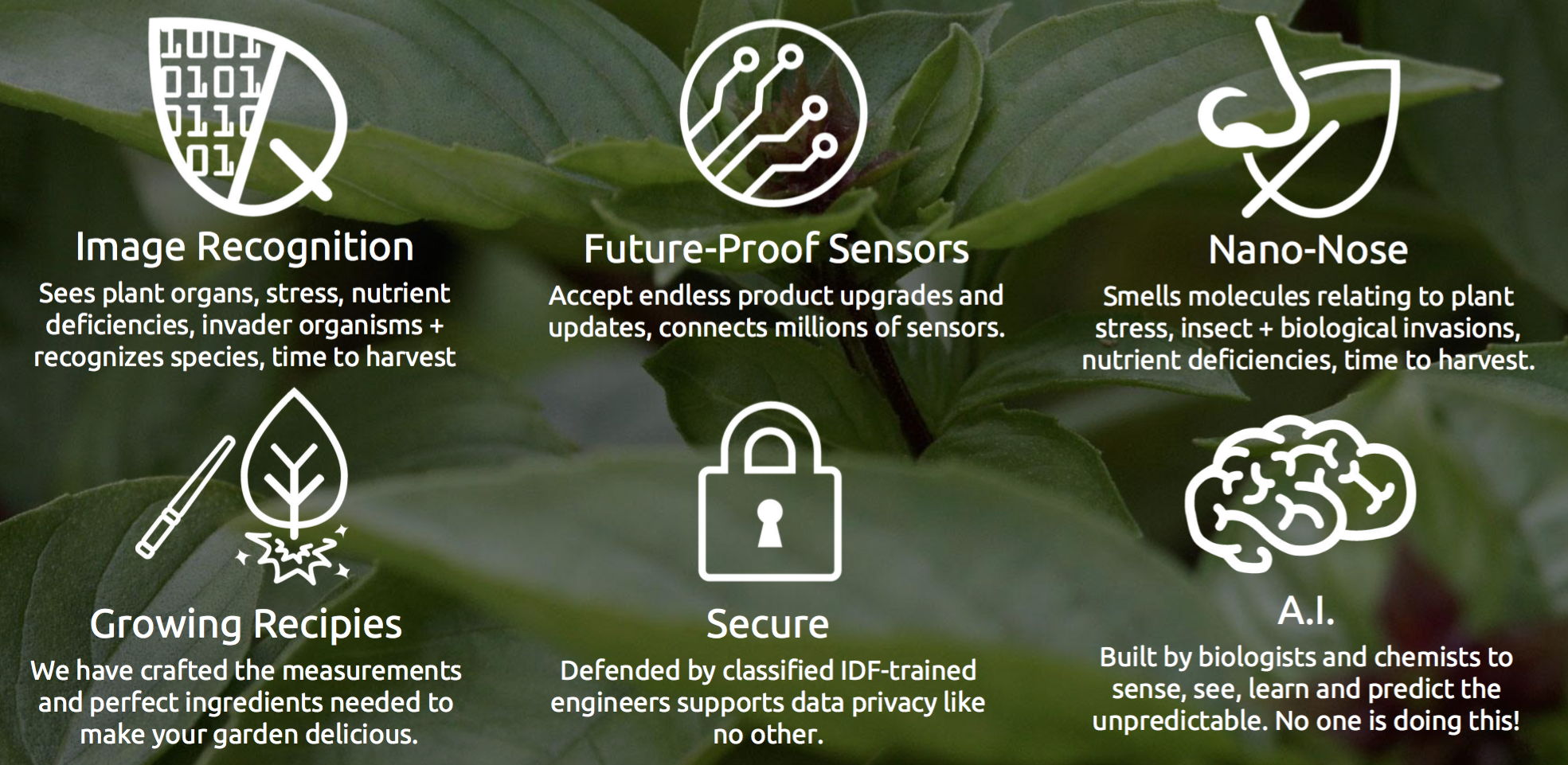
Eddy continuously monitors and adjusts the plants’ growing conditions, an image-processing capability for plant condition analysis, and a crowd-wisdom system for grower support throughout the entire growing process.

eddy-technology

Eddy comes in both home and semi-professional versions and is particularly appropriate for growing greens, vining plants, root crops, fruits, and herbs in dense urban locations – or even in thirsty drought regions like California, Africa, the Middle East, or India.

Space Station Technology Beside Your Barbecue

Water farming, vertical farming, or hydroponics, is catching on like wildfire in urban communities globally. Currently about 42 million American households grow food, a 17% increase since 2008. Americans also spend about $29 Billion on lawns and gardens. Cannabis cultivation, now legal in most US states creates another massive opportunity for companies in the urban farming business.

eddy-how

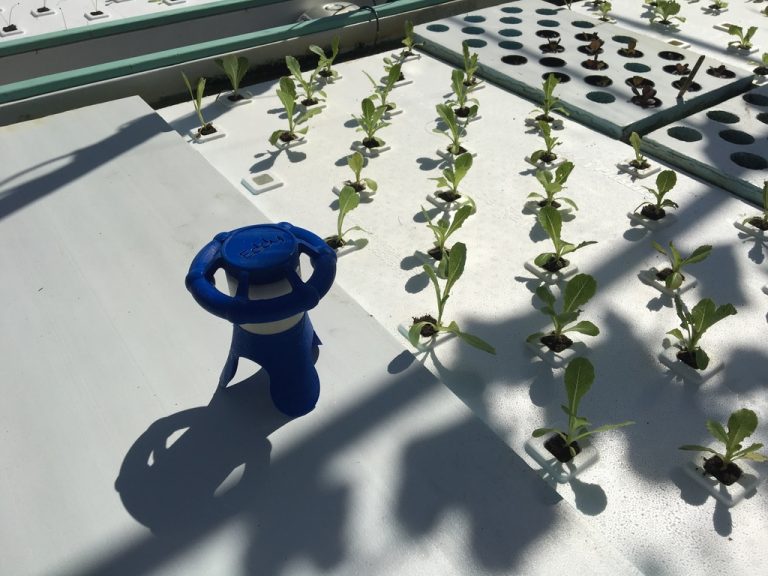
Hydroponics is a method of growing plants using water and a nutrient solution, with no soil at all. This method pioneered in America about 80 years ago, and favoured by space station scientists, uses up to 95 percent less water than soil farming.

Vertical farming is perfect for anywhere but can also use any unconventional space, such as rooftops or basements, and even in deserts, while producing up to 30x more crop per yard or meter of space year round.

eddy-benefits

Those who build hydroponics farms are inside the Indoor Agriculture market, one which is projected to jump to a $9 billion industry in the next several years, while gold rush opportunities in this space exist for cultivating high-value pharmaceutical crops in the United States and Canada.

Consider that around polluted Chinese and Japanese cities, hydroponics is an answer to food safety concerns where soils are so contaminated from heavy metals and radiation that consumers no longer want to eat food farmed from those regions.

Grown hyper-locally, hydroponics food can be fresher, more sustainable and even more nutritious. It is recognized by urban farming labs at leading US universities as an important solution for cities, desert agriculture, emerging economies –– and even for future moon colonization.


Eddy on the moon?  Or Mars? “Why not? Companies are starting to build biospheres that show how food can be cultivated in extreme environments, like Mars or Antarctica. For now though, we have our sights set on Planet Earth and helping people help themselves,” concludes Kloosterman, pictured above.

To reach out to Karin Kloosterman, VP Marketing and Sales, email [email protected]

flux website

The state of solar power in the Middle East

50

Masdar City, K.A.CARE, Cooperation Framework, renewable energy, Saudi Arabia, Abu Dhabi, UAE, clean tech, cross border cooperation, green tech

The unveiling of Dubai’s rooftop solar project during March 2015 is one of many steps the emirate is
taking in order to grow a domestic market regarding solar technology and usage. It is clear from these actions that the emirate is setting out to be greener and cleaner. At the same time, it is obvious they are aiming to be at the forefront of many different sectors, including trading, tourism, leisure and finance.

The Future of Energy Supply

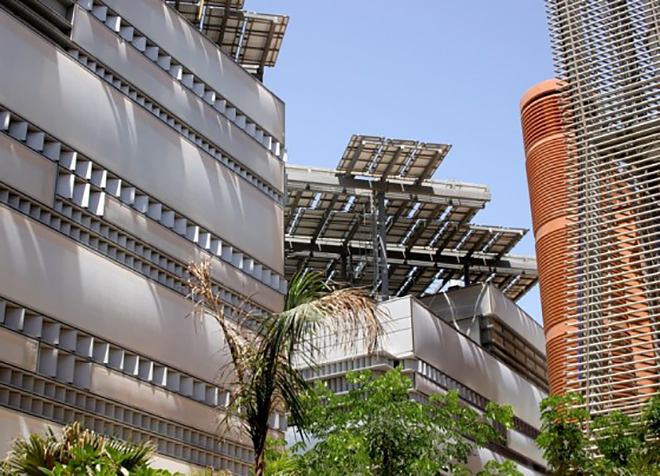
This project is not the first of its kind within the country, which has shown a genuine desire to explore renewable options. The year 2013 saw the launch of Shams 1 in Abu Dhabi, a large concentrated solar power plant. It was developed by a subsidiary company of Masdar (specialists in renewable energy), which focuses on creating clean and green energy solutions for both Abu Dhabi as well as for the rest of the world.

Masdar City is another program developed to showcase the feasibility of creating carbon-neutral cities.

Shams 1 and Masdar City are both supplemented by the recent launches of renewable technology incentives. The UAE are far ahead of the game compared to their neighbours.

The Rise of Renewable Energy

With oil and natural gases forming the basis of the Middle East’s energy power requirements, renewable energy has only recently gained some momentum in this part of the world. The GCC (Gulf Cooperation Council) particularly depends on the usage of fossil fuel. Fossil fuels are seen as being plentiful and unlikely to run out, and they are also an inexpensive option for supplying power locally.

As such, gas and oil are responsible for almost all of the energy used in the United Arab Emirates and
the GCC.

There were two main factors that piqued interest in utilising renewable energy within the Middle East. First was the reduction in cost of certain technologies that are involved in producing renewable energy (such as PV), especially in the previous decade. The second reason is the simple fact of demand; the region wants and needs renewable energy.

Due to the immense economic growth within the UAE – especially the rapid development that occurred in the past 40 years – energy demand has escalated extremely quickly. The UAE is one of the largest consumers of energy in the world, when looked at per capita.The region’s low-cost market for energy also contributes to the population’s consumption of renewables, as it reduces the attractiveness of choosing a greener lifestyle in favour of utilising traditional power sources.

A Smart Move

The UAE and several surrounding nations are opening the doors in regard to energy supply options
and also creating policies that will keep the demand for energy in check.The decision to move away from hydrocarbons and move towards alternative energy systems is based in part on the fact that the UAE will become the first country in the GCC to introduce civilian nuclear power. Renewables play a huge part in this strategy as the region enjoys sunshine all year, lending itself to an integration of solar power.

Solar may not be as cost-effective as traditional energy sources at this stage, but the future does
look bright. With technology progressing continuously, the cost factor will most certainly be reduced,
making the value of solar power more evident. This won’t only assist the Middle East and the UAE though; even countries with less favourable climates, such as Germany and the UK, will be able to
benefit from these developments.

Fossil Fuels – Costly from Many Angles

There are other reasons for the UAE to look at domestic markets regarding new energy sources as
well. Heavy dependence on hydrocarbon sources means that the UAE makes use of huge amounts of gas and oil. Due to the money it makes from exporting this resource, every barrel that is not exported is lost revenue for the UAE.

The cost of such heavy reliance on fossil fuels for its domestic energy needs has negative impacts in the long term as well; it could almost take over the initial cost of developing and installing renewable technologies like utility-scale PV solar power.

Benefits of expanding on renewable energy within the region include decreasing their swiftly increasing carbon footprint and opening the path for the development of green energy solutions.

Looking to the Future

The next point on their agenda should be to streamline various policies within the UAE in order to create more emirate-level initiatives. When focused together, these aims will be a testament to how
serious the UAE is about renewable energy while also aiding with manageable and balanced usage of
their treasured finite resources.

Solar is the future of energy power demand in the long run. The Middle East is clearly catching on
to that fact, along with many other countries worldwide. For more information on solar, visit Australian Solar Quotes.

Students make AMENDS for a better Middle East

0

AMENDS Stanford UniversityThe American Middle Eastern Network for Dialogue at California’s Stanford University (AMENDS) is a student-led initiative that enables young change agents from across the Middle East, North Africa, and United States to share ideas, collaborate on projects, and, through Ted-style talks, broadcast their experiences and learn from each other. This is a story about a platform for sharing stories that prompt positive change.
Is Egypt in denial about Nile phosphate pollution?

8

phosphate dump in Nile River

A barge carrying 500 tons of phosphate capsized in Upper Egypt last week after a run-in with a bridge foundation.  According to Egyptian newspaper Al-Ahram, the ship flipped after colliding with the Dandara Bridge in Qena, about 40 miles north of Luxor, dumping 1 million pounds of phosphate into the Nile River. Egypt’s Minister of Irrigation (MOI) Hossam Moghazi declared a state of extreme emergency as a precautionary measure. So what exactly are we looking at here?

10 Inventions to Save Earth’s Water

5

water ship yacht

With drought looming in California, but in many regions of the world include Yemen, Green Prophet honors Earth Day by digging into the archives so you can share 10 ways to collect and save fresh, potable water.

1. Seawater cone evaporation

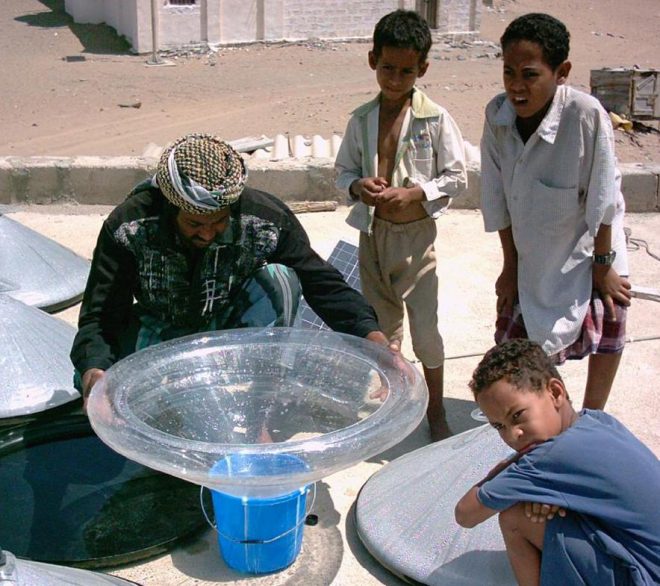
watercones family Yemen village
Watercones being used in Yemen, the thirstiest place on earth.

This low-tech method of collecting fresh water in involves placing an inverted plastic “water cone” over a pan of salt water and catching the evaporating fresh water droplets in the rimmed cone edges.

A cone measuring about 1/2 meter in diameter and are about 35 to 40 cm high can produce as much a one liter a day of fresh water. This idea is being tried in water starved countries like Yemen; which are now literally running on empty. The idea is also being used at a large scale to grow organic food in Abu Dhabi in seawater greenhouses.

2. Purifying contaminated water supplies in SODIS plastic bottles

sodis water bottles India
A SODIS water purification “plant”

Another “low tech” way of creating potable water supplies involves purifying water in large plastic water bottles, which are normally thrown away after use. Discovered by a Swiss research institute, The Swiss Federal Institute of Aquatic Science and Technology the SODIS method takes stagnant or waste water first made clear by filtering through sand.

The filtered water is then put into the plastic bottles, one side of which has been painted a dark color to help absorb sunlight. The filled bottles are arranged in rows on rooftops to allow the sun’s heat to heat up the water in the bottles to kill harmful bacteria.

This acts like a miniature sun boiler and not only provides safe drinking water but also allows more light into the dwelling. The SODIS method is now being used in countries like India where local freshwater supplies are often contaminated.

3. Water from air conditioning units

Air conditioners in apartment buidlings
Air conditioners pull water from the air, literally. It’s distilled so not great to drink, but useful in other ways.

This water collecting idea has been around for years and is now being used by US and other armed forces units in desert countries.  Water from air conditioning condensation is purified and used for drinking by troops in the field. Water obtained by this method can have a variety of uses; including agriculture and industrial use as well as for drinking.

4. Wastewater treatment

Treatment of wastewater, from sewage as well as “grey water” from households is now being done in countries like Israel, which reclaims as much as 70% of its waste water.

Israel’s success  in reclaiming waste water has been so great that its national water company, Mekorot, received UN recognition for its Shafdan water reclamation facility. Much of this treated water is used for agriculture and public parks, which do not need purified fresh water.

5. Defying nature in Wadi Rum

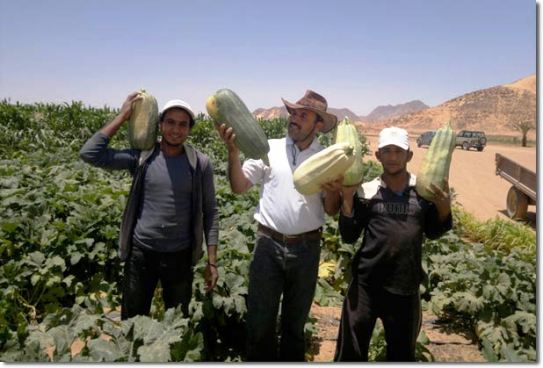
Wadi-Rum-farmers-with-squash

Bedouin farmers in Jordan’s Wadi Rum desert region (photo) are now using permaculture design systems, which date back to the ancient Nabateans who once inhabited the region.

These systems help conserve available water supplies to successfully grow organic vegtables and other crops. Permaculture irrigation involves digging small canals and drip irrigation methods. The systems used have already been in use extensively in the Jordan Valley. Mulching around trees such as pomegranates involves using what is known as a “chopndrop” method that helps conserve water.

6. Fog harvesting

Fog harvesting involves collecting water droplets created in locations where dense fog often blankets areas during certain times of the year. Also known as fog drip, this method of collecting water is now being used in Middle East countries like Yemen, Oman and Saudi Arabia, where annual monsoons create dense fog, known as “Khareefs” which blanket southern coastal  regions.

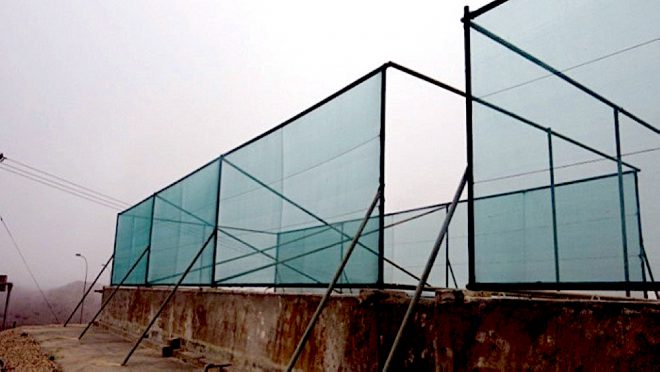
khareef fog collector doha, Qatar
The Fog Collection Project successfully collected 350,000 gallons of water from fog during the Khareef.

In this method, fog created water droplets are captured on special plastic mesh, which then drips down into a special reservoir located below the mesh. A collector of four 20-m-wide, 3-m-tall nets is placed at opposite ends of a reservoir that is capable of holding 400 cubic meters of water.

7. Bamboo Warkawater Towers

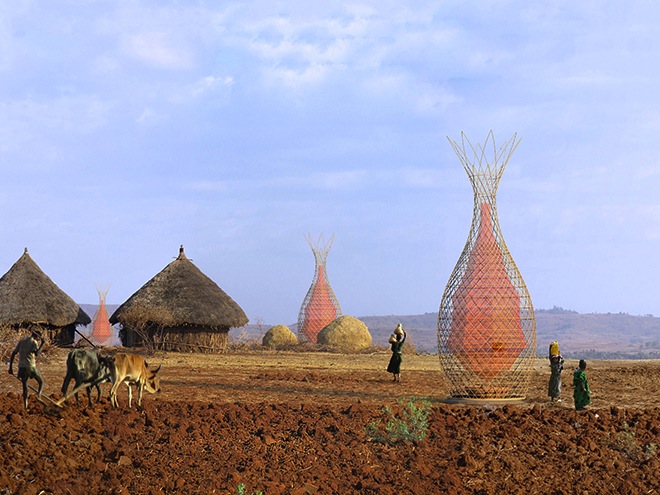
Another low-tech invention for harvesting water from the air is an Italian designed “Warkawater Tower”  that is designed to collect water in countries like Ethiopia during cooler evening hours when the air becomes cooler.

Warka tower, architect

Named after the warka tree, native to Ethiopia, special plastic mesh in bamboo frameworks collect dew, which then drips down to a collecting pan. This method requires no external energy and is well suited for arid countries like Ethiopia  where nighttime temperatures are often very cool, allowing due to form.

8. Dome collectors

greenhouse-water-collector-for-ethiopia-660x403

Also suited for arid countries like Ethiopia, or even California or Arizona in the US, futuristic dome collectors also collect dew in early morning hours. This device involves a dome shaped mini-greenhouse of special plastic sheeting that collects dew which then drips into an inverted funnel shaped cone.

The collector requires no external energy source and is easy to assemble and disassemble. In addition, they can also be used to grow crops, which are located under the plastic “greenhouse”.

9. Underground water reservoirs

Whether natural, like Israel’s Sea of Galilee or man-made, water collecting reservoirs have been prime water storage sources since ancient times. More recently, these sources have become increasingly polluted, as well as severely depleted by periods of less than normal rainfall, or severe drought.

This is especially so in Middle East region countries like Turkey, Syria, Lebanon, Israel and Cyprus.

As more and more water is removed, for drinking or agriculture, the remaining water is  more subject to saline pollution and other contamination.

10. Desalination technologies

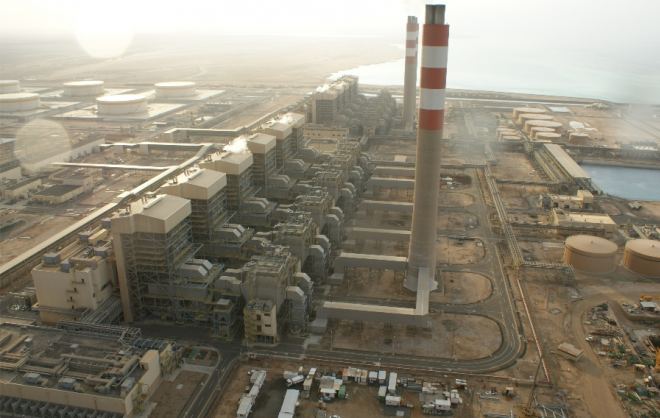
A last resort :Although more in use today, desalination of sea water by reverse osmosis and other methods is one of the most environmentally damaging as it involves use of oil and other fossil fuels to run the desalination plants.

Shoaiba Desalination plant looks like Gotham City
Oil-powered Shoaiba Desalination plant in Saudi Arabia looks like Gotham City

In addition, the heavy saline brine residue is usually allowed to flow back into the sea, making the seawater nearby more saline. Various ME and Mediterranean countries are now heavily dependent on desalination, including Cyprus which is receiving Israeli assistance to build desalination plants, Saudi Arabia, and the UAE.

As fresh water supplies grow even more scarce worldwide, fresh water related issues will undoubtedly receive more attention on future Earth Day events.

More on water collection and conservation:

Futuristic dome collectors collect dew for drinking water and crops

Cyprus gets new desalination plant with Mekorot Israel’s knowhow

Bamboo Warkawater Tower Harvests Potable Water From Air

Wadi Rum Bedouins Defy Nature by Growing Organic Veggies

Palestinian rappers tackle MidEast sexism

1

Palestinian rappers DAM

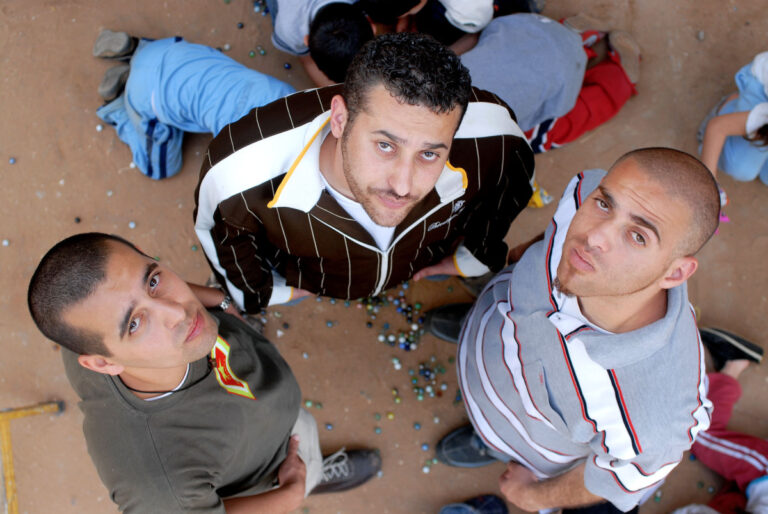
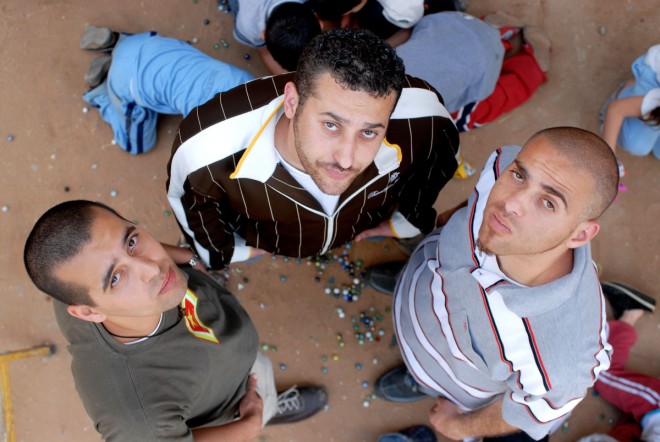
“I am the dishes, the ironing, I am everything, I am nothing. But remind me: Who are you?” So plays the hook of a new feminist anthem released by the Palestinian rappers, DAM. The video for “Who You Are” plays on sexist attitudes by having men and women switch domestic roles typical in the Middle East, but also familiar across most cultures.

Directed by Oscar-nominated Palestinian filmmaker Scandar Copti, the video is starting to rack up YouTube views. It has an associated social media campaign which asks fans to send videos of themselves challenging traditional gender roles. (See image below, as example.) The song release coincides with the first female singer joining the all-male trio, Maysa Daw, who told the Hebrew-language news site Local Call, “Men try to stereotype women all the time and I just want to ask which stereotypes define men.”

palestinian rap takes on sexism

The video was promoted in partnership with the United Nations Population Fund, which focuses on changing sexist attitudes in the Middle East and improving reproductive health for women around the world.

“We speak out against our own oppressive society, of course, but I believe it is just as important to criticize the hypocritical part of our society, which likes to play ‘make-believe feminism’ from time to time,” Tamer Nafar, the group’s co-founder, told +972. Maybe they can hook up with Tasmanian artist Sonia Singh and have some upcycled and re-feminized dolls feature in their next video to underscore their message.

[youtube]https://youtu.be/CZll1ioI3xg[/youtube]

Brothers Tamer and Suhell Nafar and their friend Mahmoud Jreri founded the hip-hop group in 1999 in Lod, Israel (47 km from Jerusalem). Their name is Arabic for “ever-lasting” and is also the Hebrew word for “blood”. Their songs are mostly themed on the Israeli-Palestinian conflict, poverty, and human rights.

“If we want to be honest with ourselves as artists, we need to target taboos in our own society,” explained Jreri in an Al-Monitor interview in 2013, “Fans want us to focus on the occupation, but the political and social struggle should go together and not be separated.”

Subject matter that crosses cultural boundaries is an excellent catalyst for conversation. Arabs, Jews, and ex-pat foreigners all grapple with issues of modern sexism and feminism. Ideally the message in this video will resonate far beyond Palestine, highlighting  our commonalities and uniting us in a re-evaluation of gender inequality. At least, we can unite around a catchy song.

Lead image by Steve Sabella from the DAM website


Abu Dhabi shoppers planting and painting at the mall

0

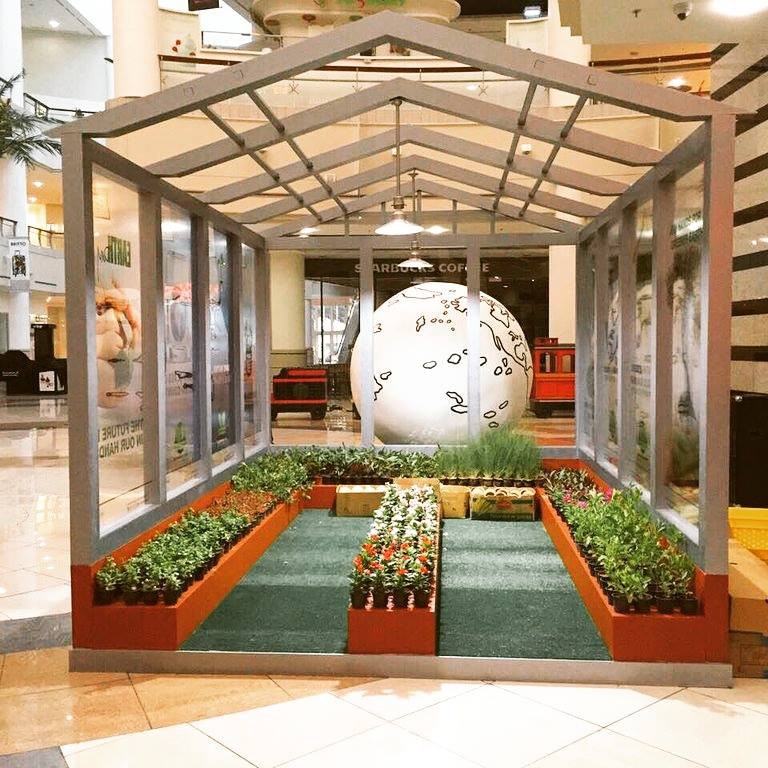
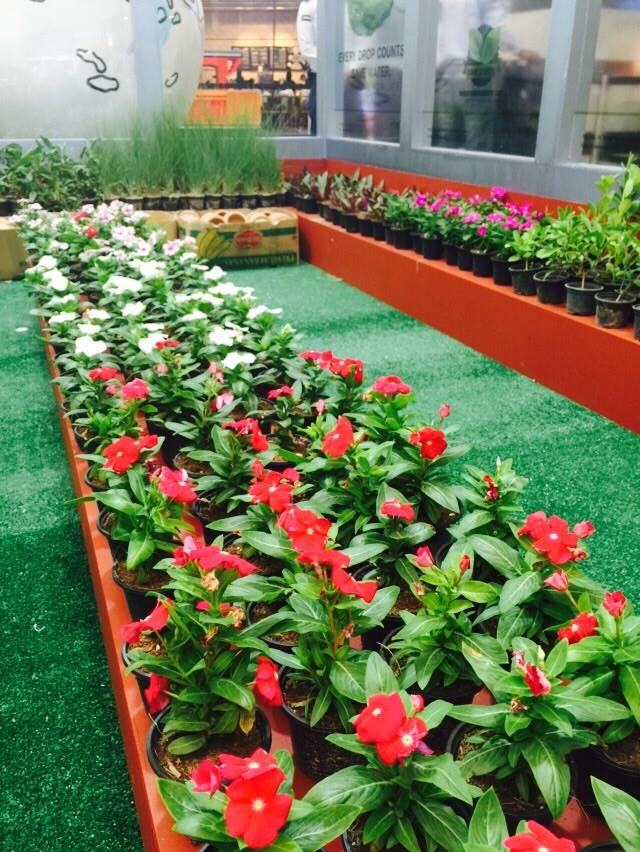
Greenhouse at Al Wahda MallIn the large atrium of Al Wahda Mall in Abu Dhabi, parents, children, staff and tourists are just some of the shoppers that can be found. Only they aren’t shopping – they’re planting small trees.

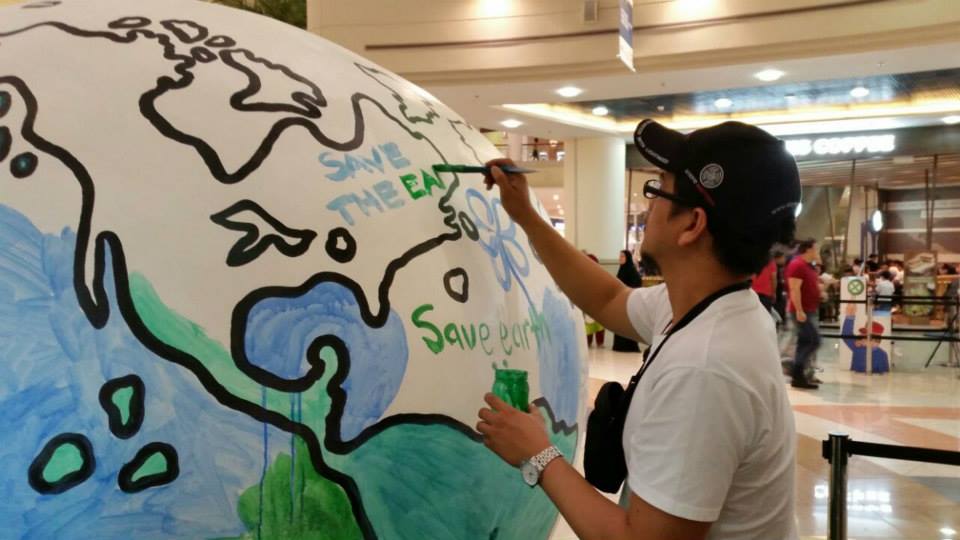
Close by, other visitors stand armed with paint brushes a paint pots, coloring in a large globe.

The activities all part of the mall’s campaign, Make Our Planet Green, to encourage people to be more environmentally aware.

Shoppers can take a break from retail stress and take part in a range of events as part of the initiative. A giant globe on the atrium floor has gradually been colored in by curious passers-by by ahead of Earth Day next week on April 22.

If they’ve spent a healthy amount shopping( AED 250 or US$68), they get to plant a sapling for free in a specially erected greenhouse before taking their young tree home. Alternatively if they’ve resisted from spending their money shopping or just been dragged along for a family outing they can pay a small fee to take a sapling home to plant.

Man painting a giant globe

Many art and environment lovers have also been participating in the Green Earth Sketching Contest. The competition requires them to sketch their version of an eco-friendly earth on eco-friendly paper. The winners of the contest will be announced on April 30 and the person who scoops first prize will get an Al Wahda Mall shopping voucher worth AED 5,000 (US$1,361!)

“We want to educate people about how they could contribute towards a greener planet by organizing activities they will enjoy taking part in,” said Mohammad Nauman Thakur, General Manager of Al Wahda Mall.

“With such initiatives, we believe in connecting with the community and we would like everyone to come here and take part in the ‘green drive’. Everyone should be responsible and do their bit for a cleaner planet,” he added.

Plants at Al Wahda mall

Hundreds of visitors descended on the activity areas on the opening day of the Make Our Planet Green initiative.

“I had visited the mall with my young ones. It was nice to see them getting close to nature and learning about their responsibility towards a greener planet. They had fun planting saplings, it is not something they usually get to do,” said Filipino Maria Guiterez, an Abu Dhabi resident who works in the marketing department of a multinational company.

Aside from this latest green campaign, the mall already has in place environmentally friendly measures to help reduce its carbon footprint and use energy efficiently. The skylight on the roof has sun reflective films to help reduce overheating in order to save power.

LED bulbs have replaced 20 percent of the lights in the mall, and by 2017, the mall hopes that the entire building’s lighting will be using the energy saving LEDs instead of regular bulbs.

Al Wahda also uses an adiabatic cooling system to cut down on electricity consumption of the air conditioning system by reducing heat through a change in air pressure.

Even the restrooms are green! Waterless urinals have been in installed to help save over 400, 000 gallons of water each year.

The Make Our Planet Green event started on April 9 and is running for another week until its final day on April 25.

Images courtesy of Al Wahda Mall.


Cultivate your own “pocket park” with a 3D planted garden

262

wearable planter 2

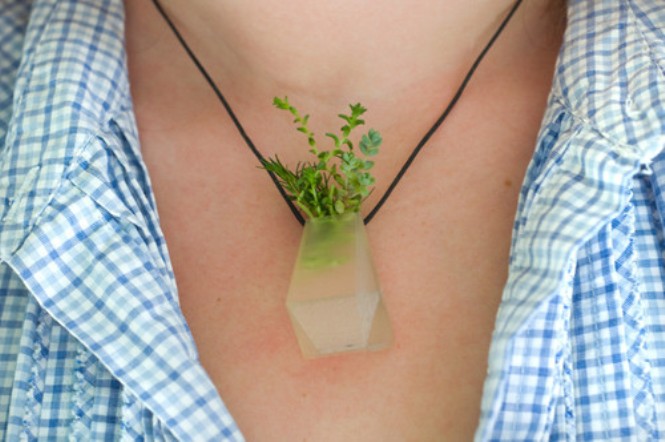
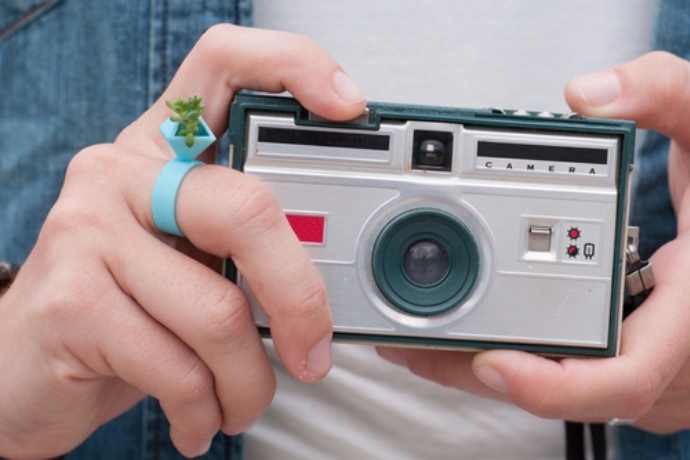
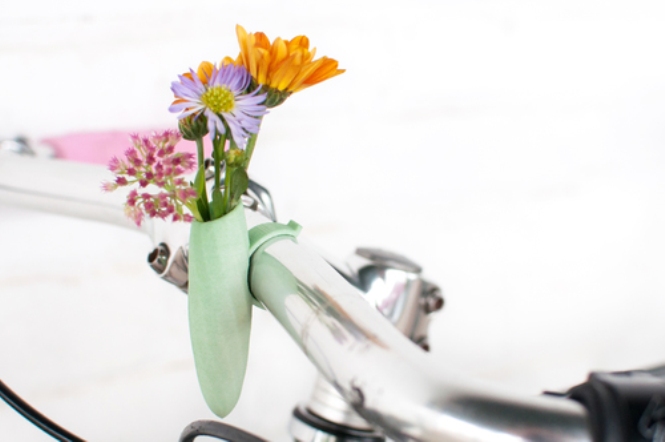
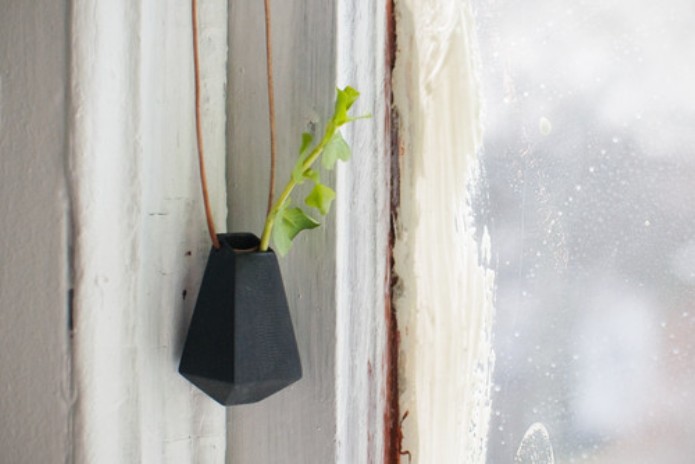
Wearable Planter is an art and design studio based in Atlanta, Georgia where owner Colleen Jordan creates tiny vases that blur the line between housewares and accessories. The geometric 3D-printed vessels (a/k/a “jewelry for green thumbs”) are water-resistant. Plant one with a bonsai-sized succulent or lilliputian flower arrangement and celebrate spring with a live plant in your pocket!

Colleen JordanJordan explains on her website, “We believe that the world would be a happier place if people appreciated nature a little more, and were willing to carry a plant close to their heart from time to time.” You said it, sister.

The colorful containers prompt smiles. They are made from nylon fiber and dyed in Easter-egg colors, then sealed with acrylic varnish. The planters are available as pendants, rings, brooches and clip-on vases – perfect for tagging your bike handles or baby stroller.Colleen Jordan

Most feature a flat bottom so they can sit on a tabletop when not being worn.  Prices hover around $30, but there are other items besides the 3D-printed vases – such as seed-bomb kits – that don’t break a ten-dollar bill. The business started in 2011 and has a continually evolving product line.

Colleen JordanThree-dimensional printing allows Jordan to create more complex forms than older manufacturing techniques had allowed. The process minimizes waste, centralizes design and production, and reduces inventory as items are made on demand – all of which reduces the start-up’s environmental impact.

wearable planter 3

The vases can be sent anywhere, but postal regulations prohibit shipping plants through the mail. Customers who happen to be in Atlanta can stop by the studio and pick up a plant to pop in their planters. Everyone else can visit their website to learn how to plant their own – with clear directions for working with cut succulents, air plants, and cut flowers.  There are also excellent how-to guides on making your own seed bombs, growing food on a windowsill, creating a terrarium in a light bulb – and general info on playing in dirt.

Syrian refugees share their graphic stories

1

zaatari art workshopThe population at Jordan’s Zaatari camp for Syrian refugees has dwindled. The United Nations Refugee Agency (UNHCR) counts current residents at 83,000, down from over 200,000 in April 2013. People are relocating to communities across Jordan, electing to return to Syria, or simply bailing out of the refugee program. Meanwhile, those that remain – many in their third year of residency – struggle for normalcy within the 1.3 square mile fenced compound. Come see how art is helping.