
The Untouchables, a 2013 photo series produced by Cuban artist Erik Ravelo, is again making the rounds on social media – perhaps prompted by the latest American school shootings, or more likely because powerful art refuses to die.

The Untouchables, a 2013 photo series produced by Cuban artist Erik Ravelo, is again making the rounds on social media – perhaps prompted by the latest American school shootings, or more likely because powerful art refuses to die.


More than 158.8 million people around the globe are using cannabis, according to the United Nations (U.N.). This is approximately 3.8 percent of the global population and the figure will undoubtedly grow as cannabis legalization spreads. First used for medical purposes sometime around 2900 B.C in China, medical cannabis is a reliable solution for patients who are suffering from chronic pain.
Chronic pain is just one example of the medical problems that can be relieved using herbs and infused products from a trusted dispensary, such as the Green Cross SF. Since cannabis is a natural, non-addictive treatment that has never been linked to death (unlike addictive opioid pain relievers,) it is worth exploring your options when it comes to getting your recommended daily dose. One such method that is proven to be highly effective at relieving the symptoms of pain is a rectal cannabis suppository.

What is a Rectal Cannabis Suppository?
For thousands of years, plant-based medicines and suppositories have been referenced in recorded history. In fact, excavations of ancient Heidelberg Castle resulted in the discovery of age-old suppository molds! Medical cannabis is gaining more popularity by the day, as scientists, researchers and advocates reveal the plant’s medicinal benefits to the world.
Rectal plant suppositories might not be anything new, but they are a fairly new addition to the menu of many medical marijuana dispensaries. This is because research is ongoing and until sufficient evidence about rectal cannabis suppositories was gathered, dispensaries were not so open about selling these products.
Although a rectal cannabis suppository might not be everyone’s cup of tea, it is a worthwhile solution for chronic pain sufferers. Why, you ask? Well, when compared to smoking cannabis, which transfers approximately 15 percent of the essential cannabinoids to the bloodstream, a rectal cannabis suppository can deliver as much as 35 percent! What’s more, suppositories work quickly, with most providing pain relief in as little as 10 minutes.
The Benefits of Treating Chronic Pain with Cannabis
As much as 20 percent of the global population endures chronic pain on a daily basis, according to The World Health Organization. These statistics demonstrate how a significant percentage of people on the planet suffer from some type of chronic pain. Examples of the most common types of chronic pain include:
Numerous other conditions fall under the chronic pain category. In an attempt to reduce symptoms, patients are spending money on pharmaceutical drugs, such as dangerous opioid medications like Oxycodone. Pharmaceutical industry data has exposed how the market is worth an estimated $13.2 billion in the U.S. alone. The data also shows how as much as $294.5 billion is being spent on chronic pain medication and treatment every year.
Medical cannabis, on the other hand, can be obtained for a reasonable price. Since this type of natural pain reliever tends to be more effective, the long-term savings may be substantial for someone who switches from pharmaceutical drugs to cannabis. With so many options available to medical cannabis users, the versatility of this treatment option is a major appeal for consumers.
Is cannabis a proven treatment for chronic pain?

Indeed it is and the evidence to support medical cannabis use is stacking up by the day. This is not to say that scientists know every single thing about the plant, because 4,000 years after early civilizations started using medical cannabis, research is still taking place to determine precisely which conditions cannabis can be used to treat.
However, one study on cannabinoids for pain relief showed a major decrease in pain when high doses were administered to a group of healthy volunteers. Cannabis for clinical pain has been widely studied, with one systematic review of cannabinoids revealing up to 37 percent reduction in pain among 2,454 patients who underwent 28 randomized trials.
How to Diagnose Chronic Pain
If you think that you might need to buy medical-grade cannabis products from a medical cannabis dispensary in SF, make sure you get a clear diagnosis beforehand. Any type of pain that persists for longer than 12 weeks is usually defined as chronic pain. The problem may manifest itself in one or multiple body parts for a number of reasons, such as an injury or underlying genetic condition. Visit a Doctor for a diagnosis and make sure you get a certificate of recommendation. This is necessary to obtain a prescription for rectal cannabis suppositories.
Finding a Licensed Dispensary to Buy Cannabis Products

Certain standards and regulations must be met to ensure cannabis products are safe for human use. Avoid working with a medical marijuana dispensary if they cannot inform you about how the plants were cultivated and processed, before being sold inside a licensed store. Thorough testing ensures that the cannabis products have not been contaminated with pesticides, solvents and other hazardous substances.
Due to the fact cannabis is highly absorbent, the environment in which dispensary products are sold will make a difference to its quality. Some other considerations to think about when finding a licensed dispensary include location (think about convenience,) product selection and pricing.


Home to more than 60 million people, the U.K is the first stop on any European road trip. Its capital, London, is perhaps one of the most famous cities on the planet and has a population of eight million. Enclosed by the North Sea on its North side, the Atlantic Ocean to the West, the U.K is also a main point of travel to other must-see European countries like Iceland and Norway.
Fancy a British break away with the family? Perhaps you are headed to the United Kingdom on a business trip and want to see what this territory has to offer? Whatever you desires for discovering the sovereign state, don’t do it without first familiarizing yourself with the top U.K. destinations.
Below, we have cleverly compiled a list of the top 10 attractions in all 4 countries in the United Kingdom that you need to see on your travels.

It is the birthplace of Shakespeare and has evolved into a multicultural country with a thriving economy. Here’s what you need to see during your trip to England:

Hiker’s and nature lovers are overwhelmed by the beauty of Wales, which sits in Great Britain’s southwestern segment. When you venture to this coastal country, visit the following top destinations :

The northernmost part of the U.K. is home to Scotland. Arguably one of the most beautiful countries on the planet, it features iconic castles, lush green valleys, large lakes and the following attractions:

A country filled with Christian and Celtic monuments that give visitors a glimpse into its past, Northern Ireland’s landscape merges glacial valleys with ancient landmarks. The following destinations should be included on your travel itinerary:
So no matter where you end up going, you are sure to fall in love with the U.K. So look up some packing tips and set up your travel plans because you’re going to eventually knock each and every one of these amazing destinations off of your list.


The folks at Tablet Magazine have created an interactive list of Jewish foods that is as addictive as salty pickles, chewy macaroons, or (insert your own guilty nosh). It’s not a roster of the most popular Jewish foods, or the healthiest, or the tastiest. Some are pretty obscure (making their last appearance on Bubbe’s bubbe’s table). Instead they aimed to identify foods with the deepest Jewish significance. Pull up a chair to this table and see how they fared!
According to Tablet, these foods were generated by a people that became many peoples, “a tribe at once bound together by a shared tradition and separated by radically different host countries, cultures, politics, and influences.”

Instead of organizing the dishes chronologically or by originating region, the dishes are presented as they exist in reality: all on the same table. And the photo of that spread wasn’t Photoshopped, instead all 100 dishes were assembled and photographed in one day.
So spin the table (link here), click on each plate, and enjoy the blurbs that accompany each dish. You can also view the dishes in a simple alphabetical list or by contributor. In addition to Tablet writers and editors, contributors include leading chefs and food writers—Ruth Reichl, Eric Ripert, Joan Nathan, Michael Solomonov, Dan Barber, Gail Simmons, Yotam Ottolenghi, Tom Colicchio, Amanda Hesser and Merrill Stubbs, to name just a few.
Tablet is a daily online magazine of Jewish news, ideas, and culture, a project of the not-for-profit Nextbook Inc.
If you follow our contributor Miriam Kresh (here), she writes up a healthy dose of recipes for Green Prophets on how to prepare all sorts of Jewish foods, and Muslim food and Christian food… everyone’s food, inspired by the Middle East.
With that, there’s only one thing left to say: Enjoy! (Add let us know your favorite!)


A Russian ice cream company is drawing criticism from members of the international Jewish community for a new dessert named “Poor Jew”. An advert on Russian social media states, “Introducing the ice cream ‘Poor Jew,'” Try all this deliciousness, it turns out that he is not so poor.” The cone may not be poor, but it’s surely tasteless.
In a social media post announcing the ice cream’s launch on Feb. 28, the company describes it as a “crusty horn” filled with chocolate- and prune-flavored ice cream and topped with peanuts. Prune-flavored ice cream my be a matter of subjective preference, but most will agree that the real problem is with the product name and packaging.
The brand Slavitsa wraps their pre-packaged ice cream cone in an Israeli flag, also featuring the Star of David, symbols of Judaism and modern Jewish identity. The cone made Russian national news after the head of a Jewish community in the western town of Naberezhnye Chelny – 600 miles east of Moscow – blew the whistle. Leonid Shteinberg has called the name “racist” and demanded its production and sale be halted, Radio Free Europe/Radio Liberty reported.
Related: Read about really good “Jewish” ice cream from Tel Aviv that uses hummous as a base.
“Who allowed them to offend national feelings?” Shteinberg told the news website Tatar-inform.ru. He also threatened to sue the factory if they don’t stop production of the ice cream. Slavitsa’s director responded by saying, “Look at the sales! People love it! At the end of the day, it’s clear that this Jew is not poor at all,” making reference to the ice cream’s commercial success.
The city prosecutor’s office has opened an investigation into whether the ice cream maker used the name “Poor Jew” and the Israeli flag legally on its packaging.
The Slavitsa company has long demonstrated questionable taste. They were previously criticized for creating a chocolate ice cream named after then-President Barack Obama, which had a wrapper depicting an African boy, and for naming another ice cream with an ethnic slur for Ukrainians.

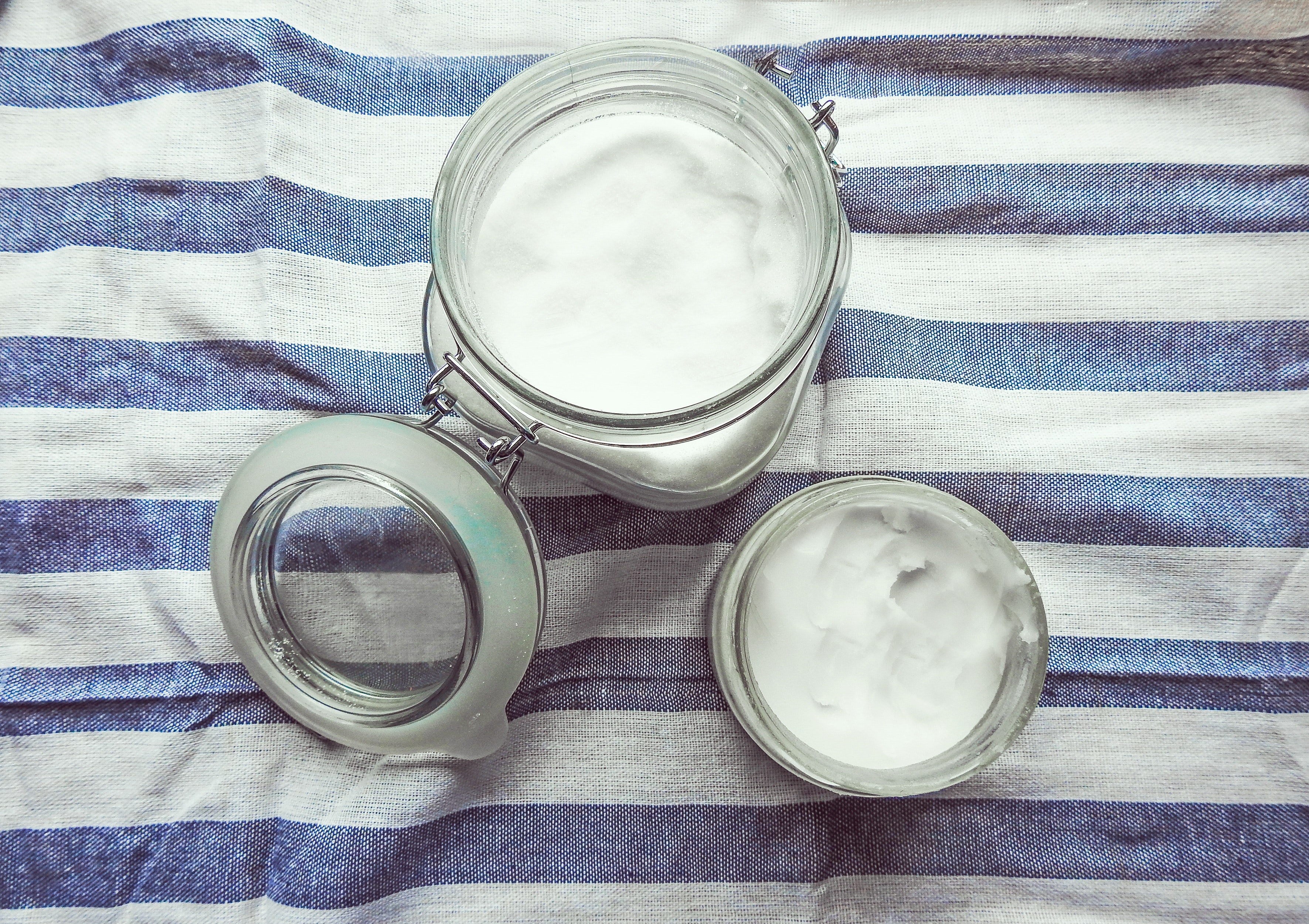
When the first warm days tempt you outdoors for a walk, take time to look at the wild mallows flowers. So soon to vanish in summer’s heat, they cast their light purple beauty wherever they’re permitted to exist.

Urbanization has deprived Nature of places where wild herbs and vegetables used to grow, but even the smallest space between buildings, waste ground and abandoned lots bear wild seeds that wait for winter rains to sprout. Kids in Israel like to eat the seeds raw and compare them to little round breads. Kids in America will see them as little round cheeses.
One of these is mallows, Malva sylvestris. See our post about eating nettles and mallows here.
Considered an invasive weed in some parts, mallows are yet a valuable edible and medicinal herb. And bees love mallows flowers; that’s crucial in a world that becomes less friendly to those important pollinators by the day.
Mallows’ leaves and green fruit release beneficial mucilage (goop) that herbalists have used to soothe dry, irritated skin since antiquity. Author Tracy Chevalier mentions making mallows ointment for chapped hands in her book “Girl With A Pearl Earring.” According to some herbalists mallow “talks cells out of dying.”
Here’s the recipe for a basic ointment or salve using mallows.
Basic instructions for any herbal ointment
Make an infused oil, then use it to make a beeswax ointment
What you need:
1 small, very clean, very dry glass jar with lid
Pot large enough to fit the jar in with some space around it
Clean, dry spoon or knife
Enough chopped herb to fill the jar
Good-quality oil
Another small, clean and dry pot
Beeswax
Pick the mallows at mid-day, when the dew has dried on the leaves and the flowers are open. Don’t wash the leaves, but pick them over and discard any dirty ones. It’s important to use only dry plant material – any trace of moisture will cause the oil infusion to mold.
Chop the leaves.
Fill the jar with chopped leaves and flowers.
Pour oil into the jar. Stir it once or twice. Keep filling the jar until all the herb is covered and the jar is full.
Close the jar tightly and place in a pot containing water to come half-way up the jar.
Place the pot over low heat and let the water simmer for 2 hours, replacing it as it evaporates.
Remove the jar from the water bath, wipe it dry, and set it aside to cool.
Strain the oil through cheesecloth or an old, clean nylon stocking. Diaper material and thin, worn-out kitchen towels are also useful here. Squeeze out as much oil as possible from the leaves. The best of it is in the last drops.
Discard the spent herb.
Measure the oil.
For every ounce (30 ml.)of infused oil, have ready 1 tablespoon (15 ml.) grated beeswax.
Heat the measured oil in a small pot, over very gentle heat.
Add the grated beeswax. Stir until it melts and you have a smooth semi-solid: one or two minutes.
Pour the warm ointment into a clean jar. Cover and let it cool until it becomes solid.
You can melt the ointment again and add more infused oil if it’s too solid, or more beeswax if it’s too soft. Add only teaspoons at a time until you’re satisfied with the texture.
Lacking commercial beeswax, you can measure a tablespoon-sized chunk from a genuine beeswax candle and melt it into the oil. Just draw the wick out of the liquid before pouring it into the jar.

 Set a reminder to set back your clocks this weekend, as we welcome back (for the hundredth time) Daylight Savings Time. This biannual tradition, established in 1918 America, sees much of the world get robbed of an hour sleep as clocks spring forward at 1 AM on Sunday, all to give us an extra hour of sunlight.
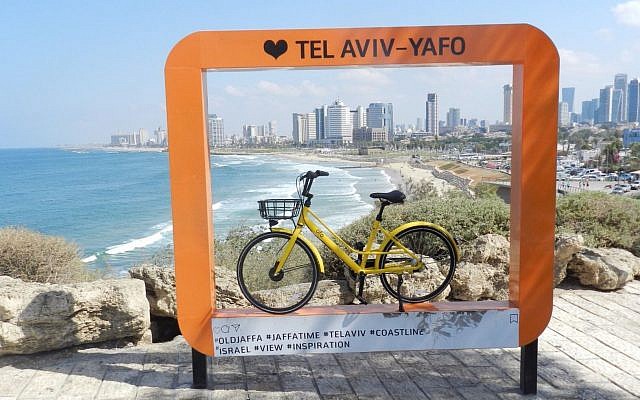

Human-powered, pedal-driven, single-track, two-wheeled bikes are emerging as the most disruptive tech in transportation. Now China’s top two dock-less bike-sharing titans are rolling into Startup Nation with plans to deploy thousands of bikes in Tel Aviv in the first half of 2018, threatening existing stationed bike platforms like local provider Tel-O-Fun.


Saudi Arabia’s Aramco is eyeing a twofold increase in its natural gas production over the next ten years, and the plan includes the environmentally devastating process of producing oil from shale deposits.
One of the top spots for shale gas drilling is the Jafurah basin, which is similar in size to Texas’ Eagle Ford.
Reacting to Saudi Arabia’s plan to produce unconventional gas by the end of March for local consumption in order to export more oil for a bigger profit, Julien Jreissati Arab World Campaigner at Greenpeace Mediterranean said, “If the kingdom’s intention is to accentuate climate change and its devastating impacts than there is no better way to do so!”
“With this announcement Saudi Arabia demonstrates that it does not take the Paris agreement seriously,” said Jreissati. He continued, “Studies show that more than half of the known fossil fuels reserves, especially shale oil & gas, need to stay in the ground for the world to have a chance to limit the global average temperature increase to 2c let alone 1.5c”.
“The kingdom should rather focus on decarbonising its energy and economy by accelerating its transition to renewable energy considering that Saudi Arabia is one of the most vulnerable countries to climate change” concluded Jreissati.
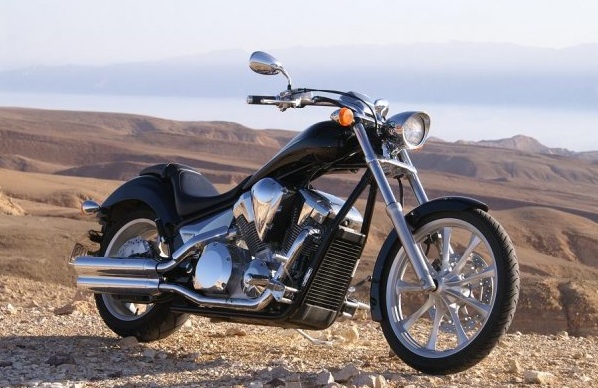
Electric bikes have taken over the world. And there is a lot to be said about the environmental advantages to driving a 2 wheel vehicle, over a 4. Ownership of a Harley Davidson is a major goal for many motorcycle fanatics. These motorcycles are well-known all over the world and have become an icon of the biker life. Depending on where you live, using a bike for transportation can be either simple or complex. Weather patterns, traffic, and cost all play a part in how a motorcycle works into your daily life. Your geographical location can also be important when making the decision about purchasing a Harley Davidson. They are a group of specialty bikes that fit in to some lifestyles better than others. Owners of these bikes, however, stand strong in their support of the brand. Residents of the United Kingdom may have some very specific reasons for deciding for or against a Harley Davidson. Let’s take a look at some pros and cons for owning a Harley Davidson in the UK.
Pros
Cost Efficient
Gas prices have increased significantly in the UK. The cost of keeping a car full of gas is often an unmanageable expense. A Harley Davidson gets better gas mileage than a car and parking charges are often non-existent. In large cities, like London, parking for public places can be pricey. Many people opt for public transit to avoid the hassle. A motorcycle is an excellent way to save on parking while still enjoying personal transportation.
Insurance and maintenance are also an added expense when owning a car. These costs are still present when a motorcycle is involved, but they are much less. Insurance on a motorcycle can cut your monthly premium in half. A motorcycle does not require the same amount of maintenance. A car engine is larger, and more complex, making maintenance more extensive. The overall cost of a car payment is also more invasive to a monthly budget. A Harley Davidson purchase can easily be less financially destructive.
What’s more, you can buy from the range of Jennings used Harley Davidson bikes, which makes it far more cost efficient than purchasing one brand new.
Social Opportunities
Many social groups form over shared interests. Hobbies are a great catalyst for clubs and lasting friendships. Harley Davidson enthusiasts often form social groups that meet up for meals, outdoor activities, and group bike rides. Many also form an alliance with a specific charity. There may be coordinated volunteer events or money raising efforts. Charity events can be a great bonding experience with other Harley Davidson owners. By joining a specific club, you are guaranteed to have endless support and advice when it comes to maintenance, repairs, and upgrades for your bike. Online Harley Davidson forums also offer advice and social chat groups.

City Life
Other than the traffic, life in the big city can be inconvenient for those with cars. Parking is often limited and expensive in the city. A motorcycle takes up much less space. City dwellers often have everything they need nearby, sometimes within walking distance. A car may sit in a parking space and be used rarely. There is no need to incur the cost of a car payment, gas, and parking for minimal use. A motorcycle can be used more efficiently and cost effectively.
Comfort
Harley Davidson’s have some of the most comfortable designs available for motorcycles. These bikes are made for cruising, not speed. They are, therefore built for comfort. There is no concern over extreme aerodynamics or racy décor. The seats are guaranteed to be large enough to fit a wide range of body shapes and weights. Unlike the slim seats on racing bikes, Harley Davidson seats are made to be seated on for long periods of time, If desired. Many motorcycle owners have a friend or significant other that enjoys riding with them. Harley Davidson bikes also offer a comfortable space for passengers.
Enjoyment of the Outdoors
A motorcycle is a nice way to enjoy a ride on a country road. If you live in one of the less condensed areas of the UK, a Harley Davidson can be a fun recreational tool. Country roads have less traffic, allowing for enjoyment of a steady ride with a nice breeze and warm sunshine. Riding on a motorcycle can be a way to lead a simpler lifestyle. Nature is more accessible when you are not closed up inside of a car. It can also be easier to park a Harley Davidson in local parks and other outdoor recreational areas. The UK is home to stunning scenery, such as the Welsh countryside, which is perfect to be witnessed on a motorcycle. Hop on your bike for a day of nature exploration.
Cons
Weather

The weather in the UK is often unaccommodating for outdoor activity. The well-known fog and overcast skies can contribute to low visibility. While these weather complications are not unique to motorcyclists, they do make transportation difficult. Rainstorms are the most prevalent weather pattern that affects those riding on their Harley Davidson. Rainy weather is abundant many areas of the UK. While protective gear can help, it is near impossible to stay completely dry when rain pours down on an exposed biker. Winters can also be unforgiving in parts of the UK. Those that do not tolerate cold temperatures well, may have a hard time riding a motorcycle when temperatures drop. The wind often seems colder when you moving on a bike. If you plan to use your Harley Davidson for daily commutes, it is best to invest in quality rain and cold weather gear.
Traffic
Traffic is a common occurrence in large cities. High traffic times, such as morning and evening rush hour, may leave you seated on your Harley Davidson longer than desired. People prefer the more relaxed nature of car seats during traffic jams. Your entertainment options are also limited when riding a motorcycle. In a car you can listen to the radio or an audio book fairly easily. Sound systems are present on many Harley Davidsons; however, they can present dangers to the driver. Motorcyclists must be very aware of their surroundings and may not be as responsive while listening to music. Traffic can also put a strain on a motorcyclist’s legs, as they have to stop repeatedly and sit at lights for long periods of time.
Foreign Parts
Harley Davidson is not a UK brand. The company that manufactures these bikes originates in the United States. When repairs are needed, parts may not be readily available. It is important to find a reliable dealer or mechanic that routinely stocks parts once you purchase a Harley Davidson in the UK. Planning ahead can help to avoid having your bike out of commission for a long period of time. Many parts can be ordered online, however, shipping times and charges may be elevated. Some parts of the UK may also not have a qualified shop to sell Harley Davidsons. A bit of travel, therefore, may be necessary to make your purchase.
Safety
Motorcycles of any kind come with safety issues. A Harley Davidson is, however, safer than a racing bike. Most operators do not excel to unnecessary speeds, and use their motorcycles for slower, enjoyable rides. Other motorists, however, cannot be controlled. Even safe motorcycle drivers can fall prey to a distracted car driver. Drivers of cars often are not conditioned to look out for motorcyclists. Bikes are smaller and not as easy to see. Wrecks that involve motorcycles carry a much higher risk of severe bodily harm, as there is nothing to protect drivers from the elements. Accidents can be avoided by following proper traffic rules and refraining from weaving between lanes. Moderate speeds and proper clothing can also help protect drivers of a Harley Davidson.
Limitations
There may be some instances where a motorcycle owner is unable to accomplish things they wish due to not owning a car. There is limited space on a Harley Davidson. Only one passenger is able to accompany the driver on a ride. Motorcycle owners are unable to be the host of large car trips. They may also have to take public transportation or secure a ride with friends during inclement weather.
Dressy occasions can be difficult to attend if you are arriving on a Harley Davidson. Alternate clothing may have to be worn on the journey to the location, with a change of clothes packed for the event. Formal wear could become dirty or wrinkled while operating a motorcycle. Storage space is limited, however, should hold a change of clothes or travel bag. Transporting pets, large amounts of groceries, and large items may not be possible. Think about your lifestyle before making a Harley Davidson your main method of commuting.
The decision to purchase a Harley Davidson is often dependent on a person’s lifestyle preferences. It can be surprising, however, how easily a Harley Davidson can fit into your life. They can be money saving for those who wish to avoid the costs of a car, and versatile for congested areas. Many people simply purchase them to use for fun, while they use their car for daily transportation. Preparations is key to manage a motorcycle during bad weather, as proper equipment or alternate transportation is necessary. The comfort level of a Harley Davidson also exceeds that of many bikes, making them a great choice for longer rides and hauling passengers. The choice to include a Harley Davidson in your collection is a personal one with several attributes to consider.
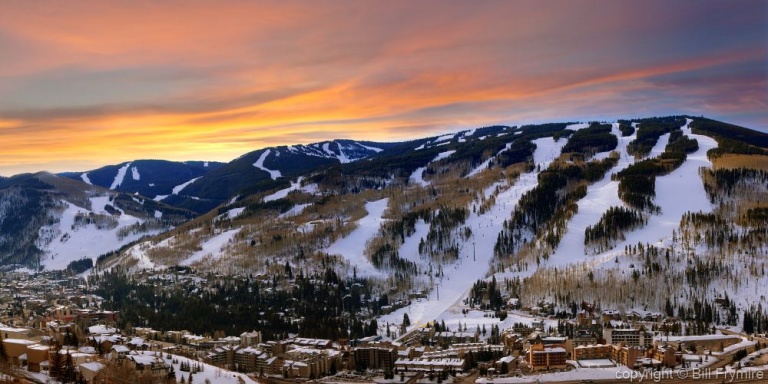

I’m sitting in Vail, Colorado, with a view fairly identical to the stock image above (my iPhone camera broken thanks to an especially poor run). Cracked phone aside, it was an epic week of skiing within a spectacular natural backdrop. I return to reality tomorrow, and was enjoying a few moments while the clothes wash to catch up on my Twitter newsfeed, when I was pulled into an essay that at once evaporated my Rocky Mountain high. Read this now.

 OK, so we know quite a bit about Israel; start-up capital of the universe; uber-friendly to vegans; and offering a portfolio of natural and historical wonders that could take a lifetime to fully explore. Here are a few more interesting facts about the Holy Land that you can impress your friends with:
1. An Israeli conservationist Ofir Drori has managed to jail more than 1,300 major wildlife traffickers in Africa through his wildlife conservation organization, the Last Great Ape Organization (link here)

2. Israeli scientists have produced a clean energy alternative from spinach.

3. An Israeli company has developed reusable plastic trays to collect dew from the air, reducing the water needed by crops or trees by up to 50 percent (link here).

4. In the heart of urban Jerusalem lies a nature park with a herd of gazelles.

5. An Israeli inventor has developed the world’s first cardboard bicycle from recycled materials. The bike is resistant to rain and sun, and costs around $9 each (link here).

6. Israel is the only country in the world that entered the 21st century with a net gain in its number of trees (link here).
7. With peanuts introduced early to their diets (mostly in the form of the popular snack, Bamba), Israeli babies are 10 times less likely to suffer from a peanut allergy than Jewish children in the UK (link here).

8. In 2017, Tel Aviv hosted the largest gay pride parade in the Middle East (link here).

9. In 2004, Israeli scientists found a cure for bad breath.
10. The powerhouse nation of Israel is only 1/6 of 1% of the landmass of the Middle East (link here).
Know more? Drop them in the comments section!


Middle Easterns love their coffee and they love it strong. Brew it by the spoonful in a cup or boil it in a finjan. It’s a great morning treat. And it helps bring on a bowel movement when particulary strong. But how much coffee is good coffee? Can overdoing it ever be bad?
Drinking three to four cups of coffee a day can positively impact health more than it can harm it, according to a recent study. Pour yourself a cup, and read on.
Health researchers looked at more than 200 previous studies and concluded that coffee can be a preventative for certain health conditions including cardiovascular disease, Parkinson’s disease, depression, dementia, some cancers, type 2 diabetes and liver disease. They also linked coffee consumption to lower risk of premature death.
Earlier this year, Spanish researchers reported 20,000 people who drank at least four cups of coffee a day had a 64% lower risk of death than those who never or almost never drank coffee. Two studies published in the Annals of Internal Medicine in July also connected coffee consumption to a longer life.
An editorial by Eliseo Guallar from the Johns Hopkins Bloomberg School of Public Health in Baltimore, Md., said there is no way to know if coffee prevents chronic disease and reduces mortality because there are too many factors to consider such as why people start drinking coffee and what kind of coffee drinks they’re drinking. Are you drinking coffee with half a cup of cream and 4 spoons of sugar? The author did remark that doctors should not recommend drinking coffee to prevent disease and people should not start drinking coffee to improve health.
Consumption of caffeine in other forms was not included as part of the study, as example caffeine-loaded energy drinks or black and white tea. In 2017, an American teenager died after ingesting the caffeine from a large Diet Mountain Dew soft drink, a cafe latte from McDonald’s, and an energy drink over the course of about two hours.
Cause of death was a “caffeine-induced cardiac event causing a probable arrhythmia,” according to the coroner report.
“Most people can safely take in about 400 milligrams of caffeine daily or about 4 cups of coffee,” according to Robert Glatter, an emergency physician at Lenox Hill Hospital in New York City. Limits do vary from person to person
While many may worry that their caffeine consumption could put them at risk, the average person who drinks a cup or two of coffee has nothing to worry about.
 “For adults it would be uncommon to experience effects of caffeine intoxication at less than 250 milligrams of caffeine (or 2.5 cups of coffee),” said Glatter, adding, “It would typically be more than 12 ounces, but much more common to have the negative effects with greater than 500 milligrams of caffeine.”
He noted that children should limit caffeine consumption, and caffeine and alcohol should not be mixed.
“Mixing caffeine with alcohol is a dangerous practice because it may lead to higher levels of alcohol consumption as the person often believes and feels they are more alert,” he said. “The risk of alcohol poisoning increases as people consume more alcohol because they feel the caffeine will keep them awake and alert.”
Everyone is different, and some may experience side effects after a cup of coffee, while others may be able to drink five cups with no issue. Glatter stated, “It would likely take anywhere from 50-100 cups of coffee to result in a lethal dose of caffeine. That said, pure powdered caffeine can be lethal if a teaspoon of it is consumed at once. The recommended dose of powdered caffeine in this form is just 1/16th of a teaspoon.”
While many may worry their caffeine consumption from coffee and tea could put them at risk, the average person who drinks a cup or two of coffee has nothing to worry about.


The Jameel Prize 5 will be on exhibit from 28 June through 25 November, 2018 at London’s Victoria and Albert Museum. It’s the international award for contemporary design inspired by Islamic tradition. As befits artworks that are out of this world, let’s quote American astrophysicist Neil deGrasse Tyson, who recently tweeted, “Bears repeating: Creativity that satisfies & affirms your world view is Entertainment. Creativity that challenges & disrupts your world view is Art.”


The soaring architectural sets featured in the blockbuster Black Panther were inspired in large part by the sensuous designs of Zaha Hadid, according to the film’s production designer Hannah Beachler.

Have news to share? Renewable energy news, architectural, artificial intelligence, biotech, sustainable design ideas, eco-architecture, green travel?
Email us: [email protected]
Get important news delivered directly to your inbox and stay connected!
© 2007 to 2026 Green Prophet, All Rights Reserved