Heavy rain pummeled Jeddah this week, a Saudi Arabian city on the Red Sea, flooding streets, submerging cars, and closing schools. At least two people died, and hundreds were left stranded. Critics credit poor urban planning for the city’s inability to cope with unusual precipitation. Others argue that the event is a wake-up call to prepare for extreme weather caused by climate change. Green Prophet found one woman who saw a joyful opportunity in the roads-turned-to-rivers. Step back from the debate and enjoy!
Watch a woman ski in Jeddah’s epic floods!
Middle Eastern artefacts looted by 95-year-old “Indiana Joan”

The Australian government is investigating the case of a 95-year-old Perth woman accused of looting artefacts from Middle Eastern countries including Egypt. Joan Howard – now dubbed “Indiana Joan” – lived in during the 1960s and 70s with her husband, a senior official with the United Nations.
8 groups that turn your cash into a better planet

 In the wake of the 2016 American presidential election, the Natural Resources Defense Council (NRDC) observed an unusual and muscular increase in online political action by people concerned about conservation and the environment. Especially noteworthy is an uptick in financial support to environmental NGOs by citizens willing to back their beliefs with cash.
Treepex lets people and companies plant and track new forests
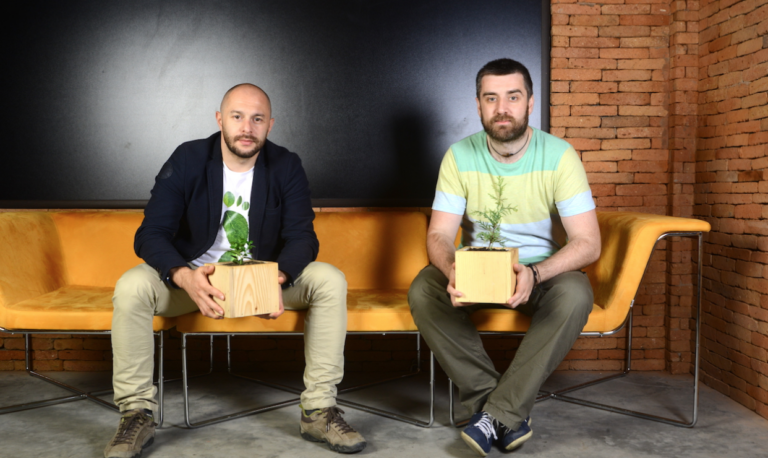
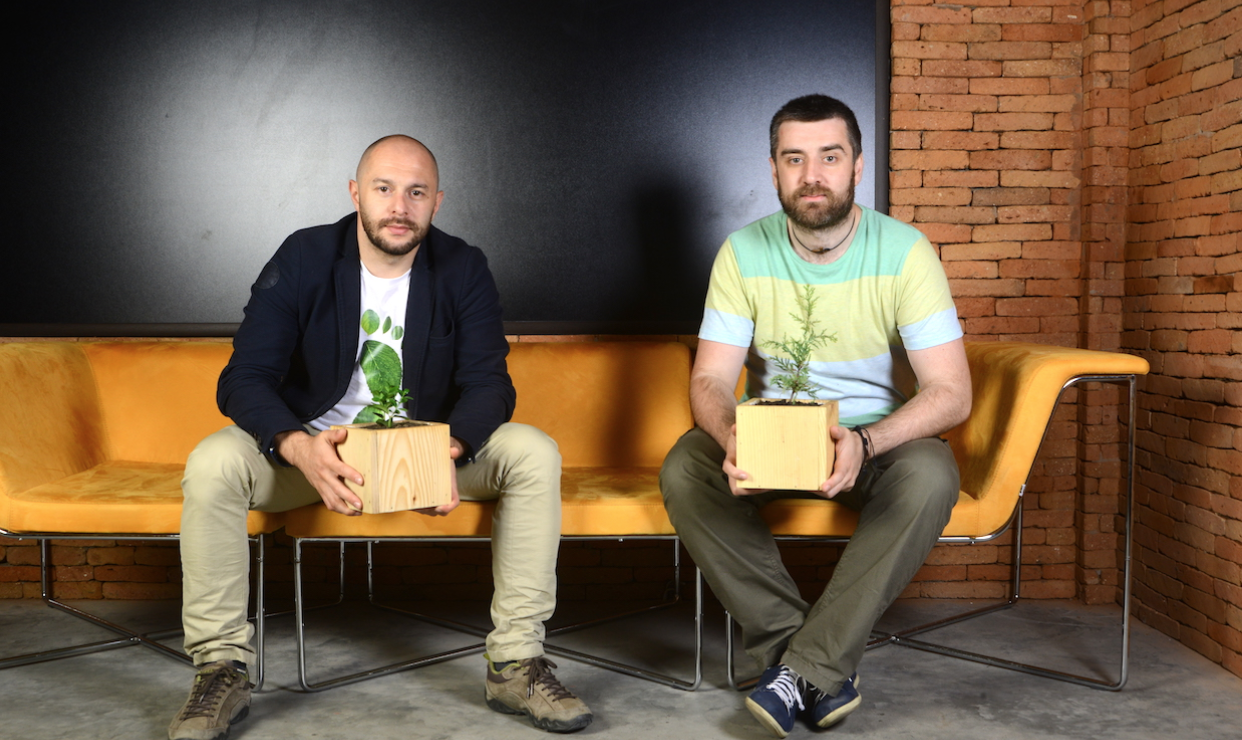
Planting trees gives all of us humans a connection to something bigger than ourselves. We also know they suck up greenhouse gases, create habitat for wildlife and other plants and organisms, and simply beautify our world. To counter deforestation and climate change, there has been a trend for social innovation projects and NGOs to offer tree planting services as memorials or in the names of loved ones. One of the biggest problems with tree planting in the name of someone else in remote locations in Africa, Europe, Asia and beyond is accountability.
Some countries like Israel have been tree-positive planting nations. The state today now has more trees than it did 100 years ago. The only country in my mind that can make such a claim. It a bid to make the country green, it also has a national campaign that extends to the Diaspora, prompting Jewish people everywhere to plant trees, and in return they get a certificate and in the case of sizable donations a placard on a part of the forest.
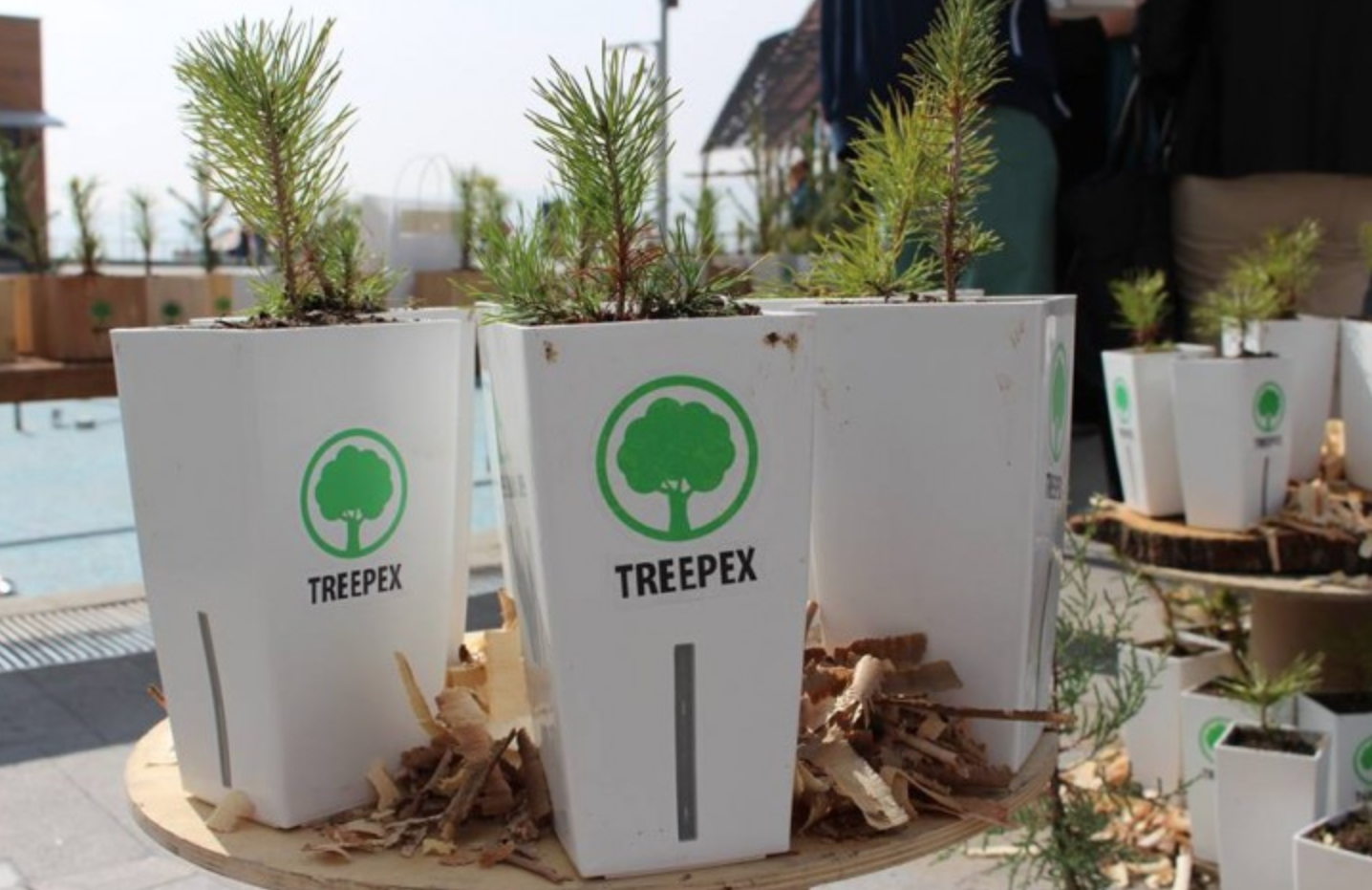
I love the idea of planting trees, but one must know that there is more to the story that just putting a seedling in the ground. Coldplay learned that the hard way about 10 years ago when it worked with a tree-planting carbon offset company to offset the production of their album a Rush of Blood to the Head. The group bought 10,000 mango tree seedlings in India, but they died. Because when you plant trees, you have to consider who will take care of them, and how.
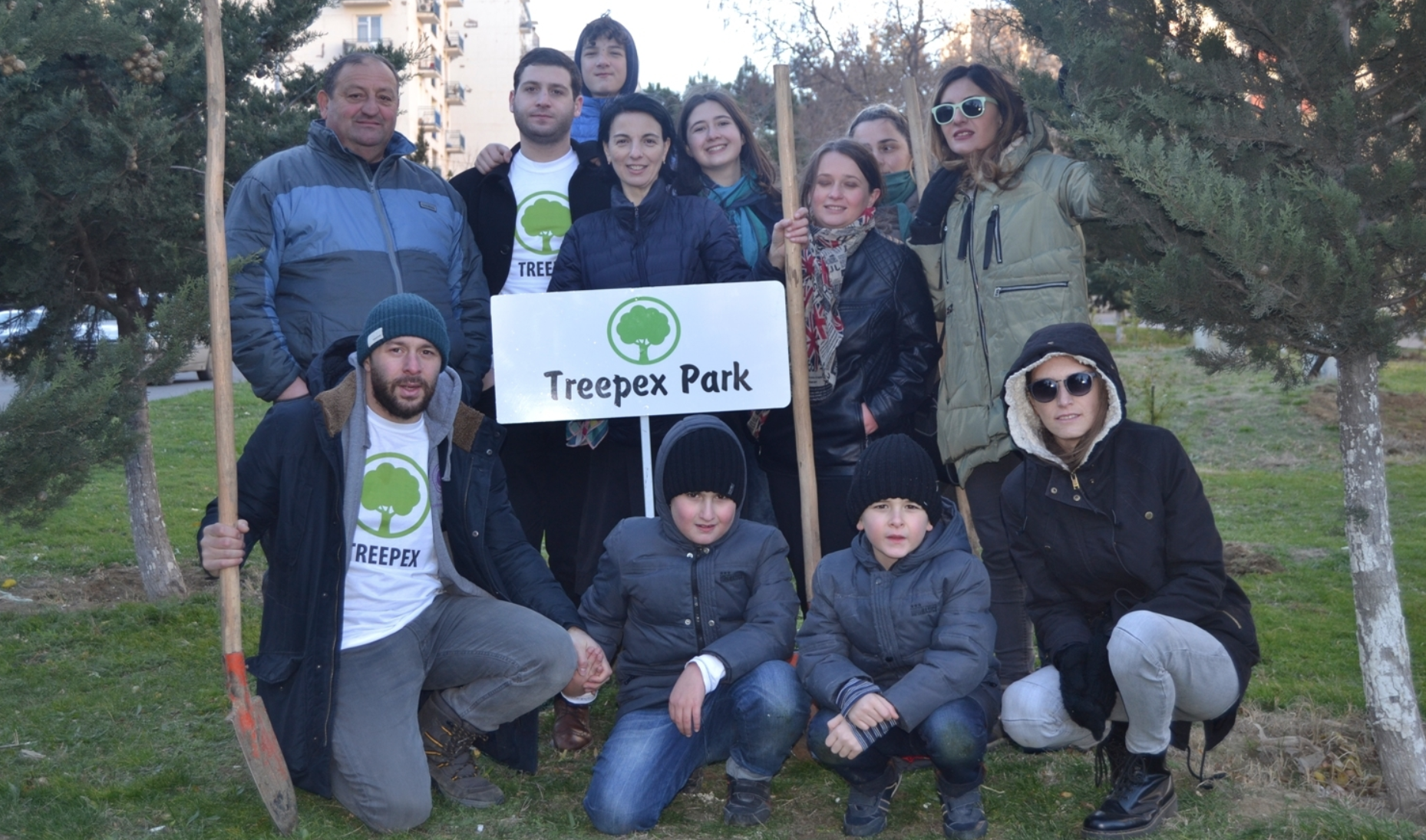
This is sort of why we love the idea of Treepex. The social startup is planting trees around the world (mine were just planted in Georgia) and is then giving customers the ability to login and follow the trees’ growth over their lifetime. The company connects tracking chips to the trees so if you want you can plant trees all around the world. Or companies can offset greenhouse gases by planting parks and forests.
Each tree has an NFC microchip monitoring its progress, according to Treepex. They call it the “API tackling deforestation,” which makes a lot of sense if you are a tech geek.
After you plant the tree, you can get photos, and updates as it grows over time. You can even visit individual trees.
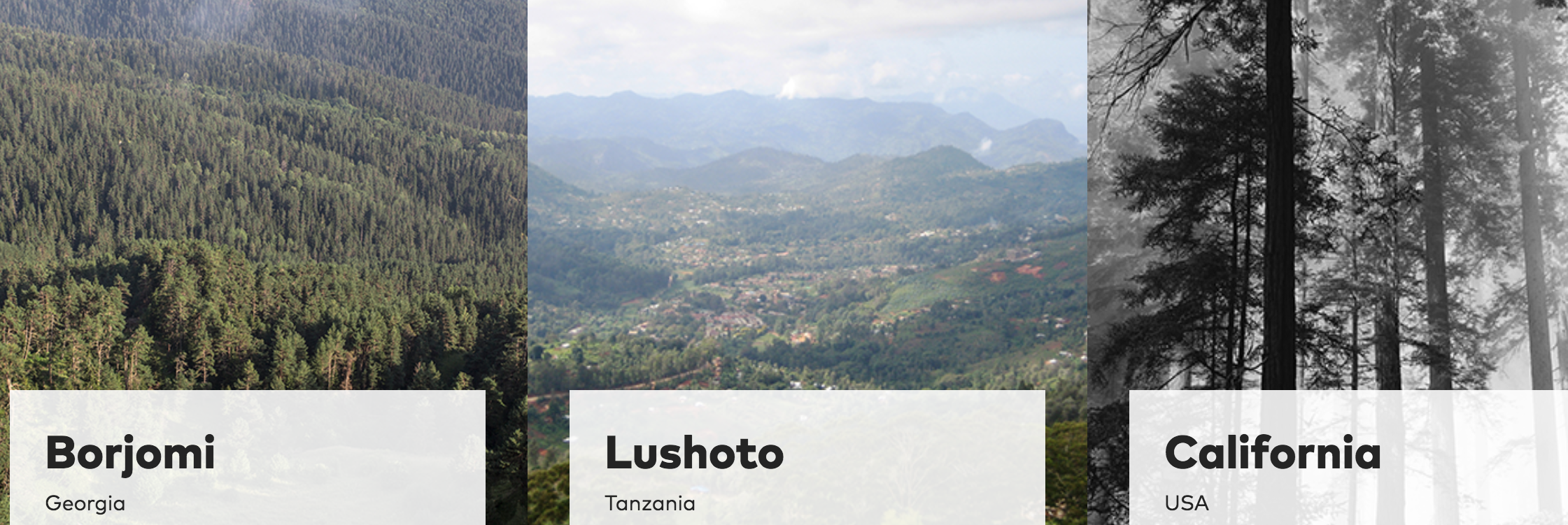
What I like about the idea is that if you are American, you can support local tree planting too, with one of the Treepex locations being in California, to plant after massive deforestation from forest fires this summer. I like the idea about accountability, or at least the promise of it, and I also like the idea of creating more tree planters out there.
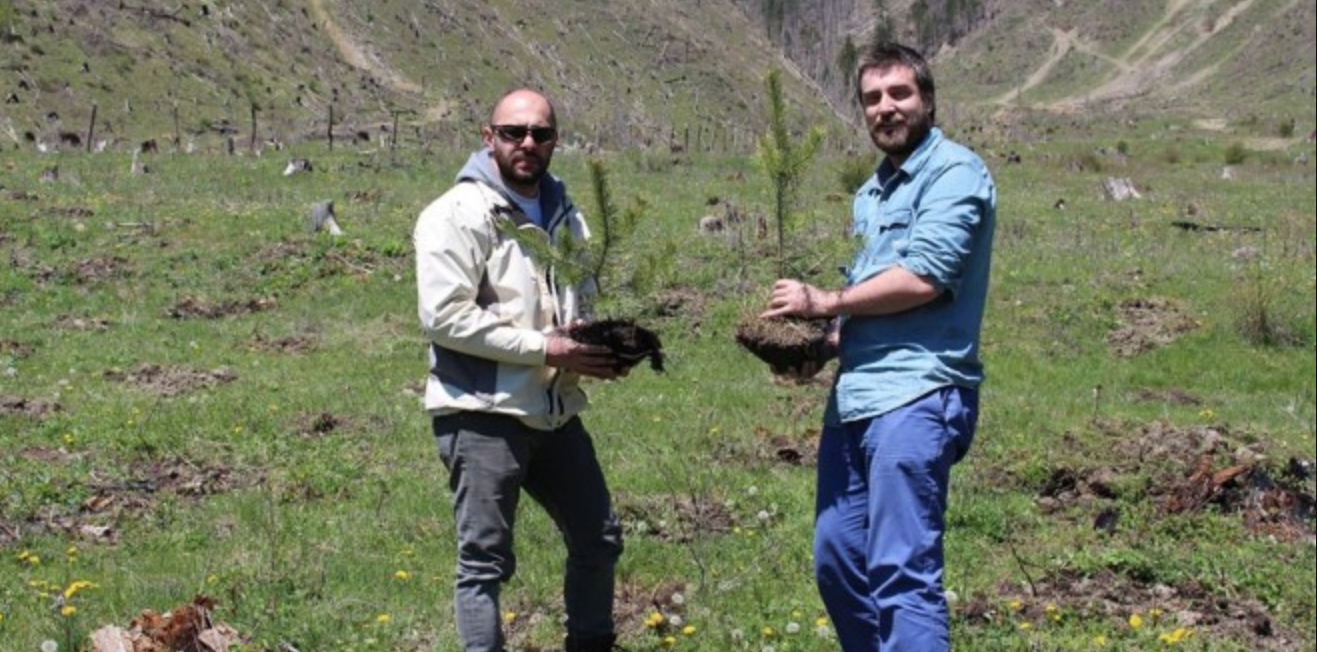 According to the company’s Georgian founder Bacho Khachidze, “Businesses of all shapes and sizes have used our API to create loyalty programs, automatically planting trees on behalf of their customers once they accrue enough points. Even hotels have started to adopt Treepex, enabling guests to plant trees when they book a room on their website.
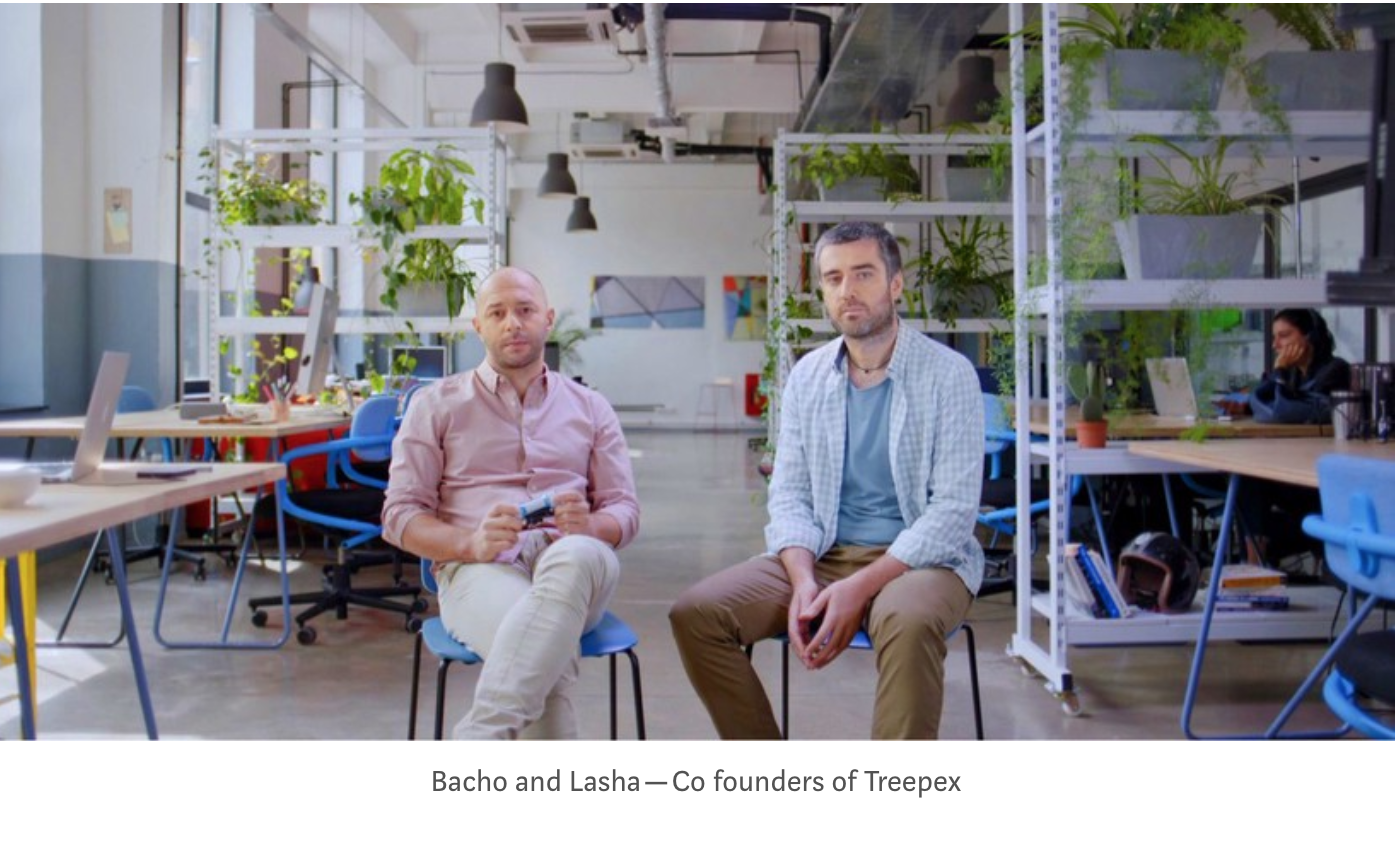
“When you consider, for example, the recent wildfires in Northern California and the flourishing hotel trade in places like Napa and Sonoma, allowing hotel guests to gift a tree can help to gradually regenerate an otherwise ravaged ecosystem.”
Want to start planting our future? For $10, you can start here at the Treepex website.
Use fossil fuels – not if we can help it says Saudi Arabia


It would seem everyone, except the US President, is firmly behind trying to reduce the world’s carbon footprint. Two of the planet’s largest suppliers of fossil fuel have recently announced big investment plans for the use of solar power in their respective countries.
In Dubai:
According to the Bloomberg news service, Dubai is planning to invest £770 million pounds in solar power technology to provide 200 megawatts of electricity during the hours 4pm through 10am – yep night time. Unlike the standard method of trying to maintain reduced power output through the night using normal solar panels and storage batteries, the Concentrating Solar Power (CSP) operates using mirrors and molten salt.

CSP is not a new concept, and currently there are three main types of CSP energy systems. The Trough system uses U-shaped parabolic reflectors which reflect the sun’s rays to a grid of oil filled pipes in the centre of the reflector. The Dish system uses reflective satellite shaped dishes which track the sun, reflecting the rays to a receiver which is an integral part of the dish, and the third system is the Power Tower system, the technology being constructed in Dubai.
Molten salt has the ability to absorb the sun’s rays and reach temperatures of almost 500 degrees Celsius. Not only will molten salt reach high temperatures, it also has the capability to store this heat for a considerable period of time. A grid of flat mirrors is positioned to reflect the sun’s rays at what is called the receiver. In this particular case, the receiver is the molten salt. As the salt’s temperature increases throughout the day, at a fixed time, water is added which begins to produce steam. This steam is then used to power the turbines and produce night time electricity.
Although the project is not scheduled for completion until 2023, the Saudi Arabian company overseeing the work has completed similar solar energy generators in South Africa and Morocco. Already the debate between advocates of CSP and photovoltaic solar panels using storage batteries is heating up regarding which is the most cost effective system.
Saudi Arabia:
Talking of solar panels; according to the Financial Times mobile phone news, Saudi Arabia has announced it will shortly be issuing tenders for the construction of more than £40 billion worth of solar and wind energy projects spread over the next 12 years, as well as considering the building of the country’s first nuclear power station. It is also building a new green city called Neom.
Although this announcement projects Saudi Arabia as an environmentally conscious nation, much of the decision is thought to stem from the fact the country is being hard hit by the downturn in oil revenue. Increasing concern over climate change and the fact the country has already had to draw hard on its reserves has exacerbated its concerns for the future of fossil fuel energy.
For whatever its reasons, a move toward renewable energy can only be a good thing. Until overtaken by Russia earlier this year Saudi Arabia was the world’s largest supplier of oil. It is also a major producer of carbon dioxide due to its high reliance on fossil fuel for it energy production. With the move to renewables, a whole new jobs market will also be created while improving the environment for the Saudi people.
Although tenders have yet to be issued, a price war between the more popular solar panels and battery powered generation, and the mirror and salt steam generation, seems set to take the stage. Currently CSP is considered the cheaper option. However, increased mass production of photovoltaic panels means the cost is dropping. As with mobile phones and electric cars, battery power storage technology is improving all the time. Supporters of solar panels believe they will remain the system of choice for most solar energy projects.
While the move to solar and wind energy production has been met with universal approval, not so the possibility of nuclear power. Although countries like France and Finland continue to rely heavily on nuclear power, others are reducing their reliance on nuclear reactors. Until such issues as the safe removal and long term storage of nuclear waste are satisfactorily addressed, nuclear power in Saudi Arabia will remain just a talking point.
London’s buses are #PoweredByCoffee

The idea that Brits love their tea is proving to be full of beans. The average Londoner drinks 2.3 cups of coffee a day, and the resultant spent coffee grounds end up in landfills which damage the environment, and – given the British landfill tax – is a costly means of waste disposal. Now those grinds are being put to use powering London’s iconic buses.
Swap Society offers treasures, diverts trash

 Clothing swap and resale businesses allow you to shed formerly favorite clothes and accessories and – in exchange – refill your wardrobe with affordable “new” treasures. They offer an environmentally responsible alternative to dumping old duds into a charity box or trash can. Want to change up your wardrobe without damaging your wallet and the world? Check out Swap Society, an online clothing exchange for women and kids.
4 things to keep in mind while travelling solo

As they say, you cannot find the true you unless you go on a solo trip once in your life. It is very true that when you are on a solo trip, you are not only completely responsible for yourself but you need to make sure that you take responsibility of keeping yourself safe and sound. For example if you plan on going for an African safari on your own, there are numerous things that you need to keep in mind, as you will not have anyone to fall back on. So it is vital that you make a note of the things that will make your solo trip good, if you want to have a safe and successful journey. Here are 4 things to keep in mind while travelling solo.
- Plan, but don’t expect everything to go as planned
It is a very important to plan some of the finer details of the trip if you do not want things to go bad. But at the same time, you need to remember that not all things will go as per plan and you need to accept these changes. We advocate that you keep some broad plans in mind and then go with the flow once you reach the place. This will help you to adapt to the situations well.
- A little local language knowledge can help a lot
It is always a good idea to know the local language to some extent. When you are travelling to a place, which does not use your mother tongue or the languages you know, you might have some problem in basic communication. So make sure to learn the basic words that will help you to move around comfortably.

- Interact and ask the locals
There are many small local jewels that you will not know about unless you ask the locals. It is good to go to the touristy places but if you want to know the place well, you need to go like a local person. Talk to them and ask them for places that are mostly visited by the locals.
- Always carry snacks and water
It is a very good idea to carry some snacks and water with you while you are travelling. You never know when you might need something to eat and drink but have nothings nearby.

It is important to make a plan when you are travelling solo. While travelling solo might come with a lot of responsibility, it can be a very positive experience if executed properly. You need to make sure that you have a concrete plan in place as it will help you to go about well. Always remember that even though you might not have someone to travel with you, there will be a lot of people around, so do not feel shy to ask them for help. At the same time, we also recommend that you keep some music and books handy, in case you feel that you need some company.
Icelandic town slows speed racers with 3D crosswalks
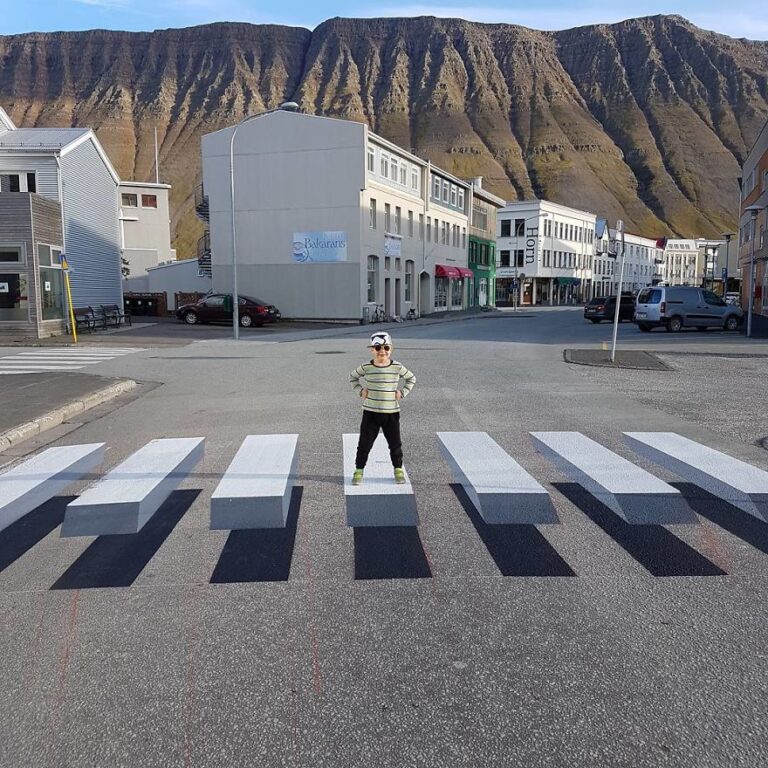
 I’m fresh back from a week in Iceland. Hard to enter a room these days and not have at least one other person claim the same; it’s the touristic destination du jour. A tiny nation where sheep outnumber people is bound to be an environmental nirvana. Go there for the Northern lights, active volcanoes and spewing geysers. Soak in its geothermal pools, and soak up its rugged terrain blanketed beneath thousands of richly colored lichen. The national treasure is uber-clean air that burned the lungs of this writer who spent six years in the dust, diesel, and nicotine-laden atmosephere of Amman, Jordan.
Just when I think I can’t love Iceland any more, I see this.
Ktak drum is a snare you can wear!


A few years ago, a professional drummer friend came to my husband, Shachar, asking if he could build him a cajon. The friend had tried umpteen cajons, and none of them had the quality of sound he was looking for. My husband co-owned a carpentry, and at the time his work was divided between designing high-scale home interiors and handmade electrical bass guitars. But drums?
‘No problem,’ he said, and when Yair gave a big thumbs-up to the results, the Kandu cajon was born and the carpentry slowly but surely began to move its area of core competence over from kitchens to cajons. Today, Kandu can be found throughout the world; it was even recently seen being played by a few of the Muppets.
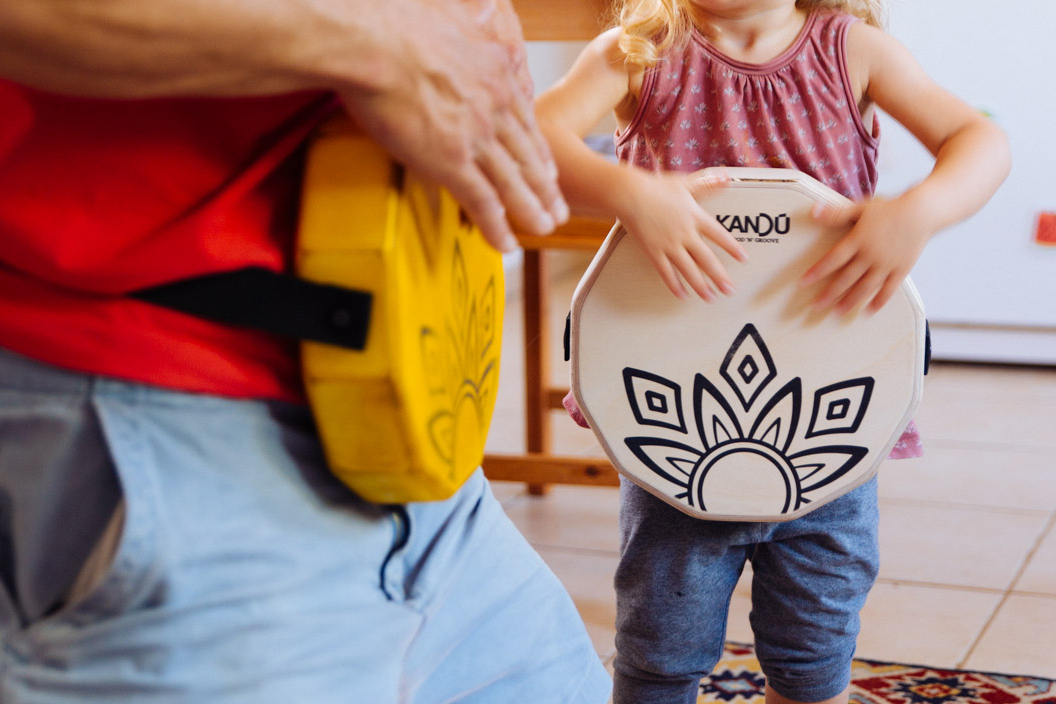
This year, it happened again. Another percussionist friend approached Shachar and Yaniv, his partner, with a new request: a small, yet uber-powerful drum they could take easily wherever they go. Something unique, something diverse. Something that would offer a wide range of sound quality – from crisp snare to smooth ethnic.

A few months later, KTÄK was born.
KTÄK is the world’s first handcrafted, ecological, two-sound body snare. In other words, it’s a snare you can wear. Highly versatile, made of Finnish birch wood and coated with a child-friendly, water-based lacquer, it’s ideal for musicians on the go, great for musical families going on trips or hikes who want to be ready to respond to any musical opportunity. It’s affordable enough to give your kids and high-quality enough to play on stage.
And the best thing about the KTÄK, in my opinion?
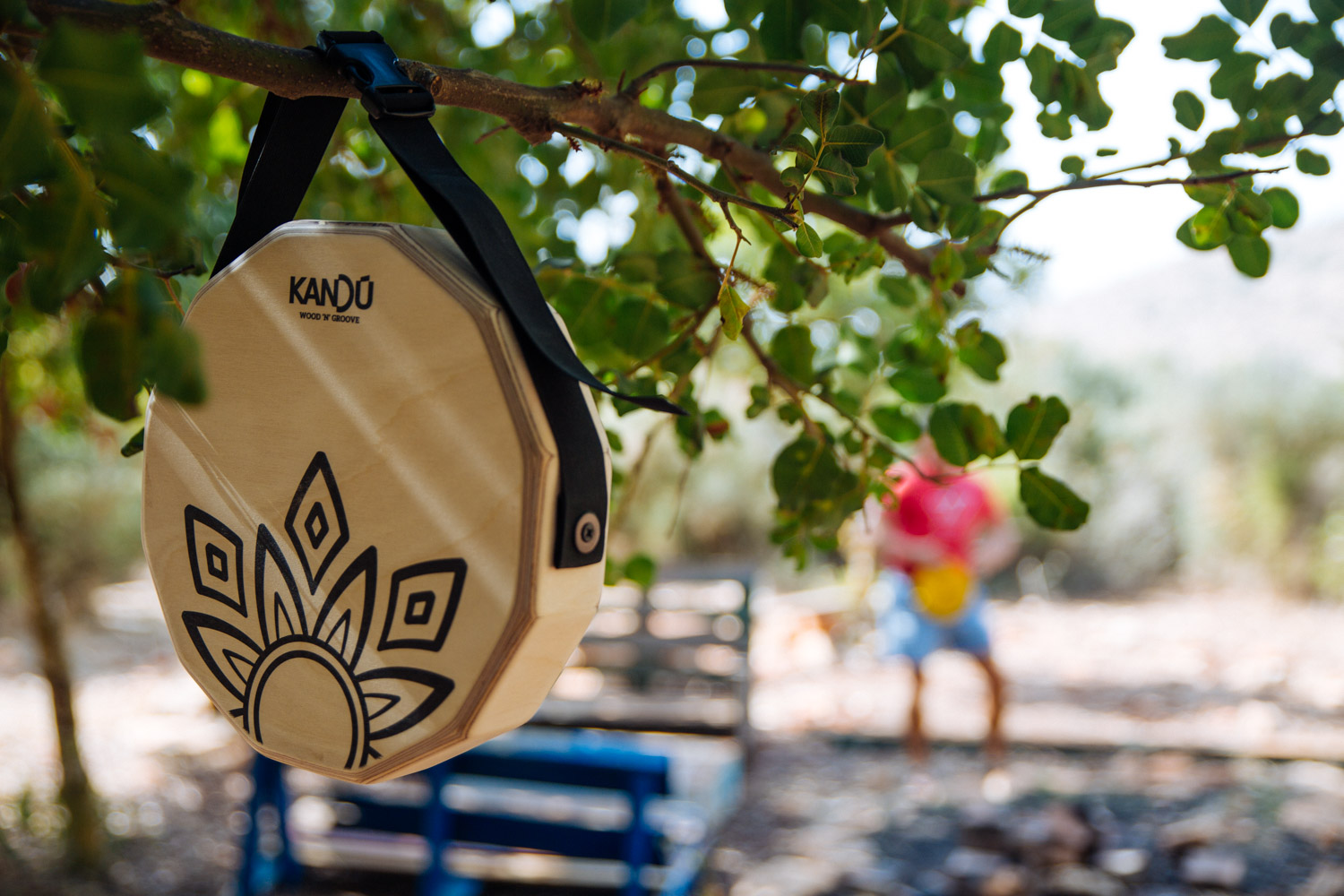
It’s proof that there are still some idealistic artisans out there who aren’t looking to copy what anyone else is doing – they’re looking around at the needs of the world today, and trying to create something the future will want.
Check them out on Kickstarter, where you can support their project and even order one of your own.
Or come visit the Kandu carpentry, located in an ecological, spiritual village called Maale Zvia, nestled in the hills of the Galilee in northern Israel.
This guest post is by Shachar’s wife, and a Green Prophet friend – Joy Pincus
Repurposing coffee grounds to create safe drinking water

 According to the International Coffee Organization, people wordwide consumed more than 11 million US tons* of coffee beans between October 2015 and September 2016. (Consumption is far outpacing production, due to climactic fluctuations.) Those beans depend on a sea of fresh water to convert them into the beverages we love. Now a team of Italian scientists have developed a new use for spent coffee grounds that helps decontaminate lead-laden drinking water.
Eggplant’s ancient arrival discovered in Israel
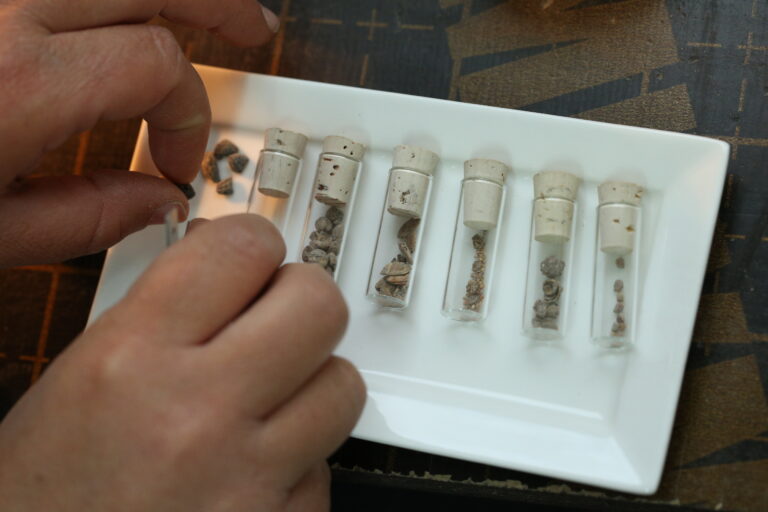
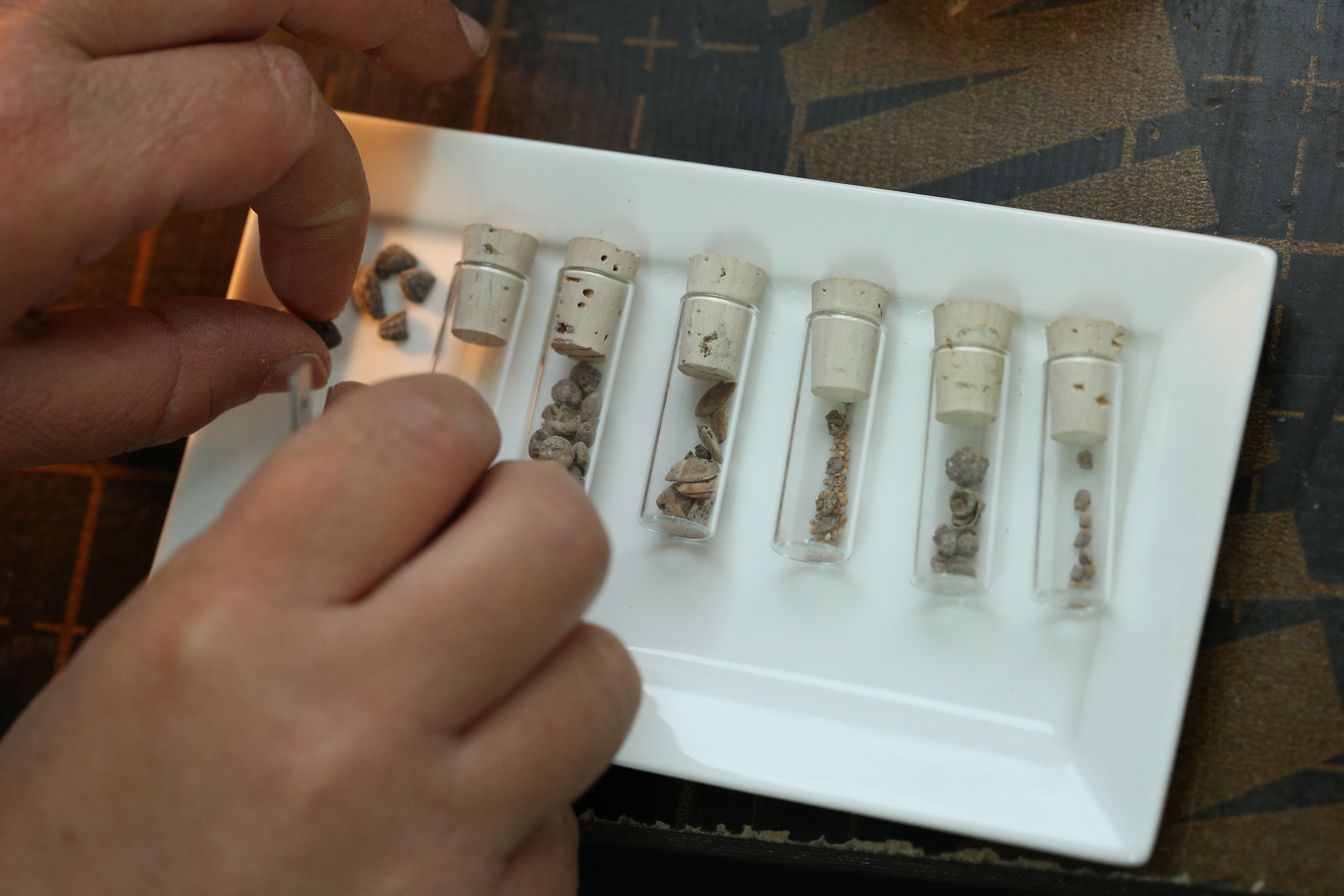
If you know me you know I love eggplant (see the best eggplant dip recipe in the world). It’s such a versatile veggie and it’s something I discovered first in Turkey, then Syria, tasting my way through Jordan and then Israel. We know you’ve been dying to know when eggplant first arrived to the region. Right? Well wait no more. Israeli archeologists have the answer.

The earliest evidence of the arrival of eggplants in this Israel was found in Jerusalem in a 1,100-year-old refuse pit. This finding reveals what people were eating in Jerusalem in the Early Islamic period, or the Abbasid period – 750–940 CE). A trove of eggplant seeds were found alongside thousands of grape seeds, olive and Christ’s thorn jujube pits, black mulberries, lentils, figs and more.
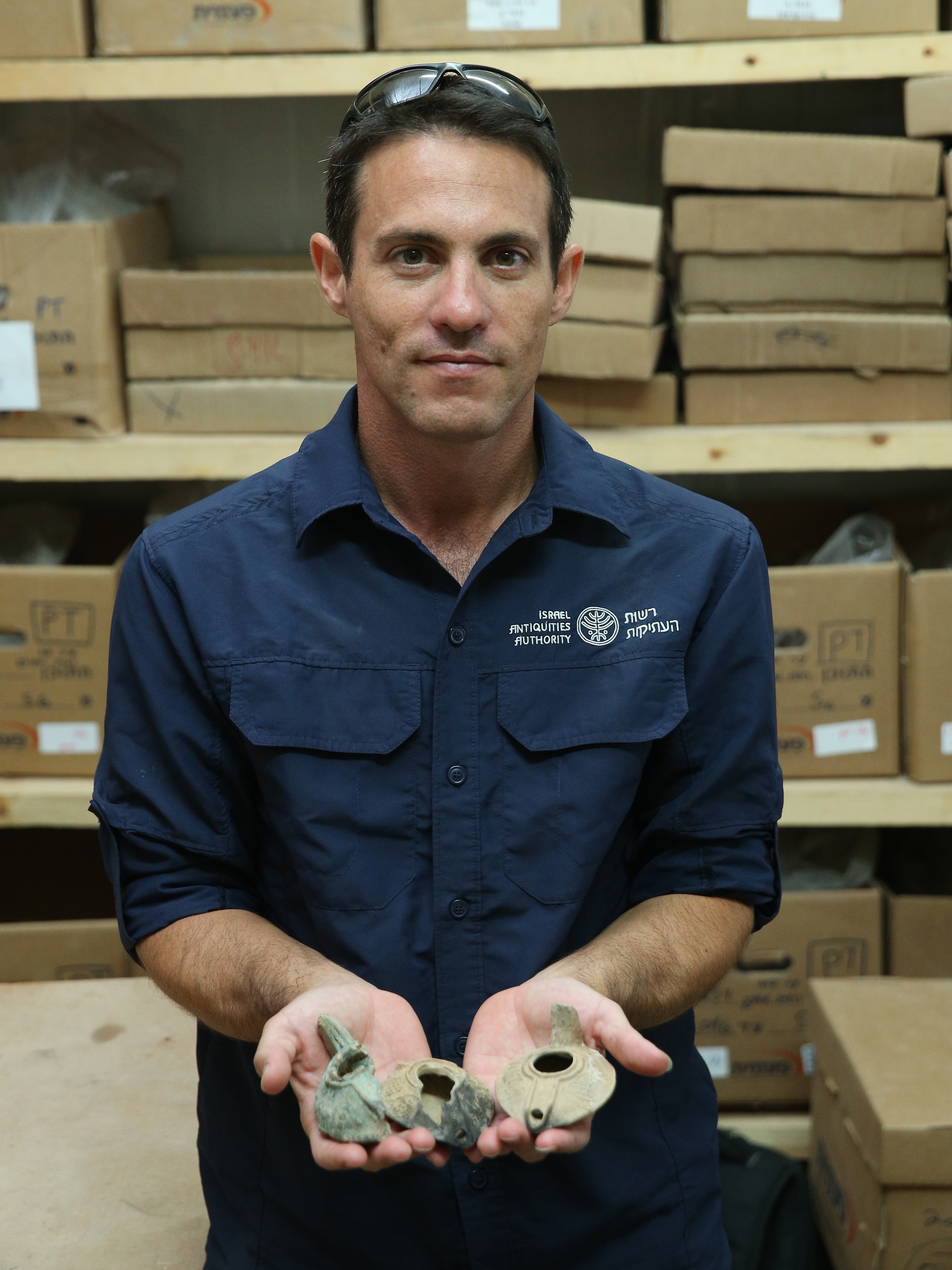
“The eggplant seeds, which originated in Persia, are just one example of the research potential of ancient refuse,” says Nahshon Szanton, excavation director for the Israel Antiquities Authority.
Among the findings was an ancient lamp bearing the inscription “baracha” or blessing, in Arabic. Also found were bones from cattle, fish and birds, as well as many types of seeds. These represent a variety of foods and vegetable products – legumes, fruit and vegetables, as well as edible wild grasses that were also used as spices and for medicinal purposes.

According to the scholars: “Finding thousands of grape seeds in a refuse pit could attest to industrial activity involving grapes. Wine may have been produced here, or, more likely, grape honey (dibes). We know that with the Muslim conquest grape honey production became more prevalent in the area while wine production declined due to the Muslim religious ban on alcoholic beverages.”
Get your kids writing for the environment
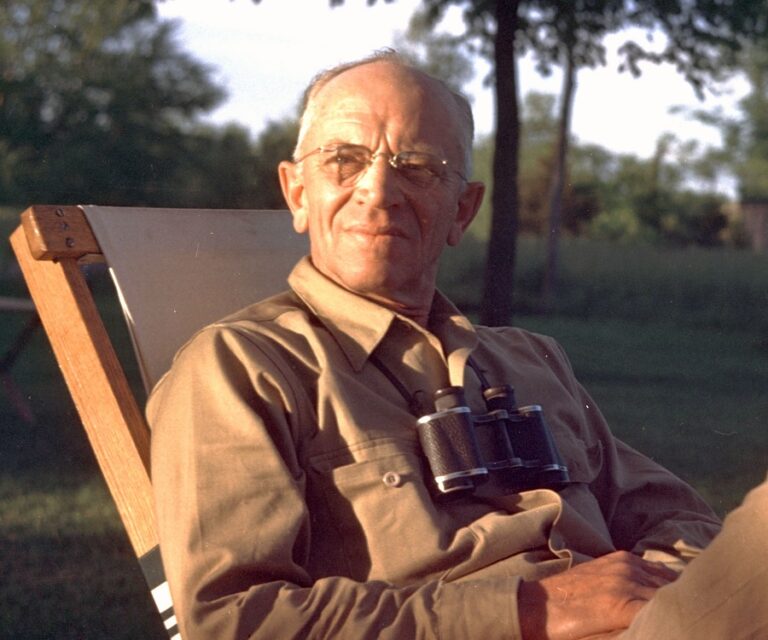
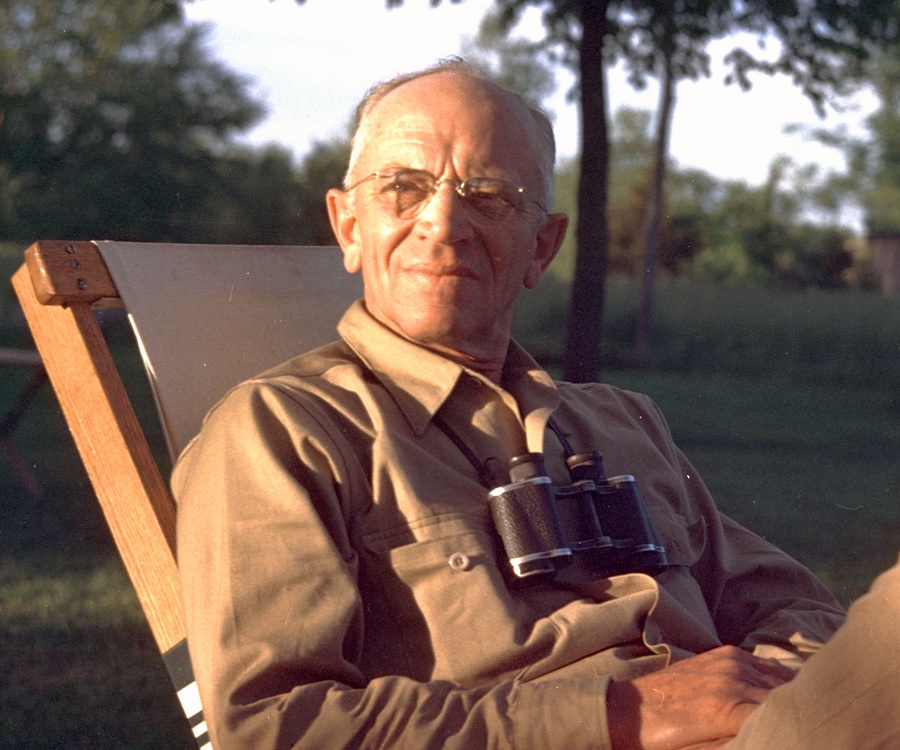
Aldo Leopold was an American author who believed that our well-being, or the well-being of all people was tied to the environment. He created today’s idea of community to enlarge it to sentient and non-sentient beings other than us people, to include water, soil, animals and all plants.
His most famous book is A Sand County Almanac.
His most well-known idea from the book on land ethics is such: “A thing is right when it tends to preserve the integrity, stability, and beauty of the biotic community. It is wrong when it tends otherwise.”
The first issue of the book included published essays that Leopold had been submitting to popular hunting and conservation magazines, along with more philosophical essays.
To get youngsters writing, and in the spirit of Leopold, entries are now being accepted for the Aldo Leopold Writing Contest featuring several $500 awards and open to students in grades 6 to 12 throughout the State of New Mexico.
In the essay students should tell a story about a local leader and in it reflect on Leopold’s ethics to the land. Local can be interpreted to be the entire southwest United States. And students can buy the book online or find it in bookstores for inspiration. The contest is open to kids in public, private and homeschool systems. But a teacher must sponsor the submission.
Younger students can submit shorter essays, and on them the writer’s name must not be identified so they can be judged anonymously. Of course while it is easy to buy cheap essays online, no forms of plagiarism will be expected. Buying essays is okay for use on commercial interest business websites, but not in creative submissions in this case.
Find all kinds of tutors online including chemistry tutors

For many people, chemistry is one of the most difficult science subjects to study. However, for others, it is a fun subject to study. It requires hard work, persistence, discipline, patience and a lot of commitment in order to succeed. For you to become a good chemistry student, you also require a lot of practice.
Chemistry comes in several units and structures. These are inorganic, organic, theoretical chemistry, analytical chemistry, and biochemistry, commonly referred to as the traditional branches of chemistry.
In order to get good grades in chemistry, you need to study hard. Sometimes it gets overwhelming because the subject is not that easy to tackle. One way to overcome this is by getting a chemistry tutor. You do not have to join a college or a classroom to find the perfect tutor. Technology has evolved so much that there is practically an online tutor for every subject. So how do you find a good online chemistry tutor?
Finding a good online tutor
With every subject, finding a tutor that specializes in any particular subject is the best way to go. With every subject that you take, there is an online tutor for that particular subject. Science subjects, one might think are harder to find online tutors because of their complexities but they are there in plenty.
Chemistry tutors know all the structures and what they entail. They will walk you through every one of them, give you all the essentials, the point at what books to read on the subject and generally walk you through from the basics to the complex topics. Of course, every tutor is different as they all use different materials and sources to teach.
Science subjects require a lot of assignments and homework as part of their study structure for grading purposes. These assignments and homework can be overwhelming. Online tutors can help with homework and assignment help while you use that time to do something else.
Are you struggling to keep up in your chemistry class? Are you trying to keep straight all those elements, compounds, and compositions? Well, relax – help is out there. You have probably spent hours trying to hack it yourself, and now it is time to check for a proper online chemistry tutor who will assist you in improving your chemistry homework problems and grades.
How do you find Online Chemistry Tutors?
Most of the online chemistry services for tutoring are in specific sites where students can look them up quickly. Some of the sites even offer free tutoring services while others do it for a fee. The process of selecting the tutor you want is simple and easy. All the available help the students to get the best out of their expert services to get assistance from whatever topics they do not understand.
The tutors stay up to date on all the current syllabi and you can reach them through many different ways. You can choose to go live with them via skype or live chats on social media. They have many years of unmatched experience and their guidance will take you through the introductory phases to the advanced levels. Whatever online platform you choose, it will definitely be a positive learning experience for you.
Conclusion
Learning chemistry can be fun if you follow all the guidelines and knowing about generalizations and distinctions between different items. Associate your everyday happenings with some of the things, you learn during your lectures and if you do not understand anything or have difficulties with some topics, get help from online tutors.
Get rolling with these play-inspiring compost orbs
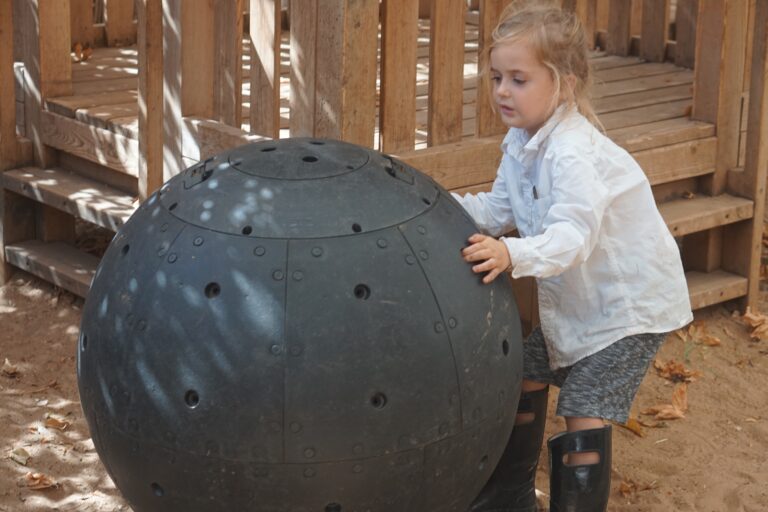

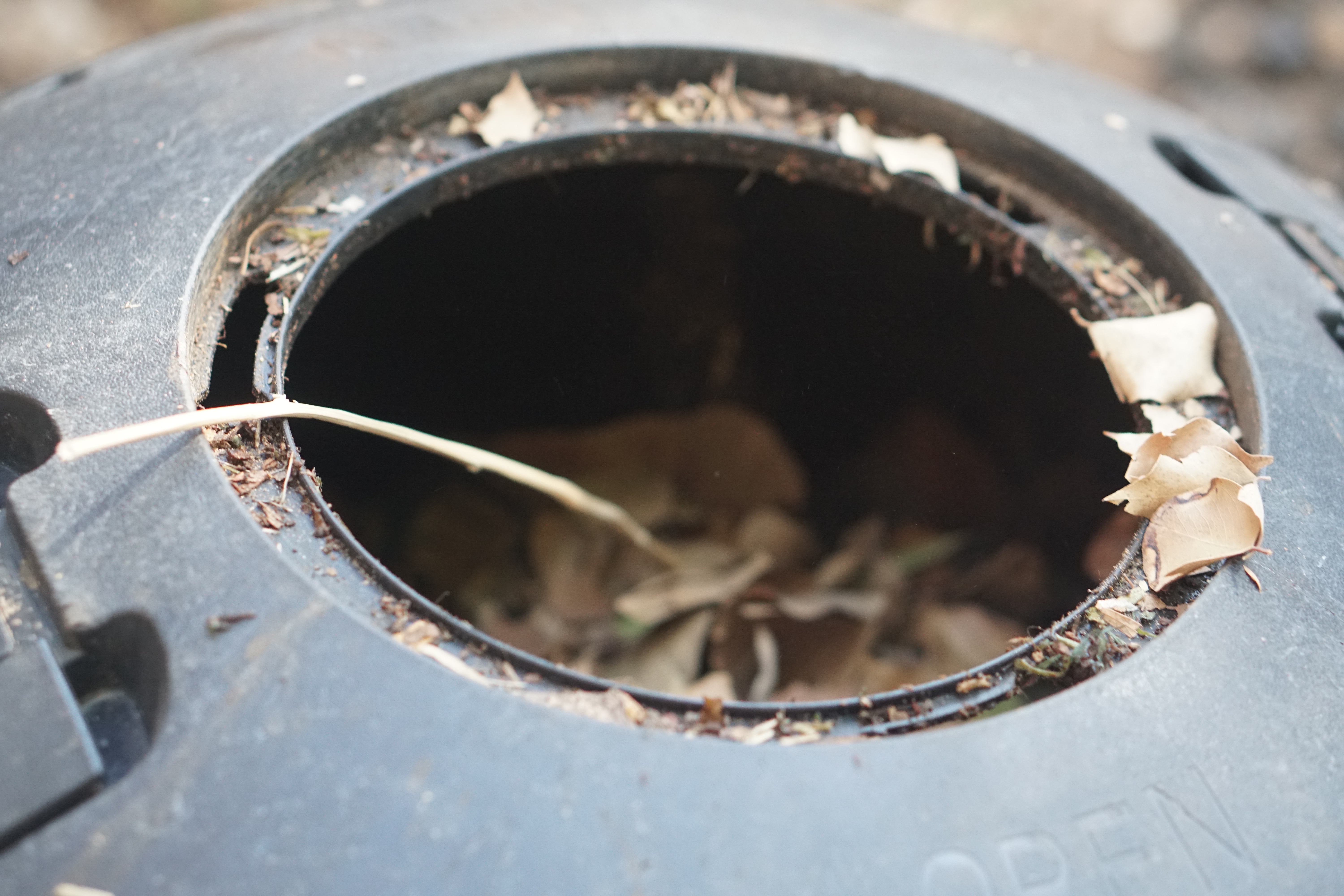
The kids were lining up to take a crack at jumping on the big black ball. Looks like fun. While I thought it was some plastic refuse rescued from a building site, one of my son’s preschool teachers told me it’s something special and something one of the parent’s found on the street – it’s a compost recycling orb.
After preparing salad for breakfast and lunch, they unscrew the lid and dump in all the organic uncooked waste. Some days they add leaves and things, and throughout the day with the kids fighting over who will jump next on, over or on the orb, perfect compost is made.


The compost orb is a great teaching tool, plaything, and composter. I also like that it’s made from heavy plastic and has only tiny holes to the outside world. If you live in the city you will also have experience with rats and compost bins. The orb perfectly protects your compost in motion from the wrong type of critters (rats & mice) but when you open it you can feel the heat and see all sorts of slugs rolling around and enjoying the party.

The dark color adds to the heat, which helps break down food matter faster. In the center of the orb is an air induction tube which helps circulate oxygen into the center of the active pile. If you add only uncooked matter from plants there will be no smell.