Home Blog Page 228

Drink and drive? Water friendly innovation from Ford

ford water car engine drinking

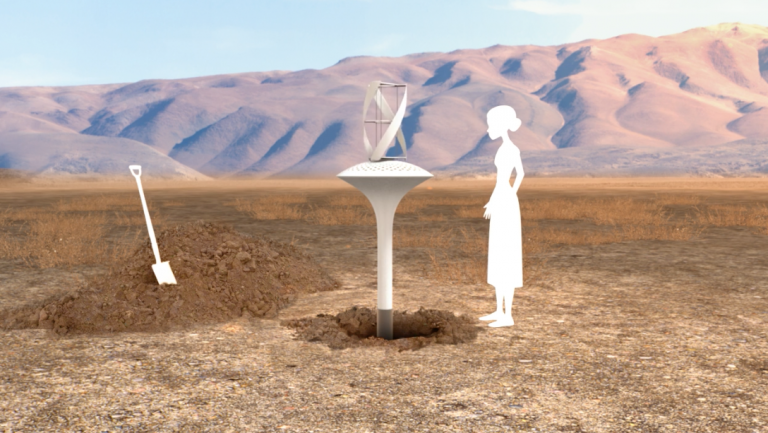
Creating potable drinking water from the air is coming closer to being everyday reality, with companies like Drinkable Air already offering devices that create drinkable water from thin air. This idea is already in use by some military forces, including the Israeli and US military, for creating drinking water in arid regions where obtaining clean drinking water supplies is difficult at best.

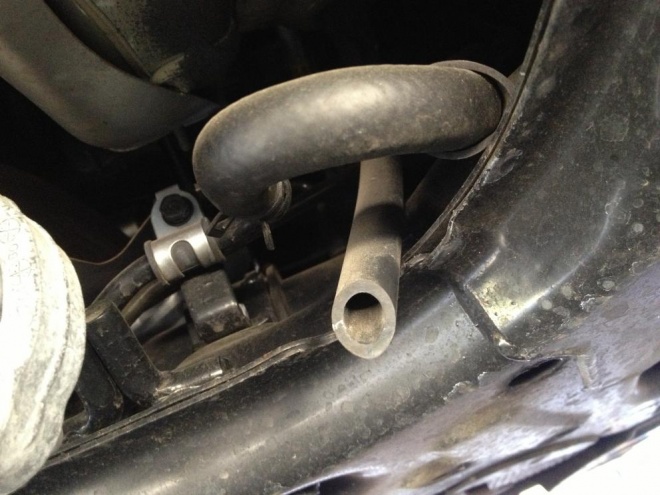
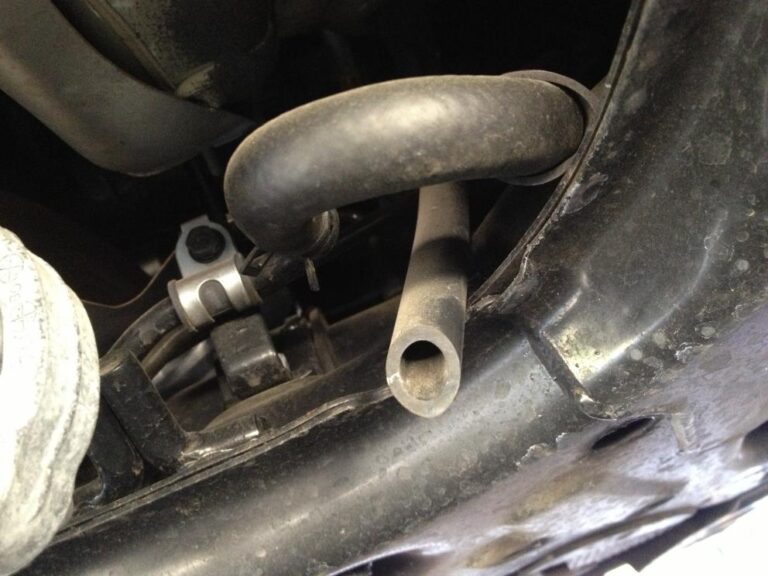
Anyone running their car’s AC system in hot weather, often notices the runoff water when parking afterwards (photo).

ford water car engine drinking

These ideas have now gone a step further with prototype devices being developed by automotive manufacturers to harvest the AC runoff in cars and produce clean drinking water while you drive!  Ford Motor Company, for example, is testing a prototype device that creates up to half a gallon or 2 liters of cool drinking per hour by simply utilizing the car’s AC runoff while driving. An illustration of this technology:

As in other water from air devices, the amount of humidity determines how much water vapor is available to produce the runoff. Filtration devices are required to rid the water from impurities, including bacteria.

Vehicle AC water systems are likely to be desirable in regions where potable fresh water supplies are less available. These regions include much of the Middle East, Africa and the Indian Sub Continent. Being able to utilize water that normally runs off to the ground while driving can be very helpful in areas where clean water supplies are scarce.

More about utilizing AC water and obtaining water from thin air:
Drinkable air makes water frpm thin air
Air con water runoff; cherish it like the rain.
Tap Into Auxilary Water Supplies With Your AC

Photo of car AC drain tube, by KIA Soul forums

Solar Batteries 101: How They Work and What Homeowners Need to Know

1

While most homeowners know that adding a solar array to their homes can save money on energy bills, only a handful have enhanced their systems with a solar home battery.

Not only do home battery storage systems allow you to back up your home in the event of an outage and reduce reliance on the grid, but they also make it possible to dodge peak energy charges, which is an additional money-saving perk.

If you’re wondering whether a home battery backup system is right for you, we’re here to help. Here’s what you need to know.

The Benefits of a Solar Home Battery

Installing a solar home battery offers many perks. Here are a few of the most compelling reasons to consider adding battery backup to your residential system:

  1. Batteries Store Energy for When You Need it

Adding a solar home battery allows you to store energy. Your home can then draw upon this power at night or during grid outages. This reduces energy bills and promotes energy independence.

  1. Batteries Help You Break Free From the Utility Grid

A house with a solar array is its own micro-grid. This allows you to go net-zero. In addition to lowering utility bills, most residential micro-grids produce excess power in the summer months, which can then be credited back to the grid.

  1. Batteries Power Your Home’s Appliances

Solar batteries can power your home’s lights, small appliances, and computers. This means you don’t need a generator or a flashlight to keep your home running if the power goes out.

  1. Solar Batteries Provide Clean Power

Solar batteries are excellent sources of clean energy. Recently, the Middle East has used them on solar-powered boats, which were deployed to clean floating debris from local lagoons. Additionally, a startup in Israel has developed an everlasting solar battery, designed to power remote and mobile devices.

How Home Battery Systems Work

UAE builds solar powered retreat

Confused about how a home battery system works? Here’s a simple breakdown:

  1. The solar panel collects energy from the sun and stores the unused excess in the battery
  2. The system’s inverter converts the stored energy into AC power
  3. The inverter then sends it back to your electrical panel, which powers your home

The Types of Solar Home Batteries Available

There are several different types of solar batteries available. These include the following:

  1. Lead Acid

Lead acid batteries are a standby in residential off-grid energy systems. While they don’t last as long as other batteries, they’re an affordable option for people who don’t need a great deal of energy storage. These are best utilized in off-grid applications.

  1. Lithium Ion

Lithium-ion batteries are light and compact. They also last longer than their lead-acid counterparts. SonnenBatterie, one of the most popular lithium-ion battery brands on the market, offers Lithium-Iron-Phosphate cells for residential systems. Tesla Powerwall Batteries, are also popular, and the new LG Chems are promising.

  1. Saltwater Batteries

Saltwater batteries use saltwater electrolytes in place of heavy metals. The benefit of these cells is that they don’t require a special disposal process and are easy to recycle. They are also non-toxic and do not off-gas. However, they are larger and require more space.

Talk to Your Local Solar Installer to Get a Solar Battery Today

egyptian solar energy for residential consumers

Solar batteries are widely available from certified solar installers, including Sandbar Solar. Here are a few things to consider as you begin your search for a solar battery:

Battery Rank. Batteries are ranked according to their amp-hours. If a battery is rated at 100 amp-hours, for example, it can produce 10 amps of electricity for 10hours.

Battery Lifespan.  A battery’s lifespan relates to its depth-of-discharge. Lifespan also takes cycle life into consideration – one cycle is the time it takes for a fully charged battery to drain below 30 percent capacity, and then charge back fully again.  Outback Power offers quality deep-cycle batteries many homeowners like.

If you have additional questions about which solar battery is right for you, speak to your local solar installer. By improving the functionality of residential solar systems, solar home battery storage can make your home more efficient and energy-independent.

Did you like this post? Share it with your friends!

How to streamline your green business to increase profitability

0
al gore with plabet behind him for Green Prophet environment news for the middle east
Image via BusinessWeek

As a green business owner, you’re committed to making your business as successful as possible. However, with an abundance of possible ways to enhance a business, it can be difficult to decide exactly how to increase business performance. One useful way to acquire more clarity on the subject is to think of your business as an integration of numerous processes. Consequently, streamlining your business processes enable everything in your company to work faster and better.

Although this project may seem like a herculean undertaking, the work of figuring out how to make every aspect of your business run better has already been done for you. All you have to do is select the right software for the job. Your business will make a huge leap forward when you use applications specifically designed to improve business functions.

No doubt your business is already using business applications, but are your staff members still performing some tasks with old-fashioned paper processes, or doing work that could be better organized and automated with software? Or, perhaps you’re using more than enough software to run your business, but better alternatives are available. You’ll know you’re using the best business applications for a job if you can increase productivity, accuracy or quality.

Identifying Business-Critical Software

When it comes to business software, some are useful, while others are applications that today’s businesses simply can’t do without. This is especially true for larger businesses. Included in the list of business-critical software are field force management software, software for customer management and relations, HR software and accounting software.

  1. Field force management software

Field service management (FSM) is highly useful if you run a B2B business that installs, repairs or services specialized equipment, or a B2C business that services a particular brand of appliances. It enables you to better organize the work that your service technicians are rendering for your customers. Since the needs and demands of this type of work are constantly changing, software serves to keep things organized and running smoothly. Consequently, the primary advantage of this software is that it’ll increase overall productivity. Naturally, when you can provide faster, more effective service, your business will increase its profitability. By optimizing your field service operations, you’ll control labor costs, empower service technicians to order parts quickly and invoice customers in a timely manner.

  1. Software for customer management and relations

While sales, of course, is all about face-to-face interaction or communicating via a telephone conversation or email, the use of a business application can help nurture customer relationships.

Customer Relationship Management (CRM) software covers a wide set of features, and it can help your sales team interact with customers access relevant customer or business information, as well as automate the sales process as much as possible. This software makes it easier to improve customer relationships, increase cross-selling opportunities and enhance collaboration between the sales manager and sales reps.

By improving how efficiently your business serves its customers, it’ll provide a higher level of satisfaction and reduce client attrition. In short, it’ll make it easier for your business to increase revenue, decrease costs and make more profits.

  1. HR software

Having a robust Human Resource Management System or a Human Resource Information System in place ensures that daily human resource processes get done in a timely manner, because it makes it easy for HR staff to access employee data, their schedules, payroll and benefits. In short, it can enhance the productivity of the HR department. Additionally, HR software can automate a large number of functions that used to be time-consuming, paper-based processes, such as taking care of payroll or administering benefits.

  1. Accounting software

When it comes to managing your business finances, money moving in and out of your business has to be routinely recorded and processed. Consequently, every business, regardless of its size or business model, needs a dependable accounting system. Computerized accounting software offers many advantages over hand-written ledgers or accounts based on spreadsheets, simplifying many tedious tasks and providing a higher level of accuracy.

Accounting software is an accounting information system organized along familiar accounting categories; for instance, it offers modules for:

  • ·  Accounts Payable
  • ·  Accounts Receivable
  • ·  General Ledger
  • ·  Payroll
  • ·  Trial balance

In closing, using the right business applications for your business can automate tedious tasks, cut costs, make your staff more efficient by measuring their productivity, streamline all of your business processes and increase communication with your partners, suppliers and customers.

Pumpic parental control app review

0

Have you ever wondered how much time our kids spend online? A lot is the answer. To be precise, according to the recent research conducted by the U.S. National Library of Medicine National Institutes of Health (NIH), kids and teens between the ages of 8 to 18 spend about 44.5 hours each week in front of their digital screens.

Of course, it is a great way to keep in touch with friends and family, find useful information in no time or simply have a rest playing favorite game. On the other hand, our children are likely to fall victims to Internet addiction, cyberbullying, sexting or other digital dangers. That is why various monitoring apps are gaining more and more popularity among caring parents who realize all the threats of the Internet era. Today we’ve reviewed Pumpic parental control application designed for Android and iOS devices.

Pumpic Android solution

Features

To begin with, Pumpic is compatible with Android 2.2 – 6.0. 1 tablets and smartphones, however, the app will function properly only with such devices that have an implanted active SIM card.

There are two subscription plans for Android users: Basic and Premium. Basic package includes Calls and SMS monitoring and blocking, Location history, Geo-Fences, Calendar, Browsing history, Websites blocking, Bookmarks, Photos, Application management, E-mails and Remote device lock. Premium plan adds up Videos, Historical data, SMS commands, Keylogger, and certain IM chats and Social Media apps. All features are available on the website.

Note: due to peculiarities of Android OS monitoring, rooting is required to get access to Emails, Skype, WhatsApp, Viber, Kik, Instagram, Snapchat, Facebook, Browser history (Android 6+), Websites blocking (Android 6+) and Bookmarks.

Android Pricing

In general, Pumpic is very affordable and one can easily find an option that matches his budget whether it be 1-month plan for $23.99 (Basic)/$33.99 (Premium), 3-month plan for $33.99/$43.99 or 6-month subscription for $43.99/$53.99.

Visibility

Android solution installation requires physical access to the target device and creates an icon named Monitoring on the screen. The app is password-protected, so only you will be able to manage or delete it with a special secret key. However, to be on the safe side, you may try hiding the icon from your tech-savvy kids with the help of some third-party sources from Google Play.

Pumpic iCloud solution

Features

iOS monitoring seems a little bit limited comparing to Android packages, however, Pumpic for iOS gadgets lovers still has a lot to offer. You can get advantage of viewing SMS (even deleted ones) and calls, checking on browser history, contacts, calendar, photos and monitoring IM chats (Kik and Whatsapp). In general, the new data is usually uploaded once per day, location monitoring is real-time what is extremely useful to find out your kid’s whereabouts in no time. Considering quite good reviews on the Internet, for some parents Pumpic seems to be the best parental control app for iPhone.

iCloud Pricing

Pumpic cost for iCloud solution as well as for Android one differs depending on the duration of the recurring period:

1 month – $39.99

3 months – $69.99 ($ 23.33 per month)

6 months – $87.30 ($ 14.55 per month)

Visibility

Plenty monitoring apps require jailbreak in order to track iOS devices that might be a real pain in the neck for some parents. With Pumpic non-jailbreak iCloud solution, you don’t need to worry about it. Moreover, no apps are installed on the target device, so monitoring becomes completely invisible. Physical access is not required to install the app on your child’s device as well unless you need to adjust some backup settings. All you need to start monitoring is just Apple ID and password.

How it works?

After the purchase at the Store on the website, you receive an e-mail with your credentials to the web-based Pumpic account. Once you log in, you need to choose the monitoring platform (iCloud or Android) and follow the detailed installation guide to the very end. All the information will shortly be loaded to the respective sections of the Control Panel – your main navigator. The process of downloading and installation is quick and easy but if you face some difficulties, support is available daily via LiveChat, e-mail or phone.

In addition to this, responsive Demo version on their website is a way for users to see how all the information will be presented and shape their opinion about the app before paying their money.

What is more?

Although, web-based Pumpic Control Panel is easily accessible via any browser on PC, tablet or smartphone, developers offer iOS Control Panel app and Android Control Panel app for your convenience available at AppStore or Google Play for free.

Conclusion

  • All things considered, Pumpic is a great thing when it comes to protection of your children. Providing a wide range of features – be it for iOS or Android tablets and smartphones, the app is sure to become your reliable digital assistant in constant efforts to make your kid’s Internet experience safe and efficient.

China propels energy policies into the 21st Century, while the US retreats

0

floating solar panels

On a recent screening of CNN commentator Fareed Zakaria’s GPS commentary show he asked why China’s progressive renewal energy policies is taking that country into the 21st Century; while the USA’s current energy policies is retreating it back into the 19th. The GPS program pointed out China’s advances in the field of renewable energy, particularly solar and wind energy projects. GPS also mentioned China’s plans to have millions of electric cars and other vehicles on the roads by the year 2030 to at least partially reduce the country’s severe air pollution problems.

This appears to make China a global leader in renewable energy programs.

On the other hand, the current US administration’s plan to increase production and use of fossil fuels, including reopening long closed coal mines, indicates a desire to retreat to energy policies in use more than a century ago. Why does China’s renewable energy program appear to be so progressive, while America’s energy plans seem to be going the other direction? The answer lies partially with China’s more liberalized economy that has enabled Chinese consumers to own automobiles, resulting in severe air pollution in large metropolitan areas. This pollution has become so severe that use of fossil fuels is responsible for more than 90% of China’s sulphur dioxide emissions, causing more than 1.6 million deaths per year.

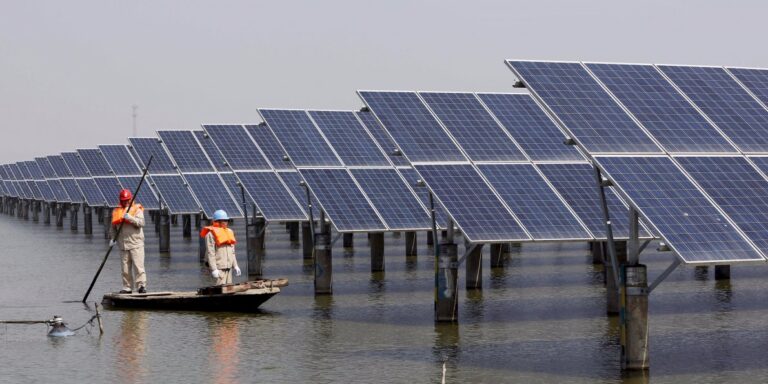
The severity of China’s air pollution has resulted in the Chinese government allocating more resources to the development of renewable energy as well as the production of electric cars and other vehicles, used for public transport. China’s new “5 Year Plan for Electricity” hopes to have around 35 to 39% of total electricity produced by non-fossil fuel sources. The result are giant Chinese solar energy farms, even those that float  over water (above photo).

China is a strong backer of the Paris Climate Change Agreement, while the USA administration has decided to withdraw from it and even use more coal for energy, as in the photo below: .

coal mining strips

Chinese renewable energy companies have entered into partnerships with those in other countries; including those in Israel, a country which has been credited with numerous innovations in renewable energy, especially solar energy. Due to the discovery of large undersea natural gas fields, Israel is changing its energy focus towards the use of “clean” natural gas, which it still a fossil fuel. This makes that country, as well as the Palestinian Authority appear to be going the same energy route as the USA. What will it take for Israel and the USA to finally decide to follow China’s energy policy direction?

Read more on Chinese renewable energy joint projects:

Israel’s first natural gas customers to be Palestinians

China’s Suntech Solar, owing millions, faces eminent takeover

China’s Trina Solar wants to spend $200 Million in Jordan


Greenpeace’s ultimate guide to greening your electronics

1

china boy child labor e-waste

Despite our slight disdain for the overuse of the words green, eco, environmental and sustainable, we do applaud all the efforts Greenpeace does to educate consumers about greener shopping. Want to know what electronics companies you love such as Apple and Samsung are committed to doing to make their products greener? After the fires in California we see air pollution skyrocketing, and it’s not just forest fire smoke that puts us in harm’s way.

Think about all the burning e-waste, the materials, the metals, the compounds that would make your heart sink if you really knew what people were breathing.

Consider your next purchases as greener ones. Here’s a sum up of the Greenpeace green guide to electronics which you can download here (PDF) – with companies getting report card scores on parameters such as energy use, resource use, and use of chemicals.

Major Findings

  • Lack of transparency in supply chain: Despite representing the majority of the environmental footprint for most electronic manufacturers, most companies publish little information on their suppliers, keeping their environmental performance and impacts hidden from view. Of the 17 companies evaluated, only six publish a basic list of suppliers and only Fairphone and Dell provide details on the products or services from each supplier. Among the top 3 brands in the global smartphone market, Huawei is the only brand reporting nothing about its supply chain greenhouse gas emissions.
  • Supply chain driving demand for dirty energy: Upwards of 70 to 80% of the carbon footprint during the lifespan of personal computing devices occurs during manufacturing. Despite impressive progress a number of companies have made in starting the transition of their offices and data centers to renewable energy, nearly all of the companies have yet to address the rapidly growing carbon footprint and dependence on dirty energy in their supply chains. Apple is the only company thus far that has committed to 100% renewable power for its supply chain. Estimated GHG emissions (both own operations and supply chain) for the 17 companies in this guide were more than 103 million metric tons of Co2e in 2016, or roughly the same level emissions for the Czech Republic in one year.
  • Samsung lagging on renewable energy: Samsung is both the largest manufacturer of smartphones worldwide and a supplier of key components to many of the other brands in the Guide, yet the company is holding the sector back by failing to tackle its climate change responsibility by committing to 100% renewable energy for its operations.The company used more than 16,000 GWh of energy in 2016, with just 1% coming from renewables.
  • Chinese smartphone brands gaining global market share, but losing in green commitment: Chinese smartphone manufacturers, Huawei, Oppo and Xiaomi together occupied over a quarter of the global smartphone market share in quarter two of 2017[1]. However, they score below average in all three impact areas, especially lacking transparency and substantial commitment in renewable energy. Huawei, now one of the top 3 smartphone brands in the world, has yet to realize its tremendous potential in environmental leadership.
  • Amazon remains one of the least transparent: Amazon remains one of the least transparent companies in the world in terms of its environmental performance, as it still refuses to report the greenhouse gas footprint of its own operations. While Amazon is willing to talk about its recent renewable energy deals, the company provides few details on its sourcing of recycled materials that are going into its devices, nor does it publish any restrictions on hazardous chemicals in its devices or being used in its supply chain as other leading electronics brands provide.
  • Planned obsolescence as design feature: Faced with market saturation for their devices in many countries, companies across the sector have increasingly changed the design of their products in a way that accelerates the replacement cycle by, making them difficult to service or upgrade, shortening the useful life of otherwise functional devices. Apple, Microsoft, and Samsung are among the companies moving in the wrong direction on sustainable product design. HP, Dell, and Fairphone are the notable exceptions to this trend, producing a growing number of products that are repairable and upgradable.
  • Lack of urgency, transparency in tackling global e-waste problem: Worldwide e-waste volumes are expected to surpass 65 million metric tons in 2017[2]. While a number of brands now offer some voluntary take-back programs, there is little if any reporting on what is actually being collected or where it goes upon collection. The end result: less than 16% of global e-waste volumes are estimated to be recycled in the formal sector,[3] despite the valuable materials contained within. Often “recycled” e-waste ends up at informal recyclers and handled in ways that endanger worker health and the local environment.[4]
  • Use of secondary materials remains limited, with some recent progress: While a few IT companies have incorporated recycled plastics in their products for several years, very little progress has been made in sourcing other secondary materials into new products. Fairphone incorporates recycled tungsten, and Dell has shown success in using closed-loop plastic collected from its take-back channel. Apple recently committed to “closing the loop” for its materials, starting with tin and aluminum.
  • Stalled commitments to product detox: Numerous companies, including Acer, Apple, Samsung, LG, Lenovo, Dell and HP made commitments in 2009/2010 to phase out PVC and BFRs from their products, to stem the tide of toxic e-waste. Now in 2017, only Apple and Google products are free of BFR and PVC across their product lines.
  • Lack of transparency and monitoring of workplace chemicals: To eliminate hazardous releases to the environment from manufacturing facilities and also to protect worker health and safety, all companies in the Guide have work to do to identify and eliminate hazardous chemicals used in the production of their products, improve worker health and safety due diligence, and develop safe substitutions. Apple, Dell, Google, HP and Microsoft are the only companies in the Guide that publish their list of substances that must be restricted in the manufacturing of their devices (MRSL).


Libeskind sketches out underwater hotel for the Red Sea, irks ecologists

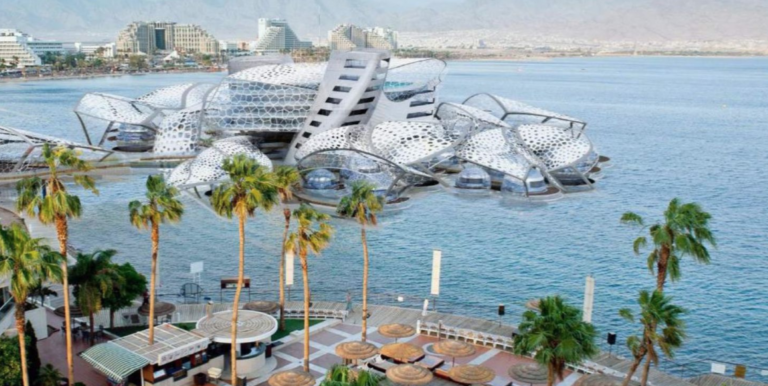
red sea underwater hotelFifteen years ago the coral reef was still healthy in the Red Sea city of Eilat. I’d swim and snorkel there hand in hand with my love S. There were even wild dolphins swimming freely to their sanctuary around ships passing through the port city connecting Israel’s southernmost city to the Indian Ocean. But local news reports that the now maligned port area of Eilat – the coral reefs have crashed, the dolphins are fenced in for protection from the shipping industry and speedboats –– is expecting a new Disney-style hotel, an underwater hotel proposed by local developers from the Alon Group, and envisioned by Daniel Libeskind, the architect behind the 9/11 Memorial Museum and the Jewish Museum in Berlin.

Environmentalists fear the worst for the already devastated coral reef and marine life in the area of the Red Sea shore. Prof. Amatzia Genin, from the Interuniversity Institute for Marine Sciences in Eilat (I’ve had a great pleasure in visiting), told Haaretz: “It’s daylight robbery. It’s currently a beach that’s open to the public and they’ll turn it into a closed space. Ecologically speaking, it’s the destruction of the reef. Plain and simple.”

The city of Eilat has been known for accepting surreal tourism projects, and this is just the latest we hope will just die out as a dream. Think about the following: the Kings City biblical theme park is closed, an underwater restaurant was built and then sank, the IMAX cinema is now closed.

Really the only things worth doing in Eilat today are nature-related or anthropological: watch the worst of Israel conglomerate, eat and scream on the beach (yeah, I’ve been part of the milieu), around pools or on the boardwalk; or get out of the city for a nature tour on a Jeep or by foot. I’ve hiked into Eilat with my dog. It was way too hot and dry. I’ve tried to sleep on the beach. Too noisy from the trance parties. I’ve rented hotels and have attempted family holidays there. The only thing good about Eilat is that it’s on the way to Sinai. There is one beach, part of the nature preserve, close to the Sinai border, worth visiting.

The pink, mauve and purple mountains around the region are worth exploring and knowing. But you need a guide and a 4X4.

"eilat underwater eco tourism"

The city, founded in 1951, was once freshly populated by Israeli criminals given an option: move to Eilat or stay in jail. Today Eilat offers a getaway for budget-minded tourists and local Israelis. It’s hard for me to stay in Eilat without feeling depressed. The hotels along the strip are loud, dirty and rude, with no trace of professionalism; anything that could be good about it gets suffocated by the noisy people, never-ending breakfast and dinner buffets where every dish looks different but tastes the same; the endless stands of trinkets and stuff that you should never buy. Clearly I am not a fan of Eilat. The best the city could do is encourage hiking trails for early morning and late afternoon adventurers, and work harder to protect visitors from noise and people pollution. Of course it should not build an underwater hotel.

And to be positive, of course there were strong and important politically-minded motives for having a population of people down at the point of Israel where Jordan meets Saudi Arabia, meets Egypt. And of course if you add up all those reasons why Israel needs to protect itself from below, Eilat has all the reasons in the world as to why it should exist.

But to make it attractive, and forward-thinking and to feed its 80 percent of the economy that depends on tourism, Eilat needs a game plan, not a maniacal plan to ruin little of what’s left of its environmental treasures and public access to those treasures. I’d visit Eilat if it felt like Cannes. Even if it felt more cosmopolitan like Tel Aviv. Come on people of Israel. Come on Daniel Libeskind. You can do better.

Internatonal Coastal Cleanup Day makes world beaches cleaner.

0

clean up beaches pollution

Solid and liquid waste pollution on most world beaches is an issue that appears to be getting worse; despite efforts by volunteer environmentalists in the Middle East and elsewhere to make beaches cleaner and more eco friendly. Whether it be plastic littered beaches on such places as Midway Island, caused largely by plastic wastes accumulating in the Great North Pacific Gyre, or garbage carelessly thrown upon a Mediterranean beachfront,  coastal pollution is having a severe environmental impact worldwide.

Beginning on a single Texas beach in 1986, a worldwide International Coastal Cleanup day has resulted in millions of kilograms of plastic and other solid wastes being removed from world beachfronts and coastal waterways.

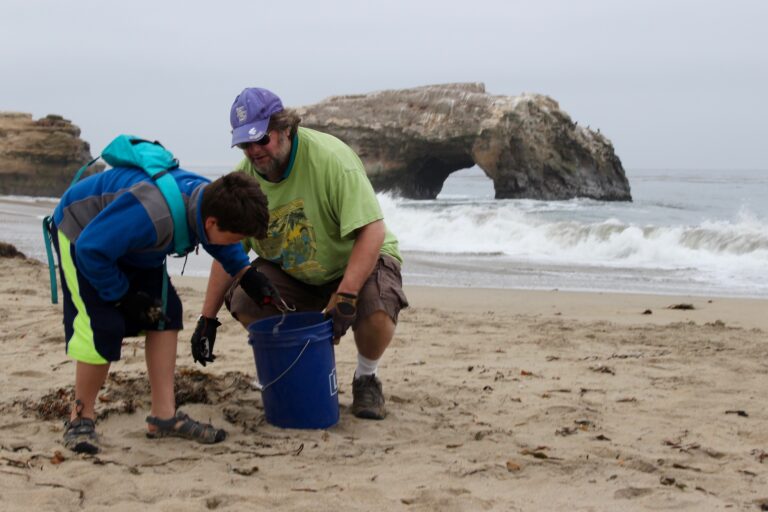
Considering the increasing amount of plastics and other waste materials, efforts made by hundreds of thousands of international volunteers on September 18 resulted in the gathering and removal of significant amounts of polluting material. In more than 30 years since the first coastal cleanup day began, more than 12 million volunteers have picked up an estimated 220 million pounds (100 million kgs) of trash. This trash ranges from plastic and glass bottles, plastic bags and food wastes to cigarette butts and discarded childrens beach toys. A good example is in the photo below.

Environmentalists estimate the amount of plastic wastes winding up in the oceans each year to be as much as 8 million metric tons. Being almost non-biodegradable, plastics simply break into smaller  “micro pieces” which are very dangerous to marine life; especially to fish, sea birds and sea turtles. This in itself should be a warning to make a greater effort to keep plastics from reaching the sea. Plastics are not only serious pollutant however. Liquid toxic wastes, from chemicals, oil and gas production, and raw sewage flowing into sea in Eastern Mediterranean countries like Lebanon has resulted in severe ecological warnings from environmental groups like Greenpeace.

One annual international day of beach and coastal cleanup will not in itself make world coastal waterways that much cleaner. At least it’s a start anyway to help make world beaches and waterways be a bit cleaner.

Read more on beach and coastal pollution and efforts to reduce it:

Israel’s Beach Season Opens With Litterbugs
The best eco beaches in Israel
Lebanon: Greenpeace Investigation Reveals Toxic Coast Pollution

Israeli woman unites Hebrew and Arabic in a unique new typeface

0

israeli invents new alphabetAn Israeli designer with roots in Haifa has developed a new script that bridges a basic cultural divide between Israeli Jews and Arabs.

Liron Lavi Turkenich (pictured below), instructor of graphic design from Jerusalem’s Bezalel Academy of Art, was raised in a Haifa, a city with a blended ethnic population where Hebrew and Arabic are spoken. A Hebrew speaker, it occured to her several years ago that she had never paid attention to the Arabic letters on bilingual road signs. Instead, she was “just looking at Arabic as decorations and not letters with content – and in fact, kind of ignoring the Arabic,” Turkenich told NoCamels. (Green Prophet has written about the hypnotic visual affect of Arab calligraphy on non-Arabic readers, as example in this story about Tunisian-French artist eL Seed.)

ARAVITTurkenich calls her new typeface “Aravrit” (which fuses the Hebrew words for “Arabic” and “Hebrew”).  Arabic and Hebrew are both Semitic languages. They share the same vocabulary structure and have some similar pronunciations, and they are both read right to left.

She fused the 22 Hebrew letters with the 29 Arabic ones, resulting in a script that Arabic readers can understand by reading the top half of any word string, while Hebrew readers can understand the bottom half. (See how Hebrew influenced English, in this story from our archives.)

The designer was challenged by the fact that – in Arabic – each letter takes on four unique forms depending on whether the letter is at the start, middle, end, or completely separate from a word. She currently has 638 letters based on the separate form, and, in future, will expand the alphabet to include the connected forms of the Arabic letters. Follow her developments on her Facebook page – link here.

With these 638 letters, Turkenich is able to write a word in Aravrit in a way that incorporates both the Arabic and Hebrew words. For example, ‘peace’ in Aravrit would say ‘salaam’ on the top half and ‘shalom’ on the bottom half (see below). (See how Arabic influenced English, in this story from our archives.)aravit“The first thing is just to bring up the discussion – people start to talk about this, and the presence of Arabic in our surroundings,” said Turkenich. “I think this is the power of language, the fact that it is so daily.”

The script is proving popular, and is sparking discussion. It holds potential to transcend Israel’s linguistic barriers, and  Turkenich says she has received positive responses from other nations with Arabic speakers, such as Yemen and Saudi Arabia.

“They really loved it because they were able to read their own script and they still got this message of life together,” adding, “I think people really like it because they feel like they’ve solved a riddle,” says Turkenich.

Arabic and Hebrew are the official languages in Israel, with roughly 20 percent of the population speaking Arabic (worldwide, more than 290 million people speak Arabic).


Images from Liron Erel 

Chic and cool Berber Lodge in the Atlas Mountains

0

If there is one thing every human being that can travel should do, it’s travel to Morocco. And specifically to the Atlas Mountains. Of course there are many ways to get there: by taxi, donkey or hiking, or a combination of all three. Rural life is all around you but if you want a little pampering, Moroccan style, a new lodge caters to the whims of those who want to feel “local” with exotic comforts that Morocco has to offer. I’ve spent some time in the Atlas Mountains, and managed to hire a local taxi, with doors and windows falling off, winding through the mountains at breakneck speeds, radio full blast in Arabic song wondering just how safe we were on those washed out roads. My rusty french helped a lot. We arrived near to to a Berber-managed lodge that required a donkey for the last leg.

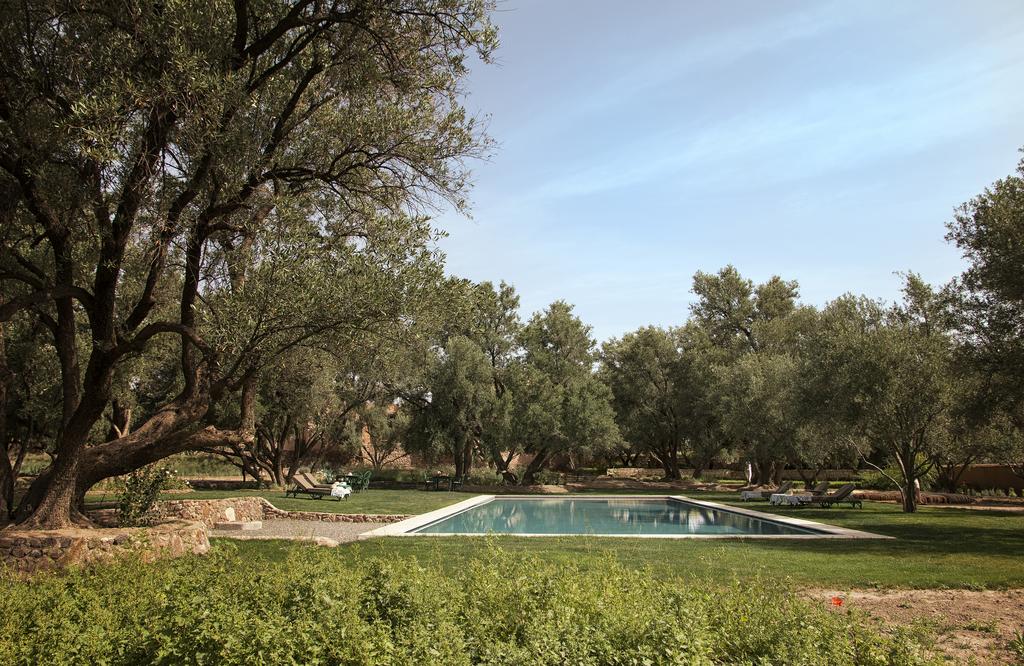
No mention of a donkey for this new place that we love, but the Berber Lodge built by a French-Swiss designer Romain Michel-Meniere, in the Atlas Mountains, a half hour drive from Marrakesh (Douar Oumnes, Tamesloth) is now on my list of go-to destinations. Adobe structures for lodging, extensive gardens and an olive grove as well as a 50-foot-pool all make the lodge authentic and luxurious. Check out the photos below.

In Marrakesh Michel-Meniere designed a stylish hotel the Riad Mena & Beyond (bread and breakfasts are called a riad in Morocco) and the farm-to-table restaurant Nomad. If you get to Marrakesh in late spring or summer though, it’s too hot to handle. That’s why I’d seek retreat in the mountains where it can even get super chilly at night. Perfect for snuggling.

Morocco is a place to discover, and you must get yourself there. More interestingly perhaps if you do that during one of their music festivals. The Gnaoua Festival coming up in the spring of 2018, is one like no other.

::Berber Lodge facebook 

الحريق القادم؟ الحريق الآن

0

28334238_sa

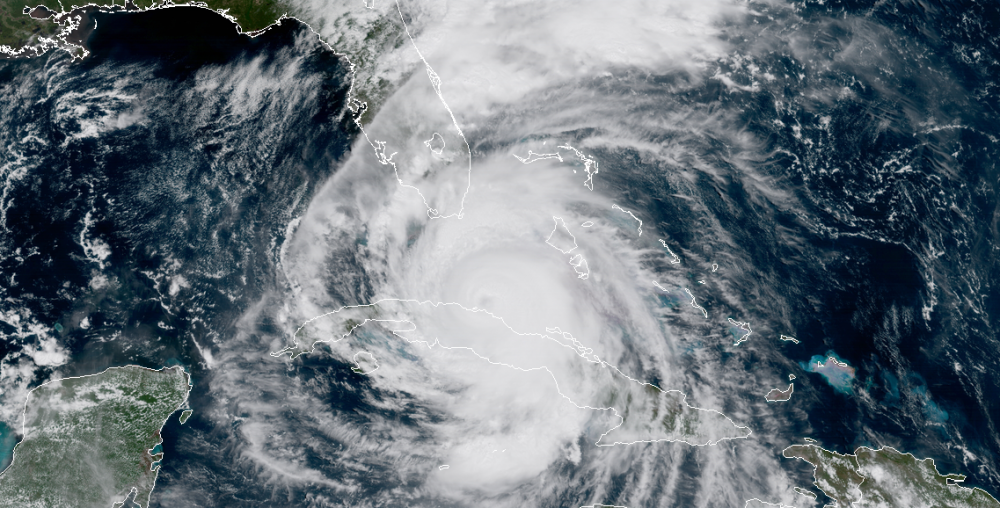
ما لبث هارفي أن حول ضواحي تكساس الساحلية إلى خرائب تجري من فوقها الفياضانات حتى تبعته إرما و هي تجوس خلال جزر الكاريبي، مقطعة بذلك كل ما في طريقها إربا إربا. تلك الأعاصير الفتاكة لم تكن حكرا على حوض الأطلسي فقط، بل كان للفليبين و تايوان و سواحل الصين و اليابان و غيرهم من جيران الهادي نصيب من الدمار

 و في خضم المعمعة، تتجه أصابع الاتهام إلى الارتفاع المُلفت في درجات حرارة المحيطين الأطلسي و الهادي على حد سواء، و اللذان بدورهما كانا السبب في ذوبان جليد القطب الشمالي بوتيرة أسرع مما كنا نخشى، معلنين بذلك بدء الزلزال المناخي على سبيلين المعنى و الحرف

طبعا، تلك المخاوف بشأن غضب الطبيعة الناتج من الاحتباس الحراري ليست بالشيئ الجديد، فقد نُشرت دراسات مفصلة لا تُعد و لا تُحصى عن تلك الظاهرة و كل ما يخصها من أسباب و نتائج و علاجات. أما على الصعيد الفني، فصُورت أفلام و وثائقيات كثيرة لتنبه الرأي العام عن ما تكمنه الطبيعة من كوارث إن هي اختل توازنها المُقدر ربانيا. أحد تلك الأفلام (الحريق القادم) كان قد عُرض في العام 1993، و كانت أحداثه تدور في مستقبل مرعب، 2017 على وجه التحديد، حين تمكنت الأعاصير المتوحشة من الكاريبي و خليج المكسيك، و تمكنت حرائق الغابات من كاليفورنيا، و تمكن الجفاف من الولايات الأمريكية المتجاورة

screen-shot-2017-09-09-at-20306-pm-1000x508

و لم تشأ الأقدار إلا أن تصدق النبوءة: فها هم هارفي و إرما و كاتيا و خوزيه يولدون من رحم حوض الأطلسي ليعيثوا فسادا في سواحل الأمريكية شرقا، و ها هي الحرائق تلتهم غاباتها غربا. و لم ينس الجفاف، فوق كل ذلك، أن يحل ضيفا ثقيلا في مناطق عدة في الغرب و الجنوب الغربي

أما الشرق الأوسط، فتلك رواية أُخرى: في السنتين الماضيتين، و بحسب ناسا، عانى الشرق الأوسط من أشرس جفاف مر به على مدى تسعمئة سنة خلت

الحريق القادم؟ الحريق الآن

Saudi Arabia is going to let its women drive! Next year

0

saudia arabia woman driving

It’s hard to believe that in 2017 women in Saudi Arabia are not allowed to drive. Shwaya, shwaya! Saudi Arabia announced this week that it would allow women to drive, ending a long-term approach that’s shown the world how oppressed women can be in the Middle East.

We’ve learned from jokers on YouTube about how hard it is for women, and beyond giving them low morale, not being able to drive restricts women to where they can work, who they can be friends with and when they can go shopping. They currently need a male escort, a guy from the family or a paid chauffeur to drive them around.

Saudi women have defied the ban, especially unmarried Saudi chicks and we’ve reported on them here, and if you go to Jeddah today don’t expect to see women in hijab driving around in convertibles. The change will only take effect next June, 2018, it was announced in a royal decree. For some late-night bedtime reading, check out the House of Saud.

The driving ban has damaged the way the world looks at Saudi Arabia (duh!), and the country hopes that the world will look at it more favorably. Locally, women will now be able to come and go as they please and be free from spending large parts of their salaries on drivers. With all that extra money and freedom, we wonder what Saudi women will want?

This funny video showed how silly the ban is for women. You can read our post on it, here.

“It is amazing,” said Fawziah al-Bakr, a Saudi university professor who was among 47 women who participated in the kingdom’s first protest against the ban — in 1990. After driving around the Saudi capital, Riyadh, the women were arrested and some lost their jobs, she told the New York Times. “Since that day, Saudi women have been asking for the right to drive, and finally it arrived,” she told the Times by phone. “We have been waiting for a very long time.”

Water and energy

1

Everyone knows that water is Earth’s greatest natural resource. We literally could not live without it. According to the U.S. Geological Survey, water covers about 71 percent of the earth’s surface, with our oceans holding about 96.5 percent of it. The other 3.5 percent of surface water is the fresh water in rivers, streams, lakes, and swamps. But there’s additional water in the air, underground, and trapped in icecaps and glaciers. There’s also water in the soil, in aquifers, and in all living things.

Despite all this water, however, vast numbers of people live in areas of the world where water is very scarce. It is estimated that 78.3 million people worldwide do not have access to clean water. In the United States, droughts are common occurrences throughout the country. The Desert Southwest goes to extraordinary lengths to obtain sufficient water to meet the needs of its populations.

The Cadiz water project is the latest example. Located in Cadiz, CA, in the Mojave Desert about 80 miles from Barstow, this project will recover over 50,000 acre-feet of groundwater before it evaporates, creating a new water supply sufficient to service 100,000 Southern California families each year for the next 50 years.

Water Usage and Energy Usage

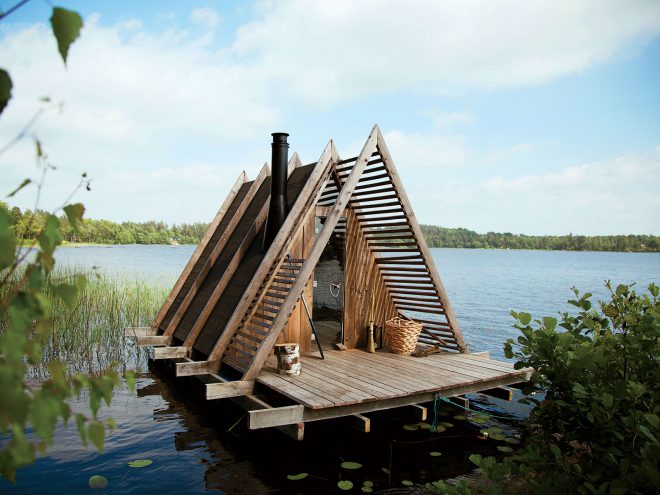
Growing numbers of Americans are making a conscious effort these days to use less energy. You can see many people opting for awesome and sensual wood fired hot tubs. Wood firing the Swedish way means taking the time to chop the wood, collect it. Start a fire. If the trees come from your property you can replace them and you can be carbon neutral. Or maybe even try a wood fired sauna like the folks at Stedsans in Sweden.

wood fired floating sauna, Sweden
Wood fired floating sauna in Sweden. It’s a camp/resort run by sustainable chef types.

Most people, however, think of energy consumption as electricity, gas, oil, etc. They seldom think of energy in terms of water consumption. Water usage and energy usage, nevertheless, go hand and hand. Consider the following facts:

  • Electricity, gas, or propane heats the water you use for baths, showers, dishwashers, and clothes washers.
  • Your water company uses energy to purify your water, pump it to your house, and dispose of your sewage.
  • If you live in a rural area with your own well and disposal system, you’re paying directly for your energy consumption to run them.

According to the U.S. Energy Information Administration, Americans use 231 billion kilowatt hours of electricity each year directly related to their water consumption. It breaks down as follows:

  • Water heating – 134 billion kWh
  • Clothes dryers –  61 billion kWh
  • Dishwashers –    28 billion kWh
  • Clothes washers – 8 billion kWh

Obviously, reducing your water consumption also will reduce your energy bills. Here are some ideas and tips for accomplishing both.

Reducing Water Consumption in Your Kitchen

Keep a pitcher or jug of water in your refrigerator. You won’t have to let tap water run down the drain every time you want a drink in order to get it cold. Wash fresh fruit and vegetables in a plastic dishpan or big cooking pan rather than under running water.

Don’t run your dishwasher until you have a full load. Consider buying a pressure cooker. It saves both time and water and your food will taste better and retain more of its nutrients. Defrost frozen foods in the microwave, not under hot running water. Always make sure your faucet is completely turned off when you’re finished using it; replace it if it starts leaking.

Reducing Water Consumption in Your Bathroom

After wetting your toothbrush, turn off the water while you’re brushing your teeth. Turn it back on when you’re ready to rinse your mouth. As with your kitchen faucet, make sure your bathroom faucet is completely turned off when you’re finished using it and replace it if it starts to leak.

Buy a low-flow toilet or modify your existing toilet with a reasonably simple DIY project. Check to see that your toilet filling system is working properly and not overfilling your toilet bowl, causing it to send excess water gurgling down the drain.

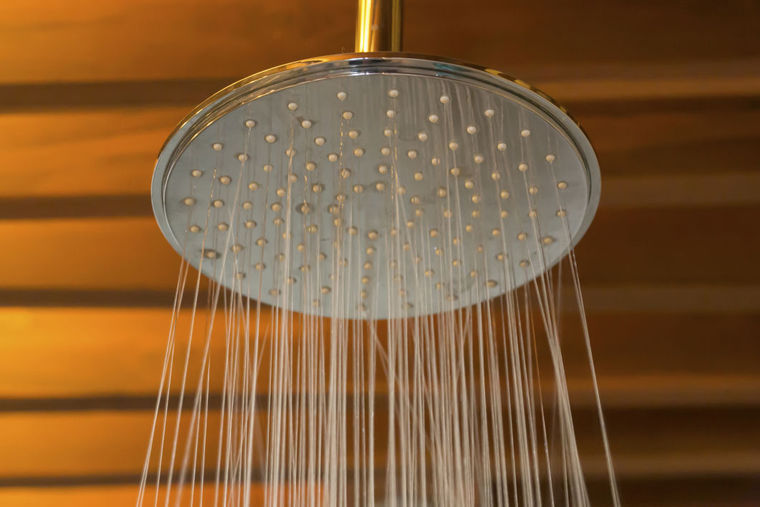
Plug the bathtub before you start filling it. Use the cold water that comes in at first to offset the really hot water that will start to flow in. Buy a low-flow showerhead. Better yet, consider a rain shower head.

Reducing Water Consumption Outdoors

Reducing Water Consumption Outdoors

Consider installing a rain barrel to catch rain for your lawn and/or garden. Weed your garden frequently; don’t waste water on weeds! Mulch your plants to help retain moisture in the soil. Install a drip irrigation system to water your plants and flowers rather than using a garden hose. If you must water with a hose, attach sprinklers for garden use and don’t do it mid-day. It’s not good for your plants and you’ll lose too much water to evaporation. There are loads of inventions that help you reduce water use on your garden. You can find some at your local gardening shop.

Israel for instance has many entrepreneurs from this space, mainly because they have sprouted from a culture of innovation for saving water.

Speaking of saving water: cover your pool and/or hot tub anytime they’re not in use. It’s surprising how much water evaporates from such large surfaces. Install a timer on your lawn sprinkler system and make sure your sprinklers are positioned properly so they’re watering only your lawn, not your driveway or the street. Also, make sure your outdoor water connections and hoses aren’t leaking.

Choose grass seed that is appropriate to the climate where you live. If it’s an arid region, look for seed that is drought tolerant. If you live in the Desert Southwest, consider desert landscaping rather than a green lawn.
Americans use over 275 billion gallons of surface water and over 80 billion gallons of groundwater per day. Reducing your water consumption not only will reduce your energy bills, but also will conserve Earth’s most precious natural resource.

5 ways restaurants can go green

0

The restaurant business is loaded with opportunities for cooperating with Mother Nature and with the goals of a modern, green society. From training a staff to choosing a menu, in style and substance, globally conscious restaurant owners can find ways to help them sleep well at night.

1.Cleanliness

Keeping a restaurant going requires a dedication to cleanliness, for which many restaurant managers and owners reach for the first cleaning products they find. This often means commercial cleaning projects that contain questionable chemical compounds that you wouldn’t want in your home, let alone in a business that caters to an enlightened, planet-friendly clientele.

Of course, if you want to go green with your cleaning products, your local health board or the state’s own regulations might have something to say about that. Water alone will not take care of unhealthy bacteria or other dangerous pathogens. On the other hand, you will want to use cleaning products that really work. Call your local health board for recommendations in this area.

Nopa Restaurant, Autoban, interior design, green wall, vertical garden, wraparound green wall, Istanbul, Turkey

2. Training Workers

Certainly, health departments in various states consider their role to be one of helping businesses keep a clean and health establishment, not shutting health code violators. Out west, the California food handlers card attests to the state’s dedication to helping train workers in keeping restaurants clean and handling food properly. Yes, organic often implies a relaxed atmosphere when it comes to food presentation, but that doesn’t guarantee healthy practices, something your state regulators will certainly remind you if they need to. You can also train your workers how to compost or give away food that is not eaten by the end of the day.

3. A Green Menu

The greatest impact a restaurant can have is in what the owner puts on the menu. Choosing your local suppliers has a direct impact on the green economy and offers a method in which one business can have a lateral impact on their industry. Supporting certified organic farmers who avoid abusing the planet with pesticides, herbicides, antibiotics, poor land management and pledge humane treatment of their animals allows these small farmers to survive and even thrive, allowing them to prosper and grow.

One organic farmer doing well is a signal to the farming community that green practices not only make planetary sense but economic sense. It allows the organic community to participate in the marketplace.

You could even start an organic meal preparation program that uses seasonal produce and sets a clear schedule for pickups and deliveries. Many kitchens test a delivery model that integrates meal prep business ecommerce into their website ordering flow to minimize waste and predict demand. That approach helps you track portions, forecast ingredients, and keep the menu aligned with what nearby farms can supply.

Using organic suppliers also supports the local economy simply because crops sprayed with pesticides and treated with preservatives can travel father as these practices increase a product’s shelf life. In contrast, organic farmers tend to prefer local markets, so they can sell their fresh, vulnerable products in markets that appreciate local means fresh and this means healthier foods untreated by preservatives.

In this manner, a restaurant that uses green suppliers makes enormous use of its buying power. They support local producers who are kind to the planet earth and makes use of fresh, local foods that go quickly to their customers. A healthy planet and healthy customers mean that green menus influence the world well beyond their own cash registered.

4. Education

Beyond the complex and rewarding practices of running a restaurant that works within a “green” framework, restaurant owners can seize the opportunity they have to educate their customers and their would-be customers along the way.

Often, local newspapers run articles on new businesses that open in their neighborhoods and this is just one opportunity to educate the public on the benefits of a green restaurant. Start by reminding the public about the health benefits of eating simple, fresh, green, local, untreated foods and go from there. Remind them that you are supporting the local economy in ways that a national fast-food franchise is not. Remind them that your advertising dollars start local and stay local – while national chains rely on corporate advertising in which the local economy is unlikely to benefit.

5. A Living Wage

Lastly, a “green” restaurant implies a connection to the planet, but it also implies a connection to the local community and to human beings. That implies you will pay your workers a living wage. There’s no point in running a proud, healthy, green restaurant and relying on cutthroat wages for your staff.

Check with your local banks to find out if there is an established living wage in your community. Then figure out ways in which you can guarantee your staff goes home with enough money to support themselves and their families. Again, there is no point in bragging about your green business if your dishwashers cannot afford childcare or your waitresses cannot afford new shoes. If you look to countries like Switzerland the cost of food at grocery stores is not that high, but to eat out you will pay a fortune. Why? Because servers earn a good hourly wage for their services. Think about it.

With these tips, your restaurant can become truly eco-friendly. From the food you serve to the impact you have on your community, being a green, organic restaurant is more than just a trend.

Ancient jar of decapitated toad heads puzzle archeologists

1

toads without heads in jar isael archeology decapitated

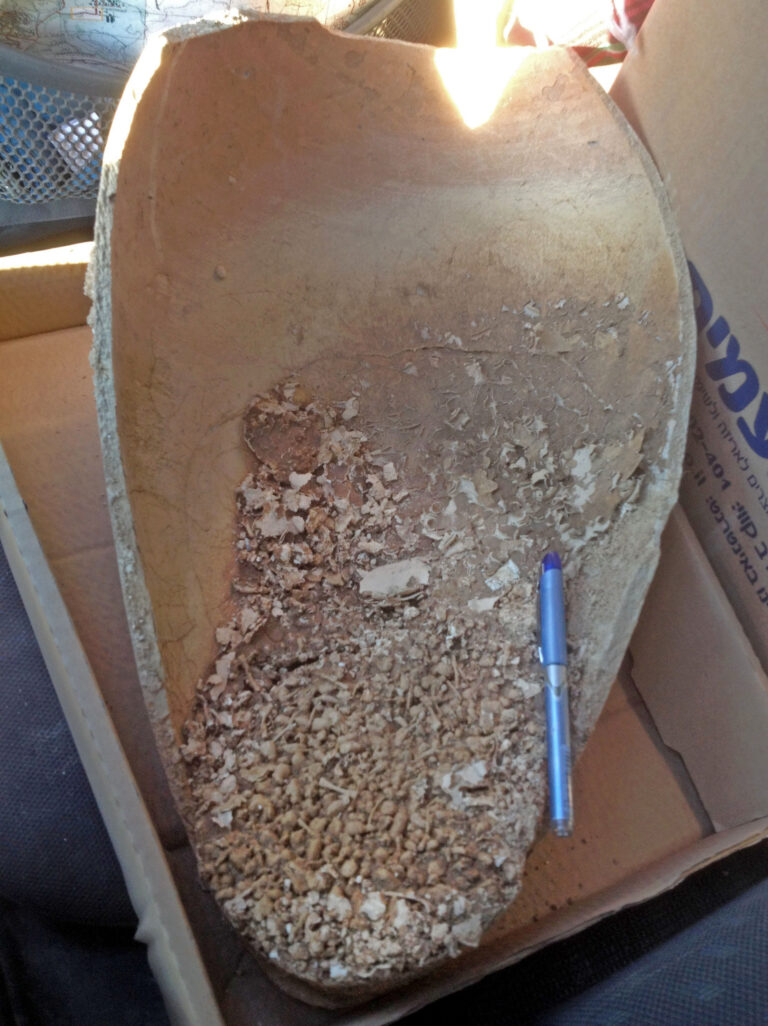
They were found in a 4000 year old tomb. Begging the question – why a jar of decapitated toads? What strange customs did our ancestors practice? According to archaeologists who uncovered the recent finding, the frogs were part of ancient funeral practices.

toads without heads in jar isael archeology decapitated


toads without heads in jar isael archeology decapitated

toads without heads in jar isael archeology decapitated

toads without heads in jar isael archeology decapitated

toads without heads in jar isael archeology decapitated

toads without heads in jar isael archeology decapitated

toads without heads in jar isael archeology decapitated

Researchers say these fascinating findings from an Israel Antiquities Authority excavation near the Jerusalem Biblical Zoo shed light on burial customs in the Canaanite period  – the Middle Bronze Age. The archaeological excavation yielded the remains of at least nine toads, and evidence of the cultivation of date palms and myrtle in the area.

toads without heads in jar isael archeology decapitated

According to the excavation directors on behalf of the Israel Antiquities Authority, Shua Kisilevitz and Zohar Turgeman-Yaffe: “This section of the Nahal Repha’im basin was fertile ground for settlement throughout time, especially during the Canaanite period. In recent years excavations in the area have uncovered two settlement sites, two temples and a number of cemeteries, which provide new insight into the life of the local population at that time.”

According to Kisilevitz and Turgeman-Yaffe: “For an archaeologist, finding tombs that were intentionally sealed in antiquity is a priceless treasure, because they are a time capsule that allows us to encounter objects almost just as they were originally left. At that time, it was customary to bury the dead with offerings that constituted a kind of “burial kit,” which, it was believed, would serve the deceased in the afterworld. When we removed the stone that blocked the tomb opening, we were excited to discover intact bowls and jars.

“In one of the jars, to our surprise, we found a heap of small bones. The study of the bones, by Dr. Lior Weisbrod of the University of Haifa, revealed at least nine toads. Interestingly, they had been decapitated.”

Another intriguing finding came to light through analysis of sediments collected from the clay jars and examined under a microscope. The examination, by Dr. Dafna Langgut of Tel Aviv University, revealed that shortly before the vessels were placed in the tomb, they came into contact with various plants including date palms and myrtle bushes.

This fact is interesting because this is not the natural habitat for those species, and they therefore seem to have been planted here intentionally. According to Dr. Langgut, in this period the date palm symbolized fertility and rejuvenation, which could explain why the ancients cultivated the trees in this environment, where they do not grow naturally. According to the scholars, these plants may have been part of an orchard planted in an area where funeral rituals were held, during which offerings of food and objects were made to the deceased. The scholars surmise that the jar with the headless toads was among these offerings.

The research will be presented for the first time on Thursday, October 18, at the conference “New Studies in the Archaeology of Jerusalem and its Region,” open to the public, at the Hebrew University of Jerusalem.