Home Blog Page 217

The Central Hub and Other New Developments in Sharjah

0

man at sea in sharjah

Moving to Sharjah is an incredible experience, but chances are you might feel a little overwhelmed. After all, there’s so much to see, do, and experience in Sharjah. Where should you begin looking for a place to call home? Fortunately, there’s Aljada’s Central Hub. This is one of the key features of Aljada’s new development in Sharjah. Full of restaurants, activities, shops, community centers, and parks to make your family feel right at home, the Central Hub is one of the most important and valuable features of Sharjah. Here’s what you need to know.

  • Design

Aljada’s Central Hub is an incredible 176,516 square meters in size. It’s large enough to provide everything the community needs, including grocery stores, retail outlets, fashion shops, art museums, and healthcare offices. With the Central Hub, you don’t even have to leave Aljada to enjoy going to a movie, spending time with your friends, or enjoying a romantic evening with your spouse. The Central Hub was designed by Zaha Hadid Architects who thought of everything you need to make your experience in Sharjah one to remember.

  • Development

ARADA plans to launch phase one of Central Hub’s development in Q4 2018. After a global competition to select the perfect architectural firm, Zaha Hadid Architects was the clear choice. One of the primary reasons this firm was chosen to bring Central Hub to life is Zaha Hadid Architects’ understanding of environmental concerns and considerations. Aljada is an incredibly green and forward-thinking community that focuses on creating a sustainable living community for generations to come.

  • Drawing Points

Central Hub and Aljada as a whole bring many wonderful benefits to the local community. The design for this, according to ARADA, “conceptualizes the first moment a water droplet strikes the earth’s surface, captured in an array of elliptical buildings designed to channel prevailing winds into civic spaces and courtyards to facilitate cooling during the summer months.” Whether it’s winter or summer, Aljada’s Central Hub is designed to be an incredible place to build memories, spend time relaxing, and living your life with your loved ones.

One of the primary design features is the hub’s observation tower. This incredible building overlooks public squares that have been designed to incorporate a number of different water features. The best part? They feature recycled water. The focus on water will assist in maintaining the beautiful gardens and parks in the community, as well as sustaining the plant species native to the area.

  • Sharjah of Tomorrow

While there was fierce competition in designing Central Hub and Aljada’s community in general, the chosen architectural firm clearly demonstrated an understanding of the primary vision of Aljada: to create a beautiful, environmentally conscious community that will be a primary drawing point in the Sharjah of Tomorrow.

Read more about Sharjah’s new developments, including the Central Hub, here. Ready to learn even more? Visit the Aljada website today to discover how you can find the home of your dreams, get involved in the community, and spend time enjoying one of the many art galleries or local parks designed to make you feel right at home in Aljada.

Activists can protect their communication by hiding their IP

0

Hiding your IP has a bad rap out there for video pirates and people seeking illicit material on the Internet. But it’s not only swarthy characters that hide out in Internet cafes (wait, do they still exist?) and use IP switchers to hide their identity.

While people in the United States, Canada and Europe enjoy fairly open and transparent media and communication I would have to say that most people in this world do not enjoy the same level of freedom as those citizens experience.

Over the years we have had hundreds people of people reach out to us at Green Prophet wanting to tell us about atrocities happening in their backyards; in their cities; in their provinces then their countries but they know that whistleblowing or reporting something that might seem just like chemical contamination by a factory or illegal bird hunting or the dying of a great lake might wind them up in jail or even worse you might disappear.

That’s what happens in places like Iran. That’s what happens in countries like Egypt where we had a high level managers working on a project for an energy company tell us about toxic nuclear radiation being handled by an unqualified group of local Egyptians exposed to deadly levels irradiation on a daily basis.  And even if you do happen to live in a place like the United States which seems liberal you still have to be careful about what you talk about and what know if it connected to big business and government and powerful people.

So what we’re saying and what we’re going to tell you now it’s not about breaking the law it’s about making sure that you’re well protected if you were going to report and environmental catastrophe or social injustice or something illegal.

But if your intuition tells you that you should do what you’re doing and you should find a way to hide your tracks: a way to hide your IP address. There are plenty of guides on the internet that will teach you how to hide your IP address and it usually involves working with some sort of online company that can provide you with an alternate IP from any other country in the world.  There are services that are free and others that require small monthly payment; in my opinion it’s better to pay a little then to deal with the hassle of trying to figure out all the services, and to sift through what’s legitimate and what’s not.

Energy-efficient hard lined cables vs. bluetooth connections

0

Bluetooth is everywhere from speakers in our car to our home and office environment. But everyone knows that Bluetooth is extremely energy intense and the quality can be blah. So today we will compare audio options between hard line cables and Bluetooth. This is a big debate in the audio-tech world. Hard lined cables versus Bluetooth connection. Which is better? Which is the future? It’s a pretty divided war in the audio world it seems, creating the classic clash between the old schooler’s and the tech junkies. But, by the end of this article, you just may find that there are great benefits to both of these wondrous forms of connection, and our world really wouldn’t be the same without either one!

The best way to end this war is to talk pros and cons. So, let’s begin.

Hard Lined Cables

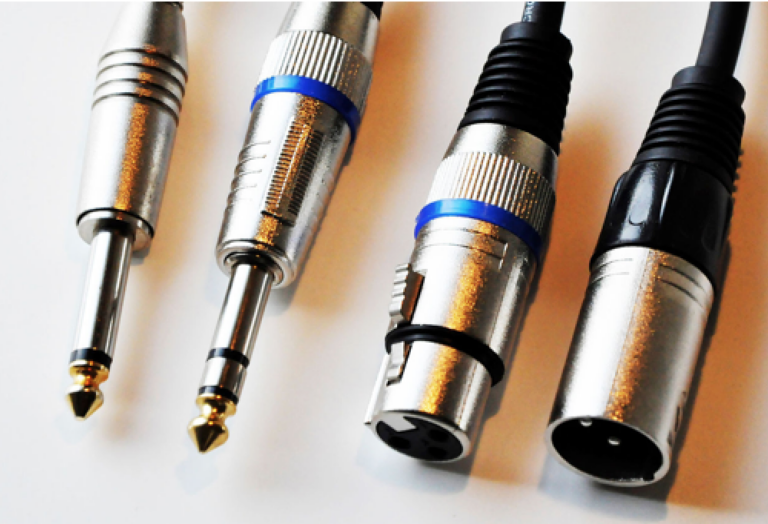
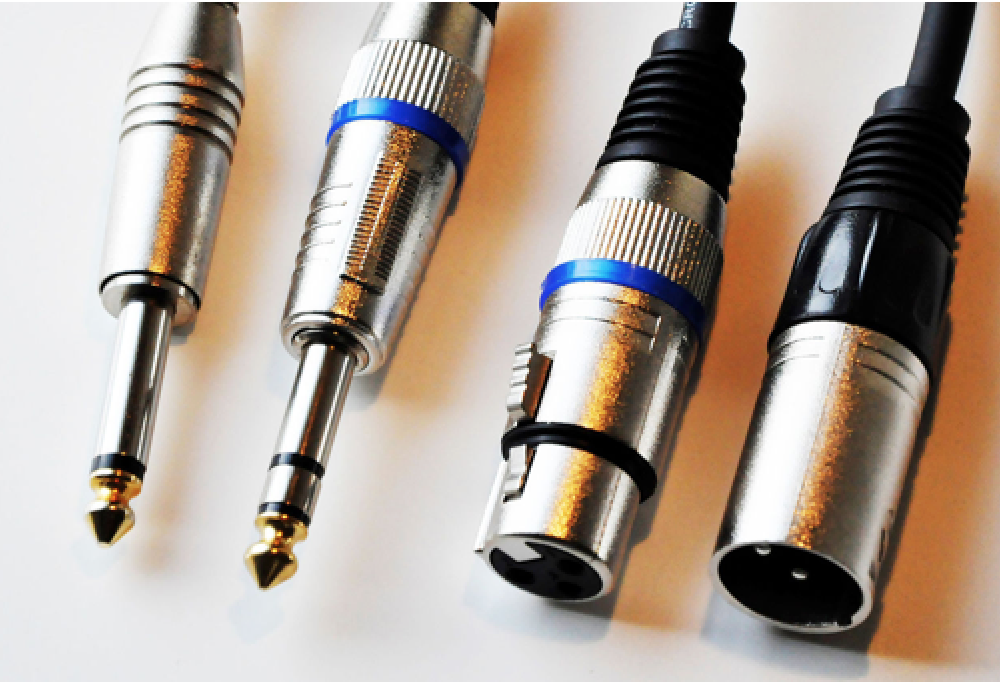
The always dependable, ever so trustworthy choice, cables! You simply can’t go wrong when you get a good device with a quality cable like the Chord Mojo digital audio converter.. With the easy attachment of a simple cable to your smart phone, this device can amplify your iPhone’s audio beautifully. This is just one example of the amazing devices out in the world, that wouldn’t serve its function without a hard lined cable. Though some people dream of a wireless world, there will always be a need for hard lined cables because the benefits are too practical to hate on.

Pros:

  • It’s no secret that hard-lined cables are the best option if reliability is your priority when it comes to tech gear. Unless you have a dog that loves to chew through cables, they last forever and if you take care of them or don’t lose them, won’t ever have to be replaced.
  • The biggest reason why people can’t seem to hop on the Bluetooth train is just because the sound quality that comes from cables is simply unmatchable. From a high-end cable, you can hear the purest and smoothest form of sound. Something that all audio-enthusiasts and engineers strive for.
  • Another great thing about cables is that most are versatile and universal! They are easy to lend and borrow, and even easier to set up. All you do is plug it in! With Bluetooth connection, there are all sorts of passwords and steps to follow in the set-up process. Nothing beats just plugging in and letting the magic happen.

Cons:

  • An obvious con to the hard-lined cable life is the fact that cables are ugly and annoying to have around. If you are a clean freak or a minimalist, you probably despise cables and the chaos they create. It’s true, they don’t look as nice as wireless gear.
  • Another bad part about hard lined cables is the fact that you have limited range of motion for your device. This wouldn’t be an issue for stationary products, but for things like your laptop, speakers and phones – cables can get annoying really fast. Another annoying thing about cables is storing them. If you don’t store them neatly, you are setting yourself up for a stressful and frustrating untangling experience.
  • Hard Lined cables can lack functionality these days. As each year comes and goes, people are wanting things to not only be easy to use and reliable, but also being portable, minimal and good looking have become huge factors in the past few decades. For the old schoolers, minimalism and aesthetics aren’t entirely a priority on their check list for gadgets. Through this perspective, I can entirely understand why some people may prefer Bluetooth.

Bluetooth

Let’s think of a world without Bluetooth connection for a moment. First of all, Beyonce would not have a career because let’s face it, she can’t pull off those dance moves without a wireless microphone. Maybe without creating Bluetooth connection to your phone inside your car, the number of texting-related car accidents would still be on the rise. Maybe, without Bluetooth connection, we would still be taking 5-10 minutes out of our day just to unravel the cables to our Xbox controllers. All jokes aside, Bluetooth has been super important to the advancements in our modern world and it is kind of hard to imagine a world without it now.

Pros:

  • A great feature of Bluetooth is the wider range of motion that you can’t get with hard lined cables. If you have a Bluetooth speaker, you can bring your phone with you just about anywhere inside your house. Otherwise, it’s extremely annoying to have to keep your phone near the speaker at all times. Bluetooth headphones have also become extremely popular these past few years. Even the latest iPhones are not made with headphone jacks and rely on Bluetooth connection, unless you buy an adapter. This was a bold move in the audio world, but some people truly enjoy being able to listen to music without pesky cables in the way!
  • Without the development of Bluetooth connection, we wouldn’t have all of these amazing home appliances that have been designed the past few years. From Alexa, to refrigerators that tell the weather, to home security systems. Some people are suspicious of such inventions – but whether you are into it or not, it is hard not to appreciate these advancements.
  • As mentioned before, hands-free calling has certainty saved many lives behind the wheel. Though we all feel the need to scream into the car speaker so the person on the other side can hear us, it’s an invention that, along with all other Bluetooth devices, will only improve as time goes on.

Cons:

  • The biggest drawback that humans face with Bluetooth connection is the fact that the connection itself can be very unstable. It can be hard to connect to and stay connected to. If you have good service or a stable WiFi connection, you have no problems. But, having good connection isn’t always easy. It is hard to rely on Bluetooth connection because there are so many factors that go into making it work properly. Your connection could give out at any time, which is something you really never had to worry about with hard lined cables.
  • Bluetooth also requires you to stay on top of charging all of your devices and keeping them charged. Even though it’s great to have a wireless speaker you can take with you camping or to the beach, you still have to find a way to plug it in and charge. Bluetooth is also known for sucking the life out of phone batteries, so it is something that will definitely need improvement in the future. If Bluetooth device battery life would last longer, I think it would be even more popular and efficient.
  • Most of all, Bluetooth does not provide the same sound quality as hard lined cables and iem headphones. This is a deal breaker for most every audio nerd in the book. But, I do think that in our future – the sound quality for Bluetooth will drastically improve!

    Speakers in a mosque

At the end of the day, what it all comes down to is what type of person you are. If you are an old school, music enthusiast who finds joy in the purest form of sound – then you probably don’t want to mess around with Bluetooth and all of its chaos. If you are a future-forward, tech junkie – you are probably attracted to the wireless appeal and prefer that over sound quality. You can’t really go wrong either way in the end, which is the beauty of living in such modern times that we live in – you have endless options and choices and you don’t have to be one certain way. Bluetooth and hard lined cables have both become so important in our world today, and will keep improving as time moves on!

What is your preference? Are you a fan of the clarity and range of sound that is provided by analog audio cables, or do you prefer the portability and small footprint of a bluetooth device? Leave a comment with your thoughts in the section below.


Ladybugs, The Gardener’s Organic Pest Control

0

The delicate, elegant ladybug makes an innocent playmate for a child – as long as it consents to wander around a little open palm. Too soon, it will open its spotted wings and take off again. It has places to go and aphids to eat.

For while the ladybug looks so charming, it actually has the appetite of an ogre. During its life of two to three years, a ladybug will eat about 5,000 aphids and other insect eggs, making it a valuable ally for the organic gardener. Ladybugs are saving Israel’s iconic sabra plants, which invasive aphids have almost destroyed.

You have to know how to get along with ladybugs. Summer heat exhausts them. At the first sign of hot, dry weather, they migrate to cooler, usually hilly regions. They stay while autumn brings winter in its train, hibernating until spring. Come the perfect, warm/cool weather, they return to the gardens and fields where juicy aphids and mites abound, and where nutritious flower pollens are there for the taking. Gardeners may be happy to notice the ladybugs’ return, but know their little buddies will eventually fly away home.

How to attract ladybugs to your garden.  Plant garlic, chives, calendula, sweet alyssum, as well as cosmos, scented geranium, cilantro and parsley.  Ladybugs like to eat the pollen of these plants. Ladybugs also love nasturtiums.

You may decide to buy some hungry ladybugs from an organic supplier. Assuming you’ve got a jar full of nice, healthy ladybugs, give them a cooling-down session in the refrigerator for 6 hours. They won’t die, they like it, and it makes them drowsy, which helps prevent them flying around wildly when you open the jar.

Lightly spray the garden patch where you want them to be with plain water. It helps to keep an aphid-infested plant or three there, to tempt the bugs’ appetite and convince them to stay. Gently release the ladybugs around the area during the coolest part of the day; at twilight or just before dawn.

Now let them chow down, and hope they stay around a while. Keep your ladies happy with fresh water set out in a few shallow bowls. You might even consider building a shady shelter for them to retire to in the heat of the afternoon. Pamper your ladybugs, and they’ll reward you with clean garden plants that carry nary an aphid.

Homemade tomato soup – chilled

1

We’re still hungry for homemade tomato soup – chilled. Our vichyssoise recipe is delicious, but now we’re on track of something not only cool, but also colorful, and busting out with Vitamin C to help us withstand the summer heat. Tomatoes fit the bill perfectly. And this tomato soup recipe could hardly be easier to make.

Buy the most perfect, ripest tomatoes you can find. Or grow them yourself! Either way, the quality of the tomatoes makes or breaks this soup.

Garnish each bowl with a little home-made pesto and a few fresh rocket leaves. If you can get your hands on some fresh za’atar herb, make chef Moshe Basson’s unusual za’atar pesto for a distinctive flavor twist. With good bread and a mild cheese, you’ve got a delicious summer meal that’s light but satisfying.

Homemade Tomato Soup Chilled Recipe

4 servings

Ingredients:

1 kg. – 2 lb. fresh, ripe, tomatoes, rinsed but not peeled

2 cups vegetable broth

2 cloves garlic, peeled and chopped coarsely

2 tablespoons balsamic vinegar

1-2 teaspoons salt, to taste

Ground black pepper, to taste

4 tablespoons pesto

Chop the tomatoes coarsely.

Put the tomatoes, with all their seeds and juice, in a blender. Add the broth, garlic, and balsamic vinegar to the blender.

Blend until it’s all very smooth. Add salt and pepper. Be careful not to over-season; you want the fresh, sweet flavor of the tomatoes to shine through.

Pour the tomato puree into a large pan and cook for 10 minutes over low heat, uncovered. Taste for seasoning and adjust if needed. Let the soup cool to room temperature, then chill it for at least 1 hour. Garnish each bowl with 1 tablespoon pesto and a few rocket leaves.

That’s it! Enjoy!


Why Reorganizing Your Home Reduces The Landfill

What will future archaeologists discover about how you lived when they go through your garbage? Studying societies by investigating what people threw out was established as an academic discipline back in 1973, at the University of Arizona. They named it Garbology. So what will your garbage say about you, in a generation or two?

Hopefully, you won’t have left much trash behind for archaeologists of the future to sort through.

It takes some effort to get rid of the mess; less effort to maintain a waste-free life afterward. But if the mere thought of going through crowded bookshelves, disorganized files, a pantry stacked with expired foods, and – help, the closets – makes you feel like lying down, there’s help.

Professional organizers will come to your home and help you organize. They make you look at your stuff objectively, so you decide what to get rid of to get a decluttered life. Their services aren’t cheap, but the investment pays off long-term, in a junk-free home, a lighter frame of mind, and maybe even profit from selling some of your oldies but goodies.

But what happens with the stuff that you can’t sell? Most home organizers leave that problem with you. And it’s a headache, getting rid of it all. Let’s fill up garbage bags and just dump the stuff, you might think. That’s natural; everyone seeks the easy solution. But what’s not natural is the toxic results of landfill trash to the environment.

We’ve written before, often, about avoiding waste. But, you might say, I’m only one person/we’re only one family… how much damage, can our bit of waste do?

It turns out, quite a lot. Edward Humes, investigative journalist and author of Garbology, estimated that the average US citizen produces 102 tons of refuse in his or her lifetime. Whoops! That’s a lot of landfill. Here’s what can each one of us, personally, do to reduce that number.

It comes down to the environmentalists’ watchword: reduce, reuse, recycle.

Green Prophet interviewed Rebekah Saltzman, a professional home organizer based in Haifa. She stands out among other home organizers in that when helping clients reorganize, she introduces environmental awareness and methods to prevent their stuff winding up in landfills. Or at least, how to prolong discards’ lives to avoid the landfill as long as possible. In many cases, she takes the clients’ discards away herself, donating useable things to shelters and charities.

The heart of the matter, according to Saltzman, is owning fewer things. “Organizing isn’t about storing away all your things. It’s about disposing of what remains after you’ve decluttered” she says. She adds, “This goes hand in hand with Jewish values. Use what you have, and be happy with it.” (Saltzman is referring to Ethics of The Fathers, a compilation of Jewish ethical teachings, where one text reads, “Who is happy? He who is satisfied with his part.”)

How, practically, do you get rid of objects?

“If you decide to keep things, put them in a space where the real estate is less valuable (not in your closet) If they’re still useful, you should use them. If not, examine what about them you love. Why are you keeping them? If the reason is because they’re useful, well, that isn’t true, because you’re not using them! If the reason is that they have sentimental value, then see if taking a picture will do the trick. If not, then try making them into something else that’s useful.

“My philosophy is that you cannot organize clutter. This doesn’t mean we all have to be minimalist, it just means that living with less allows us to live our best life. It allows us to focus on living, and not on our stuff. So often our stuff holds us back, it overwhelms us and it takes over our lives. If we shared things, or discarded the things we no longer need so that others can use them, more people would have what they need, when they need it.”

What about discarding things with sentimental value?

“I encourage everyone to make a sentimental box,” says Saltzman. “The point of this box is to use as a catch-all for the decluttering process. At the end of the decluttering process I encourage everyone to go back to the box, take a second pass, see what they really need from it and keep only what they feel is essential. After that I encourage people to display the sentimental items. Because frankly, what good do they do you sitting in a box, if you don’t even remember why they’re there?”

About the inevitable packaging when we buy things, Saltzman says, “The way manufacturing is, there’s always going to be waste. Even if you buy from bulk bins, for instance, the products arrive in plastic bags. Recycling packaging is great. We can’t go entirely without packaging. But there’s always some leftover waste material that ends up in the landfill. We don’t think much about what we’re consuming; we should do our best to use as few resources as possible. Ultimately,” she adds, “recycling is just a band-aid over the larger problem. We need to resist the urge to buy things, and consume less.”

There are many ways to recycle objects. Keep in mind that one person’s junk is often another’s treasure. Donate clothes and household wares to a local charity. Sell things to thrift shops or a flea-market vendor. Swap clothes with friends. Shop at second-hand stores. Join an online group dedicated to selling and swapping. Here are some tips for online resources.

Even half-used bottles of shampoo, bath soap and cleaning products are welcome to shelters. Think creatively about objects you plan to discard. Is your last child finally out of diapers? Instead of dumping the remaining diapers, pin a notice up in your building or at your bus stop: 15 Free Diapers! Upgrading your PC, laptop or printer? Most towns have someone who accept your old electronics for charity or resale. In other words, it’s not only consuming less, personally, that keeps stuff out of landfills; it’s also helping others to use and reuse things before they finally wear out. See Karin’s post about how good clothes can go around. And here’s an inspiring post about a woman in India who hand-crafts beautiful clothes out of old materials.

So what legacy are you leaving to future generations? Hopefully, it’ll be the legacy of a life well lived, not the objects that you leave behind.

Saltzman teaches an online course called Conquer Your Clutter. Find it on Rebekahsaltzman.com and on Balaganbegone.com

Looking After Your Health After a Heart Attack

0

Beth Moon Portrait of Time

Having a heart attack can leave you feeling worried and overwhelmed. It is also likely to encourage you to make positive lifestyle changes and become more focused on your health than ever before.

160,000 people die from heart disease every year, and it is a condition that tends to impact men more than women. If you have suffered from a heart attack and want to promote your heart health as much as possible, so that it doesn’t happen again, then here are some top tips and lifestyle changes that you can make.

cheap easy valentine's gift

Quit Smoking

One of the most important things that every person should try to do after suffering a heart attack is give up smoking. Smoking is one of the main causes of coronary heart disease and your risk of suffering a second heart attack will fall to half of that of a smoker 12 months after giving up.

Quitting smoking isn’t easy, but there is support available. Nicotine patches and other substitutions can be particularly useful to help you stop smoking, especially in those early days when you are dealing with difficult cravings. They give your body the nicotine it craves without also filling your body with harmful chemicals. An online pharmacy can deliver these tools directly to your front door, making it easier to quit than ever before.

Attend Cardiac Rehabilitation

After your return home from hospital after your heart attack, you will be invited to attend cardiac rehabilitation. This is a 6 to 12-week course (depending on the severity of your condition and on your local NHS Trust policy) and will be held weekly at your local hospital. Whilst no one can force you to attend this rehabilitation, it is a wonderful way to learn more about looking after your heart after a heart attack, and a safe place to begin introducing exercise to your regular routine again.

Regular exercise is essential to maintaining heart health. Your heart is a muscle, and, like all muscles, it needs to be stretched in order to build vital strength. NHS guidelines suggest that you should enjoy 150 minutes of physical activity a week. Work with your rehabilitation team to build up to the level in order to promote positive heart health.

Improve Your Diet

If you eat a junk food heavy diet that is high in saturated fat, then now is the perfect time to reassess the types of food you eat. One of the easiest healthy eating rules to follow is to ensure that you get your 5 a day: that means eating at least five portions of fruit and vegetables every day. This can include fresh fruits and vegetables, tinned and frozen fruits and vegetables, and even dried fruits. Add vegetables to every meal, and you’ll quickly and easily increase the amount you eat.

The other essential diet change to make is to reduce the amount of saturated fats you eat. This will release the amount of cholesterol in your blood, lowering your risk of experiencing further heart disease. Choose leaner cuts of meat, and limit the amount of red meat that you eat. Make other small changes such as choosing lower fat dairy products like 1% fat milk over full-fat (or whole) milk. This small change will improve your overall heart health without impacting on the types of food you can enjoy.

Take Care of Your Mental Health

Finally, having a heart attack can have a hugely negative impact on your emotional wellbeing. It can leave you feeling depressed and anxious, and a certain level of health-related PTSD (post-traumatic stress disorder) is also not uncommon. Don’t be afraid to acknowledge these negative feelings, and to take the time to process them. After all, a heart effect is a life changing and traumatic event that is likely to impact every new decision you make. The impact on your family and friends should also not be underestimated. Take time out to talk about it, share your feelings and deal with them in a healthy, rounded way. This will ultimately improve your recovery and leave you feeling confident to move forward and move on with your new life.

The UAE leads the drone market

Drone technology is some of the most intriguing and sought-after technology out there. What was once reserved for military use has now become so affordable that people are snapping up their own personal units at breakneck speeds.

Drones are big in many countries around the world, with the Middle East being no exception. With that said there is one area that is standing out thanks to its advanced technology, and that’s Dubai. It seems as though Dubai is the place to beat when it comes to cutting-edge technology, the drone leader quality, and scope.

The most advanced drones at the moment in Dubai are not for military purposes at all, rather, they are meant for photographers and hobbyist who are looking to get a drone that performs like a high-tech piece of technology.

What’s Driving Drones?

So, what’s the reason behind the advancements and high-tech gadgets in Dubai? Well, a lot of it can be explained by the implementation of regulation in Dubai regarding drones, as well as various programs such as “Drones for Good”. It’s really a multi-tiered approach that is helping drones to catch on with the public, with everyone demanding the best of the best.

There is also the fact that the Dubai Civil Aviation Authority has been giving out hobbyist licenses, which has led to an increase in the number of people using them for fun.

Take a look at Sky Vision, which offers a Dubai drone like no other, well maybe dji can do better. High-tech microdrones are ideal for aerial work on film production and can cut down on the costs significantly. What this means is that the technology is not just for hobbyists; rather, it’s also spilling over into professional industries such as film and television production.

It Also Happens to Be Some of the Most Picturesque Landscape

It can also be said that another driving force behind this need for the latest and greatest in technology is the fact that Dubai features some of the most picturesque landscape in the world to catch on a drone.

From the ground, Dubai is stunning, but aerial images and videos take the landscape, both natural and manmade, to a whole other level of wonder. There’s no better way to capture the incredible winds of the UAE that are so talked about around the world. As well, Dubai’s city center is nothing short of awe-inspiring from an aerial standpoint.

Drone hobbyists can take in all that Dubai has to offer, and then travel just a few miles out of the city and enjoy a desert landscape instead. It makes for unique footage, to say the least.

Fighting to Stay at the Top

So while Dubai enjoys its title for offering the most advanced drone technology in the Middle East at the moment, there is no doubt that other countries are working their hardest to de-throne the UAE and take the title for themselves.

Update 2020: Turkey’s drone war is taking things to a scary place. We’d rather see drone footage of flamingos overwintering.

Corporate Sourcing of Renewables Growing, Taking Place in 75 Countries

0

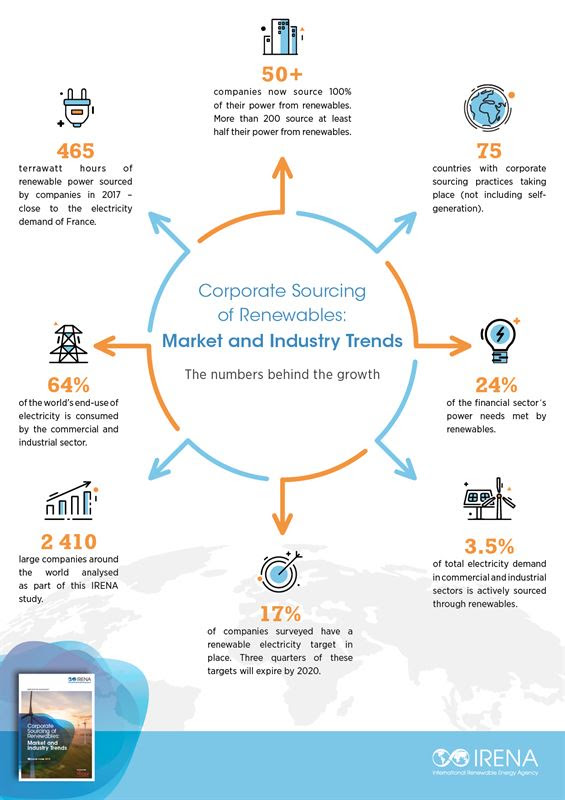
IRENA study shows world market for corporate sourcing of renewable electricity reached 465 terawatt hours in 2017 – enough to power a country the size of France

Companies in 75 countries actively sourced 465 terawatt hours (TWh) of renewable energy in 2017, an amount close to the overall electricity demand of France, according to a new report from the International Renewable Energy Agency (IRENA). With the continued decline in the costs of renewables, the report suggests, corporate demand will continue to increase as companies seek to reduce electricity bills, hedge against future price spikes and address sustainability concerns.

Corporate Sourcing of Renewables: Market and Industry Trends, the first global assessment of trends and policies in corporate sourcing of renewables, shows that renewable energy sourcing by private sector companies, made possible with the right policy framework in place, can be a key factor in the world’s pursuit of a sustainable energy transformation in line with the objectives set out in the Paris Agreement.

According to the report, environmental and sustainability concerns, social responsibility and reputation management and economic and financial objectives are the three primary drivers of corporate sourcing.

“Renewable energy sourcing has become a mainstream pillar of business strategy in recent years,” said IRENA Director-General Adnan Z. Amin. “While environmental concerns initiated this growing trend, the strengthening business case and price stability offered by renewables can deliver a competitive advantage to corporations, and support sustainable growth.”

The findings of the report, presented today at the Ninth Clean Energy Ministerial in Copenhagen, show that half of the over 2,400 large companies analysed are voluntarily and actively procuring or investing in self-generation of renewable electricity for their operations. Of the companies in the study, more than 200 source at least half of their power from renewables. Electricity self-generation is the most common sourcing model, followed by unbundled energy attribute certificates (EACs) and power purchase agreements (PPAs).

“Corporations are responsible for around two-thirds of the world’s total final electricity demand, making them central to, and key actors in, the energy transformation,” continued Mr. Amin. “As governments all over the world recognise this vast potential, the development of policies that foster and encourage corporate sourcing in the electricity sector and beyond will inject additional needed investment in renewable energy.”

The report finds that the corporate sourcing trend is widespread and dynamic, with companies participating in the practice coming from various sectors. By volume, the majority of renewable electricity was consumed in the materials sector while the highest shares of renewable electricity consumption are found in the financial (24 per cent) and information technology (12 per cent ) sectors. Countries in Europe and North America continue to account for the bulk of corporate sourcing.

Of the companies analysed in the report, only 17 per cent have a renewable electricity target in place. Three-quarters of those targets will expire before 2020, representing a significant opportunity for corporates to develop new medium to long-term renewable energy strategies and targets that factor in improvements in renewable energy technology and cost declines

The report is a contribution to the Clean Energy Ministerial “Corporate Sourcing of Renewables” campaign, co-led by China, Denmark and Germany and co-ordinated by IRENA.

View and download the Executive Summary of the report here.

What’s the weirdest junk floating out at sea?

0

weird junk floating at sea

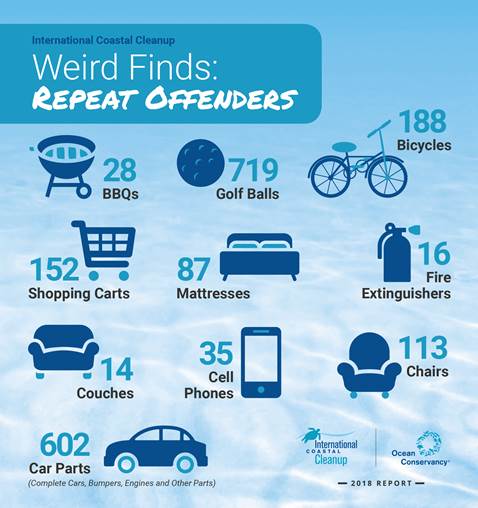
As the world prepares for the start of beach season, the Washington, DC-based Ocean Conservancy has released a series of infographics depicting some of the weird items collected during its 2017 International Coastal Cleanup.

“You would be amazed at what volunteers find every year along beaches and waterways,” said Allison Schutes, associate director of Ocean Conservancy’s Trash Free Seas® program. “No matter where you are in the world, chances are you’ll see plastic bottles, bottle caps, straws, packaging… then you get items where you just have to wonder, ‘how did this get here?’”

First launched in 1986 on a beach in Texas, the International Coastal Cleanup mobilizes hundreds of thousands of volunteers in more than 100 countries all over the world to remove trash from local beaches, waterways, and parks. In addition to removing trash, volunteers contribute to the world’s largest database on marine debris by logging each trash item using data cards or in real-time using Ocean Conservancy’s Clean Swell app. Scientists, researchers, industry leaders and policymakers rely on Ocean Conservancy’s Ocean Trash Index to inform policy solutions to the growing marine debris crisis.

In years past, volunteers have recovered wedding dresses, washing machines, mattresses, and more. Notable items this year included three hot tubs, a unicycle, an entire car, a paper shredder, and a children’s slide, among others.

Did this vintage dress end up in the sea?

plastic straws

“There’s this idea that the ocean is so vast that it can just swallow up anything,” said Nicholas Mallos, director of Ocean Conservancy’s Trash Free Seas® program. “But the reality is that trash, specifically plastics, can have a serious impact on ocean health.”

Every year, millions of tons of trash—including an estimated 8 million metric tons of plastic waste—flow into the ocean, entangling wildlife, polluting beaches, and costing coastal municipalities hundreds of millions of taxpayer dollars. Cigarette butts, plastic beverage bottles, food wrappers, plastic bottle caps and plastic straws are among the most-commonly collected items. They are also among the most deadly to wildlife like seabirds and sea turtles. Plastics—which never fully biodegrade but rather break up into smaller and smaller pieces called microplastics—are of particular concern. Scientists predict that without concerted global action, there could be one ton of plastic for every three tons of fin fish in the ocean by 2025.

“By highlighting what gets left behind on shorelines and river banks, we inspire people to take action for trash-free seas and identify trash items for which innovative solutions are most needed,” said Mr. Mallos.

Global peeps can do their part by deciding to skip the straw, carrying reusable water bottles and signing up for a beach or waterway cleanup. Governments and businesses also play a critical role in trash free seas, by ensuring their products are recyclable and working to improve waste management and collection in countries where the flow of plastic and trash into the ocean is greatest.

Final numbers for the 2017 International Coastal Cleanup, including how many items and pounds of trash were collected, the number of volunteers, and other data will be available to the public in June 2018.

Vichyssoise, A Cold Summer Soup

0

recipe vichyssoise soup

Just because summer is already full on, it doesn’t mean you have to stop eating soup. If you’re craving a soothing, savory dinner in a bowl but don’t want to raise a sweat eating it, vichyssoise is just the ticket.

The recipe is based on a traditional French leek and potato soup, and was first introduced to diners at the Ritz-Carlton hotel in 1917. The chef, Louis Diat, had been feeling nostalgic for the delicious cool, creamy soup his mother and grandmother would serve when he was a child. While the original recipe calls for chicken stock, a well-flavored vegetable stock works just as well.

Use a large pot for this soup. Part of its cool charm is it’s white look, so be sure to peel the potatoes and use ground white pepper, not black.

It’s one of those recipes that keeps the customer satisfied – for generations to come.

Vichyssoise Soup

Serves 6

Ingredients:

4 tablespoons unsalted butter
White part of 8 large leeks
2 medium potatoes, peeled
2 cups vegetable stock
2 cups heavy cream
2 tablespoons white wine (optional)
Salt and white pepper

For garnish:
2 tablespoons chopped chives or parsley leaves, or 3 tablespoons small croutons

Clean the leeks and slice thinly.
Peel the potatoes and chop into large dice.
Melt the butter in the soup pot and add the leeks. Stir over low-medium heat 5 minutes.
Add the potatoes. Cook another 2 minutes, stirring.
Pour the vegetable stock in. Raise the heat and bring to a boil.
Now reduce the heat so that the soup only simmers. Cook 35 minutes, covered.
Remove the soup from the heat and let it cool for 5-10 minutes.
Blend the soup slowly with an immersion blender. If using a stand blender, blend it in several small batches to avoid getting burned from hot liquid bursting out.
Pour the soup back into the pot. Add the cream, salt and white pepper.
Bring the soup to a boil again, then lower the heat. If using white wine, add it now. Cook at a simmer for 5 minutes.
Allow the soup to cool to room temperature. Cover it tightly and chill it in the refrigerator for at least one hour.

You may also chill it overnight; the flavors will deepen. In that case, remove it from the fridge half an hour before serving to let the flavors re-assert themselves.

Garnish each serving with chopped chives, parsley, or a few croutons. Enjoy!

Google To Power Georgia Facility with Solar Panels, and More Big News For Solar Energy

Solar, Solar Power, Solar Energy, Solar Energy Reports, Google, Google Solar Power, Global Solar Power, Global Solar Energy, Solar Panels, Renewable Power
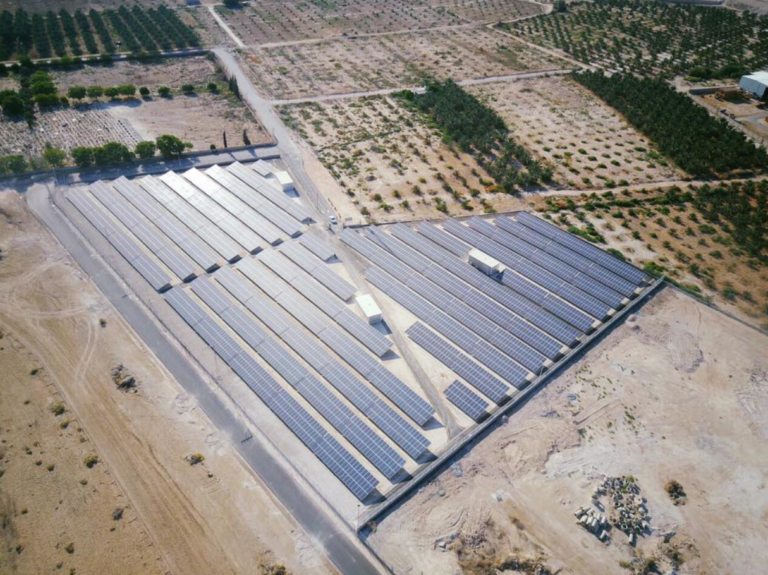
Google recently announced that it got the blessing from the State of Georgia to fuel a new energy program that will allow the major corporate giant buy renewable energy. The source to power their Georgia facility will come straight from Georgia Power, a major utility provider in the state.

The newly inked approved partnership will be the first of its kind and has some major corporate players in on it. Besides Google, the the deal will include Walmart Inc., Target Corp., Johnson & Johnson, and Alphabet Inc. in a program that will allow companies to go straight to the state’s largest utility provider to directly buy renewable energy.

Solar Access Increases with Big Company Initiatives

Solar, Solar Power, Solar Energy, Solar Energy Reports, Google, Google Solar Power, Global Solar Power, Global Solar Energy, Solar Panels, Renewable Power

Using this program, Google will be able to obtain 78.8 megawatts of solar power for their Douglas County, GA data center. This is part of Google’s efforts to use as renewable energy sources wherever possible in every market it operates.

Corporate buyers will be picking up the tab for the costs of the renewable energy infrastructure, while adding low-cost, renewable electricity to the state of Georgia’s energy profile. The California based company said that their new partnership with Georgia Power, a subsidiary of the Southern Company, and other big corporate energy buyers was a major step in the right direction and a testament to the major role businesses can play in expanding access to renewable energy. The partnership is a deal more than two years in the making as the tech giant has long wanted to work with the state of Georgia.

“Solar is abundant and cost-competitive in the region, but until now the market rules did not allow companies like ours to purchase renewable energy,” said a Google rep in the announcement. “This shows that providing a cost-competitive, fixed-price clean power option is not only good for the environment, it also makes business sense,” Google continued.

Google’s new project will give the green light on construction of two solar energy projects that will total 177 megawatts of power. The supply will be part of their Commercial & Industrial Renewable Energy Development Initiative. These projects are set to be completed by 2019 and 2020, and at this time Google and other participating customers will be able to substitute part of their electricity bill with a fixed price. The price will be determined by the production of renewable energy generated.

This is a type of partnership that is happening in other parts of the United States as Google already broke ground on a new data center in Alabama, and are planning to scout a new wind and solar project through the Tennessee Valley Authority for their electrical grid.

Meanwhile, In Solar News Around the World…

Solar, Solar Power, Solar Energy, Solar Energy Reports, Google, Google Solar Power, Global Solar Power, Global Solar Energy, Solar Panels, Renewable Power

“Many companies are feeling the rise of the solar industry growth. In that list you can find inspection technology companies and we happen to be very close to one, which is SPI Borescopes. Representative from SPI noted that solar panel industry growth is developing higher demand also for inspection technology tool use, most popular ones being borescopes. Interestingly, besides the installation of solar panels, maintenance of ones are much needed as well, and when it comes to that borescope use is number one go to for solar panel engineers.”

The Global Trends in Renewable Energy Investment 2018 report was released earlier this month and shows a surge in investment into renewable energy. Solar energy attracted investment dollars at a higher rate than any other energy source last year — yes, that includes coal, natural gas, wind, and nuclear. This is mostly due to the fact that solar power costs much less to install and maintain than most other forms of energy generation.

“The extraordinary surge in solar investment shows how the global energy map is changing and, more importantly, what the economic benefits are of such a shift,” says head of UN Environment, Erik Solheim. “Investments in renewables bring more people into the economy, they deliver more jobs, better quality jobs and better paid jobs. Clean energy also means less pollution, which means healthier, happier development.”, he continued.

More than $160.8 billion was spent on solar energy than other sources, and that number was up 18% over 2016. The total spent on all renewable energy sources was $279.8 billion, more than doubling the $103 billion invested for coal and natural gas.

China has done a tremendous job in new solar investments during 2017 by adding 53 gigawatts of solar power last year, with a whopping $86.5 billion in investments. Australia is up 147% in solar investments in 2017, with Mexico and Sweden also seeing significant increases in solar power developments.

Since 2004, the investment of renewable energy worldwide now reaches about $3 trillion, but the energy market still has a long way to go. Solar and other renewable sources included only make up a measly 12% of global power production, with some countries actually pulling back on its use.

How You Can Really Help Your Small Business Grow

0

genetically modified food, Israel, Haifa Technion, global hunger, plants for arid regions, super plants, world water week, water scarcity

There are many challenges facing new business entrepreneurs today, and one of these is being able to make their business stand out from the competition – and grow. In these times, it’s particularly difficult for start-up entrepreneurs to expand their business when they have to compete on a broader stage. So what can you do to make your small business grow? How can you effectively meet your goals and make sure that your business becomes adequately recognized by your target customer base? Here are some simple but effective ways through which you can really help your small business grow.

  • Learn more about your customers

This may already be obvious, but you don’t know how advantageous it really is if you can get to know your customers and their needs and wants. By learning more about your customers, you can develop your products and services to cater to their precise needs. One way through which you can get to know your customers more is by making your services more personalized – focusing more on customer service – and asking your customers to give feedback about your products or services. In this age when everything has already become so impersonal (even consumers’ shopping experiences are more impersonal, with online shopping and automatic email responses), providing your customers with a highly personalized service can work wonders for your business. Remember to go the extra mile whenever you can. Customers are more likely to remember your business – and recommend your business to friends – if you make it a point to give them personal care and attention.

  • Build on existing clients and be open to more opportunities

When you already have a customer base, it also pays to build on your relationship with them. You should nurture your relationship with your existing clients; you can do this by presenting them with updates through email newsletters or social media networks and letting them be part of various promotional discounts or offers. In the same vein, you should keep your eyes open for opportunities to get more customers, especially through events, social media interactions, and so on. Social media is particularly important for any business since it is where you can learn what your customers think about you and gain more insight into what they want. Through social media, you can also identify trends which may be appealing to your clients, and you can build up your business image and profile.

  • Think about developing a loyalty program for your customers

Another way through which you can help your small business grow is by developing a loyalty program for your customers. Did you know that it can cost 3 times more for you to get new customers compared to successfully selling something to an existing customer? But if you build and develop a loyalty program for your customers, you can retain their interest and increase your sales at the same time. Also, people love being part of a ‘group’ or a ‘club’. By having your own loyalty program, you may even be able to pique the interest of new customers who are curious about your program and may want to join in and be included.

  • Form a good partnership

If you want your business to grow, you have another option: form a good partnership with a company or business which complements yours. If you can form an alliance or partnership with a good business, you can reach a wider customer base. It may not be that easy to find a good partner, but be on the lookout, and find out what’s going on in your community. Once you find a business which can become a good partner and which complements your own products and services, contact them and make a partnership proposal. You have nothing to lose, but you have everything to gain.

  • Prioritize your cash flow

One aspect which many small business owners fail to pay the right amount of attention to is cash flow. Remember this: cash flow is your lifeblood. Proper cash flow allows you to run and operate your business even if you haven’t received your accounts receivables yet. This is why it’s important to keep your records updated and make sure you invoice promptly and correctly. You need to have a precise idea of what you spend and what you earn every month and establish a budget which allows you to meet your various expenditures.

If you’re having trouble with your cash flow, it’s best to address it from the beginning – find ways to save money and lessen your expenses, or, better yet, find ways to increase your income. You can also take advantage of small business funding options such as factoring, small business loans, lines of credit, merchant cash advances, and invoice financing. Invoice financing is particularly attractive to many small business owners because the amount you borrow is based on your actual invoices, and the process of approval is often quick and painless and the fees are often transparent as well.

A refreshed approach to your financial management can make a significant difference in maintaining steady cash flow. Creating proper business bank statements allows you to track your revenue and expenses effectively, making it easier to identify areas where adjustments are needed. Regularly reviewing your financial records helps you anticipate potential cash shortages and plan accordingly. With a clearer picture of your finances, you’ll be in a better position to secure funding and make informed business decisions. A refreshed approach to your financial management can make a significant difference in maintaining steady cash flow.

  • Know the value of networking, events, and trade shows

The value of networking cannot be denied, especially if you are just starting out. If you want the right exposure for your business, one thing you can do is network. Network as much as you can – after all, it’s not always what you know, but who you know. When you attend networking events, you may be able to meet like-minded business owners, prospective business suppliers, and so on. Another thing you can do is create your own unique event. Think about a kind of ‘meet and greet’ event where you invite your existing customers and prospective customers and give them an opportunity to get to know your business. Don’t forget the freebies – but just consider it an investment that will pay off as well.

You should also keep yourself informed about what’s going on in your industry. Joining a trade show is a great way of staying in touch with your industry and learning about some new trends. The good aspect about trade shows is that often, the visitors are already open to what you may be selling or offering – that’s why they are there in the first place. Since they are already interested, it may be easier to sell your wares and offerings to them.

There are many other ways through which you can help your small business grow, but by starting out with these key strategies and aspects, you can give your business the boost it needs.


Sabras, The Fruit

0

Sabras – prickly pears – opuntia ficus-indica. The reddish-purple sabra fruit is ripening in empty lots and gardens all over Israel and the Levant. But you have to know how to pick them. As one who ignored the warning cries of experienced foragers and grasped a ripe sabra with my bare hand, I know. The innocent-looking fuzzy patches on the fruit are actually clusters of minuscule, barely-visible needles that embed themselves in the skin, and sting and itch like crazy. It was days before the torment stopped.


So I learned to gather sabras the right way. Cut the fruit off the cactus with a long-handled knife, or pick it with tongs. Let it drop into a shallow basket with handles, so you don’t touch it. There are also those who nail a tin can to a stick and nudge the fruit off.

To remove the needles, put on gloves and scrub the fruit with a stiff brush. Or impale the fruit on a fork and burn the needles off over a gas flame.

It’s a good idea to wear gloves to skin the fruit, even after processing it, just in case you missed a cluster of needles. Make a slit in the peel and work your knife around the fruit to slip it off entirely.

Is it worth all that trouble? Well, if you love the thrill of foraging – harvesting what you did not sow – yes. If you’re diligent, there’s lots of free fruit out there to harvest, as sabras grow in abundance wherever they take root. On the other hand, many supermarkets sell sabras already de-fanged. If sabras are common in your part of the world, you too may find them cleaned for sale.

It’s said that the cactus was brought to other parts of the Levant from Spain, by the Moors, centuries ago. Israel’s sabras are wild descendants of ornamental Mexican plants that someone brought over for his or her garden.

It’s true that the plant is easy to grow: just slice off one of the leaves, or paddles as they’re called, and let it dry, upright, until a scab forms on the cut part. Depending on the weather, this will take from a few days to a few weeks. Plant the paddle, cut side down, in sandy compost. It won’t need watering right away, as it provides its own moisture at first. When the paddle stands up by itself, it has made roots. Then water it, but only once a month afterward.

A plague of aphids from Lebanon appeared in Israel’s north, destroying many of these iconic plants. But there’s hope. In June of 2017, the Volcani Institute in the Arava imported Mexican ladybugs that eat the aphids. The BioBee farm on kibbutz Sde Eliyau raised them, and the Keren Kayemet LeIsrael set them loose to feast on the pests. The plan is apparently working; infected sabra plants treated with ladybug therapy have recovered and returned to good health.

There are many ways to enjoy the fruit. One, and maybe the best, is to put several ready-to-eat raw sabras in a bowl of ice water and eat them raw and chilled. You can also make jam from the fruit, or a fruity syrup that makes a delicious base for mojitos. The paddles, also known by their Mexican name, nopales, are edible too, but that’s a topic for another post.

Sabra Jam

Weigh the peeled fruit.

Weigh out the same quantity of white sugar.

Cook the fruit with the sugar over low heat, until the sugar is dissolved.

Place into a large saucepan with the same weight in sugar.

Add the juice of one lemon or one lime.

Bring the jam to a boil over high heat. Lower heat to medium and continue cooking until you have obtained a thick gel.

Strain the jam through cloth or a fine sieve to remove the seeds.

Store in sterilized jars.

Rosy Sabra Syrup

A base for cocktails and sorbets.

Ingredients:

12 large sabra fruits

2 cups white sugar

Juice of 1 large lemon

Chop the fruit and scrape it into a large saucepan. Cover it with water.

Bring the fruit and water to a boil. Lower the heat to a simmer and cook another 15 minutes.

Strain the liquid. Lacking cheesecloth or a jelly bag, a large, clean kitchen towel with a loose weave works too.

Measure the liquid. Rinse the saucepan out and pour the sabra liquid back into it.

Add the sugar and lemon juice to the sabra liquid. Bring the mixture to a boil; reduce heat when the sugar has dissolved.

Skim off any foam that forms on the surface of the syrup.

Pour the syrup into clean jars while it’s still hot – make sure to place a metal or wooden spoon in the jars before pouring the syrup in.

Close the jars and allow the syrup to cool.

Refrigerate the syrup and use within one month.

Cutting down ancient trees to make way for Jaffa’s eco-train

Fig trees on the southern side of Jerusalem Boulevard. Their days are numbered.

Tel Aviv is a relatively new city, but its older sister city next door, to which it shares the same municipality is home to dozens of hundreds of ancient trees, some which the city of Tel Aviv is hellbent on cutting down.

Since 2002, the city has proposed a light rail train to traverse the sister cities of Tel Aviv and Jaffa and to connect them to the suburbs. It’s a great idea, but there is a slight problem. How will passengers get on and off the train with the old trees in the way?

Why cut them down of course!

The trees in question grow on the main artery road Jerusalem Boulevard in Jaffa. There are at least 29 trees from 70 to 102 years old, all historical, and selected to be cut down to make space for train train stations. The city has already starting marking the trees destined for removal, arguing that they are sick anyway, says Vered Navon, activist and photographer working on a book about the trees. She helped found a group called Save the Trees, of which there are 500 members. And they are fighting to save the trees.

fig tree, ficus, mikve israel
A boy on a fig tree in Mikve Israel

A meeting next Tuesday night in Jaffa is set up to inform the public about what the city plans to do. Professors and activists will explain the situation and propose alternatives.

Says Navon, “They in the city, they don’t think about the trees. They only consider the electricity and water it will take to maintain them. They don’t understand that they give us shelter, shade, clean air. It’s Jaffa’s green lung.”

The trees slated for removal are 102-year old spindly Washington palms and 70-year old sprawling fig trees with arms hugging in every direction. The figs were planted when Israel became a state 70 years ago. The figs give enormous amounts of shade and are home to birds and bats that eat berries and bugs. The vision is to turn the boulevard, or at least part of it, into a pedestrian only area, with the train connecting people to shops, cafes and their homes.

Instead of the dozens of buses that run down the street every few minutes, a smooth and easy electric train will traverse the city in speed and style. Activists say that the trees don’t need to be cut down. That one of the city planners that is on the side of the trees says that the stations can be moved 20 meters and the trees can be spared. But the city isn’t listening.

The activists propose that the company the city hired, Netta, can carry out the engineering work and simply move the three stations along the boulevard to spots where the doors of the trains can open with ease.

The palm trees are a common variety, the Washington palm. But they are uncommonly tall, and have some history: “The ancient palms were planted by the students of Elihau Krause, the founder of Mikve Israel,” says Vered, citing Israel’s first agriculture college located in Holon. Funded by the Rothschilds and other prominent figures, it is this school that in the 1800s already was growing cultivars tolerant to desert climates. It is this school and its researchers that gave Israel the ability and spirit to transform the country into an agriculture dynasty.

Fig trees on Jerusalem Boulevard

Jaffa resident Yisrael Borochov who lives on Dr. Paul Erlich Street, one of the proposed train stops said that the city has a history of doing what it wants, without regard for the environment or what’s right for the future. He tells Green Prophet: “They cut down two Washington palm trees on Erlich without asking anyone, and when I turned to Nitza Smoke, in charge of preserving the environment for the city, she didn’t even reply. The trees were about 120 years old. From that moment I lost faith in the establishment because I understood they do whatever they want to do, whenever they want to do, and it’s going to happen today with the train.

“There are not too many ancient trees in Jaffa or Tel Aviv. The city of Tel Aviv should be proud of every single tree and not looking for a reason to cut them down.”

Navon says that the same trees, the fig trees, were not cut down on the wealthier established part of Tel Aviv along Rothschild Boulevard. She insinuates that the reason the city is marking the so-called “sick trees” is because the weaker demographic of Jaffa won’t resist what the city wants to do.

We wrote the city for feedback and will post in the comments or update the article when we get their reply.

Meanwhile, want to fight for the trees? Join the Tuesday evening event in Jaffa. Details here.