


IRENA Innovation Week is a three-day event that unites leading thinkers and policy makers to explore disruptive innovation aimed specifically at accelerating a transition to renewable energy. All members of the media – print, and digital – are invited to register to attend (and report on!) IRENA Innovation Week happening in Bonn, Germany from September 5 to 7.
The keto shaksuka recipe
 I was introduced to shakshuka on my first trip to Jerusalem, when a young woman slapped a flyer in my hand promising the Best Traditional Israeli Breakfast for fewer shekels than I’d been dropping on coffee drinks. Shakshuka, a traditional dish claimed by Israel and North Africa (particularly Tunisia), features eggs poached in a flavorful sauce of tomatoes, chili peppers, and onions, commonly spiced with cumin, paprika and cayenne pepper. It was love at first bite.
It’s a one pan family-style dish that is easy to prepare using ingredients common to most kitchens, typically vegetarian, but often heavy on beans or potatoes. Those carb-laden veggies are hard to swallow if you’re following a fat-centric Keto Diet.
Enter Ruled Me, a website run by the self-published, researcher and author Craig Clarke, that is both an online community for people pursuing a Keto-based diet – and – a treasure trove of tips and recipes that help readers take control of their health and weight for managing on the keto diet.
Ruled Me offers a Keto version of Chorizo Shakshuka that puts a twist on the traditional by adding new Mexican flavors. It’s made with spicy chorizo sausage and tomatoes, simmered with chili powder and cumin, and topped with queso fresco and cilantro.
This dish makes a great addition to a brunch table but is also wonderful for lunch or dinner. Skip the typical sides of pita bread or toast, and instead serve it with sliced avocado instead for a healthy filling meal full of protein, fat and flavor.
Ruled Me recipe follows:
Yields 6 servings of Chorizo Shakshuka
PREPARATION
- 1 tablespoon coconut oil
- 1 pound chorizo, ground
- ½ cup onion, diced
- 1 large red bell pepper, diced
- 1 tablespoon garlic, minced
- ½ tablespoon chili powder
- ½ tablespoon ground cumin
- ½ teaspoon black pepper
- ¼ teaspoon salt*
- 1 (28-ounce) can diced tomatoes, with juice
- 6 large eggs
- 2 ounces queso fresco, crumbled
- ¼ cup cilantro, roughly chopped
*The saltiness of chorizo can vary. Start with ¼ teaspoon of salt and add additional to taste, if needed, after all the sauce ingredients are mixed.
EXECUTION
1. Melt coconut oil in a large cast iron skillet over medium heat. Add the chorizo and cook until crumbled, cooked through and browned, about 8 minutes. Remove the chorizo from the pan and set aside.
2. Add the diced onion and bell pepper to the hot pan and sauté until the onions are translucent and starting to soften, about 5 minutes. Add the minced garlic and spices and cook for an additional 1 to 2 minutes, stirring to combine.
3. Add back the cooked chorizo and diced tomatoes, with the juice. Bring the meat mixture to a simmer and let cook for 15 minutes or until the mixture is thick and the liquid is almost completely reduced.
4. Make 6 wells in the pan with the back of spoon (5 around the edges and one in the middle).
5. Crack one egg into each well.
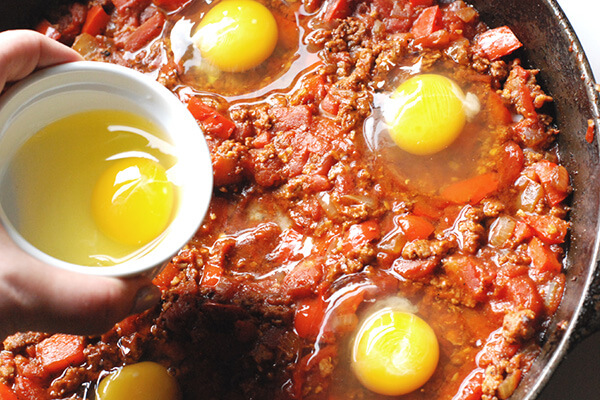
6. Cover and continue cooking until the egg whites are set and the yolks are cooked to the desired consistency. This should take about 6 minutes for a soft yolk and up to 10 minutes for a fully cooked yolk.
7. Remove the lid and sprinkle with crumbled queso fresco and chopped cilantro. Serve.
This makes a total of 6 servings of Chorizo Shakshuka. Each serving comes out to be 504.17 Calories, 38.86g Fats, 6.98g Net Carbs, and 29.19g Protein.
Uri Geller predicted it: An ancient, kosher natural soap factory found in Jaffa

 Mentalist Uri Geller is building a museum in the world’s most ancient port city, Jaffa. When they start digging, an ancient olive soap factory is unearthed. The impressive masbena – or soap-manufacturing factory – dates back to the nineteenth century was discovered along with several large underground chambers.
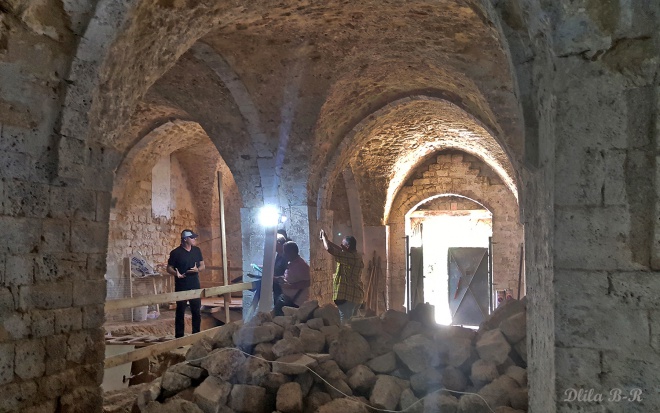
“Our work on the museum required, among other things, that we rewire the electricity in the ancient building,” Uri Geller recounts. “When the Electricity Company began working on the structure, in tandem with inspectors from the Israel Antiquities Authority, we were amazed to uncover a large chamber with moulded recesses. As the work proceeded, I noticed a pile of refuse on one side. I intuited that there was something hidden there. To the surprise of the Israel Antiquities Authority inspectors, an Exceptional find was revealed: a factory for making soap (masbaneh in Arabic, Masbena in Hebrew).”
The site was well preserved and included troughs for mixing raw materials for the soap, a large cauldron, a hearth, water cisterns and underground vaults that were used for storage.
The production of soap from olive oil in the Land of Israel is an industry that was recorded as far back as the tenth century. Soap became an important and lucrative product in Israel, starting out in the Middle Ages and continued as recently as the beginning of the last century. Some of the soap was sold locally, while a large share was destined for export to regions within the Ottoman Empire – mainly for the Egyptian market. Read more about the importance of olives here.
The production center was in Nablus, a town with abundant olive groves and where two traditional soap factories operate to this day. Soap was also manufactured on an industrial scale in Jaffa, Jerusalem, Gaza and Lod. In addition to this find, there is one other soap factory known of in Jaffa: the Damiani Family Masbena, which operated in a large vault beneath the Jaffa Museum. That factory, which was active until 1948, is closed to visitors today, but can be glimpsed from a vantage point on Mifratz Shlomo Street. It is interesting to note that both Jaffa soap factories have nearly identical equipment.
Look out for fake organic olive oil from Israel in this article here.
See soapmaking in Nablus today:
One of the explanations for the commercial success of the Land of Israel soap, compared to its European competitors, is in the raw material. European soap was made, inter alia, with pig fat – a substance shunned by Muslims and Jews – while in the Land of Israel other materials were used: The soap’s core ingredient was “kosher” olive fat, and to this was added soda ash derived from potash-rich saltwort plants, water and lime.
Artisans would oversee the apportioning, preparation and mixing of the ingredients, all of which culminated in them being cooked in large vats or cauldrons for seven to 10 days. Next, the liquid soap would be poured onto special, lime-covered surfaces, where it would cool down and solidify for another 10 days until it could be cut into bars onto which the factory seal would be embossed. These would be stacked up and left to dry out for another two months. Only then could the soap be wrapped in paper for sale.
The soap factory utensils will be put on display at the Uri Geller Museum when it opens at 7 Mazal Arieh Street.
The Process of Swapping to Natural Deodorant


If you’ve ever switched from one personal care product brand to another, you know just how differently your body can react to a new product. From body lotions to makeup, sometimes making a product swap can be a big deal.
One of the products that you probably swap often is deodorant. With all of the new scents and added benefits, such as 24-hour protection hitting the store shelves, you’ve probably tried a wide range of deodorants to stay smelling good throughout the day.
But have you ever thought of switching from store bought deodorant brands to a natural deodorant? While switching between store brands is usually no big deal, making the switch to natural deodorant is a process. Read more here on sage advice about natural deodorants on Green Prophet.
Here’s what you need to know about transitioning from store bought to natural deodorant.
Reasons to Switch
For many people, if a product they use is working, there’s no need to swap it for something else. However, what most people don’t realize about deodorant is that most store bought brands are made with harmful ingredients. Some issues are relatively mild; such as irritated skin and redness, while other ingredients can cause serious health issues like an increased risk of cancer, hormonal disruption, and even Alzheimer’s disease.
After learning about the health risks that your deodorant may be causing, it only makes sense to switch to a healthier and safer alternative. But swapping out store brand deodorant with natural deodorant isn’t as simple as it may seem.
What to Expect
There’s truly a process behind switching to natural deodorant. There are some things you’ll want to know so that you aren’t freaking out and going back to a store brand deodorant before the new natural product starts to really work.
You Will Sweat
Despite what most deodorant brands advertise, sweating is not the enemy. In fact, your body sweats to remove toxins and other harmful chemicals in the body. While store bought deodorant uses ingredients to block the pores to prevent sweating, natural deodorant doesn’t.
Instead, natural deodorant allows your pores to open themselves, letting your body breathe and resume its natural process of removing toxic buildup that’s been kept in for years.
Once you make the switch, you will sweat. In fact, you may sweat even more as your body starts to get rid of the toxins and chemicals that have been building up over time. Typically in a few weeks, your body will normalize and you’ll find that you will sweat less.
This means you’ll need to be patient and stick with it, even if your pits are sweatier than ever before. If sweat becomes an issue, simply apply more deodorant. You can also try switching to an all-natural antiperspirant that uses natural ingredients to keep sweat at bay.
You Will Stink
The whole point of deodorant is to keep you from stinking, right? Just as you will sweat more after making the switch, you’ll also likely smell more than usual. Again, this is because your body is detoxing and getting rid of all of the harmful chemicals in your body. Be sure to steer away from deodorants that use chemically smelling scents like flowers, as you’ll just end up smelling like a stinky flower.
Instead, look for a natural deodorant that uses safe and effective odor-masking ingredients such as essential oils, baking soda, and coconut oil. These ingredients not only prevent odor but they keep bacteria at bay.
Give the natural deodorant a week or two to really start working. This gives your body enough time to finish detoxing and to get back to a normal healthy balance.
Skin Sensitivity
Depending on the ingredients used in the natural deodorant that you choose, you may find that your armpits are red and inflamed. Certain ingredients can also cause rashes and other skin irritation. Baking soda is typically the culprit behind these skin issues as many natural brands use it to keep pit odor at bay.
To reduce skin sensitivity, switch to a natural deodorant that uses less baking soda, or find one that doesn’t use the ingredient at all. This way you can avoid having irritated skin while also keeping armpit stink away.
When applying natural deodorant, try dabbing it on versus rubbing it. The motion of rubbing the deodorant against your skin can cause even more irritation. It’s also important to avoid putting on too much at once.
Conclusion
Switching to natural deodorant may take a few weeks, but at the end of the process, it will be well worth it. There’s no better feeling than knowing you aren’t applying harmful ingredients to your skin on a daily basis.
Was this article helpful and informative? Leave us a comment with your thoughts in the section below.
Monsanto to pay $289 MIL in damages to cancer victim
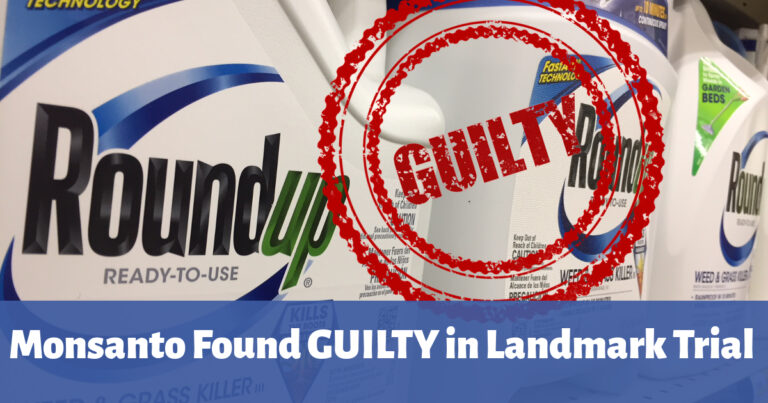
 The first trial on whether the world’s most widely used herbicide causes cancer ended this past week with a California jury’s award of USD$289 million in damages to a former school groundskeeper diagnosed with a lethal cancer linked to a Monsanto-produced weed-killer.
Egypt to begin building nuclear reactor in 2020

 Construction of Egypt’s first nuclear power plant will begin in the next two to two-and-a-half years. A statement released by a spokesman for the Energy and Electricity Ministry declared that the 4,800 megawatt (MW) capacity plant – to built by Russia – aims to be operational by 2026.
Dress made from a refugee tent steals London fashion show

 British designer and humanitarian Helen Storey believes that fashion is an excellent vehicle to connect people to difficult subject matters. Last week, she sent a dress crafted from a former refugee tent down the runway at the Jumeirah Carlton Tower hotel in Knightsbridge. It captured everyone’s attention, and put a spotlight on climate change and its human impact.
Champagne Production Threatened In Climate Change

The world has been feeling the effects of global warming on food crops for a couple of decades already. Wheat and corn harvests are diminishing all over the planet, due to extreme weather changes and pests that thrive in heat. Laurie Balbo showed us some grim predictions about the future of our daily drug of choice: coffee. But how about…champagne?
Elin McCoy reports from France to Bloomberg that winemakers in France’s Champagne country are worried about damage that longer, warmer days and nights are inflicting on their grapes. Vines are budding early, which makes the buds vulnerable to destructive spring frosts and hail. New insect and fungal infestations threaten the health of the vines. Equally worrisome, the fruit matures early, with loss of the precious acidity that creates the characteristic crisp, fresh taste of champagne.
How are the Champagne winemakers coping?
Some are working with the wines themselves, storing new vintages in magnum bottles (which hold 1.5 liters, as opposed to the standard .75 ml. bottle) to conserve fresh flavor. Or not allowing the wine to undergo a second fermentation in the barrel, which some winemakers allow, but which “softens” the appreciated fresh flavor edge.
And some are working in the vineyards with biodynamic methods such as mulching the soil with straw to encourage native micro-organisms. These microbial flora living on the vines influence many of the grapes’ characteristics, including size, color, and flavor. Some Champagne farmers are pruning the vines less drastically, to create a leafier, more favorable micro-climate for the grapes. Those using the biodynamic farming methods of Rudolph Steiner are seeing improved pest, weed, and disease control, as well as greater resistance to heat.
The French National Institute for Agricultural Research, with the Comité Interprofessionnel du vin de Champagne (the government organisation controlling champagne production and trade) are growing experimental hybrid grapes with stronger heat resistance and the sought-after acidity. It’s not yet known how well wines from the new grapes will age. As champagne, according to regulations, must age between 1.5 -3 years in the bottle, it may take a considerable length of time to find out.
With France’s efforts, there’s hope that legitimate Champagne wines will still be around in coming years. But if you’re counting on popping corks of the real thing later on, it’s well to stock up, now.
Exploring Prague and Berlin by Train


Are you planning on traveling to Europe but you are not sure of the places to visit? Also, do you wish to explore different places within one trip but have no idea how to move from one to the next? Worry not. Traveling from Prague to Berlin is the best way to make good use of your travel time and money. You can be assured that you will have the best time and experience. These two capital cities are known for being the most appealing tourist attraction destinations in Europe.
Prague is the home to magical places such as Vltava River, Charles Bridge, Prague castle, the old town square and Prague National theater just to mention a few. Berlin, on the other hand, is filled with adventurous activities, foods and drinks, amazing nightlife, walk and bike tours, cruises tours and theme parks among others.

While there are many ways to move from one of the state to the next, taking a train is the most recommendable and convenient means. The trains are loved for being luxurious and comfortable. The journey between Prague and Berlin takes approximately 4 hours and 40 minutes by train. Fortunately, there is a direct connection between the two places. Every day, there are six train departures from the central station in Prague. The fastest train takes 4 hours 29 minutes but it is advisable for you to check the schedule before booking your ticket. The ticket prices are best if you book your ticket in advance and it is best when done online. The tickets are very affordable too.
Prague to Berlin
The fast train from Prague to Berlin departs from Wilsonova 8 station, located in Prague, Czechia and arrives at Hauptbahnhof, Europaplatz 1 located in Berlin, Germany. The best way to travel from Prague to Berlin is by high-speed Railjet trains. The journey takes 4 and a half hours. The cheapest ticket goes for $61. The earliest train departure is at 7.28 while the latest is at 17.28. It is advisable for you to check the Prague to Berlin train schedule and price before booking to ensure that you book the one that suits your travel schedule and budget.

Berlin to Prague Train
The Berlin to Prague train departs from Hauptbahnhof station in Berlin, Germany and arrives at Wilsonova 8, 110 00, Prague, Czechia. You will get an opportunity to explore the two republics by choosing the direct high-speed trains operated by Railjet. The journey takes about 4 to 5 hours. There are about 6 train departures depending on the day of the week. It is, therefore, best if you check in to see the Berlin to Prague train timetable before booking. The cheapest ticket goes for $62. The earliest train departs at 08:16 while the latest departs at 18:16. The fastest train takes 4 hours 19 minutes while the longest journey takes the same time.
It is time to explore Europe. Forget work and other overwhelming stress that the world has to offer. Plan for a weekend or holiday getaway in Germany and Czech Republic today and enjoy all the goodness of these capital cities.
Oldest Known Bread Discovered In Jordan

 Fancy some fresh bread, right out of the fire pit? It was fresh…14,400 years ago.
Until recently, it was thought that the earliest bread, discovered in the 9,500-year-old settlement of Çatalhöyük, Turkey, was the product of Neolithic grain farming. But charred crumbs discovered in northeast Jordan reveal that Paleolithic hunter-gatherers in this region ate bread about 5,000 years before the Çatalhöyük bread was baked.
A team of archaeologists led by Dr. Amaia Arranz-Otaegu from the University of Copenhagen uncovered two fire pits in Shubayqa 1, a Natufian site located in northeastern Jordan. The Natufians were Paleolithic communities who settled around the eastern Mediterranean. They are considered the ancestors of the first Neolithic farmer-settlers. Sickles found in Natufian sites prove that although they didn’t grow grains, they harvested the local wild cereals, probably wheat, barley, oats and rye.
The basalt-stone Shubayqa 1 fire pits yielded crumbs of bread left just as they they fell from flatbreads baked before the community abandoned the site. Radiocarbon analysis dates the charred crumbs to about 14,400 years ago, five millennia before people thought of clearing land to raise crops.
Results from the study of the findings were published in Proceedings of the National Academy of Sciences of the United States of America.
Dr. Arranz-Otaegu states in the study, “Our results suggest the use of the wild ancestors of domesticated cereals (e.g. wild einkorn) and club-rush tubers to produce flat bread-like products. Cereal-based meals such as bread probably become staples when Neolithic farmers started to rely on the cultivation of domesticated cereal species for their subsistence.”
Tobias Richter, an associate professor at the University of Copenhagen and a co-author of the study, said in an interview with Gizmodo that the findings yielded some surprises.
“First, that bread predates the advent of agriculture and farming—it was always thought that it was the other way round. Second, that the bread was of high quality, since it was made using quite fine flour. We didn’t expect to find such high-quality flour this early on in human history. Third, the hunter-gatherer bread we have does not only contain flour from wild barley, wheat and oats, but also from tubers, namely tubers from water plants (sedges). The bread was therefore more of a multi-grain-tuber bread, rather than a white loaf.”
The tubers that Richter refers to had to be hauled out of the sea or a tidal river, peeled, dried in the sun, then pounded to a powder. The tuber flour was then mixed with cereal flours to make a nutritious, high-calorie bread. Arranz-Otaegu and a colleague replicated the process with a grinding stone.
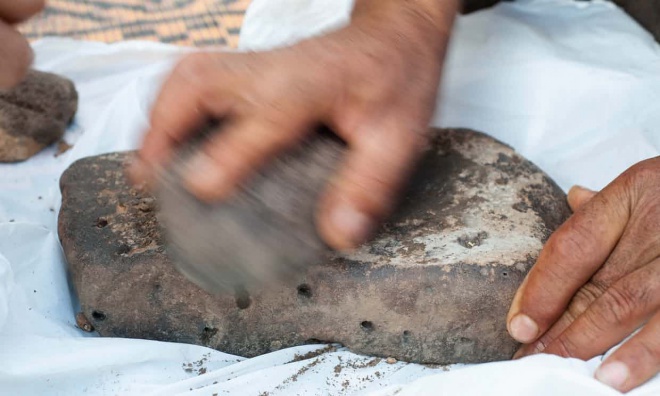
You can see that a flatbread loaf represented a lot of Natufian elbow grease.
The electron microscope images that Arranz-Otaegu obtained from the bread show a light, airy crumb riddled with tiny holes – just the kind of crumb artisan bakers strive to achieve today.

Was Natufian bread yeasted? No one is venturing to say. Arranz-Otaegu says that it probably resembled a tortilla, or maybe matzah. This writer would like to think that if the Natufians were clever enough to produce bread, they were clever enough to know the action of wild yeasts on dough and, who knows? maybe baked sourdough pitas.
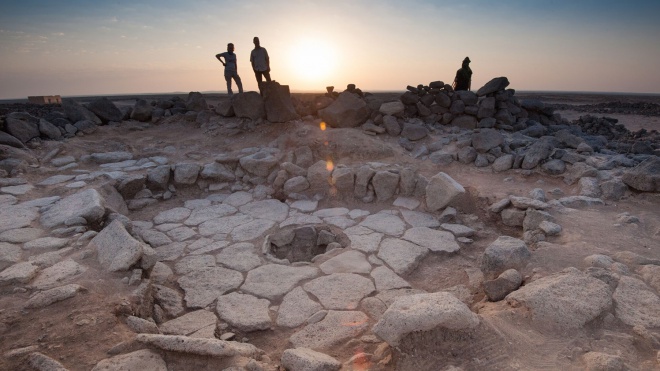
:: Gizmodo
Photo credits: Alexis Pantos.
Scanning electron microscope images of bread-like remains from Shubayqa 1: Amaia Arranz-Otaegui et al.
Get Medical Insurance for Medicare Equipment

Insurance is a way of getting support from a policy that you signed for your safety when you need it the most. Imagine that you are jobless or you are doing an underpaid job, and suddenly because of an accident you need money for treatment. This is a terrible time to live in, your salary cannot afford all this, and now you are in danger. With medical insurance, a person can go through such a terrible time with ease and with the support of an insurance company a person can handle matters easily than they usually are.

There are several reasons a person should get iSelect medical insurance without any second thought. The insurance plan covers the expenses of the DME durable medical equipment such as electric warming blanket, portable oxygen equipment, power scooters, hospital beds, walkers, wheelchairs and many more.
What Is an Electric Warming Blanket?
The warming blanket is the source to pick the air, dirt and dirty air from the surroundings and on the floor. It is highly efficient in picking up the bacteria from the site of the surgery directly. These are the electronic blankets that are used to provide the comfort and the required temperature to the surgical patients. It is the fact that this product has the ups and downs, but these twist and turns can be avoided with extraordinary and wonderful change and care. These are standard setters in terms of medical protection, quality, and rates.
How Do These Blankets Work?
The warming blanket is the source to pick the air, dirt and dirty air from the surroundings and on the floor. It is highly efficient in picking up the bacteria from the site of the surgery directly. These are the electronic blankets that are used to provide the comfort and the required temperature to the surgical patients. It is the fact that this product has the ups and downs, but these twist and turns can be avoided with extraordinary and wonderful change and care. These are standard setters in terms of medical protection, quality and rates.
Infections and The Electric Blanket
The use of the warming blanket can be beneficial in use. It provides the protection from the infections that are caused by the transformation of the bacteria. The majority of the patients have to use the antibiotic as the result of the infections. The patients of the hip surgery and the others have complained that it is the source to transfer the germs and causes the life-threatening infections in the wound of the surgery. The warming blanket is available very easily but produces many problems.
Risks of The Blankets
These electric blankets are used to raise the body temperature of the patients, but they have some risks in using. It is the great cause of the death, hospitalization, burns, revision surgery, hip or knee replacement implant failure, joint infections, methicillin-resistant Staphylococcus aureus (MRSA), amputation, surgical site infections. It can create problems for the patient’s life.
The durable medical equipment insurance policy covers the expenses of the specific medical supplies, orthotics, neck braces, backs, arm, semi-rigid leg, prosthetics like eyes, arms, artificial legs and many more.
Roasted Tomato and Spinach Quiche Recipe
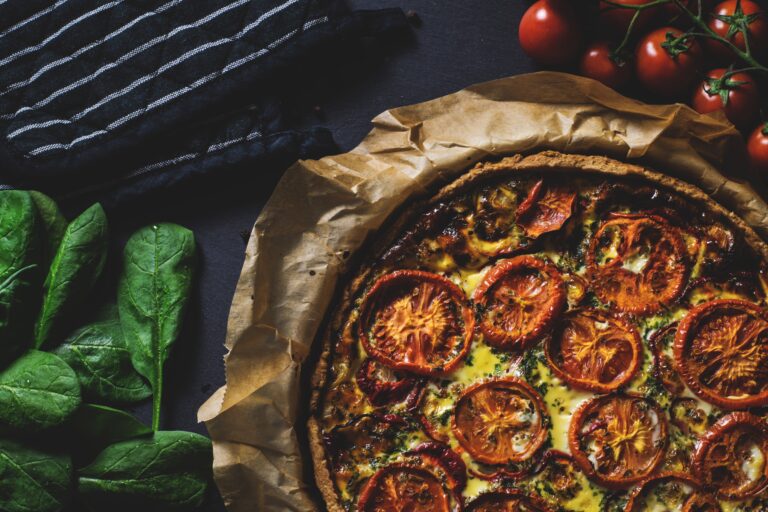
The summer glut of tomatoes is here. Take advantage and roast some to bake into a summery quiche. This is a deluxe quiche, one that requires time and a mindset that enjoys leisurely cooking.
Roasting the tomatoes and peppers brings out their natural tart/sweetness, while spinach and caramelized onions contribute an earthy note. The quiche makes a lovely summer dinner, and leftovers, if any, make a good breakfast.
Make the crust ahead of time, as it needs to chill at least 15 minutes before blind-baking it. You can always resort to pie crust from the supermarket… but home-made is easy, and so much tastier.
Serve the quiche warm or at room temperature, with a glass of chilled white or rosé wine. Or beer! Enjoy!
Roasted Tomato and Spinach Quiche
Four servings
Ingredients:
1 small red pepper, de-seeded and thinly sliced
4 ripe medium tomatoes, thickly sliced
1 cup small, tender spinach leaves, rinsed, drained and chopped
1 medium onion, thinly sliced
Shortcrust pastry *recipe below* You can substitute commercial pie crust
2 sprigs of thyme or basil (or both, if liked)
50 gr./2 oz./4 tablespoons goat’s cheese, cut into large dice
1 large egg
180 ml./ 3/4 cup heavy cream
50 ml/3 tablespoons plus 1 teaspoon olive oil
Salt and ground black pepper
Preheat the oven to 230° C – 450° F .
Line a baking tray with baking parchment.
Place the tomato and pepper slices on the lined baking tray. Dribble them with about a tablespoon of the olive oil. Salt the tomatoes and peppers lightly.
Roast the tomatoes and peppers 12 minutes, or until wilted with blackened edges.
Suggestion: Roast extra tomatoes and peppers. Fill omelets or top pasta with them, or chuck some into salad. Or just eat them out of hand as soon as you’ve taken them out of the oven.
In the meantime, pour the remaining olive oil into a wok or saute pan and heat it over medium heat. Fry the sliced onion until it turns golden-brown.
Stir the spinach leaves in. Continue to cook and stir until the spinach is wilted.
Remove the tomatoes and peppers from the oven.
Reduce the oven temperature to 160°C/320° F.
Roll the chilled pastry out on a floured surface to make a circle that will generously line a 18 cm./7-inch quiche or tart pan. Line the pan with the pastry. There should be extra pastry hanging over the edge of the pan.
Place baking parchment over the pastry, covering the bottom and the sides. Cover the bottom with dried beans. Bake the crust 40 minutes. Lift the beans and paper off the crust and bake the crust another 10 minutes.
You can store the cooled beans in a jar and use them over and over again.
Drain the onion and spinach. Season them with salt and pepper to taste.
Cover the crust with the onion and spinach. Strip the leaves off 1 thyme or basil sprig and scatter them on top. Place the peppers and tomatoes over the onion and spinach. Scatter the diced cheese over everything.
Blend the egg and the cream. Stir in a little salt and pepper. Pour it over the vegetables in the crust. Strip the leaves off the second thyme or basil sprig and scatter it over all.
Bake the quiche 30 minutes. Check to see if the filling is firm and golden; if not, bake a further 10 minutes.
Cool the quiche for 15 minutes. Break the excess pastry off the edges and serve.
* Plain Quiche Crust
225 gr./2 cups all-purpose flour
100 gr./1/2 cup butter, diced
Pinch of salt
2-3 tablespoons water
Place the flour and butter in the food processor and whizz until you the mix looks like breadcrumbs. Alternately, rub the butter into the flour with your fingers.
Beat in the salt. Add 2-3 tbsp water, one tablespoon at a time, to obtain a firm dough. Knead it briefly on a floured surface. Wrap and chill while preparing the filling.
Most Innovative Online Educational Tools to Use in 2018

There is a wide spectrum of applications and tools that facilitate various functions in education and the environment. Some are dedicated to assisting students in their studies while others are focused on teaching. From lesson planning software, student-teacher communication apps, to tutoring apps, here are the 7 hottest educational tools to use in 2018.
Flipgrid
This is an online platform where teachers pose questions and wait for students to answer through short videos. The responses can be shared with other students who might be seeking similar answers. It is one of the most innovative tools that allow students to discuss any subject. They can also review novels and films or ask difficult questions they come across in their studies. Flipgrid is a convenient way of bringing real voices and faces into play when face to face communication feels uncomfortable.
Edmodo
Here is another online learning space on which teachers arrange digital classrooms to provide the available resources to their students. Edmodo is a completely safe virtual environment and may be used to assess students’ performances. It can be incorporated with Google and Ms. Office to simplify the process of sharing documents with students. A lot of students rely on this platform to connect with other students from abroad for their problem-based learning in ways that regular classrooms cannot.
Nearpod

The three core values of Nearpod are to create information, engage learners, and assess them through the internet. Through traditional teaching methods, it is not easy to come up with lessons that to capture the attention of the students completely. It gets even harder to promote lessons that encourage interactivity and action. But Nearpod is here to resolve these issues. For starters, the tool gives pre-created interactive lessons which are developed by experts of the subject matters in all academic levels. Tutors can import lessons from whichever file format and add engaging elements like video snippets and web links to those documents. Then, they can sync their planned lessons to the mobile devices of their tutees. This means simultaneous casting of assignments and learning materials to every student and personalized monitoring of their progress throughout the semester. The reasons Nearpot stands out include the avant-garde technology of 3D images, VR tools, plus the interactive lessons. Whether you are homeschooled or want to be a private tutor, this is one app you must try this year.
InsertLearning
Formerly referred to as DocentEDU, InsertLearning allows teachers to turn just any web page into a class lesson. Suppose a tutor finds a wonderful post from HuffPost they would like their students to see. This tool can help them create a lesson, insert videos, insert flashcards, add some commentary, and ask a few questions. It is basically a Chrome browser extension which can change an article on the internet into a real-life lesson in matters of minutes. You can start with any web page, highlight note, and include your own questions whereby students can answer on the same page. You can even insert videos you have recorded from your webcam. After creating the lesson, assign it to the students through Google Classroom or a unique code. The replies from students are sent to the teacher’s dashboard and from there you can grade them accordingly. It is also possible to share lessons with fellow teachers.
Padlet
This is a virtual wall and a favorite for many students. Here, students create digital portfolios with links and files, curate materials for PBL, and discuss topics with other students across the board. You can also post homework, a school website, share academic writing tips from Essayvikings.com. or ask any question in this platform. The latest features of Padlet include the ability to grade, like, up-vote posts and transfer any link directly to another Padlet wall.
Kahoot!
This is a game-based app from one of the fastest growing brands in the world which boasts over 40 million active users from 180 nations. Here, you can share exciting experiences, discover more games, and play in any language you like regardless of your age or device. Its mission is t make learning awesome. Indeed, it engages the heart, the body, and the mind, bringing a wild and powerful experience right at your fingertips. Its straightforward features appeal to both students and educators because they reach beyond a typical classroom setting.
In Kahoot, you’ll find various sporting events, corporate powerhouses and all types of social and educational context. Teachers get to create fun games based on multiple choice questions. Then, students can register in the game rooms using any devices and special codes and compete with peers. The application of a game on real classroom questions is a way of encouraging students to perceive exams with a positive attitude. This also promotes group discussion creating what is called ‘campfire moments’. As such, students get to pursue their educational goals proactively by creating Kahoots. In essence, Kahoot is a wonderful tool for any teacher or student whether used as re-energizing technique or attention grabber.
Book Creator

This is an amazing and flexible tool that can be used to create, share, and publish books online. It doesn’t matter what age you are or your skill level; creating books can be as simple or as complicated as you want it to be. If you like following a specific structure, you can create a comic layout and include Google images from the Book Creator App. If you need more flexibility, you may start with a blank page and add your artwork. Then you can modify the shapes of your stickers, the font, video files, audio files, and hyperlink any online resource. When you are ready to publish, your pages will turn into a real book.
Final word
A lot of companies are developing new educational products but it is not easy to keep up with all of them. So, it is important to know how to choose the best and that is why we have picked the best in the market to help you save your time. We understand you have loads of responsibilities whether you are a student or an educator. For that matter, we’ve talked to educational experts from across the globe for advice on the best EdTech tools of 2018. The above tools have been tested so we recommend you o choose one of them. See how it goes and thank us later.
Meet the real Catwoman and her mission to protect California’s strays
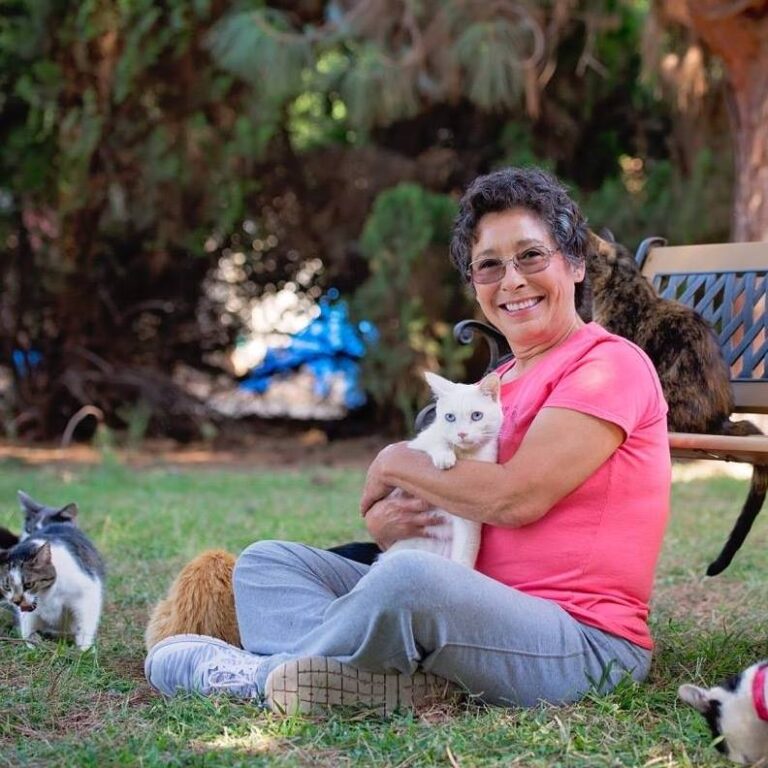

A California woman riffed off that old saw of “turning a sow’s ear into a silk purse” when she chose to rebound from a difficult divorce by uprooting to a quiet new home near a tranquil river. She settled on a 6 acre parcel in 1983, where she often mused, “What am I thinking, single woman with no children living in a big house on 6 acres?” The universe soon provided her with the answer. More accurately, with hundreds of furry answers.
Israeli and Palestinian fashion entrepreneurs unite as a single brand

 Aren’t you sick of negative news? Does information that pushes us back into our respective corners on any topic serve any positive purpose? Bear with me on this. It explains why I like stories as promised in this headline. I’d like to learn if you feel the same.