Kansas City is attempting to revive protections against conversion therapy with a new ordinance carefully designed to withstand recent First Amendment challenges. Rather than banning conversion therapy by name, the proposal targets harmful therapeutic practices linked to increased risks of depression and self-harm, creating what supporters hope could become a legal model for other U.S. cities.
Choosing a sustainable senior living community means looking beyond appearances to care quality, nutrition, safety, social connection, and long-term well-being.
NuCicer has developed Nuchi, a new class of chickpea with 50% more protein and 25% less fat than conventional varieties. Co-founder Kathryn Cook explains how wild chickpea genetics, AI-guided breeding, and centuries-old biodiversity could transform the future of sustainable protein.
Canada's forests generate billions of dollars in economic value each year, yet vast amounts of irregular timber are downgraded to wood chips or biomass. A collaboration between researchers at Carleton University and Aalto University is challenging that model, demonstrating how "ugly wood" can be transformed into high-value architecture while reducing waste and storing more carbon in buildings.
Corporate training videos often require repeated filming, travel, and production resources every time policies or personnel change. AI-powered face swap tools offer a more sustainable approach by extending the life of digital training content, reducing unnecessary reshoots, and helping organizations communicate more efficiently—provided they are used transparently with clear consent and ethical governance.
Kansas City is attempting to revive protections against conversion therapy with a new ordinance carefully designed to withstand recent First Amendment challenges. Rather than banning conversion therapy by name, the proposal targets harmful therapeutic practices linked to increased risks of depression and self-harm, creating what supporters hope could become a legal model for other U.S. cities.
Choosing a sustainable senior living community means looking beyond appearances to care quality, nutrition, safety, social connection, and long-term well-being.
NuCicer has developed Nuchi, a new class of chickpea with 50% more protein and 25% less fat than conventional varieties. Co-founder Kathryn Cook explains how wild chickpea genetics, AI-guided breeding, and centuries-old biodiversity could transform the future of sustainable protein.
Canada's forests generate billions of dollars in economic value each year, yet vast amounts of irregular timber are downgraded to wood chips or biomass. A collaboration between researchers at Carleton University and Aalto University is challenging that model, demonstrating how "ugly wood" can be transformed into high-value architecture while reducing waste and storing more carbon in buildings.
Corporate training videos often require repeated filming, travel, and production resources every time policies or personnel change. AI-powered face swap tools offer a more sustainable approach by extending the life of digital training content, reducing unnecessary reshoots, and helping organizations communicate more efficiently—provided they are used transparently with clear consent and ethical governance.
Kansas City is attempting to revive protections against conversion therapy with a new ordinance carefully designed to withstand recent First Amendment challenges. Rather than banning conversion therapy by name, the proposal targets harmful therapeutic practices linked to increased risks of depression and self-harm, creating what supporters hope could become a legal model for other U.S. cities.
Choosing a sustainable senior living community means looking beyond appearances to care quality, nutrition, safety, social connection, and long-term well-being.
NuCicer has developed Nuchi, a new class of chickpea with 50% more protein and 25% less fat than conventional varieties. Co-founder Kathryn Cook explains how wild chickpea genetics, AI-guided breeding, and centuries-old biodiversity could transform the future of sustainable protein.
Canada's forests generate billions of dollars in economic value each year, yet vast amounts of irregular timber are downgraded to wood chips or biomass. A collaboration between researchers at Carleton University and Aalto University is challenging that model, demonstrating how "ugly wood" can be transformed into high-value architecture while reducing waste and storing more carbon in buildings.
Corporate training videos often require repeated filming, travel, and production resources every time policies or personnel change. AI-powered face swap tools offer a more sustainable approach by extending the life of digital training content, reducing unnecessary reshoots, and helping organizations communicate more efficiently—provided they are used transparently with clear consent and ethical governance.
Kansas City is attempting to revive protections against conversion therapy with a new ordinance carefully designed to withstand recent First Amendment challenges. Rather than banning conversion therapy by name, the proposal targets harmful therapeutic practices linked to increased risks of depression and self-harm, creating what supporters hope could become a legal model for other U.S. cities.
Choosing a sustainable senior living community means looking beyond appearances to care quality, nutrition, safety, social connection, and long-term well-being.
NuCicer has developed Nuchi, a new class of chickpea with 50% more protein and 25% less fat than conventional varieties. Co-founder Kathryn Cook explains how wild chickpea genetics, AI-guided breeding, and centuries-old biodiversity could transform the future of sustainable protein.
Canada's forests generate billions of dollars in economic value each year, yet vast amounts of irregular timber are downgraded to wood chips or biomass. A collaboration between researchers at Carleton University and Aalto University is challenging that model, demonstrating how "ugly wood" can be transformed into high-value architecture while reducing waste and storing more carbon in buildings.
Corporate training videos often require repeated filming, travel, and production resources every time policies or personnel change. AI-powered face swap tools offer a more sustainable approach by extending the life of digital training content, reducing unnecessary reshoots, and helping organizations communicate more efficiently—provided they are used transparently with clear consent and ethical governance.
Kansas City is attempting to revive protections against conversion therapy with a new ordinance carefully designed to withstand recent First Amendment challenges. Rather than banning conversion therapy by name, the proposal targets harmful therapeutic practices linked to increased risks of depression and self-harm, creating what supporters hope could become a legal model for other U.S. cities.
Choosing a sustainable senior living community means looking beyond appearances to care quality, nutrition, safety, social connection, and long-term well-being.
NuCicer has developed Nuchi, a new class of chickpea with 50% more protein and 25% less fat than conventional varieties. Co-founder Kathryn Cook explains how wild chickpea genetics, AI-guided breeding, and centuries-old biodiversity could transform the future of sustainable protein.
Canada's forests generate billions of dollars in economic value each year, yet vast amounts of irregular timber are downgraded to wood chips or biomass. A collaboration between researchers at Carleton University and Aalto University is challenging that model, demonstrating how "ugly wood" can be transformed into high-value architecture while reducing waste and storing more carbon in buildings.
Corporate training videos often require repeated filming, travel, and production resources every time policies or personnel change. AI-powered face swap tools offer a more sustainable approach by extending the life of digital training content, reducing unnecessary reshoots, and helping organizations communicate more efficiently—provided they are used transparently with clear consent and ethical governance.
Kansas City is attempting to revive protections against conversion therapy with a new ordinance carefully designed to withstand recent First Amendment challenges. Rather than banning conversion therapy by name, the proposal targets harmful therapeutic practices linked to increased risks of depression and self-harm, creating what supporters hope could become a legal model for other U.S. cities.
Choosing a sustainable senior living community means looking beyond appearances to care quality, nutrition, safety, social connection, and long-term well-being.
NuCicer has developed Nuchi, a new class of chickpea with 50% more protein and 25% less fat than conventional varieties. Co-founder Kathryn Cook explains how wild chickpea genetics, AI-guided breeding, and centuries-old biodiversity could transform the future of sustainable protein.
Canada's forests generate billions of dollars in economic value each year, yet vast amounts of irregular timber are downgraded to wood chips or biomass. A collaboration between researchers at Carleton University and Aalto University is challenging that model, demonstrating how "ugly wood" can be transformed into high-value architecture while reducing waste and storing more carbon in buildings.
Corporate training videos often require repeated filming, travel, and production resources every time policies or personnel change. AI-powered face swap tools offer a more sustainable approach by extending the life of digital training content, reducing unnecessary reshoots, and helping organizations communicate more efficiently—provided they are used transparently with clear consent and ethical governance.
Kansas City is attempting to revive protections against conversion therapy with a new ordinance carefully designed to withstand recent First Amendment challenges. Rather than banning conversion therapy by name, the proposal targets harmful therapeutic practices linked to increased risks of depression and self-harm, creating what supporters hope could become a legal model for other U.S. cities.
Choosing a sustainable senior living community means looking beyond appearances to care quality, nutrition, safety, social connection, and long-term well-being.
NuCicer has developed Nuchi, a new class of chickpea with 50% more protein and 25% less fat than conventional varieties. Co-founder Kathryn Cook explains how wild chickpea genetics, AI-guided breeding, and centuries-old biodiversity could transform the future of sustainable protein.
Canada's forests generate billions of dollars in economic value each year, yet vast amounts of irregular timber are downgraded to wood chips or biomass. A collaboration between researchers at Carleton University and Aalto University is challenging that model, demonstrating how "ugly wood" can be transformed into high-value architecture while reducing waste and storing more carbon in buildings.
Corporate training videos often require repeated filming, travel, and production resources every time policies or personnel change. AI-powered face swap tools offer a more sustainable approach by extending the life of digital training content, reducing unnecessary reshoots, and helping organizations communicate more efficiently—provided they are used transparently with clear consent and ethical governance.
Kansas City is attempting to revive protections against conversion therapy with a new ordinance carefully designed to withstand recent First Amendment challenges. Rather than banning conversion therapy by name, the proposal targets harmful therapeutic practices linked to increased risks of depression and self-harm, creating what supporters hope could become a legal model for other U.S. cities.
Choosing a sustainable senior living community means looking beyond appearances to care quality, nutrition, safety, social connection, and long-term well-being.
NuCicer has developed Nuchi, a new class of chickpea with 50% more protein and 25% less fat than conventional varieties. Co-founder Kathryn Cook explains how wild chickpea genetics, AI-guided breeding, and centuries-old biodiversity could transform the future of sustainable protein.
Canada's forests generate billions of dollars in economic value each year, yet vast amounts of irregular timber are downgraded to wood chips or biomass. A collaboration between researchers at Carleton University and Aalto University is challenging that model, demonstrating how "ugly wood" can be transformed into high-value architecture while reducing waste and storing more carbon in buildings.
Corporate training videos often require repeated filming, travel, and production resources every time policies or personnel change. AI-powered face swap tools offer a more sustainable approach by extending the life of digital training content, reducing unnecessary reshoots, and helping organizations communicate more efficiently—provided they are used transparently with clear consent and ethical governance.
The festive season of Christmas and Thanksgiving is a time to give gratitude, share the happy times, and give back to the community in any way possible. As the year comes to an end, you also need to reward yourself for working hard all year to earn yourself and your family a great close to yet another one. Indeed so many people wanted to get to where they are, but unfortunately, they didn’t. And for that reason, here are some of the ways you can give back without a sweat. Fortunately, today, you do not have to physically be there to help because apps and websites like the portable North Pole make it easy for you to give back from wherever you are.
Volunteer to serve your community
When you have free time this festive season, you should consider lending a helping hand by volunteering in a project within your community. These activities may include taking your time to serve the homeless at the shelters, build the schools shed, provide refreshments for the community sports team, so on, and so forth. The things you can do are so many, and we are sure your help will be highly appreciated. What is even better is the feeling you get after that, it is such a fantastic feeling to give back.
Feed and clothe the unfortunate
If perhaps you have less time in your hands and you cannot get a free day to volunteer at a shelter, you may feed someone on the streets on your way to work. As small as this deed is, you may have made an enormous impact to make someone else’s day. Consider picking those pieces of clothes you rarely wear and on your way to work, drop them off a homeless lad. At no cost, you will have made a considerable impact on someone’s life.
Donate your used toys and clothes to goodwill
Kids on the street may not have the privilege to get new toys every year like your kids. And your children might have more than they need. To teach them the virtue of giving, you may encourage them to donate the old ones that they have and give them to goodwill. This way, you spread the cheer, and you teach your young ones the good that comes from giving.
Gift a friend
Whether it is a colleague or a friend you haven’t seen in a while, you can choose to be their secret Santa this festive season and send them a gift or a card to wherever they are. Gifting someone and putting a smile on their face is a fantastic way to give this festive season, and you could never go wrong with this.
Conclusion
Well, besides the bright decorations and the happy festive melodies, gift-giving will never run out of fashion. And it does feel good to give to our loved ones, and it feels even better if it is to someone who needs it more. Let the North Pole this year be wherever you are. Spread the cheer, spread the love.
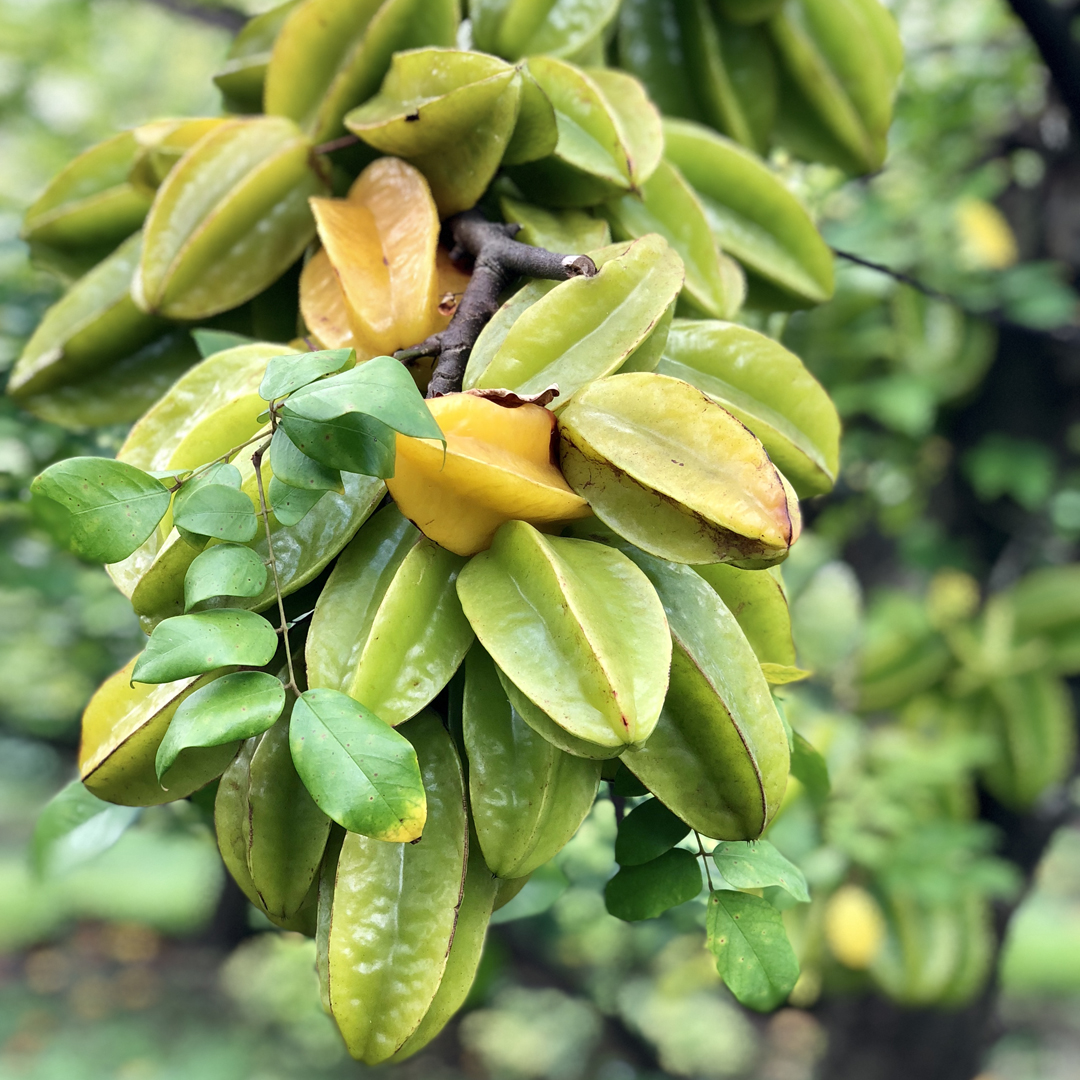
Not just for Israel and the tropics. Tangy star fruits or carambola can be great ground cover in orchards as an alternate crop or just a way to keep the soil healthy and vital in citrus orchards.
It’s not just oranges that grow in Florida. Carambola, or star fruit as most in the United States call it, is gaining popularity. One researcher from Florida International University is researching how cover crops can help the sustainability of star fruit farms.
“Tropical fruit production has become a prominent practice in Miami-Dade County,” says Ariel Freidenreich, a Research Assistant under the FIU Agroecology Program. “For this reason, it is vital that sustainable farming practices are applied to these systems to ensure healthy soils and economically viable fruit production.
“Star fruit are a great snack while working in the sun because they are juicy and sweet,” she says.
The Arkin variety is the most popular and widely planted in south Florida. Some growers are now expanding to sweeter and juicier varieties from Hawaii and other areas. They go great with salads and are used for juicing. There is even a winery that makes a delicious star fruit wine (tangy and not too sweet). While these fruits are not very popular in American culture, they are popular in Asian and Hispanic cultures, which are very prominent in south Florida.
Besides being tasty, there’s another reason for finding a variety of crops that grow well in Florida.
Increasing the diversity of crops that are grown in various areas is important for several reasons, says Freidenreich. “First, crops like oranges are under pressure from a disease called citrus greening. It’s a blight disease that causes trees go into decline and die within three years. The disease destroys the production, appearance, and economic value of citrus trees and their fruit, and there is no cure. Similarly, laurel wilt has been greatly impacting the avocado industry in south Florida. Different crops are being planted to replace avocado groves.”
Establishing crops like star fruit will help diversify the biological system of a farm. It also diversifies the income stream for growers. Just like a well-balanced retirement portfolio, balancing the mix of crops on a farm can reduce overall risk. This is good for the environment and the sustainability of our food sources.
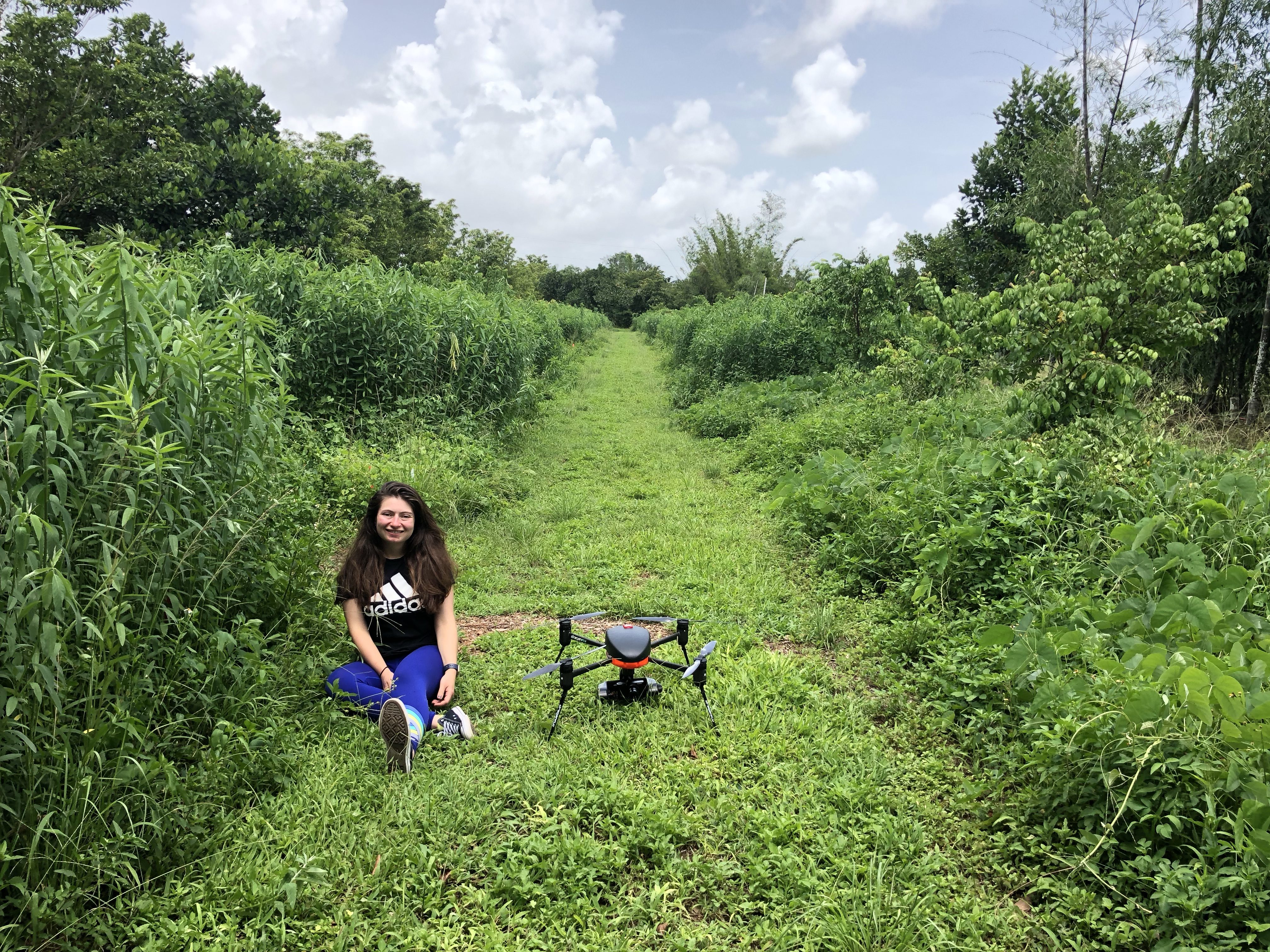
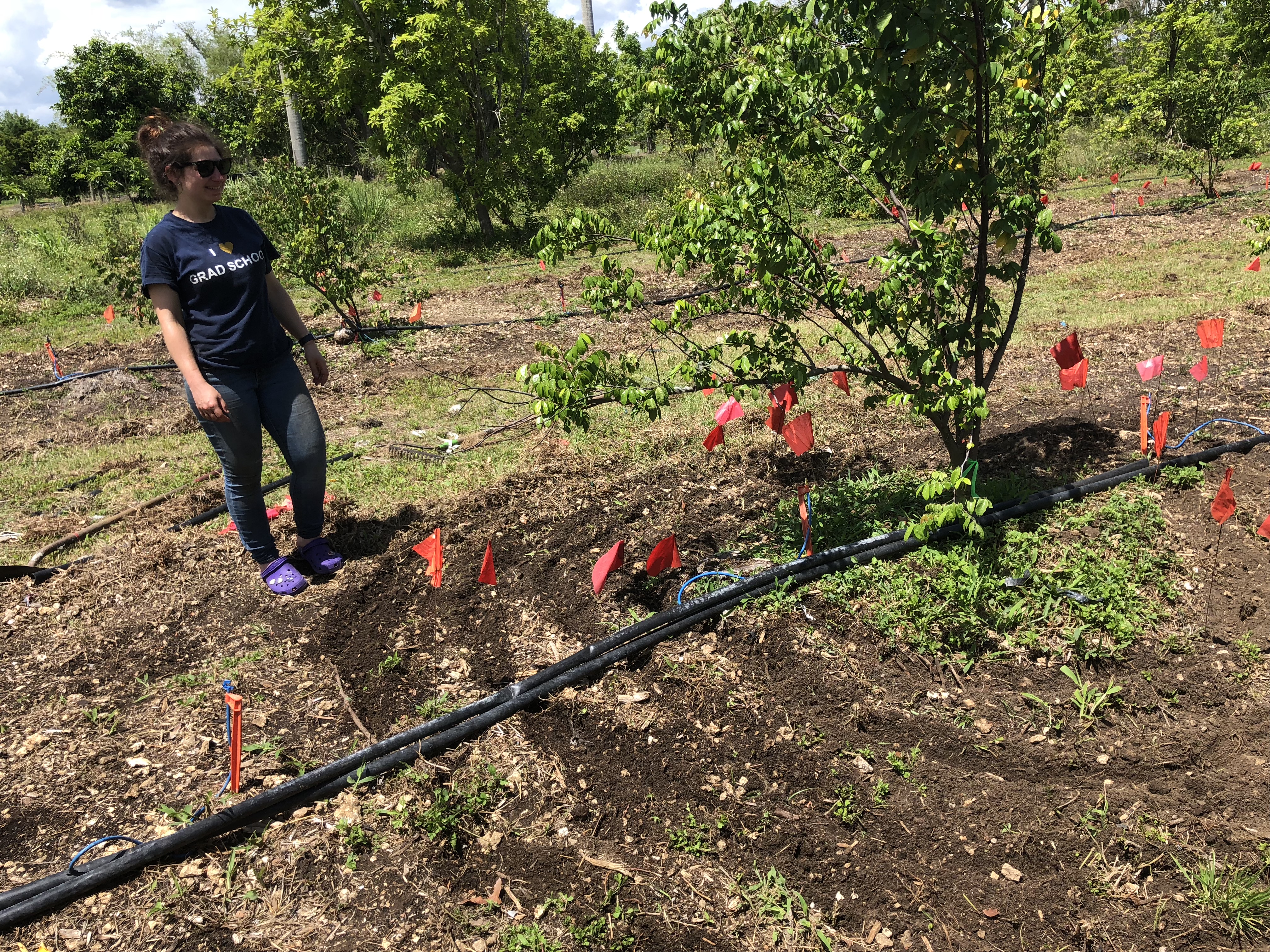
Freidenreich’s research with carambola includes cover crops. Cover crops are grown, not to be harvested, but to assist with soil health. Two cover crops the team studied are sunn hemp and velvet bean. Both are in the legume family and can take nitrogen from the air and metabolize it into a plant nutrient.
“We established cover crops within this young carambola stand to enhance overall soil quality,” says Freidenreich. “We grew sunn hemp and velvet bean between trees. We cut them and incorporated them into the soil as green manure for two summer growing seasons. This helps ensure healthy tree development without the addition of synthetic inputs.”
The research is taking place on a certified organic farm, and these practices are being developed to help farmers transitioning to organic production or those interested in sustainable practices.
Cover cropping should improve the soil organic matter. “The soil [at the research site] is rock-plowed limestone with little natural organic matter content,” says Freidenreich. “These soils have a basic pH, so improving organic matter content is necessary to help lower pH. This, in turn, should inspire healthy crop growth.”
Improving soil organic matter “should have positive effects on soil nutrient availability,” says Freidenreich. “It should also improve soil structure and microbial interaction. We expect fruit yield improvement over time. South Florida has a subtropical climate, so hot and humid weather inspires quick turn over for organic matter degradation. Continually adding these treatments should have positive benefits season to season. The cover crops can be great for weed suppression in the growing season and after termination.”
Future research means Freidenreich might get to snack on more star fruit while in the field. “Star fruit are very wind sensitive. They can defoliate with strong gusts. Sunn hemp has the potential to act as a windbreak for starfruit trees. Additionally, star fruit is truly tropical and can be sensitive to cool temperatures in the winter months in subtropical south Florida. Cover crop mulches might insulate the roots of carambola trees.”
Freidenreich recently presented her research at the 2019 International Annual Meeting of the American Society of Agronomy, Crop Science Society of America and Soil Science Society of America.
Alcoholism is not the biggest problem in the Middle East, where the majority of the culture there (Islam) prohibits consuming alcohol. Likely this prohibition came about from the dangers of drinking too much. If you are already out of control, consider drinking less or quitting – for your health
Motivation is something that encourages you to act or behave in a particular way. Often, the motivation to go off alcohol comes from the outside. Your doctor, spouse, partner, parent or child may urge you to quit drinking. Maybe your friends or business colleagues have approached you. Or maybe you have legal obligations related to problem drinking that require you to stop. However, without being personally motivated, the likelihood of getting and staying sober is low.
Where to look for something that can increase your desire to live an alcohol-free life? Here’re 5 practical tools for getting and staying motivated in alcohol recovery.
Set a Goal.
Of course, giving up alcohol must be your #1 priority. A partial commitment won’t work. To focus on sobriety, you may need to get enrolled in some alcohol rehab for men – AddictionResource.comprovides information. It may be the best solution for those who already had several unsuccessful attempts.
Problematic drinking occurs while or instead of doing things a person wants. Setting a goal that excites you can increase your motivation to give up your bad habit. Think of something you really want to do, something that can brighten your life and bring new emotions.
For some, visiting another city, state or country may be a great experience. For others, extreme activities like a jump with a parachute may boost their motivation. Determine one or several short-term goals that will drive you forward.
Also, it’s beneficial to have a couple of long-term goals in different aspects of your life. One study identified the priorities of people who are in recovery from substance use disorder. They are finding a job (up to 34%), fixing family and social relationships (up to 24%), getting education and training (up to 23%), focusing on emotional health and self-work (up to 21%), and improving physical health (up to 20%).
Tune into the Positive Vibes.
The thoughts like “I can’t do this” or “It’s too difficult” are discouraging. Instead of making excuses, give it a try. After all, you should spend your time and energy in some useful way.
Every goal has its obstacles. And success is reached by those who push themselves forward and stay motivated to keep trying and working.
Remember, there’s always a way to cope with the obstacle. Overcoming them is a boost to motivation. If there were no obstacles in alcohol recovery and quitting were super easy, who would feel proud of battling his awful habit? No men-only rehab would exist.
So, always stick to a more positive side. Don’t get me wrong, we should evaluate our strengths and talents realistically. But it’s not OK to have a negative look at everything.
Find Three Things to Boost Your Mood Fast.
What are your favorite healthy ways to relax and cope with stress? Determine three of them to use any time you feel below par or negative thoughts start to overwhelm you.
It can be simple activities like going for a walk, talking to a supportive friend, or coloring pages for adults. How can this help?
Getting out for a walk gives a chance to stop actively thinking about the problem. And since walking doesn’t require much concentration, you may find the solutions to important issues that you wouldn’t have otherwise while staying in one place.
It’s important to have sober friends who will support you in challenging situations. A supportive friend is someone who understands who you are and what you need. He/she can stop you from relapse by the right words or actions. Their attitude is not judgmental. And they don’t have an ulterior motive in taking care of you.
Coloring books for adults are the latest anti-stress trend. This type of art therapy helps to combat stress, anxiety, and even depression.
Determine Your Unique Reasons for Quitting Alcohol.
Take an honest look at your life. What are the areas that are suffering because of your addiction? Is it your health? Is it a financial side? Maybe your reason has to do with your family. Male addiction can push a couple on the verge of a divorce. Maybe your kids are embarrassed to see you drunk and they’ve lost their respect.
Make a list of the areas of your life affected by alcohol abuse. Then, pick one area or problem that needs to be solved in the first place. Think well what to do about it. Use it as your inspiration: it’s the major reason you want to quit or cut back on drinking alcohol.
When you feel a craving, read this list and look at the unfortunate consequences of your drinking. Imagine what these consequences would be in 5 years if you don’t give up this habit. Also, think about the benefits your decision to start a sober life has brought you. It’s a great exercise to increase your motivation.
Focus on the Benefits.
Amazing benefits of leaving alcohol include the absence of hang-overs, better sleep, improved financial situation, lower risk of cancer and other diseases, higher productivity, and many others. Focus on the advantages. If you’re prone to negativity, you’re potentially setting yourself up for further misery in the future.
The goal of behavioral therapy used in men-only rehab programs is to teach patients to think positively. That’s important for avoiding relapse. There’s strong evidence showing that negative thought patterns push alcohol users in the state of helplessness and depression, and to cope with it, they drink. Therapists in any men-only rehabilitation center know that positive thinking can improve their patients’ mental and physical well-being.
These 5 tools are quite universal. You can use them to reach any goal, whether it’s quitting drinking or smoking, getting an education, or building a business.
Take Care and keep the alcohol out of your mouth. Good luck!
When two (or three bodies of different sizes and distances) orbit a center point, it’s easy to calculate their movements using Newton’s laws of motion. However, if all three objects are of a comparable size and distance from the center point, a power struggle develops and the whole system is thrown into chaos. When chaos happens, it becomes impossible to track the bodies’ movements using regular math. Enter the three-body problem. Now, an international team has taken a big step forward in solving this conundrum. Their findings were published in the latest edition of Nature.
It’s been nearly 350 years since Sir Isaac Newton outlined the laws of motion, claiming “For every action, there is an equal and opposite reaction.” These laws laid the foundation to understand our solar system and, more broadly, to understand the relationship between a body of mass and the forces that act upon it. However, Newton’s groundbreaking work also created a pickle that has baffled scientists for centuries: The Three-Body Problem.
After using the laws of motion to describe how planet Earth orbits the sun, Newton assumed that these laws would help us calculate what would happen if a third celestial body, such as the moon, were added to the mix. However, in reality, three-body equations became much more difficult to solve.
When two (or three bodies of different sizes and distances) orbit a center point, it’s easy to calculate their movements using Newton’s laws of motion. However, if all three objects are of a comparable size and distance from the center point, a power struggle develops and the whole system is thrown into chaos. When chaos happens, it becomes impossible to track the bodies’ movements using regular math. Enter the three-body problem.
Now, an international team, led by astrophysicist Dr. Nicholas Stone at the Hebrew University of Jerusalem’s Racah Institute of Physics, has taken a big step forward in solving this conundrum. Their findings were published in the latest edition of Nature.
Stone and Professor Nathan Leigh at Chile’s La Universidad de Concepción relied on discoveries from the past two centuries, namely that unstable three-body systems will eventually expel one of the trio, and form a stable binary relationship between the two remaining bodies. This relationship was the focus of their study.
Instead of accepting the systems’ chaotic behavior as an obstacle, the researchers used traditional mathematics to predict the planets’ movements. “When we compared our predictions to computer-generated models of their actual movements, we found a high degree of accuracy,” shared Stone.
While the researchers stress that their findings do not represent an exact solution to the three-body problem, statistical solutions are still extremely helpful in that they allow physicists to visualize complicated processes.
“Take three black holes that are orbiting one another. Their orbits will necessarily become unstable and even after one of them gets kicked out, we’re still very interested in the relationship between the surviving black holes,” explained Stone. This ability to predict new orbits is critical to our understanding of how these—and any three-body problem survivors—will behave in a newly-stable situation.
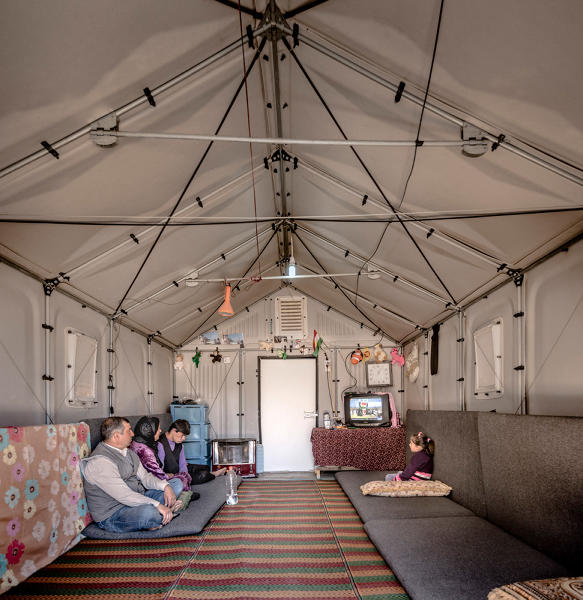
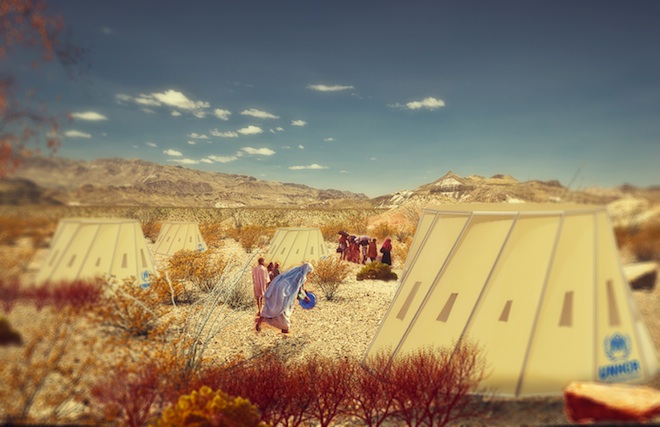
On-site renewable energy solutions can cost-effectively supply refugee communities with low-cost, reliable electricity, according to the findings of a new report by the International Renewable Energy Agency (IRENA) in cooperation with UNHCR, the UN Refugee Agency. There are currently almost 26 million refugees in the world today. Unreliable energy exposes them to additional and associated risks which renewables can serve to overcome.
Renewables for refugee settlements: Sustainable energy access in humanitarian situations, released at the Global Refugee Forum currently taking place in Geneva, examines the energy needs at refugee camps and identifies renewables-based solutions for four sites in Iraq and Ethiopia. Solar mini-grids in particular, are highlighted as being able to boost the efficiency of humanitarian operations, avoid costly diesel consumption, and support recently arrived refugees with immediate, reliable electricity access.
Iraqias as refugees, Iraqis as victims of ISIS, Iraqis as victims of climate change. Some help on the way to get a leg up on the problem in agriculture.
The report was launched as both organisations agreed in a new Memorandum of Understanding (MoU) to enhance their existing cooperation on promoting renewable energy solutions for the improvement of the humanitarian situation for millions of people displaced from their homes today.
“In line with our Global Strategy for Sustainable Energy, we aim to ensure that refugees can meet their basic energy needs in exile while also minimizing environmental degradation. Sustainable energy access will bridge this gap, enabling refugees to pursue education, supporting businesses and social enterprises, spurring innovation and exponentially enhancing the safety and well-being of people and communities, until such time that they can return home,” said UN High Commissioner for Refugees, Filippo Grandi.
“This report and this new partnership between IRENA and UNHCR, is the beginning of an important alliance to mainstream access to energy for refugees and displaced people as well as their local communities, ensuring that they are not left behind.”
“Renewables can quickly and effectively change the lives of refugees for the better,” added IRENA’s Director-General Francesco La Camera. “Off-grid and grid connected small and medium sized solar installations are available, affordable and can bring reliable power to millions of displaced people around the world. We are looking forward to closely work and support UNHCR in its effort to protect life in humanitarian situations. Renewable solutions could become essential to the humanitarian toolkit.”
Findings and recommendations of the new report are based on data collected from field missions to the Darashakran and Domiz camps in Iraq and Tsore and Sherkole in Ethiopia.
It concludes that in Iraq, blackouts and brownouts remain frequent even at grid-connected settlements, leaving refugees and the humanitarian community dependent on expensive, polluting diesel generators. In Ethiopia, most refugees lack any reliable access to electric lighting. Stand-alone solar systems with battery banks could cushion the impact of voltage fluctuations on the grid.
Larger solar parks could provide electricity in and around settlements, as well as creating an enduring asset for host communities.
The United Nations FAO finds that people in central Asia may not be starving but they are in severe need of good nutritious food. When people are food insecure they become obese or unwell.
Hunger in Europe and Central Asia is low, but a high number of people are affected by moderate food insecurity, such as limited food and access to nutritious food, as well as overweight and obesity, revealed a new UN report sent to Green Prophet.
The Regional Overview of Food Security and Nutrition in Europe and Central Asia 2019, launched today in Moscow, provides specific recommendations for policymakers for targeted interventions on nutrition, inequalities and rural development, and achieving the global goals of the 2030 Agenda for Sustainable Development.
In Europe and Central Asia, food security has improved substantially over the past two decades and the vast majority of the 50 or so countries monitored managed to keep the prevalence of undernourishment below 5 percent – less than half of the world average (10.8 percent).
New estimates for 2018 suggest that a severe level of food deprivation is no longer a concern (1.8 percent of the total population, compared with 9.2 percent globally). However, sizeable portions of the population have difficulty in regularly accessing nutritious and sufficient food. According to estimates, over 100 million people (11 percent of the population) in the region are exposed to moderate or severe food insecurity – an indicator, developed by FAO on the basis of the Food Insecurity Experience Scale, to track progress towards reaching Zero Hunger.
“A considerable number of adults and children still suffer from various forms of malnutrition, including stunting, wasting, overweight, obesity, anaemia; in fact, some of them co-exist in many countries,” said Cheng Fang, FAO economist.
“Especially, overweight and obesity imply significant health concerns,” Fang added, referring to a report finding that adult obesity in almost all countries of the region has in 2016 outnumbered the world average of 13.2 percent, and in 13 countries it was twice as high as the world average. Adult obesity has been rising in all countries in the region.
Sex-disaggregated data show that women are more likely to experience moderate or severe food insecurity than men (10.7 percent to 9.8 percent) in Europe and Central Asia. On a positive note, the prevalence of low birth weight is below the global average of 14.6 percent; however, there is a recent increasing trend in most countries.
Drivers and determinants
As the FAO report points out, socio-economic inequalities slow down or even hinder progress on the reduction of poverty, food insecurity, and malnutrition, risking the 2030 Agenda principle of leaving no one behind.
Malnutrition among children is strongly influenced by maternal education, wealth, and geographical location. This suggests that targeted interventions on maternal education and income generation can improve nutrition situation of children younger than five years old.
Obesity is a faster growing phenomenon in households with lower socio-economic profiles based on living and working conditions, income, and education.
“Policies and other interventions should target disadvantaged and vulnerable groups to address socio-economic inequalities,” said Vladimir Rakhmanin, FAO Assistant Director-General and Regional Representative, at the launch event of the report.
“We have seen how structural changes in many lower-income countries of the region with accelerated economic growth have elevated the most vulnerable populations out of poverty and significantly reduced hunger,” added Rakhmanin.
To this end, the report calls on countries to channel more public investments into agriculture and rural areas and improve the quality of spending, as the expenditures in these areas are low compared to the sector’s importance in the economy. This situation can hamper the realization of food security, nutrition, and environmental goals.
Structural transformations
The report has a new section focused on the structural transformations taking place in Europe and Central Asia – in the economy, agricultural and food production, food consumption patterns and diets, and trade and its policies. It provides guidance on what action would be needed to meet global sustainability goals.
The analysis showed that while agriculture is an important source of income for many, the sector’s productivity is lagging behind other sectors. This leads to higher poverty, food insecurity, and malnutrition rates in rural areas, and, once again, calls for increased support for agriculture and rural development to boost productivity and income diversification.
In all countries of the region, there is much larger diversity in the available food due to production and agrifood trade; however, the quality of current diets compared to healthy diets has been questioned. This is due not only to constraints within the food production system, but also the importing of processed food, which are heavy in fat, sugar, and salt and have a negative impact on nutrition and health. As evidenced by country case studies, anticipated trade expansion in the region is often hampered by non-tariff measures that exist in multiple forms in many countries.
Animal-sourced proteins have gained importance in most countries, contributing to dietary change and food security. Still, regional differences in food diversity exist. Turkey and Western Balkan countries have greater availability of fruits, vegetables, and pulses, while former Soviet Union member countries have more meat and fish.
“These trends point to the need for nutrition-sensitive policies in both production and trade areas that raise the availability of several food items,” said Fang.
To reset production, diets, and related policies for better and more sustainable food production and nutrition, the report elaborates on two increasingly popular framework concepts – the food system approach and agroecology. There are trade-offs among all objectives of food systems and agroecology and public policy has the critical role of providing incentives and creating a good environment for the participation of all smallholders. Policy reorientation should also stress the need to ensure focus on the most poor and vulnerable.
Any business idea, especially eco ones need solid business plans. These kinds of businesses set examples but to branch out well, and grow, you need a sales plan.
Empower your sales team and directors with analytical tools that can boost their performance. Artificial intelligence is leading the sales industry as well as how people receive and deliver products. The world of finance is transforming as a result. How sales are generated and how they’re improved are what we focus on. Being competitive in sales management is now a matter of the technology you use.
Major Trends for Business and AI Technology
The major trends of the digital transformation bring artificial intelligence into focus. The benefits of AI are based on its ability to use an automated algorithm for tracking finance. This type of performance analysis reduces cost while increasing your effectiveness. Sales reps and business owners need to track performance in order to be competitive. Effective sales analytics will align your processes directly to your revenue.
The core trends of AI and business technology are designed to increase our analytical capacities. Artificial intelligence collects data faster. It can then look at that information to produce statistical figures with probable outcomes. Artificial intelligence plays a major role because it can produce answers. Every bit of insight it gives gets you closer to your sales goals and deeper into your consumer’s mind.
The Core Functions and Features
Artificial intelligence, as it applies to business analysis and sales, uses a set group of algorithms to automate its results. A snippet of code tells AI to process its analysis based on the criteria you set. As a result, you can rely on a newrevenue intelligence platform to achieve the following milestones in sales analytics:
*Data Modeling
The ability to visually see the data of your sales campaign will scale your influence. Some concepts are just too difficult to understand in their raw forms. The advances of artificial intelligence give us a way of isolating the exact information we need. The visual models that are then created to make it easier for you to find trends, to isolate failing processes and to confirm what your strengths are.
*Hypothesis Analysis and Economic Evaluations
This analytical process is optimal for your software because will collect a data set, which is two data points instead of one. Before any data set is compared, your AI software first devises a hypothesis and then tests it with the data you received. A comparison is made in order to establish ideal conditions and deliverables. Data that doesn’t live up to that set standard is presented to you with clarity.
*Automation
Automation resembles artificial intelligence, for it enables you to set and then forget your outcomes. You need automation as a strategic tool in data collection. An online prospect who engages with your brand, for example, will cause your sales campaign to send them content, enter them into your list or redirect them to a site. Getting your most useful analytics requires automation to define the stages of your work.
*Pipeline Integration and Mobile Adaptability
There are endless-market options for CRMs, automation packages and analytics, which means that you have different ways to integrate and connect with other technology. Artificial intelligence may not be the core function of the systems you use, but it can be added to your technology via integrations. Your pipeline dictates how you use your software and the adaptability that you need for the best results.
*Conversion Tracking
Conversions measure the responsiveness of your leads and how well your sales goals are being met. The tracking of conversions can be done with artificial intelligence. It’s faster and more accurate. The level of analysis that AI achieves is powered at a rate that outperforms the human being. Within seconds, AI can handle thousands of information feeds without losing its composure.
Building a Successful Business with the Help of AI
It’s wise to consider what sales analytics can do through the help of artificial intelligence. A revenue intelligence platform is the tool you need. Monitoring the many stages of consumer activity, as it applies to web sales, is difficult if you can’t scale your work. As soon as you power on your software to align your sales goals, you’ll get the following:
– Control, Transparency and Centralization
– Consumer Demographics, Behaviors and Activities
In the end, you decide on the key points of data that your business needs. Sales analytics is customizable and presents data based on your settings and preferences.
Chickpeas to feed the world! This protein offers an alternative to soy and highly allergenic nut milks.
So, you have also heard about one of the most happening diet plans that have made celebrities, as well as common people, go gaga over it. You might have known it through a magazine that says Kourtney Kardashian is an avid keto follower, or maybe your friend raves about its benefits all the time. Whatever is the case, now you want to try it to see if it is really worth the buzz.
Different studies show that the ketogenic diet is not only the best in weight loss; it may also show benefits against some diseases, like cancer, epilepsy, Alzheimer’s and diabetes.
However, switching to a keto diet is not all about waking up one morning and making an announcement: From today, I am a keto person. I wish it was that easy, but it isn’t. You need to know about a few things before adopting a ketogenic diet.
Here is a guide for you to ensure your smooth transition to keto diet:
How the Keto Diet Works?
Before telling what is a keto diet and how it works, here is a warning alert for pizza and pasta lovers: this road is going to be tough for you. It is because the ketogenic diet is all about cutting on your carb intake and plugging in high-fat food items.
What happens is that your body initiates the ketosis process when you rely only on fats and limit carb intake. Ketosis starts when your body burns fat instead of carbohydrates to produce energy. It takes almost 7 days for your body to go into ketosis phase after cutting on carbs.
There are also keto supplementsfor those who want to trigger ketosis process in their body without ditching their love of life pasta.
Know the Keto Ratio:
Another important thing you need to know before jumping onto a ketogenic diet is that you should only take 5-10 percent of carbs, while 75-80 percent goes to fats. The remaining percentage is for proteins.
Here, 5 to 10 percent means that your carb intake shouldn’t increase over 30 grams per day. It means that even two bananas can harm your whole diet plan. You must keep your diet low carb because only the absence of carbohydrates can force your body to persist in the state of ketosis where the body burns fats for energy. If the set percentage of carbs will increase in the body, it will again switch back to the starch burning state instead of burning fats. So, knowing and sticking to the nutrition ratio is very significant in the ketogenic diet.
Food to Add into Your Chart:
Preparing a keto diet chart isn’t rocket science. You should remember only one formula while setting your diet chart: no starchy food. That’s it. Full stop. Other than that, you can eat anything and everything.
Unlike other kinds of diet plans, high-fat foods are welcomed here because higher the fat faster will be the ketosis process. So, eat cheese, dairy products, seafood, veggies (except sugary and starchy vegetables, like beets, yams, potatoes), avocado, eggs, etc.
There is also no rule that you should reduce the amount of your food. In fact, if it is high-fat food, eat as much as you want.
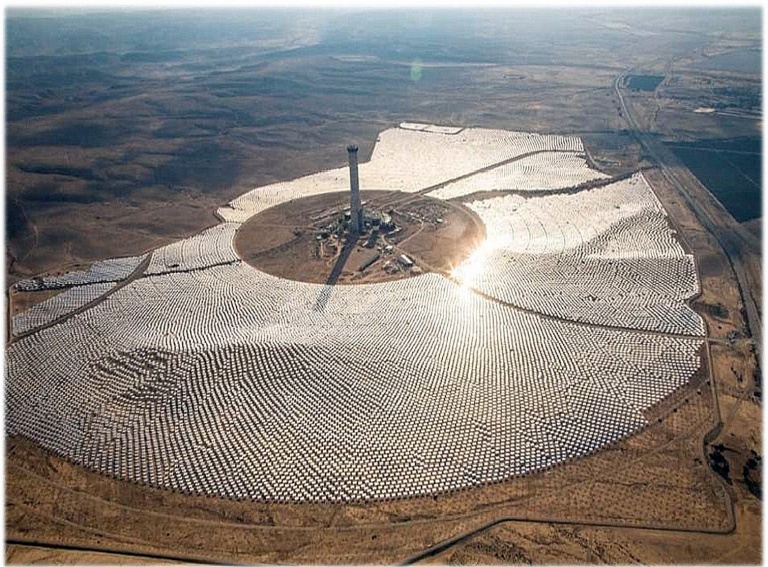
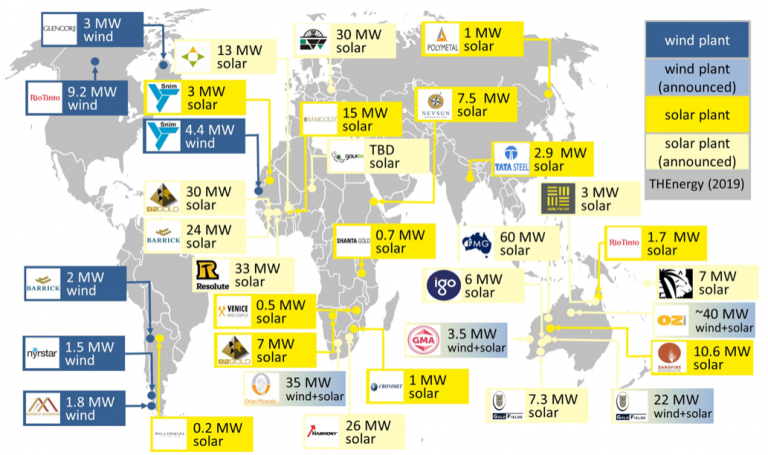
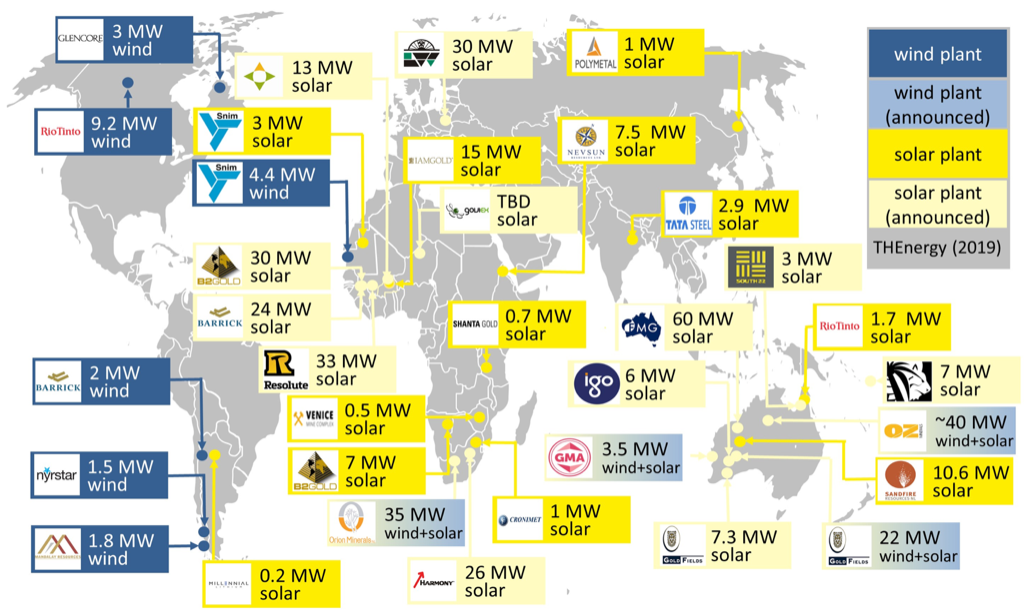
The Energy and Mines World Congress shows that 2019 will be considered the tipping point for solar and wind projects in the mining sector
The Energy and Mines World Congress that took place in Toronto provided great insights into the recent developments of onsite renewable energy applications at remote mines. Getting power lines to remote locations is hard, very hard. Trucking in fuel for polluting generators is the only other solution. Now the industry is understanding that renewable energy makes sense and cents.
This year 2019 is the tipping point. The business case for partly substituting expensive fuel like diesel, heavy fuel oil (HFO) or gas by solar and wind had been positive on paper for years. However, actual projects have evolved slowly. In 2019, almost a dozen new projects have been officially announced and at the same time many more projects are under development and on the verge of being announced.
Enstorage can hold a charge in remote locations once the power is in
Nick Holland, CEO of Gold Fields, a mining company that is a pioneer in integrating renewables, pointed out that costs savings are possible, and a cost-efficient decentralization of power generation enabled by renewables comes with further advantages: “Renewables make for great business – lower cost and supply security. Independence from the grid is critical – microgrids are the future!” he said.
Sustainability goes well beyond renewables
Mining companies see the need to decarbonize and pursue initiatives that go well beyond renewables, such as electrification of mining vehicles. These initiatives will further increase the electricity demand in mining and in the long run the need for locally generated renewable energy.
Trust in renewables has been building up over the years
Miners are gaining trust in renewable energy solutions. The fear of production losses has been decreasing over the past years with every new renewable energy system that has been added to a mine globally. Before, the general attitude was characterized by “wait and see”, but the mode has been changing in 2019 to “let’s act now”.
The individual decision makers today run a relatively low perceived risk by driving forward renewable energy projects. The solutions that are being built now are often more sophisticated than they were before, and they incorporate a higher share of renewables that is also enabled by storage solutions. Read more here about types of solar panels.
Australia and Africa are leading the way
The epicenters of these developments are Australia and Sub-Saharan Africa, two regions having substantial areas with insufficient public grids and typically excellent solar resources.
At the same time, renewable energy development also has a local driver. Though the mining sector is rather global, the word-of-mouth and political pressure on mining players to add renewables unleashes additional speed on a local level.
Shorter power purchase agreements (PPAs)
In comparison to the physical lifetime of solar and wind assets, the lifetime of mines or the mining licenses are often rather short. In addition, miners are used to relatively short-term energy supply for diesel, HFO (or heavy fuel oil) and gas.
Long-term purchase agreements for renewable energy often require a change of thinking and have slowed down the development of many projects in the past. More and more companies have come up with redeployable solar solutions that allow for offering short-term PPAs. On the hardware-side, the costs of redeployable solar solutions have come down significantly, but at the same time this approach is a bet on future growth of this segment. Redeployability also means that new target projects need to be available within a reasonable time period in the future. If not, the solar assets would have to be stored in warehouses until new deployment, which can prove to be costly.
Combining different renewable energy sources and energy storage
Several newly announced projects combine solar and wind power. One of the biggest disadvantages of solar and wind solutions is that they generate unsteady energy. Solar and wind output are often negatively correlated, which means that when solar irradiation is high wind speeds are typically low, and vice versa. This phenomenon allows for increasing the renewable energy share in the system while minimizing the need for storage.
In his presentation at the Energy and Mines World Congress, Thomas Hillig, Managing Director of the consulting firm THEnergy, said that for mining companies it makes sense to consider all sustainability levers and that also hydro could experience a real renaissance:
“In a research project that is supported by the German government with approximately USD 1 million, THEnergy is analyzing in collaboration with two universities, RWTH Aachen and TU München, the potential of hydro-electric solutions in the mining sector. We are still looking for mines in Peru to participate – free of any charge.”
Nature-worshipping pagans touched every monotheistic religion in the birth places of Christianity and Judaism, and then the spread of Islam through the near Middle East. Some historical accounts by the who and the how.
The transition between paganism and three major monotheistic religions in the southern Levant is one of themes that intrigues Professor Robert Schick from the University of Mainz in Germany. Pagans were very connected to the cycles of the earth, and like all ancient people reckoned with nature to understand why they exist and how to survive.
An American historian and archaeologist, Schick has worked in Jordan since 1980 and has participated in various scholarly projects. His major focus is the Byzantine and Islamic periods, which includes research at sites on both the East and the West Bank.
The closer look should be taken at religious affiliation of the population in southern Jordan, namely from Wadi Mujib to Aqaba (ancient Ayla) in the Byzantine and Islamic periods after the end of the Nabataen (they pushed back the desert with water know how) and Roman age when pagans switched to Christianity in 4th Century AD.
The discovery of masks and more cultic vessels has bolstered confidence that ritual activity was taking place 3,200 years ago at Libnah, a Canaanite city that would become Judahite in the biblical era.
“By the mid 5th century AD the pagan population disappeared and after the Muslim conquest in the mid-7th Century AD we have a growth of Muslim community and shrinking of the Christian population, and, consequently, in the 10th century AD Muslims already became the majority,” explained Professor Schick at a lecture in Amman in December, 2019. The lecture “Religious Change in Southern Jordan” held at the American Center of Oriental Research in Amman allowed the scholar to share his research from the eastern part of the Byzantine province of the Palaestina Tertia, which included the Sinai Peninsula on the west and southern Jordan on the east.
Professor Robert Schick from the University of Mainz in Germany addressing a crowd in Amman. Photo courtesy of ACOR
The last major pagan temple built by the Roman empire was located in the city of Raba, he explained, and it was erected between 284 and 305 AD, during the reign of Diocletian and Maximian, the so-called Tetrarchy, while the first mention of the Christian community in southern Jordan is recorded during the final persecution of them between 303 and 311. This is when Roman authorities sent local Christians to copper mines in Faynan where many perished due to very harsh working conditions. (See Timna copper mines).
There are also accounts of Christian persecutions in Petra and ancient Zoara modern day Ghor Safi], Schick noted.
The interior of the Byzantine Petra Church built around 450 AD. Photo courtesy of Saeb Rawashdeh, July, 2019
In the meantime, the first bishop was attested in Ayla in 325 AD, and it marks the start of a Church hierarchy, the scholar elaborated.
Earthquakes and epidemics of plagues were the turning points for many civilizations of the ancient world and the same can be said for the catastrophic earthquake of 363 AD that hardly hit southern Jordan.
Many pagan temples were destroyed and left in the ruinous state until in the 6th century AD when the Christians inserted churches into some of already destroyed pagan temples.
“That was a period when paganism began to fade away and Christianity became the state religion so the pagans were persecuted by the empire,” the scholar said, adding that pagans of Petra did not rebuild these temples and after the earthquake no public manifestations of paganism was recorded in the city.
The destruction done by Mar Sauma
The minority of pagans lived in the area in early 5th century AD when a famous monk Mar Sauma appeared on the horizon.
Sauma travelled through the eastern Mediterranean with the band of monks who destroyed pagan temples and synagogues in Jordan and Palestine (modern day Israel). When they arrived to Petra the population wisely did not allow them to enter the city in order to avoid the trouble.
According to the hagiographic tradition Sauma prayed to God when he and his disciples saw closed city gates and the storm broke out destroying a part of the city wall. After Petra pagans saw the outcome of his prayers they massively converted to Christianity, including pagan priests.
Of course, these are events that can’t be scientifically verified and belong to every religious narrative, however, by the end of 5th century AD everyone in Petra is Christian and the churches are excessively built in 6th century, Schick said.
Drawings and inscriptions from Wadi Rum dating from 4th to 6th centuries have no Christian symbols, except the one out of thousands of them with the cross and Jesus written in Hismaic, Schick stressed.
“It occurs to me that the reason is that nomads continued to be pagans,” he underlined.
After the Muslim conquests, the pagan nomads are directly converted to Islam in the 7th century and later, Schick said, adding that in 634-636 Udruh and Ayla were the earliest Muslim settlements in southern Jordan.
Humayma (280 km south of Amman) is important as Abassid family lived there and from that site, which was previously occupied by the Nabataeans and had a huge Roman fortress, Abbasides plotted to overthrow the Ummayad dynasty in 749/50.
“Also the first two Abassis khalifs were born there,” Schick underlined.
“There were five Christian churches but they didn’t survive as temples, instead they were turned into houses for servants, which indicated that Christians did not live in that area anymore,” Schick emphasised.
On the other hand, the monastery near Lot’s cave (ancient Zoara, modern Ghor Safi) functioned until the beginning of the 9th century as a Christian shrine before it was abandoned, the scholar explained, while the tomb of Aaron is another site in Petra and this pilgrimage monastery was in use in 9th century” but not rebuilt.
“The 9th century is the end of Christian thriving in southern Jordan,” Schick noted, adding that Crusaders met local Orthodox Christians in Petra, Karak and Shobak.
During Mamluk period Christian communities in Karak and Shobak existed and prosper as merchants, Schick said, concluding that Ottoman census from first decades of their rule confirms the number of households.
In Karak Christians remained majority in the early Ottoman period, while in Shobak they already became minority, Schick underscored.
Yo homies, where is the best falafel? I am coming to Israel (Elon Musk, Tesla). Israel is recruiting a company manager and team, in Tel Aviv.
Rumors in Israel happen faster than the Internet. I was at my kid’s play last night at school and after it we were talking about what’s the best car to crash in. Unlike in Mediterranean climates like Sicily where people drive small cars for the small narrow lanes in the villages, so many people, seems like half of the nation, are driving SUVs.
When you have kids you get to talk about what’s the best car to crash in. And should it be electric or gas? And if we are talking about crashing, heaven forbid, are electric vehicles more expensive to insure? ←- offers some good take homes. At least when it comes to Canada.
We have a large, not fuel efficient VW Touareg and we don’t live in Canada. It’s an old car, drives like a tank, drinks gas while parked and is the opposite of what you would expect from a treehugger like me. The truth is I do ride my bike most of the time between here and there throughout the day. But my kids go to a Waldorf Anthroposophic school in Tel Aviv and well there is no choice to drive sometimes when I need to meet them out of school hours (normally they take the bus).
So if you want to crash in the city, I tell my friend Shai, you should crash in an SUV in Tel Aviv because well everyone else has an SUV, like we do. But I think our car might be the best to withstand a crash. I am not the only crazy one to talk about stuff like this. Read around the net and a lot of people care about it. Because if everyone has an SUV and you are driving a 2 person electric car, you will care what happens to you.
But Shai enlightened me on a couple of issues. One is that that newer cars actually crash better than my 12 year old VW tank because they are made to fold up on impact, resulting in a write-off. Write-off yes, but lives saves too. While the old cars don’t fold up so your bodies rather than the car take the impact. Something to think about. (The Volvo XC60 is the best according to crash test results).
Cars in Israel for prospective buyers of the new Tesla, you should know, come with a hefty import tax of 100% so expect it to be much more than a pretty penny when you try to buy one. I don’t know about payment options and how that will work. Israeli law used to have a tax break for people who buy electric and hybrid cars. The cost of electricity is still double here than in places like Europe but less than gas. Let’s hope the government keeps the tax breaks on. And yup, an easy Google search show Shai was right. Tesla is recruiting.
The Romans loved them some stinky fish sauce. Vats and vats of it. With wine.
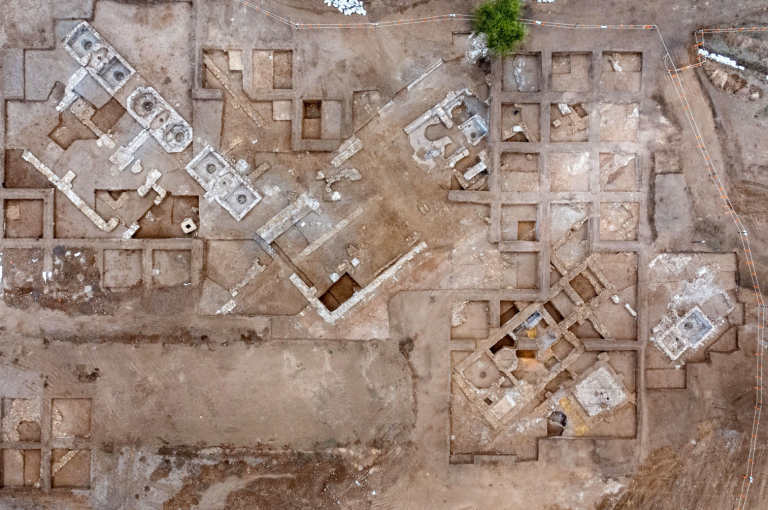
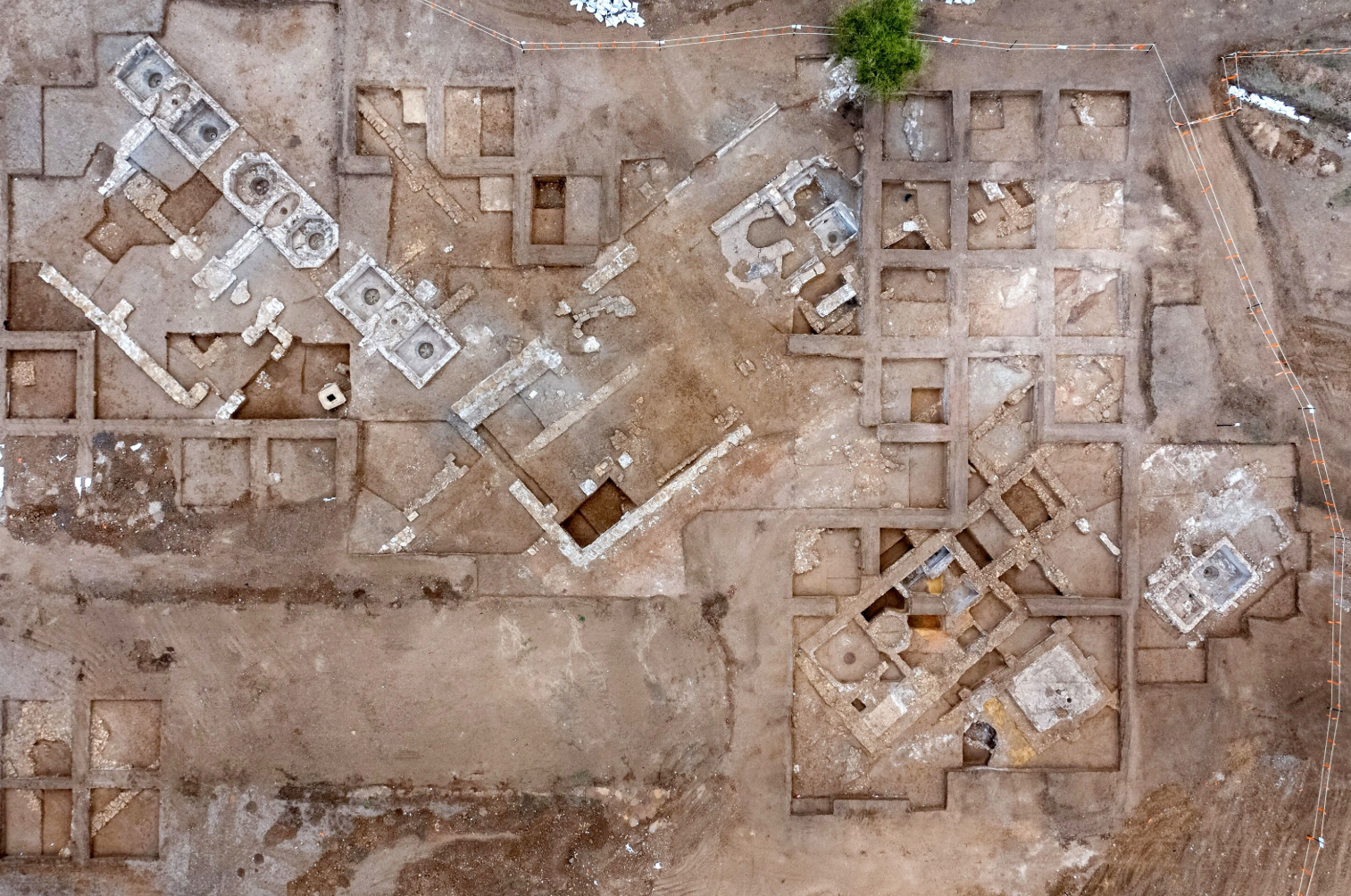
Vats used to produce fish sauce (garum) that are among the few known in the Eastern Mediterranean, were recently uncovered by the Israel Antiquities Authority in Ashkelon. The excavation was done before building and Eco-Sport Park, has revealed evidence of 2000-year old Roman and Byzantine culinary preferences.
According to Dr. Tali Erickson-Gini from the Israel Antiquities Authority, “Long before pasta and pizza, the ancient Roman diet was based largely on fish sauce. Historical sources refer to the production of special fish sauce, that was used as a basic condiment for food in the Roman and Byzantine eras throughout the Mediterranean basin. They report that the accompanying strong odors during its production required its being distanced from urban areas and this was found to be the case since the installations were discovered approximately 1.5 miles from ancient Ashkelon,” she says
Aha! Not only the Jews of the time loved stinky fish sauce. The Romans did too.
“This is a rare find in our region and very few installations of this kind have been found in the Eastern Mediterranean. Ancient sources even refer to the production of Jewish garum. The discovery of this kind of installation in Ashkelon evinces that the Roman tastes that spread throughout the empire were not confined to dress but also included dietary habits.”
The Roman site was eventually abandoned but the conditions that favored viticulture remained and in the Byzantine period in the 5th c. CE a monastic community began to thrive there, making a living from wine production: three winepresses were built next to an elaborately decorated church. Little of the church has survived but architectural fragments found at the site show that it was decorated with impressive marble and mosaics. A large kiln complex was located nearby that produced wine jars. These appear to have been used for exporting wine, which was the primary income for the monastery.
Dr Erickson-Gini: “The site, which served as an industrial area over several periods, was again abandoned sometime after the Islamic conquest of the region in 7th c. CE and later nomadic families, probably residing in tents, dismantled the structures and sold the different parts for building material elsewhere.”
Evidence of this activity was found in the vats of the winepresses, which were turned into refuse pits containing the bones of large pack animals, such as donkeys and camels.
The excavation, underwritten by the Ashkelon Economic Co., was conducted to facilitate the establishment of the large Eco-Sport Park that will include an artificial lake, an athletic stadium and other facilities for the residents of Ashkelon.
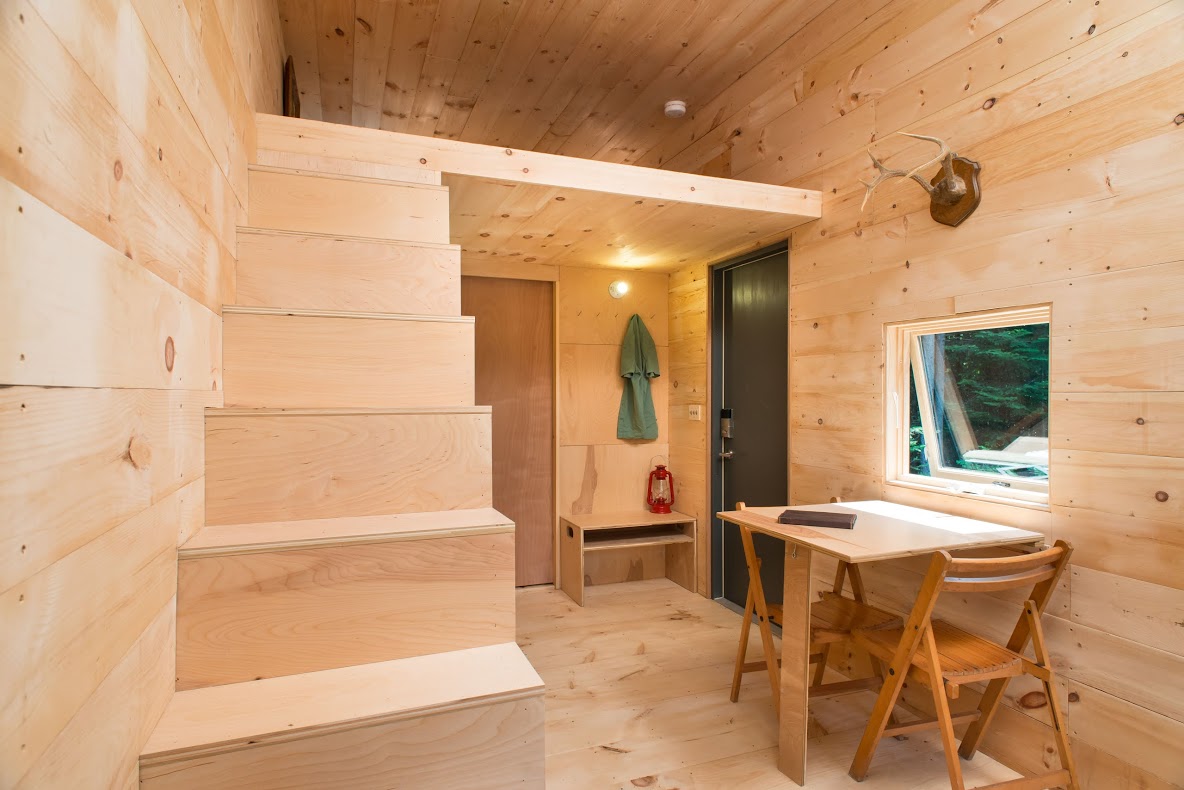
With more and more people living here on earth, the sustainability of suitable housing conditions is already compromised. Thereby, tiny homes have been a trend over the past couple of years, particularly in the city and urban areas where congestion is a common challenge.
Nevertheless, here are some reasons why living in tiny homes can prove to be more convenient.
Cost-effective
Smaller homes are by far cheaper compared to immensely huge houses. More often than not, owners oftiny homes tend to design and built their own houses, spending only on the materials needed for its construction. There are also various designers of tiny homes who will be able to help you turn your tiny dream house into a reality. While it may entail the need for additional costs, the overall price of building a smaller house is still just a fraction of the costs of building a traditional dwelling. More often than not, owners of tiny homes are able to pay for their house upfront, without having to take out a loan and pay for mortgages. If, indeed, there is still a need to take out a housing loan, the mortgage payments are considerably lower.
Portability and Mobility
Another notable advantage of living in a tiny home is that you can actually take it when you travel. More often than not, tiny homeowners only need to hitch their houses at the back of a truck and bring it wherever they go. This is a great way to travel without having to pack several suitcases. Another thing to note is that with a tiny home, you don’t really have to worry about having to move in case you get a new job in a different city or state. You just need a new spot of land and you are ready to go with your tiny home trailing behind your truck.
Energy efficiency
Often times, tiny homes are built with different sustainable resources that allow the homeowners to completely live off the grid. There are those built withsolar panels, while others use rainwater collectors. Whether you use solar panels or you may need to connect to a power source, the energy needed by your tiny home is significantly less than what is needed by a traditional home. This is because smaller appliances are more efficient in terms of power consumption.
Environmentally Friendly
There are tiny homes that are built from recycled materials such as empty water bottles filled with other plastic bottles. Apart from having the capability of building your own home to reflect your personality in a unique manner, you will also save the environment by reusing or repurposing salvaged materials instead of using new materials. In addition to this, the use of renewable resources such as solar panels or wind resources is excellent methods in making your house functional even while living off the grid. You also have the option of using rainwater filtration to supply your home with potable water, as well as a composting toilet to ensure that your wastes are properly disposed of.
Decluttering and Minimalism
Minimalism is a trend nowadays and the first step to practice this mind-calming strategy is to declutter. Living in a tiny home, you are really left with no choice but tominimize your stuff in order to fit in your house. But come to think of it, most of the things you keep are oftentimes unnecessary. You may be surprised that you are able to live without these things. Living in a tiny house, even encourages charitable deeds because in times that you need to let go of stuff that you no longer need, there are several charitable institutions waiting in line for your donations.
Cleaning Conveniences
It is truly more effortless to clean a tiny house compared to a traditional home with several rooms and floors. Sweeping and dusting your home will only take you a couple of minutes. Apart from tidying up in a matter of minutes, it is even easier to maintain this clean state of your house because there are only quite a few areas and spaces that you need to take care of. You will find that everything in your home has its own righteous place.
Living in tiny homes may prove to have its own challenges such as not being able to acquire stuff that may not really fit in your space. Nonetheless, the advantages brought about by living in small homes outweighs its drawbacks. Thereby, you should give tiny homes a second thought if you are currently considering your living space.
Are you ready for the future? Back in 1869, Russia’s Dmitri Mendeleev began to classify the elements according to their chemical properties, giving rise to the Periodic Table of Elements. “I saw in a dream a table where all elements fell into place as required. Awakening, I immediately wrote it down on a piece of paper,” Mendeleev recalled.
Fast forward 150 years to Israel where a team of scientists, led by Professor Uri Banin at the Hebrew University is reinventing the concept of the periodic table but for artificial atoms, otherwise known as colloidal quantum dots. The nanoscience research team developed a method that enables quantum dots to join together and form new molecular structures. Their findings were published in the latest edition of Nature Communications.
Quantum dots are nano-sized chunks of crystal, each containing hundreds to thousands of semiconductor atoms. When viewed through an electron microscope they look like dots. As with real atoms, when you combine artificial atoms together, they create a new (artificial) molecule with unique properties and characteristics. These molecules are referred to as “artificial” because they’re not one of the 150 million original molecules that have been formed by combining atoms from the 118 known elements in our Periodic Table.
Unlike their Periodic Table counterparts, quantum dot atoms are mercurial in nature, changing their physical, electronic and optical properties when their size changes. For example, a larger quantum dot will emit a red light, while a smaller one, of the same material, will emit a green light. Banin and his team devised a method wherein scientists may create new quantum dot molecules while still retaining control over their composition. “I began considering the infinite possibilities that could arise from creating artificial molecules from artificial atom building blocks,” Banin shared.
In the past twenty years, both scientists’ understanding of the physical properties of quantum dots and their levels of control over these tiny particles have increased tremendously. This has led to a widespread application of quantum dots in our daily lives—from bio-imaging and bio-tracking (relying on the fact that quantum dots emit different colors based on their size) to solar energy and next-generation TV monitors with exceptional color quality.
This new development lays the foundations for the formation of a wide variety of fused quantum dot molecules. “Considering the rich selection of size and composition among colloidal quantum dots, we can only imagine the exciting possibilities for creating a selection of artificial molecules with great promise for their utilization in numerous opto-electronic, sensing and quantum technologies applications,” explained Banin.
Buy Nothing Days every day. Except for maybe a bike.
A recent survey by Accenture interviewed 6,000 consumers in Europe, Asia and North America about their purchasing habits. Over 80% of respondents felt it was important that companies produce environmentally conscious products. In another survey by Nielsen, over half of all participants said that they’d pay more for eco-friendly products and services.
Now is a better time than ever to make your first business venture one with the environment’s best interests in mind. What’s more is that you aren’t constrained to starting a recycling company or becoming a solar panel installer. There are many great opportunities out there that are likely to be in line with your passions and skills.
To help inspire you, here are some low carbon footprint self-employment ideas to consider.
Ink Cartridge Refill Services
It’s no secret that ink cartridges are extremely overpriced, not to mention the waste associated with the packaging. This is why ink refilling services are in demand by both consumers and businesses looking to save money. In addition to being environmentally friendly, all you really need to get started is some ink supplies and filling equipment.
Online Trading
If you have a keen eye for numbers, then perhaps it’s worth considering a career in online trading. With enough experience, trading currencies or other assets like commodity or even cryptocurrency prices can turn into anything from a lucrative side income, to a full-time career. You won’t need much capital to start trading, which can be conducted entirely via an energy efficient laptop or mobile.
Selling Second-hand Books
Despite advancements in e-reading technology, many people still prefer the feeling that comes with paging through a traditional book. These days, you don’t even need to purchase premises, as you can sell your books online through fulfilment services. In doing so, you’ll be preventing countless amounts of paper from going to waste. If you are an eco hero consider classics like Spaceship Earth, Silent Spring, or Cradle to Cradle.
Cleaning Company
There’s money to be made in the cleaning service industry, especially if you can stand out from the competition by offering something unique. One such solution would be to use sustainable products, instead of wasteful and harmful chemicals. This is another business venture that requires relatively little capital to start and is always in demand.
Handmade/Organic Products
Do you see a potential demand for certain products that are otherwise only available in forms that contain harmful chemicals? This may be a great opportunity to start selling a natural, organic version of said product.
As awareness around the toxins contained in many household products today grows, demand for more health-conscious alternatives is soaring. You can run this type of business online and sell through a website, thus reducing start-up costs.
Tree Nursery
While it may seem more labour-intensive than other options on the list, business owners looking to open a tree nursery can start small. Provided you have some land to use, all you’ll need is the necessary seeds and some knowledge on suitable growing methods. You can even start a website and be paid to grow trees on behalf of your customers.
There are many more low carbon footprint business ventures out there to discover. Consider what you’d be most interested in and go for it before someone else does.



















 The Romans loved them some stinky fish sauce. Vats and vats of it. With wine.
 Aha! Not only the Jews of the time loved stinky fish sauce. The Romans did too.