Home Blog Page 194

How to Drive Real Results with your Marketing Efforts

0
man in cubby desk working on computer
You might have a green or impact business. But traditional SEO or marketing still must come into play if you want to succeed alongside your competition.

There are quite a few methods to market small businesses. However, some business people usually get carried away by various ideas are the processes and they lose focus and miss to drive real results. Today is the age of digital marketing. And, if you are serious about your marketing program to bring an effective outcome to help your business grow, you should take a look at these tips offered by people in the online small business community. 

Social media engagement for customers

Promoting your business on social media doesn’t mean you just post chunks of content on the social network. The content must be such that it is engaging and should be with the right customers – potential customers. If you are looking for tips on how to post engaging content that brings in real results, read this: Social Media HQ post by a great authority. All this will ultimately help get leads for your products and services and help convert.

Words and phrases that you must avoid in your content

Note that words and phrases play a key role in bringing great results in your content marketing strategy. Yet it is also important to know that words and phrases should be used wisely (judicially) and there are certain words and phrases you should not use in your content. A leading content expert at Content Marketing Institute lists such words. Read up the post to learn more.

Have a lead funnel strategy to promote in the digital horizon

Today, consumers are on the move and have considerably shorter attention spans. And, when it comes to online browsing the experience is acute. You must create a lead funnel array. It will make easy for you to get leads for your business. Creating a landing page will help immensely.

To learn more, you can read posts such as Digital Attention Span by a lead authority. You can also refer to people’s opinion on BizSugar.

Boost the value of your business with the marketing campaigns

The marketing material that you use in your marketing strategy plays a key role in determining the quality of the outcome of the whole marketing strategy. If you are thinking of impressing your customers, and draw them to your business for making them actual buyers, read the Do It Yourself (DIY) guide by leading expert. This guide furnishes tops tips on how to choose the marketing campaign materials that best suit your business.

Leverage the potential of how to’ content

Content furnishing tutorials and how to’ content are of great value for customers. It will be equally beneficial for your business as well. A Bright Local post by a lead expert explores the impact the aforementioned kinds of content pm in your linking building and voice search results. 

Use different methods in SEO (search engine optimization) strategy

If you follow only a one-sided SEO (search engine optimization) strategy, it may help in the short term alone. Over time, you must adopt different ways in your strategy. This will help accrue positive effect in the long term. In the Search Engine Journal, there is a blog post on this. One of the best strategies to improve your SEO ranking is to increase your backlinks. You can use the best press release distribution service to help you publish your articles on high traffic sites to get link juice and increase your SEO ranking.

Optimization of LinkedIn profile is crucial to getting more leads

Your social media connections will help boost the number of your audience. They can also become real leads for your business. If you wish to leverage LinkedIn for connecting with potential clients and accrue great results, remember to read this: SEO Guide for more connections and better leads by a lead authority.

Rework on the blog on your website to realize profits

If you are posting blog content for your business and you actually wish to boost your income, take into account this point when you create content. In Blogging post, the author accounts for the unsuitability of blog strategy. There are many diverse opinions on the post on BizSugar.

Leverage Google Data Studio to review Facebook ads

If you wish none of the dollars you spend on advertising goes waste, you must keep a track on the date. For this, you can choose any of the tools that are widely available. Google Analytics is a case in point. A post in Social Media Examiner, the expert author throws light on how businesses can use Google Data studio to evaluate your Facebook ads.

Promoting a small business could be a challenge for startups. Yet, with proper financial and organizational planning, it could be leveraged to the best for your business.

Opt for Rapid Essay

London based Rapid Essay (rapidessay.com) is a lead academic writing assistance services offering agency offering diverse academic writing services at high school, college and university levels. If you’re unable to work on your academic writing project because of lack of free time and money, you can get online assignment help with Rapid Essay. The company offers high quality, fast and timely essay writing service that could bring you the best score final examination.

My community organic veggie garden’s growing up well in Israel

Local community gardens growing organic veggies like tomatoes are certainly nothing new these days. Many large cities, such as New York City, have had community garden projects for years. Even obscure locations, such as the Wadi Rum desert region in Jordan, have organic vegetable projects grown by local inhabitants.

My own experience with these “home grown” veggie projects only began this Spring, when I signed up to participate in a community garden project being sponsored by the Netanya Municipality. After living for years in apartments and having less than satisfactory results growing veggies and herbs in window sills and balconies, I jumped at the chance
to have my own small plot to grow garden vegetables and fresh herbs.

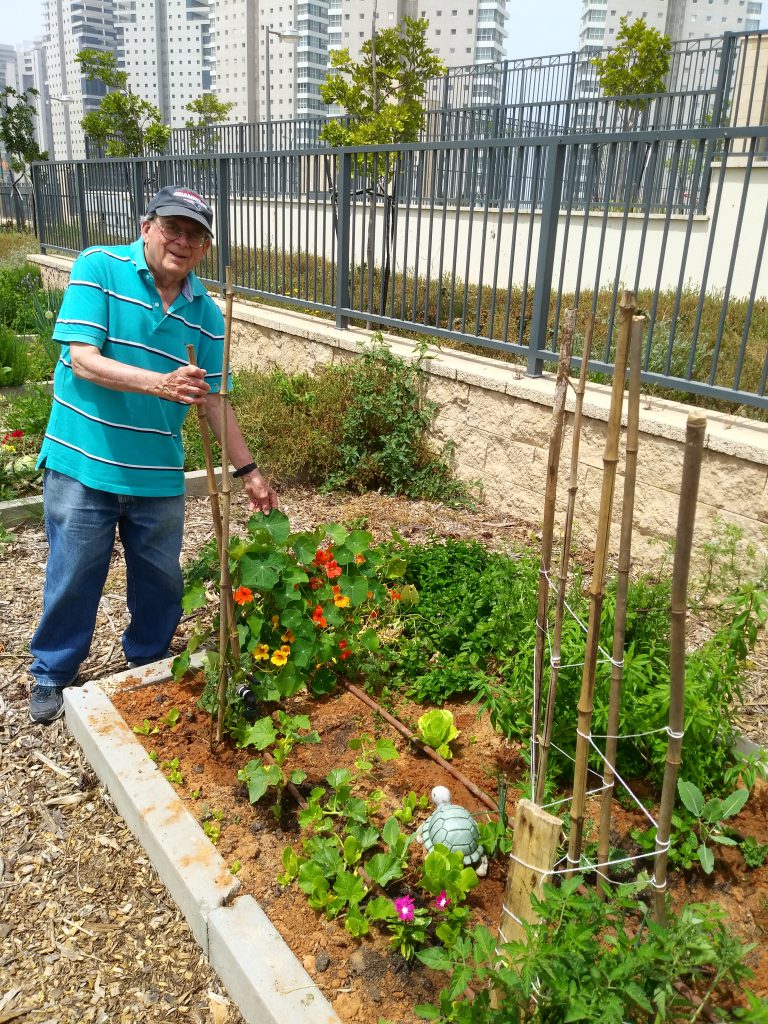
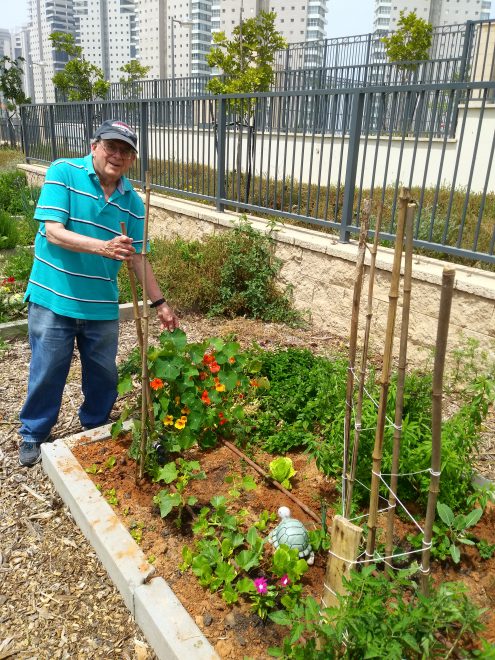
This project began in early April when I received my 2.5 X 1.5 meter plot next to the Ir Yamin cultural center in south Netanya (above photo). In this location, each participant also received seedling starter plants such as tomato, pepper, cucumber,kohlrabi,lettuce, kale, eggplant; and a variety of herbs from the Municipality. The plots are irrigated from drip irrigation systems already in place. The gardens are organic in nature with no pesticides or commercial fertilizers being used, other than natural compost material.

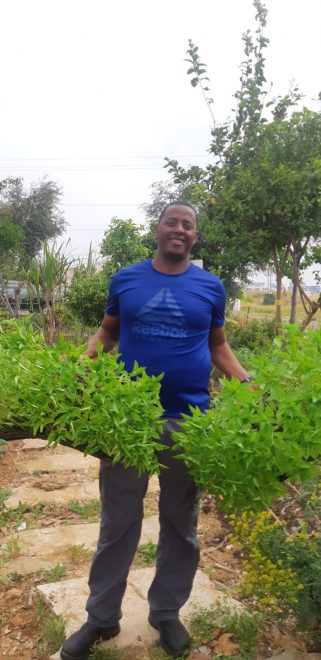
Malcolm, an employee of the Municipality and in charge of Netanya’s 6 community plots (photo) was on hand to give advice and assist plot holders in planting and tending their crops. Being a former immigrant from Ethiopia, Malcolm has been especially helpful with members of his own ethnic community, many of whom are enthusiastically involved in group garden plots in several locations.

“The idea of the group community gardens was formulated to help encourage a feeling of community and of belonging to the particular community where the gardens are located” says Lou Hammer, who previously immigrated to Israel from the USA and is involved in a community garden project in the Dora neighborhood in southern Netanya.

“We have brought people with disabilities here to see the gardens and to participate in planting and growing vegetables. Just seeing the happy expressions on their faces when their ‘crops’ are ready to harvest is proof enough to the success of these community garden projects,” adds Hammer.

Malcolm hopes to write a book on community garden projects and tailor it to school children to increase their interest in agriculture and ‘working the land’. “I also would like to teach kids to grow crops, which will hopefully give them more community awareness as well” he says.

Read more on community and home garden projects:

Harlem Grown grows greens and girls in New York City

How to grow an olive tree in a container

Wadi Rum Bedouins Defy Nature by Growing Organic Veggies

UN applies agricultural tech innovation to improve drought resilience for farmers

0

UAE builds solar powered retreat

Unlocking the potential of agricultural innovations, be it simple solutions or satellite-based technologies, will help prevent a drought from turning into famine and forced displacement and to reverse desertification, FAO Director-General José Graziano da Silva said today.

Speaking at the opening of the 2nd International Seminar on Drought and Agriculture at FAO headquarters in Rome, as part of the World Day to Combat Desertification and Drought celebrations, Graziano da Silva said:  “It is quite impossible to avoid a drought from happening, but we can avoid a drought turning into famine or displacement of people.”

He stressed that more than 80 percent of all damage and loss caused by drought was absorbed by farmers and agricultural sector, noting that one of the main causes of increasing hunger in the last three years was El Niño provoking severe droughts on the East African coast. 

“Every year the world loses 24 billion tons of soils, and dryland degradation reduces national domestic product in developing countries by 8 percent annually,” the United Nations Secretary-General Antonio Guterres said in a video message recorded for the World Day. “We must urgently change such trends. Protecting and restoring land – better use it – can reduce forced migration, improve food security and spur economic growth. It can also help us to address the global climate emergency.”      

Simple solutions – great impact

The FAO Director-General emphasized that in order to cope with droughts and to reverse desertification, in addition to geospatial technologies, farmers can also benefit from very simple solutions.

In this regard, he cited the 1 million cisterns project to storage rainfall as a good example. “This is very simple. You store the rainfall water under your house making it available for drinking and for animals all year round,” he said.

Also in the Sahel region, FAO and partners are supporting the African Union to establish the Great Green Wall- Africa’s flagship initiative to combat land degradation, desertification and drought, the FAO chief said. The plan is to surround the Sahara with a wide belt of vegetation, trees and bushes in order to green and protect the agricultural landscape, preventing the desert from advancing.

“This measure is helping us to stop desertification which is one of the main reasons of growing conflict between pastoralists and farmers,” he added.

Leveraging technologies to combat drought – new WaPOR version launched

The development of innovative applications and portals in recent years can bring accessible and actionable information directly to the farmers’ hands. FAO supports countries in raising awareness and building capacity on such tools to strengthen resilient agricultural practices.

Today FAO launched a revamped version of WaPOR, an open-access database tapping near real time satellite data to monitor land and water productivity in Africa and the Near East. Data from WaPOR, initially launched in 2017, helps policy makers and farmers to make informed decisions to be better prepared for drought and increase agricultural production with less water use.

The updated version 2.0 offers better methodology and covers three additional countries with 100 metre resolution data: Iraq, Sudan and Niger. With recent additions, the total amount of countries covered by this resolution has increased from 18 to 21.

The Government of the Netherlands allocated $2.5 million for the further development of the WaPOR database and its expansion to other areas over the two-year period (2019 – 2020). 

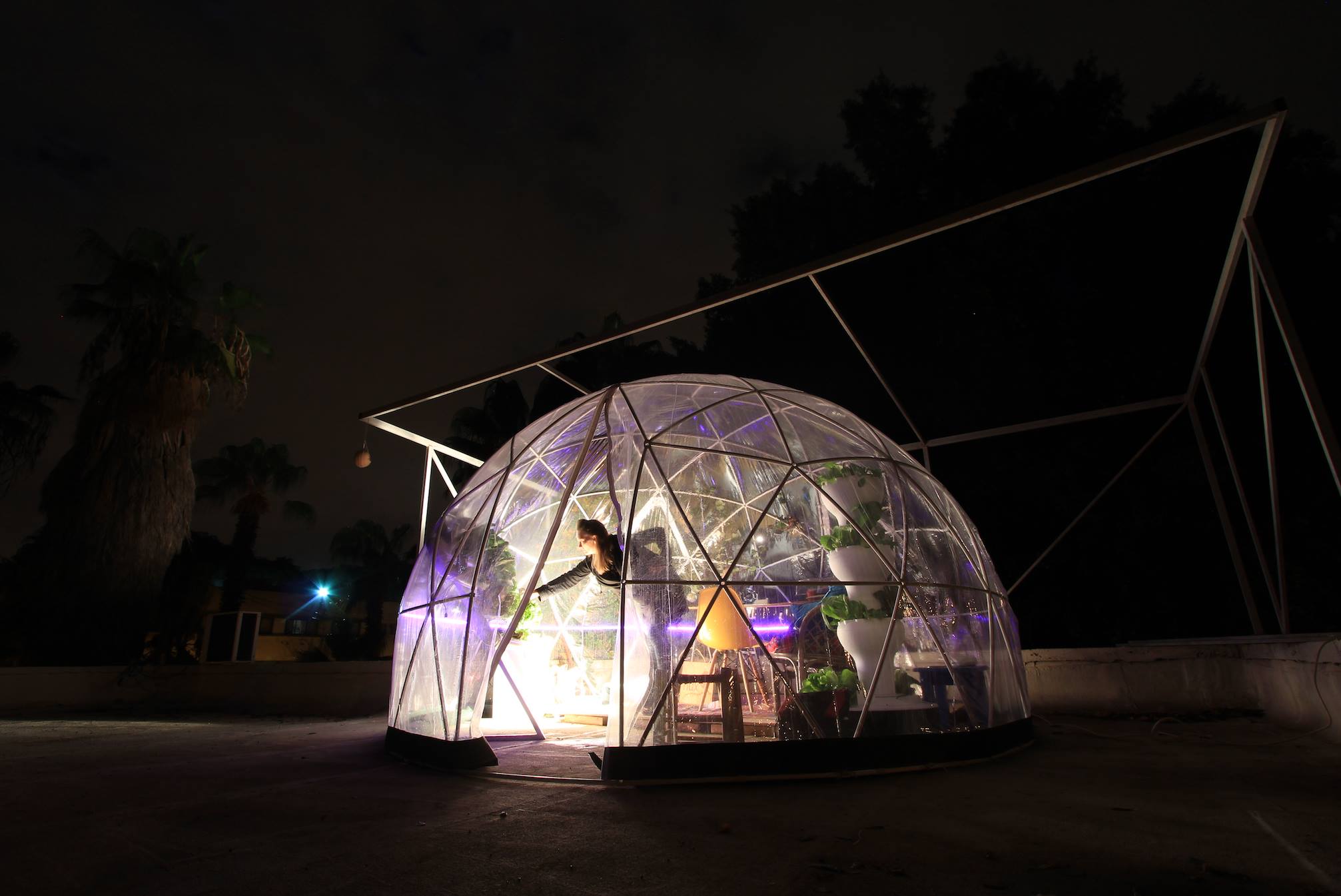
biodome, karin kloosterman, flux, eddy, on roof in Jaffa
The flux biodome is testing plant AI and machine learning to know the language of plants and desert.

Further technologies produced by Israel’s military (see flux for regenerative agriculture) could help immensely as this agtech company can aggregate plant and environmental data to predict and help augment the effects of desertification before they begin.  

Iraq’s breadbasket gets a $15 million EU grant in agriculture

0
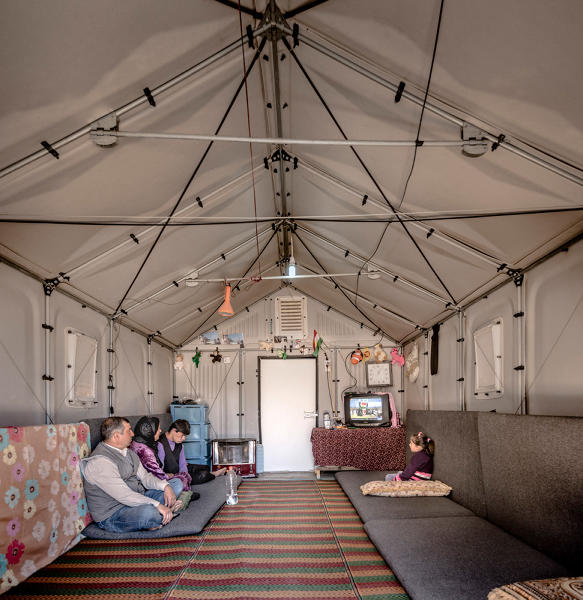
refugee shelters
Iraqis as refugees, Iraqis as victims of ISIS, Iraqis as victims of climate change. Some help on the way to get a leg up on the problem in agriculture.

Farming families in northern Iraq’s Nineveh Governorate (the setting of the Jonah and the Whale biblical story!) will benefit from a European Union contribution of €15 million to the Food and Agriculture Organization of the United Nations to recover agricultural livelihoods. The area, which includes the city of Mosul, was known as the country’s ‘breadbasket’ before conflict caused widespread damage and displacement. 

This project is expected to directly benefit almost 10,000 vulnerable farming families (around 60,000 people), as well as flow-on benefits for local service providers and labourers. 

Stanton - HONY Iraq
Iraqis need subsidies to fix their farms.

Some Iraqis are turning to new crops not dependant on arable land, like these mushroom farmers. There have also been plans to rehabilitate the Iraqi marshlands

“As part of the EU’s commitment to the whole of Iraq, supporting the regions so tragically devastated by the recent conflict remains a high priority. By reviving agriculture in Nineveh, a key sector of the economy, this new project will help communities and returnees in rural areas, increasing their income and employment opportunities,” said Ramon Blecua, European Union Ambassador to Iraq. 

“We are grateful to the European Union for this generous contribution to help us rehabilitate key agricultural facilities and equipment. Getting these services operational again will be a big help for farmers and local businesses,” said Mustapha M. Sinaceur, FAO Representative a.i. in Iraq. “Creating jobs in the heartland of agriculture, where so many jobs depend on the rich soils of Nineveh Governorate, is vital for community stabilization,” he said.  

bread, wheat, science, stem rust, wheat resistant to stem rust, food, health, agriculture, Middle East
Iraqis bake bread for the army


The impact of conflict on the agricultural sector has been devastating and includes damage to water systems, irrigation facilities and other agricultural infrastructure, disruption of value chains and losses of personal assets, crop and livestock production, and food supplies. 

Since the Iraqi government announced the defeat of Islamic State, also known as Da’esh, a year ago, many people have returned, encouraged by the efforts to ensure a secure and safe environment. However, some areas still lack basic services and job opportunities for both returnees and those who remained. 

FAO and the EU working together for family farmers 

agriculture, desertification, water shortages, Iraq, farming, farmer commits suicide
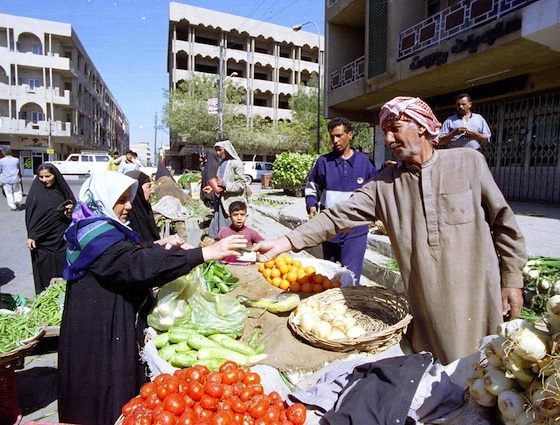
Iraqi farmers at the market


The EU-funded project supports smallholder farming families to diversify incomes, increase resilience, and provide nutritious and healthy diets. 

The project will support vulnerable smallholder farmers to resume vegetable production, introduce efficient irrigation water use and management, encourage agri-food processing, improve small-scale dairy processing and marketing, and boost animal fodder production and conservation. 

Women, in particular, will be supported to participate in home-based vegetable and dairy production and processing. Unemployed young agriculture graduates will be encouraged to benefit from training to gain employment as agri-food processors, farmer field school and farmer business school facilitators, community animal health workers, market information system operators, and food security and nutrition data collectors and analysts. 

Together, these activities will respond to families’ immediate needs for food and essential non-food items as well as restoring agricultural livelihoods that generate income and employment over the longer term. 

At the same time, the project aims to restore vital government infrastructure and support services to the agriculture sector that have been destroyed, damaged, or looted. 

The project is an EU contribution to the UN’s Recovery and Resilience Programme (RRP) in Iraq. It is part of a larger package of support (€ 184.4 million euros) the EU has contributed to support stabilization and humanitarian efforts undertaken by the UN in support of the Government of Iraq since 2016. 

FAO’s response in Iraq 

Under the Iraq Humanitarian Response Plan 2019, FAO is working to ensure rural families have the resources to re-establish and secure their agricultural livelihoods and build their resilience into the future. FAO’s work, in close coordination with the Iraqi government, supports families returning to retaken areas, internally displaced families, host communities and refugees from Syria.

Things To Consider Before Buying An Energy Efficient Hand Dryer

0
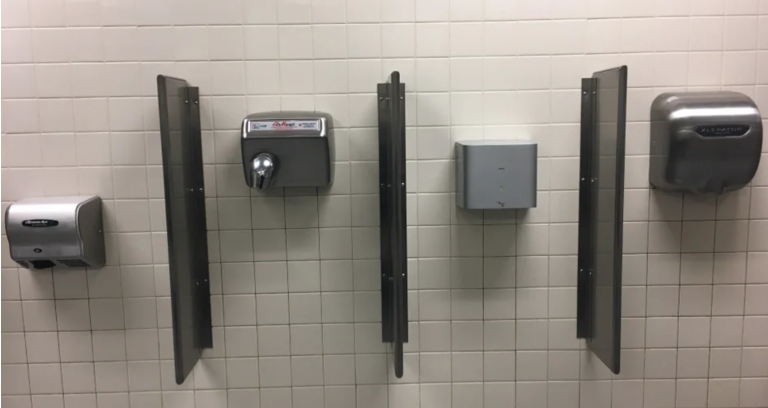
Maybe you want a hand dryer for the home or office. How do you choose the best energy efficient one for you?

It doesn’t take an expert or a scientist to tell you that the environment is suffering from human consumption patterns. Scientists predict bleak futures if we continue down the same path we’re currently on, and unless action is taken, Mother Earth might not be so forgiving in the years to come. Energy consumption, or rather excessive consumption, is one of the worst factors affecting the environment. The carbon emissions and greenhouse gases emitted by energy cause a lot of damage to the environment, and many are starting to become aware of that fact.

One of the products that consumes a lot of energy is a hand dryer, but it doesn’t have to. There are energy efficient hand dryers out there that can help you protect the environment, but there are some things you need to consider before buying one.

Power

The point of getting an energy efficient hand dryer is saving energy. So, you need to ask yourself exactly how much power does it need? There is a catch to it. Powerful hand dryers can dry people’s hands faster and more efficiently, but they’re also very noisy and can be quite annoying. On the other hand, a powerful dryer surprisingly consumes less energy because it’s faster and more efficient, so there’s no need to keep it on for a long period of time.

http://english.sabah.com.tr/economy/2013/11/15/ge-to-invest-bigtime-in-wind-energy-in-turkey

Cost

Protecting the environment is important, and while getting a hand dryer, you should definitely take that into consideration. But let’s face it, no one wants to pay a lot of money just to protect the environment. Fortunately, energy efficient hand dryers come in all shapes and forms, and not all are as expensive as you’d think. You’ll want to get a good model to be hygienic and efficient, and if you add a little extra buck, it can be energy efficient too. But before you frown upon that notion, remember that investing money in an energy efficient hand dryer means saving money on your electricity bills, because saving the environment can also mean cutting down costs if played right. A good, energy efficient, model will also last you a while, so you won’t have to keep replacing an older malfunctioning one.

How much noise does it make?

As stated earlier, quieter hand dryers use less power, but they also run on forever to dry a person’s hand. This is why you need to look it up by the numbers to learn which will be more energy efficient, and cost-saving in return, for you to get. Do you go for the quieter option with less power, but takes extra time? Or is the stronger model with shorter time more energy efficient? Do the math and judge for yourself.

How long does it take?

At the end of the day, a hand dryer is a customer-centric product. So, their experience needs to be pleasant. No one wants to stand over a hand dryer for a couple of minutes till their hands dry off, and they’ll probably walk off with them still wet. So, learn how long the machine takes to dry a hand, and compare it to the energy consumption patterns.

Try different models

It’s important to try out different models before settling on just one. Yes, you want an energy efficient one that will save you money and protect the environment, but there are other factors to consider. Hygiene, for instance, is very important. Some dryers have air filters to ensure that the air that comes out is sanitary. It’s options like these that make a difference for the customers, and that’s what you should go after.

11 million jobs filled in renewables and solar is on top!

0
solar energy jobs, woman at greenpeace demonstration
The workforce in renewable energy is growing at a fast clip. Get the latest report from the international agency, IRENA based in Abu Dhabi.

Eleven million people were employed in renewable energy worldwide in 2018 according to the latest analysis by the International Renewable Energy Agency (IRENA). This compares with 10.3 million in 2017. As more and more countries manufacture, trade and install renewable energy technologies, the latest Renewable Energy and Jobs – Annual Review finds that renewables jobs grew to their highest level despite slower growth in key renewable energy markets including China.                                     

Asia leads with 60% of the renewable jobs                                                                         

The diversification of the renewable energy supply chain is changing the sector’s geographic footprint. Until now, renewable energy industries have remained relatively concentrated in a handful of major markets, such as China, the United States and the European Union. Increasingly, however, East and Southeast Asian countries have emerged alongside China as key exporters of solar photovoltaic (PV) panels. Countries including Malaysia, Thailand and VietNam were responsible for a greater share of growth in renewables jobs last year, which allowed Asia to maintain a 60 per cent share of renewable energy jobs worldwide.

“Beyond climate goals, governments are prioritising renewables as a driver of low-carbon economic growth in recognition of the numerous employment opportunities created by the transition to renewables,” said Francesco La Camera, Director-General of IRENA. “Renewables deliver on all main pillars of sustainable development – environmental, economic and social. As the global energy transformation gains momentum, this employment dimension reinforces the social aspect of sustainable development and provides yet another reason for countries to commit to renewables.”

Solar energy makes up 33% of all jobs in renewables

Solar photovoltaic (PV) and wind energy remain the most dynamic of all renewable energy industries. Accounting for one-third of the total renewable energy workflow, solar PV retains the top spot in 2018, ahead of liquid biofuels, hydropower, and wind power. Geographically, Asia hosts over three million PV jobs, nearly nine-tenths of the global total.

solar energy installation pythagoras sun solar in Israel, solar tulip
Solar energy jobs come out on top in the workforce of renewables.

Most of the wind industry’s activity still occurs on land and is responsible for the bulk of the sector’s 1.2 million jobs. China alone accounts for 44 per cent of global wind employment, followed by Germany and the United States. Offshore wind could be an especially attractive option for leveraging domestic capacity and exploiting synergies with the oil and gas industry.

Renewable energy jobs highlights:                                      

  • The solar PV industry retains the top spot, with a third of the total renewable energy workforce. In 2018, PV employment expanded in India, Southeast Asia and Brazil, while China, the United States, Japan and the European Union lost jobs.


  • Rising output pushed biofuel jobs up 6% to 2.1 million. Brazil, Colombia, and Southeast Asia have labour-intensive supply chains where informal work is prominent, whereas operations in the United States and the European Union are far more mechanised.


  • Employment in wind power supports 1.2 million jobs. Onshore projects predominate, but the offshore segment is gaining traction and could build on expertise and infrastructure in the offshore oil and gas sector.


  • Hydropower has the largest installed capacity of all renewables but is now expanding slowly. The sector employs 2.1 million people directly, three quarters of whom are in operations and maintenance.

Why Reusable Menstrual Products are Good for the Environment

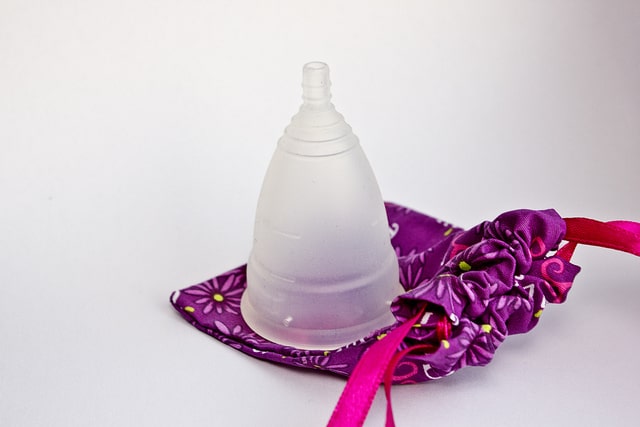
Reusable menstruation cup
Menstrual cup collects menstrual blood, and you can reuse it

 Do you use homemade pads or moon cups? There are so many alternatives to wasteful products that choke our bodies and our natural environment.

The environment is big news right now. Our oceans are full of plastic waste and there are bulging landfill sites all over the world. The biggest problem with the never-ending stream of human waste is that most of it is likely to stick around for a very long time.

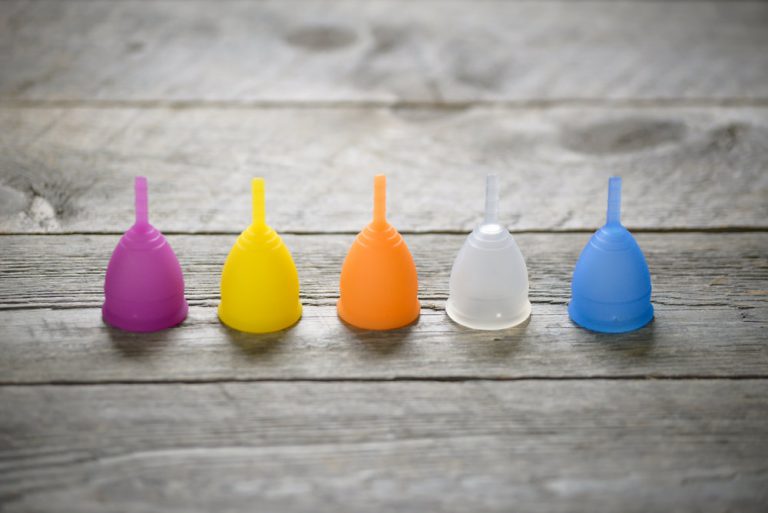
menstrual cups in colours
Menstrual cups in colors of the rainbow

One of the biggest issues is plastic. Each year, we produce millions of tons of the stuff, and every day, around eight million bits of plastic waste end up in the ocean. Conservative estimates say there are around 51 trillion microscopic pieces of plastic in the ocean right now. None of this plastic waste ever goes away. Larger plastic objects break down slowly, over many decades, until they become microscopic plastic fragments, which are swallowed by marine animals and eventually consumed by us and them.

The damage caused to our environment is shocking. You might think that photos of marine animals lying dead on a beach, their stomachs full of plastic waste, does not affect you directly, but it does. Plastic pollution causes knock-on effects, such as chemical contamination of waterways, which ends up in our drinking water. It’s also unpleasant to walk along an idyllic beach and spot used tampons and sanitary towels washed up by the tide.

Bad for the Environment

Tampons and sanitary towels are bad for the environment. They are not sustainable and cause long-term, lasting damage to the world around us. Most of the materials used to manufacture tampons and sanitary towels are non-recyclable, which means they end up in landfill sites and floating in oceans.

On average, women use around 11,000 disposable sanitary products in one lifetime. That’s a lot of waste. Even organic tampons, which are made from organic cotton, are not good for the environment. They do break down, but it’s incredibly slow. In addition, most of the packaging, and in the case of many brands of tampons, the applicators, are made from plastic, so they never break down.

One way to do your bit for the environment is to switch to reusable sanitary products.

Menstrual Cups and Period Panties

Menstrual cups and period panties are more eco-friendly than tampons and sanitary towels. Instead of being discarded after each use, menstrual cups and period panties are reusable and will last for several years.

Menstrual cups are designed to be worn internally, where they collect menstrual blood. Period panties look like regular underwear, except they have a thick, super absorbent layer to soak up period blood and prevent leaks. In both cases, you rinse or wash them rather than throw them away.

There are many different brands of both out there, including Diva Cup, Lunette, Thinx, and Lunapads. You can read menstrual cup and period panty reviews online if you need some help and advice. Alternatively, ask your friends what they use or connect with other users on social media; there is a whole sub-culture of women who actively promote plastic-free periods on Instagram and YouTube. By making the switch to reusable sanitary products, you can join the community and the conversation.

Aa well as being much better for the environment, reusable sanitary products are also much better for your pocket.

Period Poverty Around the World

Women spend around $100 on sanitary products every year. This is a big expenditure for girls and women in low-income households, and in many rural areas, women and girls are forced to make do with rags to soak up their period blood.

Reusable sanitary products are rinsed/washed and reused. With the right care, they can last several years, which saves the user a lot of money.

Menstrual cups and period panties are also a lot easier to use. Once you get used to the technique of inserting and removing a menstrual cup, you will wonder why you haven’t made the switch before. It is far easier removing and emptying a menstrual cup when there is no bathroom available. As long as you have some clean water to rinse your hands and the cup, you are good to go.

Blood as a fertilizer on farms?

In addition, menstrual blood is good for the environment and can be used as an iron-rich fertilizer for plants and vegetables.

african farmer in a greenhouse
Human waste including blood, can be used for fertilizing plants. With caution. 

There are many reasons to make the switch to reusable menstrual products such as menstrual cups and period panties. If you’re not convinced yet, try it for one month and see how you get on?

Drone fishing in Jaffa

0

Drones can clean plastic from the sea. Turns out they can do so much more: When you want to catch the Big One and don’t have a boat, what do you do? Use your drone. We ran into this man Avram “casting” his line out 400 yards (350 meters) at the Sea Port of Jaffa, in Tel Aviv.

fishing drone cast from bike in Tel Aviv Jaffa

drone fishing line jaffa
The drone is used to drop the bait about 50 meters from shore, much farther than one man can cast

fishing-drone-israel-mediterranean-sea

Low impact fishing using a drone

Local men love to fish but most can’t afford to own a boat. Before work or after they jump down to the sea and cast out there line. But fishing in shallow waters will own bring you home teeny tiny fish called ‘barbunia’ or red mullet and they are really an acquired taste. 

But Avram here who we caught on film uses a very clever approach. He has rigged out his drone with a catch and release apparatus. He ties the baited line of his rod to the drone and then steers his drone out 400 yards, deep enough to where the fishing boats can go. He drops the line and brings the drone back to home base. 

He turns the drone off and then tightens the line manually, and waits. It can take  1 or 2 hours until he catches the big one. And it is worth the wait, he tells me. 

Reeling in the drone

“I catch all kinds of fish,” he says. “Grouper, and even red snapper. I caught a 2.5 red snapper last Friday and we ate it at our Shabbat dinner.”

This is out of the box thinking and definately an innovative Israeli approach to fishing. Using hightech for low-tech ideas and pleasures.  Another way to use drones? Dropping cannabis packets on people of Tel Aviv, of course

Have a story like this to share? Drop me a line [email protected]

The benefits of opening a business in Dubai

Dubai 3d printed solar panels
Always on the edge of innovation. Dubai is an interesting place to start a green business for entry to the global stage.

The large number of foreign investors registered in Dubai shows that this destination offers numerous business benefits and the possibility of developing economic activities at a fast pace. In the recent years, the UAE has become a hotspot for anyone willing to establish his/her business presence in most of the sectors of interest without harsh conditions and with the opportunity of making money quite rapidly. The tax regime and the complete control in the company are important benefits to consider at the time you plan to open a business in Dubai.

Dubai atlantis built city
Dubai builds its own Atlantis!

The taxation regime is appealing

Without any doubt, the tax structure in the UAE is on the list of investors wanting to take advantage of a solid and attractive business destination. The good news is that there is no corporate tax and no dividend tax, allowing international entrepreneurs to spend these amounts in other directions. Moreover, if you plan a business in the retail sector in Dubai’s free trade zones, you can benefit from zero taxation, meaning that there are no tax duties and related fees. Even if the VAT of 5% has been introduced since January 2018, this isn’t an impediment for foreign investors because there are VAT exemptions in many sectors. Furthermore, besides the fact that there are tax benefits in Dubai, the startup costs and the annual maintenance expenses are quite low compared to other cities in the UAE

An easy registration procedure

If you are the type of investor who doesn’t want to wait too much for the incorporation procedures and related aspects, it is good to know that the company registration in Dubai is quite simple. Entrepreneurs from abroad can choose the easy registration steps in the business field, meaning that anyone can start a business within a few days without considering any registration complications. If you want to start a car rental business in Dubai for example, there is no need to consider complicated incorporation steps, especially if you plan to open such a company in the free trade zones of the city. The same thing is available for those investors wanting to open a dental clinic in Dubai and perform cosmetic dentistry procedures in a sector that continues to thrive.

The economy in Dubai is a business plus

Daniel Cheong

The economy in Dubai is quite diversified meaning that the business opportunities are huge in most of the sectors. IT, research and development, tourism, the oil industry, and the real estate sector are only a few of the areas in which businesses are successful in Dubai.

Businesses sustained by a solid infrastructure

No matter the type of business you want to set up in Dubai, such as car rental, insurance or travel, you should know that the infrastructure is excellently developed. Dubai has all the transportation ways incredibly well-developed: by air, by sea and by road. It is a known fact that the UAE has one of the most developed infrastructures in the world and this is no exaggerated statement.

As a short conclusion, the benefits of starting a business in Dubai are huge, whether as a local entrepreneur or from overseas. The only thing left to do is to choose wisely the sector in which you are interested in generating profits.

Natural fabric wallpaper that hipsters and walls will love

0

I was a 70s kid. I saw the days it took for my mother to put up her flower-power wallpaper. Back then wallpaper was a must, along with bell-bottoms, Velveeta on celery sticks, and Disco. And as I learned over the years: it is sort of permanent, so you better make a solid choice. We still have wallpaper up from the 70s in my parent’s home in Canada! Back then you would have to first cover the paper with a stinking chemical glue and then carefully adhere the paper as it slowly dried to the wall. Many of us now look back at wallpaper and shirk.But things have changed. Today when we look for wallpaper, we want things that are chemical free and good for our spirit, mind, health and planet. If you live in the Middle East like I do you might want a wallpaper solution not just for a lovely earthy texture on your walls, you might want it to cover up the cracks or use it as the cherry on top of your green home.

A permanent fix for cracked plaster

The homes in the Middle East typically do not come with those flat and straight plaster boards. It is straight plaster on cinder blocks or over cement and plaster bricks. No matter how many times we replaster the walls at my home every season in Jaffa the old cement plaster house shifts and we get huge fissures running down the walls. There is nothing you can really do about that – it’s the nature of old buildings, but a good wallpaper can give you a few years of relief
from the cracks.

When I was looking for wallpaper solutions for my family room I came across this really neat coming in Germany. They make a sustainably sourced and fully compostable wallpaper called Veruso Lino that gives your walls a modern look that is homey, warm and easy to maintain.

Veruso Lino is a woven wallpaper made of plant-based materials such as linen and a wood composite, requiring little water to grow.

The company “Wallpaper from the 70s” (yes! that’s their name!) apply a new felting technique in the production so that they don’t use hazardous off-gassing chemicals in the binding process. Going all the way they use natural dyes in warm neutral hues and seeing the actual plant fibres on your wall gives you a back to nature vibe even if you are living in the middle of Istanbul or Cairo. Old-school papers that our parents used were full of plastics and impossible to recycle after they are pulled off the wall. We can even hazard to guess that the Veruso Lino line can be painted over one day, or maybe even stained over when you want to change the look.“We are a small German company and fully believe our future must be sustainable. This is also why we decided to push Lino, although financially for us it’s not an easy proposition,” the company representative tells Green Prophet.

Other so-called “natural” paper or wood wallpaper products, according to the company are not really environmentally friendly because of the industrial dyes and adhesives used in the process. Then they are simply painted with commercial wall paints and synthetic resins.

Imagine the Blue Fields of Normandy

The majority of the Lino wallpaper is made from flax. Flax fibres are one of the oldest cultivated fibres known to mankind. Grown in Normandy in Northern France, consider that before they were on your walls the flax was part of that gorgeous bright blue landscape soaking up the sun (sort of reminds me of my Babaa natural wool sheep sweater that still has flecks of Spanish countryside in it from the sheep as they grazed). Flax, like hemp, is a very good utilitarian fibre perfect for regenerative agriculture Like are anti-static, dirt-repellent and antibacterial by nature!

Why not just flax?

Just on its own though flax would never stick to the wall – or maybe it would if you used crazy glue but that’s ridiculous. The company needed to make a composite and chose viscose which sounds synthetic but which is actually a wood based product sourced from Lenzing, a company in Austria that uses FSC-harvested wood in a closed cycle approach. Other cool features of owning a natural-fibre wall: heat insulating, moisture absorbent, low flammability ratings and sound absorbent!

As for pasting, the company also sells organic wallpapering paste. Small packets to which you add water.

·       100% pure methyl cellulose, made from wood fibre

·       Free of fungicides, preservatives and synthetic resins

For about $10 a pack you are good for 6 rolls of wallpaper. I already
see the new baby room coming to life. You too?

The future of green building in the Middle East looks backward

0
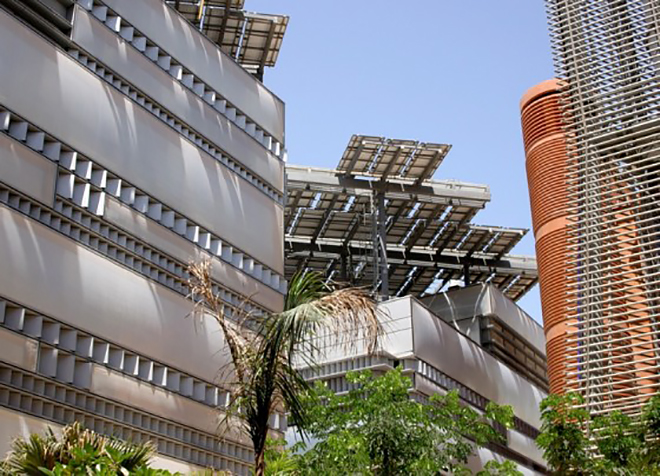
Masdar – the ecotopia that never was.

When Masdar, the space-age city in Abu Dhabi was in its planning stages, architects from Europe, building suppliers, advisors and energy creators were agog. A lot of purportedly “green building” was to take place and billions in contracts for wild dreams were to be awarded.

It was the same sort of energy surrounding Better Place the promised all electric car company that got almost a billion in investment which was squandered in all the wrong places. While Better Place was a good idea with a bad plan, Masdar was a bad idea with a good plan. With Masdar I always felt it was a story of the king not wearing any clothes, or like the meltdown of Amy Winehouse. All the players in the story were more than happy to go along with the lie because it was in their interest for the project to go ahead.

Masdar, an $18 billion experiment in sustainable living, was supposed to be the world’s first zero energy city. No building can be zero energy. Every building, village, town, city we create cannot be sustainable or perfectly environmental or zero energy. When we build on the environment, once a desert, forest or grassland, it is changed, maybe forever. 

Masdar was also supposed to be liveable. When we sent a reporter there some years ago no people were in sight. We had one dispatch once from a student who was staying there and when she talked with us it felt like she was talking to from a closet.

Green building technology in the eyes of the planet is a bit of an oxymoron in my opinion especially when the people running the technology show are coming in with Western Silicon Valley ideals that are really incompatible with how I think future cities should look in the Middle East.

Fast Company points out the problem: “The Masdar City model seems difficult to reproduce: too isolated, too expensive, too empty. The embryo town appears rather as a symptom of the obsession of a state with regard to its future. What will become of this territory, once the hydrocarbon reserves underneath its soil are depleted? In response, the frenzied builders attempt to inscribe life in a permanent fashion on a land that seems hostile to human existence. It is about facing the fear of death by building quickly (an “instant city”), to help transition to an Emirates that is a techno-ecological leader. Masdar City is meant to be the laboratory. Opening soon . . . one day.”

Or never?

If we want to create progress in the Middle East in green building, architects, planners and investors need to move away from trendy ideas (shipping containers – read why we think they suck!) to going back to relationships with local traditions and cultures.

A few good places to start building greener in the Middle East:

Hassan Fathy was an Egyptian visionary architect who used local building materials to create relatable, affordable, comforting green buildings.

Mashrabiya is an aesthetic concept in the Middle East which creates shade and privacy and mitigates heat islands passively in buildings.

The Windcatchers of Yadz offer a fabulous, local solution to cooling rising temperatures that can go up to 50 degrees C in the Middle East.

Start with these few resources for a more modest approach before a layer of green technology or western ideology approaches Middle East architecture. 

Mental health becomes a thing of concern among the elderly population – Common disorders

0

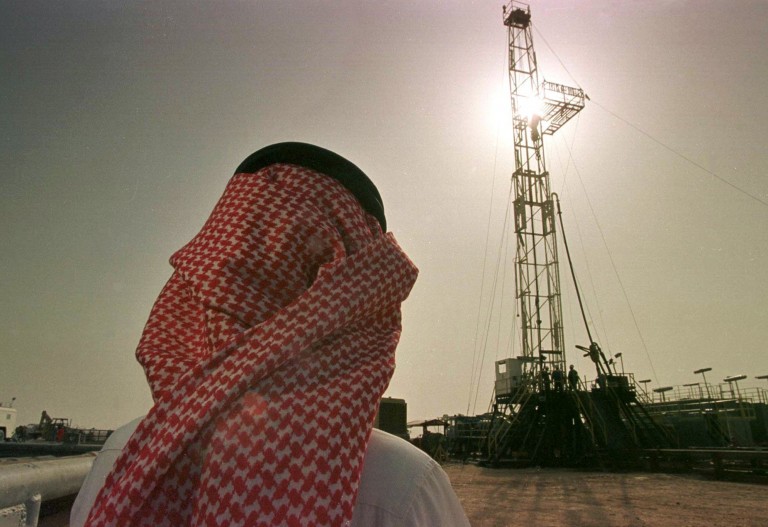
arab man red hat in nature

Throughout the globe, the population is aging at a rapid pace. Between 2016 and 2050, the ratio of the population all over the world that will have crossed 60 years of age will double from 12 to 22%. As is mental health important during any stage of life, it becomes even more vital during old age as both physically and mentally, a person starts facing various kinds of impairments. Neurological and mental health disorders among the seniors account for 6.7% of the total disability rate of the senior population. Around 20% of the adults who are above the age of 60 years suffer from some type of mental disorder, whether serious or not.

The older generation, who are above 60 years of age usually make necessary contributions to not only their families and their family assets but also to the society as active participants. Though most among them have perfect mental health, there are several adults who are at high risk of developing certain neurological, mental disorders or even substance abuse issues. Other health conditions like hearing loss, diabetes, rheumatoid arthritis or osteoarthritis are also a part of their old age. There are many unfortunate seniors who experience different conditions at the same time.

Too many seniors live with disability – What is the problem?

As mentioned above, the proportion of aging adults is all set to double to 12 to 22% and this implies a clear increase from 900 million to a whopping 2 billion people who will have crossed the age of 60 years. The older generation faces specific mental and physical health challenges which need to be diagnosed and treated on time.

More than 25% of the seniors above the age of 60 suffer from neurological and mental health disorder which excludes headache problems and 6.8% of all the seniors who are disabled among the 60 year olds is said to have occurred due to neurological and mental health disorders. Two of the mostly occurred neurodegenerative disorders that occur to the seniors are depression and dementia. Just after them, there are anxiety disorders which set an impact on 5-7% of the population. When seniors suffer from substance abuse issues, these are mostly left untreated.

In a nutshell, mental health issues among the seniors are usually under-identified by the professionals and by the senior patients. The social stigma that is still attached with mental health disorders actually bar people from seeking help. Individuals who are suffering from dementia in places like Prestons and Leppington can seek help of home care Prestons as professionals commit to take care of the patients.

The potential risk factors for mental health issues among seniors

There can arise several types of risk factors for all the above listed mental health disorders found in seniors. The elderly usually experience problems which are common to even the young and also those stressors which particularly occur to the seniors. Reduced mobility, frailty, chronic pain and several other health issues mark old age. The seniors are more vulnerable to experiencing events like a sudden drop in their socio-economic position due to their retirement or bereavement due to loneliness. Such life stressors lead to isolation and physical distress for which they might need long-term care from their family members.

We all know that there is a strong link between mental health and physical health. The older people who have heart conditions are more susceptible to mental decline and depression as compared to those that are healthy. Undiagnosed and unattended depression in a senior who also has heart issues can have a serious negative consequence in the near future.

Apart from these physical and mental conditions, one more things that the seniors are subject to is elderly abuse which includes verbal, physical, sexual, financial and psychological which rises from constant neglect, abandonment, huge losses and hurt to self-respect and dignity. There are proof of this fact that 1 among 6 elderly people can experience senior abuse which can even go to the extent of physical injuries which often lead to mental consequences like anxiety, panic attacks and depression.

The importance of maintaining consistent support systems and compassionate oversight cannot be overstated, as it plays a crucial role in enabling seniors to recover from trauma and retain independence through access to personal care services tailored to their emotional and physical needs. Ensuring these services are accessible helps reduce long-term harm and improve overall well-being among the elderly.

It’s the correct decision to seek outside help when the work becomes overwhelming due to medical complexities, emotional stress, or time constraints. Qualified experts who get paid to be a caregiver know every nuance of senior care, from managing medication schedules to providing companionship and emotional support. Their training allows them to adapt care plans as needs evolve, ensuring a higher quality of life. This dependable support can make all the difference for both seniors and their families.

Public health issues – Depression and Dementia

DEPRESSION

This is a mental health disorder which can cause huge amount of suffering as it can impair the way you have been functioning your life. Among the general senior population, unipolar depression happens to 7% of them and this disease accounts or 6% of the YLDs among the seniors. In primary care settings, depression is something which is mostly left undertreated and underdiagnosed. Symptoms are most often untreated as they seem similar to the normal process of aging. Depression also leads to poor overall health and hence you have to utilize various effective health care services in order to cure it as early as possible.

DEMENTIA

Dementia is not a disease but it is a syndrome which is of progressive and chronic nature where there’s deterioration of memory, behavior, thinking ability and ability to perform daily activities. This mainly occurs among the elderly people and its symptoms are often confused with that of aging. In Australia, there are several dementia caring Sydney professionals who offer day care services for the patients who aren’t able to perform their daily tasks on their own. More than 50 million people all over the world are living with dementia and it has been projected that the total number of people living with dementia would soar up to 84 million by 2030 and 155 million by 2050.

Geriatric Psychology – What it is and how it helps deal with mental disorders

Andy recently celebrated her 90th birthday but rather than being happy, she began to feel depressed about it. As she gave a retrospective glance to her life, she saw her husband leaving her 10 years ago, she lost her hearing and her son shifted her to a nursing home. From the time Andy was shifted to a nursing, she started feeling eerie and anxious all the time. According to her, the nurses keep buzzing all around her and this scares her. What is the reason behind such an unusual feeling?

Well, we can’t deny that aging comes with a whole new set of problems. While most people think of the common issues like loss of fitness, lack of flexibility and being more vulnerable to diseases, there’s more to it. There are also several psychological issues which start occuring as people age. This is where geriatric psychology comes in as it takes of the mental health issues which occur among people who are above the age of 65.

Just as Andy, there are many other patients who find themselves to be anxious and depressed all the time. Moreover, there are other issues like substance abuse and psychosis. Read on to know more on geriatric psychology, also known as geropsychology.

Geropsychology – What is it?

Psychology is a study of behavior and mind. Psychology is unique and therefore there are several types of roles of a psychologist – an educator, a researcher, policy advocate and a licensed health care provider. Psychologists are trained professionals and they have to complete 7 years of training and education after their undergraduate degree.

Geropsychology is a field with psychology which deals with the study of senior mind and providing clinical services to the aged people. Geropsychologists are researchers and they spread their knowledge of the normal process of aging and test several psychological interventions which can help in dealing with the problems that are common with old age. Geropsychologists help the seniors as well as their families to improve their mental and physical well-being and help them achieve their maximum potential during their golden years.

A surge in demand for psychological services for the seniors

  • There is a surging demand for more and more mental health professionals who have expertise and experience in dealing with senior care. This soaring demand is mainly due to the growing senior population all over the globe. It is expected that there will be a hike in demand for services catering to mental health and this is specifically going to increase among the middle-aged people.
  • According to latest researches, it is seen that a wide variety of older adults wish to receive proper treatment in case they developed clinical depression. If you give a choice to the seniors to find out a cure for depression, they will often opt for anti-depressant medicines. On the other hand, the elderly adults claim to feel more comfortable when they receive services from expert professionals.
  • There are also researches which reveal the fact that there are 2/3rds of the elderly population who suffer from some kind of mental health disorder but they do not receive proper treatment. This is an issue which is more acute among the underserved and rural groups, especially those who live under poverty level.

Are there any policy recommendations to facilitate the state of mental health care?

  • There are policies which improve opportunities for better professional courses in the psychology of aging seniors at both the postdoctoral and doctoral levels of medication education. These will probably address the multiplying concerns of the older adults who are in dire need of mental health services.
  • There should be an increase in the initial diagnosing and treatment of mental health problems among the seniors through different provision of services in different areas where seniors are frequent visitors. Some such areas might be senior centers, primary care settings, libraries, residential settings and other community sites.
  • Improve basic behavioral research at the National Institute of Mental Health and at the National Institute of Aging. There has to be a boost in funding for research training and for the dissemination of psychological treatment based on evidence.
  • There are policy guidelines which support legislation to double the access to the best mental health services for the seniors. There are more than one impediment to such treatments like the monetary costs, dearth of balance between mental health services and reimbursement of health, improper diagnosis of mental health diseases among seniors, lack of enough programs which solely focus on senior mental disorders, transportation issues and the social stigma attached to it.
  • Better coordination of physical and mental health care has to be promoted. Due to the complex interplay of mental and physical health problems among the older adults, there is a need of interdisciplinary care for being able to offer optimal care.
  • Enhanced funding through Older Americans Act, Medicaid and Community Mental Health Services Block Grant to improve access to supportive services which are designed to meet the needs of the seniors.

Interventions to make the lives of seniors comfortable

If there isn’t fast recognition of the diseases, whether neurological or mental or substance use disorders, things can get worse among the seniors. This is why medicines as well as psychological interventions are necessary. Though there are still no medicines invented which can cure dementia, yet with the right kind of support, it is at least possible to enhance the lives of people who are suffering from dementia. Here are few psychological interventions that can help:

  • Diagnosing the disease too early so that it promotes optimal management
  • Recognizing and treating the physical issues which arise due to mental disorders
  • Improving mental as well as physical health, well-being and functional ability
  • Identifying and tackling challenging behavioral changes
  • Offering long-term support to the caregivers

How to promote proper mental health care within the community

In order to promote the health of seniors, social care and good general health is vital. You have to prevent all sorts of illnesses and also keep chronic diseases at bay. Therefore it is imperative that you impart proper training to the health providers who are working directly with such disorders and issues. It is also vital to focus on long-term care of seniors who are suffering from mental health disorders.

Do you find any possibility of imagining a dementia-free world? Since there is no cure to this neurodegenerative disorder, it is tough to envision a world sans dementia but it is definitely possible to spread awareness and halt the progression of this disease.


Banana leaves replace plastic packaging in Asian markets

0

Plastic packaging alternative

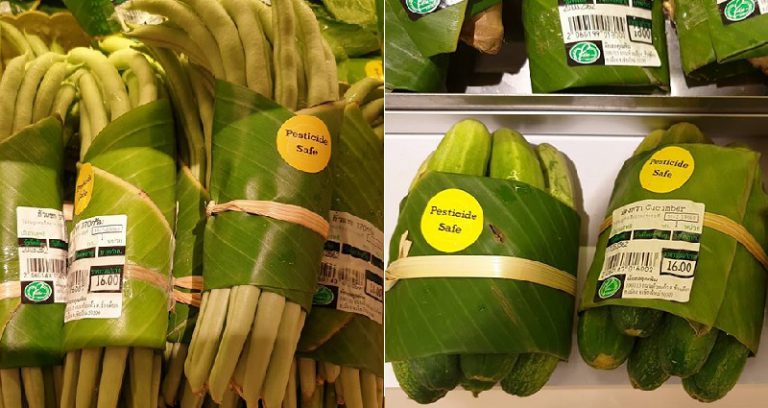
A Thai supermarket in Chiangmai has devised a brilliant alternative to plastic produce packaging, turning to natural banana leaves and raffia to bundle vegetables. Shoppers  immediately responded, posting pictures of the aesthetically pleasing and sustainable wrappers on social media. 

Lebanese monkey escapes across border, drives Israelis bananas!

0

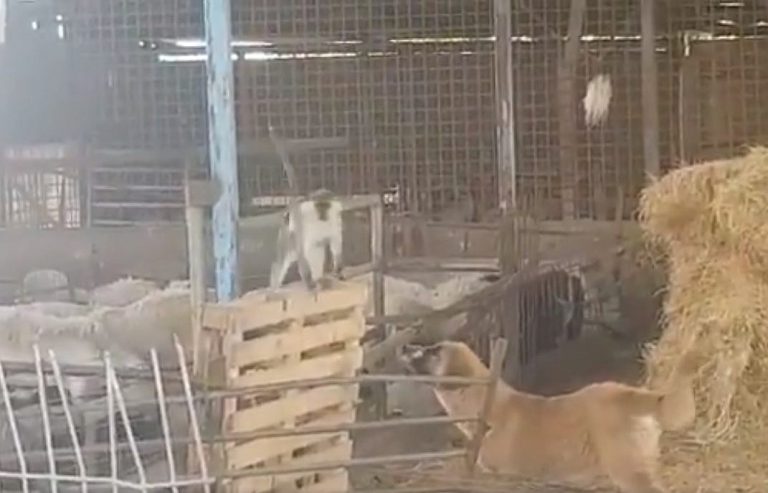
runaway Lebanese monkeyA frisky little monkey has been spotted in northern Israel after apparently crossing the heavily militarized Lebanese /Israeli border. According to a local Lebanese news report, the monkey had escaped from the farm of French nun in the Qouzah village in Bint Jbeil. The apostate primate has since been spotted in several locations across northern Israel. 

Costa Coffee UAE rewards eco-customers with free coffee!

0

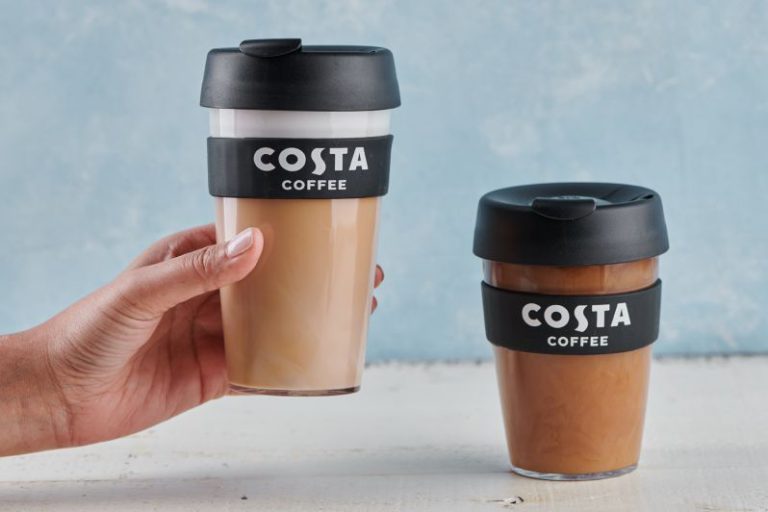
Free coffee to reusable cupholdersNext Wednesday, baristas at Costa Coffee will be pouring free coffee for all United Arab Emirates (UAE) customers who belly up to the coffee bar bearing personal reusable cups.The giveaway celebrates World Environment Day 2019, which falls on June 5th.

Earlier this year, the company reduced the price of all its coffee drinks by AED2 (about half a US dollar) for reusable cup-toting consumers. Since doing that, more than 20,000 customers have taken advantage of the offer, in the process diverting at least that many paper cups from UAE landfills.

Costa is now turning its attention to its straws, replacing the plastic variety with a fiber-based option that is less environmentally damaging. In partnership with Dubai International Airport (DXB), Costa has commissioned award-winning sculptor Mariska Nell to create an enormous globe, fully formed from 60,000 upcycled straws. The installation (image below) will be on display in DXB at Terminal 3 Arrivals from 31 May for passengers using the world’s busiest international airport to see, reminding them to take greater care of our planet.

Mariska Nel Dubai“The food and drink industry is really waking up to the threat of plastic on the world’s environment and we as a company are committed to making changes to ensure a more sustainable offering,” head of marketing at Costa Coffee UAE Shemaine Jones told Time Out Dubai. “We commissioned Mariska to create the globe art installation using our old plastic straws to creatively highlight the vast use of plastic we are ridding from our stores and make travelers in the airport stop and think about their own sustainability efforts.”

Costa is also introducing napkins and cupholders made from recycled materials in all stores to help reduce paper wastage in the region. For more information on the offers and initiatives at Costa, head to the company’s Instagram page or visit their corporate website.