Somehow vegetables with short seasons excite the imagination and appetite more sharply than produce that’s available all year around. Good Middle Eastern cooks have many recipes for delicate fava beans, and this turmeric-fragrant soup is one.
Somehow vegetables with short seasons excite the imagination and appetite more sharply than produce that’s available all year around. Good Middle Eastern cooks have many recipes for delicate fava beans, and this turmeric-fragrant soup is one.
Somehow vegetables with short seasons excite the imagination and appetite more sharply than produce that’s available all year around. Good Middle Eastern cooks have many recipes for delicate fava beans, and this turmeric-fragrant soup is one.
Somehow vegetables with short seasons excite the imagination and appetite more sharply than produce that’s available all year around. Good Middle Eastern cooks have many recipes for delicate fava beans, and this turmeric-fragrant soup is one.
Somehow vegetables with short seasons excite the imagination and appetite more sharply than produce that’s available all year around. Good Middle Eastern cooks have many recipes for delicate fava beans, and this turmeric-fragrant soup is one.
Somehow vegetables with short seasons excite the imagination and appetite more sharply than produce that’s available all year around. Good Middle Eastern cooks have many recipes for delicate fava beans, and this turmeric-fragrant soup is one.
Somehow vegetables with short seasons excite the imagination and appetite more sharply than produce that’s available all year around. Good Middle Eastern cooks have many recipes for delicate fava beans, and this turmeric-fragrant soup is one.
Somehow vegetables with short seasons excite the imagination and appetite more sharply than produce that’s available all year around. Good Middle Eastern cooks have many recipes for delicate fava beans, and this turmeric-fragrant soup is one.
The Green New Deal is a term that has been thrown around recently as a potential option to address serious issues related to climate change. While many people have heard about this proposal, there are still a lot of questions about what it actually entails. The Green New Deal is a term that builds off of the New Deal that was run by Franklin Roosevelt shortly after the Great Depression. By coining a term such as the Green New Deal, legislators are seeking to build off of the successes that came from the New Deal, which was in effect about 80 years ago. Unfortunately, there is still a lot of uncertainty surrounding the proposals of the Green New Deal. What are a few of the most common questions?
What Exactly is the Green New Deal?
In the Green New Deal, the government does not fund projects directly but instead provides monetary backing to promote a variety of sources of clean energy. Some examples of clean energy include:
Water power such as hydroelectric plants
Solar power such as solar panels
Wind power such as windmills
Specifically, the Green New Deal will seek to shift the country’s dependence away from fossil fuels and carbon emissions, instead choosing to focus on “green” sources of clean energy. By reducing the country’s consumption of fossil fuels, the hope is that the rate of climate change will start to slow.
What Does the Green New Deal Do?
The goal of the Green New Deal is to shift the country to 100 percent reliability on zero-emission energy sources over the next 10 years. While this is a great goal, it is a tough ask. Currently, about 80 percent of the country’s energy needs are met by the country’s consumption of fossil fuels. The country would try to create tax incentives for people to use green sources of energy. Furthermore, the Green New Deal also seeks to increase the number of educational opportunities that are available in this sector.
How Does the Green New Deal Plan to Accomplish These Goals?
Unfortunately, the specifics of the plan are still largely unknown. In the resolution that was placed before Congress, the bill tried to display the problems of climate change alongside the Green New Deal with an increased sense of urgency. Prior to this point, many of the plans to address carbon emissions have been met with legislation such as an increased tax on fossil fuels. At the very least, the Green New Deal has led to an increased discussion surrounding climate change. On the other hand, the specifics at this point are still very much unknown.
How Much Does the Green New Deal Cost?
This is another common question; however, without any specifics of the plan, it is difficult to estimate the cost of this plan. Some of the early estimates have come in at around $1 trillion per year for the next 10 years. Even though many people feel that the United States can handle a much larger deficit, it will still be tough to pass a plan through Congress until the numbers become more concrete.
The Abu Dhabi Fund for Development (ADFD), the leading national entity for international development aid, together with the Cuba’s Ministry of Energy and Mines, and International Renewable Energy Agency (IRENA), today inaugurated a new 10 megawatt (MW) solar PV project. The grid-connected project was financed by ADFD with US$15 million under the IRENA/ADFD Project Facility and will deliver enough electricity to power the equivalent of nearly 7,000 Cuban homes.
The solar PV project contributes to the Cuban government’s national objectives to reduce the use of fossil fuels for electricity generation and increase the share of power from renewables to 24 per cent by 2030. This project will mitigate around 12,700 tCO2 emissions annually.
The inauguration took place in the presence of Cuba’s Vice-Minister of Energy and Mines, Mr. Livan Arronte, His Excellency Bader Almatrooshi, UAE Ambassador to Cuba, and Francesco La Camera, Director-General of IRENA.
Speaking on the occasion, His Excellency Mohammed Saif Al Suwaidi, Director General of ADFD, said: “ADFD is proud to have partnered with the Cuban government and IRENA in completing this crucial 10 MW solar PV project. We are confident that the impact from this renewable energy venture will ensure widespread economic, environmental and social benefits to the Cuban people.”
He added: “The Fund’s interest in the renewable energy sector reflects its dedication to supporting international efforts to achieve the outlined energy priorities of developing countries and the UN’s SDGs, as well as contribute in meeting global climate targets.”
His Excellency Bader Almatrooshi, said: “As an active member of the international community and under the leadership of the UAE President His Highness Sheikh Khalifa bin Zayed Al Nahyan, the UAE proactively supports global efforts to achieve the outlined objectives of the UN’s Sustainable Development Goals (SDGs).”
He added: “The UAE and Cuba enjoy long-standing and robust bilateral relations. This project is a testament to cross-border collaboration in supporting transformative renewable energy projects across the world.”
Commending ADFD and IRENA for their role in supporting national energy, climate and sustainable development priorities, His Excellency Raúl García Barreirosaid: “Not only has the funding from ADFD helped in achieving outlined national priorities, but also helped in the completion of this transformative venture. The unique and important partnership with ADFD has aided in meeting the country’s energy targets.”
He added: “Furthermore, the IRENA/ADFD Project Facility is a testament to the importance of cross-border innovative solutions in renewable energy. The 10 MW Grid-connected Solar PV project will help in reducing greenhouse gas emissions and increase the share of renewables in Cuba’s energy mix.”
The project was approved for funding by ADFD during the second cycle of the IRENA/ADFD Project Facility as part of the ADFD initiative launched in 2013 with a commitment of US$350 million over seven funding cycles to support renewable energy projects in IRENA-member developing countries.
IRENA Director-General Francesco La Camera said: “Today marks an important moment for Cuba and the Cuban people. Renewable energy supports energy security, creates jobs and contributes to emission reductions. This 10MW project sets Cuba on a positive pathway to meeting these objectives and demonstrates that through strategic cooperation we can inject momentum into the energy transition.”
To date, ADFD has provided concessionary loans cumulatively valued at US$245 million to 24 renewable energy projects over six cycles of the IRENA/ADFD Project Facility.
Notably, from its inception in 1971 until December 2018, ADFD has financed hundreds of development projects in the renewable energy sector around the world worth US$1.187 billion. Driving the objectives of the United Nations’ Sustainable Development Goals, these projects have contributed to the production of about 2,584 MW of renewable energy in benefited countries.
Summertime, and the green outdoors beckons. It’s tempting to go for a healthy walk outdoors. But what if you live in an apartment, a bus ride away from a park? Or spend the best part of daylight hours in an office building? Most of Western humanity is already living in units stacked up one on top of another, where sidewalk trees and the occasional weedy empty lot is people’s only exposure to plants.
How about fresh air? Everyone’s walking around with their tongues hanging out from he summer heat, worse these days due to global warming. Why open windows when air conditioning offers instant relief?
Our urban work places and homes are like sealed environments. And in them, thousands of everyday objects subtly release chemical gases. Formaldehyde, for example, is present in grocery bags, waxed papers, facial tissues, and paper towels; cleaning products, cigarette smoke and cooking fuels. So is trichloroethylene, a chemical used in manufacturing ink, paints, lacquers, varnishes, and adhesives. Benzine is present in gasoline, inks, oils, paints, plastics, and rubber. Consider that every time you blow your nose, you come in contact with formaldehyde. When you print documents out, you’re unconsciously inhaling minute amounts of benzine.
Long-term exposure to these, and other common pollutants, takes a deadly toll on our health.
No one’s going back to using cloth handkerchiefs or hand-copying papers. But we should look for ways to get pollutants out of the enclosed environments we live in. A partial solution lies with Mother Nature – green your space.
Back in 1989, NASA did a joint two-year study with the Associated Landscape Contractors of America on how to clean the air in entirely sealed environments, that is, spaceships. They concluded that to maintain good air quality inside a space ship, astronauts should grow living plants to absorb and synthesize pollutants, in effect “scrubbing” the air. The researchers write,
“Since man’s existence on Earth depends upon a life support system involving an intricate relationship with plants and their associated microorganisms, it should be obvious that when he attempts to isolate himself in tightly sealed buildings away from this ecological system, problems will arise. Even without the existence of hundreds of synthetic organic chemicals off-gassing into tightly sealed environments, man’s own waste products would cause indoor air pollution problems. The answer to these problems is obvious. If man is to move into closed environments, on Earth or in space, he must take along nature’s life support system.”
This study generated others on air quality in submarines, and “sick buildings.” The interest hasn’t stopped there. A study conducted across America by the Harvard T.H. Chan School of Public Health and Brigham and Women’s Hospital concludes that women who live among plants live longer, by 12%, than those who don’t. Green women stay mentally healthier, too. The study was done over 8 years between 2000-2008, and involved 108,630 women.
“We were surprised to observe such strong associations between increased exposure to greenness and lower mortality rates,” said Peter James, research associate in the Harvard Chan School Department of Epidemiology. “We were even more surprised to find evidence that a large proportion of the apparent benefit from high levels of vegetation seems to be connected with improved mental health.”
More impressive statistics that emerged from the Harvard study: Women living in the greenest areas had a 34% lower rate of deaths related to respiratory diseases. Women’s deaths from cancer were 13% lower in homes where there was plenty of contact with trees and plants.
“We know that planting vegetation can help the environment by reducing wastewater loads, sequestering carbon, and mitigating the effects of climate change. Our new findings suggest a possible co-benefit — improving health — that presents planners, landscape architects, and policy makers with an potential tool to grow healthier places,” said James.
Women were the focus of the Harvard study, but clearly the green factor benefits men as well. Researchers suggest that cleaner air, the noise-buffering effect of large plants like trees, and “opportunities for physical activity” – meaning gardening – are the life-prolonging elements here.
I add, anyone who’s had pleasure in tending plants knows how therapeutic the gentle toil is. Gardening also provides opportunities for social interaction; getting together with other gardeners, having something valuable in common with all kinds of people. And even if you’re not a people person, caring for plants gives you the satisfaction of living things that respond to your attention with flourishing green beauty.
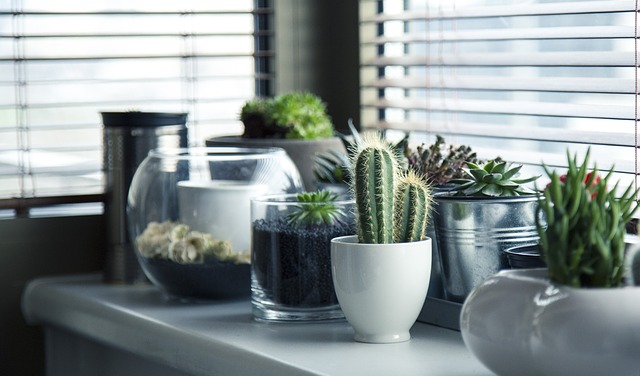
NASA recommends using plants set over a carbon filter system fitted with a fan. This may not be convenient for most home owners, but here’s their list of plants that effectively scrub out the environment:
Bamboo Palm (Chamaedorea seifrizii) Aloe Vera (Aloe vera or A. Barbadensis) Areca palms (Chrysalidocarpus lutescens) Boston Fern (Nephrolepis exaltata v. Bostoniesis) Chinese Evergreen (Aglaonema) Chrysanthemums (Chrysanthemum morifolium) Devil’s Ivy or pothos (Epipremnum aureum) Dracaena “Janet Craig” (Dracaena Deremensis) Dwarf Date Palm (Phoenix Roebelenii) English ivy (Hedera helix)
All companies want to bring in talented individuals on a regular basis. Indeed, consistently hiring great professionals is perhaps the only way to ensure long-term success in the business world. However, eco-friendly companies face a few challenges when courting dynamic, talented pros. For instance, some professionals might not understand the mission of a “green company,” and therefore, not apply there. Others may wrongly assume that all eco-friendly organizations are non-profit. Given all that, business owners of environmentally conscious organizations should take extra steps in order to ensure they’re able to recruit effectively and grow their small businesses. These four tips will help them do just that:
Sell a Vision
Contrary to popular belief, money is not always the determining factor in a professional’s decision to take or pass up a job opportunity. In fact, money is just one aspect that modern workers consider when they apply for a job. Rather than focusing on economic opportunities, green companies can use their eco-friendly culture as a way to inspire like-minded individuals. Businesses that sell a vision and convince their employees that they’re working for something truly meaningful won’t just hire better employees –– they’ll also receive greater productivity from them as well!
Share Success Stories
While a select few individuals have no problem blazing a trail on their own, many more people prefer to follow paths where they know they can find success. As such, it makes a lot of sense for business owners to promote their best and brightest. Featuring their success stories prominently on the company’s website can do a world of good for recruitment. Plus, companies that promote from within and allow for ambitious professionals to climb the corporate ladder will prove an attractive prospect for dynamic professionals.
Market Smarter
Just as applicants strive to make their resumes and cover letters stand out from the crowd, so too should businesses attempt to create job listings that resonate with applicants. Simply setting down requirements and salary won’t do much to excite potential employees. Rather, make it a point to create job posts that reflect your company culture and that portray your operation in a positive light. It doesn’t take much to transform a drab job posting into an engaging one.
Educate
Sometimes, the best professionals are made –– not born. Just because a new employee doesn’t have a sparkling resume, doesn’t mean they can’t learn and excel. The best companies don’t hold a monopoly on talented employees, but instead put their current team members in positions to succeed. Everything from sophisticated customer service training videos to old-fashioned brain-storming sessions can provide employees with the resources they need to perform at their best. Remember, education is a quality way for businesses to invest in their staff.
Doesn’t matter how “green” your business is if you don’t know how to prevent fraud. Some help by way of apps.
You have an ecological or triple bottom line business, but you still need to take care of it in a traditional way: A company has to conduct audits, regular inventory checks, and reconcile cash regularly to prevent fraud of any kind. Owner of the company should personally review the financial statements each month. You are responsible for protecting your business from theft and fraud of employees. With a phone tracker, you can track the activities of your employees. Here are some best GPS tracking apps for your business:
Hubstaff (for Android and iOS)
Time tracking app of Hubstaff comes with GPS location service for businesses of all sizes. It is a powerful management tool for remote companies, sales teams, and mobile fleets. Productivity monitoring, payroll integrations, and automated reporting are some highlights of Hubstaff.
After collecting location and time with this app, you will be able to make good decisions for your business. The free Android and iOS apps can give you an accurate picture of team works. With its geofencing feature, you can easily track the performance of your teams.
Timesheet Mobile (Good for Android and iOS)
With Timesheet mobile app, you can track locations and work time of your employee. Real-time synchronization with this portal can be a good idea for employers. It is easy to track the timing of incoming and outgoing schedules of your employees. The timesheet helps you to capture mileage for expenditure reports.
Labor Sync (For Android and iOS)
Use this multilingual cloud-based application to track your workers from your comfort zone. It will be easy for you to check the location of your team. Labor Sync comes with a map (interactive) to observe their workday. With this app, you can decrease the use of paper timesheets.
You will get modified and filtered reports by timeframe, job, and employee. Labor Sync allows you to see the exact time spend on every project. Feel free to track multiple employees with one device. With its messaging feature, employees can get notifications for schedule changes and meetings.
HoursTracker (Android and iOS)
With its powerful features and easy to use interface, you can easily track your earnings and time. Clock out, and clock in is adjustable as per your convenience. It can group your entries by month, week, or day. HoursTracker can automatically calculate the pay period, such as net pay estimates and overtime.
HoursTrackers allow you to track location for easy editing and entry. With its automatic location awareness, overtime, filters, tags, and time reached alerts; you can keep an eye on the performance of your workers. This app will give you notifications of someone’s departure and arrival. It can send necessary notifications to users.
TSheets (Android and iOS)
Do you need a flexible app to track time? TSheets can be a reliable solution. You will get intuitive experience with changing job codes, clocking function and management, and monitoring actions. With its GPS functionality and background harmonization technology, it can provide you with necessary information without draining your battery. You can get a map of daily activities to increase your visualization.
Timr (Windows, BlackBerry, Android, and iOS)
Timr helps you to track working time on your project. It is necessary to track your remote employees. This app emphasis on time tracking. The mobile apps allow you to handle GPS tracking. Mobile and web apps can sync consistently to provide users with updated data.
Gleeo (Good for Android)
For efficient time tracking, Gleeo can be a reliable app. The reliable interface and touchscreens make it a user-friendly app. Time tracking is easy with Gleeo. You can easily access reports and export them via Bluetooth or email. Gleeo offers unlimited projects along with an animated timeline. It is available in light themes and different colors.
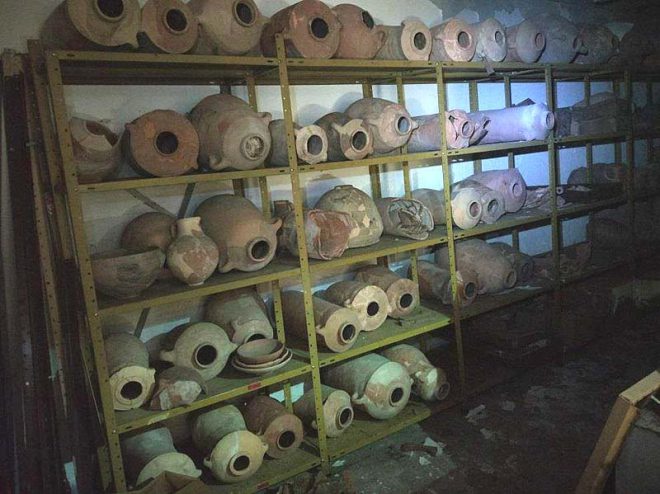
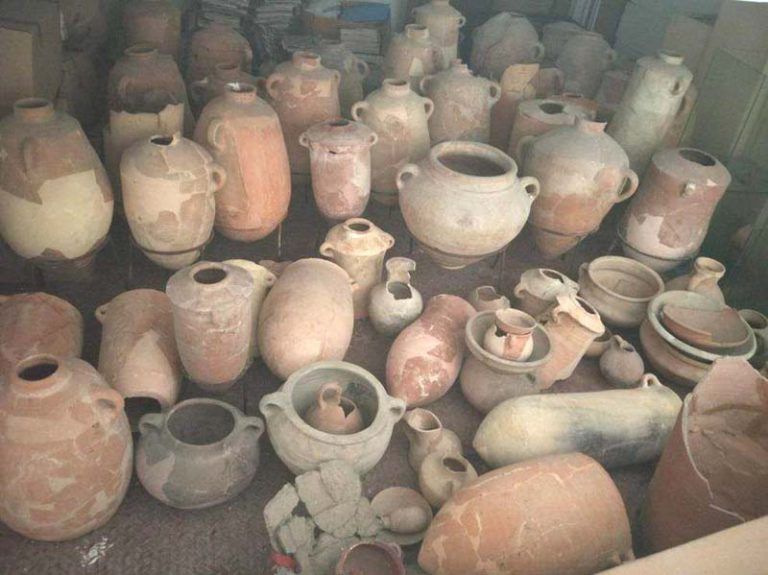
Terracotta vats and vessels stained purple from the fabulous dyes of the Bible era were excavated 50 years ago at the site of Tel Shikmona, south of Haifa. But no further studies were done on the Iron-Age findings. The pottery sat gathering even more dust on storehouse shelves at Haifa University. History waited to be revealed.
Researchers Prof. Ayelet Gilboa and PhD candidate Golan Shavi of the University of Haifa took up the challenge when they were given access to the findings. Their study, which includes chemical analysis of the vessels’ contents, revealed some surprising facts from Tel Shikmona.
“It is very rare to find shards from this period featuring purple color,” say the researchers. “Such items have been found in other sites along Israel’s northern coast, such as Dor and Akko, but in small numbers. Yet at Shikmona there are almost 30 vessels of this type. This is very unusual.”
There’s always been a question about Tel Shikmona. Its salty, windy location, just off a rocky coast, wasn’t good agricultural ground. It was too isolated to be a trade center. There was a small fortified part, the one being excavated now, where during Biblical times, apparently no one lived. So what was the purpose of it?
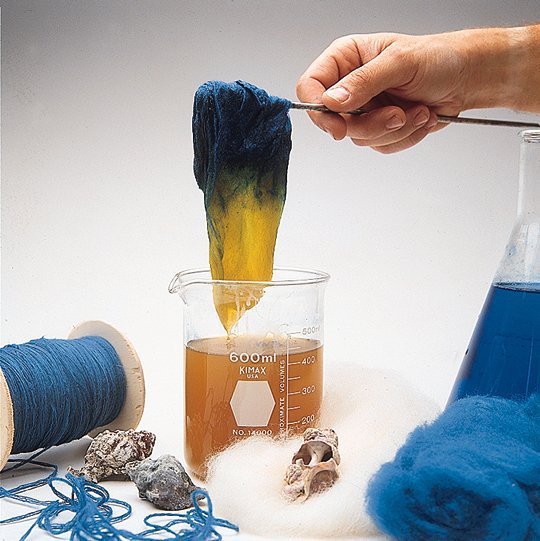
There was an important natural resource nearby, one that made people rich who knew how to exploit it. Murex snails, whose glands produce blue, crimson and purple colors. The creatures thrived in the nearby waters, as piles of discarded shells at the site testify.
Fabrics dyed in those colors were so expensive and prestigious that only the very wealthy and aristocrats were allowed to wear them. They were a staple of the ancient world’s trade, like gold and silver. Read about discovered Roman-era dyed textiles here.
It made sense to establish dye-producing works at Shikmona, close to the Murex’s habitat. Spindles and loom weights were also found in the workshop, proof that ready-dyed textiles were manufactured in the place.
Some or most of the dyes were also dried and ground for sale abroad, judging from vats still packed with the powder.
Who owned and ran the factory? Gilboa and Shavi determined that the vats and amphorae were mostly imported from Cyprus via the Phoenicians, who were the great maritime traders of the era (11th-6th century BCE). The Phoenicians alone held the secret of producing those valuable dyes from the Murex snail. The secret of the dye was recently rediscovered in Israel, as we reported.
This new research may disrupt the historical assumption that Shikmona and the Carmel sea coast were entirely under Israel’s jurisdiction during Biblical times, pointing to at least partial Phoenician control of the region.
“To date, no center for the production of purple has been found in Iron Age Phoenicia,” the researchers add. “We know that there were production sites in Tyre and Sidon and other sites in Lebanon, and thousands of Murex shells have been found there, but it seems that most of them are from the Classical periods and there is still no evidence of the production sites themselves and no direct evidence of the dye.
“Our identification of the character and function of Shikmona makes it the first site found from this period, and certainly one of the most important ones. Rather than being considered a region of secondary importance in this period, the Carmel coast can now gain its rightful place as one of the most important production areas of the dye in ancient times in general, and during the biblical period in particular.”
Some of the findings can be viewed at National Maritime Museum in Haifa.
Photo credits: University of Haifa and www.techelet.com
“I am not a plastic bag”, was a growth hacking message and product that generated massive amounts of sales while creating great marketing positioning for a fashion designer, with purpose.
Paris is melting right now. So with the planet getting warmer from climate change, mass extinction of species and almost every city in the world wanting to ban plastic straws and bags and disposables, we can probably all agree that something super big needs to change. It hardly seems likely that the type of softies working in the ecological and green non profit organizations will bring about radical and quick change. I have worked with these types for years and while people who build and work in nonprofits have a definite and undeniably important role in changing our society from within, the efforts made there usually do more to educate and inform than scale real change.
Change usually comes when it hurts someone’s bank account. It comes from the business world. The people who make decisions at Exxon, at Walmart at Chase Bank. We choose the cheaper less direct flights to save money. We shop at the super throwaway culture of H&M because the clothes look okay and hey they cost peanuts, and we often pass over the organic food isle, because who can pay $20 for an organic watermelon.
What the world needs in impact driven ecological businesses is not just great founders and a CEO with a vision on how to create a world for the next 5 to 10 years. While start-up companies (like flux, let’s say) create ideas for changing polluting agriculture, we need interim and then forever positions created inside start-ups so these great visionaries can generate revenues while trying to get their dreams off the ground.
This vision might be fulfilled by a new kind of role we are seeing coming from Silicon Valley and the position is driven by growth hackers normally working in bunkers from the basement or working hand in hand with the marketing VP.
The new vision for “growth hacking” or helping the company find innovative methods for generating sales quickly, ethically and inline with the company ethos can be filled by a new role as CRO – or Chief Revenue Officer. Add this position to CEO, VP Marketing or CMO, and CTO –– or better yet as a founder position from 3 roles and skillsets to 4, and you might have a startup impact company that will have Silicon Valley paying attention.
Or better yet, if you have a super savvy CRO you might be able to think more sustainably as a business and stop wasting weeks, months and sometimes years chasing venture money and focusing the team’s efforts instead on creating a business that can sustain itself without an injection of over-priced capital. What makes a great CRO? ← This article breaks it down.
The cannabis business in Canada and the United States, while perhaps “green’ in a different or less traditional sense of the meaning, is a good example. Since cannabis is broadly “legal” in more than half of the US states, but all over Canada, federally it is still not legal in the United States, making it a super risky investment for traditional venture capitalists and funds that answer to a varying board and powerful banks. Cannabis businesses had to adapt.
What cannabis businesses have done therefore have created technologies and services that bypass the need for extravagant funding, by becoming profitable from day 1. SaaS technologies for instance have become super important to cannabis businesses like legal dispensaries. They have also done some serious and legal growth hacking by creating ways around having to work with traditional banking and reporting procedures.
While cannabis businesses think just like growth hackers do and should, we need this nimble thinking to transport good ideas from areas like sustainable, degradable plastics to fabrics free from micro-fibres, to novel and new living spaces, to greener food, to better transportation. And no, not scooters or electric bikes please!
It is likely the sales people from today, the types of sharks that like to go out and sell sell sell, will be working under a savvy CRO, probably someone from marketing, or the type of young wolves I met in NY at firms like VaynerMedia.
Impact and sustainable businesses are not charities. For these businesses to really work and be profitable, they need to think like every other business –– have an aggressive business model to make money now, but by staying in line with a perfect vision and trajectory for changing the planet as well, today and at least 100 years into the future.
Cook like the Turks, healthy and delicious. Miriam finds a few “keeper” recipes in this new Turkish cookbook
Every Turkish kitchen produces dishes that began somewhere in Central Asia, the Middle East, Eastern Europe or the Balkans. Even with natural regional variations, there’s something characteristically Turkish in every bite you take. It’s the sweet/sour taste of pomegranate molasses, the tang of sumac, yogurt flavored with mint or dill, and Turkish pepper paste. So many flavors to intrigue and tease the palate.
The south of Turkey is especially famous for its dazzling variety of luscious foods, and Özlem Warren, food writer, teacher and blogger (www.ozlemsturkishtable.com), shows you shows you how to cook them yourself. Beginning her own family’s story, the book moves through Turkish culinary history and in particular, the world of southern Turkish cuisine.
We’re introduced to two essential Turkish condiments that appear over and over again throughout the recipes: red pepper paste and pomegranate molasses. I made the red pepper paste, and it wasn’t hard. I admit that I balked somewhat at making my own pomegranate molasses, but luckily every grocery store carries bottles of it where I live. There is a recipe for za’atar blend, which I was intrigued to see includes ground, cooked chickpeas. We love za’atar: see a version of za’atar pesto here.
Another thing you can count on in Turkish food is how healthy it is. There are infinite ways to cook vegetables and grains. People are eating more meat than formerly, but still prefer a relatively light touch of it in everyday foods. And most Turks still prefer to eat at home. You don’t hear moaning about fast-food taking the culture over, because everyone’s too busy cooking and eating foods made from scratch.
Özlem’s Turkish Table carries you through authentic recipes for soups and dips, a variety of mezze, and salads. Sections on the Turkish breakfast and savory pastries follow, segueing into chapters on vegetables, meat and poultry, grains, fish and seafood, and finally desserts. To help you build a typical Turkish meal, there’s a chapter on suggested menus.
The book is packed with attractive photographs, but it’s not a coffee-table book. It’s meant to be taken into the kitchen and cooked out of. Some recipes are quick and easy, like the mezze of sauteed carrots mixed with garlicky yogurt. Others are more elaborate, like the luscious kaytaz boregi, savory pastry squares topped with seasoned ground beef. The most time-consuming is oruk, bulgar balls filled with walnuts and ground meat. A dish for festivals.
It’s not a book for beginning cooks, but no recipe is really difficult to manage. For example, baklava might seem intimidating to make, but with filo pastry from the supermarket, a careful cook can easily produce a trayful of that exotic sweet from this book.
The instructions given are clear and easy to understand, with tips and explanations interspersed throughout to ensure the reader success. The only thing I found bothersome is the index, which is extensive and well-organized, but gives the names of some dishes only in Turkish, which assumes that readers remember their unfamiliar names. For example, what is sini oruğu? I’m mystified.
Altogether, Özlem’s Turkish Table makes a nice addition to the cookbook shelf. I’ve already promised to lend my copy to a friend married to a Turkish man – she wants to surprise him with dishes he doesn’t expect his Western wife to know. I’m confident that they’ll find a good few keepers in this book.
Özlem’s Turkish Table, 2018. 304 pages with an introduction by Ghillie Başan ISBN 978-1-912031-94-8
Publisher: GB Publishing Available from the author’s website (www.ozlemsturkishtable.com); GB Publishing (www.gbpublishing.co.uk/ozemsturkishtable), or via Kindle.
There’s been a big crusade to get big business to adopt renewable energy. You see it every time a major corporation says they’re putting solar panels on their rooftops or buying energy from wind farms. However, small businesses can take advantage of renewable energy in a variety of ways too.
Choose a Greener Energy Company You don’t have to put solar panels on your roof or buy a share of a windfarm to receive renewable energy.
When you compare electricity providers, you can find a greener solution at iSelect. You could choose a company that produces mostly wind or solar power. You could sign up with an energy company that harnesses biomass, burns trash or is inventing next generation renewable power. You don’t have to do anything structurally to your business. You’ll receive power through the same power lines you’ve always used, you’ll just be subsidising renewable energy with every utility bill. A side benefit of this approach is that you may save money on electricity as well as reduce your impact on the planet. You also gain flexibility. You can decide to switch from a company that mostly uses solar or wind to tidal power or hydroelectric. If this isn’t an option, then going with a firm that uses less polluting power sources like natural gas is a good first step.
Look for Practical Projects with a Good ROI Don’t pour money into “moral peacocking” or “greenwashing”, an expensive project intended to look good but not do good. At best, it’s an expensive marketing gimmick. At worst, it’s an expensive waste of money that offends customers. For example, don’t put a massive wind turbine out in the middle of nowhere that hardly does anything and say you’ve made a commitment to the planet. Instead, look for projects that allow you to take advantage of renewable energy that have a good return on investment. Then you have a strong business case regardless of anyone else’s opinion. Have a renewable energy site survey done to learn what sort of renewable energy projects are most effective in your area.
Research Alternatives to Renewable Energy Generation There are two sides to the energy equation: generation and conservation. Don’t assume the only way to go green is to build new power generation via wind turbines or a biomass generator. You may learn that projects like passive heating walls and natural shade could dramatically reduce your energy bills.
Upgrading to more energy efficient windows and industrial equipment, redesigning lobbies and seating areas to be naturally cooled by the wind or making better use of the resources you have all make your business more green. Consider composting material for the gardens instead of trying to burn it in a biomass generator.
Switch to compostable single-use items or long-lasting alternatives instead of throwing so much away and then buying carbon offsets.
There is probably nothing more satisfactory than updating or re-decorating a room in your house. We all love our house, no doubt, but sometimes staring at the same walls or having the same colors around us can make us feel bored. Imagine having an open kitchen that you will be involuntarily looking at all the time, or having one that is so dull, it takes the fun out of cooking. If you relate to either scenario, then maybe it is time you consider updating your kitchen area. When people think of doing this, they often believe it is going to be too much work, or that it might be too overwhelming. But, that is not the case at all. It actually has a lot of potential to be a fun experience, especially if you do it right.
1. Wall Art
Do you feel like your walls are dull? Do you think they need a splash of color, but at the same time, you don’t want to paint them? Well, you are not the only person who feels this way. We all have these dilemmas where we want to change, but we don’t want too much of it. And that is perfectly normal. Updating your walls without painting them is very doable; all you need to do is look around for wall art that will match the mood of your kitchen; as well as, your taste. Wall art is a perfect update for because you can keep it around as much as you like and get rid of it once you feel like you need another remodeling.
2. Mirrors
When decorating their houses, people automatically decide that mirrors are going to go in the bedrooms, bathroom, and the living room if they are feeling creative, but nobody adds mirrors in their kitchen room or even considers it. It might sound strange, but adding a mirrored backsplash to your kitchen will make all the difference. Think about it. Not only will it give your kitchen a new feel, but it will reflect light and make your kitchen seem twice as big. So, your kitchen will seem new, as well as feel lighter and larger.
3. Vibrant Furniture
A lot of people avoid vibrant colors when they are decorating their rooms, especially in the kitchen. Which is why these rooms grow dull over time. They lack color and don’t have a unique feel. Adding a bold color to your kitchen could be scary, and that is totally understandable. However, if you really want a unique update, you need to take a leap of faith and purchase a bright-colored table or paint one of the walls with a strong, vibrant color.
4. More Counter Space
Clutter is your kitchen’s worst enemy and can make you feel as though you don’t have any space for anything else in the room. Decluttering alone can be all the change you need; it will give you more counter space, for instance. Allthe best kitchen remodeling pros take space into consideration, and they all suggest that one of the best additions you can get is to have a rolling cutting board over your sink. So, not only will you have more space, but it will also be very practical for you.
5. Shelves
When it comes to space, there is no denying that your kitchen can always use more. This can be really difficult with smaller areas. However, floating shelves can be your breakthrough. With these nifty things, you can double or triple the area available for your kitchen equipment. Not to mention, they’re a decorating blessing. Try buying them in bright colors, and consider placing decorative items, like dangling plants and pictures. So, in a way, floating shelves are like 3 in 1 type of thing.
6. Stools
Remember those old school vintage stools that we see on TV or the ones in the diner? Consider adding these tools to your kitchen; they will make a great fit and will change the entire look. Adding them will bring life to the room and will be the perfect creative update to it. Besides, who doesn’t like to pretend they’re at a diner while eating their meal?
7. Painted Pantry
Speaking of painted furniture, why not consider painting your pantry? Adding a splash of color will make you feel like you just bought a new kitchen or better you are in a catalog where everything looks perfect. You can get a professional if you are worried about messing up your pantry, but you can also try out fun ideas and use the chance as a DIY activity to share with your family.
8. Themes
Have a theme for your kitchen. It could be whatever you want it to be; you can have it decorated like your favorite diner from a sitcom, old school, or literally anything else. The possibilities with this one are endless. You don’t need to but a lot of things to have a theme. Simplicity is key here, so you don’t really overwhelm yourself.
9. Painted Floor
Changing your kitchen floor can be a hassle, but painting them won’t be as challenging. Take your time and think about the perfect color that will match the ambiance of the room, but at the same time will give it the right feel. The beauty here is that you can try different hues and really take your time with your decision.
10. Multi-light Pendant
Add lights. Consider buying one of those multi-light pendants. Not only will it make the space look brighter, but it will also give it a unique sense of style. Pick a design and color that will make you feel like your kitchen has truly been updated.
Waves of Change
You don’t need to feel worried about updating your kitchen. You can change little things or add little items in the space, and it will be all the change you need. Not every change has to be big and remarkable; it is the little things that truly make all the difference. Updating your kitchen will sometimes require bold moves, like adding vibrant color to the room, decorating the walls, getting a new backsplash, etc. Go ahead and buy something new. Even if people think it’s a little too out there, trust your gut and go for it.
More than 1 in 10 will become demented after 60 when exposed to antidepressants, versus less than 3 in 100. A strong warning to the medical world about loosely prescribing antidepressant meds.
Among people over the age of 60, antidepressant exposure increases the risk of dementia by 3.43 by comparison peers unexposed to this medication. This finding emerged from an international study led by researchers from the University of Haifa.
“The results of the study indicate that antidepressant exposure among older people is associated with an increased incidence of dementia. Clinicians, caregivers, and patients may wish to consider this possible negative consequence of antidepressants among persons over 60”, noted Prof. Stephen Levine of the University of Haifa, the head of the research team.
Dementia is a neurodegenerative disease characterized by impairment and deterioration in cognition and daily activities. The disease affects 5-6% of people over the age of 60. Research indicates that the number of cases of dementia is expected to rise steeply, doubling by 2040. At present there is no cure for dementia, so it is vital to identify factors modify the incidence of the disease.
In addition, other studies estimate that 1.8% of the population suffers from depression in old age, recent years have witnessed a rise in the use of antidepressant medication among the elderly. Antidepressants are not only prescribed for depressive disorder but also for other disorders, such as insomnia, anxiety, pain etc.
The latest study, published in the American Journal of Geriatric Psychiatry, was undertaken by Prof. Levine of the University of Haifa, Dr. Arad Kodesh of Meuchedet HMO, Dr. Anat Rotstein of the University of Haifa, and an international team of researchers from Icahn School of Medicine at Mount Sinai in New York, Karolinska Institute and Jönköping University in Sweden, and the Nicosia Medical School in Cyprus.
The study population comprised 71,515 participants over the age of 60 who did not have a diagnosis of dementia during the period 2002-2012. This group was examined from a prospective historical perspective to identify whether incident dementia developed in the period 2013-2017.
The results show that of the 3,688 participants exposed to antidepressant medication 407 (11%) developed dementia, while out of the 67,827 participants not exposed to antidepressants 1,768 (2.6%) developed dementia. Using advanced statistics it emerged that exposure to antidepressants was significantly associated with a 3.43 increased risk of dementia.
The antidepressant-dementia association remained statistically significant in 24 additional analyses the authors undertook examining: subsamples with plausible differential dementia risks (e.g., without depression!), and various aspects of antidepressant medication.
“Patients, caregivers, family members and clinicians may wish to consider this potentially consequence of antidepressants in order to weigh up the costs and benefits of treatment in old age. Furthermore, further research is warranted into the association between medication and dementia risk to improve treatment decisions and outcomes.” Prof. Levine concluded.
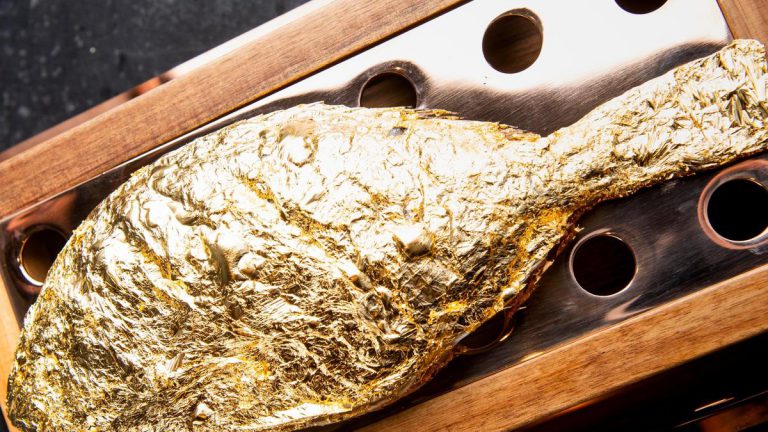
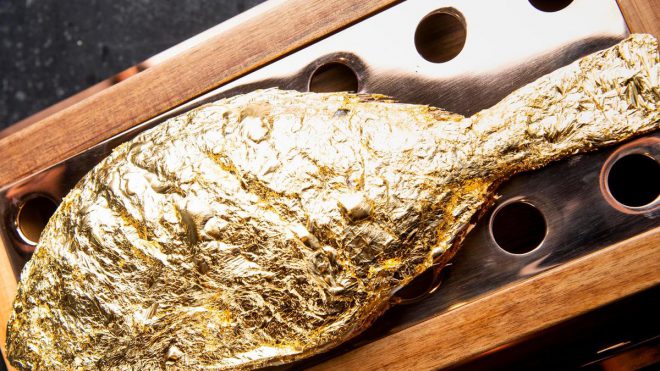
These oddities may appear to be the ultimate in personal vanity, including selling gold bars in vending machines. Perhaps the ultimate vanity extreme in the UAE is a new trend for restaurants in Dubai and Abu Dhabi to serve edible gold in foods ranging from hamburgers to steaks and seafood.
This bizzare foodie trend includes foods with actual gold dust sprinkled on or mixed in them are selling well to those who can afford to purchase them. Examples include 24K prime steaks or “golden” sea bream dinners running at about $90 per person. Even desserts like ice cream often come available with gold-laced flower toppings at appropriate prices.
Gold still appears to be a favored and sought after commodity in the UAE, especially in uncertain times. The opulence shown in this region, where luxury hotel suites can run as much as $25,000 per night, is often a topic for social protests; especially when construction workers and domestic servants there work in near-servile conditions for mere pittance wages while those more fortunate live luxurious live.
In Dubai, for example, one can order a gold-laced cappuccino coffee, served in the lounge of the Burj Al Arab hotel.
From an environmental viewpoint, overbuilding and overconsumption and desalination has caused considerable damage to the already fragile ecosystem of the Arab Gulf region, which still claims to have one of the world’s largest populations of dugong aquatic mammals.
Obviously, money wasted on foodie trend opulence which serves zero health benefits could be better spent on trying to save what’s left of the region’s natural environment. The big question is who is concerned enough there to do this?
Israelis, says research published by the University of Washington, enjoy the world’s healthiest diet. The study, Global Burden of Disease, was conducted by Dr Christopher Murray, Director of the Institute for Health Metrics and Evaluation, University of Washington, and published in the UK medical journal The Lancet. It followed the diets of people in 195 countries, between 1990 to 2017.
Dr. Murray writes, “The countries with the lowest rates of diet-related deaths were Israel (89 deaths per 100,000 people), France, Spain, Japan, and Andorra.”
It’s no wonder that the Israeli diet is the world’s healthiest. Israelis consume a variety of vegetables, fresh fruit, grains, seeds and local animal protein products as a matter of course. Tradition and history influence these choices. Much of the population still remembers the austerity of country’s early years, when beef was a rare luxury and chicken was reserved for Shabbat. Back then, housewives knew dozens of recipes for that meaty vegetable, eggplant. Rice-shaped pasta was invented to substitute for the imported grain. Olive oil was expensive and imported, unless you were lucky enough to live in the country, where local Arab and Druze villagers milled their own olives.
Today, advanced agricultural techniques have brought a huge variety of fresh, locally-grown foods to the Israeli market. Shoppers can step out to the supermarket or shuk confident that they’ll find all the produce on their lists, and good local olive oil with a stamp of standards approval on the label. And yes, people are still eating eggplant. In fact, Israel has the largest number of vegans per capita in the world.
But let it be said: although an estimated 5% of Israelis identify as vegan, most shoppers bring dairy products, eggs, poultry, fish and meat home for dinner. What’s the difference between that an the ordinary Western diet, then?
The difference is in the approach. Israelis favor dishes with Mediterranean ingredients. Not much red meat. Lots and lots of vegetables and salads. From working-man’s humus joints where they put a little dish of olives, hot relish and sliced onions to go with your meal – to fancy restaurants, Israelis expect to find vegetables on the menu. Israelis even eat salad for breakfast. It’s a diet that suits the hot climate and reflects culinary influences of over 60 ethnic streams.
“This study affirms what many have thought for several years – that poor diet is responsible for more deaths than any other risk factor in the world,” Dr. Murray writes. “While sodium, sugar, and fat have been the focus of policy debates over the past two decades, our assessment suggests the leading dietary risk factors are high intake of sodium, or low intake of healthy foods, such as whole grains, fruit, nuts and seeds, and vegetables. The paper also highlights the need for comprehensive interventions to promote the production, distribution, and consumption of healthy foods across all nations.”
How about a good, solid plate of humus (chickpeas) with tahini (sesame seeds) now? Top it with beans and a boiled egg, and you have the essential Israeli street meal. All you need is a fresh pita to mop it all up. Or, to go with your grilled chicken, majadra, that delicious rice and lentil dish? Just pass the olives, please.
Most laminate wood flooring is not eco friendly. It may be cheap, it may “look” like wood, but chances are it’s full of formadehyde and toxic chemicals. Go for real wood, cork floors or beautiful old fashioned tiles. Carpets are a boig no no.
Is laminate wood flooring a sustainable option?
The short answer: it depends. The easy answer, probably not. The likely answer no way. Laminates are bonded together with toxic glues and made to look like wood.
They look like wood and feel like wood but many of today’s low cost wood floors are laminate. That means they are made with crushed up wood and mixed together with glue, much in the same way magical cardboard bikes or bamboo plates and furniture are put together. Taking a natural material and then bonding it all together with plastic glue does not make a product green. Remember the ramen noodle guy? He can fix anything with ramen noodles and crazy glue. That’s what laminate flooring is and basically most bamboo products. Don’t get bamboozled.
One one hand manufacturers use renewable resources but on the other hand, everything is held together with petrochemical-based glues which contain neurodisruptors and toxins.
The most eco way to make a wooden floor is to use reclaimed wood from building sites. Or from sunken logs brought to the surface and processed. With a little hunting around you can find gorgeous ancient wood that you can replane at a carpentry shop and you have an ancient 100% eco floor. Or maybe when you dig up the old tiles in your house you might find a perfectly gorgeous old wooden floor or another set of tiles.
Another wooden floor option is to buy new planks from sustainably farmed wood. Look for the FSC stamp but that’s not perfect either. And the cost of wood since Covid hit the world has made reflooring or home improvements right now a not so sustainable option.
Rcycling old wood into new laminate with veneeer is an option. In fact, most laminate flooring manufacturers now explicitly point out how sustainable and eco-friendly this flooring option is and use it as a major selling point for their product. I’d look at their safety and materials data sheets before buying laminate of any kid because it might contain formadehyde and all sorts of other toxins you’d be living and sleeping with.
Most laminate products are flasely labelled. And if you seacrh on Google they will scream for your attention. That means that we need to perform our due diligence and proper research before we can truly walk away knowing we’ve done what’s best for the planet.
As laminate flooring is made from a mixture of potentially toxic resin (glue) and fiber-board, how the materials made can vary from manufacturer to manufacturer.
It is possible to find eco-friendly laminate flooring, but the chance is doubtful that it will be unless you find a very specific company. Look around. Ask your friends. Although, even the most sustainable of practices surrounding production aren’t worth much if the product itself isn’t very sustainable, further complicating the issue. You’d need to look into greenhouse gas emissions and life cycle of the product.
Laminate Materials & Their Harvesting Checklist
To understand the ecological impact of laminate flooring, it should be understood exactly what it is made out of and where those materials are made from.
Sustainable laminate flooring that comes from FSC & PEFC sustained forests is essential to long term sustainability of this textile. About three ingredients make up the bulk of laminate’s four layer design. The topmost layer is typically made from aluminum oxide as a way to protect each individual plank while the rest of a plank is made primarily from fiberboard and resins.
The fiberboard needs to come from a sustainable place, as it is primarily made from wood. When laminate flooring is FSC & PEFC certified, it means that the wood used in the construction of each board comes from a forest that adheres to strict sustainability rules when it comes to how many trees and cut and in what configuration.
If laminate doesn’t carry this certification, there’s a risk that it was harvested from forests where clear-cutting and other bad environmental practices are in place. When harvested properly from forests that adhere to conservation rules laid out by governing bodies, the harvesting of the wood itself is eco-friendly.
Laminate Is Recyclable
When it comes to tile flooring and hardwood, very seldom are the materials recycled to be used in further building developments. The tiles often go to the dump and the hardwood will either suffer the same fate or become wood pulp at best, assuming whoever is disposing of the hardwood planks cares enough to make sure it goes to a recycling facility.
Laminate however is completely recyclable (in theory) though doubtful because of the toxins and glues in them. and there are many facilities equipped to separate the individual ingredients for reuse. The particle board interior layers are easily repurposed to give these materials a second life. If you have the energy for that.
Even the most battered and beaten laminate flooring can be sent to a chipboard center and properly converted into wood chips and fibers. Since only the top layer needs to be aesthetically pleasing, it doesn’t matter the condition of the individual planks being recycled. More often than not the new material used in the production of laminate flooring is the new layer close to the top with the design picked out by the customer. Check before you buy that your laminate is recyclable.
Waste From Other Industries Can Be Used
The wood fibers and chips that make up individual fiberboards present in laminate flooring don’t just have to come from other laminate floors, many other industries create massive amounts of bark, sawdust, or miscut wood, all of which can be sold to a laminate floor company for a fraction of the price and at a fraction of the environmental impact of felling new trees. You can make laminate from any sort of material, probably even ramen noodles. Remember: it’s not the material they are selling that you need to look at carefully. It’s how it’s all held together.
If you think about the sheer volume of industries that make use of wood and end up with lots of scraps at the end of the day, it is easy to see how the laminate flooring business can help put those scraps to better use. Very few products have the distinction of being able to deal with waste from other manufacturing processes, making this kind of flooring in a class of its own. That is a positive step.
Sustainable Creation Practices
The resins that keep laminate board together and at their strongest is primarily melamine, a resin recreated by a reaction of formaldehyde with a few extra toxic ingredients.
The overall amount of formaldehyde used in each board and at the factory as a whole has been on the decrease over time but it is a risky and toxic material. Laminate flooring that uses less formaldehyde is often marked with a CARB, P2, E1, or E0 designation that signifies a lower overall formaldehyde level. Think about whether you want to expose your office workers to this material before you cover the office in laminate.
When laminate flooring comes from FSC & PEFC certified forests, consumers can rest assured that no pesticides were used and that no heavy metals are present in any of the boards.
Even at the manufacturing plant most laminate flooring producers are tending towards equipment that has lower overall emissions to take advantage of the many different government incentives for doing so. This means that the manufacturing process is as environmentally friendly as possible, with new leaps in sustainability occurring on a very frequent basis. Again, look for materials data before you buy.
Installation Is Easy
No special adhesives are required to keep laminate flooring in place, this reduces the overall use of volatile organic compounds that are bad news for the health status of any living things nearby. This is true but if you are actually trying to isolate sounds in your home between floors you will need layers of plastic padding and piles of off gassing glue.
Laminate flooring can eliminate the need for VOCs altogether assuming you have purchased the variety that doesn’t need any adhesives whatsoever, which in today’s market is nearly all varieties.
Laminate can be LEED Certified
In response to poor practices in design that lead to deforestation and pollution of the environment, the Leadership in Energy and Environmental Design (LEED) certification program was created in 1993 to work as a watchdog in the building sector that wishes to ensure sustainable practices.
Building materials and techniques are ranked based on their overall impact on the environment, with everything from emissions during production to ramifications of installation & use taken into account. Most laminate flooring holds a LEED certification of at least certified, with some even going as far as silver and above in overall sustainability. Again look at the materials in the resins.
This burden hinges on the manufacturer, as it is their responsibility to ensure that they conform to all of the requirements of LEED as well as only obtaining their materials from FSC certified forests.
Any manufacturer that has done so will display this fact prominently, so if you can’t find these certifications from a certain manufacturer then it is best to keep shopping around until you find one that you can confirm without a shadow of a doubt contributes to sustainable building practices.
Cork might be the better option if you can find cork board that’s glued together with a natural resin. Or tile, or upcycled old wood. Or maybe just keep living with the old floor.
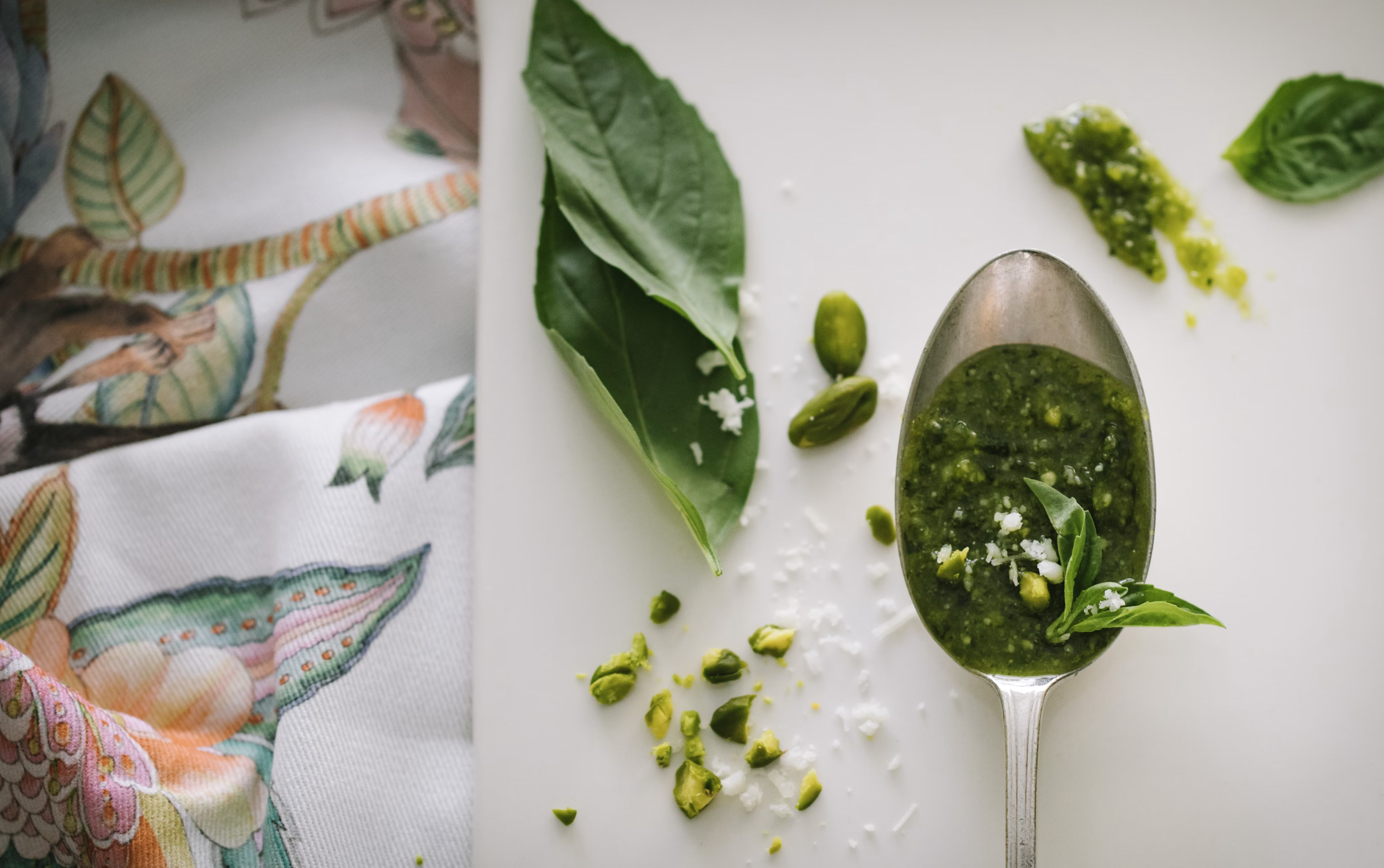
Early summer, and the basil plant in my container garden is tall and bushy. Karin gave us a great pesto recipe, and I’ve already blended up handfuls of fragrant, dark-green leaves to make lots of that pungent Italian sauce. After trimming the tops off the plant, it took only two weeks for another healthy crop to grow in. What am I going to do with it all? Now I’m pondering other delicious ways to use up the basil bounty.
Basil’s flavor is dominant, and pesto is really where you can allow it to shine. But it’s a surprisingly versatile herb, and many foods accept its unique, almost clove-like taste. For example…
Basil and orange peel vinegar.
Peel an orange, avoiding the bitter white pith as much as you can. Drop the fragrant swirls of peel into a jar of apple cider vinegar. Push a good handful of fresh, rinsed and dried basil sprigs into the jar and close it up. Keep the vinegar in a dark place for a week, then use it in any salad dressing. It will keep up to a year.
Roasting an organic chicken or duck?
Separate the skin from the flesh with your fingers and carefully push basil leaves and slivers of garlic under the skin. Season the bird, dribble olive oil over it, and roast. This is especially tasty with duck.
Two-tomato and basil sauce.
This no-cook sauce tops pasta or lightly steamed vegetables, and is vegan. Drain 1/3 cup of sun-dried tomatoes in oil, but reserve the oil. Put the sun-dried tomatoes in the food processor or blender. Add 15 oz. (425 grams or 2 cups) fresh cherry tomatoes. Push 1 cup of fresh basil leaves onto the tomatoes.
Peel two cloves of garlic and add. Finish with the juice of one lemon. Whizz until you have the consistency you like, adding oil from the sun-dried tomato jar by tablespoons if needed. You can use dry-packed sun-dried tomatoes; then you’ll need to add olive oil to get a saucy texture. If you want a good, chunky texture, don’t process the tomatoes but chop them all up finely, then add the rest of the ingredients and mix it all up in a big bowl.
Summery herb cocktail.
Muddle (slightly crush) a healthy sprig of basil and an equally healthy sprig of mint in a glass with 1 teaspoon granulated sugar. Add 1.5 oz. Rum and squeeze some lemon juice in. Top with ice and seltzer or tonic water.
More basil tips: Chop a small handful of basil and stir it into any marinade, for any food. Lay some basil leaves under the fish you’re about to bake. Make scented sweet cream according to our geranium-scented recipe, substituting basil for the geranium leaves. Pour over fresh fruit.
Get the picture? It’s amazing how many culinary uses basil has. Try some. You’ll feel good about using up your crop, and you’ll get a whole new view of its delicious flavor.








 :
: 



 Terracotta vats and vessels stained purple from the fabulous dyes of the Bible era were excavated 50 years ago at the site of Tel Shikmona, south of Haifa. But no further studies were done on the Iron-Age findings. The pottery sat gathering even more dust on storehouse shelves at Haifa University. History waited to be revealed.