
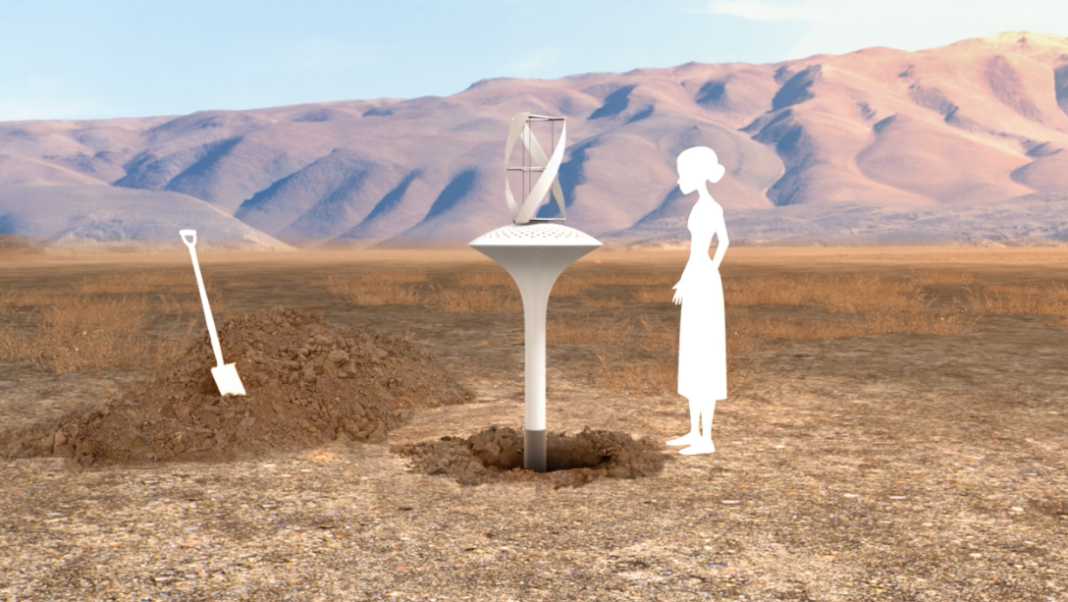


Everyone knows that water is Earth’s greatest natural resource. We literally could not live without it. According to the U.S. Geological Survey, water covers about 71 percent of the earth’s surface, with our oceans holding about 96.5 percent of it. The other 3.5 percent of surface water is the fresh water in rivers, streams, lakes, and swamps. But there’s additional water in the air, underground, and trapped in icecaps and glaciers. There’s also water in the soil, in aquifers, and in all living things.
Despite all this water, however, vast numbers of people live in areas of the world where water is very scarce. It is estimated that 78.3 million people worldwide do not have access to clean water. In the United States, droughts are common occurrences throughout the country. The Desert Southwest goes to extraordinary lengths to obtain sufficient water to meet the needs of its populations.
The Cadiz water project is the latest example. Located in Cadiz, CA, in the Mojave Desert about 80 miles from Barstow, this project will recover over 50,000 acre-feet of groundwater before it evaporates, creating a new water supply sufficient to service 100,000 Southern California families each year for the next 50 years.

Water Usage and Energy Usage
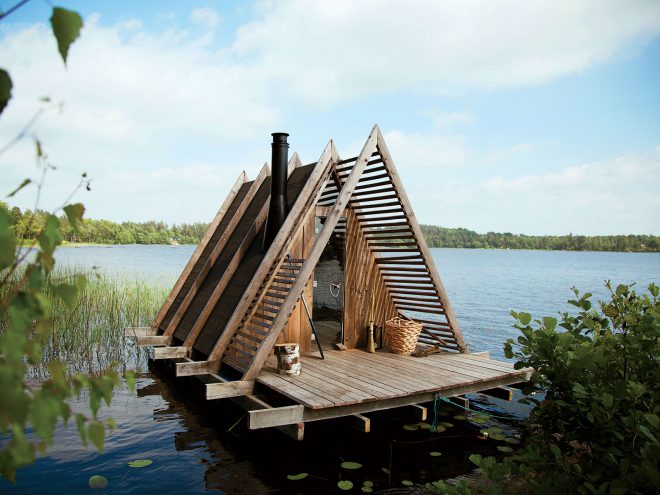
Growing numbers of Americans are making a conscious effort these days to use less energy. You can see many people opting for awesome and sensual wood fired hot tubs. Wood firing the Swedish way means taking the time to chop the wood, collect it. Start a fire. If the trees come from your property you can replace them and you can be carbon neutral. Or maybe even try a wood fired sauna like the folks at Stedsans in Sweden.
Most people, however, think of energy consumption as electricity, gas, oil, etc. They seldom think of energy in terms of water consumption. Water usage and energy usage, nevertheless, go hand and hand. Consider the following facts:
- Electricity, gas, or propane heats the water you use for baths, showers, dishwashers, and clothes washers.
- Your water company uses energy to purify your water, pump it to your house, and dispose of your sewage.
- If you live in a rural area with your own well and disposal system, you’re paying directly for your energy consumption to run them.
According to the U.S. Energy Information Administration, Americans use 231 billion kilowatt hours of electricity each year directly related to their water consumption. It breaks down as follows:
- Water heating – 134 billion kWh
- Clothes dryers – 61 billion kWh
- Dishwashers – 28 billion kWh
- Clothes washers – 8 billion kWh
Obviously, reducing your water consumption also will reduce your energy bills. Here are some ideas and tips for accomplishing both.
Reducing Water Consumption in Your Kitchen

Keep a pitcher or jug of water in your refrigerator. You won’t have to let tap water run down the drain every time you want a drink in order to get it cold. Wash fresh fruit and vegetables in a plastic dishpan or big cooking pan rather than under running water.
Don’t run your dishwasher until you have a full load. Consider buying a pressure cooker. It saves both time and water and your food will taste better and retain more of its nutrients. Defrost frozen foods in the microwave, not under hot running water. Always make sure your faucet is completely turned off when you’re finished using it; replace it if it starts leaking.
Reducing Water Consumption in Your Bathroom
After wetting your toothbrush, turn off the water while you’re brushing your teeth. Turn it back on when you’re ready to rinse your mouth. As with your kitchen faucet, make sure your bathroom faucet is completely turned off when you’re finished using it and replace it if it starts to leak.
Buy a low-flow toilet or modify your existing toilet with a reasonably simple DIY project. Check to see that your toilet filling system is working properly and not overfilling your toilet bowl, causing it to send excess water gurgling down the drain.
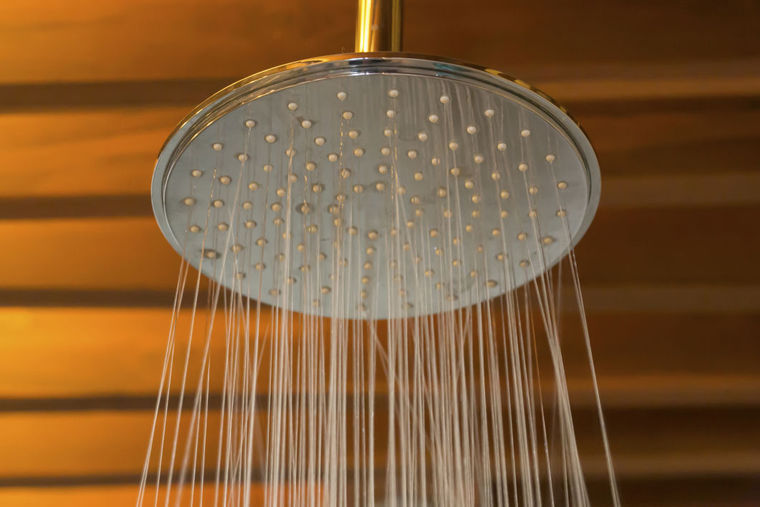
Plug the bathtub before you start filling it. Use the cold water that comes in at first to offset the really hot water that will start to flow in. Buy a low-flow showerhead. Better yet, consider a rain shower head.
Reducing Water Consumption Outdoors

Reducing Water Consumption Outdoors
Consider installing a rain barrel to catch rain for your lawn and/or garden. Weed your garden frequently; don’t waste water on weeds! Mulch your plants to help retain moisture in the soil. Install a drip irrigation system to water your plants and flowers rather than using a garden hose. If you must water with a hose, attach sprinklers for garden use and don’t do it mid-day. It’s not good for your plants and you’ll lose too much water to evaporation. There are loads of inventions that help you reduce water use on your garden. You can find some at your local gardening shop.
Israel for instance has many entrepreneurs from this space, mainly because they have sprouted from a culture of innovation for saving water.
Speaking of saving water: cover your pool and/or hot tub anytime they’re not in use. It’s surprising how much water evaporates from such large surfaces. Install a timer on your lawn sprinkler system and make sure your sprinklers are positioned properly so they’re watering only your lawn, not your driveway or the street. Also, make sure your outdoor water connections and hoses aren’t leaking.
Choose grass seed that is appropriate to the climate where you live. If it’s an arid region, look for seed that is drought tolerant. If you live in the Desert Southwest, consider desert landscaping rather than a green lawn.
Americans use over 275 billion gallons of surface water and over 80 billion gallons of groundwater per day. Reducing your water consumption not only will reduce your energy bills, but also will conserve Earth’s most precious natural resource.




[…] Source link […]