Home Blog Page 192

11 Essential Oils for every medicine cabinet

11 essential oils every medicine cabinet

Those cute little bottles of essential oils that you see in health food stores contain powerful medicine. Here are 11 essential oils (eos) that you should always have in your medicine cabinet. From mundane tasks like eliminating household odors, to healing yourself, and to making time special time with a partner even more special, eos are there to help.

Quick list of essential oils:

  1. Organic lemon oil
  2. Tea Tree Oil
  3. Organic lavender oil
  4. Bergamot oil
  5. Roman Chamomile
  6. Peppermint essential oil
  7. Rosemary essential oil
  8. Sweet basil essential oil
  9. Rose absolute oil
  10. Ylang Lang oil
  11. Ginger oil

Eliminating odors:

Lemon essential oil. Keep your refrigerator smelling clean: deodorize it with lemon essential oil. Mix 15 drops of lemon essential oil into a box of baking soda.

Keep the box open and stash it in the back of the fridge, where it’s less likely to spill. Replace the lemon/baking soda once a month.

Tea Tree Oil. Deodorize smelly shoes: Fill two old (clean) socks with baking soda. Mix 5 drops of tea tree oil (melaleuca alternifolia) into each full sock. Tie the socks shut with string or rubber bands. Fit them into the shoes and keep them there for a few hours or overnight. Moisture in the shoes will be absorbed by the baking soda, while the tea tree oil clears away odors and even helps to reduce bacteria.

Our Green Guide To Natural Home Cleaning Products talks more about using essential oils in the home.

Healing skin:

Tea tree oil. Best known as an antifungal, 3-4 drops of tea tree oil swirled into a teaspoon of neutral lotion or salve helps eliminate athlete’s foot.

Shake up your full shampoo bottle with 3 drops of tea tree oil and see how it helps get rid of dandruff. Note: don’t use tea tree oil if you have eczema or psoriasis.

Lavender (lavanda officinalis) heals minor burns. Called “the Swiss Army Knife of essential oils,” lavender has multiple uses for health and beauty. It’s also the one essential oils that you can apply directly to the skin, although never in great quantity. In the case of minor household burns, a thin film of lavender essential oil stops the pain and helps the skin to heal amazingly quickly.
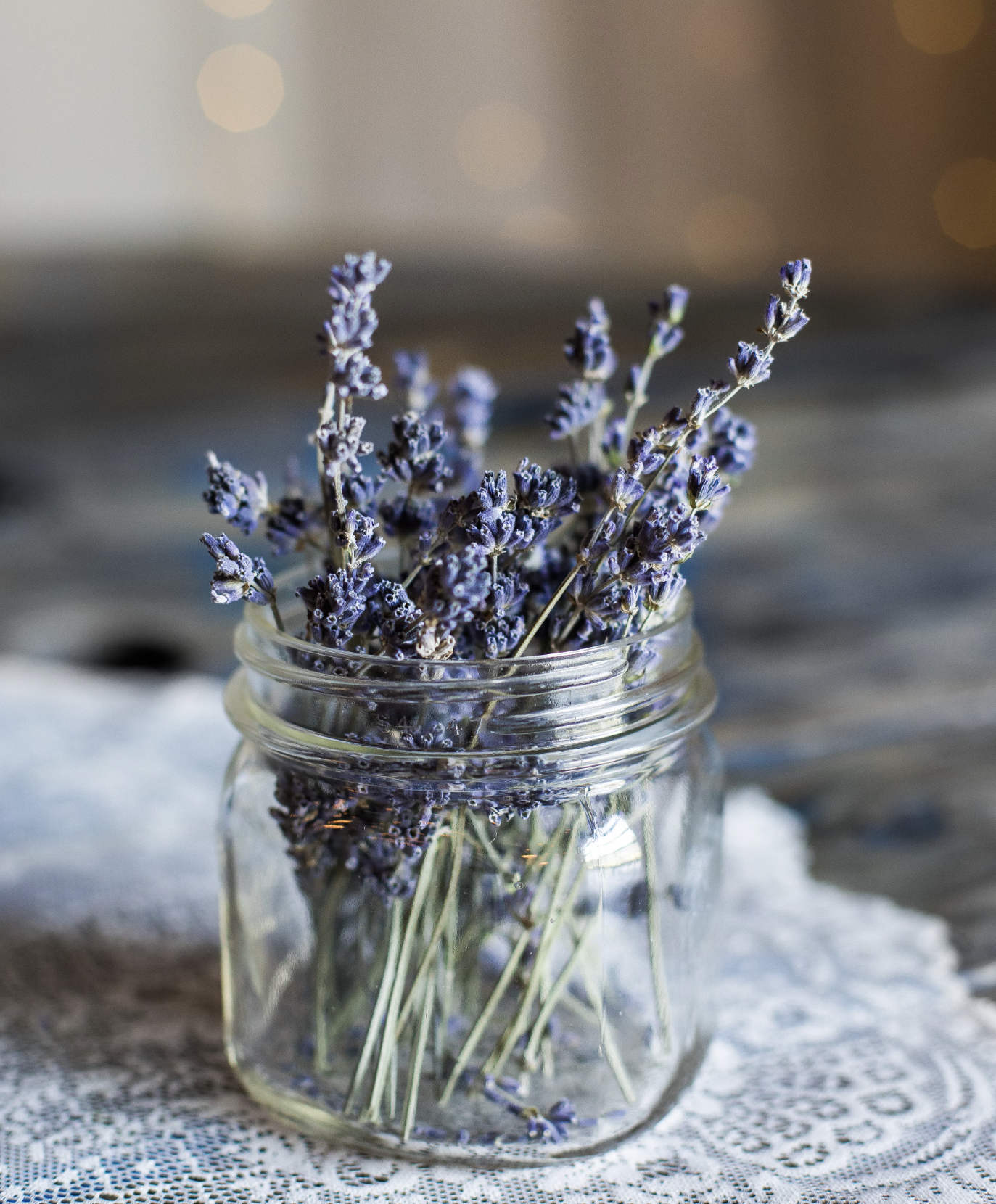
Lavender is the Swiss army knife of essential oils

For deep skin cleansing, make your own fragrant sugar scrub. And here’s how to make your own natural cosmetic cream perfumed with a floral essential oil. 

Eessential oils for improving mood and relieving stress:

Use essential oils to relieve stress after a high-pressure day. Massage is the preferred method but it also helps to drop some into a diffuser. You don’t need to spend time and money on professional massage either, wonderful as it is: massaging your own feet and legs, hands and arms with eo-perfumed lotion is effective too. Just don’t jump up and get busy right away; give yourself at least 10 minutes of rest following your self-treatment.

Lavender, again, helps you relax and even makes you drowsy. A good oil to put into a diffuser in the baby’s room. Note: use only 1-3 drops of any essential oil when treating children, and make sure the room is well ventilated. See the note at the end of this post about eos for kids. It goes without saying to make sure all the baby’s needs have been met in the first place. 

Bergamot (Citrus bergamia). Studies conclude that Bergamot essential oil relieves anxiety and stress, either inhaled from a diffuser or incorporated into lotion and massaged into the hands. I’d say, massage the feet and legs with it too.

Roman Chamomile (Chamaemelum nobile) has been used in its flower form as a relaxing tea for centuries. The essential oil helps loosen stress in massage or inhalation via diffuser. Wonderful, diluted into good oil, to massage a cranky baby. Or teenager. Or partner.

Essential oils for energy and focus:

Keep a bottle of Peppermint (Mentha piperita) or Rosemary oil in your desk drawer to sprinkle into a diffuser. Both, alone or in combination, wake you up and energize you. 

Sweet Basil (Ocimum basilicum) helps clear brain fog. Your office colleagues may appreciate the benefit of Basil as it wafts towards their cubicles.

Essential oils as aphrodesiacs
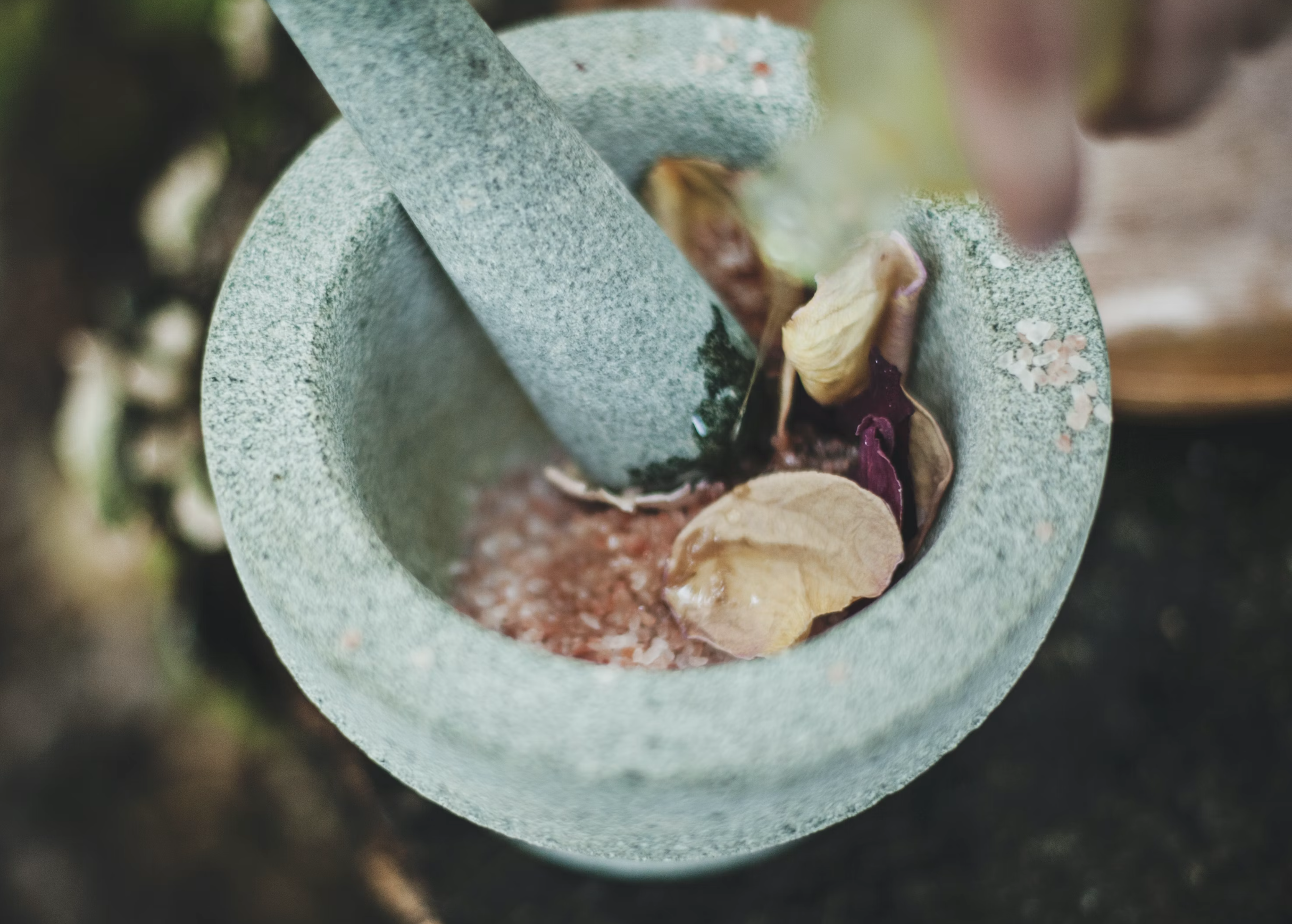
rose essential oil

Sweet-smelling Rose, Ylang-Ylang and Jasmine oils have relaxing properties that open the senses to pleasure. Put some into a bedroom diffuser, or massage your partner with lotion imbued with one of those e.o.s.

How to use essential oils

How to tell if the essential oil in the shop is worth buying: A high-quality essential oil is always bottled into dark glass, to prevent light exposure. Don’t buy oils displayed on a sunny shelf; light causes deterioration. In the same way, you should keep essential oils away from light at home.

Another sign is some Latin on the label. If the rosemary oil you’re looking at reads “Rosemary Essential Oil” with “Rosmarinus officinalis” underneath, you can be confident that the manufacturer took their work seriously.

Essential oils are the powerful expressions of medicinal plants and are toxic if used unwisely. It’s not safe to apply them undiluted to the skin, with the exception of lavender. Do not swallow essential oils! Keep the bottles in a child-safe place.

For topical applications

Swirl the chosen eo into a carrier oil, lotion or water. Use no more than 3 drops of e.o. per teaspoon of preferred carrier. For massaging children from 5 years old and adults, 1 drop per teaspoon is enough. To treat babies and toddlers, dilute it further: use 1 drop in 4 teaspoons of carrier oil.

Diffusers, steam tents and baths:

Diffusers disperse the oils in the air. You benefit from inhaling the steam in the room. Make sure the room is ventilated.

For sinus and respiratory therapy, specific eos are mixed into a bowl of hot water for a steam tent; or mixed with bath water. This requires professional advice, or advice taken from a reputable book.

Eos are useful as compresses.

For painful joints (use Ginger eo), or use one as a poultice for minor wounds, acne and chafed skin (use Sage). Dilute the oil in warm, not hot water. Dip a thin, clean cloth into the basin and apply it. Leave for 10 minutes. Put a hot water bottle over the damp cloth if wanted (not on the face or head).

Essential oils have been around for thousands of years. The ancient Egyptians, Chinese, Indians and Persians knew how to extract these oils from plants,  and traded in them. Modern aromatherapy refined the manufacture of essential oils and uses them in many applications for health and beauty. Hundreds of essential oils exist. To know more about them and their uses, buy or borrow some good books on the topic.

This article recommends using essential oils for minor ailments only. It doesn’t replace advice from a qualified aromatherapist or a doctor for treating serious illness.


 

Quick tips in whistleblowing and hiding your digital footprint

green jewelry, hands on keyboard
Telling the truth about environmental crimes can have consequences. If you need to get the story out to editors here are tips to help you avoid leaving a digital footprint. If you live in some countries like Iran your life might be in danger.

News that Siri Apple engineers are probably listening to your intimate conversations and acts through Siri is alarming. In a way many of us take the “who cares” approach to privacy because if we all share it, what do we have to lose? For most of us average people our lives are boring compared to others.

Our conversations at the doctor’s office or in the bedroom may not at all be that interesting. It’s when you have something to lose, like your career or life that you wonder about the extent of your digital footprint. We’ve had people reach out to us from countries such as Saudi Arabia, Iran and Egypt. They have told us about crimes in their local environments that they could never report to the authorities. Nuclear spills. Activists in jail. Activists who have disappeared because they thought they were above the law. They weren’t.

Update in 2022 when no-one in Iran or China can browse the internet freely without being spied on. A trusted VPN is more important than ever. 

Tips for hiding your online identity

If you want to whistleblow to a news site and avoid detection, here are some general tips that might help you avoid getting found out.

  1. Buy a burner phone: colleagues from my startup used to laugh at me every time I travelled to the US or Europe because my phone number would change. I didn’t do this to avoid detection. It was just a cheaper solution for me than keeping the same number or buying an international plan on my everyday cell phone. With cash it’s easy to buy a cell phone and a SIM card to communicate with others while avoiding building on your previous personal digital footprint. In some countries, like India for instance you might have to supply ID to buy a SIM. Try to work with locals to figure out a good solution.
  2. Turn off location apps. Any way you slice it, if you want to avoid being found you should go to your settings are turn off all location tracking apps like Waze, GPS, photos, etc.
  3. Go on “stealth mode” when you search on Google, Yahoo or any other search engine. The browser you use has a privacy mode. It’s also known as incognito mode on some browsers. Make sure you delete all cookies and restrict the browser from sending location details.
  4. There is a server that deflects your location. Every day people use this to watch streaming TV in locations that might not let them. You can Google VPN and choose from a site you trust. Reddit has some good threads on what company to work with. Stay up to date on Reddit for the best advice. 
  5. Make sure social sites you might use are not tracking you. We have a lot of motivation to provide personal information to Facebook, on Twitter, LinkedIn, Instagram and others, because, hey isn’t that all the fun to say I ate at Nobu when I was in New York City! But use your head. These sites follow and track what we do and where we go even when we have logged out of them. Like something, or share something? You are being tracked.

These steps might help you clear your tracks:

For Facebook – Go to Facebook settings > Advertising to control – this is whether ads are targeted based on your clicks in and out of Facebook. You don’t want this.

For Twitter – Go to your Access settings > Security and Privacy area. Then uncheck the box for “Tailor Ads”. You don’t want this. Tailoring ads means they are tracking you.

For LinkedIn – Go to your Privacy and Settings > Accounts > Managing Advertising Preferences. Uncheck anything that looks like it might be tracing you.

And voila. Enjoy being a dissident. Now start saving the world.

Aging in the brain is revealed by new MRI technique

0
brain cells firing
Brain cells

External signs of aging are familiar to us: gray hair, a stooped spine, occasional memory loss.  However, how do we know if a patient’s brain is aging normally or developing a disease?  And is 50 really the new 20? A new MRI technique developed in Jerusalem using an MRI let’s us know more.

The answer is found on the biological level.  Both normal aging and neurodegenerative diseases create biological “footprints” in the brain, changing the lipid and protein content of brain tissue. 

MRI’s give us a picture of our body’s insides—organs, bones, nerves and soft tissue.  But what if MRI’s could show us the molecular makeup of our body parts, and help doctors more quickly determine the onset of disease and begin treatment?

In a paper published today in Nature Communications, Professor Aviv Mezer and his team at the Hebrew University of Jerusalem successfully transformed an MRI from a diagnostic camera that takes into a device that can record changes in the biological makeup of brain tissue. 

This is especially important for doctors looking to understand whether a patient is merely getting older or developing a neurodegenerative disease, such as Alzheimer’s or Parkinson’s.

“Instead of images, our quantitative MRI model provides molecular information about the brain tissue we’re studying.  This could allow doctors to compare brain scans taken over time from the same patient, and to differentiate between healthy and diseased brain tissue, without resorting to invasive or dangerous procedures, such as brain tissue biopsies,” explained Mezer. 

Whereas current MRI scans provide only pictures of the human brain, this new technique provides biological readouts of brain tissue—the ability to see what’s going on on a molecular level, and to direct a course of treatment accordingly. 

“When we take a blood test, it shows us the exact number of white blood cells in our body and whether that number is higher than normal due to illness.  MRI scans provide images of the brain but don’t show changes in the composition of the human brain, changes that could potentially differentiate normal aging from the beginnings of Alzheimer’s or Parkinson’s,” shared PhD student Shir Filo who worked on the study. 

Looking ahead, Mezer believes that the new MRI technique will also provide a crucial understanding into how our brains age, “when we scanned young and old patients’ brains, we saw that different brain areas ages differently.  For example, in some white-matter areas, there is a decrease in brain tissue volume, whereas in the gray-matter, tissue volume remains constant.  However, we saw major changes in the molecular makeup of the gray matter in younger versus older subjects”.

All this bodes well for patients.  Not only will MRI’s be able to distinguish molecular signs of normal aging from the early signs of disease.   Patients will more likely receive correct diagnoses earlier, speeding up when they begin treatment and maintaining an improved quality of life longer, all via a non-invasive technique.

Make Delicious Pea Pod Wine

0

drinking wine

Shelling peas is a bother, but worth the effort for the singular enjoyment of eating them fresh. Frozen peas, however handy a bag of them in the back of the freezer may be, never give you that delicate flavor. But now you’re looking at a pile of shells. What can you do with them?

You can compost them. Make pea pod soup, as in our recipe here. Or make wine! Pea pod wine is an frugal, old-fashioned British recipe that deserves to be better known. Well made, the wine is light and refreshing, like a Sauternes; the pea flavor disappears in the magic of fermentation.

You do need to know basic winemaking procedure and have some basic equipment. We originally linked to Jack-Keller-Complete-Requested-Recipes-CollectionJack Keller’s winemaking blog, but he died in 2020. If you’re new to winemaking, you’ll learn everything you need to know from Keller who posted everything online for free. We found a PDF of his recipes and you download the collection here (in PDF).

According to Jack Keller of the eponymous blog (no longer online but you can see some of his writing on Facebook), you can ferment the pods of any pea or bean at all and make good wine of them. That might be easier than accumulating 2.5 kg./5 lb. of pea pods, which is the minimum quantity to produce a gallon of wine. You can also accumulate pea or bean pods a bit at a time, freezing whatever you have until you have enough.

The pods need to be cooked, which releases their starch and creates a haze in the liquor. Not to worry: give the wine enough time and the haze will go.

If you’re an experienced winemaker, skip to the recipe. If you’re a new winemaker, I urge you to go through Jack Keller’s site to learn about the procedures that will yield you good, enjoyable wine, not vinegar.

You may choose to ferment with dried baker’s yeast. It works, but it’s never the best option. It’s worth buying real wine yeast; not expensive and easily available online if you don’t have a wine supply store nearby. Another worthwhile purchase is Campden disinfectant tablets. You’ll need to clean, then sanitize your bucket, fermenting vessel and bottles. Bleach will do it, but who wants to work with bleach? To know more about sanitation in winemaking, here’s another informative link

Making “country wine” from non-grape fruit and from vegetables doesn’t require a crusher and press. But you still need some equipment. For this rural pea-pod wine, you’ll need a stock pot, a 1-gallon bucket, a carboy (glass or plastic fermentation vessel), an airlock to release fermentation gases while keeping dust and bugs out of the carboy, a strainer, a funnel,a long-handled spoon for stirring, and a new plastic syphon.

Also five 750-ml. bottles. Recycled wine bottles are fine. You may get four bottles out of this batch; it depends on how much sediment accumulates that you’ll have to get rid of.

There is the minimalist, but not recommended, “balloon” method, where the liquor is fermented in a jar and a balloon fitted over the top, pierced with a tiny hole to allow gases to escape. When the balloon droops, fermentation has stopped and you can proceed.

Remember the old country number, “Blue Suede Shoes”? The lyrics go, “You can burn my house – steal my car – drink my liquor from the old fruit jar…” It brings to mind a big jar full of home-made booze fizzing away on a kitchen shelf. But you can do better than that. Buy a carboy and airlock.

Pea Pod Wine Recipe

5 lb (2.3kg) fresh, empty pea-pods
3 lb (1.4kg) granulated sugar
½ lb (227g) yellow raisins (sultanas)
Juices from 1 lemon and 1 orange
1 cup fresh, strong, black tea
1 package wine yeast or 1 oz. (28 grams) dried baker’s yeast

Sterilize a one-gallon bucket – wash it with very hot water and soap, rinse extremely well, then use a Campden tablet rinse as per instructions. Also clean and sterilize a strainer and a long-handled spoon. No wooden spoons! It’s impossible to get rid of vinegar-making bacteria from a wooden spoon. You can sterilize the strainer and spoon in the bucket at the same time.

Wash the pods well. Boil the pods in 6 pints (3.4 litres) of water until tender, then strain the liquor into your bucket. Add the sugar. Stir until dissolved.
Wash the raisins. Either chop them or zap them in a blender with a little water. Pour the raisins into the bucket.  Add 1 crushed Campden tablet.

Cover the bucket with a clean towel and leave for 24 hours. Add the juices, tea and rehydrated wine or baker’s yeast. Let the must (it’s not wine yet) ferment for 3 days. Stir daily. Strain the must into a carboy via a funnel. Fit the airlock. Wipe up any splashes immediately. You don’t want to attract insects.

The must will roil around for a day or two or three. It depends on the ambient temperature. When the initial heavy fermentation slows down, add 8 pints (4.5 liters) cold water to the carboy.

Let the must finish until clear; about 4 weeks. But use your own judgement as to when. It doesn’t hurt to leave the wine in the carboy another few weeks.

Syphon the newly-made wine into sanitized bottles, taking care to leave any sediment behind. You may want to do this twice, waiting for the sediment to settle down in between times. Then you will need a second sanitized carboy to syphon the must into. Either way, add a crushed Campden tablet to the wine at the time.

Cork the wine, lay the bottles on their sides, and wait at least 3-4 months to drink. If you make pea pod wine now, you’ll be drinking it in the fall. 

Keller’s original pea pod wine recipe below

SNAP PEAS OR STRING BEAN WINE

Snap beans, string beans, runner beans (Phaseolus ssp.), are all related and very similar. These are the typical garden green beans grown everywhere, and yes, believe it or not, they can be made into a wine.

Pea pod wine is made from the pods only, and this wine too can be made from just the pods, but because they are typically harvested green and the pods do not open easily to release the beans contained therein, the whole thing (pod and beans) is usually used in the winemaking process. This wine is not to everyone’s liking, but it is wine and some folks have a natural affinity for it.

• 4 lbs. snap or string beans

• 1 lbs. golden raisins, chopped or minced

• 1-2/3 lbs. granulated sugar

• 3 tsp. acid blend • ½ tsp. powdered tannin

• 1 tsp. pectic enzyme

• 7 pts. water • 1 tsp. yeast nutrient

• Champagne or Hock wine yeast Wash beans.

No need to remove stems. Cut beans diagonally into 2-inch pieces, so as to expose more of the interior of the fleshy pod. Put in pot, just cover with water, and bring to a simmer for 10 minutes. Meanwhile, chop or mince white or golden raisins. Put 7 pints water in separate pot and bring to boil. Stir sugar into water until dissolved and set aside.

Strain beans (discarding their water), place in nylon straining bag, and tie bag closed. Tie chopped or minced raisins in separate bag and tie closed. Place both bags in primary and pour sugar water over bags. Add yeast nutrient, acid blend and tannin, stir and cover primary. Set aside to cool. Add pectic enzyme, stir and set aside (covered) for 12 hours.

Add activated yeast. Stir daily, squeezing ONLY the bag of raisins. After two weeks, drip drain bag with beans, saving drippings, and discard the beans. Gently squeeze raisins and discard pulp. Transfer combined liquids to secondary and attach airlock.

Rack every 2 months for 6 months, topping up and reattaching airlock each time. Wine should clear, but if it doesn’t, then treat with Amylase or starch enzyme. Stabilize when clear and no longer depositing sediments. Sweeten if desired, wait 14 days and bottle. Age one year before tasting.

Millenials Snap Up Houseplants To Relieve Stress

Big businesses are blaming millenials for “killing” lucrative markets: breakfast cereals, chain restaurants, and home ownership are some. But big business needs to recognize that the millenial generation’s preferences have changed to healthier, less consumer-oriented, and more sustainable ways of living. Rather than blaming young adults entering their prime earning years for destroying markets, it’s far smarter to understand their needs and cater to them.

Dealing with stress – and millenials’ stress is considered to be at an all-time high – is a real need. Here come houseplants to help take the pressure off. Read my post on the calming effects of plant care.

How does it work? A study done by the Journal of Physiological Anthropology sums it up:

“Our results suggest that active interaction with indoor plants can reduce physiological and psychological stress compared with mental work. This is accomplished through suppression of sympathetic nervous system activity and diastolic blood pressure and promotion of comfortable, soothed, and natural feelings.”

In other words, pottering around with plants makes you relax and feel good.

Millenials are busier accumulating experiences than collecting things – putting their money into travel rather than property. For those who don’t expect to stay in one job or apartment for more than a few years, houseplants are easier to raise than pets (or children). Supermarkets offer easy-grow, hard-to-kill plants, but savvy millenials are buying their monsteras and snake plants from online outlets like Etsy, eBay and Amazon. They’re bookmarking sites with columns on plant care advice, and shopping in boutique plant shops that in some neighborhoods, are springing up like, well, mushrooms.

Enthusiastic owners follow each other’s Instagram feeds and cultivate, so to speak, online relationships with other indoor plant owners, harvesting advice and support. The popular #plantsofinstagram hashtag attracts some 2.7 million posts. Millenials often give their plants names and invest so much emotional energy into them that it’s generated the phrase “plant parents.”

Scenting a good business opportunity, some houseplant lovers have opened shops of their own. Millenial shoppers bent on greening their homes and offices can not only buy plants, but also consult the vendor about caring for them, for a goodly consultation fee. Plant shop owners also create online communities to serve shoppers with advice on how best to grow their green darlings.

The millenial’s desire to impact the ecology as little as possible is driving some shops to create packaging that’s more environment-friendly. And that can’t be bad.

The demand for new, exciting varieties outstrips the supply and raises prices. The traditional chain of growers-wholesalers-brokers-and-retailers moves slowly because of distance (many popular houseplants are farmed in Latin America or Africa) and outdated means of communication. While the houseplant trend grows, millenials are willing to pay well – up to $200 – for rare plants like the variegated monstera deliciosa.

An interesting twist on the plant-purchase phenomenon is potential use of technology on a supremely natural product. Bloomberg reports: “Digimarc Corp., which makes invisible identifiers for a wide range of products that are more reliable and efficient than traditional bar codes, wants to embed its digital watermarks onto plant tags, labels and other types of packaging. Customers scan them with their phones and call up care advice, videos and additional information on the plant. Such innovations could help modernize a supply chain that Digimarc CEO Bruce Davis deems ‘archaic.’”

Florida grower Matt Metzler says of the rising demand for house plants, “I’ve never seen anything like this.”

It’s reminiscent of the 17th-century tulip mania in Europe, when Dutch merchants made and lost fortunes handling the fragile luxury-item flower bulbs. But unless millenial’s stress levels go markedly down in today’s competitive, economically precarious world,  houseplants will be a healthy market item for a long time to come.

Additional Resources:

Green Business Ideas to You Help You Reduce Your Carbon Footprints

0

hipster soap and water

Unplanned infrastructure developments, pollution, and deforestation (without proper reforestation plans) have led to unprecedented destruction of our ecosystem. Not only does it harm the birds, insects, fishes, and animals, even the human lives are hit hard with pollution and climate changes.

Therefore, countries from around the world have started taking initiatives to reduce the carbon footprints, because they are clearly anticipating a huge problem to our planet itself. The time has come for businesses also to take up green initiatives actively, in order to make it sustainable for them to grow in the long run.

In this post, we shall look at some of the green business ideas that can help in reducing the carbon footprints.

You can do green businesses like worm farming, making organic soaps, organic garden, becoming a green consultant, making bee-wax candles, fishes and prawns culturing, and lots more. However, to start these types of green businesses, you will need to have land and high investment. Hence, those types of businesses might not be feasible to everyone, especially the ones living in cities.

On the other hand, people can get into so many different types of green businesses online. With the fast development of high-speed Internet, and also because of the heavy competition among internet service providers, the tariff plans have become very cheap. Computer or a laptop with high-speed internet has become an essential part of our lives.

The great thing about doing businesses online is that you will be helping in reducing carbon footprints to quite an extent. You will not be burning fuel to you go to your office and to get back home after work. It also means that you will not be adding to the traffic woes of your city.

Online trading – There are many people around the world who make good money every month with online trading. You get many different options like trading on Forex, binary trading, trading on commodities like gold and oil, stock market, etc.

You can start online trading with comparatively lesser investment. However, it is important for you to know that you will be stepping foot on a volatile market, which means that there also are chances of losing money.

Therefore, you should make it a point to learn everything about trading in order to come up with successful trade strategies, as well as find the best trading platform to serve your trading needs. Alternatively, you can also go for managed trading accounts, where experienced traders will be handling your investment portfolio.

Online marketing – There are many freelancers from across the world who is earning a living by specialising in internet marketing. Although the investment is low in this kind of business, you will need to gain knowledge on everything that is required to help your clients in growing their businesses online. You could also specialise in social media marketing online to help other businesses gain more popularity.

Therefore, you should make it a point to learn everything about trading in order to come up with successful trade strategies. 

Should you eat diatomaceous earth (DT) for health?

0

A Green Prophet reader reports that her healer recommends a daily teaspoon of diatomaceous earth (D.E.) to suppress a sudden, uncharacteristic appetite for junk food. 

“Diatomaceous earth makes me feel full,” she says.   “And it’s supposed to cleanse the intestines.” 

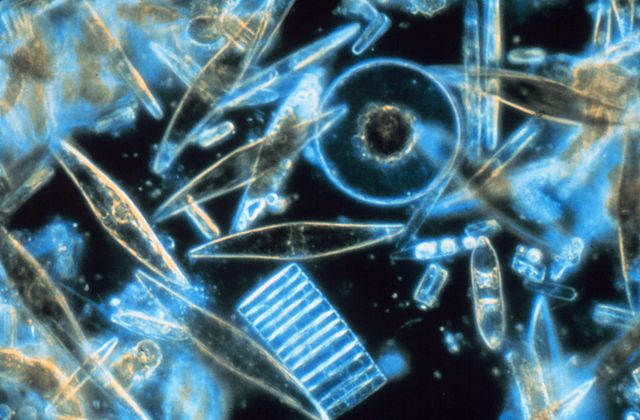
Somewhat repelled, but intrigued, I went on an information quest. What research yielded was this: diatomaceous earth is powdered rock that’s  composed of fossilized silica shells of diatoms, a species of alga. Diatoms don’t fit neatly into any of the usual categories of animal, vegetable or mineral, but they are living creatures. Below is a photo, via microscope, of ocean diatoms in between ice crystals in Antarctica. People use it on their gardens to kill insects, but along with the eating coal trend, people are eating diatomaceous earth. 

The millennial accumulation of fossilized diatom shells, mixed with natural clays and minerals, formed deposits that are most often found in or near lakes, wetlands and the ocean. Diatom shells are composed of silica (silicon dioxide), and is a form of sand; dangerous when it’s inhaled. Long-term exposure causes a lung disease, silicosis. So if you eat it, best not to breath it while you are stirring the glass. 

Diatomaceous earth as natural pesticide

We’re familiar with the use of diatomaceous earth as a natural pesticide. The silicon particles have sharp edges that minutely lacerate slugs, snails, and insects such as ants, cockroaches, bed bugs (hey New York!), and fleas. The pests lose moisture through the wounds and dehydrate. 

Farmers mix diatomaceous earth with grains in storage, to prevent insect infestation and clumping. Some hold that diatomaceous earth helps to de-worm farm animals. Diatomaceous earth is sometimes used as a soil improver, especially in potted plants such as bonsai.  However mild diatomaceous earth pesticides are, they are still regulated in the United States under the Federal Insecticide, Fungicide, and Rodenticide Act and must be registered with the Environmental Protection Agency.

Industry has uses for D.E. too: its abrasive properties are handy in metal polish, water filtration, production of dynamite, toothpaste and even some facial scrubs. I recommend our own safe, natural sugar scrub recipe over commercial products.

Now why are people eating diatomaceous earth?

And do studies show any benefit from ingesting it?

There are two types of diatomaceous earth: food-grade and non food-grade. The difference is in the content of crystalline vs. amorphous silica dioxide in it, and how finely-ground the powder is. I’m coming to the conclusion that “food-grade” is a misnomer, as there’s no solid evidence that diatomaceous earth contributes nutrition, nor anything to health, that real food doesn’t already.

The long, long list of health benefits attached to eating diatomaceous earth will make you dizzy. A daily teaspoon, blended into a smoothie or stirred into juice, is claimed to improve hair, skin, and bones. It’s supposed to detoxify the body by improving digestion, and help absorb nutrients.  Vendors claim that you’ll lose weight and reduce cholesterol levels and blood pressure.  It’ll cure diarrhea and constipation.

From eliminating coughs and menopausal symptoms to relieving back pain and insomnia, diatomaceous earth is the miracle superfood supplement of the moment.  Somewhat like CBD infused drinks. Some even claim that ingesting diatomaceous earth staves off aging and Alzheimer’s.

No results for diatomaceous earth in science

Oh, please. No studies exist that back up those claims. Websites that extol eating diatomaceous earth publish testimonials, not study results. They usually lead you to a shopping cart. I can understand how diatomaceous earth makes you feel full (you must drink a lot of water with it) – which will cut your appetite and lead to weight loss. But so will psyllium seeds. Or eating six small, nutrient-dense meals a day.

Want to detox? Why go with a sharp-edged substance that will scrape your intestinal walls, carrying protective mucous away and leaving you vulnerable to viruses and bacteria? Seen through a microscope, you can appreciate the tiny, sharp protrusions that so efficiently kill slugs and insects. 

Today’s readers are more than familiar with what it takes to detox and live longer: get off cigarettes and excessive alcohol; drink a lot more water; eat lots of salads (here’s an ancient salad recipe from the Rambam) and cooked vegetables; avoid sugar and red meat; exercise regularly and if possible, in the fresh air.

To lower blood pressure (and de-stress), learn to meditate, or learn yoga. Eat high-cocoa content chocolate! Or make these Raven cookies. If you suspect you’re harboring parasites, like after drinking unsafe water while traveling, visit to the doctor. 

Use your good judgement with trendy “superfoods” like diatomaceous earth, which isn’t a food at all.

So should you be eating diatomaceous earth?

You already know what I think.

Photos via Wikipedia and www.findlow-filters.com 

Keep Clear Of Germs and Wash Your Hands

0

Most of us have been taught to wash our hands since early childhood. But the hand hygiene we were taught can be improved. Especially now during summer vacation when we spend more time out of our own friendly-germ environment and possibly traveling, it makes sense to follow sensible precautions.

When do you wash hands? Naturally, after toilet use and after touching yucky things like garbage. How about:

  • Before starting to cook. While cooking, after you’ve handled raw meat. After any time you’ve handled raw meat.
  • Before eating. Coming in from the street and ravenous? Take a minute to wash before attacking the meal.
  • If you’re taking care of a sick person, wash before and after contact. Wash before and after treating a cut or a wound.
  • Wash well after changing diapers or wiping a child or adult.
  • Got a runny nose? Even if you’re not sick, do everyone a favor and wash your hands after a nose-blowing session. Cough or sneeze into the crook of your elbow to minimize spreading airborne cooties.
  • You love your pets, but their body wastes and food are as germy yours. So wash after handling pet food and changing kitty litter or the newspaper in the hamster’s cage.

Running water and soap are your best tools for hand-washing. Remember that the backs of your hands and between your fingers need lathering too. Use a nail brush to get dirt out from under your nails. Avoid using water that’s already been used, for example, water standing in a basin.

How long to lather? 20 seconds will do it. Or hum “Happy Birthday” to yourself twice while soaping up.

Dry thoroughly. If no clean towel is available, swish your your hands around to dry in the air. Dirty towels are worse than useless, they’re dangerous, especially if sick people are using them.

A hand sanitizer with at least 60% alcohol content will do instead of washing, but not as efficiently as water and soap, and especially if your hands are greasy or dirty with visible dirt. Rub the sanitizer between your palms, on the backs of your hands and between your fingers until it’s almost evaporated. Wave your hands to air dry.

Note that some substances, notably pesticides and heavy metals, aren’t removed from the skin with alcohol.If you’ve had contact with pesticides, wash with soap and water. Call a poison control center if the contact has been extensive, and follow instructions.

Ethyl alcohol (ethanol)-based hand sanitizers are safe when used as directed, but older children and adults might swallow some to get drunk. Bad idea.  Swallowing more than two mouthfuls will poison a person.

According to the Centers For Disease Control and Prevention, from 2011 – 2015, U.S. poison control centers received nearly 85,000 calls about hand sanitizer exposures among children. Children may be particularly likely to swallow hand sanitizers that are scented, brightly colored, or attractively packaged.

Hand sanitizers should be stored out of the reach of young children and should be used with adult supervision. Child-resistant caps could also help reduce hand sanitizer-related poisonings among young children.

:: Centers For Disease Control and Prevention


One Of The World’s Oldest Mosques Excavated In The Negev

The rocky brown soil of the Negev desert suggests an empty environment, but recent excavations by the Israel Antiquities Authority have brought to light an ancient mosque from the 7th-8th centuries CE there. It’s one of the earliest known mosques in the world, a surprising find in the area.

Dr. Jon Seligman and Shahar Zur, directors of the excavations for the Israel Antiquities Authority, say,

“A small rural mosque, dated to the 7th to 8th centuries C.E., is a rare finding anywhere in the world, especially in the area north of Be’er Sheva, where no similar building has previously been discovered. We know of large mosques in Jerusalem and Mecca from this period, but we have evidence of an ancient house of prayer here, which apparently served the farmers who lived in the area.

“We found remains of an open-air mosque – a rectangular building with a “Mihrab” – a prayer niche – facing south, towards Mecca. These features are evidence of the purpose for which this building was used, many hundred years ago”.

Also discovered are the remains of a a farm from the end of the Byzantine period (6th – 7th Century C.E.), and a small settlement from the beginning of the Islamic period (7th – 8th Century B.C.). There are stone buildings divided into living and storage spaces, open courtyards, kitchens and places for tabuns (outdoor ovens). According to the directors of the excavations,

“These sites were part of the agricultural structure in the Northern Negev in ancient times.” They estimate that the then-fertile soil and accessible water streams attracted potential farmers to the area.

According to Prof. Gideon Avni, an Israel Antiquities Authority expert on this period,

“This is one of the earliest mosques known from the beginning of the arrival of Islam in Israel, after the Arab conquest of 636 C.E. The discovery of a mosque near an agricultural settlement between Be’er Sheva and Ashkelon also indicates the processes of cultural and religious change which the country underwent during the transition from the Byzantine to the early Islamic period.

“The discovery of the village and the mosque in its vicinity are a significant contribution to the study of the history of the country during this turbulent period.

“According to historical Islamic sources, the new Islamic regime distributed plots of land to its senior officials, including Amr ibn al-‘As, an Arab military commander who conquered Israel and Syria. The continuation of excavations on the site will perhaps provide answers to the questions regarding the foundation of the settlement and the nearby mosque, and its connection to the Arab conquerors of Israel.”

Ground preparation for constructing a new neighborhood in the Beduin town of Rahat uncovered the ancient remains. The Authority for Development and Settlement of the Bedouins in the Negev and the Israel Antiquities Authority are now examining possible ways in which this special finding can be integrated into the neighborhood .

The excavation is a joint project of the Israel Antiquities Authority with Bedouin residents and youth groups. It’s part of the Legacy Project led by the Antiquities Authority in recent years, a project organizing youth groups to help with the excavations during the summer vacation. The kids earn a fair wage, get into touch with the past, and gain experiences that will last a lifetime. The project is financed by the Authority for Development and Settlement of the Bedouins in the Negev, and the Emek Ayalon Infrastructure & Projects Management Ltd (2000).

Photos by Anat Rasiuk/Israel Antiquities Authority.

5 Ways Businesses Can Increase their Sustainability & Go Green

0
dandelion beer recipe
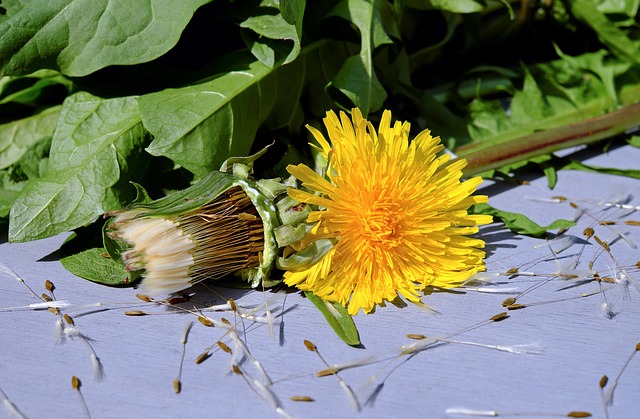
Think about your business like uses of a dandelion. This weed can also be used for brewing beer!

The best businesses don’t just turn a profit –– they make a positive impact in the lives of their employees and customers. And there’s no better way for a business to boost its reputation and do good for others than to increase its sustainability and go green. Indeed, making a few eco-friendly changes can lead not only to a better environment, but also more marketing opportunities and improved public relations. With all that in mind, today we’re going to share five ways businesses can help out the environment:

Partner with a Charity

Teaming up with a charitable organization is almost always a good idea for businesses. Again, it’s fundamentally a kind thing to do, but it will also likely score a given business valuable brownie points with consumers. As such, partnering with an environmentally conscious group is a great way to do your part for the planet, while also showing your company’s values and beliefs to the rest of the world.

Go Paperless

Plain and simple, the less waste your company produces, the more sustainable your operation becomes. Eliminating paper might seem like a straightforward enough process. However, in addition to ditching regular sheets of printing paper, businesses may also consider doing away with paper plates, utensils, and other disposable items like straws. Replacing these items in your kitchen area with reusable alternatives will save your company money and underscore your commitment to the environment.

Start a Recycling Program

It’s one thing to have recycling bins placed strategically throughout your office. It’s quite another to energize your staff and to launch a successful recycling program. Consider offering a reward to whomever recycles the most, or give your entire team a small bonus if they reach a certain recycling total at the end of the year. Motivating your team to recycle can be fun too!

Explore Remote Employment

Cars, buses, trains –– they all emit harmful chemicals that contribute to climate change. Given that fact, businesses can make themselves more eco-friendly by allowing their employees to work from home or from remote locations. Plus, modern professionals love the flexibility remote employment affords.

Conserve Energy

Businesses can cut down on utility bills and promote sustainability by purchasing products like energy-efficient light bulbs. Additionally, business owners may also consider lowering the heat or air conditioning overnight when employees aren’t in the office.

The Bottom Line

Think about Covid-19 times. Whether your business develops intricate equipment like microplates, or you sell life insurance, every company can be more sustainable. Fortunately, the above tips can help you do your part for the green cause!


The Use of Tube Settlers in Water Treatment

0

desalination, water conservation, waste water management

Water treatment systems use settling tanks unit to allow for sedimentation and settling. The main aim of tube settlers is to minimize the vertical distance that a small floc particle must settle before agglomerating into larger particles.

Water treatment is a major requirement both for raw water for drinking and wastewater management. Both have particles which need to sediment in order to obtain clear water.

Tube settler design involves the use of multiple tubular channels sloping at an angle of 60 degrees and adjacent to each other. This helps in increasing the settling area effectively. Tube settler design reduces the depth significantly compared to the conventional clarifier. This helps in reduction of settling time.

Tube settler collects solids into a compact mass and slides it down the tube channel. When using tube settlers water flow is upward through the tubes and the solids slide down against the current using gravity.

ADVANTAGES OF TUBE SETTLERS

  • They can be applied to new or existing clarifiers of any size
  • Tube settler clarifier increases the rate of operation by 2 to 4 times the normal rate of a conventional clarifier
  • They are available in varying sizes and shapes for fitting in different tanks
  • They are of lightweight because of the material used in manufacturing.
  • Tube settlers enable cutting of coagulant dosage and they maintain lower influent turbidity in the treatment of plant filters.
  • Saving of operating costs in water and electricity because of less filter backwash.
  • New installations can be made smaller because of the increased flow capability.
  • Tube settlers increase flow capacity through the expansion of settling capacity
  • They increase the solid removal rate in the settling tank

TUBE SETTLER’S DISADVANTAGES

  • May have flow distribution issues due to the smaller path of water flow which may cause plugging.
  • The material used for tube settler media may break and move downward into the filter membrane equipment.

TUBE SETTLER SPECIFICATIONS

Tube settlers are specified using

  • Size – it the diameter of the tubing in millimeters
  • Thickness – it defines the wall of the tube settler individual tube.
  • Quantity – it defines the number of tubes per meter square.
  • Weight – it is defined using Kgs per meter square.
  • Specific surface area – expressed as M2 per M3

TUBE SETTLER DESIGN

Tube settlers are designed using PVC, PP or FRP. The design may be the square type or round type tubing. The materials make them lightweight easy to retrofit.

USES OF TUBE SETTLERS

They can be used in the treatment of raw water. The source can either be a river or stagnant water.

Tube settlers save costs of boiling and condensation used to clean water.

Tube settlers are used in the treatment of sewerage water.

TUBE SETTLERS VS PLATE SETTLERS

Plate settlers are more reliable, have low maintenance and are long-lasting. As enhancement used in clarifiers, they decrease the footprint by as much as 50% over basins using tube settlers. Plate settler is made of stainless steel making them last longer than tube settlers.

Plate settlers require low maintenance than tube settlers

Plate settler require smaller basins than tube settlers

Plate settlers need specific installation height although the problem may be overcome by using special plant design.

The initial investment cost of plate settlers is greater than tube settlers

Plate settlers can be built with an enhancement that allows you to walk on during installation and maintenance. The walk-on enhancement enables high-pressure washing without causing damage to the plate settlers.

Influent distribution in plate settlers is blended with basin water and eliminating diving currents, short-circuiting and other differential density anomalies.

Effluent distribution – Plate settler have features that create even draw across the top tube. The mechanism ensures even distribution over the width of the plate settler.

CHOICE BETWEEN TUBE SETTLER AND PLATE SETTLER

The following variables should be considered when making a choice between tube settler and plate settler.

Specific application – it is the type of treatment required e.g. wastewater treatment or the amount of dirt in the raw water.

Space

The geometry of the treatment basin

Expected results

Lifetime costs of maintenance and replacement

Tube settler wastewater treatment ensures maximum clearance of sludge removal. The tubes extend the filter run time and use the minimal chemical to induce sedimentation.

Tube settler tank is used for clarification before getting the effluent. It is attached to the main quiescent zone and separated from the zone by the use of baffle.

Proven over time tube settler are ideal for water treatment especially if the budget is low. When using tube settler the efficiency can be increased by the length and increased no of the tubes in the tank. Currently, there is a tube settler made of stainless steel by some manufacturers. They reduce the shortcoming of PVC tube settler chards from breakages.

Good tube settler media should consider the topography to reduce wastage of resources.

Tube settlers are applicable for varying uses and are portable. They can be used in portable water treatment units.

Water treatment is a requirement for consumable water and when disposing wastewater. There are regulations defining the quality of water released to the environment after use in waste management.

Tube settler help in removing physical particles through sedimentation and do not remove the chemicals contained in the water. 

Tube Settler Vs Tube Clarifier

The difference between tube settler Vs tube clarifier is that a clarifier uses mechanical means when removing solids created by sedimentation while a settler aids in sedimentation. Tube clarifier clears what is created by tube settler.

CONCLUSION

Plate settler and tube settler both are technologies used to enhance sedimentation only. Each has its advantages. Tube settlers are affordable, reliable and effective.

Tube settlers are easy to upgrade because they use lightweight materials and installation procedure is not complicated.

Tube settlers wastewater treatment is an ideal technology for enhancing sedimentation.


Can You Cook With CBD Oil?

0

Lots of health benefit claims are made of CBD oil (see Bokh’s post on what non-psychoative, cannabis-derived CBD is). The most popular reason to use the oil is for pain management, a boon to people suffering from arthritis, fibromyalgia and joint pain from trauma. It’s also a popular alternative medicine product said to reduce anxiety and depression, improve sleep quality, and relieve the symptoms of neurological ailments such as epilepsy and movement disorders. In addition, the American Cancer Society supports the claim that CBD oil can slow down the growth of cancer causing cells.

As CBD oil contains a low level of cannabis’s psychoactive compound THC (no more than 0.03% by law) it doesn’t provoke the exhilarating “high” associated with straight cannabis use.

CBD oil is most often taken by mouth, applied on the skin as part of a lotion or inhaled with a vaporizer. There’s some interest in cooking with it. While it’s possible, be aware:  heat, contact with other foods, and exposure to air cause it to degrade, so cooking it loses some of its benefits.

“CBD is regarded as a relatively stable botanical, but it does lose potency over time, as it degrades,” says Dr. Glen Miller, an organic chemist at the University of New Hampshire. “The literature suggests that degradation occurs primarily in three ways, including exposure to acid and exposure to basic/alkaline conditions. But the most likely cause of CBD degradation is oxidation, which occurs upon exposure to oxygen or air, especially at elevated temperatures, but even at room temperature over longer periods of time.”

In other words, you don’t want to mix CBD oil in salad dressing with vinegar or lemon juice, and once you open the bottle, you should refrigerate and use it up soon.

How about baking with CBD oil? Some, especially vendors of CBD-enriched pastries, say that it’s fine to bake it into cookies, which have a shorter cooking time than, say, a cake. But don’t use it to fry anything, as the beneficial cannabinoid elements in it will cook right out.

The truth about CBD oil taste: it’s unpleasant. You may need to hold your nose and close your eyes to swallow it. Are there any alternatives out there? Of course, capsules. And expensive products, like CBD-infused toothpicks, gummy bears or lipstick. You can order them online. But if you suffer from chronic pain, depression, or any of the long list of ailments CBD is said to relieve, your best bet is to buy CBD isolate.

It’s the essence of CBD in powder form. You can dress almost any food with it, as its taste is mild and it dissolves easily. Just use it in foods that don’t need much heat. Some examples: stir it into guacamole; spoon it into a smoothie; mix it into salsa or gravy just before serving. Or you can tincture it into alcohol for efficient, fast relief. Ultimately, CBD isolate saves money, too, as it yields good results using less product.

The Web yields many sites advising how to use CBD oil and isolate, including recipes. Do a quick search, and if you live with chronic pain, physical or mental, you may decide to give CBD a try.

5 Ways To Use Non-Psychoactive Cannabis For Health & Wellbeing

0

If it’s one great thing that the legal cannabis industry has done for the world, it’s educate on the myriad of ways that non-psychoactive cannabis can be used for health and wellbeing. Now, that doesn’t mean the legal cannabis industry hasn’t done any other great things; the cannabis legalization movement gave the public the freedom to use plant-derived cannabinoids. Now, that doesn’t mean the legal cannabis industry hasn’t done any other great things; the cannabis legalization movement gave the public the freedom to use plant-derived cannabinoids with an individual state-required, for example, a Pennsylvania or New York medical card. And, of course, the legalization movement also freed up a lot of time for police, who, to be honest, could be better spending their time than arresting cannabis users.

Anyway, the point is that both hemp and marijuana can be used for their non-psychoactive properties. So for those who are still skeptical about the intoxicating effects of THC, there exist a plethora of ways to get the benefits of cannabis even without being intoxicated. 

If you’re lucky enough to live in a cannabis-friendly country and can grow your own cannabis, all the power to you. This makes the possibilities even greater. 

So — to all the green juice and sprout lovers who are enthusiastic about their health but don’t care too much for being high: you’re about to learn some of the ways you can reap the rewards of cannabis without being stoned.

1. Isolated cannabinoids

The first, and perhaps the most obvious, way to use non-psychoactive cannabis is to opt for isolated cannabinoids. Thanks to the rapid technological advancement within the cannabis industry, we are now able to isolate single compounds from the cannabis plant. This includes the hundreds of non-psychoactive terpenes and cannabinoids. 

CBD is the most abundant, non-psychoactive cannabinoid in hemp and marijuana. It is most often extracted from hemp, because hemp has naturally higher levels of CBD than marijuana. However, from time to time, CBD is also extracted from marijuana.

CBD is therapeutic in a multitude of different ways (a short Google search will reveal hundreds) and of course, it doesn’t have the psychoactive effects of THC. It can be consumed as CBD oil, CBD edibles, topical treatments or simply as CBD isolate. 

2. Keep it localized (don’t ingest)

The next way is to use topical cannabis. Even cannabis rich in THC can be transformed into a non-intoxicating cannabis lotion. Many athletes, and even those with rheumatoid arthritis, are beginning to brag about the effects that topical cannabis has for sore muscles and inflammation.

In fact, there are cannabinoid receptors all over the skin. When cannabis is applied topically to the skin, it can mediate pain, make skin healthier and decrease inflammation locally. 

3. Juice raw cannabis

If you can home-grow cannabis in your country, then juicing it is the best way to get cannabinoids into the body. Interestingly, THC ingested in its raw form is non-psychoactive. This is because, in raw cannabis, it exists in its acidic form, THC-A. It is converted to THC as part of a degenerative process of the molecule, specifically when it is exposed to heat. This process is called decarboxylation. Cannabis is decarboxylated before making edibles to make it psychoactive, or otherwise, it happens in a pipe or joint when somebody puts the lighter on it!

So then, taking cannabis fresh off the plant and into the juicer does not elicit any psychoactive effects. On top of this, cannabinoids in their acidic form are much better absorbed by the body, and therefore bioavailability is greater. 

4. Liquid terpenes!

Cannabis isn’t just cannabinoids, although they are the molecules specific to cannabis. A single cannabis specimen can contain over 400 different compounds. These include cannabinoids, terpenes and flavonoids. Terpenes are the molecules responsible for giving cannabis its characteristic smell and they have remedial properties of their own.

In fact, the entire discipline of aromatherapy is based in the therapeutic effects of terpenes. They are the essential oils of a plant. And as far as we know, they are non-psychoactive — although their varying qualities do contribute to the overall effect of cannabis.

The application of extraction technology means that liquid terpenes are often produced as a byproduct of cannabinoid extraction. They are sometimes available for sale and can be used in a vaporizer or can be used to make other DIY things: lotions, perfumes and maybe even consumed in small doses. In countries like Canada for instance, cannabis is now legal, medically and recreationally. It is 100% easier now to find what you need. Especially if you have medical considerations. This cannabis dispensary available in all provinces helps give consultations to those who have specific requests. 

5. Hempseed

When people praise cannabis for how versatile it is, they’re justified. Virtually every part of the hemp plant can be used for something, including the seeds (other than for planting). Hempseed is jam packed with all kinds of goodness, including being rich in protein beneficial fatty acids. It can be added to everything, too and has a delicious nutty flavor. It can be thrown in salads, mixed into juices or simply added to a nut mix.

Hempseed oil also has a number of applications. It can be applied to the skin or the hair, or can be used in cooking instead of other oils.

Cannabis is much more than just a piece of plant material to put in the end of a pipe. Long gone are the days where that was the only way to enjoy the benefits of cannabis. The legal cannabis industry has created so many ways for people to reap the rewards of cannabinoids that now, virtually anybody can use them! 

Enormous Neolithic Site Near Jerusalem Reveals 9000-Year-Old Secrets

neolithic site Jerusalem

Conventional thought among archaeologists was that Neolithic people didn’t settle in the area around the Judean Hills. Yet Motza, 5 kilometers west of Jerusalem, was always within easy distance of fresh water from the Sorek river, and near good agricultural ground. A trail coming from the southern foothills allowed access to traders and emigrants. All those were good reasons for past people to settle in the area.

Recent excavations by the Israel Antiquities Authority at the Motza junction uncovered a huge settlement from the Neolithic Period (New Stone Age). It’s the largest known in Israel from that period, and one of the largest of its kind in the region. See also our post about the oldest-known bread, discovered in Jordan.

Dr. Hamoudi Khalaily and Dr. Jacob Vardi, Antiquities Authority excavation directors at Motza say,

“This is the first time that such a large-scale settlement from the Neolithic Period – 9,000 years ago – has been discovered in Israel. Until now, it was believed that the Judea area was empty, and that sites of that size existed only on the other bank of the Jordan river, or at the Northern Levant.”

The researchers estimate that 2000-3000 people lived and worked in the area until now considered barren.  They excavated large buildings with alleys running between them, and found house spaces, storage sheds, public spaces, tombs,and places of worship. Uncovered burial offerings made of materials from Anatolian volcanic glass, and sea shells from the Red Sea and the Mediterranean Sea, show that the inhabitants traded with foreigners. Artistic figurines were found (presumably house idols).

Jewelry for everyday was also uncovered: bracelets and medallions made of alabaster beads and mother of pearl, and carefully crafted stone-bead bracelets for children to wear.

Neolithic jewelry

Judging from the thousands of flint arrowheads found, hunting was part of everyday subsistence, and warlike defense was well understood. The remains of axes, sickles and knives show that the inhabitants made and used tools for agriculture. Indeed, huge quantities of identifiable pulses, especially lentils, were found in the storage sheds. Yet it seems that the people of the settlement were turning away from hunting, as large quantities of sheep bones found indicate a preference for home-raised meat instead.

The excavations were initiated and financed by the Netivei Israel Company (the National Transport Infrastructure company), after the Highway 16 Project revealed archaeological remains. The project is constructing a new entrance road to Jerusalem from the west, connecting the National Highway 1 from the Motza area to the southern part of Jerusalem including two double tunnels. It is considered vital to access to Jerusalem.

Gilad Naor, Head of Projects Department at the Netivei Israel Company says, “It is a huge privilege for us, as the Israel National Transport Infrastructure Company, that tomorrow’s transportation infrastructure projects facilitate such special discoveries in the splendid history of our country.”

In preparation for the release of the excavated area, the entire site was documented using advanced 3D technology that will enable research of every detail digitally. A large part of the prehistoric site around the excavation will be preserved. In addition, there will be an exhibition showing the site’s history built by the Israel Antiquities Authority. At Tel Motza, adjacent to this excavation, archaeological remains are being preserved for the public. Conservation and accessibility works are underway in nearby Tel Bet Shemesh and Tel Yarmut.

26 of the Most Effective Kitchen Hacks

Everyone has their own comfort level in the kitchen. Some people feel completely comfortable with a knife in hand while others use the kitchen for snacks and as a place to sit while ordering take-out. 

Regardless of the frequency that you use your kitchen, you can hit the progressive jackpot in saving time, money and aggravation by keeping a ready list of some of the most useful kitchen hacks. 

Whether you’re struggling with a stuck jar lid, find your eyes watering while chopping onions or trying to fish pieces of egg shells out of your dish, our list of the kitchen experts’ top kitchen hacks will be useful. 

Preparing Food

  • If you’re getting ready to grate hard cheese, put it in the freezer for about 30 minutes to keep the cheese from sticking to the grater while grating. Soft cheeses (goat cheese, brie) can be sliced smoothly using dental floss. 
  • Sick of watery eyes from cutting onions? Freeze the onion before chopping.  If you don’t have time to freeze the onion before it needs to be cut, put a piece or bread or a spoon in your mouth while you are cutting it. Some people say that the bread will absorb the onion’s odor to keep it from reaching your nose but no one seems to know why the spoon works….but it does!
  • To open a stuck jar lid, you can give it more traction by wrapping the lid with a rubber band. If that’s not enough, grasp the wrapped lid with a towel.  You can also bang the side of the lid on a countertop or on the floor to break the suction that is keeping the lid from turning.
  • If you’re baking with butter or making herb butter, you need to soften the butter before you work with it.  You can leave it on the counter for awhile first but that requires planning. Alternately, you can put it in a plastic bag and roll it with a rolling pin. You can also grate it with a grater.  An even simpler idea involves cutting the block of butter into smaller cubes for faster softening.
  • How many times do you skip a recipe because it calls for buttermilk and you don’t have any? Truthfully, buttermilk isn’t a staple that people generally keep stocked.  You can easily make your own buttermilk by adding a tablespoon of lemon juice or vinegar.  You won’t get a thick, creaming genuine buttermilk but the ersatz buttermilk will work well in your recipe.
  • Honey is expensive. There’s no reason to go out and buy more honey just because the honey that you have in your cupboard has crystalized.  Take the honey jar and remove the lid.  Then put it in a pan or pot of boiling water. The honey will de-crystalize and you can pour it out.
  • Cracking raw eggs almost always means that some shell gets mixed in with the raw egg. To remove the shell, scoop it up with the half piece of the already-cracked egg shell.  That half acts as a magnet to scoop out errant shell pieces.
  • Speaking of honey, if you need to measure out sticky stuff like honey, peanut butter, tehina, etc, you can save yourself some clean-up time by rubbing some oil on the measuring cup before you pour in the sticky ingredient.
  • In addition to being a delicious addition to soups, salads and sauces, garlic is good for you. Too often, cooks skimp on the garlic because it’s such a pain in the you-know-what to peel.  For a quick peel hack, remove all the cloves from the garlic bulb and then whack each clove with a rolling pin. The skin will disengage from the garlic clove.

Storing Food

  • Store tomatoes at room temperature to keep them fresh longer
  • Keep peeled potatoes white by covering them with cold water. When potatoes are peeled, they release a starch that makes them oxidize.  If you put them in cold water, they won’t turn brown as the starch is released into the water (throw out the water when you’re ready to cook).
  • Wrap the end of a bunch of bananas with plastic to keep them fresher, longer. Conversely, if you want to ripen a banana faster, put it in a paper bag.
  • Check your eggs for freshness by putting them in a bowl of water. Eggs that sink to the bottom of the bowl are fresh but those that float are not.

Cooking and Baking

  • Parchment paper is your friend.  Use it to put in the pan when baking. Clean-up is 100% easier and more efficient. To remove from parchment paper more easily, grease the parchment paper before you pour in the dough or food.
  • Don’t have a coffee maker to brew a good cup of coffee? Use a strainer.  Put 1 Tbsp coffee grounds per cup in the strainer (a small strainer is best).  Pour boiling water over the coffee grounds to brew the coffee. You can even add your coffee grounds to your plants to perk up your garden.

Leftovers

  • Repurpose your leftovers into new and different meal options. Match cooked chicken or fish with a different starch – noodles, potatoes, rice, etc or add some vegetables and eggs and mix it into a casserole.  The family doesn’t have to FEEL like their eating leftovers, even when they are.
  • If you reheat food in a microwave, put a cup of water next to the dish to keep it moist.
  • When reheating a block of pasta in the microwave, carve a hole in the middle of the pasta to help it heat evenly.

Freezing

  • Fresh herbs are worth their weight in gold for creating the best dishes. Freeze them in ice cube containers and then you can use them later, as a seasoning agent that still has all of its freshness.
  • Freeze shelled nuts, especially in warm weather, to help them preserve their natural oils and keep bugs from infesting them.

Clean Up

  • Rub your hands with lemon juice to remove strong odors (onions, garlic, etc). Baking soda also works well.
  • You can get pesticides off your fruits and vegetables by soaking them in a mixture of vinegar and baking soda for 15 minutes before eating.
  • Clean a coffee grinder, blender or food processor by running it for a few minutes with a soap and water mixture. You’ll get all the crumbs out of the hard-to-get-to places and save yourself a good bit of time. 

Safety

  • Keep a supply of baking soda stocked, within easy reach, in the kitchen. Baking soda is useful in putting out grease fires.
  • Keep a fire extinguisher near your cooking area.
  • Make sure that you have a working smoke detector near your kitchen.  Check it every month to make sure that the battery is working.