“In the midst of uncertain time, renewable energy remains consistent and steadfast in its expansion,” said Francesco La Camera, IRENA’s Director-General. “A more decentralised energy system, with a growing share of renewables and more market players, is structurally more resilient.”
Health insurance is a regulated financial product. Insurers operate under binding contracts, overseen by state insurance commissioners, that legally obligate them to pay claims meeting policy terms. Policyholders who believe a covered claim was wrongfully denied have legal recourse through state regulatory channels.
The New Zealand Merino Company, now rebranded as Zentera, has quietly removed the phrase “world’s leading ethical wool brand” from its website, a notable change that comes after a disturbing investigation by PETA Asia-Pacific into the company’s ZQ-certified wool supply chain, PETA reports to Green Prophet.
Somehow vegetables with short seasons excite the imagination and appetite more sharply than produce that’s available all year around. Good Middle Eastern cooks have many recipes for delicate fava beans, and this turmeric-fragrant soup is one.
“In the midst of uncertain time, renewable energy remains consistent and steadfast in its expansion,” said Francesco La Camera, IRENA’s Director-General. “A more decentralised energy system, with a growing share of renewables and more market players, is structurally more resilient.”
Health insurance is a regulated financial product. Insurers operate under binding contracts, overseen by state insurance commissioners, that legally obligate them to pay claims meeting policy terms. Policyholders who believe a covered claim was wrongfully denied have legal recourse through state regulatory channels.
The New Zealand Merino Company, now rebranded as Zentera, has quietly removed the phrase “world’s leading ethical wool brand” from its website, a notable change that comes after a disturbing investigation by PETA Asia-Pacific into the company’s ZQ-certified wool supply chain, PETA reports to Green Prophet.
Somehow vegetables with short seasons excite the imagination and appetite more sharply than produce that’s available all year around. Good Middle Eastern cooks have many recipes for delicate fava beans, and this turmeric-fragrant soup is one.
“In the midst of uncertain time, renewable energy remains consistent and steadfast in its expansion,” said Francesco La Camera, IRENA’s Director-General. “A more decentralised energy system, with a growing share of renewables and more market players, is structurally more resilient.”
Health insurance is a regulated financial product. Insurers operate under binding contracts, overseen by state insurance commissioners, that legally obligate them to pay claims meeting policy terms. Policyholders who believe a covered claim was wrongfully denied have legal recourse through state regulatory channels.
The New Zealand Merino Company, now rebranded as Zentera, has quietly removed the phrase “world’s leading ethical wool brand” from its website, a notable change that comes after a disturbing investigation by PETA Asia-Pacific into the company’s ZQ-certified wool supply chain, PETA reports to Green Prophet.
Somehow vegetables with short seasons excite the imagination and appetite more sharply than produce that’s available all year around. Good Middle Eastern cooks have many recipes for delicate fava beans, and this turmeric-fragrant soup is one.
“In the midst of uncertain time, renewable energy remains consistent and steadfast in its expansion,” said Francesco La Camera, IRENA’s Director-General. “A more decentralised energy system, with a growing share of renewables and more market players, is structurally more resilient.”
Health insurance is a regulated financial product. Insurers operate under binding contracts, overseen by state insurance commissioners, that legally obligate them to pay claims meeting policy terms. Policyholders who believe a covered claim was wrongfully denied have legal recourse through state regulatory channels.
The New Zealand Merino Company, now rebranded as Zentera, has quietly removed the phrase “world’s leading ethical wool brand” from its website, a notable change that comes after a disturbing investigation by PETA Asia-Pacific into the company’s ZQ-certified wool supply chain, PETA reports to Green Prophet.
Somehow vegetables with short seasons excite the imagination and appetite more sharply than produce that’s available all year around. Good Middle Eastern cooks have many recipes for delicate fava beans, and this turmeric-fragrant soup is one.
“In the midst of uncertain time, renewable energy remains consistent and steadfast in its expansion,” said Francesco La Camera, IRENA’s Director-General. “A more decentralised energy system, with a growing share of renewables and more market players, is structurally more resilient.”
Health insurance is a regulated financial product. Insurers operate under binding contracts, overseen by state insurance commissioners, that legally obligate them to pay claims meeting policy terms. Policyholders who believe a covered claim was wrongfully denied have legal recourse through state regulatory channels.
The New Zealand Merino Company, now rebranded as Zentera, has quietly removed the phrase “world’s leading ethical wool brand” from its website, a notable change that comes after a disturbing investigation by PETA Asia-Pacific into the company’s ZQ-certified wool supply chain, PETA reports to Green Prophet.
Somehow vegetables with short seasons excite the imagination and appetite more sharply than produce that’s available all year around. Good Middle Eastern cooks have many recipes for delicate fava beans, and this turmeric-fragrant soup is one.
“In the midst of uncertain time, renewable energy remains consistent and steadfast in its expansion,” said Francesco La Camera, IRENA’s Director-General. “A more decentralised energy system, with a growing share of renewables and more market players, is structurally more resilient.”
Health insurance is a regulated financial product. Insurers operate under binding contracts, overseen by state insurance commissioners, that legally obligate them to pay claims meeting policy terms. Policyholders who believe a covered claim was wrongfully denied have legal recourse through state regulatory channels.
The New Zealand Merino Company, now rebranded as Zentera, has quietly removed the phrase “world’s leading ethical wool brand” from its website, a notable change that comes after a disturbing investigation by PETA Asia-Pacific into the company’s ZQ-certified wool supply chain, PETA reports to Green Prophet.
Somehow vegetables with short seasons excite the imagination and appetite more sharply than produce that’s available all year around. Good Middle Eastern cooks have many recipes for delicate fava beans, and this turmeric-fragrant soup is one.
“In the midst of uncertain time, renewable energy remains consistent and steadfast in its expansion,” said Francesco La Camera, IRENA’s Director-General. “A more decentralised energy system, with a growing share of renewables and more market players, is structurally more resilient.”
Health insurance is a regulated financial product. Insurers operate under binding contracts, overseen by state insurance commissioners, that legally obligate them to pay claims meeting policy terms. Policyholders who believe a covered claim was wrongfully denied have legal recourse through state regulatory channels.
The New Zealand Merino Company, now rebranded as Zentera, has quietly removed the phrase “world’s leading ethical wool brand” from its website, a notable change that comes after a disturbing investigation by PETA Asia-Pacific into the company’s ZQ-certified wool supply chain, PETA reports to Green Prophet.
Somehow vegetables with short seasons excite the imagination and appetite more sharply than produce that’s available all year around. Good Middle Eastern cooks have many recipes for delicate fava beans, and this turmeric-fragrant soup is one.
“In the midst of uncertain time, renewable energy remains consistent and steadfast in its expansion,” said Francesco La Camera, IRENA’s Director-General. “A more decentralised energy system, with a growing share of renewables and more market players, is structurally more resilient.”
Health insurance is a regulated financial product. Insurers operate under binding contracts, overseen by state insurance commissioners, that legally obligate them to pay claims meeting policy terms. Policyholders who believe a covered claim was wrongfully denied have legal recourse through state regulatory channels.
The New Zealand Merino Company, now rebranded as Zentera, has quietly removed the phrase “world’s leading ethical wool brand” from its website, a notable change that comes after a disturbing investigation by PETA Asia-Pacific into the company’s ZQ-certified wool supply chain, PETA reports to Green Prophet.
Somehow vegetables with short seasons excite the imagination and appetite more sharply than produce that’s available all year around. Good Middle Eastern cooks have many recipes for delicate fava beans, and this turmeric-fragrant soup is one.
Gadgets for the home are a saturated market at the moment with a number of companies producing the next best gadget. But what about gadgets to help your household develop an eco-friendlier lifestyle? With a number of eco-friendly gadgets costing a small fortune, it may seem tempting to apply for quick payday loans online to cover the costs. However, these should be used for financial emergency only, meaning that alternative finance will be needed to cover the cost of any gadget you choose to buy. Though some of these gadgets can be expensive, we have compiled a list of affordable gadgets under £50 that will help you to reduce your carbon footprint over time.
Smart Thermostat
With brands such as Hive, Honeywell and Google all providing smart thermostats for your home, you can help to reduce the cost of your energy bills and help to keep your house at a regular temperature. This can be programmed from your phone allowing you to turn the heating on and off before you even get home. This will help to reduce the cost of your energy bill month on month without spending a small fortune making it the perfect option for your home.
Solar Phone Charger
If you spend a lot of time on your phone there can be a lot of energy used up when charging it so why not reduce your carbon footprint by opting for a solar-powered phone charger. This mighty gadget is available from a number of different brands giving you a larger amount of power without breaking the bank. This is perfect for use in the garden or even taking away on a camping trip as it gives you the ability to charge your phone without relying on electricity, thus helping to reduce your carbon footprint.
H20 Powered Alarm Clock
A traditional alarm clock can also be a drain on your electricity bill and sometimes the alarm function on your phone is too unreliable, so why not opt for water powered alarm clock. This handy little gadget is powered by water and can be purchased from a number of different retailers for under £20. This completely removes the reliance on electric power allowing you to wake up knowing you are creating a greener home. Whether you are looking for one in the shape of a can or you are looking for something a little smaller, there are a number of options on the market for you to choose from.
Shower Timer
The final gadget that may be worth investing in is a shower timer. Whether it is an electric timer or a timer on the wall of your shower, this will help you to limit the water consumption of your home and maintain an affordable water bill. This will help you in the long term, particularly if you have a water meter as you are then ensuring that you are not charged extra as a result. There are a number of these handy gadgets on the market from retailers such as Amazon and eBay allowing you to gift it to someone you love or buy one for yourself.
With this in mind, there are a number of gadgets for you to choose from that will help your household to reduce its carbon footprint and save money on your monthly bills with just a few simple changes. Which of these will you be purchasing first?
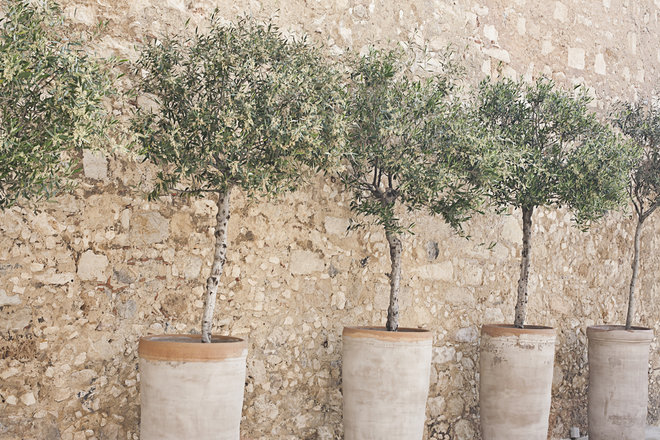
The ancient olive tree. Ninety-five percent of all olive oil comes from the Mediterranean.
Is there any fruit more evocative of the Mediterranean than an olive?
We don’t know exactly where the first wild olive trees grew (though we know you can grow an olive tree in your living room), although it’s speculated that they first appeared in Syria, Lebanon, or possibly Jordan. It’s known that people began cultivating the olive tree about 7000 years ago. Olive pits have been discovered found in ancient tombs around the Levant, as well as fossilized olive wood fragments.
The desire to exploit the noble olive spread westward, such that from the Middle East, cultivation spread to Spain, Portugal, Italy, France and sub-Saharan Africa. And now we find Kurdish roots for the olive tree as well. Fossil evidence shows that olive trees grew in what’s now Italy and the eastern Mediterranean Basin 20 to 40 million years ago. Although the olive is now grown in California, Argentina, and other regions with the correct conditions of mild, rainy winters and hot summers, 95% of the world’s olives still come from the Mediterranean – though some of it is fake, watch out.
Ancient people soon learned to press oil out of the olive and use it for lighting. It took some good millennia to understand that the bitter olive could be tamed and made edible by leaching out its natural harshness, and fermenting it in salt.
Dreamy, ancient olive trees.
There are pleasant legends about how this was discovered. One story relates that a Greek (or Italian, or Lebanese) fisherman stowed a bag of olives in his boat and forgot about them as he went about his daily business, letting sea water slosh in and out of the bag for weeks. When he finally decided to open the bag and inspect the contents, the delicious smell of ready-to-eat olives tempted him to eat… and that’s how humans learned what a delicacy we’d been missing. Who knows, eh? It’s a nice thing to think of.
Olive oil has long been considered sacred. The purity of olive oil, and the clear, soft light it casts, and its inoffensive odor when burned, has made it a natural choice for religious rituals since ancient times, and indeed until today.
In Judaism olive oil was infused with aromatic herbs according to a specific formula, and used to anoint the High Priest at the Temple in Jerusalem, prophets, and some kings. The “eternal light” in the Temple was naturally fueled by olive oil. Plain olive oil is still preferred for lighting Hannukah and Shabbat candles in Jewish homes. The olive is one of Israel’s “Seven Species,” fruits and grains native to the region and which have Biblical connection.
The custom of anointing a monarch at coronation was preserved by the Church and is used till this day.
Ancient Greeks also anointed kings with olive oil. The lamps that illuminated ancient shrines burned olive oil. Olive twigs were twined into wreaths crowning winners in athletic games, victorious warriors returning home, and distinguished citizens of any stripe.
Before the craft of making soap became known, olive oil was used in personal hygiene. The Greeks would smear themselves with it and scrape it off with a curved instrument called the strigil, thus carrying off dirt and sweat. Whoever could afford to then went off to the public baths and steamed themselves.
The silvery-green olive leaf is still a symbol of abundance, hope, and peace. Remember the Biblical story of Noah’s dove returning from land with an olive twig in its beak? The sign that the Flood had abated must have been a huge relief to Noah’s family – and the animals living close to each other in the dark lower levels of the Ark (to view a modern reproduction of Noah’s Ark, click here). Today, the phrase “offering an olive branch” indicates reconciliation and the hand of friendship.
In Islam, olive oil is eaten as a pleasing obedience to the Prophet Muhammad’s injunction to “Eat the oil of the olive, for it is a blessed fruit.” The Prophet also said, “Every kind of olive oil is for you; anoint yourself with it.” Legend says that the Prophet was so devoted to the oil that his very shawl was soaked in it.
Olive trees can live for centuries; even millennia. Those ancient trees’ trunks split over the centuries, but still produce a harvest of fruit every year. Some of them are known in France, Italy and Lebanon.
I have seen enormous ancient olive trees in the north of Israel as well. It’s awesome – in the original sense of the word – to contemplate those very old trees and think of the original farmers who put the saplings in the soil 2000 years ago or more. They may have hoped that their descendants would continue caring for the trees and harvesting the fruit, but could they have imagined that unknown people would cultivate their orchards countless years later?
The Druze communities in Israel and Syria (watch me make freekeh with the Druze) also hold the olive and its oil as quasi-sacred. A Druze woman told me this story about the olive and King Solomon:
Solomon was known to speak the language of every living creature, even the trees. When he died, all the trees shed their leaves in mourning, except for one – the olive.
“See how we show our grief to the world,” the trees said to the olive in reproach. “Do you too shed your leaves, to honor the memory of Solomon.”
“I keep my grief for Solomon’s passing in my heart, and have no need to show it,” the olive replied. “I will live longer than you, and even longer than Solomon himself, and in his honor I will bear good fruit as long as I live.”
We’re always looking for something new and creative to do with our homes. But eventually, you get tired of just rearranging the furniture and are at a loss as to what else to try. You’re in luck, because finding cool new stuff to do with your home is surprisingly easy, and a lot of fun to boot.
Some folks may not have the utmost confidence in their DIY skills or creativity. However, there are super simple changes you can make that don’t require a background as a contractor or an interior decorator. And, they will leave your home looking great nonetheless.
Let’s look at four of the coolest projects, adjustments, and other setup changes you can make to your home.
Turn your bedroom walls into alcoves or wall niches
If your home has drywall like in most modern homes (as opposed to the hard plaster walls from years gone by), then they have plenty of hollow space you can use for a nook or wall niche. It won’t be deep enough for full-on closet space. However, if you use a stud finder to locate the wooden beams in the wall, you can open the wall up and install shallow shelves for small items like your alarm clock, cell phone, wallet, or even a bedtime book.
Get smaller-scale furniture for your living room
Living rooms have gotten progressively bigger in houses built from the 1960s onward. Older homes tend to have much more modestly-sized living rooms. And as such, you can get the most out of the space by forgoing the huge, corner-hugging couch and wall-spanning entertainment center. Instead, get more reasonably-sized loveseats and chairs. You’ll be amazed at how much bigger the room looks just making that one change.
Ditch the dining room cabinets and go with shelving instead
Nobody will argue that the classic china closet looks great and adds a touch of class to any dining room. But, the downside is that they’re also usually huge and wildly space-inefficient. Another option you might try is floating shelves. They can be placed and sized to fit efficiently into just about any dining room. Since they’re designed to your specifications, floating shelves are one of the most flexible options available to you.
Put an adjustable standing desk in your home office
Although business professionals have been doing it for many years, a greater focus has recently been put on the fact that sitting all day is not healthy. Some experts say the effects of sitting at a desk all day are comparable to the effects of smoking. You can avoid the health risks by getting an adjustable desk. This will allow you to switch between sitting and standing positions at will, and keep your metabolism at a healthy rate while keeping your blood pressure down.
Keep the above ideas in mind when you’re shopping through the many news tiny homes for sale and imagine the possibilities of what you can do when you find the right home for you!
There are a number of amazing benefits to essential oils for both the skin, hair and even nails, but which is best to help combat hair loss and keep the scalp as happy as possible? Though some forms of hair loss are hereditary, there is beard transplant Turkey options to help restore growth and help to reduce the appearance of sparse patches. However, if you are just looking for a simple way to keep the scalp healthy, these essential oils could be for you.
Peppermint Essential Oil
The use of peppermint oil on your hair has a number of benefits for your scalp as well as the strength of your hair. The tingling sensation that is generated from the use of peppermint oil is often used to increase blood flow to the scalp. This is beneficial to your hair as it helps to stimulate the growth of the hair and keep the vitamins and minerals reaching the strands. Mix this essential oil into shampoo and conditioner and massage into the scalp for the best possible results.
Much like the cleansing power of peppermint oil, tea tree is highly beneficial for the scalp as it has powerful cleansing and antibacterial properties. In addition to being great for the scalp, it is also highly effective on blemishes as it helps to calm inflammation and help to reduce the appearance of acne breakouts. By applying 10 drops of this essential oil to your chosen shampoo or conditioner, you can then begin to massage this into the scalp and begin to see the effects. By unclogging the scalp, you are then able to promote a healthy level of growth whilst preventing common issues such as dandruff.
Lavender Oil
In addition to smelling great and helping to promote relaxation, lavender oil is also one of the perfect ways to encourage the growth of your hair and prevent bacteria from growing and irritating the scalp. In addition to this, essential oils such as this helps to reduce the risk of headlice whilst reducing the effects of inflammation. This is the perfect all-round hair product that can be added to shampoo or used as a stand-alone product to help keep hair healthy and reduce common symptoms such as irritation.
Thyme Oil
Thyme oil is also beneficial for a number of reasons, whether this is antibacterial and antifungal properties or cleansing properties of the pores, this can help to keep your hair looking healthy over time. This oil is also commonly used for therapeutic purposes as the natural sent helps to encourage relaxation. Whether you use a product with this oil already infused or you choose to make your own, you can have the hair care products you need in no time to completely rejuvenate your hair and keep it looking as shiny and healthy as possible throughout the course of the year.
Cedarwood Oil
The final oil that may be worth using in your hair care routine is Cedarwood oil. With a number of scientific studies looking into the benefits of cedarwood oil for the treatment of alopecia, there is reason to suggest that a daily massage using this essential oil helped to promote hair growth from the scalp down to the tips of the hair. Though this essential oil will need a carrier oil in order for it to be applied to the hair, this can be used every month to maintain a healthy level of growth and encourage the build-up of strength in the hair.
Whether you are looking to care for your hair through a brand-new set of products, or you are looking to incorporate essential oils into your hair care routine, you can be sure you will get the results you want in no time.
And read here: the 11 essential oils every home needs
If you look to what was brewing before the Syrian civil war, it was clear that people there were suffering from the effects of climate change. Environmentalists warned that extended droughts there would cause hunger, poverty and unrest.
The conditions were right about a decade ago for the poor conditions to foment to a very unfavourable civil war with millions of Syrians displaced to Jordan, Turkey, Lebanon, Europe and even Canada. It is much less than ideal to have to resettle your family in other countries and lose loved ones in the turmoil and countries around the world can learn from Syria what will happen if the climate change crisis continues. We will see Syria’s problems all over the Middle East. (See also their solutions like the Syrian beehive house).
A Syrian farmer cultivating the damask rose
Last year rains were plentiful in the Middle East, giving hope to United Nations bodies overlooking food and poverty.
Favourable rains in Syria’s agricultural areas, coupled with improved overall security, have boosted harvests compared to last year, but higher food prices are putting more strain on many Syrians, a new United Nations report has found.
Wheat production is estimated at 2.2 million metric tonnes, compared to last year’s 29-year low of 1.2 million tonnes, but is still far below the pre-crisis average of 4.1 million tonnes (2002-2011), according to the latest Crop and Food Security Assessment Mission (CFSAM) report, produced jointly by the UN Food and Agriculture Organization (FAO) and the World Food Programme (WFP).
The estimated production of barley, at 2 million metric tonnes, is more than five times that of 2018 and more than 150 percent higher than the average production levels achieved prior to the crisis.
Hungry Syrian kid
However, food prices have been gradually increasing over the past 12 to 14 months largely as a result of increased domestic fuel prices and a continuous depreciation of the Syrian Pound on the informal exchange market.
Food security remains a serious challenge due to continued localized hostilities, new and protracted displacements, increased numbers of recent returnees and the sustained erosion of communities’ resilience after almost nine years of conflict.
Time to support Syrian farmers world!
“Despite the good rains, farmers in rural areas are still facing many challenges including a lack of access to seeds and fertilizers, high transport costs, the presence of unexploded ordnance in some of their fields, and limited marketing opportunities,” said FAO Representative in Syria, Mike Robson. “Unless there is increased support for agricultural livelihoods, particularly those of Syria’s most vulnerable families, the reliance on food assistance will remain,” he said.
“After nine years of crisis, the people of Syria, including those returning to their villages, continue to face great challenges,” said Corinne Fleischer, Country Director of WFP in Syria. “Many struggle to feed and educate their children. WFP remains committed to delivering assistance which helps them to survive and eventually to rebuild their lives.”
Between June and July 2019, the joint FAO/WFP mission team visited ten of the country’s 14 governorates, but was not able to reach Raqqa and Idleb governorates due to insecurity. Based on interviews, surveys, field visits, national data and satellite information, the report provides estimates on crop production for 2019 and assesses the country’s overall food security situation.
Families struggling to make ends meet
Around 6.5 million people in Syria are estimated to be food insecure and in need of food and livelihoods support. An additional 2.5 million people are at risk of food insecurity and need livelihoods support to strengthen their resilience.
Lack of employment opportunities and increased fuel and commodity prices limited households’ purchasing power, causing more families to adopt negative coping strategies such as consuming less preferred and less expensive food, cutting the number of daily meals or withdrawing children from school in order to work, the report stated. Returnees in Aleppo, Homs and Deir-ez-Zor governorates reported that, in most households, adults went without eggs and dairy products so that their children could eat the micronutrient-rich foods instead. Farmers’ challenges
Some areas received more than double their yearly rainfall average in 2018-19. For example, Tartous, a high-rainfall governorate with a yearly average of about 900 mm of rain, recorded 2 200 mm over the season. The plentiful rains saw increased fruit and vegetable production, the report states, but some of the produce was lost to spoilage because high fuel prices, localized insecurity and a lack of refrigerator trucks hampered access to urban markets.
Field fires, not unusual during harvesting, were more frequent and intense in 2019, with the Government estimating that about 85 000 hectares of crops were burnt. The report states that, while accidental fires are common, there is evidence to suggest that some fires were started maliciously, particularly in areas with active conflict.
Concerns that last year’s poor harvest would result in seed shortages were eased by access to a small supply from the national General Organization for Seed Multiplication (GOSM), as well as purchasing on the market, borrowing seeds and using some saved seeds from last year. In a joint FAO/WFP project, 14 450 of the poorest farmers in Hasakeh, Raqqa, Deir-ez-Zor, Aleppo and Hama governorates were supplied with wheat seed, enabling them to cultivate.
Beekeeping, which used to be a prolific traditional industry in the country, has suffered during the crisis and concerns prevail about bee mortality resulting from the misuse of pesticides, and a lack of marketing channels for honey and bee products to guarantee viable livelihoods. Responding to the crisis
The report concludes with a list of actionable recommendations to overcome the crisis and restore the agricultural sector and livelihoods, covering the short-, medium- and long-terms.
FAO is working with partners to increase agricultural production and restore or create livelihoods to save and sustain vulnerable Syrians’ lives. FAO is also working with partners to rehabilitate vital agricultural infrastructure and support services. So far in 2019, FAO has reached 31,000 farming families (186,000 people) across Syria.
Currently, WFP provides food assistance to more than 4 million food-insecure people every month across all 14 governorates in Syria, including conflict-affected areas like the north-west of the country.
As conditions on the ground change, WFP is establishing programmes designed to increase the self-reliance of communities recovering from years of war. WFP uses electronic food vouchers to assist people engaged in livelihood-enabling activities as well as pregnant and nursing women and out-of-school children. The aim is to provide choice and dietary diversity while supporting local traders and small-scale producers.
Commercial cleaning is a massive multi-billion dollar industry with a great potential for growth. As of 2016, it employs over 2.15 million people with 2.3 billion individual paid service jobs between them. For every office, every window, and every construction site, there are teams of trained individuals that are there to make the area aesthetically presentable as well as inspection ready. One industry that can benefit from the attention to detail and goal orientation is the “green” industry. The green industry is a loose collective of manufacturers and service providers that are aligned with the goal of keeping the earth as healthy as possible. This, one might add, is the exact same goal of professional cleaners within the area they are responsible for. It only makes sense that both industries mutually benefit.
Cleaning trends are a correlated measure of where the industry is going and why. Numbers from the Bureau of Labor Statistics and Freedonia Group are pulled together to get a good look at what’s going to happen next. For instance, two of the most notable trends today are Secure Cleaning and Smart Cleaning Devices. These two relate to cleaning areas that hold sensitive information, like hospitals, and automated cleaners, respectively. These are the data points that allow us to apply connections to the world of eco-friendly business. Here is a list of the various aspects of the green industry and how commercial cleaning may fit, contribute, and even collaborate with them.
1. Windmill Tech And Turbine Cleaning
Windmills are a long-standing example of sustainability. They are one of the original “green“ industries, and they’ve been around forever. Originally, windmills were used for pumping water or grinding grain. But in the modern context, they use propellers and turbines, as pushed by the wind, to turn a manually powered generator. The simplicity of this mechanism is as charming as it’s moving parts. And with all moving parts, comes gunk, dirt buildup, and maybe the occasional bird in the turbine. The primary obstacle in cleaning these windmills is that they’re very high up. Traditional cleaning methods would require multiple individuals with massive amounts of materials and hours upon hours of labor. By using technologies such as super-concentrated solvents and possibly even drone technology, the ability to keep the majority of things on the ground and in smaller bundles can be maximized. This ensures a higher degree of safety and less people working on the project. Items can be remotely carried from a primary base and the typical duration of time needed to go up and down multiple times can be cut in half. On top of that, multiple units may be serviced at the same time due to the decrease in employees needed per job.
2. Water Treatment Facilities
A vital player in the green industry is water. It fuels and propels many of the industries on this list. As global urbanization expands and the need for more water rises, treatment plants and cleaning facilities are projected to rise as well. There is an estimated 14,748 Publicly Owned Treatment Works around the united states alone, most of which avail from commercial cleaning services. These treatment facilities are subject to an array of standards and sanitation guidelines, many of which fall under the cleanliness of the facility itself. It is, after all, a place where water is re-invigorated for public consumption. It makes sense that the floors, walls, and the pipes are all up to a strict code. Public sectors have a set budget for different projects and the amount of work hours it takes to clean all the facilities takes up a very large chunk. This means that every year, there’s an allotted and continuous avenue to vie for these contracts in an expanding market. And as much as California still has the largest demand in the U.S., the expansion of other major cities like Houston, TX are likely to increase the need for commercial cleaning.
3. Solar
Solar power sources are the undisputed king of green alternative energy in equatorial regions. They make absolute sense to their may investors. To its opposers, one cannot deny that they’re a force to be reckoned with in the business world. In the United States, there is a plethora of solar farms spread out on the West Coast. It’s leading state, to nobody’s surprise, is California. In the second quarter of 2018, the Solar Energy Industries Association (SEIA) reported that the United States installed over two gigawatts of photocoltiac solar capacity. Over the next five years, the total U.S. capacity is expected to double. California produces about 23 gigawatts of energy derived from solar and it employs 86,000 people. Among those 86,000 are the contractors hired to clean said panels. For an operation like the Topaz Solar Farm, a huge team of professionals is at the task. With operations like these, it’s no wonder that California is the top employer for commercial cleaners. And with the growing demand of home-installed panels, established cleaning services have an opportunity to expand their reach. One can market towards increasing the physical functionality of a homeowner’s solar investment. A dirty solar panel is a less efficient one.
4. Alternative Fuel Sources
Companies like Tesla and Toyota are testing the limits of traditional vehicles. They’re continuing to innovate with new ideas every year. The greatest potential of these technologies is the alternative fuel cell. Creating a whole new product for the masses is an enormous endeavor. One that takes brand new facilities to manage and maintain. This brings up a whole new area to target in terms of commercial cleaning. Let’s look at Toyota. Their current factory in Kentucky is the largest vehicle assembly plant in their entire global production network. They make 550,000 vehicles per year and produce 600,000 engines in that same amount of time. This whole operation encompasses as sizable 8.1 million square foot area. Even with their infamous production efficiency, creating mass produced alternative cells would mean creating new production lines and factories with a sizable capacity, at that. Just look at Australia. Their Altona factory has become completely dedicated to the production of hydrogen fuel cells and hydrogen powered cars, as funded in part by the Australian Renewable Energy Agency. Tesla, on the other hand, is creating its own “Gigafactory.” As of 2019, the Gigafactory is a 1.9 million square foot building with 5.3 million square feet of operational space. This is spread out over three floors. At thirty percent completion, its projected size would be around 10 million square feet and would have the “largest footprint” out of any building on Earth. In terms of sheer mass, the cleaning expense in these factories is, of course, immense. Since floor cleaning is one of the largest areas of the commercial cleaning industry, taking advantage of potential leads in this sector can see a huge potential upswing for any business. On top of that, these commercial spaces are subject to inspection and stringent quality control. The floor space alone is an initial indicator of facility upkeep and detail oriented management.
5. Green Abroad
Asia and the Pacific are generally not seen as major players in the global service market. There tends to be a bit of a narrative bias towards the west. With that said, this notion is fast changing. There is a massive potential for commercial cleaning in Asia-Pacific. Projections for 2022 maintain that about 30% of the overall cleaning services market revenue will be from that region. It is no coincidence that this is also the region with the fastest growing number of two income households and real estate expansion. On top of that, some of the longest held stigmas of the region are breaking and there’s a sharp rise in the number of working women, especially in China, Japan, and India. This region also accounts for a giant chunk of sustainable energy projects. According to the International Energy Agency’s Renewables Report in 2017, policy support in this region and sharp cost reduction is making green technology more and more viable. China is leading the market with a prediction of over 40% of the entire world’s clean energy mix by 2022. Within the same timeframe, India is expected to surpass the entire European Union as a result of competitive contracts and addressing issues with their utilities.
These factors play a huge part in the green expansion of technology and a sharp rise in the middle class. All of this relates back to the expanding need for commercial cleaning services as residences begin to rise at an astounding rate.
6. Age of Paperless Education
In this new generation of consumers and business owners, people are choosing to go digital. This is invariably due to the efficiency of consumer technology and millennials having an eye for sustainability from the get go. This is a generation that grew up on the existence of the internet and the public promotion of saving the planet. With this new notion of going totally paperless, a predictable byproduct is an increase of training facilities geared to the new mindset. Schools in general make up 13% of janitorial jobs in the United States. And as with most education trends, the focus will be on early adaptation and youth applications. With that mindset also comes a steering away from traditional university education. The trend, as perpetuated by growing student loan debt and a diminishing trust in paying that back, is going towards trade schools. Digital and skill-based learning is a fast rising option for many who may not be able to afford hundreds of thousands of dollars in debt before the age of twenty-five. These are especially important in the secondary school level that contract so many commercial cleaning companies. Catching this trend, contrary to what one may think, is more prevalent in the American South and Midwest. Foundations and trade organizations are opening new facilities every year, effectively expanding the market for cleaning services in these districts and away from the coasts.
7. Repurposed Architecture
The Crawford Hotel is a hipster hotel fashioned out of an old train station in Denver.
The decline of the United States motor industry in the 1980’s and the 1990’s lead to the devastation of many working class communities. Detroit, Michigan is a classic example, often studied in economics classes the world over. But something grew from that despair. As mentioned before, millennials have a keen eye for sustainability. This is why there’s a movement across the U.S. to repurpose old factories. Motor-age aesthetics and the down-home energy of a former industry hubs are meeting together in the world of architecture and design. Sustainable business often looks to these areas to streamline their idea of keeping green. But before anything can be sold out of a factory filled with cobwebs and rats, there is a massive restoration period. It takes a very large team to clean a relatively passable space. But for cleaning projects as large as repurposing factories, commercial cleaners are the only viable option. There’s an absolute necessity for professionals in the cleaning industry to be a part of every step, from planning to execution. After all, there comes a point where it’s not just about mopping floors. The usability of entire sections is dependent on its capacity to be suitable for high end consumers.
8. Vegetables On The Rise
Vertical farming is one of those beautiful ideas that inspire awe and wonderment to those who dwell on it. As the world continues to need more and more food, the limited farming space and expansive planar water distribution is becoming a bigger and bigger issue. But countries like Singapore have found an answer: go up. Vertical farming operations have very specific needs in terms of sanitation and facility upkeep. More often than not, they’re dealing with consumable goods. The Food and Drug Administration has fairly stringent guidelines in order to prevent infections like E.coli from spreading to the population. In a vertical farm, this is done primarily by preventing contamination. Contamination, in turn, is mitigated greatly by the involvement of proper facility cleaning. In the United States, the vertical farming market is projected to reach 3 billion dollars by 2024. This poses a great opportunity for expansion and contracts by trained professional cleaning companies.
9. Green Carpet
Carpet and upholstery cleaning rake in over 4 billion dollars in revenue. This is a huge share of the commercial cleaning market and shows exactly how particular consumers are when it comes to making sure their comforts are protected. In many companies, especially ones that are aligned with a more eco-friendly direction, the cleaning products used are of great concern. There’s a push towards natural or more environmentally conscious ingredients in the various reagents used during the process. Every year study after study gets published listing the potentially harmful particles and fumes in one’s immediate environment. And since people spend about a third of their life at work, it’s no surprise that green conscientiousness would extend to the minor details of cleaning operations. It’s an adjustment, but positioning oneself and one’s company as an ally to their cause adds a great advantage in the world of green business.
10. The Environmentally Friendly Fleet
Probably the most recognizable aspect of green industry is sustainable transportation options. Commercial cleaning takes not only a lot of employees, but a lot of trucks and vans. This is a great opportunity to make a shift towards hybrid or fully electric options for your fleet. Between jobs and hauling materials to various points, hybrids may be more economical down the line. On top of that, this adaptation serves as an additional closing tool to attract clients who wish to align themselves with a fellow green company. There’s a definite attraction towards being a 360 eco-friendly company and contracting a fleet of massively fuel efficient vehicles adds to the repertoire of any player in the green industry.
Every year, the green industry expands in response to the basic idea that we need to preserve this planet. Yes, there is opposition to the notion, but there is a global awareness to the potential dismay that many agree should be acknowledged. And much like how commercial cleaning thrives on the idea that maintaining one’s space is necessary for health, new methods of improvement can and will arise. Looking forward, it seems like both industries can benefit from their respective advancement.
Are you shifting from a closet bed in a tiny house to a more spacious, hopefully ecologically-sound home? If so, make due with less stuff, but make your house look great.
If you just shifted into an apartment from a house and find it extremely small or you just begun living in a dorm for your studies and find this place congested, do not worry. The place is not as small as it feels at first glance. The reason you will find it small is that you shifted from a larger house to a relatively smaller apartment. If you set the place by using particular tips, you will surely be able to make it look a bit spacious than before.
Here are Tips for Home Decoration to Make Rooms Look Spacious:
Paint The Walls in Lighter Tones:
Paint plays an imperative role in making available space look wider and spacious. Have you ever seen a workplace painted in darker tones? Well, this is because, in offices, smaller surfaces are used by numerous workers and hence to be able to make it look wider, people use lighter colors. I am not telling you to go with a simple white tone whitewash in your room but use tedious and softer tones. You can use lighter tone of your favorite color to make your apartment looking likable and broader.
Add Mirrors on The Walls:
Mirrors play a significant role when it comes to playing with the minds. Well, you cannot make your walls wider to make your room look spacious and moreover, adding mirrors is an easy task. You would have seen house of mirrors in a circus in which smaller place looks extremely wider as there are multiple mirrors installed. You will do same thing here with your room to make it look spacious and wider. Reflection of the room will seem like it is wider.
Use Multipurpose Furniture:
I will not suggest that you do not add furniture and use mattresses instead of beds. I don’t like this idea because a home looks so incomplete without proper furnishing. However, you also cannot add everything in a small space. Well, you can do this by adding multipurpose furniture in it. Such as, try to use a bed that becomes cupboard in morning or use table that can turn into a dining table or computer desk. By doing so, you can use your room for guests as well as for yourself with ease and without taking so much space of the room.
Above To Frames Sheer Curtains Hanging:
Last but not least, I would recommend you to add some curtains on the windows as well. This will give your home a very royal and complete look. A home looks incomplete and unsatisfactory with naked windows having no rooms. However, try to select sheer curtains. Sheer curtains are see-through curtains that can easily reflect light. Also, while hanging them, make sure to start them nearest the ceiling. It will make your home looking even more spacious yet complete.
Just like the interior you should create a spacious look in the exterior as well. For this process using cable railing is the best. Having cable railing on the porch will enhance the look of your house and make it look huge and expensive.
What on earth is a vertical forest? It’s a forest that doesn’t grow on the earth. It grows in troughs placed on the balconies of residential buildings, hotels, and parks, making huge urban green spaces that don’t take up ground space, but rise skyward. Today’s overcrowded, denatured, polluted cities are only waiting for them. They are the brainchild of Italian architect and urban planner Stefano Boeri.
Boeri’s office, Stefano Boeri Architetti, has already planted 27 vertical forests in cities around the world. Now Egypt has accepted plans for three seven-story forested buildings to be built in the New Administrative Capital, which is planned to replace Cairo as the capital city. One of the three buildings will be a hotel; the other two will contain apartments. Planned together with Egyptian designer Shimaa Shalash and Italian landscape architect Laura Gatti, the buildings will house terraces containing 350 trees and 14,000 shrubs of more than 100 different species.
What’s wonderful about vertical forests? A few hundred square meters of building can host thousands of square meters of trees and shrubs. Each balcony may hold over a dozen trees from three to nine meters high, plus smaller plants. It’s calculated that one vertical forest holds the equivalent of two hectares of woodland and ground level undergrowth.
Apartment dwellers in forested buildings enjoy the human feeling of closeness to nature that until now was the privilege of those living in houses with yards. They can follow the seasons as their trees and bushes change colors, fade, and bloom again over the year. Greenery guarantees cleaner air for residents and for the city as a whole, as plants filter ambient dust, absorb carbon dioxide and produce oxygen. Plants also act as a shield against city noise.
Vertical forests can help stabilize climate change. The shade cast over buildings walls and glass facades deflects sun glare and in summer, can reduce interior temperatures significantly. (As we noted, the need for shade in cities is becoming more and more urgent.) With comfortable indoor temperatures, residents won’t automatically switch the air conditioning on, thus reducing their, and the city’s, greenhouse emissions.
An example in the works is the Nanjing Vertical Forest, the first vertical forest in China. It has two towers that contain 800 trees from 27 local species and 2,500 cascading plants and shrubs. It’s projected to absorb 18 tons of CO2 per year and produce 16,5 tons of oxygen.
The natural habitats of birds and insects are fast disappearing to make room for urban construction. A building planted with a vertical forest actually attracts small wildlife, not only helping to preserve species but to preserve human varieties of food crops. As is known, many important crops depend on insect pollination, such as watermelons, stone fruit, nuts, and avocados. Bees or butterflies that visit flowering shrubs in a forested apartment balcony may well help fertilize food crops in fields or groves outside the city limits.
How are vertical forests made and maintained? The plant troughs are placed on balconies. The photo below shows how.
They are 1.10 meters high and up to 1.10 meters wide. The growing medium is a mix of soil, compost, and volcanic material that helps keep the mass light. Irrigation comes from groundwater pulled by a solar-powered pump system on the roof to all the troughs in the building. The plants used in this project are chosen according to the demands of the climate and installed in the troughs as saplings, slowly naturalizing to their new conditions. The troughs and plants are maintained under building regulations.
Ideally, cities would construct many such vertical forests. The Boeri site describes a future urban ecosystem where birds and insects thrive and help green the environment.
“The creation of a number of vertical forests in the city can set up a network of environmental corridors which will give life to the main parks in the city, bringing together the green space of avenues and gardens and interweaving various spaces of spontaneous vegetation growth.”
You can hand down your phone to a person or company that can use it or recycle it. Here’s how.
If you are like me you have at least 5 old cell phones rattling around in the drawer. I was waiting for peak junk to happen but so far… it never did. Now am aching to let my old electronic devices go and I know that parts of them, maybe all of some could be put to good use. In one the screen is burnt out, in the other it’s a battery.
A couple of them I’d already purchased refurbished, so these ones are already treading a little lighter on our planet. But did you know that there are companies that will buy your old cell phones? So before you give them to the toddler to explore in the sand box, consider the company SellCell. They’ve been in the business of cell phone recycling since 2008, and have saved millions of phones from landfill.
But sending away your beloved for some cash in hand requires a little bit of work before you package it up. These are the tips for SellCell which takes back any kind of cellular device, and other electronics including tablets.
To ensure you get the best buyback price, when recycling Apple products and other smartphone devices, have your electronics ready in top shape. Some simple and basic things before recycling your cell phone include the following 5 tips:
Clean your phone. If you have the fine microfibre cloths, give it a on over making sure not to scratch the screen. You don’t want to send in a grimy phone, so polish off the handprints and croissant crumbs.
Back-up your device. With an iPhone it’s always good to keep a cooly on the iCloud, and with Android, sync with Google storage or backup to a new hard drive that you can store in your attic. Once it’s gone, it’s gone. So make sure you have a copy of baby’s first steps or the first day he said I love you.
Give your phone a reset. When it arrives to the new buyer it should be ready to roll. The receiver will turn on the phone to see its working shape. If you have already reset it to factory settings you are already increasing the value of your phone. For Android or IPhone go to the “Settings” menu and look for Reset or Reset to Factory Settings.
You won’t believe it when we say it but remove the SIM and external memory card if there is one. You don’t want to be paying cell phone charges from Hawaii.
Take photos for insurance. To protect your property that you are about to sell, make sure you take a picture of your old device. We want it to be in the same condition that it left your house when it arrives to its new owner or recycler. Use your new phone or borrow one at the time and take a short video. Just in case.
Air conditioners pull water from the air, literally. It’s distilled so not great to drink, but useful in other ways.
If you run an air conditioner, you have a source of water, as a result of dehumidification in the AC. Considered grey water, the condensation dripping from the a/c drain hose is free of chlorine, fluoride, salt and chemicals found in tap or pool water. This condensate is a hidden boon that has many household uses. It’s not good to drink though.
Condensate from air conditioners or A/C is essentially distilled water, and is low in mineral content, but it may contain bacteria. Air conditioning cwater can amplify Legionella bacteria and other airborne bacteria, and it has been shown to be the source of outbreaks in hospitals, motels, and cruise ships. So think twice about drinking it. But it doesn’t mean it should go to waste.
In hot, humid areas, an air conditioner can produce 18 gallons (68 liters) of water a day – although in arid areas the gain is much more modest, maybe only one liter daily. But most often it goes to waste, dripping down the side of buildings and evaporating away.
A/C drip water isn’t safe for drinking, as you can’t determine how pure it is when it leaves the A/C unit. Being basically distilled water, it lacks the essential calcium, magnesium, and potassium obtained from ordinary water sources. If filtered and sterilized, it could theoretically serve for emergencies, but wouldn’t supply the minerals humans need. But you can still use it. Why not?
Gather the condensate in a bucket or even a barrel, if you have one.
Air conditioner water can be used for:
Washing windows and tiled floors. A/C condensate is also the logical choice for outdoor chores like washing patio floors and garden paving, your car, and garden furniture.
Flushing toilets.
Washing clothes, especially delicate hand-washables.
Steam ironing. No need to buy distilled water for your iron; you can get it free.
And plants like it. Whether you have a few potted plants on a sunny windowsill or an entire vegetable garden, go ahead and water your plants with a/c condensate. We have several of our units dripping right into the garden.
Using A/C condensate, you’ll save money on your water bills and conserve earth’s dwindling water resources. Pretty green of you, I’d say. Want more tips for a healthy, sustainable home? Read these 5 reasons why you need to air our your house.
Constant reliance on over-the-counter pain relievers comes with a price. People that are embracing a healthy lifestyle often want supplements with little or no side effects. CBD is no longer on the WADA (World Anti-Doping Agency) prohibited list since last year.
It’s loaded with several medicinal benefits and can be applied topically, ingested or inhaled. CBD is not meant for a specific type of athlete and you can use it regardless of your fitness goals. The good thing is that you won’t get high whether you use CBD pre or post-workout.
Here are some of the benefits of introducing CBD into your fitness routine.
Controls appetite
Food preservatives, poor diet, and unhealthy habits tend to lead to eating disorders or obesity. Nausea is an issue that is frequently encountered by endurance athletes. A drop of CBD oil Canada can help you to reduce nausea.
Because Cannabidiol acts as CBI blocker, it will promote metabolic balance and prevent the over secretion of ghrelin.
Relieves pain
You can rely on CBD instead of pain killers to relieve pains, especially chronic ones. It doesn’t pose any risk even if you’re preparing for a competition. This is because it won’t have any adverse effects on your performance.
CBD can lower muscle tension and lacks psychoactive properties, unlike coffee. There is no need to worry about getting addicted and it’s not toxic. Injuries and sprains can be inevitable at times. CBD will come in handy so that discomfort won’t interfere with your workout routine.
Higher energy levels
Although caffeine can increase your energy levels, the effect is usually short-lived. CBD understands your body needs and will adapt whether you need to remain calm at night or stay alert during the day.
However, you may have to reduce your nightly dosage if you’re struggling to stay asleep. The bottom line is to use it moderately. Chewing CBD gummies can produce a relaxing effect if you’re often anxious before workouts.
Reduces stress
Many factors are contributing to the high-stress levels faced by individuals worldwide. It’s not surprising that some people are replacing their prescription medications with CBD. It can combat stress by helping you to concentrate on your workouts and other daily activities.
There are no harmful side effects or the high feeling that comes with recreational drugs.
Improves sleep
A significant percentage of people are battling with sleep problems. Sound sleep helps to speed up the recovery process and maintain sound health. It’s also important to get around 6-8hrs of sleep if you want to build your muscle or lose weight.
Most people that use CBD have attested to the fact that it makes them feel relaxed, thereby altering their sleeping patterns.
Fights inflammation
One of the top benefits of CBD can be found in its anti-inflammatory properties. Athletes experience inflammation frequently and recovery may take time. This can prevent you from maintaining consistency in your fitness training.
CBD has been proven to produce faster and lasting results than other options. It will also enhance your immune function.
Israel is running out of cemetery space. The problem becomes more urgent in crowded city spaces like Jerusalem and Tel Aviv where dense burial is now being practiced. Vertical cemeteries, which are outdoor mausoleums built on concrete tiers, are functioning in Jerusalem, near Haifa and Petah Tikvah, but while they’re more land-economical than field burials, they won’t provide space for burials forever. The solution, taken from ancient Jewish burial customs, is a huge underground necropolis.
The subterranean graveyard, located under Jerusalem’s Har HaMenuchot (Mount of Those Who Are Resting) cemetery, is a project of the private Rolzur company and Jerusalem’s Kehillat Yerushalyim burial society.
Jerusalem’s cemeteries are so crowded that the acropolis model is coming back into style. This time with air conditioning.
No government funds have been allotted for this enormous, needful construction; the burial society is paying for it over ten years. Income for this comes from sales of graves to living people in their preferred locations, for interment of bodies flown in from abroad specially, and to non-Jerusalemites (the government gives free burials only to Israel citizens in graveyards near where they lived.) In other words, if Aunt Edna in Ra’anana wishes to be buried next to Grandma in Jerusalem, she or the family pays privately for the grave.
Watch video about the modern catacomb:
The site has taken three years to build and is expected to house 23,000 graves. The tunnels run over a mile (1.5 kilometers) long. The entire site takes up 25,000 square meters.
The walls are pierced with four levels of empty square spaces for interments. More conventional-looking median floor spaces lie between the walls to accommodate graves. Elevators will carry visitors up and down the proposed 14 burial levels. Walkways accommodate visitors on foot and in wheelchairs, and shuttle carts will be available.
Central air conditioning assures visitors of a steady 23° C – 78° F temperature. Light fixtures designed by the German artist Yvelle Gabriel illuminate the intersections, while closer to the graves themselves, other fixtures provide light for visitors to identify the graves and read from prayer books.
Massive shafts and tunnels under the Holy City of Jerusalem
The first completed stage of the necropolis will begin accepting burials in October of this year, with room for 8000 graves. Other sections will open as they are finished, over the next seven years. There’s plenty of room to expand underground; the Har HaMenuchot necropolis so far takes up only 5% of the subterranean area available for the future.
The catacomb will be air conditioned for the comfort of the living.
Underground cemeteries have been known since at least the second century BCE. Cave burial sites have been found in Beit Shearim (near Haifa, and acknowledged as UNESCO heritage sites) and around Jerusalem. The Jerusalem Jewish burial society anticipates that all sectors of Israeli Jewish society will find the underground necropolis acceptable. Hananya Shahor, executive director , said that Orthodox rabbis they consulted declared it “100% acceptable according to Jewish tradition.”
Home improvement is very important as it can make your home look attractive as well as increase the value of your home. Commercial railings are designed to be used in commercial real estate, such as motels, apartment buildings or wherever there is a balcony that requires a security barrier. Commercial railing focuses on the strict requirements of safety. Here are some of the best eco-friendly home improvement or home construction products you should use
Non-toxic carpet
You cannot think of a carpet as a measure of energy efficiency. But it has another advantage in addition to making the toes comfortable and reduces noise. Non-toxic carpets can also be beneficial to maintain the air temperature; cooler in the summer season and warmer in the winter season. If you are thinking of changing your flooring, sign up for a non-toxic carpet. Adding non-toxic carpet on your home improvement list, your lungs will be glad for choosing the eco-friendly option for home improvement.
Lumber options
Lumber options may seem confusing. Avoid old wood products or tropical hardwoods that are rare. Look for managed and certified forests, reclaimed or recycled wood or vehicles such as medium density fiberboard for cabinets and doors. The rapid growth of bamboo is one of the first things architects have to do to make floors beautiful and durable.
Polymer or rubber roofing
Recycled products occupy the market faster the aluminum cans during a sporting event. Look for polymer and rubber roofing that mimic the board to decrease weight and maintain. On the countertop, 75% recycled glass is blended with concrete for durable surfaces, showers, floors, and walls.
Reclaimed wood
Reclaimed wood can be used for the construction of walls, support beams or roof construction. Many green businesses specialize in building materials for old homes about to be demolished or rip to pieces. Instead of filling the landfills, reclaimed wood can be used in new construction.
Straw bales
Straw bales typically weigh between 23 and 41 kg and a 2,000 square foot home requires about 300 medium-sized straw bales to build. Although few authorities account for the construction of straw bales in local authorities, building code and cope with the construction on a case-by-case basis.
Artificial grass
The centerpiece of this patio is the luxurious green grass. The best part is totally free maintenance. Environmental artificial grass does not need water and stays green for years.
Bamboo butcher block
Formaldehyde-free bamboo is ideal for kitchens as it is safe for food and does not release harmful toxins. Bamboo grows quickly and matures in just four years. Harvesting is done by hand in tightly managed forests, which minimizes any negative impact on the environment.
Low emission windows
Low emission windows maintain the heat inside the house in winter and outside in summer. Low windows usually cost between $ 60 and $ 110 each. This is 10 to 15% higher than the transparent glass storm windows, but it certainly has advantages: it can halve the flow of heat through the glass, which will reduce heating costs.
Using these eco-friendly home improvement products can benefit you in many ways.
If you’re looking for a light, fresh, summery dessert that takes only minutes of active cooking time, go no further. Panna cotta fits the need for an impressive sweet ending to any meal. No one needs to know how easy it is to make. Buy all organic and fresh to make it the sweetest treat ever.
Like our malabi and geranium cream recipes, Panna Cotta satisfies the desire for a cool, creamy, light confection, especially after a hearty meal when cake seems too heavy an offering. Surround the delicate pudding with sliced peaches or plums or figs. It’s summer, let’s celebrate.
Organic, Vanilla Panna Cotta
4 Servings
Ingredients:
1/4 cup cold milk
2-1/4 teaspoons powdered gelatin (7 grams)
2 cups – 480 ml. heavy cream
1/4 cup white sugar
1 vanilla bean or 1 teaspoon vanilla extract
Pour the cold milk into a bowl. Sprinkle the gelatin evenly over the surface of the milk. Don’t let clumps form. Allow 10 minutes for the gelatin (fish, pork or vegan) to soften. Don’t use pork gelatin if you are keeping kosher or halal.
Split the vanilla bean in half the long way.
Pour the cream and sugar into a saucepan. Scrape the vanilla seeds into the cream mixture and add the vanilla bean. Bring the mixture to a boil over medium heat, stirring.
Remove the cream from the heat when the sugar dissolves. Remove the vanilla bean.
Stir the gelatin in and whisk until it dissolves. The cream should be smooth. If the gelatin hasn’t dissolved, return the saucepan to low heat and stir until it does. Remove from the heat before the cream boils.
Pour the cream into 4 ramekins. Chill for 4 hours to set the panna cotta.
Serve from the ramekins, topped with fruit puree or berries; or turn each onto a serving plate to garnish with sliced fresh fruit. If the puddings stick, dip the bottoms in hot water for a few seconds and slip a knife blade between the panna cotta and the ramekin to help release it.
The recipe can be doubled or even tripled without further adjustment.
It’s essential to ventilate the inside environment before switching the heat or the A/C on.
If you work from home with the windows closed or spend many hours in a poorly ventilated office every day, you might find yourself getting sleepy, thirsty, and tired early on. You pour yourself another cup of coffee, hoping caffeine will pump up the energy levels so you can focus better. You might resolve to improve your sleeping habits, eat more healthily, learn to de-stress through meditation… but the simple act of opening the windows might be the only thing you need.
When fresh air flows through the house (or office), it sweeps out stale, used air, gases, odors, and dust. Oxygen flows in with fresh air, and as it’s known, higher levels of oxygen keep people awake and focused. Casinos, for example, have known this for years. They pump oxygen into the gaming rooms to keep gamblers high on the excitement for longer.
Letting fresh air in reduces accumulated condensation in the home. This helps to avoid wood rot and mold in your closets and under your bed. Mold likes warm, dark, moist conditions and can grow comfortably even during the summer. If your area has high humidity, it’s worth leaving your closet doors open for half an hour every day, longer if possible. My mother used to open her closet doors before she went to bed and slept with them open.
Consider using the old-fashioned method of keeping mattresses fresh by standing them up in the bedroom with the windows open. Your clothes, linens and beds will be the sweeter for it. And moving linens and bedding around discourages dust mites.
Prudent housekeepers have always known the value of fresh air and sun. I have folkloric memories of years when I lived in a Jerusalem apartment, observing head-kerchiefed Bukharan housewives pushing blankets and pillows out on the windowsills to air out, every day unless it rained. On Fridays they would fold their colorful rugs over the low walls around the building and have at them with bamboo rug beaters, freeing them from dust and exposing them to the cleansing sunshine. Nowadays we rely on washers, dryers, and vacuum cleaners, but letting the sun and air into your rooms is always good therapy for the house.
Save money on electricity when you ventilate. We automatically assume that the house will be unbearably hot from early morning on, or too cold to start the day, but most days there’s a temperature interval of grace between night and the time we start the day.
Open all the windows and doors inside the house as early as you can. You might have even several hours before you feel the need to turn the a/c on and close everything up again. Remember, you pay for every hour of a/c.
Ventilating keeps you healthier. According to the American Lung Association, air pollution exists indoors too. People with compromised immune systems, lung diseases, asthma and allergies are at higher risk of getting sick when their indoor environment isn’t clean, and that includes good air quality. Nobody likes walking into a stuffy room. That’s our instinctive reaction to polluted air that’s not only unpleasant to breathe but dangerous to our health.
So ventilate to reduce indoor air pollution. Open the kitchen window when you’re cooking, to expel fumes, gases, moisture and airborne particles in the home. Ventilate the bathroom, particularly after a shower. Install exhaust fans in both kitchen and bathrooms.
Fumes from cooking and heating fuel must be vented to the outside. Use a fan to expel fumes. In the same way, make sure the exhaust from the dryer vents outdoors. And if you have a hobby that requires paints or chemicals, keep the room well ventilated with a fan in the window to help expel air pollutants.
When should you ventilate? Unless there’s a sandstorm or a raging blizzard outdoors, open windows every day. Choose hours when the outdoor temperature is tolerable. Early morning is usually the best time. Now in the summer, open bedroom windows before you sleep, with due consideration to security.
How should you ventilate? The simplest way to ensure a healthy flow of air in the house is to open all windows and doors for a while, allowing a draft. You will probably not want to open the front door for security reasons. Exhaust fans in rooms where moisture and fumes accumulate are efficient air cleaners – and as we wrote earlier, some house plants “scrub” the air too.









































 Letting fresh air in reduces accumulated condensation in the home. This helps to avoid wood rot and mold in your closets and under your bed. Mold likes warm, dark, moist conditions and can grow comfortably even during the summer. If your area has high humidity, it’s worth leaving your closet doors open for half an hour every day, longer if possible. My mother used to open her closet doors before she went to bed and slept with them open.