
Home Blog Page 171

3D printed plane and test pad for green flights

3d airplane israel

A team of Israeli students have completed a maiden voyage of a 3D printed airplane. The big idea is to find a way to redesign aircraft of the future so they are more fuel efficient and less damaging to the planet.

Now all they need to do is scale up the model and partner up with the Swiss team that flies solar and they might have a match made in eco-heaven. Aviation needs greening, says moonshot seeker Geoffrey Lipman, founder of a new organization to scout for solutions in the industry. 

The Israeli solution is not just a plane, but a test pad for testing new ideas: their A3TB – Active Aeroelastic Aircraft Testbed – is an experimental platform for studying phenomena related to wing flexibility and future flexible aircraft design that are eco friendly, says the team. 

Designing modern aircraft includes numerous challenges, including the economic-environmental challenge of reducing fuel consumption and decreasing pollution. One of the solutions is designing lightweight aircraft structures with a large wingspan, thus reducing the drag forces.

Lengthening the wings inevitably leads to increased flexibility, which spurs structural tremors and sometimes even a loss of stability. Engineering solutions, such as control mechanisms, require complex multidisciplinary R&D that combine mathematical and numeric models with simulations in the lab, as well as test flights essential for verifying performance. During these flights, one must also take into account the risk of crashing.

For this reason, there is a need for inexpensive and safe testing platforms which can be “sacrificed” at relatively low cost in both money and project time. With the A3TB platform, optimal production design can be presented at a high speed and low cost. This platform therefore signals a breakthrough in the design of a flexible wing platform manufactured using a 3D printer.

A3TB 3d print airplane

For the past two years, two groups of students at the Faculty of Aerospace Engineering have been developing an aeroelastic tester of this sort – a light aircraft whose wings are long and flexible, and whose performance can be evaluated during flight so that special control mechanisms can be designed to improve its performance, response to wind gusts, and stability.

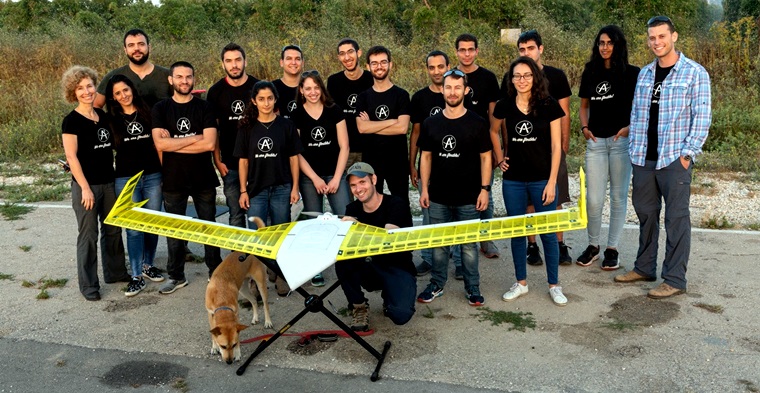
The A3TB platform weighs 10 kg, and its wingspan is 3 meters. It was designed by two groups of students under the guidance of Dr. Lucy Edery-Azulay and Professor Daniella Raveh, in collaboration with Israel’s Ministry of Defense.

The first test flight that was conducted on May 15 demonstrated that the platform is capable of flying straight and horizontal at sea level, including maneuvers. This flight is an important milestone in the platform’s continued development.

3 d printed plane airplane israel, team of students from the Technion
The team of students from the Technion in Israel. The big mission is a test pad to launch new, greener solutions for aviation.

Since it is a test airplane that is expected to crash at some point, these features make it possible to make many improvements without large investments. The group is currently working on an automatic control mechanism that will be installed on the second generation of the aircraft, A3TB-G2, in the next few months, and we hope to report on additional interesting results in the near future.

7 Things You Should Know Before Getting a Tarot Card Reading   

tarot card reading
Anxious about the future? Some of us dig into our inner subconscious with the help of a card reader.

A tarot card reading is the process of getting in touch with the past and the present to gain an insight into what the future holds through the use of a special deck of cards. More often than not, people who read tarot cards have the passion to do so because they are gifted with extrasensory perceptions that allow them to interpret the cards based on how they feel about the subject. Nevertheless, anyone can learn how to read tarot cards and use the reading to guide them with the steps they need to take to ensure a better future.

Thereby, you can consult with a seasoned psychic who is well adept into tarot card reading, or try to read the tarots yourself. If you opt for the former, take the advice of seasoned psychic to heart: that the skills and talents of psychics can vary dramatically. Thus, you need to center yourself and keep an open mind when it comes to the psychic who will be able to help you find happiness through spiritual enlightenment and self-discovery. If you are keen on utilizing tarot cards as a means to do so, below are some of the things you should know before getting a tarot card reading.

Prepare Your Questions

Before getting a tarot card reading, it will help if you prepare a set of questions that you want to be answered. The questions you prepare will guide the direction of your tarot card reading. Thus, it is important for you to centralize your thoughts and reflect on what you want answers for. Also, be prepared to know more than what you have asked for.

The Predictions May or May Not Be Accurate

There are several ways to shuffle the cards and there are also a number of ways to lay them out on the table. The way that the cards are shuffled and presented may have an effect on your reading, and there are instances wherein the predictions may not be accurate. Thereby, it is best to come without any expectations of getting a reading that is a hundred percent accurate.

A Tarot Card Reader Can Help You Interpret the Cards

Be open with the reader and place your trust in them because they will be able to help you interpret the cards. Your interaction with them greatly matters in the reading process and by sharing your thoughts and emotions to the reader, they will have the opportunity to guide you better. Rest assured that they will not judge you, nor will they lecture you.

It May Take a While Before You Realize What the Tarot Signifies

Tarot cards symbolize a number of different things that can translate to various aspects in your life. You may not be able to understand immediately what the readings mean right after the process. But as soon as you watch it unfold in your life, you may be able to recognize the connection.

There are No Bad Tarot Cards

There are tarot cards with a bad reputation, but you have to understand that there are really no bad tarot cards. For instance, the card of death rarely signifies literal death. Rather, it symbolizes a significant change in your life, such as graduating from college or moving to a new home. Thereby, this card may actually provide you with an opportunity to reflect on how you can transform your life.

You May Feel Positive

During a tarot card reading, you can expect to feel positive, energized, or healed. More often than not, the readings will leave you motivated and inspired, particularly if you drop all your restraints and allow yourself to be healed. Thereby, just keep an open mind and consider a tarot card reading as something good for your well-being.

Embrace the Unknown

Finally, when you go for a tarot card reading, prepare yourself to embrace the unknown. Have fun in exploring and discovering yourself through the symbols that the cards will present to you.

To wrap things up, before getting a tarot card reading, make sure to have a set of questions that you want to be answered. Just keep in mind that the answers you may obtain from the cards may not be always accurate. Nevertheless, allow the reader to help you interpret the cards and soon after, you may realize what the cards may signify. Rest assured that there are no bad tarots, rather, the cards may help you feel energized or healed. Perhaps this is the perfect time for you to embrace the unknown through tarot card readings.

Resolving Wildlife Conflicts Humanely in Urban America

0

snakes pest wildlife

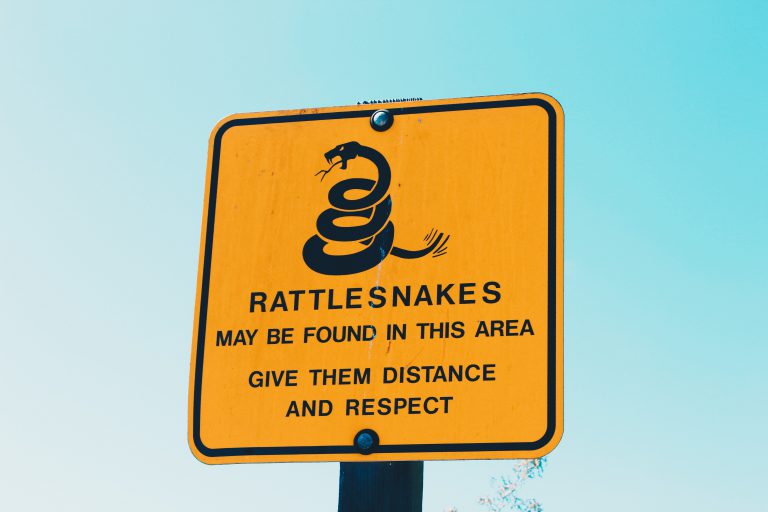
As cities in the United States continue to grow, wildlife wandering into big cities is becoming more and more common. In the suburbs, where public parks provide the perfect environment for a variety of animals, countless encounters with wild animals are seen. But how do you deal with these encounters? How do you keep your household safe while ensuring the safety of the animals? Read on and I’ll guide you through it, covering two commonly encountered animals.

Keeping You And Them Safe:

Snakes are fast-moving reptiles with a notorious reputation and a fierce personality. Despite what you may hear about snakes and the fear-striking snake photos you may see, they should not be feared. Oftentimes a snake you encounter in your home life is a non-venomous snake that doesn’t need to be feared. Most times, an encounter with a snake will happen outside. In this case, the resolution is simpler than you may think. To handle the encounter, follow these steps:

  • If you stepped on the snake, quickly back up from the snake and stay still. Generally, a snake can strike two-thirds of its own body length. Try to stay at least two yards away from the snake.
  • Be sure the snake has room to escape and isn’t in a position where it may feel cornered.
  • Note what the snake looked like- it’s crucial to identify the snake.
  • If you find the snake is venomous, it should be removed from your property.

If you must remove a snake from your property, it doesn’t need to be killed. If you wish to remove a snake from your property, here are a few tips:

  • Remove any places where a snake could make a home. Snakes like to hide in weeds, piles of debris, or other animals’ burrows. Be sure to cut any weeds, clean up debris, and fill burrows with soil or gravel.
  • Try a snake repellent. You can use a mix of cinnamon oil, clove oil, and eugenol to create a smell that snakes can’t stand, and will promptly vacate the area.
  • The best way to remove a snake, though, is to call your local animal control or wildlife control professionals. They will humanely remove a venomous snake without putting you in harm’s way.

In some unfortunate cases, though, snakes take shelter inside your own home. In that case, it’s crucial to remove the snake from your house as soon as you can. This helps both you and the snake avoid encounters that could become dangerous. The most important thing to remember is to stay calm- it can be scary, but staying calm will lower the risk of harm to you or the snake significantly. Here are some ways you can deal with a snake encounter inside your house:

  • Avoid disturbing or charging the snake, which would drive it into hiding. Approach the situation calmly.
  • If possible, open a door and use a long broom to usher the snake outside.
  • If the snake doesn’t move, is unresponsive, or coils up, put a basket or trash can on top of the snake and put a weight over it. Call an experienced professional.
  • If neither is possible, try to herd the snake into a secluded corner that is accessible but cluttered enough for the snake to hide in. Call a professional and be sure the snake doesn’t escape.

Snakes aren’t the only animals you’ll encounter, though. Foxes are a common animal that is found in urban areas. Foxes are small, curious animals identified through their small size and unique yellow-red colored fur. Foxes are precarious creatures, usually skittish of humans. However, they often lurk around neighborhoods, creating a risk for small pets, or even children. If you find yourself dealing with a bold fox that approaches you, you can do the following:

  • Make a loud noise and make yourself look like a threat to the fox.
  • Throw a soft object towards the fox. Be sure the item won’t harm the fox. If you have water handy, splash it towards the fox.

Most times, though, a problem with a fox will stem from it making itself cozy in your own yard. It should be noted that, though not dangerous to older children or adults, a fox should not be treated as a pet. In the case that the fox is rabid, it should be avoided and animal control should be called. If a fox is in your yard, you can take these steps:

  • Keep all pets indoors, not letting any out.
  • Pack leaves, dirt, or gravel in front of the den to annoy the fox.
  • Place objects that smell of humans, such as sweaty clothes near the den. This will frighten the fox.
  • Place shiny balloons or other uncommon objects near the den.
  • Motion-triggered alarms or other noisemakers will scare a fox away.

If foxes are a recurring problem, consider burying an L-shaped footer along the fence line to prevent the fox from borrowing under. In any case where a fox is an immediate threat, call animal control or wildlife control professionals. Any pet or person bit by a fox should immediately see a doctor or veterinarian.

What to Remember:

Animal encounters can be frightening. But, wild animals are just as scared of us as we are of them. It’s always important to stay calm and keep a logical state of mind. Animals do not need to be harmed, and will often move out without causing damage. In any case of a wild animal living in or near your home, keep pets indoors, and monitor where small children go. Never approach the animal. For more information, go to wildlifepest.org.

Tunisia’s lagoon farms and hanging gardens recognized as world heritage sites

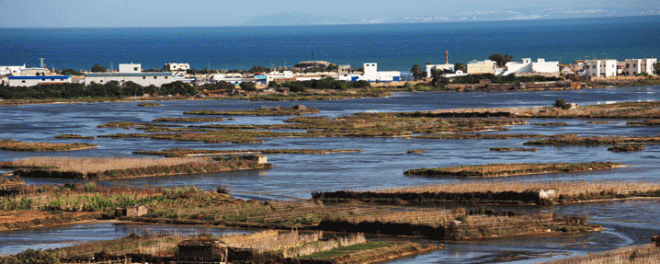
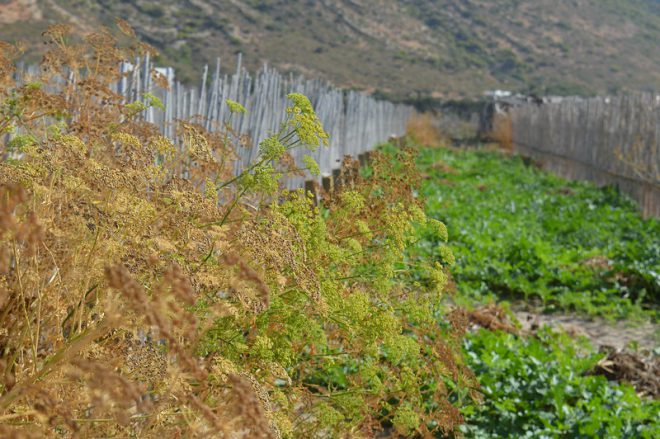
Tunisia’s traditional Ramli agricultural systems in the lagoons of Ghar El Melh (above) and its hanging gardens from Djebba El Olia, have been recognized as Globally Important Agricultural Heritage Systems (GIAHS), a designation managed by the UN Food and Agriculture Organization (FAO). It is the second time Tunisian sites have won the GIAHS recognition, after Gafsa Oases in 2011.

Both sites reflect profound bonds between the cultivated crops and the natural ecosystem, local fauna and flora, while promoting the preservation of traditional knowledge and biodiversity conservation. Their recognition as GIAHS sites will encourage local communities to better treasure and conserve their heritage for future generations.

Ramli cropping practices in Ghar El Melh

Ramli, meaning “on sand”, are agricultural practices that consist of growing crops on sandy substrates. Unique not only in Tunisia but in the whole world, these gardens were created in the 17th century by the Andalusian diaspora to cope with the lack of cultivable land and fresh water.

The ingenious practices are based on a passive irrigation system where the roots of the plants are fed throughout each season by rainwater stored and floating on the surface of the sea through the movement of the tides.

The traditional knowledge preserved over the centuries enables farmers to maintain the lagoon plots through the precise supply of sand and organic matter so that the crops reach the right height, allowing the roots to be irrigated by a fine fresh water and not to be affected by salt water.

Hedges of fruit trees and shrubs on the lagoon barrier protect the cultivated plots from wind and sea spray, help slow down evaporation and fix the sand. Such a multifaceted system makes it possible to grow crops all year round without artificial water supplies, even during periods of drought.

Today, fishing and agriculture are the main subsistence activities in the area. The farms of Ghar El Melh are small (81 percent have less than 5 hectares) and their primary production includes potatoes, beans and onions “on ramli”.

Hanging gardens of Djebba El Olia

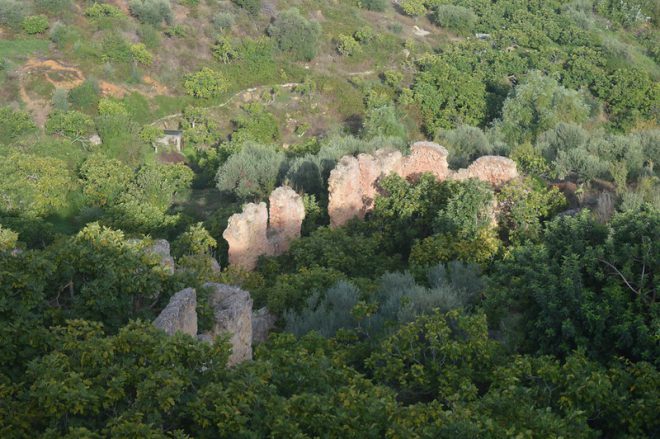
Perched on the heights of Mount el Gorrâa, the gardens of Djebba el Olia form a unique agroforestry system. At an altitude of 600 metres, farmers have been able to shape this mountainous landscape to their advantage by integrating agriculture on terraces derived from natural geological formations or by building them out of dry stone.

Hanging gardens of Djebba El Olia

Reinforced by an efficient irrigation system, the hanging gardens are examples of innovative and resilient agroforestry that meets the food needs of the local communities throughout the year. Thanks to the preservation of the forests at high altitude and the multitude of species in the tree stratum of the gardens, Djebba El Olia benefits from a particular microclimate.

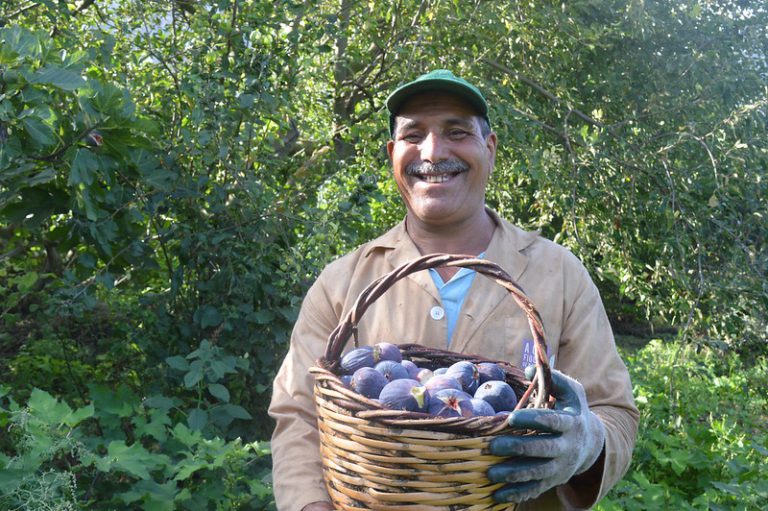
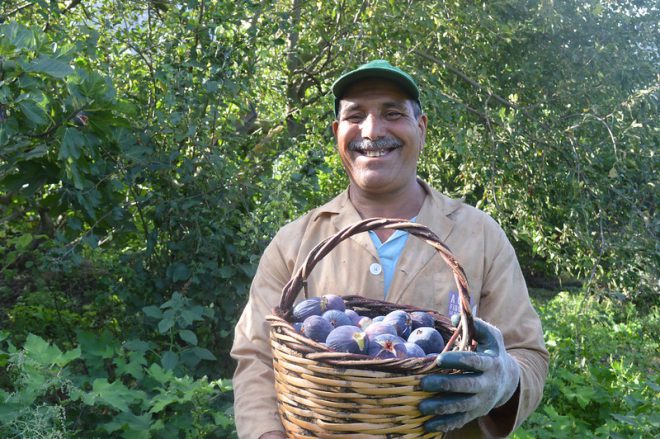
Based on practices combining agroforestry and agroecology, fig tree cultivation is the mainstay of a varied and resilient polycultural system supported by extensive livestock farming. Apart from figs, a large number of vegetables, pulses and fruit species are produced in the gardens, including  solanaceous plants (tomato, pepper) as well as squash, broad bean, onion, bean and potato.

Hanging gardens of Djebba El OliaLivestock breeding is also a big part of the site’s biodiversity, in particular the local breed of sheep “Black Thibar”, adapted to the rugged terrain, and the Brown Atlas cattle breed known for its hardiness.
These gardens benefit from the nearby forests and wild flora and fauna species ensuring that wild pollinators also support biodiversity. The art of managing cultivated and wild species is the basis of the site’s ingenious knowledge. The quality of products is highly appreciated – Djebba’s AOC labelled figs, fresh and dried fruits and  processed products (jams) are all highly sought after locally and abroad, representing an important source of income.

About the GIAHS Programme

The addition of the two Tunisian sites brings the total number of GIAHS worldwide to 61 in 22 countries. This FAO landmark programme highlights unique ways that rural communities have over generations forged to foster food security, viable livelihoods, resilient ecosystems and high levels of biodiversity, all while contributing to the formation of remarkable landscapes.

Biofriendly’s fuel additive makes dirty fuel burn cleaner

Elon Musk Tesla - Israel
Until we all own one of these, getting cleaner fuel at the pump should be on your radar.

Okay the electrified Tesla you are dreaming about doesn’t exactly match your budget thanks to layoffs or a reduced workload from COVID-19. And there are fewer cars on the road –– at least until this summer, likely, when everyone will want to head to the hills to get out of their cramped apartments or suburban routine. Newspapers like the New York Times are estimating an upswing in road travel and local vacations this summer as flying will be challenging, and international travel uncertain. 

Energy transition fuel before we all go electric

So there you are in your 2001 Honda Civic wondering if your car will last longer than the plague. Yes you want something better, your car and your reality, but this is what you have. Now when you are filling up at the pump, and know how every drop of fuel goes to greenhouse gas emissions, might feel a bit relieved knowing there are solutions being used by industry and at gas stations to increase fuel efficiency and reduce smog. 

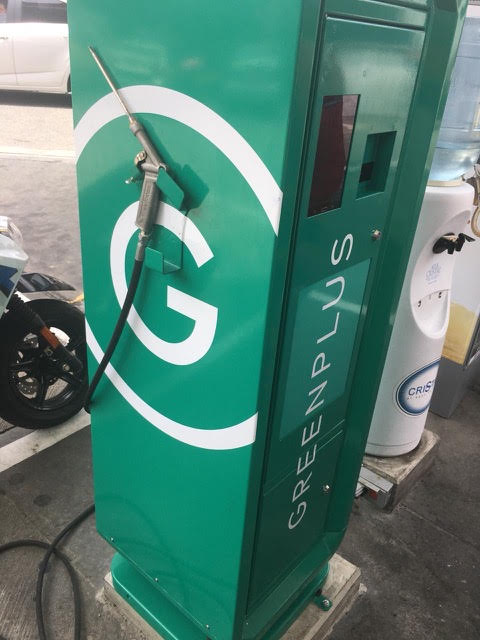
Consider the American company Biofriendly has a fuel additive you get at the pump that scrubs smog and increases fuel efficiency by up to 7%. Every percent counts these days: we all don’t want to contribute to climate change. To know if your pump is carrying the solution look for Greenplus at the pump. 

Besides the consumer at-the-pump solution, Biofriendly also a fuel transition product that works with marine, freight and oil companies to help them reduce their emissions as well, with a track record going back to 2003. 

The company counts 20 billion miles of on-road and on-ocean use of its product, by far the most used fuel enhancing product to date. We talked with Noel Carroll, the company’s CEO, because he is a Green Prophet.

Noel Carroll headshot, the CEO of Biofriendly “Our goal with Green Plus Energy Transition Fuel is to do something about greenhouse gas emissions right now,” says Carroll. “We fully support the global shift toward renewable energy and electric vehicles, but something needs to be done to fight climate change in the meantime, and our energy transition fuel is not only effective for that, it’s also cost efficient.”

Carroll’s background stems from years of experience in the entertainment industry. Most notably, he co-wrote, produced and co-starred in Machinima’s hit YouTube series’ “Good Cops and Tumbleweed”. And from that experience, Carroll has been trying to access consumer and business hearts using the media experience. The company offers entertaining ways to learn more about sustainability and the environment in its e-magazine, podcast and media network, Biofriendly Planet.

“We have discovered that a significant amount of people have felt shamed by the green community in the past for ‘not doing enough,’ and now believe that a sustainable lifestyle is too challenging to achieve,” Carroll tells Green Prophet. “Our mission is to connect with these people and present a welcoming and pain-free alternative message through our content. Changing someone’s thinking and perspective doesn’t happen overnight. Biofriendly aims to be a beacon of light in a gloomy environment.”

Can you tell us more about the podcast and e-magazine? 

Carroll elaborates: “With Biofriendly Planet e-magazine, we offer a comprehensive one-stop-shop for the green community filled with uplifting images, educational articles, and helpful DIY tips. With the Biofriendly Podcast, we utilize our background in the entertainment industry to bring a humorous, light-hearted approach on all things green without all the pessimism and despair that is often attributed to environmentalism.

What is the future of the fuel industry?  

Carroll: “There is an apparent “energy transition” we see happening right now, but this clear transition is a long way away. Oil is a non-renewable resource and an air pollutant when burned. This has led to a transition away from fossil fuels for both transportation and energy on our planet. This can be seen in the growing market share of Electric Vehicles (EVs) and solar power over the past decade. 

With the emergence of electric cars, do you think the need for fuel will ever greatly decrease?

Carroll: “According to the EPA, there are still 1 billion fossil fuel powered vehicles on the road today. We do believe that the need for fuel will greatly decrease, but not for a long time. Automotive experts have forecasted that EVs could potentially be 60-80% of the market sold in 2050, but that is still 30 years of significant greenhouse gases that Biofriendly believes should be prevented from entering the atmosphere. 

“By adding Green Plus to your fuel, it immediately becomes an Energy Transition Fuel, thus producing 7% less greenhouse gas emissions and 30% less particulate matter. This can help to significantly reduce the pollution created by traditional fuels, while the planet transitions to its next phase of transportation and energy.”

Among the clients who use Biofriendly in the US are the Israeli company Delek Group. We imagine their use in the US will help expand the products to other regions in the Middle East which are way too smoggy for anyone’s good. We need to keep our lungs in tip top shape. Any one got leads for Cairo, Amman or Tehran (among the smoggiest in the world), cough cough? They could use a little 7% off their emissions. Well more like 77% but we need to start somewhere.

For more about Biofriendly, see the Biofriendly website

When To Try CBD In Your Everyday Life

2

Strengthening your immune system is crucial to avoid contracting diseases. This is especially true because we are amid the life-threatening coronavirus or COVID-19 pandemic. Aside from eating nutritious foods, incorporating food supplements like CBD oil in your diet can boost your immunity. Of course, you must exercise and get enough rest and sleep to stay healthy.

In this article, you’ll learn when to try CBD products in your everyday life.

What Is CBD?

Cannabidiol (CBD) is a cannabinoid or cannabis compound that’s present in the leaves, stems, and other parts of the cannabis plant, mainly the hemp and the marijuana varieties. Knowing the differences between hemp oil vs. CBD oil will help you choose the best natural alternative and adjunct treatment to traditional medications. 

When to Try CBD

Take the Average Dose of CBD Every Day 

The side effect and toxicity profile of CBD is favorable for daily use. This cannabinoid is subject to increasing clinical research and investigation in the medical and commercial industries to treat different clinical conditions. Taking the average daily dose (10 mg/kg) of a CBD tincture is highly recommended, as it’ll produce positive results in generalized social anxiety disorder or SAD.

Here are some ways you can take CBD daily:

  • CBD Infused in Foods and Drinks: You can add a few drops of CBD oil or tincture to your favorite food or drink for a fun way to take CBD every day.
  • CBD Taken Under the Tongue: A fast way to take your daily dose of CBD is by putting a few drops under your tongue or sublingually.
  • Eat CBD Edibles: CBD edibles are commercially available and include CBD gummies and CBD cookies.

man dosing with CBD cannabis oil

Take CBD When You’re in Pain

CBD can help soothe the pain you’re experiencing because of an injury or a disease. It has analgesic properties, which makes it a great alternative to over-the-counter pain medications. CBD doesn’t have unwanted side effects such as stomach upset or nausea. 

CBD topicals can be applied to the injured area. For instance, CBD topicals have neuroprotective and anti-inflammatory properties that are effective in treating arthritis. Some examples of CBD topicals include CBD creams, cooling sticks, salves, and balms. 

Here’s how to apply CBD topicals:

  • Clean the skin area with water and mild soap or cotton soaked with alcohol.
  • Apply a pea-sized amount of CBD cream or an ample amount of any CBD topical to the injured area.
  • Massage the area gently using rotating motion to let the skin absorb cannabidiol and fully feel the pain-relieving and soothing effects.

Take CBD When You’re Stressed Out or Anxious

According to preliminary research, CBD can help reduce stress and anxiety, including improving sleep patterns. So, if you’re overly stressed out, taking CBD is a good idea to help calm your senses. While you can ingest CBD, a faster way to feel the relaxing effects of cannabidiol is vaping. CBD e-juices are now commercially available for vaping. 

Vaping technology allows users to benefit from the therapeutic effects of CBD, fast and easy. For those who smoke cigarettes to relieve stress and anxiety, vaping is a healthier method, getting rid of the chemical exposure they get by smoking cigarettes. CBD flowers are also available for vaping by using dry herb vaporizers. 

Here are the steps in using CBD vape when you’re under stress or pressure:

  • Choose a dry herb vaporizer according to your vaping needs and budget. 
  • Power on the dry herb vaporizer and prime by heating it for a few minutes. 
  • Grind the CBD buds but don’t powder it too much. 
  • Place the ground CBD on the heating chamber using a scooping tool (may come with your vape device) and flatten the surface without making it too compact. 
  • Set the desired temperature on your vaping device. 
  • Start inhaling CBD vapor until you feel that your lungs are filled. Pause your breath for about a minute to let the lung capillaries absorb CBD.

Take CBD When You have Problems Sleeping 

Sleep deprivation or lack of sleep can affect your everyday routine. That’s why it’s advisable to consult a doctor to assess if you’re suffering from a sleep disorder or an underlying medical condition. Hyperthyroidism is one such condition and it impedes sleep due to the stimulating effects of increased levels of thyroid hormones in the blood. Taking CBD helps when you have trouble getting sleep. This is because CBD helps reduce stress and anxiety which are the major causes of not getting enough sleep.

Conclusion

It’s a good idea to take CBD as a supplement in addition to dietary nutrient sources. CBD helps to keep your immune system strong and helps improve overall health. Also, CBD alleviates stress and anxiety and helps you sleep well. CBD can be used to reduce pain, with or without traditional medicine. Sometimes, CBD can work along with other medicines and the synergy can help you become healthy, happier, and pain-free.

Caroline Chaptini sets Guinness World Record in Lebanon with caps


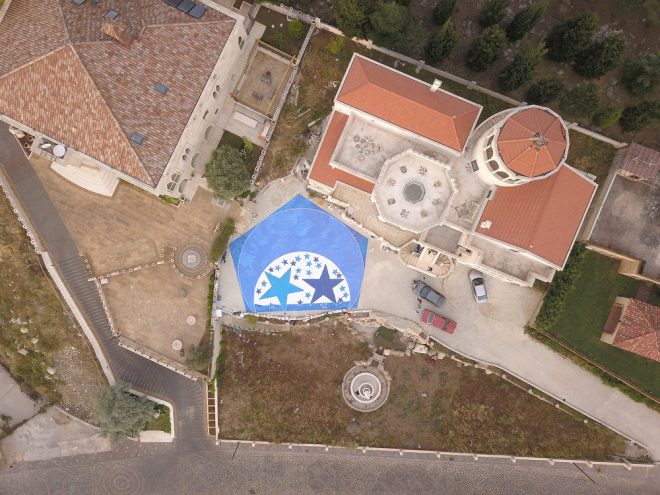
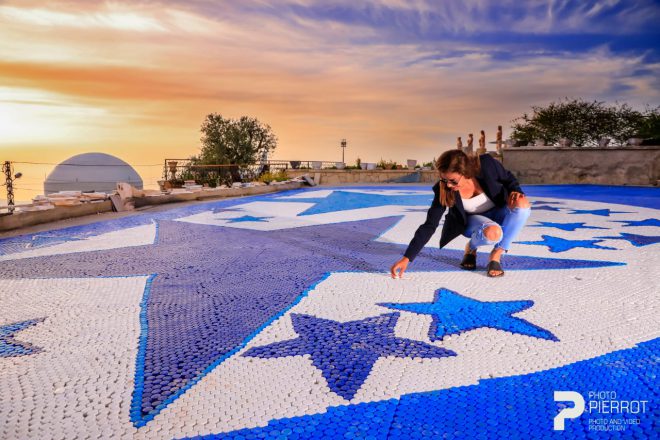
After several months of daily solo work, environmental activist Caroline Chaptini, a Lebanese national set another Guinness World Records title, having put together the largest bottle cap mosaic in a public park in the town of Miziara in north Lebanon. The measurement was solely dependent on the complete space area of 196.94 sqm, breaking the previous record of 108.568 sqm achieved in Japan in 2019.

Guess if you have enough time on your hands like we did during COVID then anything is possible.

Driven by her passion toward the environment, Chaptini is a second-time Guinness World Records title holder, following the achievement of the tallest plastic bottle sculpture measuring 28.1 meters in height alongside the Municipality of Chekka in December 2019.

Calling her followers to spare all bottle caps three months ago, Chaptini started to receive thousands of these from inside and outside Lebanon turning the initiative to a regional environmental cause. For her recent attempt, Chaptini collected no less than 400,000 bottle caps of five different colors including various shades of blue and white. She selected a public park next to her parents’ house in north Lebanon to create the two-dimensional mosaic depicting an image of a crescent made from bottle caps.

Using commercially available bottle caps, Chaptini glued the outer outline of the mosaic in order to withstand the high winds and weather conditions. However, the weather demolished the arrangement 4 times throughout the process, and with no one around during social distancing, she had to re-do the mosaic on her own every time. 

All the bottle caps were sent to a recycling company, which in turn generated funds that were donated to a children’s cancer organization ‘Kids First Association’, a humanitarian entity that looks after children with cancer who do not have the financial means to seek proper treatment.

“The original plan for this project was to involve volunteers from all over the country and have it displayed in a large gathering. But due to social distancing measures, I had to execute the project on my own in around 160 hours. Severe weather conditions forced me to restart multiple times. This is my gift for Lebanon, the environment and the kids of the Arab world.”

With over 100,000 bottles in Chekka, and 400,000 bottle caps in Miziara, Chaptini’s environmental achievements stood tall and proud, and sent a message of hope for a better future. 

Hey urban farmers – the lead is still in your soil

0
man standing at a vintage gas station in the United States, in Walentina
Lead from vehicles still very much a concern to people who care about our soil

We’ve all heard of lead – whether it’s lead-based paint or leaded gasoline. These applications are now things of the past, but do we still have a lead problem? The Soil Science Society of America explores how the poisonous metal is still present in urban soils.

Blogger Anna Wade explains, “in the United States, risk of lead exposure is becoming more of a thing of the past.  In the 1970s, lead-based paint was common, as it increased the paints’ durability and sped drying. It was also used in ‘leaded’ gasoline, which made car engines of that generation (and prior) work more smoothly.”

“Unfortunately, the lead from gasoline was also sent into the atmosphere through car exhaust,” says Wade. “It landed in the soil everywhere. The higher the concentration of cars – like cities and highways – the more lead.”

The EPA mandated a nearly 100% reduction of lead in gasoline in the mid-80s, while the U.S. banned lead-based paint manufacturing in the late 70s. But because of the properties found in the metal, there is still widespread lead contamination in urban soils. It is recommended to get your soil tested before you start gardening in it.

“Once deposited, lead remains strongly bound to clay and organic matter in the topsoil,” Wade says. “Lead is not taken up in substantial amounts by plants, nor does it easily leach or migrate further down in the soil. Instead, this lead remains as part of the reservoir of urban soil and dust, susceptible to resuspension during dry periods.”

Why awesome girlfriends suddenly go psycho

0

During the COVID pandemic lockdown, as couples have been forced to spend days and weeks in one another’s company, some have found their love renewed while others are on their way to divorce court. Oxytocin, a peptide produced in the brain, is complicated in that way: a neuromodulator, it may bring hearts together or it can help induce aggression. Or in other words, why perfectly normal partners turn psycho. As we all want a little less violence and craziness in this world – getting out in nature helps a lot – this new research can be applied to fighting disorders that lead to anxiety and mood disorders by modulating oxytocin the brain, the researchers suggest.

That fact that oxytocin is two-faced is a conclusion drawn from research from the Weizmann Institute of Science in Israel. There researchers took mice living in semi-natural conditions and then had their oxytocin producing brain cells manipulated in a highly precise manner. The findings, which were published in the science journal Neuron, could shed new light on efforts to use oxytocin to treat a variety of psychiatric conditions, from social anxiety and autism (may be linked to chemicals in our diet) to schizophrenia.

Much of what we know about the actions of neuromodulators like oxytocin comes from behavioral studies of lab animals in standard lab conditions. These conditions are strictly controlled and artificial, in part so that researchers can limit the number of variables affecting behavior. But a number of recent studies suggest that the actions of a mouse in a semi-natural environment can teach us much more about natural behavior, especially when we mean to apply those findings to humans.

Prof. Alon Chen’s lab group at the Institute’s Neurobiology Department have created an experimental setup that enables them to observe mice in something approaching their natural living conditions – an environment enriched with stimuli they can explore – and their activity is monitored day and night with cameras and analyzed computationally.

The present study, which has been ongoing for the past eight years, was led by research students Sergey Anpilov and Noa Eren, and Staff Scientist Dr. Yair Shemesh in Prof. Chen’s lab group. The innovation in this experiment, however, was to incorporate optogenetics – a method that enables researchers to turn specific neurons in the brain on or off using light. To create an optogenetic setup that would enable the team to study mice that were behaving naturally, the group developed a compact, lightweight, wireless device with which the scientists could activate nerve cells by remote control. With the help of optogenetics expert Prof. Ofer Yizhar of the same department, the group introduced a protein previously developed by Yizhar into the oxytocin-producing brain cells in the mice. When light from the wireless device touched those neurons, they became more sensitized to input from the other brain cells in their network.

“Our first goal,” says Anpilov, “was to reach that ‘sweet spot’ of experimental setups in which we track behavior in a natural environment, without relinquishing the ability to ask pointed scientific questions about brain functions.”

Shemesh adds that, “the classical experimental setup is not only lacking in stimuli, the measurements tend to span mere minutes, while we had the capacity to track social dynamics in a group over the course of days.”

Delving into the role of oxytocin was sort of a test drive for the experimental system. It had been believed that this hormone mediates pro-social behavior. But findings have been conflicting, and some have proposed another hypothesis, termed “social salience” stating that oxytocin might be involved in amplifying the perception of diverse social cues, which could then result in pro-social or antagonistic behaviors, depending on such factors as individual character and their environment.

To test the social salience hypothesis, the team used mice in which they could gently activate the oxytocin-producing cells in the hypothalamus, placing them first in the enriched, semi-natural lab environments. To compare, they repeated the experiment with mice placed in the standard, sterile lab setups.

Applying love to the pharma industry

In the semi-natural environment, the mice at first displayed heightened interest in one another, but this was soon accompanied by a rise in aggressive behavior. In contrast, increasing oxytocin production in the mice in classical lab conditions resulted in reduced aggression. “In an all-male, natural social setting, we would expect to see belligerent behavior as they compete for territory or food,” says Anpilov. “That is, the social conditions are conducive to competition and aggression. In the standard lab setup, a different social situation leads to a different effect for the oxytocin.”

If the “love hormone” is more likely a “social hormone,” what does that mean for its pharmaceutical applications?

“Oxytocin is involved, as previous experiments have shown, in such social behaviors as making eye contact or feelings of closeness,” says Eren, “but our work shows it does not improve sociability across the board. Its effects depend on both context and personality.”

How to improve your health by consuming Vitamin C

0
orange blue background
Vitamin C is one of those things we are boosting at any sign of getting sick. But is your Vitamin C from the internet a real or fake? Make sure you order from a reputable source. 

Covid-19 created an atmosphere of fear. Most of us are worried for our lives. The truth is dwelling over the problem will not help anyone. We need to adopt a proactive approach to deal with this pandemic. The doctors are emphasizing the fact that we need to take food items which will help to boost our immunity.

Vitamin C is the talk of the town. The reason is that it helps to boost our immunity. First, we need to identify the food items that can provide us a natural source of Vitamin C.

Foods that offer Vitamin C

The good news is that there are many flavorful food items that provide a natural source of Vitamin C.  Orange tops the list. Even if you take half a cup of orange juice daily, you can look forward to a sufficient supply of Vitamin C.

Raw tomatoes, green pepper and cooked Broccoli also has Vitamin C. You can be innovative with your cooking and include Broccoli in your dishes. Baked potato does not only work well for the diet conscious people but it is a good source of Vitamin C also.

A single cup of strawberries also gives you a sufficient supply of Vitamin C. You can add them in your desserts or enjoy this fruit without any add-ons.

There are some facts about Vitamin C that you must keep in mind. When you take Vitamin C under 250 mg, then the absorption rate is about 80%. However, when you take Vitamin C more than 250 mg, then the absorption rate is about 50%.

Vitamin C which does not get absorbed will get excreted through your urine. Remember, if you are using natural sources of Vitamin C, then they last only a few hours in your bloodstream.  Well, this is why you need to replenish your body again with this Vitamin the next day.

Other sources of Vitamin C

Vitamin C injections have an improved absorption rate. However, you should also make sure that you talk to your physician first before opting for other sources of Vitamin C. Well, another thing you must keep in mind is that Bioflavonoids also improve the absorption of Vitamin C.

It will also not be a bad idea to take Vitamin C with Bioflavonoids.

You can take Vitamin C anytime if you are taking it in supplement form. You can even take it 30 minutes before eating. The other option is to take Vitamin C two hours after eating. Ideally, you should not take Vitamin C on an empty stomach. The reason is that some people suffer from side effects. Avoid taking Vitamin C in the night also.

The best approach is to do your bit of research about this vitamin before opting for it. You should make it your strategy in life and that is never to opt for anything without research. For example, there are times you accidently buy fake id because you do not do significant research. This happens a lot with international driving licences. People get fake IDs on the internet. Same with Vitamin C. Make sure you buy from a trusted source. No GMOs and from an organic source if possible. 

Invoicing to Insights: Where to Start With a New Business

0
Dictaphone Group Beirut
Doesn’t matter how “green” your business is if you don’t know how to make money and keep track of it. 

There’s so much to consider when setting up a new business. Writing business plans, acquiring property and securing your licenses and permits are likely to be high up on your ‘to do’ list but what about invoicing? When you do it online in an automated way, it automatically becomes “green” in saving resources and time. 

Creating a robust invoicing system will not only increase the likelihood of receiving your income on time but, when done well, can boost your company’s reputation. The routine task of sending an invoice sounds simple, but there are many things to consider when it comes to establishing your very own system. Continue reading to find out all about invoicing and how to create an individualised system for you.

Invoice Essentials

There’s some information that you have to include within your invoice in order to receive payment and when you’ve never written one before the basics will not be obvious to your new business. First and foremost, you’ll need to include your personal details.

This includes company name, address, bank details and invoice number. You’ll easily be able to slot in your details but creating an invoice number is something that will take careful consideration. It’s important to ensure that each bill has a unique number so you can track down specific invoices in the future should someone make a query or you need to present details. The invoice ID can be a string of any letters and numbers, most people choose IN000001 for their first invoice or may choose to include a date such as IN24072020. Whatever you choose, just make sure each invoice is unique and you’ll be on the right track.

What Does A High Quality Invoice Look Like?

Once you’ve mastered the basics you can think about to ramp up your bill of sale. The purpose of an invoice is to clearly state what service or product you provided and how much you are charging for it. A high quality invoice will make this information clear to a client without the need for you to expand before they make a payment. For example, if you give a vague description of your completed work without making yourself understood you run the risk delaying your payment.

With this said, you shouldn’t ramble on as your invoice should fit on one page. Concise and to the point text is key to a honourable invoice. Once you know that your invoice is insightful, you can think about it’s aesthetic. Adding your company logo and key fonts is a great way to make your company appear as professional and purposeful as you know you are. There are many templates to choose from when it comes to invoices so be sure to choose one that represents your business well. We use w2 creator which helps you create forms over and over again for invoicing. 

Can Invoicing Software Help?

If you’re still not feeling 100% confident when it comes to founding your new invoicing system, don’t worry. There’s a vast range of different invoicing software that will lighten the load and bear the burden for you. There are many benefits that come with purchasing accounting software that include, dozens of templates to choose from, ‘pay now’ options for clients and recurring invoices for long term customers. You can link it all together with Venmo, Stripe, PayPal, bank transfer, a credit card system. You want it to be easier than having your client send an old fashioned check in the mail.

Not only will you get to use high tech and highly professional processes you’ll also be able to call upon the specialists for advice and support should you ever need it. Not everyone chooses to purchase software for invoicing alone but if you’re planning for growth then investing in accounting software that also supports payroll services and financial assessment then it may be worth your while.

Summing up your green invoicing

With invoicing bearing more responsibility than just collecting payment, considering all the points above will allow you to create an effective and powerful unique system for your new business. Green invoicing is paperless invoicing, which is something you should build right into your system. But consider that some clients may prefer the old fashioned snail mail instead.

The Importance of Your Instagram Bio

0

hanging out in a tree, woman on branch of large tree
What does your social media profile say about you? There is often a disconnect between soft eco business and the polluting corporate world. Choosing your profile photo can get your ideas and products noticed, or simply ignored.

Social networks are no longer limited to staying in touch with friends. More and more businesses are harnessing the benefits of Instagram, with different businesses approaching the platform in several ways.

Despite the focus of Instagram being picture-based posts, there is still a lot of other areas that need some attention, such as the bio.

Why Is the Right Instagram Bio Important?

Regardless of whether you are a business looking for brand awareness or you are a young professional looking to network with like-minded individuals, connections are easy to craft with the right bio.

A well-thought-out bio also ensures that customers are fully aware of what a business does, as well as understand the mission statement of the company. Bios also allow for website links, so it can be a great way of generating some traffic.

How Long is an Instagram Bio?

One of the trickiest aspects of an Instagram bio to contend with is the word count. Instagram bios are limited to 150 characters, so it may be necessary to draft your idea a few times beforehand.

Although the restrictions can be frustrating for some, it does allow you to deliver the concept of your brand clearly and concisely.

It is also worth noting that there are some ways to save space by using other elements of Instagram.

How to Create the Right Instagram Bio

Of course, to be able to enjoy the benefits of a well-crafted Instagram, we need to know where to start. Fortunately, some steps can be followed that not only ensures that you have a professional Instagram bio, but allows you to be found on the social network with ease.

Finding the right ideas for an Instagram profile is not always as straightforward as some would like but taking some time to consider how your profession or brand will interact with the platform allows for traffic to be obtained organically.

Use a Clear Profile Picture

The profile picture is one of the main attractions of your Instagram bio, so it is essential to get it right. Businesses and brands will often use a logo that is clear and delivers the essence of the company. Bloggers and industry professionals may prefer to use a suitable headshot.

The dimensions of an Instagram profile picture are 110 x 110 pixels, so not all logos will be a natural fit. If you have uploaded your logo and it cannot be seen clearly, then it may be worthwhile using an alternative logo which has been tailored for social networks.

Consider Your Keywords

Regardless of whether you are creating a website or a social network profile, keywords will be an integral part of the process. These are mostly what people search for online and can be used uniquely on Instagram.

The name field found within the Instagram bio is different from the username, so can be used to detail the business. For example, those operating a graphic design company may use “graphic design and marketing” whereas a cleaning company may use “professional residential and corporate cleaning.”

Using keywords that reflect the intent of the business means that the bio will appear in relevant search results.

Don’t Ignore Hashtags, But Don’t Overuse Them

There is nothing worse than an Instagram profile filled with hashtags, but this does not mean that they should be ignored. Instead, they need to be used in the right way.

Many people believe that filling their Instagram with hashtags in their bio, the more it will be shown, but this is not always the case. Much like the use of keywords, those crafting the perfect Instagram bio will need to use the most relevant keywords.

A bio can include up to 30 different hashtags, but it is advised to post a maximum of ten. Otherwise, the bio could begin to look spammy.

Make Use of a Business Profile

Even though some use their personal Instagram profile for business, using a business profile allows you to gain more trust with the community. An Instagram business profile will also allow you to enter a category for your business, which can free up more real estate in the bio section.

Another useful way of saving space in the bio section is to use the contact features. Instagram users can call, email and obtain directions to your business, without overburdening the wordcount within the bio section.

Link Other Instagram Accounts (If Applicable)

Many professionals will conduct their business from one Instagram account, whereas others may need to use several. In the latter instance, the bio of each Instagram should contain a link to other associated accounts.

An example of this could be a media website that offers content on different subjects, so uses different Instagram accounts for different sectors of the business.

Connected Instagram accounts can be easily linked used the @ followed by each account’s username in the profile.

Don’t Be Scared of Emojis

Understandably, the use of the emojis can be seen as unprofessional by some. However, people are more drawn towards businesses and brands that have a human element, and nothing conveys this better than the use of emojis.

Of course, you should not litter the bio with emojis as it may distract away from the other information but used in the right way emojis can help draw a crowd to your Instagram bio.

Review the Impact of Your Instagram Bio

Although some people may be fortunate enough to get their Instagram bio right the first time, there can be times when the original draft does not have the desired impact. It can take some time to find the sweet spot when creating an Instagram bio, so those that do not see results straight away shouldn’t be deterred.

Being able to recognise when a profile isn’t winning over the populous will help drive your profile forward and assist you in creating the perfect Instagram bio.

Have a little faith? How Islam dealt with its first plague, the Plague of Amwas

amwas
The site of Emmaus-Nicopolis, called ‘Amwas’ by the Arabs. The plague of Amwas first struck the Muslim Arab troops encamped there before spreading across Syria–Palestine and affecting Egypt and Iraq. The Plague of Amwas was the first major pandemic that hit the early Muslim communities.

Plagues are no stranger to the western east: The Plague of Amwas (Arabic: طاعون عمواس‎, romanized: ṭāʿūn ʿAmwās), also spelled plague of Emmaus, was a bubonic plague epidemic that afflicted Islamic Syria in 638–639, toward the end of the Muslim conquest of the region. It killed about 25,000 Muslim troops and led to some interesting religious rulings on plagues in general.

As we know relations between humans and disease are one of the oldest, older than agriculture or formation of the first urban centers. Different pandemics were sometimes turning points in human history when they caused economic losses, depopulation, political instability, and the collapse of the state.

In 2020, we are witnessing the impact of COVID-19 on the global economy and countries around the world. Five months since the World Health Organization detected COVID-19, epidemiologists still have no clue how to curb the disease while economists didn’t evaluate the final impact of this crisis on the world’s financial system. The blockade will likely continue for the rest of the year, and in the coming years, we will have to fundamentally change our social and work habits, like working from home and teleconferencing. 

During the time of Khalif Oman Ibn Khattab – 634 to 644 years CE – Muslim armies were engaged in the series of military campaigns in the Levant against Byzantine troops. Soon after the conquest of Syria (634-637 CE), something unpredictable happened in 638/639 CE when the plague broke out in the village of Amwas (Ancient Emmaus), about 20 miles southeast of Jerusalem.

Emmaus is a town mentioned in the Gospel of Luke of the New Testament. Luke reports that Jesus appeared, after his death and resurrection, before two of his disciples while they were walking on the road to Emmaus. It is now located in Israel and around it is the home to a national park called Canada Park.

Imwas amwas map national park Canada Park, Israel

The Plague of Amwas was one of the series of pandemics called Justinian Plagues that ravished the Eastern Mediterranean for centuries. It began as usual from rats living and traveling on merchant ships in 540 to 541 CE and lasted with recurrences until 750 CE.

The Plague of Amwas was the first major pandemic that hit the early Muslim communities. The event is famous in Islamic tradition for debate between Caliph Omar Ibn Khatab and prominent Muslim commanders who refused Omar’s advice to withdraw to Medina and the outcome of the pandemic that killed between 25,000 to 30,000 people including Companions of the Muslim Prophet Muhammad.

The plague spread to Syria, Iraq, and Egypt, and the pandemic was preceded by a severe famine in the southern Levant. 

Upon receiving news that the plague broke out in Syria, Caliph Omar Ibn Khattab left the capital Medina to personally monitor what measures were taken to isolate the pandemic. Leaders of the Sham arrived in Sargh to greet Caliph Omar and among them were Amr Abu Ubeidah Bin Al Jarrah (commander of armies that captured Damascus and Jerusalem), Khalid Bin Al Walid (the commander during Ridda Wars that broke out after Prophet Mohammed’s death), Amr Bin Al Aas (the later governor of Egypt), Yazid Abu Sufyan (the commander in the conquest of Palestine) and Suhail Bin Amr (commander of one of the brigades in the Battle of Yarmouk in 636 CE).

During the meeting, the situation in Syria was discussed and one group supported the return to Medina while others insisted on continuing the campaign despite the plague. After Caliph Omar decided to withdraw to Medina, Abu Ubeidah and his supporters returned to Syria.

In the long run, because of his moral and leadership qualities, Omar Ibn Khattab was planning to appoint Abu Ubeidah as his imminent successor, and to save him from the raging plague, he sent a letter to him urging Abu Ubeidah to immediately come for consultations in the capital Medina. Abu Ubeidah read between lines and refused the order telling the caliph that he can’t forsake his men who were dying from the plague. Soon after this reply to the caliph, Abu Ubeidah perished in the plague and very soon after him the newly appointed governor of Syria Muath Bin Jabal faced the same fate.

Words of Wisdom from Muslim Scholars

The Plague of Amwas depleted Muslim ranks in Syria but also showed what steps should be taken in the times of pandemics.

According to Hadiths, Prophet Muhammad reportedly noted: “When you hear that a plague is in a land, don’t go to it, and if it occurs in a land that you are already in then don’t leave it.” (Al Bukhaari [5739] and Muslim [2219)] narrated from ‘Abd ar-Rahmaan ibn ‘Awf.)

Later on, the episode was used for theological debates on predestination, free will, theodicy, and causality as well as jurisprudence (the permissibility of entering or leaving a plague-infested area), and medicine (the nature of contagion, disease transmission, and treatment of the plague or other contagious diseases).  Muslim theologians also hint at another debate: the belief in the transmissibility of the plague and the conviction that dying of the plague while trusting in God results in martyrdom.

What is similar to modern-day measures on COVID-19 is the principle of quarantine: the important element of every pandemic is the human to human contact which should be minimized or completely eliminated during the outbreak. The principle of life protecting in Islam refers to protecting the public and personal health. Therefore Muslims are obliged to follow instructions of experts and in the case of pandemics virologists, epidemiologists, and other specialists.

More stories below that explore Muslim faith and human life:

https://www.greenprophet.com/2018/03/shaving-in-arabia-the-halal-and-the-haram/

Why Muslims don’t drink alcohol

Near-extinct gazelle brings Israelis and Palestinians to peace-making plan

0

gazelle
Why did the gazelle cross the road? In some parts of Israel underground or above ground bridges help the animals move like this wildlife bridge in Turkey, but it’s not enough. A new research project might bring them from the brink of extinction.

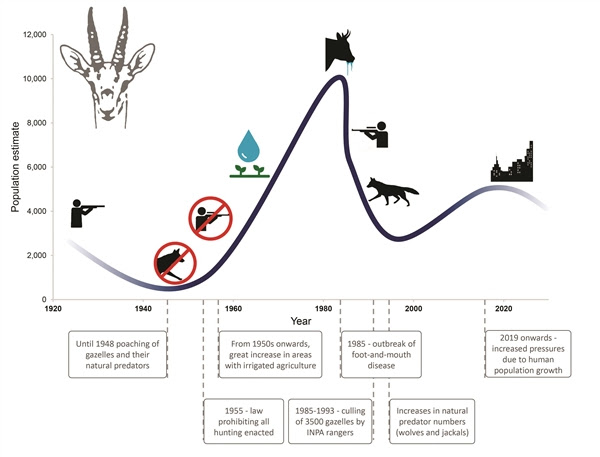
The endangered mountain gazelle Gazella gazella was once widespread throughout the Fertile Crescent in parts of present-day Israel, Palestinian Authority, Lebanon, Jordan, Syria, Turkey and Iraq. Most of its former distribution range overlaps with areas in the region that are now densely populated by people.

Archaeological remains also indicate that gazelles were the main prey hunted by people throughout the Pleistocene. Nevertheless, until the 19th century, the mountain gazelle survived this hunting pressure, and thrived.

It’s the same story everywhere: the rise in human population in this region from 1900 to 2016, together with the increased use of firearms and off-road vehicles for hunting, led to the extinction of gazelles from most of this area. Israel and the Palestinian Authority are currently the last strongholds of the mountain gazelle and are home to about 5,000 individuals.

A new research effort led by Prof. Yoram Yom-Tov of Tel-Aviv University and Dr. Uri Roll of Ben-Gurion University of the Negev, together with Amir Balaban, Ezra Hadad, and Gilad Weil, reviews mountain gazelle dynamics in Israel from the beginning of the 20th century and provides an outlook for the conservation of the species. Their findings were published in Oryx—The International Journal of Conservation on Wednesday.

During the 1900s, Israel’s human population increased steadily by 2% per year. The human population density is currently c. 430 persons per km2 and is forecasted to continue to rise. This presents an array of threats to the mountain gazelle. These include: habitat change; fragmentation and isolation by roads, railways and fences, predation by an increasing population of natural predators and feral dogs, poaching, and collisions with road traffic. These threats often act in synergy, amplifying their effects.

In their article, they present an overview of how these factors threatened and continue to threaten the survival of this species. They also review the policy and management actions, both implemented and still required, to ensure the persistence of the mountain gazelle.

In addition, they analyze connectivity of gazelle populations in the landscape, highlighting highly fragmented populations, and suggesting potential interventions. To improve connectivity, they suggest construction of road over/under passes in strategic locations, translocation of individuals when needed, and better monitoring of potential genetic bottlenecks of the at-risk population.

Reducing feral dogs that roam the wild, no poaching

To reduce the effects of predation, they suggest reinstating the control of feral dogs, and improved management of anthropogenic waste. Furthermore, greater efforts should be made to eliminate poaching of gazelles, on the legislative, enforcement, and education fronts. More broadly, Israel’s human population is expected to double in the next thirty years – which will have grave implications on many local species and ecosystems, some of which are of global importance. Efforts should be made at the national level to limit this growth and stop further land conversions from natural habitats to other uses.

The mountain gazelle exemplifies an ungulate with both great vulnerability to anthropogenic pressures and a large breeding potential. As more and more regions are converted to human-dominated landscapes, pressures on wildlife will continue to increase, and lessons from the mountain gazelle could prove valuable elsewhere.

Addiction Trends

0

forest bathing, woman hipster contemplating nature in dark green forest
Living in lockdown can exaggerate but maybe even help people fight addictions. Being in nature and meditating can help.

Addiction is a serious problem across the world, but psychologists and medical researchers are making new inroads into effective addiction treatments every year. Those looking into treatment options for themselves or their loved ones would do well to pay attention because many cutting-edge techniques are already showing incredible promise. Read on to find out about addiction trends to watch in 2020.

Individualized Treatments

It used to be the case that the faith-based 12-step program was more or less the only option available. While no one is questioning the fact that the 12-step program has helped countless individuals overcome their addictions, it’s important to recognize that every addict’s brain works a little differently. Researchers are now beginning to recognize the importance of individualized treatment plans in addiction therapy, but not everyone is on-board yet. Those who haven’t had luck with traditional 12-step programs might find narrative therapy helpful.

Best-of-Both-Worlds Approaches

Combining approaches based on cognitive psychology with support systems like those found in 12-step treatment programs creates a best-of-both-worlds approach to addiction therapy. This is especially true when facilities establish individualized treatment plans for their clients that include both peer support groups and individual interventions.

Focus on Root Causes of Addiction

Just getting clean and sober isn’t enough to sustain long-term recovery. That’s because there’s almost always at least one underlying factor that drove the addict to use drugs or alcohol, to begin with. It’s now becoming clear that addressing these root causes is just as important as treating the symptoms of withdrawal, at least when it comes to preventing relapses.

Whole-Life Improvement

brea

Good addiction treatment facilities also give clients the tools they need to improve their lives, reduce stress, and find more fulfilling activities to occupy their time. Many focus not just on the physical aspects of addiction treatment, but also the mental, emotional, and spiritual aspects of creating a life that will motivate recovering addicts to continue fighting off their cravings. This may include training on how to eat healthier, get enjoyable exercise, find fulfilling leisure activities, build healthy friendships, and more.

Changing Approaches to Medical Interventions

Medical and pharmaceutical interventions can help a lot, especially during the initial phases of addiction recovery. Modern medicine is changing how addiction therapists think about medical interventions by introducing modalities like biochemical restoration and neurofeedback. New pharmaceutical medications are also being investigated, including medications formulated to reduce cravings and alleviate the pain of withdrawal symptoms without creating new dependencies.

Renewed Focus on Holistic Techniques

In recent years, Western therapists have begun to draw inspiration from the rich cultural traditions of Eastern medicine. Techniques like yoga, meditation, and acupuncture have been practiced for thousands of years in other parts of the world, but it is only recently that Western psychologists and addiction counselors have begun to take them seriously. It’s now becoming more common to see addiction treatment centers that take a holistic approach to heal the body and mind by offering meditation and mindfulness training, yoga classes, horticulture therapy, and more.

The Bottom Line

The way people think about addiction is changing. Most people used to believe that addiction occurred as a result of some kind of moral failing, but now, science has proven that addiction is a disease. It’s about time that addiction treatment changed to reflect this knowledge.