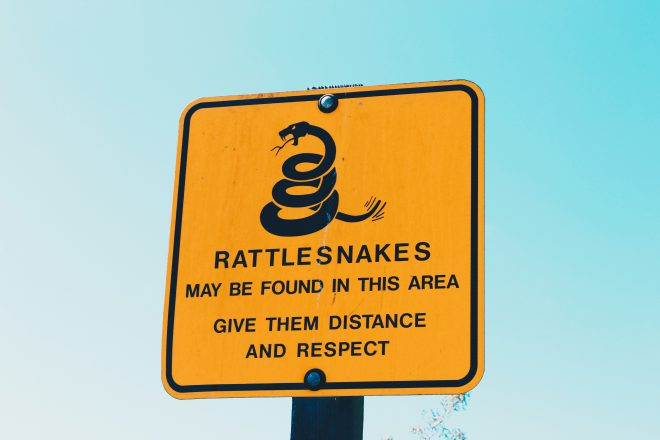
As cities in the United States continue to grow, wildlife wandering into big cities is becoming more and more common. In the suburbs, where public parks provide the perfect environment for a variety of animals, countless encounters with wild animals are seen. But how do you deal with these encounters? How do you keep your household safe while ensuring the safety of the animals? Read on and I’ll guide you through it, covering two commonly encountered animals.
Keeping You And Them Safe:
Snakes are fast-moving reptiles with a notorious reputation and a fierce personality. Despite what you may hear about snakes and the fear-striking snake photos you may see, they should not be feared. Oftentimes a snake you encounter in your home life is a non-venomous snake that doesn’t need to be feared. Most times, an encounter with a snake will happen outside. In this case, the resolution is simpler than you may think. To handle the encounter, follow these steps:
- If you stepped on the snake, quickly back up from the snake and stay still. Generally, a snake can strike two-thirds of its own body length. Try to stay at least two yards away from the snake.
- Be sure the snake has room to escape and isn’t in a position where it may feel cornered.
- Note what the snake looked like- it’s crucial to identify the snake.
- If you find the snake is venomous, it should be removed from your property.
If you must remove a snake from your property, it doesn’t need to be killed. If you wish to remove a snake from your property, here are a few tips:
- Remove any places where a snake could make a home. Snakes like to hide in weeds, piles of debris, or other animals’ burrows. Be sure to cut any weeds, clean up debris, and fill burrows with soil or gravel.
- Try a snake repellent. You can use a mix of cinnamon oil, clove oil, and eugenol to create a smell that snakes can’t stand, and will promptly vacate the area.
- The best way to remove a snake, though, is to call your local animal control or wildlife control professionals. They will humanely remove a venomous snake without putting you in harm’s way.
In some unfortunate cases, though, snakes take shelter inside your own home. In that case, it’s crucial to remove the snake from your house as soon as you can. This helps both you and the snake avoid encounters that could become dangerous. The most important thing to remember is to stay calm- it can be scary, but staying calm will lower the risk of harm to you or the snake significantly. Here are some ways you can deal with a snake encounter inside your house:
- Avoid disturbing or charging the snake, which would drive it into hiding. Approach the situation calmly.
- If possible, open a door and use a long broom to usher the snake outside.
- If the snake doesn’t move, is unresponsive, or coils up, put a basket or trash can on top of the snake and put a weight over it. Call an experienced professional.
- If neither is possible, try to herd the snake into a secluded corner that is accessible but cluttered enough for the snake to hide in. Call a professional and be sure the snake doesn’t escape.
Snakes aren’t the only animals you’ll encounter, though. Foxes are a common animal that is found in urban areas. Foxes are small, curious animals identified through their small size and unique yellow-red colored fur. Foxes are precarious creatures, usually skittish of humans. However, they often lurk around neighborhoods, creating a risk for small pets, or even children. If you find yourself dealing with a bold fox that approaches you, you can do the following:
- Make a loud noise and make yourself look like a threat to the fox.
- Throw a soft object towards the fox. Be sure the item won’t harm the fox. If you have water handy, splash it towards the fox.
Most times, though, a problem with a fox will stem from it making itself cozy in your own yard. It should be noted that, though not dangerous to older children or adults, a fox should not be treated as a pet. In the case that the fox is rabid, it should be avoided and animal control should be called. If a fox is in your yard, you can take these steps:
- Keep all pets indoors, not letting any out.
- Pack leaves, dirt, or gravel in front of the den to annoy the fox.
- Place objects that smell of humans, such as sweaty clothes near the den. This will frighten the fox.
- Place shiny balloons or other uncommon objects near the den.
- Motion-triggered alarms or other noisemakers will scare a fox away.
If foxes are a recurring problem, consider burying an L-shaped footer along the fence line to prevent the fox from borrowing under. In any case where a fox is an immediate threat, call animal control or wildlife control professionals. Any pet or person bit by a fox should immediately see a doctor or veterinarian.
What to Remember:
Animal encounters can be frightening. But, wild animals are just as scared of us as we are of them. It’s always important to stay calm and keep a logical state of mind. Animals do not need to be harmed, and will often move out without causing damage. In any case of a wild animal living in or near your home, keep pets indoors, and monitor where small children go. Never approach the animal. For more information, go to wildlifepest.org.