
Home Blog Page 148

The Rise Of Eco-Dentistry

0
plant sharing two women holding pots
Plant sharing can make you smile. 

Dentistry is a practice where operations are performed on the teeth or adjoining areas. The person who carries out these operations is called a Dentist, and this profession is aimed at:

  • Educating individuals on good preventive methods for oral hygiene.
  • Advising on individual oral hygiene and proffer solutions to patients with dental problems.

Although dentistry aims to help societies keep individuals free from oral discomforts, the practice has been found guilty of certain environmental disturbances. And this may be because we live in an era that is extremely cautious about protecting the ecosystem. This idea has been adopted by many, translating to a global movement. The term “going green” is being used to express actions taken to improve the health of the environment and community.

A research carried out showed that dentistry gives out very large carbon footprints. Carbon footprint is the amount of carbon produced by an organization or individual, directly or indirectly. Carbon is a very important greenhouse gas that can be very harmful to the ecosystem. Hence, the implementation of Eco-Dentistry.

Eco-Dentistry is a scheme targeted at reducing the harmful effect of dental services on the environment while adhering to regulations and standards of the dental institution. The Smilist Dental in Brooklyn describes this scheme as a means to contribute more sustainable resources to the environment.

Eco-Dentistry

Eco-Dentistry, also known as green dentistry, environmental friendly dentistry, or sustainable dentistry, originated from environmental movements and environmentalism. The rise of this eco-friendly movement was initially proposed by Rachael Carson, and she has since been credited for the movement. The dental industry adopted the concept of eco-friendliness as a means to satisfy patients who have subscribed to this idea of sustainability and because it aims to contribute to protecting this same ecosystem. The increased environmental consciousness on eco-friendliness has led to a green transformation in the dental industry, resulting in patients seeking oral health advice from professionals who share similar values of environmental wellness. For green dentistry to thrive, the dental institute has to share similar beliefs as the masses (patients) on the need for sustainability in the environment.

The Dental Industry Carbon Footprint

To better understand the rise of green dentistry, we look at why the scheme was adopted and its benefits.

Carbon footprints can be said to be steps taken that can cause significant harm to the environment. The dental industry is known to be a massive consumer of energy and resources from the environment. Hence, these energy and resources are needed for the well-being of our environment. The industry uses a massive amount of energy through the electronic devices used and a large amount of water through the copious amounts of water. As a result, they release harmful substances into the environment through numerous disposable products for preclinical, clinical, and post-clinical use. Most of these disposable products are non-biodegradables.

How Can Eco-Dentistry Rise?

To minimize the carbon footprints of the dental industry, a blueprint that adopts the 4-R models of eco-friendliness was drafted and laid down by the dental industry while upholding asepsis and patient care standards. They are:

The 4-R Model:            Reduce —— Reuse —— Recycle —— Rethink

This model aims to curtail waste by emphasizing sustainable consumption habits. This model encourages minimizing landfill waste while conserving energy and resources; this is the reduction phase (Reduce). A majority of the landfill waste from dental industries is disposable products. And in a bid to reduce this waste, the adoption of biodegradable items eliminates the reliance on disposable items because most of the disposable item’s use does not decompose.

Another R-model to be considered is using Reusable products (Reuse). By employing the use of reusable items, it eliminates the need to dispose of used items. Using these reusable items proffers a better option of recycling used products instead of manufacturing new ones, thereby keeping the consumption of energy and resources minimal. With the initiative of reduction or reusables, dental institutes can think (rethink) measures that can be adopted to promote this scheme and protect the environment.

Conclusion

In summary, eco-dentistry is an eco-friendly scheme aimed at protecting the ecosystem and creating a caring environment for the patients. Through this scheme, oral health practitioners are not only reminded of the social values they add to their patients’ lives but how they can also contribute positively to the environment.


Ways to Make Your Beauty Routine More Sustainable

0

nature beauty

Nowadays, people prefer organic and sustainable beauty products over traditional ones. Not only are they beneficial for your skin and overall health, but they also protect our planet’s natural resources as well as plants and animals.

Take an example of chemical-based deodorants. They contain aluminum and other toxic chemicals that are detrimental to our planet and wellbeing. On the other hand, natural deodorant is packed with organic and green ingredients, which work great without causing any harm.

As more companies are becoming eco-conscious, you won’t find it hard to make your beauty routine environmentally friendly. Therefore, this article will uncover different ways to help you make your beauty routine more sustainable. Keep reading to learn!

1.    Be Careful With Your Water Consumption

First and foremost, you should be cautious of water consumption during your beauty routine as plenty of water is wasted during cleansing, exfoliation, etc.

Let’s say, after applying cleanser to your face, you shouldn’t leave the water running. Instead, turn off the tap and take a minute to cleanse your face properly. Once you’re done, then you should turn on the water supply.

Although this may not sound like a lot, it makes a huge difference in consuming water.

2.    Invest in Brands That Have a Recycling Program

Do you know that there are several brands out there like Lush, MAC Cosmetics, and Kiehl’s that offer recycling programs? Whatever brands you are using now, it’s better to ask them if they have a recycling program. If not, look for alternatives.

This way, you will have peace of mind that all your empties don’t end up in landfills and will be recycled appropriately for other consumers.

3.    Replace Cotton Pads/Wipes with Cloths

In order to produce cotton, pesticides and fertilizers are used, contaminating the rivers and lakes. Furthermore, you need approximately 22,500 liters of water to produce 1 kg of cotton.  

Cotton pads and wipes are mainly used for applying toners or removing makeup. You can reduce the environmental impact by replacing them with cotton cloths. They are super absorbent, gentle on the skin, and also work great as exfoliators! You can wash and reuse them for years.

4.    Minimize the Number of Beauty Products You Use

Rather than buying several different products and increasing the number of containers or bottles in your home, you can use a multi-purpose beauty product.

You can use lipstick on lips but also as a blush

For example, you can buy a 3-in-1 cream that works as a sunscreen, serum, and moisturizer instead of purchasing 3 different bottles. Likewise, you can buy a makeup palette that contains all the basics, such as lip stain, blush, face powder, and concealer. Fewer products mean that you are not putting pressure on the Earth’s natural resources and not harming the planet.

5.    Look for Products with Sustainable Packaging

You can always find a greener alternative to a beauty product. It’s imperative for you to look for products that are sustainably packaged. Most companies worry about their environmental impact. Therefore, they use recyclable packaging or packaging made from biodegradable materials to make sure they are easily disposed of.

For instance, reusable glass containers are always better than plastic containers. Similarly, you can purchase bamboo toothbrushes rather than plastic ones as they are 100% natural and biodegradable.  

Many brands also offer refilling options for a more sustainable routine, such as The Body Shop, Glow Recipe, Lakme, and Kiehl’s.

6.    Bring Reusable Shopping Bags

The trend of taking your own shopping bags for grocery shopping has been here for quite some time now. However, you shouldn’t limit it to grocery shopping only. Instead, you should bring reusable shopping bags with you when shopping for beauty products.

So, rather than using natural resources, you can make a significant impact by bringing your own reusable shopping bags.

7.    Look Out for Certain Ingredients

Most beauty products contain toxic ingredients such as parabens, triclosan, artificial fragrance, and sulfates. As you apply products containing these ingredients to your skin, they seep into your bloodstream and can significantly harm your health over time.

Not only your health, but they are also equally detrimental to the environment and the ecosystem. For instance, some exfoliating products contain microplastics, which can kill fish and birds as they assume them to be food.

In addition to this, you may have heard about or read about the “oxybenzone” ingredient on most sunscreens. Although it’s generally known for giving a natural-looking finish while protecting you from the UV rays, it is incredibly harmful to the coral reefs as well as the small fish and species.

Oxybenzone has a bleaching effect on coral reefs. Therefore, it can completely destroy them. Hence, you should look for reef-safe and natural sunscreens that are safe for your health and the environment. Make sure to carefully check the ingredients before you buy one. 

 

How to Reduce Food Waste in a Restaurant

0
the-fridge
Fridges are left open in Saudi Arabia and Israel so people in need can take food. This way leftovers from restaurants and home don’t spoil.

When you are managing a restaurant, food waste is a common issue that needs immediate attention. Every day, restaurants naturally waste food due to over-purchasing and over-serving. When customers over-order, all leftovers are thrown out unless the customer takes it home.

Since food waste reduction in your restaurant is beneficial for the environment, it also makes for good practice for your business. So, how do you get started? Let us take a look at the most effective ways to reduce food waste in your restaurant.

Conduct a Waste Audit

Conducting a waste audit gives you an estimate on future cost savings. Here are the steps for initiating a waste audit.

Gather a team on a specified date. Ask at least four to five people on your staff to do the audit. You need to specify a date for at least five to seven days by calling it your “Waste Audit Week.” During this week, you can get a clear estimate of the daily trash output on a weekly basis.

Determine waste categories. Make a list of waste categories before your “Waste Audit Week” starts. These are the most common waste categories: aluminum cans, cardboard, display materials, food waste, glass, material packaging, meat, paper, plastic bottles, produce, other plastic items, and signage. Feel free to add your miscellaneous categories as you conduct the waste audit. 

Prepare tools. Stock up on the following supplies for your team to use during the waste audit: face masks, rubber gloves, labelled boxes with each waste category name, a scale for weighing each box, tongs, rash bags, compost bags, and clipboards for writing down the results. You also need an open space for sorting all the waste.

Sort trash. At the end of the “Waste Audit Week,” gather all recycling and trash from your restaurant. Place the trash in garbage bags and then weigh all the bags. Record the weights of each bag; this will give you an estimate of how much waste you throw out on a weekly basis. Repeat the same steps with recyclables to establish how much you recycle each week.

Analyze the results. Once you have your figures from recyclables and waste, use this data for your waste stream analysis. This is the formula to determine your waste diversion rate: Weight of trash + Weight of recyclables = Amount of both weights. Then, multiply the weight by 100. The final number you get is the percentage of the waste you dispose of into a landfill weekly.

After you have completed the audit, start executing improvements such as menu changes, serving less food, or substitutions. Once you have implemented the changes, continue to monitor your progress and don’t be afraid to schedule another food waste audit in three to six months.

Train Your Staff

Ask your kitchen staff for their input on creative ways to reduce food waste. Then, train your staff, particularly the food handlers with these specific practices. By educating your employees about food waste reduction, everyone can do their part.

Avoid Overbuying

By determining exactly what you need, you reduce overbuying. To avoid overbuying, go through your kitchen and make a list of items that you need at all times. Then, purchase those items in bulk and ensure you use them before their expiration date. Finally, go through your list of secondary items and try reducing those items by replenishing them before they run out.   

Store Food Properly

To prevent contamination of your food items, ensure that your staff knows how to store food properly. When it comes to food items that spoil quickly, each food handler should know the protocol for storing high-risk food in refrigerators. If they for some reason don’t know that, definitely enroll them in another food handling course. To improve efficiency, label all perishable food containers with the date received, the expiration date, and the amount of servings.

To avoid bacteria growth, store high-risk food in refrigerators at 1-4°C and freezers set at below -18°C. The optimum temperatures for hot/cold holding are 63°C and below 8°C.

Use the FIFO method

The FIFO method stands for first-in/first-out. It is an efficient approach whereby the oldest items in your kitchen are used first, while simultaneously replacing the previous food items with the new fresh stock. For instance, if you receive meat patties on a Monday and a second batch on Friday, then the Monday meat patties should be used before serving the batch that arrived on Friday.

Donate Unused Food

If you want to help out your community, consider labelling food items with a “serve before” and “donate before” date. At the end of the week, ask your staff members to go through the items that are donatable, have them put those aside, and happily deliver the items to your chosen shelters with kitchens.

Compost

Many restaurants take food scraps and use compost as a natural fertilizer for landscaping. The benefits of composting food scraps is good for the environment because it reduces food waste by preventing it from being disposed of in landfills.

Final Thoughts

Managing a restaurant involves reducing as much food waste as you can. Not only can a food waste audit give you clarity on how much waste is being produced, but it can also save you on operational costs in the future. Try taking some of these quick steps to track and reduce your waste production in order to help the environment and improve your restaurant’s efficiency.

How to Stay Safe When Working in The Construction Field

0

PPE

The construction industry is considered one of the most hazardous workplaces in the UK. Although it contributes to close to 3.1 million jobs per year, the industry is filled with all kinds of hazards, with thousands of workers experiencing work-related illnesses each year. 

Workers get exposed to all manners of risks every day that substantially increase their death or injury risks. To name a few, some of the common risks include structural collapses, falls from heights, falling objects, electrocutions, and machinery malfunctions. 

To this end, Engelbert Strauss has committed itself to manufacturing quality and affordable protective footwear for construction workers. Its line of shoes is extraordinarily light and strong as concrete and can be worn for both business meetings and construction sites. 

Below, we will look at the importance of safety shoes, including when to wear them and how to ensure you are fully protected. 

Personal Protective Equipment 

PPE or personal protection equipment refers to the special equipment worn by construction workers to create a barrier between their bodies and germs. In this case, the barrier is meant to ensure they don’t touch, spread, or become exposed to germs. 

Often, wearing the right PPE can prove the difference between being safe and sustaining life-threatening injuries, especially when the work equipment is appropriate for the task. 

Types of PPE

Head Safety

When it comes to safety tools, head protection happens to be one of the essential equipment in the construction industry. 

While construction work needs to be organized to ensure there are no injuries to the workers, everyone at the site is required to ensure they have a safety helmet on at all times. 

Employers have to provide their employees with suitable head protection in compliance with the Personal Protective Equipment Regulations 1992. 

The regulations also state that bump caps should be made available where employees are dealing with non-moving hazards. 

Foot and Leg Safety

An injury to the leg tendons or muscles can prohibit movement for a few months. Therefore, it’s crucial to ensure employees are provided with a toe cap.

Used appropriately, the toe cap and shoes with non-slip soles can reduce the risk of getting a foot injury. 

Ideal footwear should protect against penetration wounds, punctures, and dropping objects. 

Ear Safety

Ear damage may arise from too much or prolonged exposure to construction noise. In some cases, exposure to high noise levels, even for a short duration, may cause permanent damage.

Personnel working at a construction site should be provided with the right kind of hearing protection based on the kind of work they perform at the site. 

Available options for ear protection include canal caps, earmuffs, and earplugs. The ear protection provided shouldn’t compromise communication or safety.

Lungs Safety

Vapours, gases, and dust are common risks that workers need to deal with daily. When it comes to selecting lung PPE, care must be taken to ensure that the work equipment fits each person correctly. 

Selecting the wrong gear means that a seal will not be formed, exposing the wearer to all kinds of menaces. 

Common types of tools used under this category include:

  • Fresh air hose
  • Filtering facepieces
  • Self-contained inhalation apparatus
  • Power-assisted respirators
  • Respirators

Every filter is designed for a specific range of risks. As such, there’s a need to ensure that the chosen filter is suited for the task at hand. 

Moreover, each filter comes with a limited lifespan. Workers should use filtering cartridges if they are to be exposed to atmospheres with a limited oxygen supply, confined spaces, or high levels of harmful fumes. 

Eye and Face Protection

Face and eye safety are crucial when dealing with sites contaminated with radiation, chemicals, vapours, metal splashes, gas, projectiles, or dust. Common types of eye and face safety tools include:

  • Visors
  • Safety spectacles
  • Face shields
  • Face screens
  • Goggles

Ensure the eye and face protection selected is suitable and well-fitting for each worker. If it doesn’t fit properly, it means the workers will still be exposed. 

Whole Body Protection 

Construction sites vary, which means there are instances when workers may need to work on sites contaminated with asbestos. Some other sites may also have pressure leaks, metal splashes, or chemical exposures. 

In such instances, it may be necessary for all those on site to wear disposable or conventional overalls, chemical suits, aprons, or boiler suits. All this provides an additional layer of protection against the dangers present at the construction site.

Conclusion 

As seen above, different types of safety work equipment are present in the market. Knowing which equipment is ideal for each job will ensure the workers are sufficiently protected.

Employers have to ensure their workers have all the tools they need to get the job done. Failure to do so would be contravening the workplace regulations already in place. 

Depending on the work being done, the employer may need to provide more than one type of PPE. 

Mudhif, an Iraqi guesthouse, from reed grass connects American veterans to their trauma

Mudhif reed house iraq

Building with invasive plants; Healing through shared war stories

U.S. Veterans, Iraqi refugees and the public will join environmental artist Sarah Kavage and Iraqi designer Yaroub Al-Obaidi in constructing an Iraqi guest house, called a mudhif. Constructed of phragmites, an invasive reed grass, this traditional Iraqi marshland structure will be built on the grounds of the Schuylkill Center for Environmental Education in Northwest Philadelphia. 

Mudhifs have traditionally been used for town meetings and ceremonies. At the Roxborough site, it will serve as a gathering place to share experiences of war through storytelling, healing and recovery among U.S. Veterans, Iraqi immigrant communities and the public.

The construction of the cutting-edge art installation Al-Mudhif will kick off on Memorial Day, Monday, May 31, with a dedication ceremony. The building process involves tying bundles of reeds into 20-foot-long columns, and then shaping them into huge parabolic arches. Hand-woven mats are then tied over and between the columns, forming a roof. Finally, crafted lattice panels are attached to the sides, allowing for both sunlight and airflow into the interior and enclosing the entire hut.

mudhif Iraq
The Ahwar of Southern Iraq: Refuge of Biodiversity and the Relict Landscape of the Mesopotamian Cities: A view of the method of construction of the reed houses. Jasim Al-Asady

Connecting with Iraqi communities in nature through the building process of this sanctuary offers a significant memorable and cultural space for U.S. Veterans who were deployed in Iraq to connect with local Iraqi communities and culture.

“It is not often that Veterans are able to heal and connect with residents from areas that were engaged in conflict,” said RADM Karen Flaherty-Oxler, Director of the Corporal Michael J. Crescenz (Philadelphia) VA Medical Center. “Opportunities such as this help bring their experience full circle, often providing closure, healing and building bridges across cultures.”

South Philadelphian Marine Corps Veteran Leroy Anthony Enck says, ”For some veterans and military members, our time in Iraq was marked with loss and destruction: losing fellow service-members in body or spirit, witnessing a similar loss among indigenous communities in Iraq, and observing—despite our best efforts—the environmental destruction our presence and operations facilitated. 

“Some of us have struggled with the larger moral implications of this impact, and after participating in the difficult work of moral engagement, have decided to dedicate ourselves to this work as atonement. Now, we have an opportunity to engage in the hefty work of building: constructing the first mudhif outside of Iraq, building new community with our brethren among the former Iraqis who now call Philadelphia home, and giving—rather than taking—an opportunity for generations young and old to experience greater understanding of people and flora displaced through no choice of their own.”

The involvement of Iraq War Veterans in the project was facilitated by Reverend Chris Antal, a Staff Chaplain at CMCVAMC. Antal had this to say, “Some Veterans who served in Iraq are often burdened by difficult memories and painful emotions. Collaborations such as this help build trust, foster reconciliation and create a sanctuary amidst the calming presence of nature.”

The project is part of a larger art initiative Lenapehoking~Watershed with the Alliance for Watershed Education (AWE) for which Sarah will create multiple site-specific, temporary installations along the Delaware River circuit trail, exclusively using natural materials such as meadow grasses and invasive phragmites. We will activate the installation of the Al-Mudhif with an accompanying exhibition and extended programming around the exchange of war experiences, healing, and intercultural encounters from June to October 2021.

How to Choose Experts for Foundation Repair

0

foundation repair eco laminate

Foundation repair is an expensive task. Thereby, you always want to select experts who can do the job the right way. As tons of companies offer foundation repair, you quickly get confused about what to pick and skip. In that scenario, you should look into the following things.

Always Hire Certified Professionals

As you are going to invest a good amount of money, you should remain careful. Hiring a new company means putting your home foundation at stake. You don’t know how they will work. Always go with a company that has thoroughly trained and certified professionals. 

Only expert technicians can do a perfect home foundation inspection. Going with certified teams means putting this task in the right hands. Please click to find Minneapolis repair companies.

Excellent Communication

Many companies offer free inspection; you should make the most of this service. After inspection, the team gives you a report, offering an estimate for the complete project, problems of your home, and their ultimate solution. If a company doesn’t disclose vital information like how they will fix your home and where exactly the problem lies in the foundation, you better stay away from it.

 The reason is that experts are always confident. They are known for their excellent communication. Thereby, the company should give you a clear idea of what they are going to do. If they don’t, you should look around.

Get Quote and Compare

After free inspection, you will get a project quote. Try to get it from more than two companies so that you can compare. The primary purpose here is not only to compare quotes but to evaluate offers. The best foundation repair company will not try to sell you some products or services you don’t need. It serves your interest in the best manner available. If a company asks you to spend money on a product your home foundation doesn’t need at all, don’t fall for their marketing tactics.

Check Business History

Before hiring any company for foundation repair, you should try to get the answer to the question, “how long have they been in business?” Try not to go with a brand new company as it might not do a job properly. A company with a long history of work is a good choice as they have years of experience working on different projects.

Warranty

If they are going to re-level the foundation, you should ask for a service warranty. So, it offers a warranty to win the trust. If a company doesn’t provide a warranty, it simply means they aren’t good at their jobs. If a company doesn’t mind giving a warranty, you should rely on it as no business likes to complete the same task twice.

Check Client reviews

Client reviews tell you the whole experience and skill story of a foundation repair company in Minneapolis. A company with high ratings and reviews is always a good pick. Read reviews to find out what they are good at. It would help if you also got reviews from building inspectors who may recommend the best company for structural repair tasks.

Organic nicotine and grow your own tobacco makes a comeback

0
shisha hoosha pupe
Shisha pipe is a massive addiction in the Middle East. Some believe it’s not dangerous because you are smoking plants. 

There is no doubt about it: smoking is terrible business for your health. For the last 40 years western governments have waged aggressive educational campaigns aimed at youth to help them never start. A short trip to Paris and all the hard work of the American government is over. Young people everywhere seem to be smoking non-stop. And the idea of using nicotine and buying nicotine pouches picked up steam in Paris during Covid when one study indicated that nicotine can help treat Covid symptoms. So much that the French Government banned nicotine pouches — for fears that people who were not already smoking were buying them. 

A few things about smoking should be said: like every single thing in life moderation is the key. Chain smoking commercial brands with additives is a dangerous blend, like a diet of food high in fat, high in sugar. Smoking tobacco has been demonized by health organizations globally mainly because tobacco companies have hooked people on smoking the way companies have hooked us on Coca Cola and junk food. Much of it is by way of suggestive advertising. Smoke our brand and smoke more and you will be better looking, better off, happier. The truth is that smoking kills millions of people a year. So starting if you don’t know how to moderate might be the best approach. 

There might be other approaches to enjoying a cigarette without the toxins or with less toxins? 

Man smokes hookah pipe
The shisha pipe is also known as a hookah pipe. It’s also known as a bong when used for smoking cannabis, for medical reasons of course.

Last time I was in Canada I met a First Nations chief from one of the Reservations in the north. He said that smoking tobacco can create world peace. Maybe it’s naive. But I listened to him. First Nation people and Aborginal People have many traditions and healing ceremonies around smoking. 

The act of sharing fire brings about a feeling of community, and the natural tobacco they smoke can uplift the spirit. Some tribes in Central America smoke plants with hallucinogenic effects –– unlike ayahuasca ceremonies that can heal the spirit. These “smoking” ceremonies are used rarely, certainly not every day. Again the point here is that proportion is key. 

At times throughout history Europeans were excited about the medicinal uses of tobacco as much as people are excited today about using CBD extracts from the cannabis plant, so there are trends that come and go even in older times. See this review for a history of tobacco, which the authors of the study point out: its use has contributed to millions and millions of deaths. So use with caution.

Maybe even reverence. Modern Peruvians ingest it, for instance, as medicine. 

There is a growing trend in America and Canada which started before Covid for people to grow their own tobacco using hydroponics or regular permaculture farming or gardening. This might be an idea that will work well for people who enjoy an occasional cigarette as you can grow the plants in an organic manner, without pesticides and the toxins that get absorbed into the plant.

One organization cautions however that organic cigarettes are not less dangerous and are just as addictive as conventionally grown tobacco. We can guess the thing that will save you from smoking too much if you grow your own is that you might find it hard to harvest and keep –– making it less enjoyable.

4 Hidden Sources Of Environmental Damage

0
gold dust graduation from Walmart
The gold dust bought at Walmart may make your graduation photo pretty. But one blow and it’s forever cycling as microplastics that will get into our lungs.

You are probably bored to death with doom and gloom news about climate change. Nevertheless, the fate of the human race and the entire planet is reliant upon the way we treat the earth. Scientists have been warning us for around 50 years that humanity is likely to have a dangerous impact on the climate of the earth. Unfortunately, we may have heeded their warning too late to avert serious catastrophe. Here are four hidden sources of environmental damage that may have passed you by. Try not to feel too overwhelmed. 

Water Waste

Water is not an infinite resource. Water scarcity is a major concern both for the welfare of humanity and the preservation of the environment. Climate change is having some seemingly contradictory effects. Sea levels are rising thanks to melting icecaps, but deserts are spreading thanks to groundwater droughts and deforestation. Without going into the science behind these occurrences, it is worth mentioning that global warming is responsible for both. 

Water distribution is an absolutely huge polluter, and that pollution is contributing to the disappearance of water sources – it is a self-perpetuating cycle. California uses 20 percent of its electricity to distribute water. 

What can an ordinary person or business owner do to avert this slow catastrophe? For starters, we should be reducing water waste on a large scale. The real change, however, will come when governments impose stricter environmental controls on water distribution companies.

Microplastics

Take any water sample from a river or coastal area and there is a very high chance that it contains microplastics. Microplastics are tiny fragments of plastic waste less than 5mm in diameter. They are released into waterways during manufacturing processes or in solutions dumped down drains. Until recently, many hair products contained ‘microbeads’ – small plastic balls that took years to biodegrade and travelled into the water system via showers and baths. They might be small, but they are causing a huge amount of environmental damage. They clog up the gills of fish, and in turn make their way into the diet of creatures that feast upon said fish, including us. 

Internet Shopping

In the internet age it is possible to receive imported products within days of making an order. This has been made possible by the proliferation of air freight. The problem is that aviation is a polluting industry on an absolutely massive scale. Jet fuel is very concentrated and burns off at a swift rate. Future generations are going to pay for our convenience.

Meat

Meat and dairy production is the cause of 14.5 percent of global greenhouse emissions. Cattle farming has an especially bad impact on the environment, as cows produce a huge quantity of methane. The transportation, feeding and slaughter of animals on an industrial scale has been a disaster for the planet. This is one of the reasons that veganism has become such a popular ethical choice for younger people, who are starting to feel the effects of climate change first-hand during their lives. 

The 5 Best Eco-Friendly Destinations to Visit Around the World

hot tub nature iceland

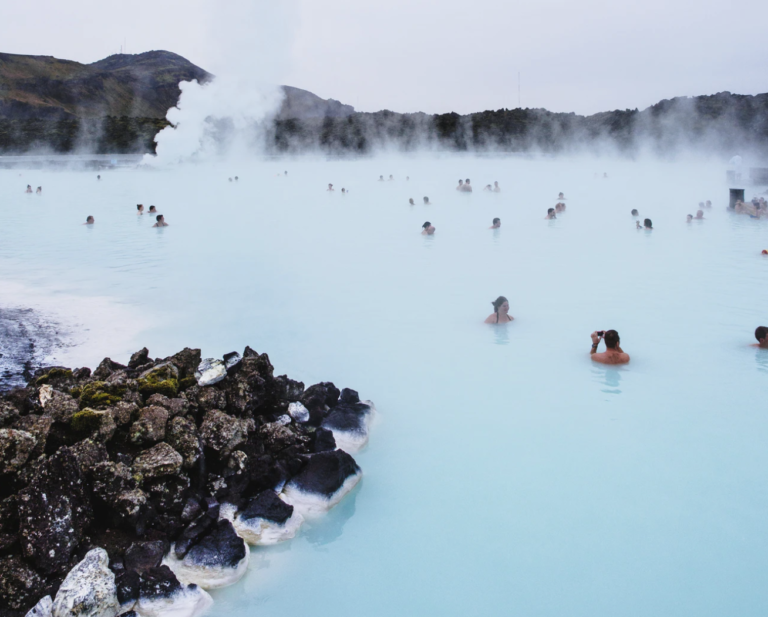
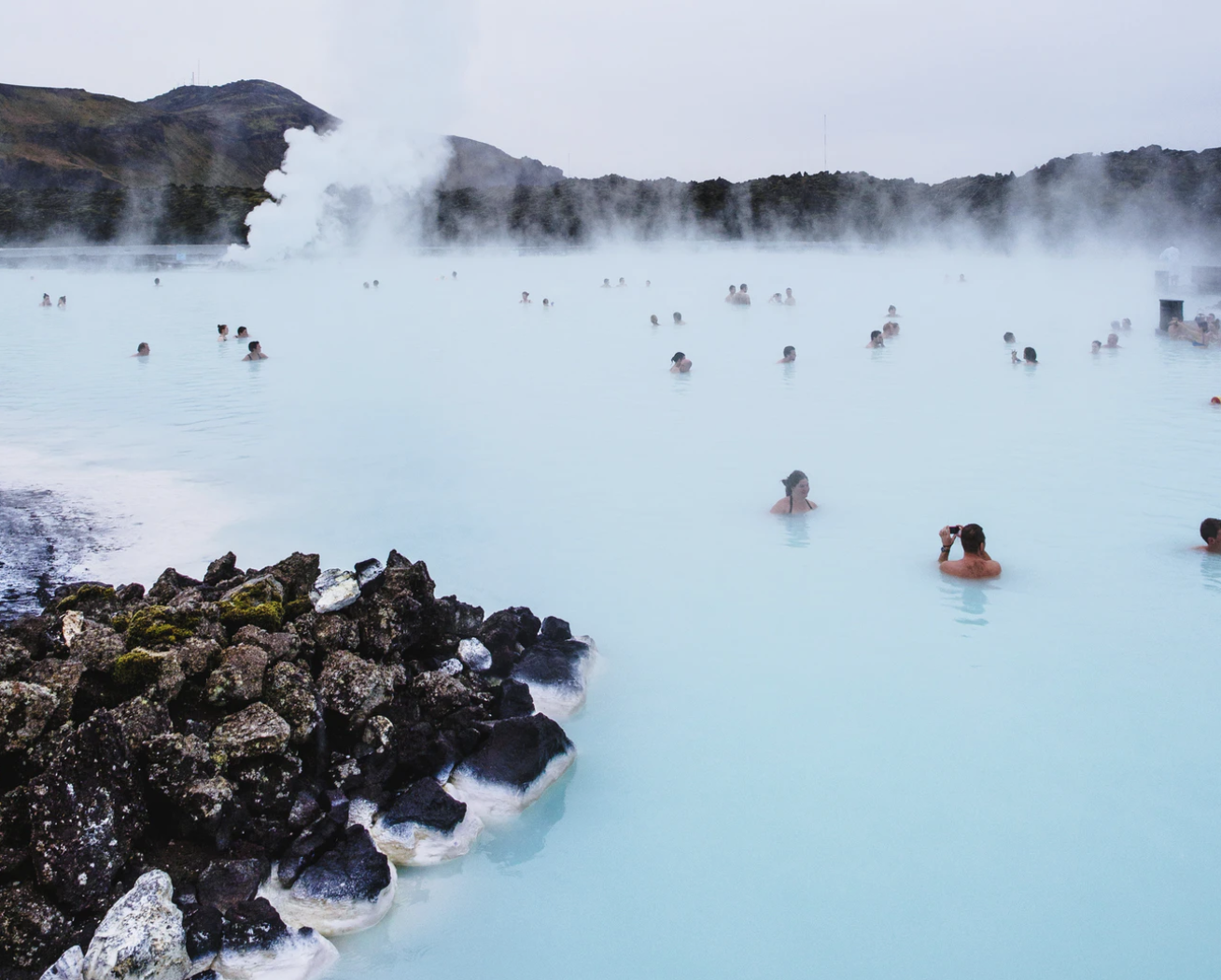
Some countries like Iceland and Costa Rica are made for eco adventurers because nature is simply a prominent part of the nation’s being. Countries like America, which brought us super-size me and McMansions –– and Dubai’s towering skyscrapers –– less so. To keep our eyes on the prize, which is full nature immersion left, right and center, let’s look at 5 of the wildest places to visit for an immersive ecological and natural experience without having to look hard for an “official” eco-resort. Because by default nature and natural getaways should be a complete experience everywhere you turn, not a special package.

Retreats in North Iceland will pull you right into the heart of nature. Northern lights, endless fjords, volcanoes and natural hot springs with geothermal energy that produces vodka. There’s no better place than Iceland for your first eco-journey after Covid isolation. Activities include hiking in the wild, fishing, whale watching and singing like Bjork out in the wild. Being a part of the wild Icelandic landscape helps you find a bit more of the wild in yourself.

The midnight sun and warm temperatures make summer the best season of the year to visit Iceland. Hikers might think that July and August are the best months to visit Iceland –– but it’s actually February, March, September and October –– when you will have the best chance to see the spectacular Northern Lights. 

The Northern Lights are by far nature’s most spectacular event and light show, also known as the Aurora Borealis. Don’t worry about missing them on your trip: they can be seen from purpose-built resorts from glass igloos to luxury suites. Or from the window of your tent. They appear 200 nights a year in northern Iceland.

Nipissing, Ontario, Canada is not a known eco-destination, except for but a few dozen people that moved there to escape the Vietnam War –– and then stayed. Some of the earlier settlers that started ecological communes in the area include Americans from Berkeley. It is a quiet understated place, full of raw water and natural springs, deep, dark forests and the occasional gnome sighting. Highly recommended. If you do get there, don’t tell anyone though. Let’s keep it a secret between us. 

Costa Rica might be devoid of any exciting nightlife and its ancient cultural roots are all but erased, but it’s a place you can feel prana. Somehow standing in the sun in Guanacaste radiates your inner being like no sun I have felt on earth. Lush green follows you everywhere and around every turn there is some fascinating natural wonder and animals galore. Carpenter ants, howler monkeys and sloths are my personal favorites.

Finland is far from Costa Rica in many ways but similar in others. Finland’s forests are vast and wide and everyone and their cousin owns a sauna somewhere in nature. The big idea is to sweat out all your anxieties and then dash into freezing cold water in the lake a few yards away. Plenty of wild game will fill your table if you are an adventurous eater. Try reindeer or stick to your vegan palette. Those options are available too. If you visit in the summer you will never have to sleep as it’s about 23 hours of light – with the sun barely setting. More time for adventures! 

The Atlas Mountains in Morocco. When you get out of your rusty, rattling local taxi cab from Marrakech and find yourself in the Atlas Mountains you will witness a people that has been living in tune with nature for hundreds of years. Simple hotels and resorts without any special vision can be found all over the place, but if you want more “class” then try the Kasbah Du Toubkal.

Run by a British family to oversee local philanthropy and sustainable eco-management of the region, the Kasbah is a refreshing way that eco-resorts and getaways interact with and connect with the locals. All the staff and meals are local and the building was constructed to embrace the natural sun and airflow from the Atlas Mountains above. 

When I was there I took a donkey ride up a steep path that led up to the resort. That in itself is an experience I will never forget. Or the homemade yoghurt. Or learning about argan oil. 

Rethink your backyard? Consider also that even if your city backyard is a transport hub like Atlanta. And your family comes to visit you can help them find the best hotels in Atlanta. It is known that the most ecological destination to travel to is your own backyard or hubs where many flights converge in one place. With no carbon emissions from flights or fewer emissions –– and no need to be part of the endless packaging waste cycle of meals on flights, staying home –– a staycation –– is widely regarded as the best kind of travel.

Consider also carpooling your friends and visit a nearby hotel and explore your local areas to invigorate local travel near you.

Then post-Covid – we will get there one day – you can share the joys of the wonders of your “place” with those you will meet on your next travels somewhere new. 

Avocados, pistachios. A natural Prozac?

0

avocado Prozac

A natural food supplement found in avocados, pistachios, walnuts and canola oil can reduce anxiety, finds a new study. Researchers from the Weizmann Institute found that the plant-derived substance, beta-sitosterol, was found to produce this effect both on its own and in synergic combination with an antidepressant known under the brand name Prozac. The findings could point the way toward the use of beta-sitosterol as a treatment for relieving anxiety in humans.

Anxiety is not always a bad thing. In fact, in evolutionary terms, feeling anxious about potential threats is critical for survival because it helps us mount an appropriate response. That’s precisely why developing anti-anxiety drugs is so challenging. The circuits for anxiety in the brain are closely related to those responsible for memory, awareness and other functions vital for handling danger, so scientists are on the lookout for compounds that can selectively suppress anxiety without causing unwanted side effects.

The starting point for the present study was research conducted several years ago in the lab of Prof. Mike Fainzilber in Weizmann’s Biomolecular Sciences Department. Dr. Nicolas Panayotis and other lab members studied the roles of proteins that shuttle cargoes into the nuclei of nerve cells, and they discovered that in stressful situations, mice lacking a shuttling protein known as importin alpha-five showed less anxiety than the control mice. The researchers then checked how these “calmer” mice differed from regular ones in terms of gene expression, and they identified a genetic signature of their “calmness”: about 120 genes with a characteristic pattern of expression in the hippocampus, one of the brain regions that regulate anxiety.

In the new study, Panayotis, now a senior intern in Fainzilber’s lab, together with colleagues, searched an international genomic database for existing drugs or other compounds that might mimic the same gene expression signature. He identified five candidates and tested their effects on behavior in mice. That was how the researchers zeroed in on beta-sitosterol, a plant substance sold as a dietary supplement intended mainly to reduce cholesterol levels.

In a series of behavioral experiments, mice given beta-sitosterol showed much less anxiety than the controls. They were, for example, less fearful than the controls when placed in an illuminated enclosure, daring to walk into its brightly lit center, whereas regular mice were careful to stay on the darker periphery, avoiding the stress of the bright light. Moreover, the mice receiving beta-sitosterol did not exhibit any of the side effects that might be expected from antianxiety medications – their locomotion was not impaired, and they did not refrain from exploring novel stimuli.

Next, the researchers tested the effects of beta-sitosterol on mice when given in combination with fluoxetine, a drug belonging to the class of selective serotonin reuptake inhibitors, or SSRIs, and sold under the brand name Prozac, among others. The combination had a synergistic effect: Both beta-sitosterol and fluoxetine reduced the anxiety of mice at lower doses when given together, compared with the doses needed to produce the same effect when they were administered separately.

Bring out the nuts for micro-dosing

A great advantage of beta-sitosterol is that it is naturally present in a variety of edible plants, and it is thought to be safe, as it has been marketed for years as a nutraceutical. It is found in particularly large concentrations in avocados, but also in pistachios, almonds and other nuts, in canola oil, in various grains and cereals and more.

However, this does not mean that eating avocado can induce a calming effect, since it doesn’t contain enough beta-sitosterol. “You’d need to eat avocado day and night to get the right dose – and you would be more likely to develop digestive problems than relieve your anxiety,” Panayotis says.

The precise mechanism of beta-sitosterol’s effect on anxiety remains to be revealed, but the scientists did find that the expression of several genes known to be activated in stressful situations was reduced in mice given the supplement. They also found that these mice had changes in the levels of certain metabolites and neurotransmitters in brain areas involved in anxiety.

Since the study focused on brain regions and neural pathways that are involved in regulating anxiety in both mice and humans, it is likely that the findings will apply to humans as well. This will, however, require further clinical testing.

As Fainzilber points out: “There’s a need for a clinical trial to test the use of beta-sitosterol for reducing anxiety in humans. Until then, we recommend that people consult their physicians before taking the supplement for this purpose.”

Study participants included Philip Freund and Dr. Letizia Marvaldi of the Biomolecular Sciences Department; Dr. Tali Shalit of the Nancy and Stephen Grand Israel National Center for Personalized Medicine; Dr. Alexander Brandis and Tevie Mehlman of the Life Sciences Core Facilities Department; and Dr. Michael Tsoory of the Veterinary Resources Department.

Fortnite to save old growth forests 

fortnite gaming saves forests

Epic Games, the online games kids will do anything to play (you know the names… Fortnite and Rocket League) –– even if they need to line up and play at the library computer. This online gaming company has decided they will use company profits to help save an Old Growth Forest in North Carolina. This makes environmentalists everywhere proud. 

The founder of Epic Games decided to donate 7500 acres of land in the Appalachian Mountains to be preserved as a haven for wildlife forever. According to press reports the donation includes the largest American Chestnut restoration project in the country, extensive boulder fields, rich coves full of biodiversity, old growth forests, six waterfalls, and a system of rare heaths.

In addition to overseeing Epic’s Fortnite and Rocket league goods franchises Tim Sweeney has decided to be a Green Prophet and a conservation philanthropist. The land he has bought and donated is considered “priceless”. 

It is the vision of philanthropists who can have an impact on the planet for hundreds of years into the future. 

“As we watch so much of our region get carved into sub-divisions, strategic acquisition of large parcels of land is increasingly important — and increasingly hard to accomplish. In twenty years this gift might be one of the few sites in Western North Carolina that still looks like it looked one hundred years ago, or one thousand years ago,” said aid Carl Silverstein, executive director of the land trust who will manage the forest.

“These parcels include some of the most sought-after conservation acres in the eastern United States, including over 100 miles of pristine creeks and streams. We really are honored to be entrusted with the responsibility to steward this vast mountain complex,” he added. 

Philanthropists play an important role in land conservation in the United States and countries like Scotland where people with vision 100 or 200 years into the future or more – understand that if private individuals don’t take action by preserving big swaths of land, it will be divided up for private use ruining the “wild” in wildlife. 

Welcoming biologists 

“This project is a conservationist’s dream come true,” said Marquette Crockett also from the land trust. “Pristine roadless land that has not been tim­bered over is almost impossible to find in the Southern Appalachians in 2021, but this assemblage contains so much that we value, from old growth forests to high-elevation open areas in an undisturbed condition. My phone will ring off the hook from biologists who want to visit and study this unparalleled preserve. We look forward to welcoming them to the mountain.”

Multiplayer player video games can be violent and addictive but there are options for steering your kids towards games that encourage cooperative play.

Video games like crypto can also be terrible for the environment from the carbon emissions released by the servers that run the games –– well, for the air conditioners that cool the servers that run the games. While there are companies in Helsinki using “greener” solutions and companies buying carbon credits, donation land to land trusts like this is just as good or maybe even a better than a short-term solution. And I hope the game developers will show off this gift to their players. Because the real values in life are connected to nature and our place in it. 

If you don’t love video games for your kids: games like Minecraft are based on multiple player interaction but before you go there there is a single-player Creative mode on the “Peaceful” setting, where there is no interaction with others in the game and therefore no conflict. But eventually as kids develop in the game, most kids will want to play with others, and multiplayer gaming invites some risks.


Best Universities For Environmental Initiatives


hanging out in a tree, woman on branch of large tree
Dream of being an environmental activist or lawyer? These schools have what counts when it comes to eco education.

One of the most discussed subjects in the XXI century is environmental issues such as global warming, water, and air pollution, and biodiversity loss threatens all spheres of life on the planet and leads to irreversible changes in the ecosystems and resilience. A lot of educational institutions support environmental initiatives in order to become the “green” and address all-natural problems with such valuable resources as energy, water, and materials as they want to build a more sustainable and environmentally-friendly society. Universities grow the new generation, and it is crucial to lay the foundation in the minds of young people and develop the feeling of social responsibility and value of natural resources. Many of them define these demands and invest in greener buildings, products, and ways of engaging staff and students. In this article, you will find 10 of the best universities that support environmental initiatives.

Arizona State University

One of the leaders in the environmental initiatives and research of the ecological situation and climate changes in the USA. ASU takes serious commitment through the usage of circular resources, optimization of food and water consumption, collaborative and personal action, and awareness. It is also one of the first institutions in the United States that generated over 25 megawatts of solar energy. ASU is making an effort to accomplish carbon neutrality and become the largest research university in the area with the help of students’ desire to participate in learning this discipline.

Colorado State University

CSU is committed to the environment and global sustainability. In 2008, on the base of the university, was created a campus-wide school that addresses environmental challenges through broad research and other initiatives that welcomes students who are ready to make their contribution into environmental research and get the better of such issues as food and water security, poverty, inequality, energy, climate changes, biodiversity, globalization, industrial ecology, etc.

University of Maryland

At the base of the University of Maryland was established the center for Environmental Science and created the Environmental Sustainability Council that provides leadership, advice, and assistance in the enhancement of environmental sustainability. The students can research to understand the consequences of environmental changes on the usage of natural resources and the rehabilitation of terrestrial and aquatic ecosystems.

American University

The American University develops the culture of sustainability through a number of outreach and student organizations. With green buildings that incorporate energy-efficient technologies, conscious consumption that involves zero waste, usage of solar energy, and increasing environmental awareness. The role of students in establishing an eco-friendly atmosphere and researching the environment is crucial. A lot of students are writing research papers and developing projects on this matter. Sometimes, it gets difficult to outline the findings and it is better to go to custom report writing to get help from the professionals. A lot of students’ research works were used to engage the community in the green initiative and raise the consciousness of the new generation.

University of California, San Diego

The UCSD makes efforts with environmental initiatives in multiple ways. The main goals include achieving zero waste, carbon neutrality, deliberate water, and food consumption, LEED certification for all new and renovated buildings. The university designed programs to educate students and employees on ways to make their daily work and living practices more sustainable.

Cornell University

Cornell University pays a lot of attention to eco-awareness and provides a lot of courses that teach the environment and sustainability issues and help to obtain the fundamental understanding of environmental science and environmental studies perspectives. There is a number of students’ groups that discuss the eco problems, energy-saving initiative, efficiency of powering, food expenditures and waste diversion.

Furman University

The university strives to create a sustainable future and pushes action for a minimization of environmental impact with the help of infrastructure changes, research, and sustainable food practices using the complex and holistic approach to the problems. 

University of Minnesota

The University of Minnesota at Morris includes a broad range of initiatives including renewable energy, zero waste, and sustainable construction and renovation. Students play a vital role in solving ecological problems and based on that, the activists established the Ecostation for education, research, and creative activities for investigating climate change, agriculture, and energy independence.

Appalachian State University

Sustainability in ASU is not a trend, but a habit because the university management is concentrated on giving the proper knowledge and developing the feeling of social responsibility in students, and broadcast these ideas via different communication channels such as Sustainability Podcasts, Sustainable Living Guide, Zero Waste Commitment, and University’s Strategic Plan.

Chatham University

One of the “green” universities that aim to initiate the students to launch the sustainability projects that will lead to carbon neutrality, decrease the total electricity usage and turn to renewable energy from solar panels, wind stacks, and turbines, eliminate the sale of plastic water bottles and change the transport to bikes.

The movement of being “green” is growing bigger and most educational institutions support the idea of being eco-friendly and grow the new breed of conscious people who are ready to re-think and change the planet for the better. Every university can become “green” with small steps such as using sustainable building practices, generating energy, waste disposal, and recycling, conscious consumption of goods and food, green transport, dissemination of information to increase the awareness of this subject. Our mission is to reconsider the attitude to the resources we have and make our small steps on the way to a greener planet.

Author’s bio: Paul Calderon works for ecology consultancy and writes articles for online resources. He also shares information about environmental initiatives within educational organizations. Paul participates in the volunteer programs as he really strives to learn more about climate and weather changes.

Top 6 Reliable Websites About Marketing Fundamentals

0
marketing climate change
If climate change had a better marketing agency we might have solved it by now.

Textbooks are great, but they don’t tell the whole story. For example, you may think that the 4 P’s of marketing is the key to everything. But anyone who’s worked a day in the field will tell you: it’s not that essential at all.

So, why not learn from the actual professionals in the field? They know it down to the nitty-gritty, unlike some professors (unfortunately). Besides, most curriculums wouldn’t cover such topics as advertising on TikTok or Twitter Spaces.

Leave the homework to custom essay writing services and focus on getting real-world knowledge instead. Trust this: such an investment of your time now will pay for itself tenfold when you land that sweet job.

Recruiters always look for candidates that aren’t just well-versed in their theory but also stay up to date. Real-world skills are also crucial, even more so than your diploma.

Here are six websites run by real marketing professionals that know the ropes.

HubSpot

HubSpot is the leader in business CRM software. But it’s their promotion efforts that are a great case study in and of themselves, especially in terms of brand and content marketing.

The company’s blog is a testament to that. Its marketing section has plenty of guides, free templates, and infographics. Topics vary from how to do market research to low-cost advertising hacks. 

It’s also a great place to learn about the inbound concept – HubSpot was built on that idea, after all.

What’s more, HubSpot has a bunch of online courses in 10 categories, fully free of charge. Most of them are short, so it shouldn’t be a problem to complete one even if you have ADHD. Just google HubSpot Academy and create an account – and you’re all set to learn!

QuickSprout

QuickSprout is like a big encyclopedia for future and current entrepreneurs. And since marketing is key in getting any product sold, the corresponding section of the website is enormous. There, you’ll find subsections with posts on:

  • Email marketing;
  • SEO;
  • Content marketing.

Apart from those, make sure to check their beginner’s guides for online and emotional marketing.

Dummies

This website has an even wider range of topics covered, not all of them even related to business. The principle remains the same throughout all posts, though: explain complex topics using simple language. (Hence, the name.)

But don’t be too quick to dismiss Dummies because of that. Posts themselves live up to the idea: there are WikiHow-style step-by-step guides, lists, infographics, and more. Every text breaks down key concepts in a way that will be clear for a total beginner.

The website’s marketing section has tons of posts sorted into seven fields. They range from data-driven to social media, inbound, and influence marketing. You can access those via the Business parent category page.

The Blueprint (A Motley Fool Service)

Residing on the fool.com website, the Blueprint is a project that aims to bring expertise-powered advice to entrepreneurs and business professionals of all kinds. 

All of the posts are reviewed by a team of experts – and that’s what makes it a trustworthy source of information.

As for the topics covered by the Blueprint, you’re in for a wild ride. There are beginner’s guides, that’s a given. But you can also learn from in-depth how-tos, case studies, and interviews. Topics vary from affiliate links and promoting podcasts to using QR codes.

Hootsuite

Hootsuite itself is a social media management platform. It streamlines and automates many processes associated with it. Hence, their expertise lies in all things social media specifically – and it shows in their blog.

So, if you plan to get your hands dirty in this particular field, Hootsuite is the right one-stop-shop for you. Many of their blog posts cover particular social media features and how to make good use of them, from Instagram stories to Google My Business messaging.

Neil Patel

Neil Patel himself has plenty of accolades for his work, and that’s what made him a household name among marketing specialists

His blog, which now has posts in five languages including English, focuses on promoting products and brands online.

What kind of posts can you find there? In short, everything from the very fundamentals to more specialized how-tos. Topics themselves vary from Instagram promotion to the ins and outs of PPC ads.

In Conclusion: How to Make the Most Out of It

Such blogs are a great source of real-life knowledge, but you might struggle with making sense out of the information. After all, blog posts are typically disorganized, and it can all be just too much.

Here are five tips to help you make the most out of your self-assigned extracurricular activity:

Start with guides

These posts may come under different names – complete, comprehensive, or beginner’s guides, – but they all have one thing in common. They’re meant to be your starting point in the very basic concepts revolving marketing as a whole or its subfields like email or SEO.

Focus on one or two fields at a time

Gaining a general understanding of all various fields of marketing wouldn’t hurt anyone. But remember: recruiters look for specialists. Job descriptions are typically titled “PPC specialist” or “content writer”, not “marketing specialist”, after all.

Make it a habit

Set aside 15 or 30 minutes every evening to scroll through your favorite websites. Schedule it in your calendar app or add it to your to-do list. This is how you’ll ensure you won’t slack after a couple of days.

Take notes

It may come off as too formal-education-like, but there’s a good reason note-taking persists. If you write things down – by hand, preferably, – you are more likely to retain this information in long-term memory.

Practice makes perfect

Don’t run into the same pitfall that formal education is struggling with – theory with little practice, that is. Instead, focus on putting this knowledge to practice in real-world (or as similar as possible) conditions. 

How Environmental Lawyers Help the Community

0
forest bathing, woman hipster contemplating nature in dark green forest
She is a lawyer who speaks for the trees.

You don’t hear that often about environmental lawyers. But they are out there, and they do a good deal of things to help the community. Environmental lawyers are often mistaken for people who do nothing else but protect natural parks. In reality, they can do way more than that, and they are an essential part of the law system. So, what are environmental lawyers and how do they help out the world?

What Is an Environmental Lawyer?

An environmental lawyer is someone who advocates for the environment. They do things to make sure they protect nature while making it possible to live a healthier and safer life as humans. 

Apart from that, they are people who work with air quality, rare animals, and anything related to environmental issues. They are specialists in their area, and they know a lot about biological and geological systems, as well as law. On top of that, they are aware of the way humans impact the planet and know what could be done to reduce that impact. 

If you already are an attorney, you can become an environmental lawyer too as long as you make sure to acquire enough knowledge in science and biology. You must also obtain the right credentials and licenses. For instance, William, who used to be a Springfield probate attorney, gave up on that particular path in order to become an environmental lawyer. Now, he is getting involved in a lot of actions that seek to help out the environment and the people living in it. 

What Does an Environmental Lawyer Do?

Besides legal and court matters, an environmental lawyer will also handle several issues related to the ecosystem, wildlife, flora, etc. These might include:

  • Animal rights
  • Protection for different species
  • Air and water quality
  • Climate change innovation and laws
  • Use of sea and public land
  • Better ways to manage waste
  • Agriculture and farming problems
  • Proper hazardous waste disposal
  • Biodiversity protection
  • Wetlands preservation
  • Future green strategies
  • Clean technology

Environmental lawyers also have the responsibility to represent their clients properly and make sure they research, assess, and strategize cases accordingly. The attorney should be aware of the local laws, as these may be different from state to state. 

Also, they may work with the Environmental Protection Agency. The most important environmental laws are The Clean Water Act, The Clean Air Act, The Montreal Protocol, The Endangered Species Act, and the Reformation Plan No. 3 of 1970. 

Last, but not least, environmental lawyers can help with matters like feedlots and wetland regulation, selling or buying contaminated real estate, zoo animal preservation, and others. 

The Bottom Line

Environmental lawyers are necessary because they are the ones working towards a better world – a world where we take care of nature and animals. They care about the ecosystem and also want humans to breathe cleaner air and have cleaner water. So, environmental lawyers are necessary as they work hard for every community.

5 Reasons Why Slow Fashion Is a Smart Idea

0

man wearing hemp ready to wear clothes sustainable slow fashion

The fashion sector is one of the most polluting industries on the planet; only airplanes are worse. Like the concept of an ‘eco-friendly jet,’ slow fashion may sound like a contradiction in terms. ‘Fashion’ is synonymous with ‘change,’ which strongly implies ‘wastefulness.’ So you’re right to wonder what it means, and if it’s just another gimmick to sell you something. But sustainable fashion is real. So long as you shop mindfully and check the credentials of the company you’re dealing with, eco-friendly apparel is more than just the latest hot trend. Slow fashion is the way of the future.

1. More Time & Space

Most of us are suffering from a shortage of time and space, both in our home and in our mind. Investing in sustainable fashion is good for the planet, and it makes sense for the individual too. Classic, quality pieces free up valuable real estate in your closet and your brain. Having less to wade through to figure out what to wear saves you time and brain space, making it a win all the way around. Shop designers who create sustainable, timeless designs that will wear well for years to come, like Eileen Fisher and Vivienne Westwood.

For versatile and eco-conscious additions to your wardrobe, explore options like long sleeve sun shirts for women that combine function with style. These pieces are ideal for layering, offer sun protection, and hold up well through repeated wear and washes.

2. Less Landfill

Once upon a time, sustainability was the fashion. Wealthy individuals aside, most people had a set of clothes for work and something special to wear for worship and holidays, and that was it. Ditto for jewelry. Items were passed down from one generation to the next and nothing went to waste. What happened? The fashion sector decided consumers needed to buy more. Rather than 2 seasons just 20 years ago, there are now up to 24 fashion cycles per year. Clothes are also designed to fall apart so you must buy more. The result has been a $1.5 trillion industry which is great for sales, but not so much for the planet. Clothing production has more than doubled over the last 2 decades. The more clothes we have, the less we wear them, and the faster they wind up in the trash. Textiles waste in landfills increased by 40% in the US in just the 10 years between 1999-2009. Currently, only about 15% of textile waste goes to recycling. We must do better. Buy sustainably, wear what you own, and try consignment, both as a buyer and seller.

3. Reduced Carbon Emissions

The way textiles are produced really matters, and the type of textile matters too. Apparel manufacture creates about 10% of total global carbon dioxide emissions. Polyester is found in about 60% of all garments and producing it releases 2-3 times more carbon than cotton. If you’re thinking a natural fiber like cotton is the way to go, the answer is yes, but it’s not that straightforward because the way standard cotton is produced is less than ideal and requires the use of large amounts of pesticides. By contrast, growing cotton organically requires significantly fewer chemicals, resulting in healthier soil, as well as healthier workers who must handle them. Look for labels like Global Organic Textile Standard (GOTS), Oeko-Tex, Better Cotton Initiative, and Bluesign.

4. Cleaner Water

The fashion industry is responsible for an estimated 20% of water waste around the world. To produce a single cotton tee shirt requires the use of approximately 700 gallons of water. That’s about 2 1/2 years of drinking water for one person. Synthetics are responsible for some 500,000 tons of microfibers that end up in the ocean every year, the equivalent of 50 billion plastic bottles. Add to that the 8,000 different synthetic chemicals used in the dyeing process, most of which are toxic to humans, animals, and the environment, and it’s clear things need to change. In China, it is estimated that about 90% of the local groundwater is polluted. The best way to clean up our water is by buying less and seeking out clothes made using sustainable practices.

5. Healthier Planet

Fashion brands are well aware of the hard facts about the waste they’re promoting, but businesses exist to make money. In some cases, this has created the problem of ‘greenwashing,’ or the unscrupulous practice of making a product sound more eco-friendly than it actually is. But there are plenty of brands, both big and boutique, that are legitimately taking steps to combat the pollution problem. For example, Adidas is developing sneakers from ocean plastic. Levi’s is working toward 100% sustainably-sourced cotton and renewable energy by 2025. Cuyana offers single-origin, traceable cashmere right now, and is committed to using 100% sustainable materials as early as 2022. Veja is a certified B Corporation, meaning it meets certain standards of social and environmental sustainability. Stella McCartney was one of the earliest adopters of sustainable fashion and, besides using recyclable and renewable materials for her apparel, also employs renewable energy in the company’s stores and offices. These are just a few examples, and there are many more who are serious about their commitment to a healthy planet. 

teva forever sandals

As consumers, we have the power to vote with our wallet. Be smart: do your research, think before you buy, and wear what you have. Small steps really do add up.