Home Blog Page 146

Boiling lobsters alive to be banned by the Lords?

0

lobsters boiling alive

More like a spiritual council than lawmakers themselves, British Lords are putting pressure on their parliament to make it illegal to boil lobsters and other crustaceans alive. Considered to be the tastiest way to eat lobsters and crab, the Lords believe this is no longer right as “lobsters can feel pain.”

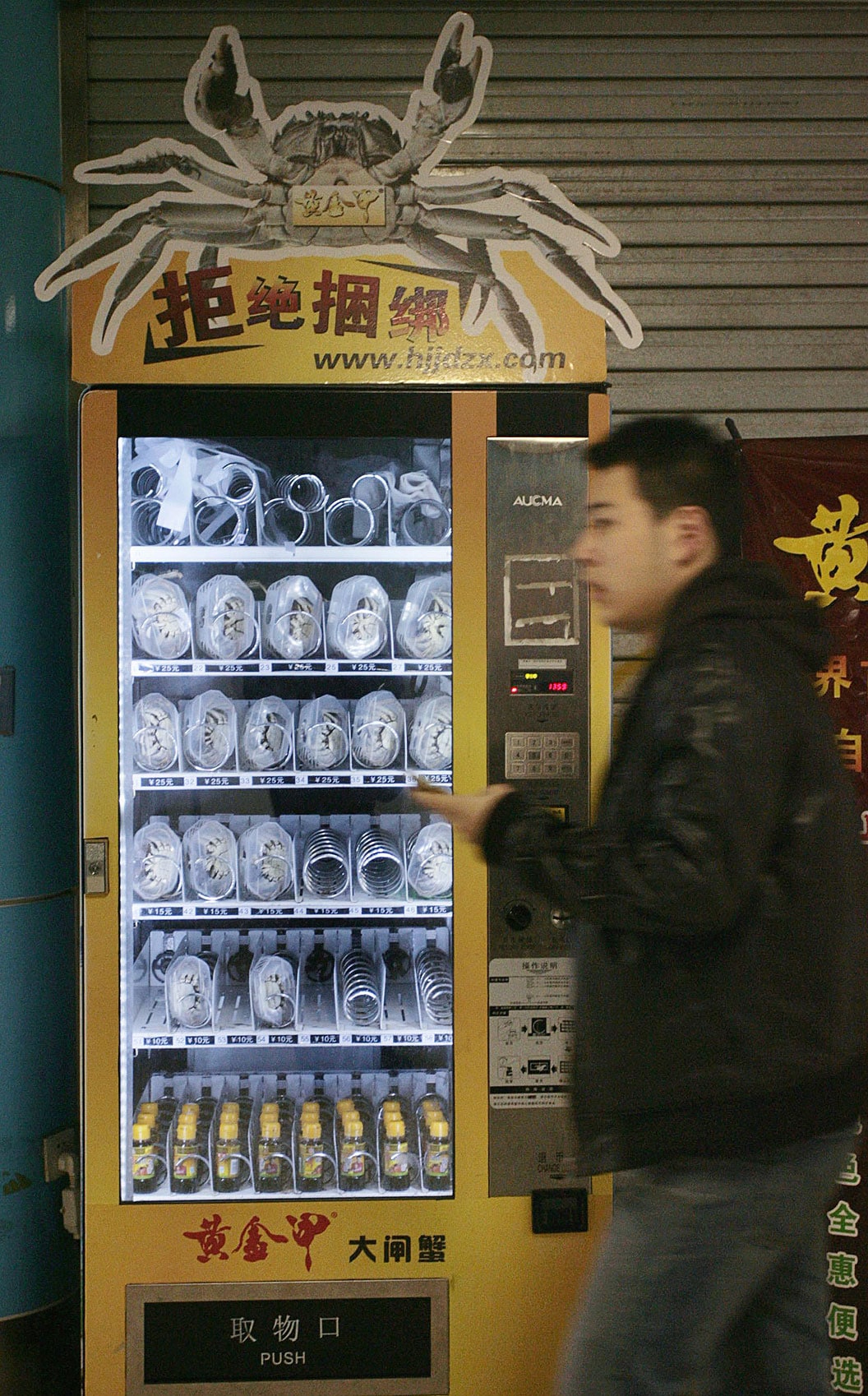
The British public were in uproar after hearing about a Korean supermarket that was shrink-wrapping crabs and selling them alive in a vending machine. Another man was lambasted after selling lobster through the post. 

The House of Lords is looking to set a new standard in the British Parliament by outlawing such practices. Even though it is common in the United States to send chicks, insects and other animals by post for agriculture or farming purposes. 

The move could see these animals given new legal protections, and means that restaurants and fishmongers could be banned from boiling crabs alive or sending live lobsters through the post. In 2011 we reported how stray pups were being cooked alive in China. In some legal frameworks, like Jewish law, it is forbidden to cook or eat an animal or any of its bodyparts when it is still alive. Kosher slaughtering was always seen as a means towards the least amount of suffering.

But even those practices have sometimes come into question in the US with the shackle and hoist system to allow a shohat or the ritual slaughterer to access the carotid artery in a specific but painful way for the animal.

house of Lords
Lords from the House of Lords

Maisie Tomlinson of Crustacean Compassion, a group fighting for the rights of crabs and lobsters, said: “We hope the House of Lords votes to accept this amendment at the earliest opportunity. Decapod crustaceans are Britain’s forgotten animals, widely recognised as sentient but subject to brutal treatment in the food industry.

“The government made a manifesto commitment to promote high standards of animal welfare, and prides itself on being led by the science. It cannot decide which animals are sentient based on political convenience, and if the independent review of decapod and cephalopod sentience is so critical to the Lords’ decision-making, we urge them not to delay its release any further”.

lobsters boiling protest
Protesting for lobsters

The Animal Sentience Bill was introduced by the government on May 11th as part of a raft of animal welfare reforms. It replaces EU legislation which legally recognised that animals can feel pain and experience emotions. 

live crabs vending machine
Selling live pre-wrapped crabs in a vending machine.

The UK Animal Sentience Bill currently only applies to “vertebrate” animals – animals with a backbone. However, Crustacean Compassion, whose supporters include Chris Packham, Bill Bailey, the RSPCA and the British Veterinary Association, argue that the Bill does not go far enough.

Scientific evidence shows that decapod crustaceans, a group which includes crabs and lobsters, can feel pain and suffer and should be included in animal welfare legislation. The amendment also requests that cephalopods, which includes octopus and squid, are also protected by the Bill.

While other countries such as Switzerland, Norway and New Zealand include decapod crustaceans in their animal welfare laws, decapods are not currently included in the definition of ‘animal’ in most of the UK’s animal welfare legislation.

Crustacean Compassion points out that this means that they can be routinely treated as if they were no more sentient than a vegetable. Decapod crustaceans are frequently boiled and/or dismembered alive, and research shows that a brown crab may take up to three minutes to die in boiling water. Electrical stunning before slaughter, they argue, is currently the most humane method of dispatching the animals.

shrink wrap crab
A Korean supermarket in London has shocked shoppers by selling live crabs wrapped in plastic. The shop has been criticised for packaging the crustaceans in polystyrene and cling film with elastic bands holding their legs and claws together.

Last year, a fishmonger came under fire for using Amazon to deliver live lobsters through the ordinary post, and a London supermarket was criticised for selling crabs shrink-wrapped while still alive.


How to Diversify Your Currency Trading Portfolio

0
socotra dragon tree yemen
Try to invest your earnings in creating generational wealth. If you give charity, support your local community and the environment.

It’s very important for forex traders to manage their expectations when starting out, especially as it’s estimated that between 70% and 90% of investors lose money in the FX market overall. 

However, it’s still perfectly possible to leverage forex and achieve a profitable career, so long as you develop a viable strategy and also unlock the value of diversification over time.

In this post, we’ll ask why diversification is important, and how you can make this a key part of your forex portfolio.

Why is Diversification Important for Traders?

In broader terms, the term ‘diversification’ refers to the process of distributing your capital between alternative asset classes and marketplaces.

Typically, a startup investment portfolio would distribute the majority of funds between stocks and bonds, with a rough, 60-40 split recommended for younger investors.

However, it’s possible to diversify across a far more diverse range of assets and financial instruments, depending on your existing knowledge base, experience and your risk profile as an investor.

But why is diversification important? In simple terms, this process helps to minimise your exposure in the marketplace, particularly the risk posed by volatile entities such as forex and cryptocurrencies. 

A diversified portfolio can also offer reliable and incremental gains over time, while accounting for macroeconomic and geopolitical factors that impact specific markets and industries.

Without this type of approach, you may find that you incur more significant losses over time, while also struggling to build any kind of sustainable momentum in the marketplace.

How to Diversify as a Forex Trader

The question that remains, of course, is how should you look to diversify your portfolio as a forex trader?

To begin with, you need to focus on starting small, ideally by targeting just one or two major currencies that benefit from optimal levels of liquidity and typically showcase predictable price patterns over time.

This way, you can begin to build a stable and profitable forex portfolio over time, while utilising risk management tools such as stop losses to automatically close positions once they’ve incurred a predetermined level of loss and minimise your initial exposure.

When it comes to leverage, you should also take steps to cap this in line with your risk profile and starting capital. Remember, even reputable and licensed brokers offer leverage of up to 100:1 to investors, but this can open up potentially disproportionate losses that can completely derail your account.

These steps also demonstrate the importance of controlling your portfolio through a trading account such as the MetaTrader 4, which is central to maintaining success over time.

With this type of account, you can also diversify into alternative asset classes over time, as you look to grow your portfolio in line with profitability and experience.

Medical cannabis and children? University opens new unit

Alan Shackelford was the first to openly prescribe medical cannabis to children – to Charlotte Figi. Science still does not know how the long-term effects weigh in.

In recent years, the use of medical cannabis to treat sick kids is on the rise, from seizures to anxiety to cancer – although questions remain about the benefits and safety of such treatments. A team of researchers from the Hebrew University of Jerusalem (HU) has completed a first-ever meta-analysis of pediatric patients treated with medical cannabis to understand better the risks and benefits of cannabis use among young patients.

The meta-review was led by Professor Ilan Matok at HU’s School of Pharmacy and the David R. Bloom Center for Pharmacy, along with and PhD candidate Nir Treves.  They will present their findings at the 31st Annual International Cannabinoid Research Society Symposium (ICRS) being held in Jerusalem this week, for the first time ever.  The conference host is HU’s Multidisciplinary Center for Cannabinoid Research (MCCR), a leading research center on cannabinoids, endocannabinoids, and medicinal cannabis.

Matok and his team found that medical cannabis is particularly successful at treating severe epilepsy and chemotherapy’s pernicious side effects.  However, the side effects of these treatments in kids is still an open question.  As Matok explained, “since medical cannabis isn’t widely recognized as an accepted or regulated drug, there simply haven’t been enough studies to know whether it’s appropriate for children.”

The team looked at seven clinical studies involving approximately 500 young patients (under 18 years of age).  Despite the limited number of participants, they were able to glean both positive and negative effects of medical cannabis use on kids’ mental and physical health.  For example, the team found that CBD (cannabidiol) is effective at decreasing the number of severe seizures in children, especially those with hard-to-treat epilepsy.  However, CBD also greatly suppresses their appetites. 

They also found that several cannabis plant ingredients used in medical treatments adversely affect children’s mental state, causing fatigue, apathy, dizziness, and lethargy. 

“Children aren’t small adults,” shared Matok.  “Medical cannabis affects kids differently, and doctors need to pay close attention to those differences”.  On the plus side, medical cannabis proved very helpful for children undergoing chemotherapy, reducing the severity of the nausea and vomiting which often accompanies this treatment.

The study of medical cannabis in children is still in its infancy.  Since cannabis is not registered as a medication, it is often prescribed to children on as-needed basis with limited clinical evidence.  “Whereas Pfizer and Moderna were able to conduct clinical trials for their COVID-19 vaccine on kids, few top-notch clinical trials exist for cannabis use in children. The goal of our meta-analysis is to shed light on this area and provide doctors and parents with a more informed view of the potential of cannabis to help or harm their young patients,” Matok concluded. 

Matok’s next research project is to study the effect of medical marijuana on young patients, looking specifically at whether it raises their rates of depression, cardiovascular incidents and involvement in car accidents.  

Why is it essential to plan out your diet for a healthy lifestyle?

0

avocado on purple background

It is commonly said that a healthy body has a healthy mind. Health is directly related to our nutrition which depends on what we eat and when we eat. Not only for controlling the waistline, but diet planning is also an essential habit to remain fit and active. Planning your food routine is not something you should take lightly. It is often said if you fail to plan, you actually plan to fail. The importance of a planned healthy diet is more than we can ever realize. It has far-reaching effects on our physical and mental growth.

What does it mean to plan a healthy diet?

Planning a healthy diet means deciding the amount of your regular food intake – the calories required, the type of food, and the number of times or portions of food you should have. A properly planned diet reduces the risks of various metabolic diseases such as diabetes, blood pressure, chronic diseases, and heart diseases and maintains your figure under ideal numbers. A planned diet is actually your ticket to a healthy lifestyle.

Your food choices affect your health temporarily and permanently. Therefore, you cannot go easy on the food items you selected to add to your menu. Good food habits are a key to a productive ail-free life. On the contrary, paying less attention to what you eat and consuming without care can be very harmful to your body. We have to make regular food choices and cross-check everything we eat to make sure we do not have to face trouble later.

However, irrespective of one’s priorities, an individual is always on the verge to neglect their dietary plans. They might lack certain nutrients in their diet or may stack up on unnecessary food items. Therefore, companies like Prorganiq offer a variety of products to their users in order to help them in achieving their goals. They offer a range of products specially customized to the needs of the consumers. Be it a fat burner or a muscle gainer, Prorganiq offers the best naturally manufactured herbal supplements. These products are well-suited to the users who prioritize their health over any other thing.

How to plan a diet?

Diet planning requires concentration and research. It is important to balance the intake of calories with energy usage to avoid getting overweight. Similarly, it is necessary to have sufficient food items to get all the nutrients your body needs. In addition to that, a diet should also have enough fibers to help in digestion. While planning a diet, individuals have to make sure that it contains sufficient calories, high fiber content, and macromolecules essential for the growth and development of the mind and body.

It is a common practice to associate the concept of following a diet with only losing weight, whereas planning a diet is a broader concept. A diet plan is never anonymous. It is always tailored according to one’s health status and body type, weight, and lifestyle. Your goals about your health can also play a significant role in designing a healthy diet plan. While planning a diet plan, it is crucial that you set your eye a little far and not focus only on short-term goals.

In what ways can planning a diet plan be helpful for you?

When you plan a diet, you will actually know how much you are eating and what are you consuming. It prevents you from overeating or eating unnecessary junk food. When we do not plan our meals, we do not know what we are going to eat the next time we feel hungry. So, when we feel the pang of hunger, our blood glucose level drops, and we grab fast food. This destroys our health. When we have a pre-planned diet plan, we do not fall prey to our hunger. So, we can say sometimes we eat unhealthy out of convenience.

In addition to that, preparing pre-planned saves a lot of time that we usually waste in deciding the meals. When you have mapped it all, you can prepare your healthy meal in minutes rather than gawking at the pantry and fridge deciding on what to eat.

A planned diet saves us from a lot of diseases

Making and following a planned diet makes sure that we eat only what is necessary, which saves us from a lot of health malignancy. High blood, hypertension, and cardiovascular disorders are prevalent due to eating fatty foods. In addition to that, various stomach disorders, liver problems, and various cancers result from bad eating habits.

Meal planning is not only a healthy but also an environment-friendly habit. When you go to the grocery store with the list of ingredients you need for your planned diet, there is a lesser chance of buying unnecessary stuff and wasting it. Therefore, meal planning is something that we all should opt for a better and healthy lifestyle.

Water pulled from polluted air is drinkable, new study

0
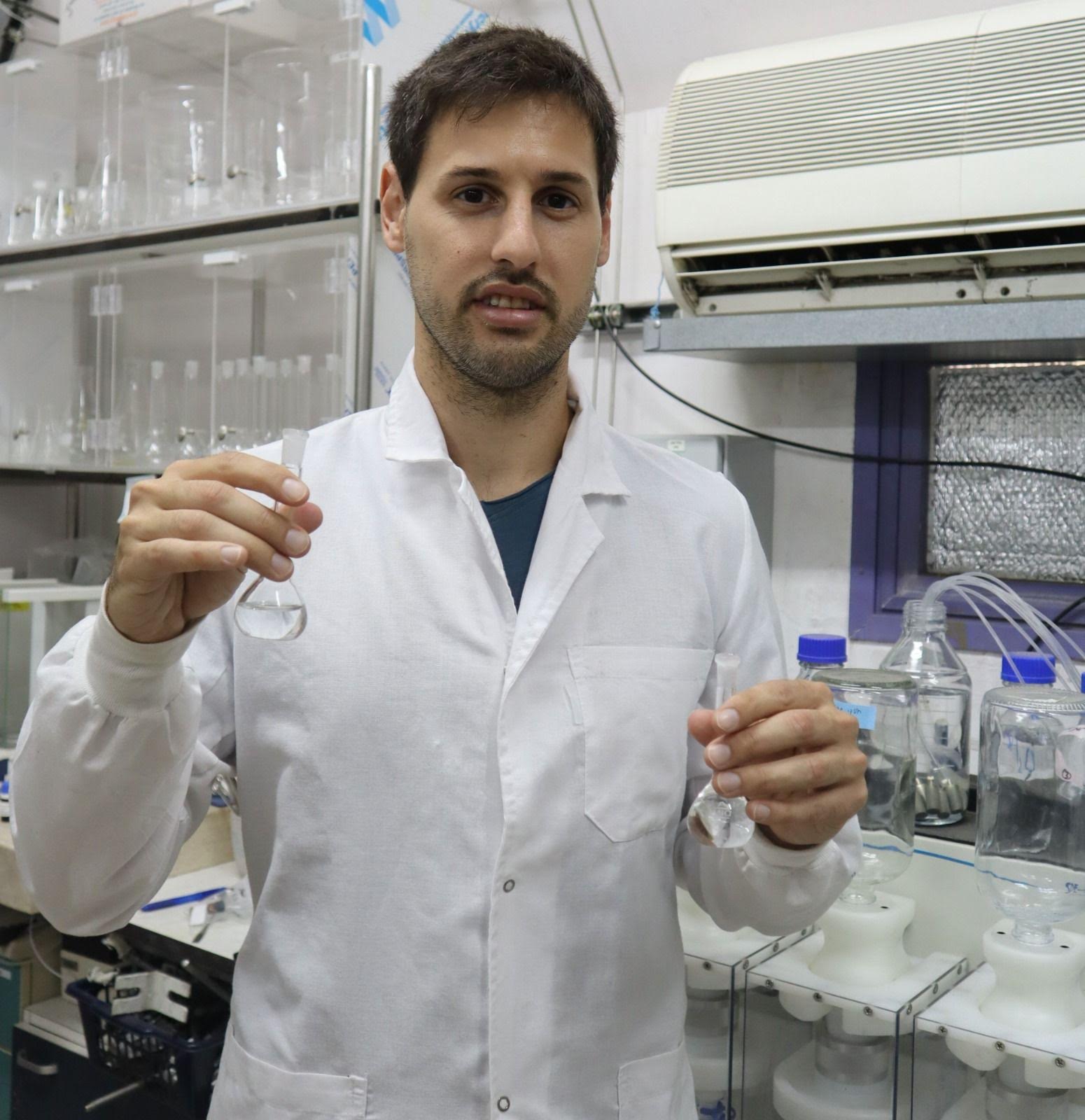
offer inbar
Offer Inbar

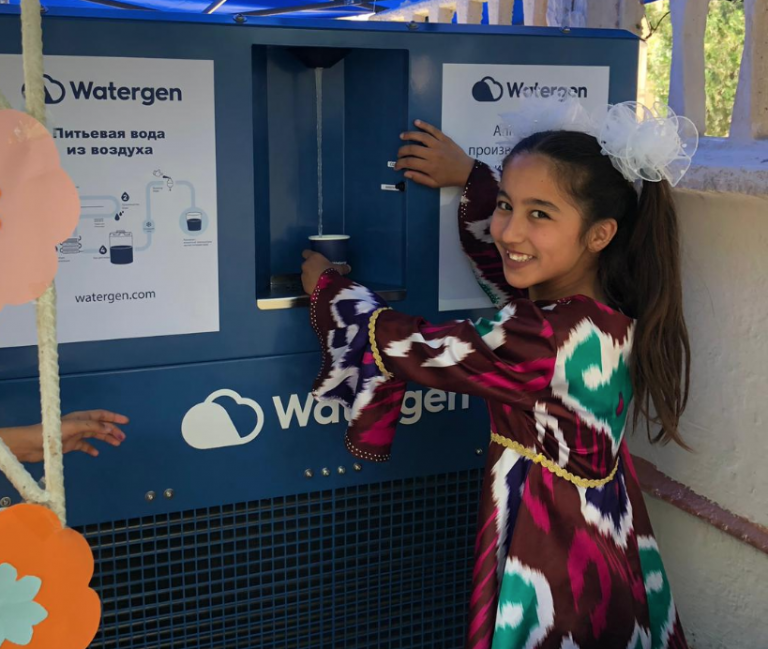
In a first-of-its-kind study in the world conducted at Tel Aviv University, researchers found that water generated from the air in the heart of an urban area, the city of Tel Aviv, complied with all of the strict drinking water standards set both by the State of Israel and by the World Health Organization.

The researchers examined the quality of the water produced from the water vapor in the urban atmosphere, which is characterized by industry and massive construction, and found that it was suitable for drinking. The test was performed using a dedicated facility of the Israeli company Watergen, which partnered in the study.

The study was conducted by a team of experts from the hydrochemistry laboratory at the Porter School of Environment and Earth Sciences at Tel Aviv University, led by graduate student Offir Inbar and supervised by Prof. Dror Avisar, Head of TAU’s Moshe Mirilashvili Institute for Applied Water Studies. Also participating in the study was Watergen’s research and development team, Prof. Alexandra Chudnovsky, and leading researchers from Germany.

The study’s results were published in two leading journals: Science of the Total Environment and Water.

watergen water from think air
Watergen in the Near East

The researchers explain that the growing global shortage of clean drinking water requires thinking outside the box and developing new technologies for producing potable water. The Earth’s atmosphere is a vast and renewable source of water, which may be an alternative drinking water resource. Our atmosphere contains billions of tons of water, 98% of which is in a gaseous state – that is water vapor.

Offir Inbar explains that this is the first study in the world to examine air pollution from another angle – its effect on drinking water generated from the air. According to Inbar, no filtration or treatment system was installed in the device used in the study; the water that was produced was the water that was obtained from the air. The researchers performed a wide range of advanced chemical analyses of the water, and found that in the vast majority of cases, including during different seasons and at different times of the day, the water extracted from the air in the heart of Tel Aviv was safe to drink.

In addition, with the help of a variety of innovative technologies for monitoring the composition of the atmosphere and by applying advanced statistical methods, for the first time the researchers were able to quantitatively link the process the air goes through in the days leading up to the point of water production and the chemical composition of the dew.

“The study showed that wind direction greatly affects water quality, so for example when the wind comes from the desert we find more calcium and sulfur, that is, residues of desert dust aerosols, in the water,” says Inbar. “However, when the wind comes from direction of the sea, we find higher concentrations of chlorine and sodium, which are found in the sea. Moreover, we found that the distant sources from which the air came before it reached the point of water production can be identified in the water. For example, water produced from air coming from the Sahara region differs in composition from water produced from air coming from Europe.”

The researchers note that water quality is also affected by anthropogenic pollution from transportation and industry.

“Using advanced methods, we found a direct link between the concentrations of ammonia, nitrogen oxides and sulfur dioxide in the air and the concentration of their decomposition products in water,” says Inbar. “We found low concentrations of copper, potassium, and zinc in the water, which probably come from man-made pollution. From a research point of view, the chemical link we found between the meteorological parameters and the composition of the water makes it possible for the first time to study the atmosphere using water extracted from it. And environmentally speaking, this link allows us to know what minerals should be added to water extracted from air in order to provide people with quality drinking water.

“In general, we found that potable water from air does not contain enough calcium and magnesium – and it is advisable to add these minerals to the water, as they are added to desalinated drinking water in some countries.”

A significant portion of the water we drink today in Israel is desalinated seawater. According to Inbar, this is only a partial solution, and not one that can provide drinking water to the vast majority of the world’s population. “In order to desalinate seawater, you need a sea, and there isn’t access to the sea from every place in the world,” says Inbar.

“After desalination, a complete infrastructure must be built that will carry the desalinated water from the waterfront to the various towns, and large parts of the world don’t possess the engineering and economic means to build and maintain such infrastructure. Water from the air, however, can be produced anywhere, with no need for expensive transport infrastructure and regardless of the amount of precipitation. From an economic perspective, the higher the temperature and humidity, the more cost-effective the production of water from the air is.”

Devices for generating water from the air that include water purification and treatment systems can already be found in a large number of countries in the world, where they provide quality drinking water to people living in distressed areas.

“The concern was that water produced from air in the heart of an urban area would not be suitable for drinking – and we proved that this is not the case,” Inbar concludes. “We are currently expanding our research to other areas in Israel, including Haifa Bay and agricultural areas, in order to investigate in depth the impact of various pollutants on the quality of water extracted from the air.”

Chinless, missing “source” between humans and Neandrethals found in Israel

0

rama homo sapien photoThe Nesher Ramla Homo type was an ancestor of both the Neanderthals in Europe and the archaic Homo populations of Asia

Humans as we are today are quite different from our stalky Neanderthal cousins. But how did we evolve from them to us? Archaeologists from Israel have found the missing link.

Researchers from Tel Aviv University and the Hebrew University of Jerusalem have identified a new type of early human at what’s called the Nesher Ramla site, dating from 140,000 to 120,000 years ago.

According to the researchers, the morphology of the Nesher Ramla humans shares features with both Neanderthals (especially the teeth and jaws) and archaic Homo (specifically the skull). At the same time, this type of Homo is very unlike modern humans – displaying a completely different skull structure, no chin, and very large teeth.

Following the study’s findings, researchers believe that the Nesher Ramla Homotype is the ‘source’ population from which most humans of the Middle Pleistocene developed. They suggest that this group is the so-called ‘missing’ population that mated with Homo sapiens who arrived in the region around 200,000 years ago.

rama homo israel

Two teams of researchers took part in the dramatic discovery, published in the prestigious Science journal: an anthropology team from Tel Aviv University headed by Prof. Israel Hershkovitz, Dr. Hila May and Dr. Rachel Sarig from the Sackler Faculty of Medicine and the Dan David Center for Human Evolution and Biohistory Research and the Shmunis Family Anthropology Institute, situated in the Steinhardt Museum at Tel Aviv University; and an archaeological team headed by Dr. Yossi Zaidner from the Institute of Archaeology at the Hebrew University of Jerusalem.

rama homo israelProf. Israel Hershkovitz:  “The discovery of a new type of Homo” is of great scientific importance. It enables us to make new sense of previously found human fossils, add another piece to the puzzle of human evolution, and understand the migrations of humans in the old world. Even though they lived so long ago, in the late middle Pleistocene (474,000-130,000 years ago), the Nesher Ramla people can tell us a fascinating tale, revealing a great deal about their descendants’ evolution and way of life.”

The important human fossil was found by Dr. Zaidner of the Hebrew University during salvage excavations at the Nesher Ramla prehistoric site, in the mining area of the Nesher cement plant near the city of Ramla. 

Israel Hershkovitz
Israel Hershkovitz

Digging down about 8 meters, the excavators found large quantities of animal bones, including horses, fallow deer and aurochs, as well as stone tools and human bones. An international team led by the researchers from Tel Aviv and Jerusalem identified the morphology of the bones as belonging to a new type of Homo, previously unknown to science. This is the first type of Homo to be defined in Israel, and according to common practice, it was named after the site where it was discovered – the Nesher Ramla Homo type.

Dr. Yossi Zaidner: “This is an extraordinary discovery. We had never imagined that alongside Homo sapiens, archaic Homo roamed the area so late in human history. The archaeological finds associated with human fossils show that “Nesher Ramla Homo” possessed advanced stone-tool production technologies and most likely interacted with the local Homo sapiens”. 

The culture, way of life, and behavior of the Nesher Ramla Homo are discussed in a companion paper also published in Science journal today. 

Prof. Hershkovitz adds that the discovery of the Nesher Ramla Homo type challenges the prevailing hypothesis that the Neanderthals originated in Europe.

“Before these new findings,” he says, “most researchers believed the Neanderthals to be a ‘European story’, in which small groups of Neanderthals were forced to migrate southwards to escape the spreading glaciers, with some arriving in the Land of Israel about 70,000 years ago.

“The Nesher Ramla fossils make us question this theory, suggesting that the ancestors of European Neanderthals lived in the Levant as early as 400,000 years ago, repeatedly migrating westward to Europe and eastward to Asia. In fact, our findings imply that the famous Neanderthals of Western Europe are only the remnants of a much larger population that lived here in the Levant – and not the other way around.”

A Look at the Finest Delta-8 Products on the Market Today

0

cannabis oil woman

Over the past few years, CBD products have become increasingly popular amongst people looking for alternative treatments. In fact, according to research, 33% of US citizens have tried CBD at least once. And while CBD is constantly gaining popularity, another similar compound, called delta-8-THC, is making a name for itself. However, what is delta-8-THC, and more importantly, what are the finest delta-8 products on the market? 

The Finest Delta-8 Products

With so many options on the market, it’s hard to find reliable and effective delta-8-THC products. From hemp source to company reputation, there are a lot of things you need to consider before purchasing delta-8. And since we know how much time that can take, we created a list to give you a look at the finest products on the market. Keep in mind that the following list is in no particular order, as all three brands offer high-quality and effective delta-8 products. 

1. Area52

Although it is fairly new in the delta-8-THC business, Area52 has quickly made a name for itself as one of the best delta-8 providers. With a wide range of products, including tinctures, gummies, and vapes, Area52 is looking to cover the entire delta-8 market. But how are its products?

To put it simply, Area52 is using Colorado-grown hemp and the supercritical CO2 extraction method to create high-quality delta-8 products. As a result, its offering is full of highly potent and reliable products that have no additional chemicals or additives.

Furthermore, Area52 is providing each of its customers with reliable third-party lab tests and certificates of analysis. As a matter of fact, each of its products is tested at different manufacturing stages, giving you accurate information about them. So what do those tests contain? Everything you would expect from third-party lab tests, including potency levels, cannabinoid profile, and content analysis.  

Overall, Area52 is one of those companies that constantly perfect its craft and services. Therefore, it manages to blow most of its competitors out of the water with its high-quality products. And while the price point might be a bit steep, its products are worth every single penny. 

2. Finest Labs

Finest Labs is another brand that specializes in delta-8-THC products, such as tinctures, gummies, and vapes. Using a similar manufacturing process as Area52, Finest Labs excels in creating high-quality and reliable products.

However, what makes Finest Labs unique is the lower potency that all of its products have. As a result, Finest Labs is the go-to choice for delta-8 newcomers that haven’t figured out their dosage yet. With strengths like 10 mg for gummies and 500 mg for tinctures, it’s easy to find your sweet spot. And best of all, Finest Labs manages to keep its products effective even with a lower potency level. 

When it comes to lab tests, Finest Labs offers a variety of tests with each purchase, further increasing its positive reputation. And as with Area52, the lab tests contain information about potency, concentration, and ingredients. 

All in all, Finest Labs is the best choice for newcomers and veterans alike that are looking for lower potency products. And if all that wasn’t enough, its affordable prices and reliable customer support should convince you to give its products a try. 

3. Delta 8 Pro

Lastly, we have Delta 8 Pro, a battle-hardened veteran of the delta-8-THC industry that delivers high-quality products. Its offering includes everything from vapes and tinctures to brownies and distillates. 

Even though it doesn’t provide enough information about its hemp sources, Delta 8 Pro’s products are reliable and effective. With a variety of flavors and potency levels, it’s clear that Delta 8 Pro is trying to cover as much ground as it can. 

Moving on to lab tests and we can see that Delta 8 Pro is pretty transparent by providing each purchase with third-party lab tests. And while, as previously mentioned, Delta 8 Pro doesn’t share the hemp source, you can clearly see that its products are solvent-free. 

All things considered, Delta 8 Pro is a trusty company that puts a lot of effort into offering some of the most affordable and efficient products on the market. As a result, you should definitely consider giving them a chance, especially if you are looking for a cheaper alternative to Area52. 

What Is Delta-8-THC?

Delta-8-THC is a compound extracted from cannabis plants that is well-known for its medicinal properties. From its ability to relieve pain, anxiety, and depression to its anti-inflammatory properties, delta-8 shares a lot of similarities to CBD. However, the biggest difference between the two is that delta-8 has psychoactive properties, allowing its users to get high. Yet, it is much milder and has little to no side effects, compared to its counterpart, delta-9-THC. 

Types of Delta-8-THC Products

If you are looking to give delta-8 a try, you will most likely have a hard time deciding what type of products to choose. From delta-8-THC gummies to vapes, the following are the most common types of delta-8 products you will find on the market.

Gummies

Delta-8 gummies are some of the most popular types of cannabis edibles and for a good reason. They are delicious, easy to consume, and you can take them anywhere you want. Yet, what are they made out of? Delta-8 gummies share the same base as normal gummies but with the addition of a delta-8 distillate. However, since they need to go through the digestive system, it can take up to 2 hours before you experience any of the delta-8 effects. 

Tinctures

Delta-8-THC tinctures are identical to CBD tinctures as they both contain a distillate suspended in a carrier oil. When it comes to using tinctures, all you have to do is hold it under your tongue for about 60 seconds. Then, depending on your sensitivity and experience, you will feel the effects in about 45 minutes. The biggest drawback is that it’s a bit hard to use tinctures on the go, making them more of a home solution than anything else.

Vapes

If you need efficiency above everything else, then vapes are the fastest and most effective way to consume delta-8. In fact, most people experience the effects of delta-8 in a matter of minutes after inhalation. However, they also last shorter than other formats and can increase your tolerance to delta-8 quickly. Nevertheless, delta-8 vapes remain a fan favorite for their portability and effectiveness. 

The Bottom Line

Overall, delta-8-THC is a reliable cannabis derivative that provides a variety of medicinal properties. Yet, with so many different brands, it’s hard to find the right product for you. Luckily, our list will help you decide on a brand, no matter what type of delta-8 products you enjoy. And with a bit of research, you too can discover new and exciting products.

A Guide to the Different Types of Paper Used in Kids’ Arts and Craft

When your kid starts expressing an interest in art, especially drawing or painting, it’s essential to give them suitable materials. For starters, a set of crayons and a sketchpad will do. There’s no need to rush in giving them sophisticated art materials yet. But as their talents improve, their supplies would, of course, need an upgrade, and they may want to try their hand at crafts as well.

The most crucial supply in their arts and crafts kit is paper. And it’s not just for drawing or painting. Certain types of paper can also create origami art, greeting cards and act as a base for different kinds of writing and coloring material.

With the correct papers, your child can learn about various arts and crafts and ultimately discover what they enjoy creating the most. So without further ado, here the different types of paper artists and craft makers use:

  1. Copy Paper

The copy paper is the most basic paper type. It’s the one you use for printing documents. Kids can draw or sketch on copy paper, but painting on it may not give them the best experience. Since the material is thin, watercolor will soak through, wrapping the paper. 

Copy papers come in varying weights. The standard weight, which is 20 pounds, provides the ideal surface for drawing, doodling, or sketching using a pencil. But for drawings that require a lot of shading, blending, and excessive erasing, a heavier copy paper will work better. Think 24 to 28 pounds.

  1. Art Paper

Art paper has a rough surface, making it good for painting with watercolor. But art paper is already colored, so it’s more commonly used for origami or any folded papercrafts. In any case, letting your kids play with art paper gives them a broader idea of different colors.

  1. Cardstock

This paper crosses the line between cardboard and paper. It’s stiff, smooth, and thin, offering a good surface for oil paints and pretty much any coloring and drawing medium. High-quality cardstock paper is ideal for creating greeting cards.

In addition, cardstock also accommodates cut-out shapes and animals well. If you don’t have spare cardboard for your kids’ crafts, cardstock will do. It’s stiff enough to stay upright as long as you secure its “feet” with a durable adhesive. It can also withstand the weight of googly eyes.

  1. Construction Paper

Construction paper can look similar to cardstock paper since it’s also stiff and thicker than copy paper and art paper. But it’s not a good surface for paint because it isn’t thick enough. Instead, use it for drawing or doodling with a colored pen, crayon, or marker pen. Construction paper can also make great folded papercrafts.

  1. Tissue Paper

The paper that’s often stuffed in your online order boxes is tissue paper. They add weight to the box, protect your items, or add an aesthetic element, especially if it’s in a box of cosmetics or lifestyle products. But tissue paper is capable of more. In art, they can create a faux stained glass effect. They can also mimic watercolors; you can dampen the paper and let its pigment drip.

  1. Origami Paper

This paper is, well, for creating origami. It comes in different colors and patterns, so kids will have a lot of fun creating projects using it. Depending on their skill level, they can form a simple bird, fish, frog, dog, cat, or something niftier like an origami bouquet. They can attach that to a cardstock greeting card and add a touch of artistry to the item.

  1. Acrylic Paper and Watercolor Paper

Acrylic paints, of course, call for acrylic paper. Watercolor paper also works. Both paper types are cold-press, meaning they have a rougher texture that allows the paint to adhere better and dry faster. Charcoal and dry pastel can also find cold-press papers friendly. Oil paint may be good, but oil paints usually work better on thicker and heavier papers.

  1. Recycled Paper

The paper bags you bring home from the grocery store can be reused as an arts or crafts material. Cardboard boxes also count as recycling paper. Don’t throw them away immediately and lock them away in a cupboard. If your child is bored but isn’t in the mood to paint, give them some recycled paper and challenge them to turn it into another useful item.

Papers aren’t created equal, so choose carefully and find out the kind of art your kid does the most. If they love painting more than any other kind of art, get them a paper for painting, or introduce them to the canvas right away. Your kid can create a timeless piece of art with the right paper.

Meta title: Different Types of Paper for Children’s Arts and Crafts
meta desc: A sketchpad and a set of crayons can create more than basic art, but to enhance your kid’s talent, they need sophisticated supplies, like the right paper.

Eco-Friendly Gift Ideas

I am not a plastic bag


What does it mean when a product is labeled as eco-friendly?

The term seems to appear everywhere online or in physical stores. Quite simply, an eco-friendly product is something that is not harmful and is beneficial to the environment. These products do not add unnecessary waste and do not harm our ecology. They represent sustainability at its finest.

All of us look forward to seeing the appreciative faces of our loved ones the moment they open the gifts we painstakingly picked for them. We all want the perfect gift for the special and important people in our lives. But the sad reality is, gift-giving contributes to unnecessary wastes during major holidays.

Choosing eco-friendly gifts not only gives you the opportunity to make your loved ones happy, but giving one can also make a positive impact on the planet. Buying sustainable products might feel like a very small change in terms of helping the environment, but that small, nearly insignificant decision can create a domino effect that will result in an even bigger positive impact on the world. As they say, a small change is better than no change at all. Also, nothing says “You are important to me and the world we live in” like ethical, sustainable, and environment-friendly gifts.

Now, eco-conscious gifts do not have to be limited to plain old reusable grocery bags or recycled brown toilet paper. Gone were the days of drab and unimaginable brown and green things. Here are a few of the best eco-friendly and organic gifts you may want to check out. Just be sure to wrap them in matching recycled papers too!

For the eco-conscious mama:

Lively Lion Organic Basket

New moms will always appreciate hampers of baby things for their baby boys. This seagrass basket is filled to the brim with cute and sustainable clothing items for their precious baby boy including baby booties for those wee feet, knitted and wooden lion rattle, plush and knitted lion and a plush security blanket which if it isn’t cute enough on its own, can be personalized. The basket also has a baby hat, a baby lion jacket, footed bootie bottoms, a lion, and a striped onesie all organically made, of course. JetGiftBaskets.com also offers jet-speed delivery (I’m sure you figured that out just by the name).

For that loved one who always have cold feet:

Cozy Eco Friendly Slippers

Who doesn’t love fuzzy slippers? These slippers are stylish and comfortable with the added benefit of being eco-friendly. All MadeTrade products are dubbed as “ethically elevated” which means that you are making a positive impact every time you shop with them. Do you know what this means? Quarantining in the house doesn’t sound so bad after all when you live and breathe in these heaven-for-your-feet slippers.

For the master campers and grill enthusiast:

Prime 6 Charcoal Starter Pack

With sustainable charcoal produced from recycled hardwood-waste sawdust with no fillers or chemicals, this pack is sure to light up your loved ones’ next cookout. The Prime 6 can be reused and relighted up to seven times until it’s burned away. In addition to leaving very little ash, a new tree is planted by the brand for every pack you purchase. Double win!

For the techie who is always on the go:

Solar-Powered Phone Charger

Camping trips do not have to be 100 percent phone-free. This wireless, solar-powered charger is a great buddy when conventional chargers are far away. It also features a built-in compass and flashlight, quite handy for camping at night provided they have been charged during the day. Additionally, this charger can also be useful even for everyday charging needs. Who knows reducing your loved ones’ electricity bills can be so easy? Just prop them up outside on sunny days and they will soak up all that good solar power for future phone charging.

For the jewelry lover:

KBH Jewels

Minimalist-style jewelry sets are the rage these days. Everyone appreciates these beautiful, covetable, and lifelong gifts but who knew these can also be sustainable and innovative? This collection is handcrafted with 14K of solid reclaimed gold, lab-grown diamonds, and sustainably cultured pearls. Even the jewelry pouches are made with GOTS (Global Organic Textile Standard) certified materials. So you see, that bling does not need to come with ecosystem destruction, water pollution, armed conflicts, child labor, and unsafe working conditions.

Top 10 Key Risks of 2021

0
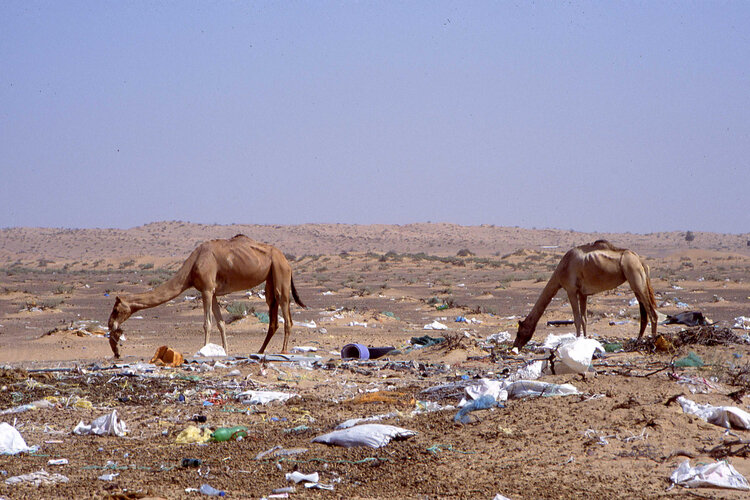
stomach contents camels dying from plastics dubai
Animals eating plastic is a key worry for 2021

2021, like any other year in the world, has its own risks and challenges that have to be addressed. Identifying and tackling the key risks of 2021 will be a challenge, because there are quite a few. Because of the coronavirus pandemic, and other factors outside of our control, we have quite a few unique challenges to deal with right now.

Let’s take a quick look at what these challenges are, and how they will represent massive risks to stability and society all across the world.

#1 – COVID-19

The coronavirus pandemic is the biggest threat to 2021. It has been going on since 2019, and has been a massively detrimental disease in so many different ways. Countless lives have been lost, people have suffered, and there has been a massive impact on the global economy, trade, development, and life in general.

#2 – Unemployment 

Unemployment has been a considerable challenge thanks to the coronavirus pandemic, because it has meant that there are many people who cannot contribute meaningfully to the economy, and also are relying on government support just to stay alive. Unemployment has been a crisis for a long time now, but the pandemic has pushed it to a breaking point.

#3 – Disease Prevention

Obviously, disease prevention has been a big part of 2021. The entire world has pretty much been working in tandem to create vaccinations to protect against COVID-19, to segment off parts of the world that are dangerous to visit due to outbreaks, and there has been a genuine sense of cooperation in regards to disease prevention.

#4 – Environmental Concerns

The amount of single use plastic has shot up recently, which is contributing to environmental damages. Owing to the fact that there are a bigger number of supplies being wheeled out in support of people everywhere, the amount of plastic that is being thrown away and not safely disposed or recycled is growing. 

#5 – Political Instability 

Politics has always been at the forefront of the world, and it has dictated a lot of the way we have cooperated and fought amongst ourselves. America, one of the world’s biggest superpowers, is constantly in a state of turmoil at the moment following the election of Joe Biden. His defeat of Donald Trump has sparked mass controversy, and ultimately thrown into doubt America’s alliances with some of the world’s major superpowers, as many world leaders and ordinary citizens are not satisfied with Biden in charge. 

#6 – Racial Tensions

Racial tension all across the world continues to spill in from 2020, with many people simply now campaigning night and day to bring about a new period of racial equality. The USA has been at the forefront of this for some time, when innocent black people were murdered by police officers, triggering a worldwide protest at the inequality that seems to be so systemic in society. 

#7 – Environmental Concerns

The environment has been taking a beating through the coronavirus, as while the air quality in many parts of the world has cleared up, the amount of waste being produced and not safely disposed of has gone up to match. We are starting to see large quantities of rubbish being deposited in places where it shouldn’t be, leading to overflow, the destruction of natural environments, and in some cases, seeing the waste spill out into populated areas and our oceans.

#8 – Mental Health 

The topic of mental health is one that has been heavily contested over the last 10 years also, but 2021 is definitely the year for radical change. One of the big risks at the moment is a lack of services and support for mental health, which has been seriously exacerbated and required due to the damaging mental consequences of the pandemic.

#9 – Disillusionment of Youth

Many young people, who are vital for securing a positive future, are failing to see the point in connecting with society in a meaningful way. There are less people who are willing to commit to high-level corporate positions, renovate industries, and rejuvenate many parts of the world. Instead, young people are more concerned with tackling social and political issues, and this has led to a distinct disillusionment in the corporate system at large.

#10 – Returning to Normality 

Perhaps the biggest risk of 2021 is the idea that we will not return to normality when the coronavirus pandemic stops. It is going to be interesting to see if humanity can ever return to when it was before, or whether the world has been, as many people have speculated, irrevocably changed. Some people believe that we will never return to the world we knew before, and that everything will be different, whereas others don’t see a way out of the pandemic. Only time will tell, but returning to normality will perhaps be the biggest challenge of our time.

International cannabis conference comes to Israel

Raphael Mechoulam, TCH, medical cannabis, CBD
Raphael Mechoulam, discoverer of THC, CBD in medicinal cannabis

For the first time ever, the International Cannabinoid Research Society 31st Annual Symposium will be held in Israel.  This conference is the world’s leading global forum for cannabinoid research and will run from June 21 through June 24 at Jerusalem’s International Congress Center (ICC). It’s surprising that the event was never held in Israel before considering that Prof. Raphael Mechoulam was the first to discover and chemically describe the cannabis molecules THC and CBD while he was working at the Weizmann Institute labs in Rehovot. 

Along with plenaries and presentations on a broad range of cannabinoid-related topics, including autoimmune disease, epilepsy, pain management, PTSD, obesity and cancer, the event will host a 90th birthday celebration for Prof. Mechoulam on Thursday, June 24, now at Hebrew University.

It was Prof. Mechoulam’s research paper on cannabis and epilepsy that spurred a desperate mother of Charlotte Figi to ask her physician if cannabis could be used to treat Dravet’s syndrome, a rare form of epilepsy. The treatment helped Charlotte for a number of years until she succumbed to Covid in 2020. This was a cornerstone for cannabis as a conventional therapy for treating disease in the United States and it was based on Israeli research.

Green Prophet’s founder Karin Kloosterman also founded a conference in Israel called Canna Tech which has gone on to create international opportunities in funding and research towards cannabis as medicine –– even among ex-Israeli politicians.

Interview Topics at Cannabis conference:

–        How Israel successfully won the bid to host the ICRS in Israel;

–        The latest in medical marijuana research;

–        The history of cannabis research;

–        Israel as a world leader in cannabis research;

–        Treating autoimmune disease, epilepsy, pain, PTSD, obesity and cancer, among other ailments with medical marijuana.

–        Mechoulam’s contributions to the field of medical cannabis.


12 Ways To Cope With Incontinence 

0

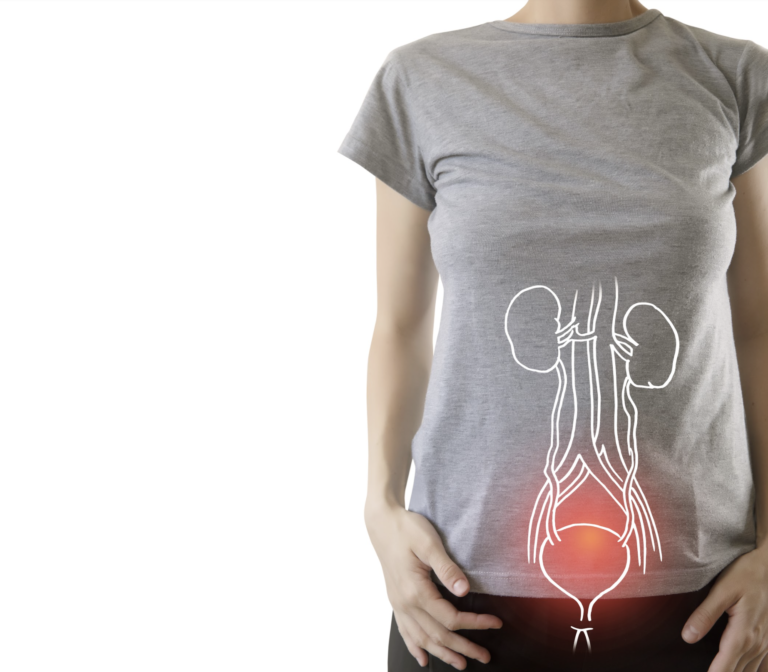
diagram of incontinence in womenIf you’ve ever taken your dog out for a walk that turns into a rather jarring run and felt the unpleasant and unwanted trickle of urine leak out into your underwear, this may not simply be a one-time thing. If you’ve experienced the same level of discomfort when laughing a little too hard with your friends or bouncing along to a workout video, incontinence may be the culprit.

It’s wise to understand the various types, causes, and symptoms of incontinence in order to better manage it. While the severity of the condition may vary depending upon the person, it’s essential to ensure that no other underlying conditions are to blame. After all, dealing with incontinence can be an embarrassing and inconvenient in and of itself. Finding ways to minimize any additional health risks is key, as well as ensuring that your current situation is well managed and understood.

What is incontinence?

In your quest toward coping with incontinence, it’s important to understand what the term actually means. Generally speaking, it refers to the involuntary loss or urine or feces, due to weakened bowel and/or bladder muscles. Though it’s typically associated with aging individuals, those who have experienced any sort of physical or mental trauma can fall victim to this condition. 

Causes of incontinence

As mentioned above, the causes of incontinence can range depending upon the individual and their circumstances. If the inability to control your bodily functions is temporary, it may be caused by a urinary tract infection, constipation, stimulating substances, medications, and/or vaginal irritation. If symptoms persist, the reason for such may fall under one of the following categories:

  • Aging
  • Physical trauma such as pregnancy and childbirth
  • Neurological disorders caused by a disease, disability, or other nerve-damaging injuries:
    • Diabetes
    • Parkinson’s disease
    • Multiple sclerosis
    • Spinal cord injury 
  • Cognitive impairment caused by a mental disability 
  • Enlarged prostate blockage
  • Physical impairment such as arthritis
  • Pelvic organ prolapses
  • Surgical damage
  • Cancer
  • Kidney or bladder stones
  • Interstitial cystitis (inflammation within the bladder)
  • Increased pressure on stomach due to being overweight (or obesity) 

If you’ve endured any of the above events, paired with frequent misbehavior from your southern areas, it might be time to consult with a doctor to determine whether you’ve developed an incontinence problem.

Types of incontinence 

While the involuntary loss of urine and feces may seem straightforward, there are several different types of incontinence that affect individuals in varying ways. It’s vital to understand the differences in order to gain a thorough understanding of your own condition.

The most common types of incontinence could come in the form of the following:

  • Stress incontinence: Urine leaks out when bladder is under pressure. This pressure may be exerted through coughing, sneezing, laughing or exercising.
  • Urge (overactive bladder) incontinence: You feel the sudden urge and desire to relieve yourself immediately. This can lead to frequent bathroom visits during the day and night.
  • Mixed incontinence: A combination of stress and urge.
  • Overflow incontinence: Frequent dribbling of urine due to an incomplete emptying of the bladder. This is usually caused by a blockage in the urinary tract.
  • Functional incontinence: A physical and mental impairment prevents you from finding and or using the toilet when you require it.
  • Reflex incontinence: The sudden contracting of bladder muscles causes urine (typically large amounts) to leak out. This is usually due to neurological impairment caused by nerve damaging injuries or illness. 

For further information regarding the different types, refer to comfort-first intimates brands such as Knix to expand your existing knowledge.

Potential complications

Living with incontinence can present multiple challenges, if not effectively addressed. Skin problems such as rashes, sores, and infections, for example, can develop due to your constantly wet skin rubbing against the material of your pants. Risk of suffering from urinary tract infections is also believed to increase if you suffer from incontinence.

Apart from the physical dilemmas of dealing with an uncooperative bladder, your personal life may also take a hit. Whether within a social or professional situation, your need to frequently relieve yourself may lead to embarrassment and/or misunderstandings. 

Therefore, it’s essential to implement any methods and tools of management, so the quality of your life doesn’t diminish.

Ways of coping with incontinence 

Depending on your physical and mental capabilities, there are several coping mechanisms available—some designed specifically for incontinence, while others are small everyday changes that could improve not only the latter but also your health in general. These small changes may seem uncomfortable at first, but you’ll barely notice them later on:

  • Pads, adult diapers, and specially made underwear 

You may hear the term adult diaper and think that you’re way too proud to ever try out a pair. They can, however, help lessen the discomfort that typically comes with incontinence. Similar to female menstruation pads, incontinence pads, diapers, and underwear come in various shapes and sizes, depending on your requirements, and are made with moisture absorbance in mind.

  • Maintaining a healthy weight 

As touched upon previously, excess weight can place additional pressure on the pelvic muscles and in turn lead to incontinence. Therefore, it’s wise to maintain a healthy body mass index (BMI) but also judge the latter based upon your individual body type and existing health conditions.

  • Pelvic floor exercises

It shouldn’t come as a surprise that exercise can help boost your overall mental and physical health. When said exercise is directed (carefully) toward an area that’s struggling to remain as fit and healthy as it used to—such as your pelvic floor muscles—it may in turn strengthen the area and reduce symptoms of incontinence.

Kegel exercises, in particular, are recommended for decreasing unwanted bouts of urination. By tightening and releasing the relevant muscles for the instructed periods of time, you may notice a positive change within the capabilities of your bladder and bowel.

  • Practice yoga 

yoga can help relieve pain

If you’re into yoga, you may already be doing your part to reduce the severity and presence of incontinence. Similar to pelvic floor exercises, yoga can help strengthen your pelvic floor muscles while improving overall flexibility, correct posture, and breathing control—all of which can potentially aid in incontinence management.

  • Bladder training 

Retraining the bladder to hold on to larger portions of urine may benefit you in the long run. Those who suffer from frequent urination can involuntarily train the bladder to hold small amounts. Therefore, investing in some form of behavioral therapy may prove beneficial.

  • High-fiber diet

High-fiber foods are known for absorbing extra fluid within the body, as well as thickening up the stool. Including such ingredients within your daily cooking may, therefore, help you manage symptoms of bowel incontinence.

  • Limit stimulating substances 

Individuals who don’t suffer from any form of incontinence will most likely feel the occasional bowel/bladder discomfort after drinking excess (or average) amounts of stimulating foods and drinks such as alcohol and coffee. 

Spicy and acidic food such as curries and citrus fruits, may also upset your stomach and lead to bladder leakage. If you suspect incontinence to be the culprit of your issues, limiting these kinds of food and drink may prove beneficial.

  • Minimize or quit smoking

Smoking can cause mild to severe coughing episodes. Coughing, as stated previously, could place additional strain on your pelvic muscles and in turn create a very damp and unpleasant situation.

Reducing or completely quitting smoking may lessen symptoms. 

  • Appropriate clothing

Wearing nothing but tight and restrictive clothing may only worsen your condition—again due to unwarranted pressure. For those who struggle with physical and mental impairments, clothing that is difficult to remove at a moment’s notice may cause undue distress and discomfort.

Ensuring your clothing is optimized for the worst-case scenarios is wise, if you still struggle to manage those moments of urgency. Loose, stretchy fabrics are recommended, as well as easily loosened clasps (Velcro fasteners) in comparison to sticky zippers.

  • Avoid excessive lifting 

Lifting heavy or awkward items can also put strain on your pelvic floor muscles. Whether you’re a weightlifter or a mother needing to carry young children, it’s wise to do so in a safely and with the right technique. In order to lower your risk of incontinence, tightening your bladder muscles before lifting may help. Unless part of your workout routine, avoiding any unnecessary lifts is also recommended.

  • Treat constipation promptly 

The straining associated with constipation can worsen symptoms of incontinence. Therefore, it’s recommended to seek professional help in order to know how to manage your constipation and in turn reduce the likelihood of your incontinence worsening. 

  • Drink plenty of water 

While it may seem counterintuitive to drink a lot of water if you already struggle with constant trips to the bathroom, it’s actually suggested to help the situation. Maintaining a healthy consumption of water is vital in order allow for an efficient bladder capacity. Failing to drink enough water can also lead to constipation.

Final thoughts 

If you suffer from incontinence and struggle to find effective means of management and relief, trying out a few of the options in this post may improve your situation. Monitoring your daily diet and exercise routine is wise, as well as practicing methods of bladder control and strengthening. Wearing comfortable clothing and specially made pads and/or underwear may also be necessary and ease the torment of incontinence.


The Emergence of Functional Design in Restaurant Furniture

0
Nopa Restaurant, Autoban, interior design, green wall, vertical garden, wraparound green wall, Istanbul, Turkey
Restaurant furniture with a green wall of plants makes for a much more sustainable dining experience. Better breathing too.

Furniture can be seen as both a functional as well as aesthetic element of any restaurant’s interior design. The functional aspects of this type of thing have to do with offering customers comfortable seating arrangements that can allow them to dine with ease. On the aesthetic side of things, the kind of design that your furniture has been assembled with as well as various other visual cues can have a huge impact on how people feel when they first end up entering your eatery.

A key aspect of modern restaurant trends has involved an amalgamation of sorts of functional as well as aesthetic sensibilities. Basically, functional elements are starting to be incorporated into the design of chairs for restaurants among other pieces of furniture. Tables are being optimized in a similar manner as well, and it’s all about trying to provide the customer with an experience that would facilitate virtually all of their needs being met. We have a number of suggestions that can successfully integrate function with style, and there is clear potential for these suggestions to inculcate a paradigm shift in the industry that could change the way we dine forever.

A great way to start thinking functional design is to start considering the needs of the customer. While smoking can sometimes be banned in indoor spaces, a number of restaurants manage to get special dispensation in this regard. What’s more is that there usually aren’t any restrictions placed on smoking in outdoor settings which means that a lot of the customers that you might be getting are going to look for a dining experience that they can accentuate with a cigarette once the meal is over.

This offers a very unique opportunity for the savvy restaurateur to make it easier for these customers to get their smoking fix. One great example here would involve ashtrays and the like. You probably give your customer an ashtray that they can use to dispose of their cigarette butts, but what if this was incorporated into the furniture itself? You can quite easily carve an ashtray of sorts into the surface of the table, or potentially into the armrest of the chair as well. This provides customers with easy access to an ashtray whenever they need it rather than having to signal to a server and subsequently waiting until said server has the time to bring them what they need.

If you really want to make this ashtray functionally sound, you can add a layer of metal into it. Wood tends to burn if you press something hot against it. This can result in an unpleasant odor as well as unsightly blemishes appearing on the furniture. Hence, it makes sense to add metal to the built in ashtrays, or perhaps some kind of lacquer if you feel like metal might spoil the overall look of the wood. The point here is to make it easier for the customer to enjoy their meal the way that they prefer, so whatever you can do to facilitate such a thing is great.

The concept of functional design doesn’t end here. It can go far beyond just facilitating the needs of the customer and can become something that makes the life of a restaurant owner much easier as well. A number of space saving mechanisms can be added to furniture that would make them significantly more functionally sound. Once again, all you need to do to start conceiving ideas in this vein is to look at problems you might face with regards to your furniture.

Crafting chairs that fit in with the dimensions of your tables can be great for example. This would result in a situation wherein the chairs would not be sticking out at awkward angles when they are not being used. Rather, they would fit into the table perfect, and can be extracted whenever the need arises. This is a great representation of how functional design can improve aesthetics as well, since you can clearly imagine how table optimized chairs would look really good since they would create clean lines whenever they are stowed away. This would provide both space saving as well as aesthetic advantages.

If you want to take functional design in a slightly different direction, you could consider adding wheels to your chairs or tables. This can be a bit tricky to pull off, but if done right it can make restaurant organizational logistics an absolute breeze. You need to be able to shift the layout of your furniture at the drop of a hat in situations where you suddenly get a large batch of customers and you need to move things around in order to make space for them.

One thing that you might want to do if you want to add wheels to your furniture is put a locking mechanism in place as well. It can be very frustrating for a customer if their chairs or tables keep shifting while they are trying to enjoy a meal. A locking mechanism can be used to prevent the wheels form moving, thereby keeping the furniture stable and in one place.

As you can clearly see, the sky is the limit when you start thinking about furniture design from a functional perspective. Postmodern furniture design doesn’t have to treat functionalism and aesthetics as two separate entities. Rather, it proves that thinking of the two holistically can often result in some pretty strong results, and a number of restaurants are already starting to see the advantages of this type of thing. You can factor the needs of your niche into any functional design elements that you try to implement.

Egypt is protecting its people and its economy from the devastating impacts of sea-level rise

0

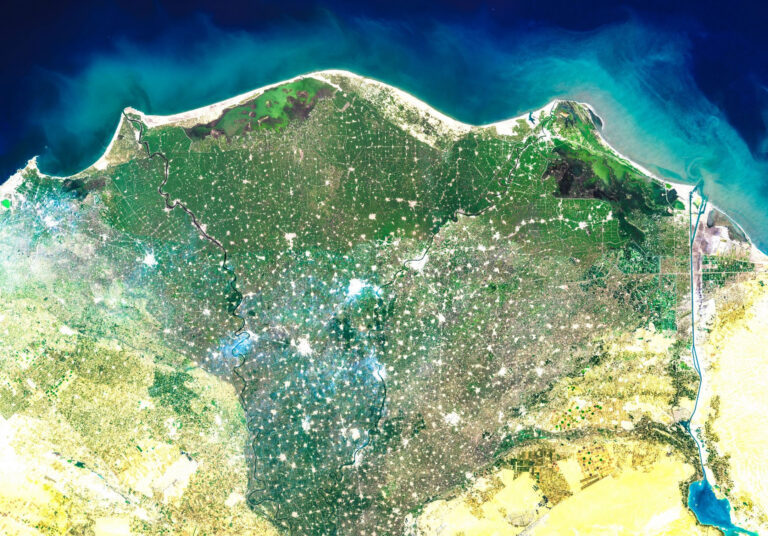
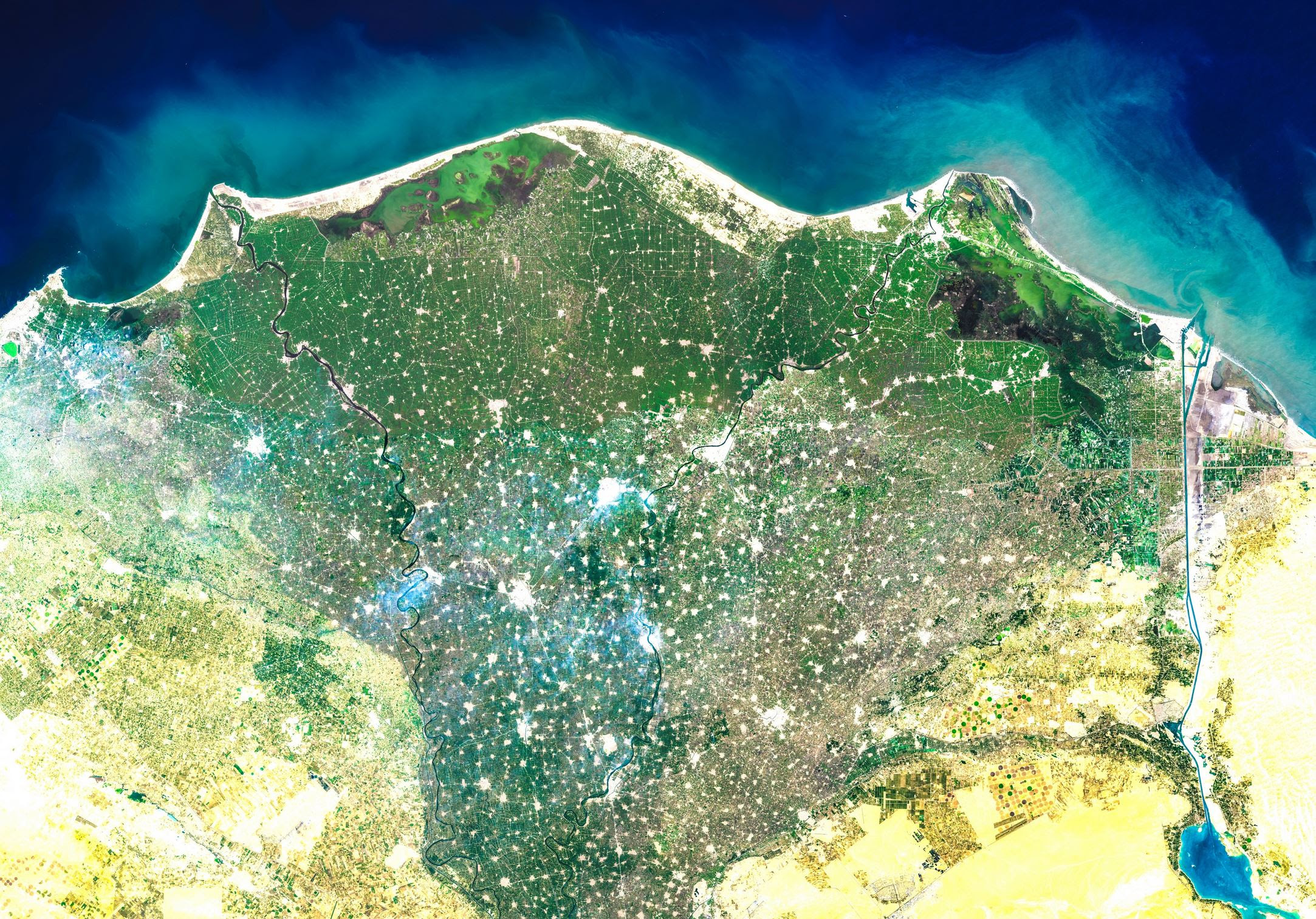
nile deltaChildren run after each other with kites flying along Egypt’s Nile Delta. Families and friends enjoy the scenery as they enjoy an afternoon picnic. Just a few miles away, farmers work in their fields of green. These diverse crops will feed millions of Egyptians. Throughout the region, cities buzz with people coming and going from factories and offices, playing football with their families, and building the economic engine that will support the nations’ goals for low-carbon climate-resilient development. 
It’s a beautiful picture. A picture of progress, a picture of hope, a picture of peace. Now imagine if this got impacted negatively. The Nile Delta hosts 18 million citizens – almost a quarter of Egypt’s population — as well as countless businesses, economic sectors, farms and more.

This terrifying scenario will come true if climate change isn’t taken seriously. 

Millions at risk

The effects are already being felt. Consider the example of Aziz, who lives with his family in a humble home in the coastal city of Kafr ElSheikh governorate, 130 km north of Cairo.

“Fishermen and farmers were afraid of going to work,” says Aziz, “because of the water’s rising levels that cover the shore during the storms.”

Aziz’s observations have been backed up by scientific reports. According to a 2007 report by the Intergovernmental Panel on Climate Change (IPCC), the Nile Delta is one of the world’s most vulnerable areas when it comes to sea-level rise, extreme weather conditions, and other factors worsened by climate change.

This region accounts for more than half of Egypt’s economic activity through agriculture, industry and fisheries. The Nile Delta alone contributes about 20 percent of Egypt’s GDP.

Egypt studied the results and worked with international partners on solutions to protect vulnerable areas and their people. 

To address these issues, the Egyptian Ministry of Water Resources and Irrigation partnered with the United Nations Development Programme (UNDP) and the Green Climate Fund (GCF) – the world’s largest dedicated climate fund – to launch a new climate project.

With the project’s help, 17 million people will be protected from coastal flooding with the installation of 69 kilometers of low-cost dikes system across the Nile Delta shores. They have been designed to look like natural coastal features and/or sand dunes.

The dikes will be stabilized with a combination of reed fences and local vegetation species to encourage dune growth by trapping and stabilizing blown sand. These coastal protection measures will reuse existing dredged materials that would have otherwise been deposited in the marine environment.

Extraordinary measures

Protecting the local communities, preventing economic losses, and saving human settlements and infrastructures require extraordinary measures. 

“We realized that the rising water reaches us because there were no measures to protect our lives and properties,” said Aziz. 

The number of extreme weather events inducing casualties and economic losses has increased significantly in Egypt over the last 10 years. Aziz has witnessed strong storms never seen before.

So far, 10 percent of the dikes have been installed. They were put to the test in December 2020, when the country witnessed one of the severe storms, including heavy rain and strong winds. People could personally see how extreme weather could be deadly if the country isn’t prepared. The dikes passed the test and blocked the unexpected sea surge at Nile Delta shores.

Integrated approaches

The physical solution is not the only way to address the negative impacts of climate change. An Integrated Coastal Zone Management (ICZM) plan will be implemented to make the area’s economic, social, and agricultural activities climate resilient. The plan will include establishing a system to monitor changes in sea levels and the impact of climate change on coastal erosion and shore stability.

Coastal development community activities are being delivered in different locations throughout the project intervention area. For example, an agriculture drainage system – located north of Bar-Bahry – will improve the productivity of approximately 1,000 acres north of the coastal highway and raise income for at least 500 families. 

An urban drainage system in Al-aqoula village will protect the main roads from excessive rains. This will positively improve the quality of life for the entire village of 1,500 inhabitants, and facilitate their access to services such as schools, religious venues, markets and transportation. 

Landscape and leisure zones will be rehabilitated and fortified within the coastal protection works north of the new Damietta city. This will establish a new concept for Egypt to maximize the benefits of coastal works to be not only to defend against floods and erosion, but also to use the prime location of the protection works along coastal areas to support leisure activities. This support has the potential for high social impacts for local communities and will improve the general landscape along the coastal area. 

The project is also creating capacity building programs for governmental staff, including training programs and workshops for governmental staff and coastal governrates: North Sinai, Port Said, Damietta, Kafr el Sheikh, Dakahlia, Behira, Alexandria and Matrouh. This will provide local leaders with the tools and training they need on integrated coastal zone management, computer and technology tools, and team-building skills, while at the same time preparing them to establish the coastal committees that ultimately will be responsible for implementing the ICZM plan in the coastal governorates. 

As for Aziz, he says the work is already having an impact.

“Farmers are back to the field after the project was implemented. We saw the change when we woke up to find that water was blocked from reaching us, our fields, and our homes,” says Aziz. “With this [project] in place, we hope our children will have a safe future.”

Peacemakers save the Red Sea with science

red sea, diving, first female dive master, Egypt, Sinai Peninsula, muslim diver, Suezett al-Fallal

The Red Sea is in danger of environmental degradation. Saudi Arabia is building its so called eco city Neom on the Red Sea, tourism in Sinai is ruining reefs and an oil and gas pipeline using cargo ships is planned from Saudi Arabia up through Israel. Catastrophes can strike at any moment. Even now an oil tanker off the coast of Yemen seized by rebels can blow up spilling more oil than the Exxon Valdez into the Red Sea.

Neom desert location
Location for proposed Neom City, on the Red Sea.

Who is going to help? The Red Sea Reef Foundation (RSRF) has awarded research grants to five scientists from Israel and Jordan who are studying corals in one of the world’s largest marine refuges from climate change. Each selected project involves an innovative approach, such as using deep neural networks to derive data on coral reef fish populations, characterizing corals’ changing microbiome, and developing coral bioindicators of heavy metal pollution in seawater and of coral resilience to stress from rising ocean temperatures.

FSO oil tanker from above
The FSO Safer is a sinking oil tanker off the coast of Yemen. Rebels won’t let international bodies in to diffuse its contents.

Four of the selected projects could be applied to monitor the health of reefs in new ways, while a fifth aims to refine techniques for farming corals both in the Red Sea and beyond. This type of work is key to conservation of coral reef ecosystems. With 90% of the world’s coral reefs expected to be severely degraded by mid-century due to warming ocean temperatures, the study and conservation of the thermally resilient reefs in the northern Red Sea are a global imperative. These reefs may be among the last to survive our century, as they can thrive even if their environment warms by several degrees centigrade.

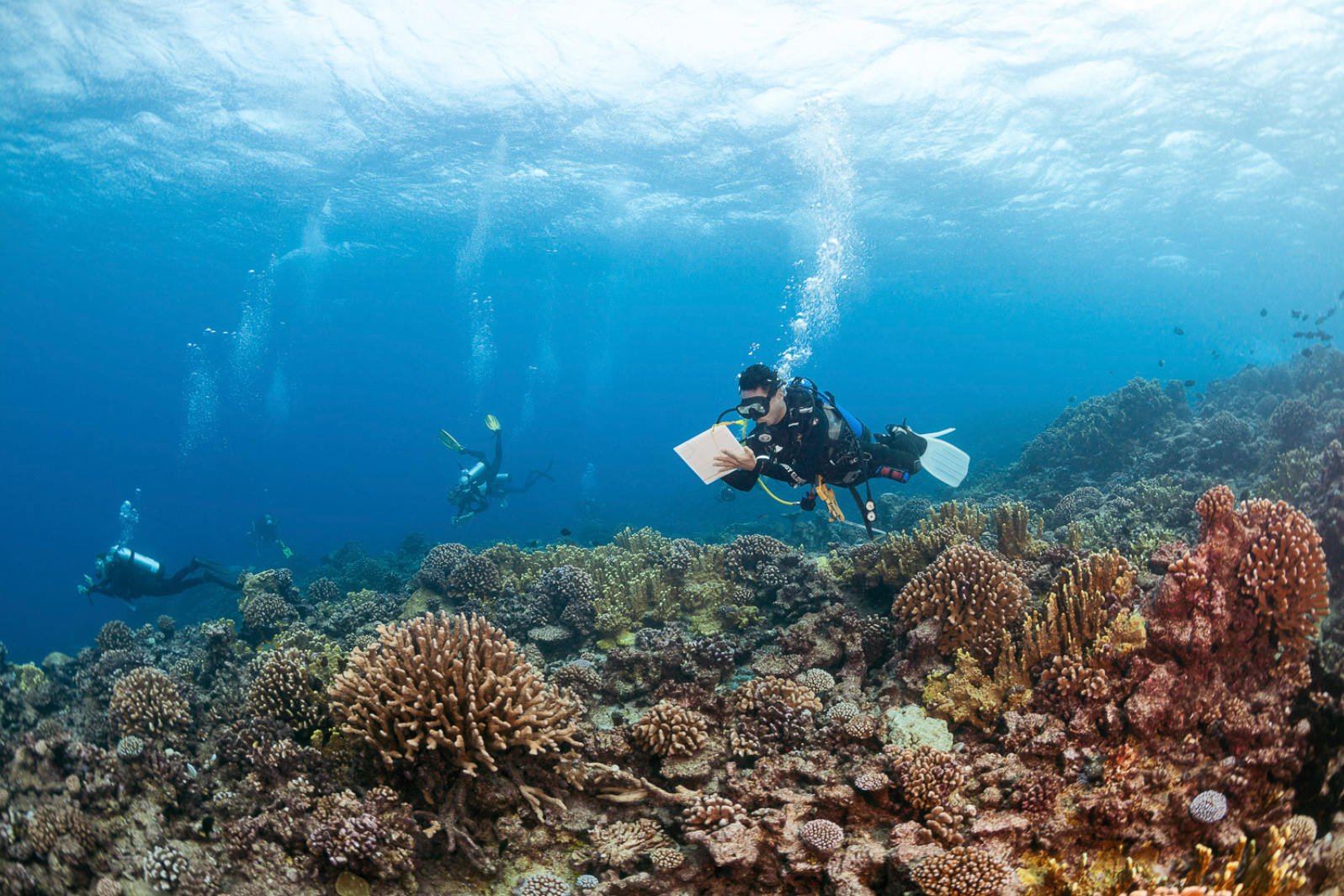
French Polynesia coral reefs Khalid bin sultan

Karine Kleinhaus, President and Founder of the Red Sea Reef Foundation commented “Each awardee is a graduate or post-graduate student doing innovative science. Graduate students with new ideas need support to move their research, and the field, forward. It is exciting to support local scientific capacity in the Red Sea region, as this is critical to advancing successful conservation of the Red Sea’s 4000km of unique reefs.”

The awardees are: Husam Al-Qudah, Yarmouk University, Jordan; Victor China, Ben Gurion University, Israel; Hala Ghazi, Al-Hussein Bin Talal University, Jordan; Naama-Rose Kochman, Bar-Ilan University, Israel; Natalie Levy, Bar-Ilan University, Israel.