Somehow vegetables with short seasons excite the imagination and appetite more sharply than produce that’s available all year around. Good Middle Eastern cooks have many recipes for delicate fava beans, and this turmeric-fragrant soup is one.
Somehow vegetables with short seasons excite the imagination and appetite more sharply than produce that’s available all year around. Good Middle Eastern cooks have many recipes for delicate fava beans, and this turmeric-fragrant soup is one.
Somehow vegetables with short seasons excite the imagination and appetite more sharply than produce that’s available all year around. Good Middle Eastern cooks have many recipes for delicate fava beans, and this turmeric-fragrant soup is one.
Somehow vegetables with short seasons excite the imagination and appetite more sharply than produce that’s available all year around. Good Middle Eastern cooks have many recipes for delicate fava beans, and this turmeric-fragrant soup is one.
Somehow vegetables with short seasons excite the imagination and appetite more sharply than produce that’s available all year around. Good Middle Eastern cooks have many recipes for delicate fava beans, and this turmeric-fragrant soup is one.
Somehow vegetables with short seasons excite the imagination and appetite more sharply than produce that’s available all year around. Good Middle Eastern cooks have many recipes for delicate fava beans, and this turmeric-fragrant soup is one.
Somehow vegetables with short seasons excite the imagination and appetite more sharply than produce that’s available all year around. Good Middle Eastern cooks have many recipes for delicate fava beans, and this turmeric-fragrant soup is one.
Somehow vegetables with short seasons excite the imagination and appetite more sharply than produce that’s available all year around. Good Middle Eastern cooks have many recipes for delicate fava beans, and this turmeric-fragrant soup is one.
The British design studio of Thomas Heatherwick‘s is designing the new Jeddah Central Museum in Jeddah, Saudi Arabia, to be located in a former desalination plant by the Red Sea. Hard to believe that we’ve come so far in desalination technologies that old plants are being retired. The decision is so steampunk of Saudi Arabia, which has also slated that an old unused oil platform be upcycled into a theme park, The Rig.
Luckily sustainable travellers or business people coming to the Kingdom won’t have to be stuck in the The Mukaab or The Line. The Jeddah Central Museum will form a new waterfront district with a focus on art and craftsmanship. The main turbine hall will be converted into an exhibition space where guests can experience crafts and art of the Saudi past, and hopefully these crafts will remain into the present and future.
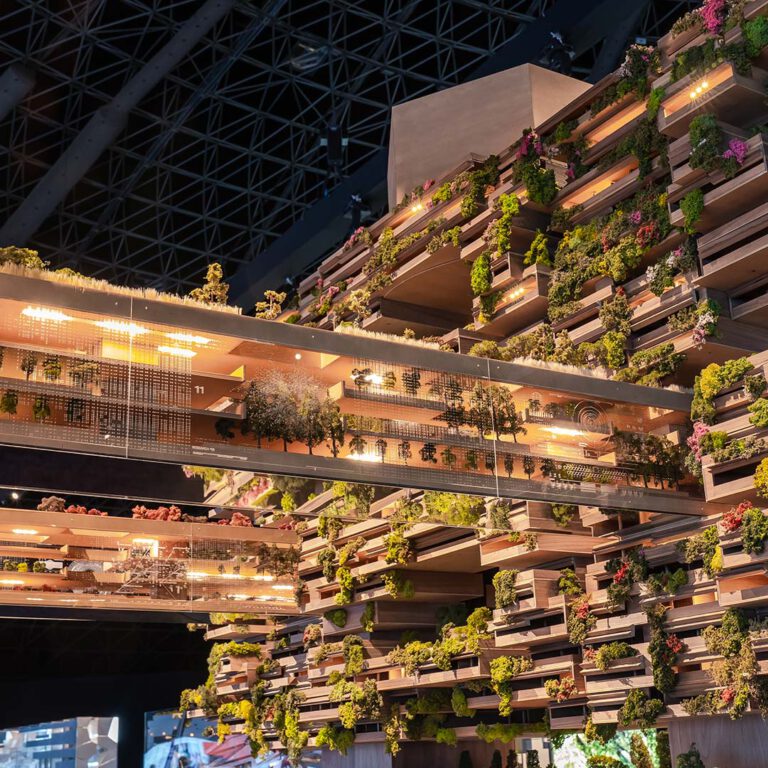
A design rendering of the Jeddah Museum on the Red Sea
What are the main crafts and arts in the Saudi culture?
Al Khaws involves crafting products from palm trees – an important symbol of Saudi Arabia.
Tanak and copper crafts
Garageer and making fishing nets
Crafting incense burners
Textiles
Jewelry
Shipbuilding
Coffee pots
Wandering around AlBalad- the historical part of Jeddah, Saudi Arabia.
Renders of the museum show the long building covered in silver cladding along covered market resembling an Arab souq. The silver wrapping is made to be part of the low-carbon retrofit strategy and it will reflect the sun. Passive and active low carbon strategies are built into the new design.
A white mosque at the seaside, Jeddah
The massive 2,771,706 square foot project will rejuvenate the industrial area of Jeddah and will provide production spaces such as ateliers and studios for would-be crafts people and artists. Exhibition spaces will be a draw for international artists.
The Rig, a Saudi Arabian converted oil rig turned into a theme park, hotels, restaurants
Inside, the buildings will be keep an industrial feel.
According to local media the Jeddah museum will open in 2028 and will be part of a $20 billion USD rejuvenation plan for the city of Jeddah, on the Red Sea.
The company Al-Saleem is overseeing the development of of the port city, which will include an opera house, the Jeddah museum, a sports stadium and coral reef farms. A marina, restaurants, beach resorts, 2,700 hotel rooms, and 17,000 homes will also be built in Saudi Arabia’s second-largest city, which currently has a population of 4 million.
the last two chimneys of the desalination plant were shut down in 2020 for environmental reasons. The stacks emitted high levels of air pollution and it goes without saying that desalination plants should always be a last resort for water, as they are energy intensive and emit high levels of saline effluent which damages the coastal areas.
The Saline Water Conversion Corp. of Saudi Arabia says it currently uses more sustainable energy in creating water from the sea.
The most sustainable yard is one that leaves a big patch for a vegetable garden.
Caring for your yard is essential in maintaining a healthy and beautiful outdoor space. However, some yard care measures, though good at enhancing the appearance of your yard, can be harmful to the environment. That’s why sustainable yard maintenance has become a crucial consideration for homeowners and landscapers. Below are sustainable yard care tips to help maintain a beautiful and healthy yard while conserving the environment.
Engage In Proper Disposal Of Yard Waste
Proper disposal of yard waste is crucial in maintaining a beautiful and sustainable yard. Yard waste includes organic debris, such as weeds, grass clippings, branches, and leaves, collected when maintaining your property.
You can also use the waste to make compost instead of disposing of it. However, if you have yard waste to get rid of, an organic recycling company like Missouri Organic can take it off your hands. Alternatively, you can rent a roll-off dumpster or hire a junk removal company to remove the waste.
Reduce Water Consumption
Watering your yard is essential. However, you should practice sustainable watering methods to reduce water wastage. Consider the following tips to ensure your sustainable watering practice:
First, invest in rain barrels. Rain barrels catch rainwater from the roof and hold it for later use. Rain barrels help conserve water for irrigation, reduce water runoff, and lower energy bills. Rain barrels are crucial, especially in areas that experience water shortages or drought.
Secondly, you can save water by practicing drip irrigation. Surprisingly, water from your sprinkler or hose pipe is often lost through evaporation and runoff. However, a drip irrigation system consists of connected lines slowly delivering water to each plant’s root zone. The soil absorbs the water slowly, resulting in less water usage and loss.
Finally, reduce water consumption by planting drought-resistant plants. These plants can survive with little or no water. Some of these plants include beardtongue, aster, black-eyed Susan, and blanket flower, among others.
Choose The Right Care Tools
Gas-powered yard care tools, such as trimmers and mowers, are a great source of air pollution. However, there are low-energy and high-quality alternatives. For instance, electric and battery-powered yard care tools can reduce environmental impact while maintaining a healthy and beautiful yard. These tools are quieter, emit significantly fewer pollutants, and are more energy efficient than gasoline-powered tools.
Switching to modern cordless gear can also make yard work simpler and cleaner. A lot of homeowners now rely on precision grass trimming tools to keep edges neat without the noise and fumes of gas equipment. When you store batteries properly and charge them only when needed, the tools last longer and create less waste.
Go Organic
Going organic is a practical choice for sustainable garden care. Chemical fertilizers harm the environment, especially when swept off nearby rivers and streams. However, organic fertilizers are made from natural materials, such as compost and manure, that give plants nutrients without harming the environment. Generally, going organic is eco-friendlier and more cost-effective.
If you must use fertilizers, do so with the environment in mind. For instance, fertilize at the right time of the year to reduce the fertilizer swept away in runoff. Moreover, fertilize your yard once a year, and use the right amount based on your soil testing results.
Eliminate Pesticide Use
Like chemical fertilizers, pesticides are swept in rainwater runoff and pollute aquatic ecosystems. Therefore, eliminate or limit the use of pesticides. Implement integrated pest management (IPM) to control pests in your yard. This is a long-term and eco-friendly approach that prevents pollution through various measures. These measures include:
Cultural Measures: These measures involve using practices that prevent the survival and reproduction of pests. Examples include weed management, cleaning yard tools, soil management, and media sterilization.
Biological Measures: Biological measures entail using natural predators and beneficial organisms to eliminate pests. Examples are predators such as lady beetles, predatory mites, tachinid flies, and beneficial soil fungi and bacteria.
Union Station in Denver is a hotel that keeps bees on the roof
Mechanical And Physical Measures: These measures entail using physical barriers and mechanisms to deal with pests. Examples include hanging traps, greenhouses, and using pest-resistant plants.
Choose Native Plants
Growing native plants is an excellent choice for sustainable yard care because they require less maintenance and watering. These plants survive without fertilizers and pesticides, making them eco-friendly options. They also require less watering than non-native plants, thus helping conserve irrigation water. Additionally, native plants provide natural habitats for local wildlife, such as bees, birds, and butterflies. These creatures help reduce pests, thus eliminating the need for pesticides.
Plant Trees
Planting trees is a sustainable yard care tip with many benefits to your property and the environment. For instance, trees absorb carbon dioxide and release oxygen, thus helping provide fresh air and help fight against climate change. Moreover, trees provide shade, reducing the need for air conditioning and saving energy.
Takeaway
Maintaining a healthy and beautiful yard doesn’t have to be at the expense of the environment. With this article’s sustainable yard care tips, you can achieve a magnificent outdoor space and conserve the environment. If you still need more insights on sustainable yard care tips, contact a yard care professional for help.
When people think of electric vehicle (EV) companies, most don’t think of countries where electric vehicle research and development takes place, so most don’t think of Lebanon.
In an interview with European Business Magazine, Mohammad said, “I am honoured and humbled to receive this prestigious award from European Business Magazine. This recognition is a testament to the hard work and dedication of our talented team at EV Electra, who are the driving force behind our success. I share this award with each and every one of them.”
The company’s stated mission is: “Produce electric vehicles, compete at a global scale, and take part in the World’s transition towards sustainable energy. Being the first EV automotive company in the Middle East and the Arab world, we decided to be the front runners and transit our area from a consumer market to an industrial one.”
The company has already begun production of the Quds RISE, named after the Arabic word for Jerusalem. Like its city namesake this car is beautiful!
The Quds RISE by EV Electra
To say it resembles a Maserati or Porsche 911 doesn’t say enough about this sports car’s unique lines. The technical specifications are also impressive. The 50 kWh Lithium ION battery gives it a range of up to 450km. It can go from 0 to 100km/h in less than 5 seconds with a top speed of 250km/h. It also boasts regenerative braking, butterfly doors, a 360 degree camera system and a UV disinfection system.
It comes in an assortment of colours. This one is called Plum crazy and Metallic White:
A bamboo and basket serving tray looks nice, feels nice, and goes easy on our planet.
You already know how important it is to limit your ecological footprint, right? So, why not take that same mindset into your kitchen? Going green doesn’t have to be complicated or expensive; in fact, you can start right now with one of the most accessible and affordable products on the market… Serving trays.
Eco-friendly serving trays come in various styles and materials, from bamboo to fiberboard or natural wood. Not only are they good for the environment, but they add a touch of elegance and sophistication to your breakfast nook or dinner table if chosen correctly. In this article, we’ll discuss some of the benefits of using eco-friendly tray options and some tips on selecting a suitable tray for your kitchen.
Introduction to Eco-Friendly Kitchen Accessories
First things first—eco-friendly options are made from sustainable materials like bamboo, making them a more sustainable alternative than other kitchen accessories. Bamboo is known for its strength and durability, making it ideal for use in the kitchen. Plus, it’s biodegradable and can be composted after use, meaning it won’t end up in landfill.
They come in various colors and sizes, making it easy enough to find one that fits your requirements, no matter what style of décor you have. Additionally, bamboo is naturally heat-resistant, meaning this tray type can handle hot dishes without damage or warping.
Finally, greener are affordable and usually easier to maintain—making them a great choice if you’re looking to make your kitchen more environmentally friendly without breaking the bank!
Compostable, Recyclable, and Sustainable Trays
Going green in your kitchen can be a breeze with the right product, and serving trays are the perfect answer for anyone looking to reduce waste and make their kitchen more sustainable.
Wooden trays come in various materials, each offering its own benefits. For instance, composable trays can break down easily in compost piles, while recyclable trays can be broken down and renewed.
If you’re looking for something a little more ornate, there are plenty of sustainable trays crafted from different wood types like Acacia, Beech, Maple, or bamboo.
All of these eco-friendly options offer long-term durability without harming the environment. No matter which type you choose, just know, investing in a wood tray is an easy way to incorporate sustainable practices —and get one step closer to achieving your green goals!
Different Types of Materials
Don’t think that eco-friendly means boring either. There are a lot of different materials you can choose from; we’ve mentioned a handful in this blog to get you started. Each material has its advantages and features that make it a potential option for your kitchen. Let’s take a closer look at some of the materials:
Bamboo
Bamboo is one of the most common materials for eco-friendly trays because it’s lightweight, and its unique look adds an extra touch of nature to any kitchen. It’s also a naturally renewable resource grown in sustainable forests, which means it doesn’t contribute to deforestation or other environmental problems.
Recycled Plastic
Recycled plastic is another great option for eco-friendly trays. It’s durable and long-lasting, plus it helps reduce our reliance on single-use plastics; They’re often sturdy and solid, so no need to worry about won’t them bending or breaking.
Biodegradable Cardboard
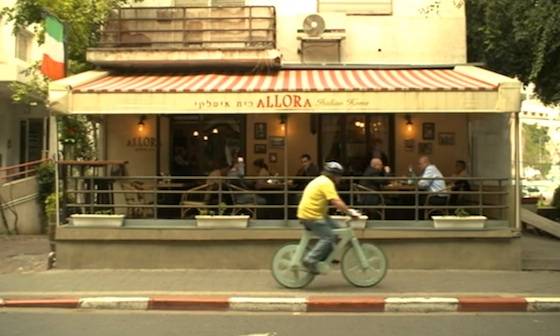
Remember the cardboard bike?
If you’re looking for something disposable and compostable, biodegradable cardboard is your best bet. It’s an affordable option too —and they’re not a one-use item either; you can always clean them up and use them again later!
Where to Find Eco-Friendly Kitchen Accessories?
Are you looking for an easy way to go green and reduce your environmental impact? Eco-friendly serving trays are the perfect solution!
Sustainable Materials
When it comes to eco-friendly accessories, the materials used are essential. Look for sustainable trays like recyclable glass, plastic, or even compostable materials. These materials not only help reduce waste in our environment, but they’re also safer for your family as they’re free of toxic chemicals and other pollutants.
Durable & Reusable
Another benefit of eco-friendly options is that they can be reused over and over, which reduces waste from single-use items like paper plates or plastic packaging; it also helps reduce production and transportation emissions thanks to less frequent restocking of new products. Plus, many eco-friendly trays are designed to be highly durable, so you know your investment will last longer than something made with lesser-quality material.
Where to Shop
The best place to shop for eco-friendly kitchen accessories is online. With just a few clicks of a button, you can find an eco-friendly serving tray that fits your needs and budget! Most stores offer a wide selection of sustainable products that can quickly be shipped to your door. Additionally, many online retailers have detailed product descriptions, so you know exactly what materials are used before making a purchase decision.
Conclusion
Being eco-friendly doesn’t have to be a major lifestyle overhaul. With the right pieces of kitchenware, like eco-friendly serving trays, you can make a small but significant difference to your household’s environmental impact.
Serving trays made from sustainable materials, like bamboo, cork, and glass, are stylish and will last longer than traditional materials like plastics and particular wood types. They’re also easier to clean and can be composted or recycled, so feel good about your kitchen decisions. With a wide variety of styles, colors, and materials, there’s something for everyone, so you can stay on trend and make a positive environmental impact without sacrificing convenience.
Welcome to the future of medicine, where predictive analytics is changing how we care for patients. With the help of new technology and machine learning algorithms, doctors can now use data-driven insights to predict and prevent diseases, find high-risk patients, and ensure each person gets the appropriate treatment.
The impact of predictive analytics in healthcare cannot be overstated. Research estimates that by 2021, the healthcare predictive analytics market will be worth $9.3 billion, expanding at a CAGR of 24.5%. Rapid expansion like this demonstrates predictive analytics’s rising significance in the healthcare industry.
In this article, we’ll explore predictive analytics in healthcare and see how it impacts the industry.
What exactly is Predictive Analytics?
Simply put, predictive analytics is a type of data analysis that uses statistical algorithms and machine learning to figure out the possibility that future events are going to happen based on what has happened in the past.
In healthcare, this means using and analyzing patient data gathered from sources like electronic health records, medical imaging, and wearable devices to identify patterns and risk factors that can be used to forecast outcomes like the occurrence of diseases, complications, the onset of a condition, and adverse events.
How is Predictive Analytics Being Used in Healthcare?
Humans can take months going through scans. Computers can do it much faster
Below, we will discuss how predictive analytics is used in healthcare.
Early Detection and Prevention
Predictive analytics significantly impacts healthcare by facilitating early detection and prevention of diseases, thereby playing a crucial role in population health management and preventive care. By analyzing patient data, medical professionals can identify individuals at high risk of developing chronic conditions such as diabetes, heart disease, cancer, or Alzheimer’s, and subsequently devise targeted intervention strategies to mitigate or manage these conditions.
Through the implementation of predictive models and machine learning algorithms, healthcare professionals can uncover correlations between seemingly unrelated factors, contributing to a more comprehensive risk assessment. This empowers practitioners to make informed decisions and deliver personalized, proactive care to at-risk individuals, ultimately leading to improved health outcomes and reduced disease prevalence.
Understanding the senior heart age and how it can impact overall health is crucial for preventing heart-related issues later in life. By factoring in elements such as lifestyle choices and genetic predispositions, healthcare providers can offer targeted advice and interventions to improve heart health and extend longevity.
Undergoing treatment before something happens may be the best approach to protecting your heart and maintaining independence as you age. People who are prone to getting a stroke are ordering Eliquis online which helps them regulate blood clotting and reduce the risk of severe complications. Taking these preventative steps can give individuals more control over their health. It also allows them to stay active and engaged in their daily routines with greater confidence.
Personalized Treatment Plans
The effects of Chinese medicine, herbal and acupuncture can be quantified and integrated with predictive medicine
Leveraging patient data and identifying patterns and risk factors enable healthcare professionals to design customized treatment plans that address each patient’s unique needs. This results in more effective therapies and reduced adverse effects, ultimately improving patient outcomes.
Personalized medicine, a burgeoning field in healthcare, harnesses the power of advanced analytics and genomics to create individualized treatment regimens, taking into account factors such as genetic makeup, lifestyle, and environmental influences. Tailoring the process enhances the efficacy of medical interventions, reduces the likelihood of adverse drug reactions, and shortens recovery times, leading to an overall improvement in the quality of patient care.
Resource Allocation and Optimization
Predictive analytics allows healthcare providers to anticipate the demand for specific services, facilitating optimal resource allocation.
For instance, detecting an increase in the prevalence of a particular condition enables practitioners to reallocate beds, surgical instruments, and medical equipment to ensure patients receive timely and appropriate care. Predictive analytics can inform staff scheduling, ensuring adequate personnel are available to address fluctuations in patient volume.
Through resource optimization and allocation alongside streamlining operations, healthcare facilities can enhance efficiency, reduce waste, and minimize patient wait times, ultimately improving the overall patient experience and contributing to better health outcomes.
Minimizing Hospital Return Rates
Utilizing predictive analytics, medical providers can identify patients at higher risk of hospital readmission and implement preventive measures, such as personalized treatment plans or post-discharge support.
This approach not only reduces readmission rates but also alleviates overall healthcare costs. Analyzing factors such as patients’ medical histories, social determinants of health, and follow-up care compliance, healthcare providers can develop targeted interventions to support patients during their recovery and minimize the likelihood of readmission.
These strategies may include comprehensive discharge planning, home care services, or telemedicine consultations, ensuring patients receive adequate support and resources to manage their conditions effectively.
Fostering Patient-Centered Care
Lastly, predictive analytics enhances patient experiences by enabling healthcare providers to better comprehend patient needs and preferences. If areas for improvement, such as reduced wait times or more accessible communication channels are identified, providers can create a more patient-centric healthcare environment. Advanced analytics can also inform the development of tailored patient education materials, ensuring patients receive relevant and easily digestible information about their health conditions and treatment options. By fostering a culture of patient-centered care, healthcare providers can empower patients to take an active role in managing their health, leading to increased satisfaction and improved long-term health outcomes.
Healthcare Predictive Analytics Examples
There are numerous examples of healthcare predictive analytics. Some of them include the following:
Improving Medication Adherence
With predictive analytics for healthcare, providers can find patients who are likely to stop taking their medications and create targeted interventions to help them do so. Some of these interventions are reminders, education, and other ways to help people take their medicine as prescribed.
Optimizing Hospital Operations
Another use is that it improves how a hospital runs, like managing beds, staffing, and inventory. Healthcare providers can estimate the number of patients and the number of staff members they will need. With this, hospitals ensure they have enough staff and the tools to give high-quality care.
Population health management
Professionals can identify trends and patterns that may impact health outcomes, e.g., disease prevalence, risk factors, and social determinants of health. They can use this information to develop targeted interventions and care plans to improve health outcomes and reduce healthcare costs.
Fraud detection
Stakeholders can use predictive analytics to look at healthcare claims data and find patterns that may point to fraud, waste, or abuse, like billing for services or treatments that were not needed. Providers can use this information to look into and stop fraud, lower costs, and improve healthcare quality.
Drug development
The process of making a drug is complicated and expensive. It involves finding possible drug targets, testing the drug’s effectiveness and safety, and getting regulatory approval. At different points in the drug development process, predictive analytics is used to improve target identification, predict how well a drug will work, and improve the design of clinical trials.
Conclusion
Predictive analytics is transforming the healthcare industry in unprecedented ways. While its use in healthcare is still in its early stages, it holds immense promise for the future of medicine. As technology improves, we expect to see more examples of healthcare predictive analytics that will improve results and change the medical field.
But as we embrace the potential of predictive analytics, it is important to remember that we must also prioritize patient privacy and data security. We must ensure that providers remain committed to patient-centered care.
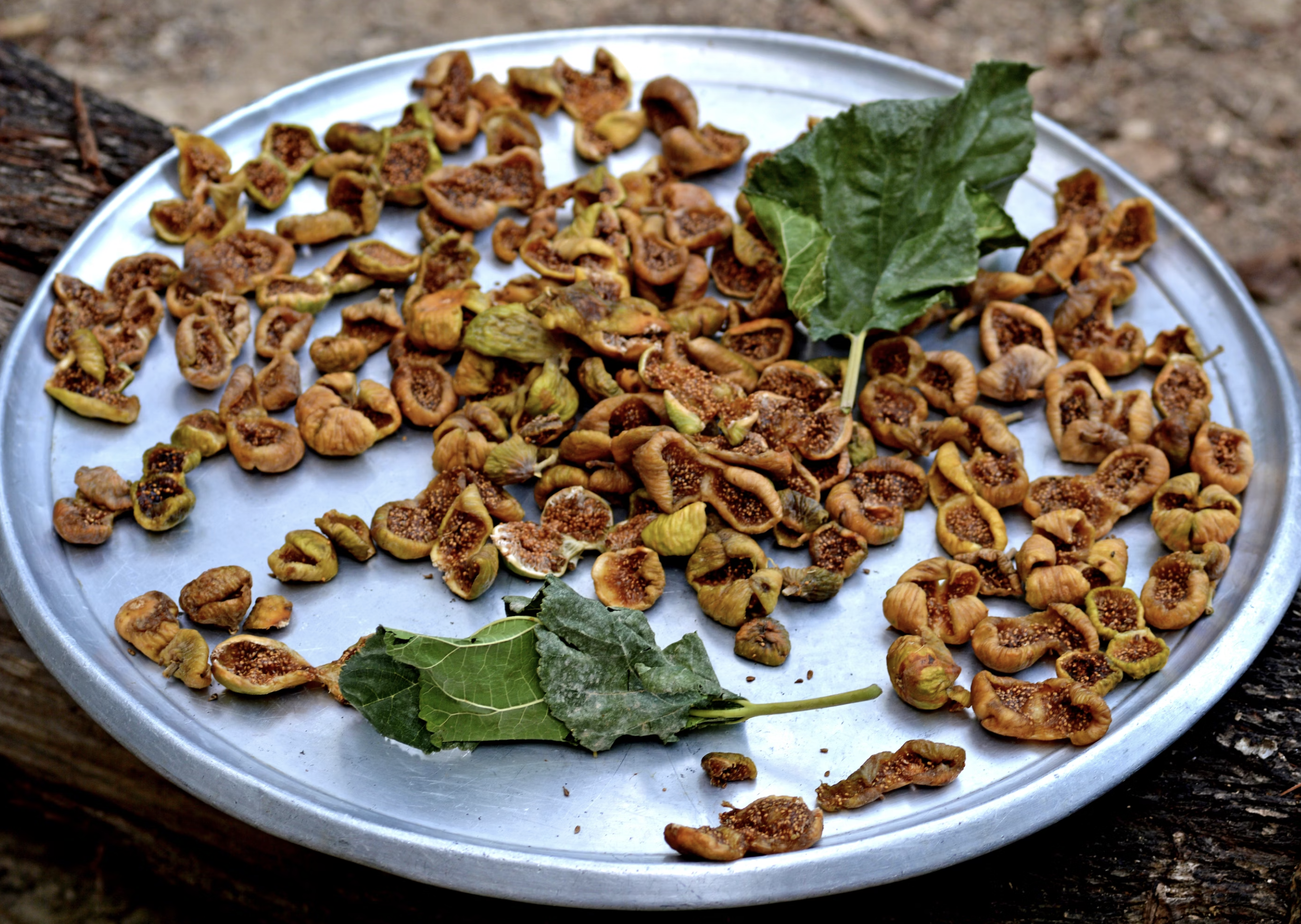
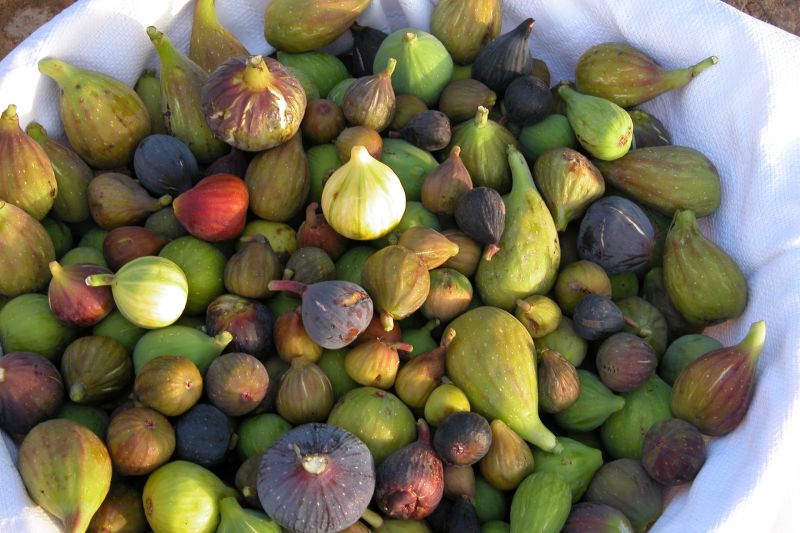
Figs drying on a tray in Lebanon. There are over 750 fig varieties and native to the Middle East
The strong grey trunk, the wide velvety leaves, the sticky itchy white milk resin that leaks from the cracked leaves, its round crimson fruits with their bellies filled with honeyed goodness. In my opinion, nothing beats a fig tree.
The fig (which tastes great baked or with fresh cream and arak) is strictly native to the Middle East, specifically Syria and Anatolia. From there, the fig has been transported to North Africa, Spain and Italy, South America, Mesopotamia, Iran, India and most recently in California. Now, you can even order a fig tree online and plant it in your yard in the right climate or inside your home anywhere in the world.
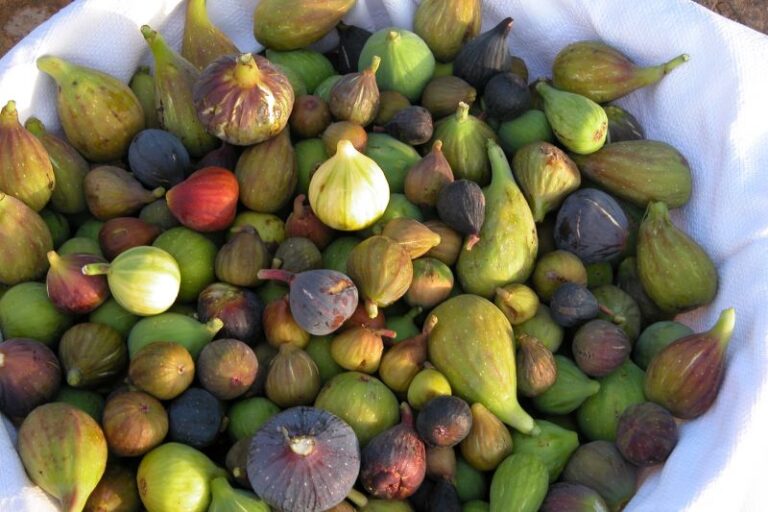
The worldliness of the fig tree aided by the master of it all, the special pollinating fig wasp the Blastophaga psenes, have resulted in over 750 varieties, each with its own particular genetic print. Like a person, each fig has a different character: a taste, shape and color.
The names of many of the Middle Eastern fig varieties take root from descriptive words, for example the variety named Byadi originates from the Arabic word Abyad for white, and it can be found in Lebanon, Syria and Jordan.
In Italy, fig varieties are named after their place of origin like “Dei greci”, of the Greeks, or “Della Monaca”, of the nuns, alternatively they are named after the period in which they ripen such as the “Natalina”, Christmas period or “Tardiva”, the late comers.
Here is a sample of fig varieties from the Middle East:
Lebanese red: Lebanese varieties found along the coast.
Barada: Honey flavored from the historic Christian village of Sidnaya outside of Damascus
Byadi: From the village of Mishtayeh in Syria.
Shtawi: Shtawi comes from the word Shitaa’ in Arabic which means winter. It ripens very late, usually in November into Christmas and it is a variety grown in Koura, Lebanon.
Sumaki: Originally from Syria, it’s one of the finest tasting figs. It’s named after the Sumac spice.
Persian white: Originally from Northern Iran.
Rimaley: Collected from Mishtayeh, Syria. Its a long fig with red interior.
Oh and by the way, the fig is not a fruit but a flower “grown inwards”. To be precise, the fig is the infructescence or scion of the tree, in which the flowers and seeds are borne inside. Here is how you can enjoy your infructescence 5 different ways.
Cow dung could be used to create a next generation sustainable material, according to a new report.
Livestock dung is typically used as a fertiliser or as a source of biogas for green energy applications, but the study, led by scientists at Scotland’s Rural College (SRUC) in collaboration with the universities of Bristol and Edinburgh, reviewed recent research into the development of high-value manure-derived materials from ruminant animals such as cattle.
They found that dung has been largely overlooked despite the “staggering” variety of different applications for recycled ‘ruminant waste biomass’ (RWB).
The most common applications use manure in combination with other components to create composite materials such as plastic, recycled card and paper or concrete. However, it could also be used for the extraction of nanocellulose – a prospective bio-based and biodegradable material of the future. See our article on Melodea.
Currently, there is a trade-off between the performance of the material and the amount of processing required to achieve this – limiting the capacity of RWB to replace conventional materials on a commercial level.
Professor Fabrizio Scarpa, from Bristol’s Department of Aerospace Engineering, explained: “In this study we have looked at assessing current manufacturing processes and performance of sustainable composites with lignin-based reinforcements extracted essentially from ruminant waste.
“Those composites can also be made by using various types of recycled plastics, together with different classes of reclaimed natural fibres. This is very promising for future sustainable materials applications in the extraction of nanocellulose from manure.
Roadmap for making biobased materials
“Nanocellulose is a biobased material with very interesting characteristics from the mechanical perspective. We found evidence that manure-derived reinforcements could also provide mechanical characteristics like analogous existing composites made from reinforcements derived from non-waste sources.
“In the paper we also describe some potential roadmaps to consider synthetic biology routes to make viable biobased materials from manure, and moving the production of materials towards a sustainable, circular, and local supply chain.”
Vijai Kumar Gupta, Senior Challenge Research Fellow at SRUC, said: “Given the demand for sustainable materials and the ever-increasing interest in nanocellulose research, it is highly likely that it will soon be brought out of the lab and into factories and everyday products.
“Ruminant waste biomass could be instrumental for the transition of nanocellulose production to large and economically viable scales.”
“Nanocellulose, in combination with other materials such as polymers, metals and ceramics, has huge potential for use in antibacterial agents, antioxidants, sensors, electromagnetic shielding devices, adsorbents in water treatment, fuel cells, electrochromic and in biomedical applications.”
Red Sea Farms has rebranded from being a business that produces cucumbers and peppers to RedSea, one that produces technology for hydroponic companies.
Saudi Arabia is planning on building the world’s largest cities, 15-minute cities like the linear city The Line and The New Murabba in Riyadh and plans to do all this building sustainably. How will people living in these urban centers be fed fresh salad greens, tomatoes and cucumbers on demand? Hydroponics or soilponics as it is mainly done in Israel, feeds just the roots of the plants a nutrient-laden water.
This hyper-efficient way of growing food is how you grow fresh food in the desert while minimising resources. It also works in space – I was interviewed by Fast Company about it. Of course regenerative organic farming would be the goal for humanity: it’s a practice where you nourish the soil and the environment, but we don’t have time for that: until 1 in 20 people want to become farmers, we need to compromise with hydroponics and on a large-scale. And that’s where Saudi Arabia is headed.
RedSea, a Saudi AgTech business built by immigrants, just made a MoU deal with the Saudi Downtown Company (SDC) – a fully-owned subsidiary of the Public Investment Fund (PIF). PIF is owned by the Saudi Government. The new partnership aims to invest in, build and operate RedSea greenhouses at SDC locations.
This is obviously great news for RedSea and its ability to develop its greenhouse business across Saudi Arabia.
RedSea has attracted $18.5M USD in strategic investment so far because it takes a fortune to scale a tech and farm business. The company has just rebranded from being a farm company to being a tech company. There are two separate websites.
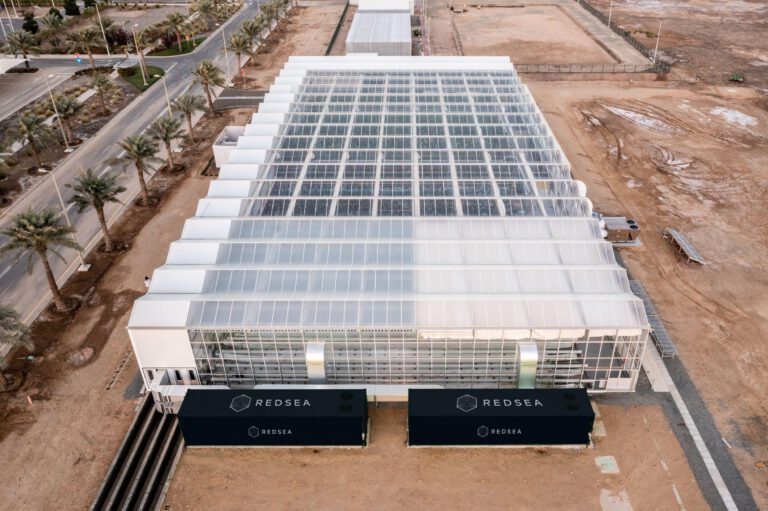
RedSea uses science to design sustainable agriculture technologies for very hot climates. RedSea’s technologies span from the roots of the fruits and vegetables to the roof of the greenhouse and have been proven in its 6-hectare facility near Riyadh and its research and development facility in KAUST, the King Abdullah University of Science and Technology. See the image above.
The Red Sea is also the major body of water that surrounds Saudi Arabia on the west.
The aim is for these greenhouses is to provide a platform to enhance the quality of life and promote economic growth across 12 Saudi cities. Hydroponics is very labor intensive so no doubt RedSea will be hiring.
The partnership, according to RedSea, will help highlight the rich culture and traditions of each area. I know that greenhouses growing food in Harlem, New York City have helped women connect to food in a personal way. As for RedSea, its greenhouses aim to become attractive destinations for visitors in their own right through their creative experience and culinary-driven offerings.
New job and training opportunities for locals can be expected in the horticultural management, juice bars and cafes.
Ryan Lefer and Mark Tester, co-founders of Red Sea Farms
America’s desert agriculture engineer Ryan Lefers, now the CEO and a co-founder of RedSea, said: that “the facilities themselves are designed as experience centres for community visitors whilst also providing agriculture education as well as economic advantages.”
RedSea now has its technology deployed in seven countries and is currently delivering produce to over 100 retail locations across Saudi Arabia, under the Red Sea Farms produce brand. This partnership is part of the portfolio of high-profile sustainable farm facilities RedSea is building, including RedSea Global and Silal.
Downsides of hydroponic farming no one wants to talk about
Hydroponics and greenhouse agriculture is often celebrated as being without a doubt “sustainable” but it still relies heavily on added nutrients from petrochemical industries.
Water is still needed for the processes and the actual amount is usually under-reported. The ultimate solution for desert greenhouses is building them near the sea and providing water from desalination using solar panels nearby the greenhouses. See seawater greenhouses in Abu Dhabi and Qatar. ReaSea is also using seawater in its processes.
Lighting and cooling, when used intensively like in cannabis farming, is not sustainable. Saudi Arabia gets enough sunlight year-round so that won’t be their problem.
Plastics rule the industry in sheets on the sand or in pipes and trays that hold the plants and where the water flows. The food we eat may then carry trace amounts of plastics and questions arise on the life-cycle of these plastics. See a story on tires in your lettuce.
Size, scale and location next to urban centers is critical for any hydroponics business model to work. I’ve spoken with people in the business who say that urban farmers running single-family container farms is a sham (email me for names), and buying into them makes it impossible to recoup investments – unless you are a growing a high-value crop like cannabis or wasabi.
We see that smaller-scale hydroponics like Infarm didn’t scale correctly or had a flawed business model and laid off half its staff in December. Consider this: if you have 100 small farms in a city like Berlin a lot more can go wrong in terms of quality control and management than if you run one large farm that supplies 100 shops in Berlin.
Plastics in packaging also rule the vegetable industry when it comes to hydroponics. I’ve seen produce in Canada shipped in individual plastic boxes. A regular head of lettuce grown in the soil isn’t given so much honor. Red Sea Farms have announced that they use sustainable packaging.
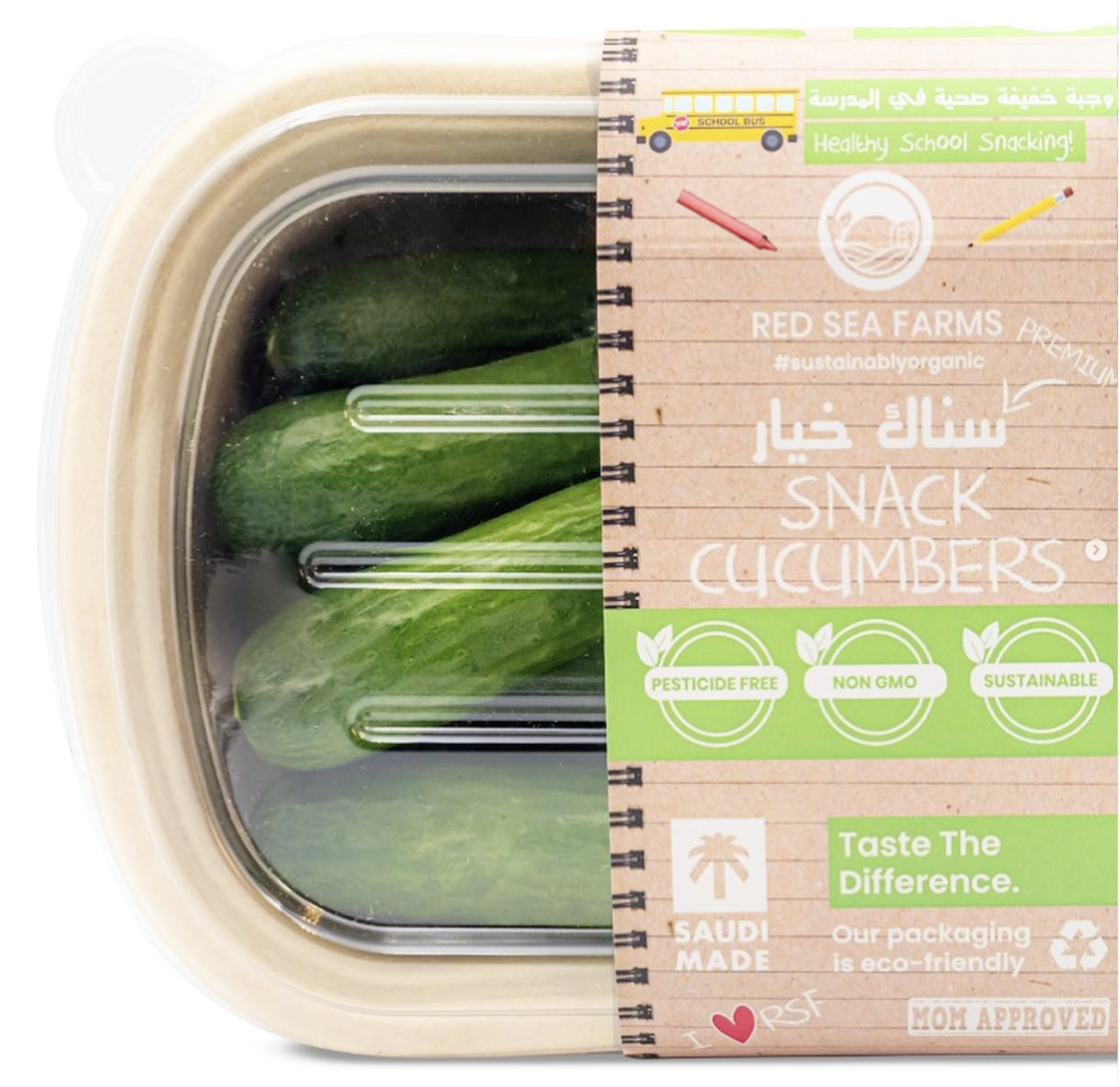
Red Sea Farms makes tiny cucumbers, a Middle East favorite
I think the RedSea venture is an exciting one for the Middle East. This region can avoid the mistakes of large-scale commercial farming being made in the United States and with round-the-year sun teach the world something better about desert farming. No doubt it will be a draw and a big learning opportunity for the Dutch, Canadians and Israelis who already excel at hydroponics. The Dutch for their stubbornness and excellence in growing in greenhouses. The Canadians who finessed hydroponics when cannabis was not legal.
The ancients in the Middle East always managed somehow.
Tech advances developed by RedSea
RedSea has proprietary technologies including a transparent nano-material which allows visible light through while absorbing the heat. They have built a smart enterprise remote monitoring and control system enabling higher yields and sustainability for agriculture producers in hot climates globally. RedSea’s goal is not just growing food but developing agricultural technologies for hot environments.
Melda Akin will mentor women in AI so they can do AI tech in the Middle East
Melda Akin, an award-winning computer scientist and the founder of D14.AI, an AI company solving optimization challenges in business, just launched Sirius Labs in Dubai. It’s an app that trains women to launch careers in tech. Less than 20% of the workforce in tech is women, and Akin who has won awards in entrepreneurship, will help the UAE and MENA region women build out a local workforce led by women. She is among the first women to organize AI and machine learning training for women in the Middle East region.
Sirius Labs, she says, offers curated AI and tech training programs and mentorship to females across MENA.
“I believe in the power of tech to solve the world’s biggest challenges,” she says, “Sirius Labs brings curated, personalized learning paths to enable women the best chance possible to succeed in the technology sector. Through our AI engine, we continuously track, learn, and improve content recommendations for our students to create the most efficient learning journey.
“With the number of women pursuing STEM subjects in higher education on the decline and only 18% of women achieving new computer science degrees,” Akin notes, “it is important that we collaborate with key players within the space and provide support and mentoring to females who want to pursue a career in technology. I look forward to demonstrating the transformative potential of Sirius Labs, and AI-driven training, for women in tech and helping them secure their dream jobs.”
The Sirius Labs platform evaluates each student when first enrolled onto the program and uses AI to dynamically create a personalized learning pathway tailored to their individual needs. The students are mentored in technology and taught key skills to land tech-based jobs through workshops, bootcamps and women-empowerment events with top technology companies.
In the next six months, Sirius Labs aims to train 100 Middle East North African and Turkey-based women to land their dream tech job and sign 20 hiring contracts for technology roles.
The Sirius Labs program will cover a variety of technology-focused subjects including product management, project management, IOS development, Android development, introduction to AI, data science and software development. It also offers advice on important soft skills needed to succeed in the technology sector, as well as interview preparation, negotiation and communication skills, conflict resolution, public speaking and storytelling.
I hope they consider adding a sustainability angle to the training because big energy is currently dominated by men and renewable energy entrepreneurship could use a boost by women entering the workforce.
Inbal Arieli, author of Startup Nation. She was my tech mentor.
And when it comes to women in tech, it takes one to know one –– the best mentors for women are women and I can attest to that. When I had my startup Flux I was mentored by Inbar Arieli, author of Chutzpah: Leadership Skills & Innovation Secrets. Through Arieli I got to participate in the 8200 EISP program, which is run by programmers from Israel’s elite army unit 8200. Thanks to Arieli who comes from the 8200 unit herself and who has founded a number of startups, I got to travel to Aspen to the Aspen Ideas Festival where I met world-leading minds in innovation and entrepreneurship. Women can only take the lead when they see other leaders. Every time I stood on stage to introduce my company I had young women come up to me saying, “I want to do that too.”
It’s not only important, but critical that women from around the world enter the conversations in AI as what’s happening today in AI builds the framework for the next 100 years. ChatGTP for instance carries web-based biases with it when it comes up with queries. Men program their biases into technology and this is the reason why we end up with virtual assistants like Siri and Alexa sounding like their maids.
Akin is ranked one of the Top 20 Women in Tech MENA 2022 and 2021, and Top 10 Women Behind Middle Eastern Tech Brands 2021 by Forbes. Melda was also selected as ‘Women Entrepreneur of the Year’ in 2022 at the Middle East Womens Leader Summit and is a mentor in the United Nations and NAMA Women Empowerment organization. She was the first woman in the world to organize and conduct AI and machine learning training for women in the region – in collaboration with the Cyber Defence and Ministry of Communications and Information Technology of the Kingdom of the Saudi Arabia.
Three cheers for Akin.
Areas in tech that could benefit from sustainable AI
Abu Dhabi: HH Sheikh Theyab bin Mohamed bin Zayed Al Nahyan, Abu Dhabi Executive Council member (center), witnesses the signing of a training agreement between Etihad Rail and ACTVET, during the Emirates Skills 2023 Competition, at Abu Dhabi National Exhibition Centre ADNEC. Seen with Shadi Malak, CEO of Etihad Rail (left) and HE Dr Mubarak Saeed Al Shamsi, Director General of ACTVET (right). Abdulla Al Neyadi / UAE Presidential Court
Rail and air travel relies heavily on the cost-effectiveness and lightness of plastics for fuel efficiency. Look inside the body of an aircraft and the passenger cabins of light railways and trains and you can’t deny the importance of plastics. So yeah, while we want to ban the plastic bag and see fewer flipflops in the Seychelles we still need to push for more sustainable plastics. But much more can be done in innovation so that plastics are produced with less waste and so plastic can be upcycled, recycled or generally stopped from going to landfill. Are there tires in your lettuce? is a good lesson for us to look at.
So a forward thinking Abu Dhabi is putting their mark on greening the plastics industry by connecting industry at Etihad Rail with students at ACTVET to apply the latest 3D printing technologies that use recycled materials. ACTVET is the Abu Dhabi Centre for Technical and Vocational Education and Training.
Etihad Rail signs a deal to help create more sustainable plastics with researchers and young Emirati students.
Abu Dhabi‘s Sheikh Theyab bin Mohamed bin Zayed Al Nahyan, Member of the Executive Council, Chairman of Etihad Rail, signed an MOU to promote the engineering and design of eco-friendlier plastics with the help of expertise of young locals trained in the sector.
Sheikh Theyab emphasised the importance of hiring Emirati manpower to work on the latest technologies for 3D printing because the UAE can’t outsource its future. Last year the UAE started taking more steps to make the home-workplace balance more equitable by offering a 4.5 day workweek.
Eithad Rail will help you zip across the desert: The Etihad Rail passenger train will connect 11 cities and regions across the UAE. It will stretch from Al Sila to Fujairah including Al Ruwais, Al Mirfa, Dubai, Sharjah, Al Dhaid and Abu Dhabi. Travelling from Abu Dhabi to Dubai and from Dubai to Fujairah will only take 50 minutes each in the future.
Shadi Malak, Chief Executive Officer of Etihad Rail, said “Our wise leadership have continuously empowered our nation’s youth as they are a vital part in the development of all sectors and the drivers of continued growth and progress.”
What should we promote recycled plastics?
The use of recycled materials helps companies achieve sustainability goals by improving resource efficiency, enhancing the environment by reducing waste from production and manufacturing processes and protecting natural resources. Sustainable use of plastics materials can also improve long-term profitability by reducing costs associated with materials waste and minimising pollution.
The application of 3D printing specifically allows the production of parts and components with high precision, speed and lower costs compared to traditional methods of manufacturing, and saves energy by reducing the number of steps required to operate the equipment needed to produce manufacturing moulds, tools, and equipment.
And what’s most important for the planet and the Middle East is that manufacturing is done close to home, not in a town or village in another part of the world.
A section from The Line, Saudi Arabia, a 15 minute-city, rendering shown in Riyadh
Saudi Arabia’s prince Mohammed bin Salman Al Saud has decided to put oil money profits from Saudi Aramco, its national oil company and largest company in the world, to an interesting use: he is building 110-mile long 15-minute city called The Line on the coast of the Red Sea.
The Line, the linear city, will also be a 15-minute city, an urban planning concept where most of one’s daily necessities such as work, shopping, healthcare, education and leisure can be easily reached by a 15-minute walk or bike ride from any point in your city. (Saudi Arabia is also thinking about implementing a 4-day work week).
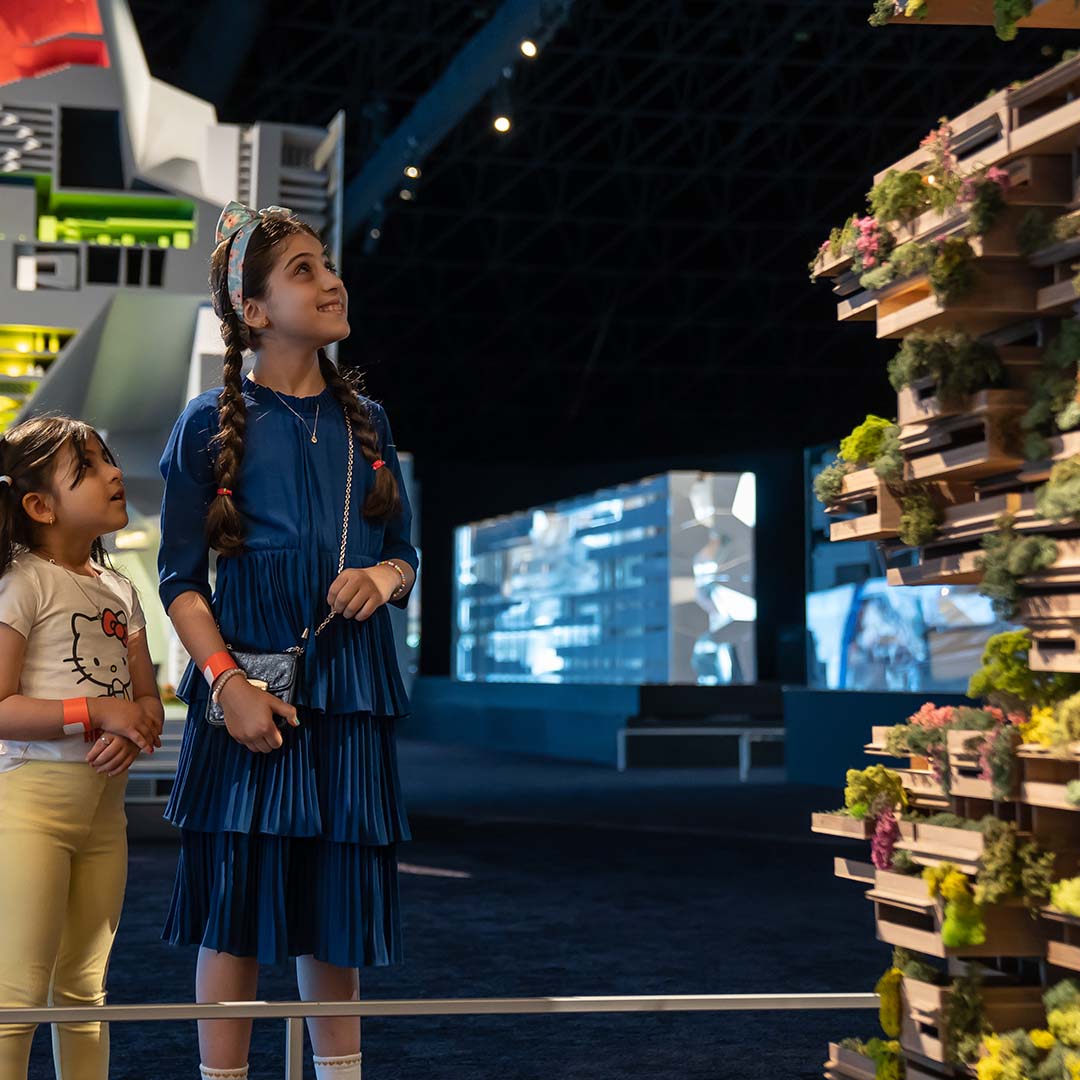
Children look at model of The Line, a 15-minute city part of Neom, Saudi Arabia
Healthy cities in Europe like Rotterdam (read here why this Dutch city is so sustainable) and in Jaffa, Israel already do this. But by building one from scratch there is a risk of sanitizing the joy of living in such places which grow organically like an Old Growth Forest. Copying and pasting commercial concepts planned in advance in 15-minute chunks could be risky. Like Masdar learned in the United Arab Emirates, its 15-minute, zero energy city developed by the renewable energy company of the same name, was a flop. A unique design with an incredible lure, the more adventurous among Abu Dhabi’s intrepid tourists may find something endearing about this unrealized dream.
Why conspiracy theorists are against 15-minute cities
Conspiracy theorists, often the same people who are climate change deniers, and against Covid vaccinations aren’t buying the dream of 15-minute city, developed in concept by Professor Carlos Moreno at the Sorbonne in Paris, which has enraged a number of Americans and Canadians who believe that driving your car is a basic right. This is despite the cost of gas directly controlled by Saudi Aramco, the Saudi owned oil company, owned by the Crown Prince and which made a record 161 billion USD in profits last year.
Naysayers are calling the 15-minute city concept a “socialist conspiracy theory” that takes away basic human rights to movement, comparing the idea to Nazi ghettos in Germany. That comparison is highly overused. Loose words spoken in social media today by both the “woke” and the right wing confound and confuse conversations.
I love the idea of 15-minute cities if people will want to live in them.
It is certainly probable that highly socialist countries like my motherland Canada are to blame for emerging interest in 15-minute cities as a cultural and environmental concept. Years ago at the University of Toronto I was shaped by an environmental philosophy course with lectures on “what makes a city healthy”. Strip malls, housing projects, suburbia were deemed unhealthy and unsocial, while mixed-housing streets in the middle of Toronto like Walmer Road where I lived in the Annex, were very much good examples of a healthy city at work and play.
A healthy street and neighborhood should include people from all walks of life: students, the wealthy class, the welfare class, and everything in between and Walmer Road offered that, amazingly so. A laundromat, grocery store, parks, good eats, dog-friendly parks, pubs and my university were within a 15-minute walk. I lived there for 5 years celebrating that I didn’t need a car. My bike filled in for getting places fast closer to Lake Ontario, even in the snow.
When I got older and returned to Toronto I noticed that the dream wasn’t always accessible to all. My cousin bound to a wheelchair is part of a sailing club and can travel to work in her chair but when the sidewalks aren’t ploughed from the snow, she has a problem. When my dad was dying in a hospital in Toronto, it took me more than 15-minutes to go out by foot in the freezing to find him fresh fruit which wasn’t available at the hospital, a dead zone area around the bottom part of the university where it links to the city’s financial heart on Bay Street. Don’t doctors and bankers need fresh fruit?
According to Wired with help from right-wing figures in the US and UK, including the author Jordan Peterson, the 15-minute city concept has become entwined within a much bigger universe of conspiracies based around the idea of a “Great Reset” that will see people locked in their homes by climate-obsessed autocracies.
Being locked down in my opinion is only a state of mind (our carbon-based bodies are already trapped on earth and are forced to breath, eat, sleep), and living in a 15-minute city will make people much happier if done right. Imagine grandmothers living within walking distance to their grandkids. Kids who can wild range roam like they live in a kibbutz? I live in a 15-minute city in Jaffa, Israel. Now that my kids are older they get around fine by now although the electric bikes make it unsafe for them to use bike lanes.
I shop on foot, get to my college classes by a short 10-minute bike ride. My health services, rarely used, is 10-minutes by foot and I know the names of the people who run the corner stores. This is opposed to living the American dream in Los Angeles, driving to everywhere and shopping at big box shops on the cheap.
Malakeh Jazmati, above, in her kitchen in Berlin. Jazmati, who came from Syria to Germany as a refugee 2-years-ago, has set up her own catering business featuring Syrian food. Image via Arab News
Syrian cuisine features home-cooking and a secret ingredient called “love”, necessary in Middle Eastern style cooking. Syrians use a wide variety of spices such as cumin, coriander, allspice, cinnamon, sumac, and za’atar.
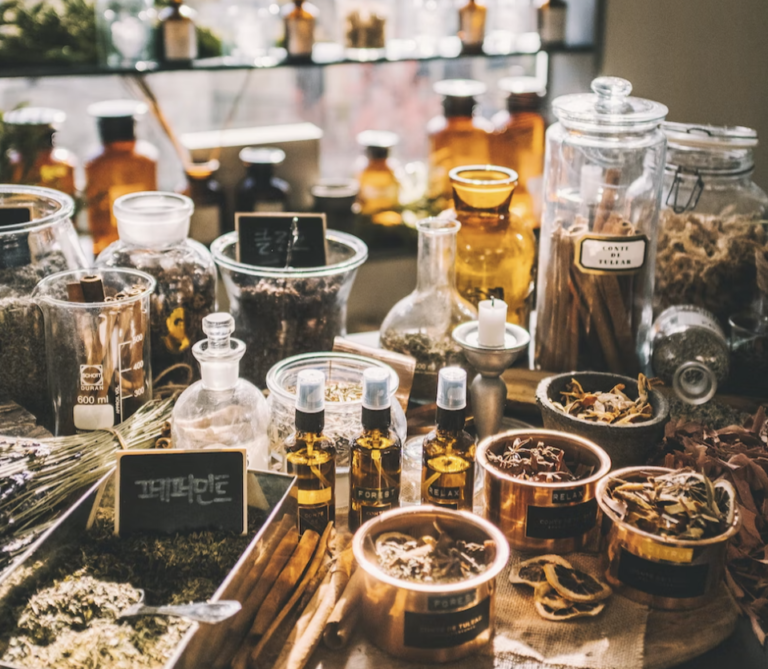
The use of these spices and herbs in Syrian cooking is a result of the country’s location and history. Syria has been a crossroads of trade and culture for centuries, and this has influenced its cuisine. The country’s proximity to the Mediterranean Sea has also had a significant impact on its food traditions. The small coastal region of Syria above Lebanon and below Turkey is known for its seafood dishes, which feature a variety of herbs and spices such as thyme, parsley, and garlic. We have a list of pantry items, dried, herbal and spices you will need for a Middle East kitchen here.
Another unique aspect of Syrian cooking is the use of ingredients such as pomegranate molasses (make an almond torte with your pomegranate molasses), rose water, and orange blossom water. These ingredients are also plentiful in Turkey, and in my backyard in Jaffa, are used to add a sweet and tangy flavor to dishes the same way Indians use tamarind. (My family had the pleasure of harvesting tamarinds in Goa, India.)
In addition to the variety of herbs and spices used in Syrian cooking, the cooking methods also play a role in creating the unique flavors and textures of the cuisine. Traditional Syrian dishes are often cooked in large family-friendly batches, slow-cooked or grilled, which allows the flavors of the spices and herbs to infuse into the dish. I still remember the slow-cooked and grilled chicken our friend made for us in Aleppo, Syria, and another time sitting cross-legged near Damascus, round a large dish of fresh salads, digging in together, with pitas as forks.
Overall, the combination of unique herbs and spices, cooking techniques, and cultural influences make Syrian cooking a standout in my world. Over the years we have written a great number of recipes covering Middle East cuisine and which focus on Syria and the region. The traditions overlap into Lebanon, Turkey, Israel, The West Bank, Jordan. These recipes are the common ones and easy to do once you get the hang of it.
Kibbeh:
Kibbeh is a traditional Syrian dish made from bulgur wheat, ground meat (usually lamb), onions, and spices. It is often served as an appetizer or a main dish. The dish is believed to have originated in the Levant region, which includes modern-day Syria, Lebanon, and Palestine. The recipe for kibbeh is here.
Fattoush is a salad made from chopped vegetables, herbs, and crispy (leftover?) pieces of pita bread. The dressing is usually made from lemon juice, olive oil, and sumac. Fattoush is a popular dish in Syria and throughout the Levant region. I had the best tangy fattoush in my life in Jordan with piles of sumac but each country and kitchen has its own take. Jump into vegetarian Ramadan recipes here and find a way to make fattoush.
Tabouleh:
Tabouleh is a salad made from finely chopped parsley, tomatoes, onions, and bulgur wheat. The dressing is usually made from lemon juice and olive oil. Tabouleh is a popular dish in Syria and throughout the Levant region. Try this tabouleh with a twist, using quinoa which is healthier than bulgur.
Moutabbal:
Moutabbal is a dip made from roasted eggplant, tahini, lemon juice, garlic, and olive oil. It is often served as an appetizer or a side dish with pita bread. Moutabbal is similar to baba ghanoush, which is a similar dish made with mashed eggplant. Get my recipe here.
Fatayer:
Fatayer are small, stuffed pastries that are often filled with spinach, cheese, or meat. They are similar to empanadas or samosas. Fatayer are a popular snack in Syria and throughout the Middle East. In this recipe Miriam learns to cook like a Druize, making fatayer like a local (Druize in Israel have Syrian roots).
Kofta:
Kofta, kafta is a dish made from ground meat (usually lamb or beef) that is mixed with spices and shaped into balls or patties. The meat is then grilled or fried. Kofta is a popular dish in Syria and throughout the Middle East. Get a satisfying kofta recipe here.
Mujadara:
Mujadara means lentils and rice and it is a simple dish made from rice, lentils, and caramelized onions. Cumin is key. It is a simple and hearty dish that is popular throughout the Middle East. Get our mujadera recipe here.
Manakeesh are flatbreads that are topped with a variety of ingredients, including za’atar (a spice blend made from thyme, sumac, and sesame seeds), cheese, or meat. They are a popular breakfast food in Syria and throughout the Middle East. Make flatbread the way you like it then add olive oil and za’atar, sumac or soomsoom (sesame seeds). Read a bit of history here.
Now, we’re not claiming that we’ll be able to reproduce your favourite hummus perfectly – that kind of standard is entirely beyond us. There are as many versions of hummus as there are people that make it, after all. If your grandmother has passed her secrets on to you, consider yourself blessed. After hummus you must try muhammara: the garlicky, earthy, addictive red pepper and walnut spread that originally hails, so we understand, from Aleppo, Syria. Get the muhmarra recipe here.
The Masjidi al-Haram (Kaaba) complex in Mecca is always busy with pilgrims during the hajj season. The staff are working round the clock! Running and mopping at the same time.
“The extended weekend comes as part of the UAE government’s efforts to boost work-life balance and enhance social wellbeing, while increasing performance to advance the UAE’s economic competitiveness,” said UAE state news agency WAM.
The Saudi announcement came in response to an inquiry on Twitter to the Saudi Ministry of Human Resources and Social Development which noted (in Arabic) that it’s considering the move to a 3-day weekend as well. According to the Arabic daily newspaper Al Madina, the Saudi ministry is taking a deep dive looking into its current current labor market, one we should note which is fraught with human rights violations (plenty of African housemaid videos on Youtube), and it will make a decision from there.
With Saudi Arabia’s growth of mega-projects as part of the Saudi Vision 2030, projects like Neom, The Line, Trojena ski hills in the desert, and a new Kabaa in Riyadh called the Mukaab, Saudi Arabia is processing hard the reasons why and how anyone from the outside world will want to work and live there. To fulfill its mission of being a technological superstar it’s going to have to create a few million Saudi tech geeks and lure hundreds of thousands of skilled and educated foreigners into the labor force.
What motivates people to work beyond money? Making an impact on the world, enjoying your workplace and being able to spend a considerable amount of valuable time off work in leisure, play, hobbies and hanging out with the family. The 4-day work week is a more sustainable solution for the planet. And studies and pilots in Europe suggest people can do as much in 32 hours as they can spreading it out over 40+.
Are we just held captive by the workplace looking for ways to escape? Working less gives us more time to refresh.
We do hope to see however that these 4-day workweeks trickle down to household staff, which complain of being held hostage and working unreasonable hours. Construction workers are exploited as well, Human Rights Watch reports, as Saudi works to create a brighter future for its people and the world.
Tire particles are getting into our food. A new experiment shows the pathway that converts chemicals into unknown toxins.
Car exhaust fumes pollute our cities and damage our lungs – but tiny bits of car tires when we screech to a lot, or which come over with wear and tear? It was assumed by the scientific community that these bits of plastic end up on the side of the round or down the storm pipe, but it turns out we are eating more synthetic materials that we want to know.
A recent study from the University of Vienna found that lettuce easily and quickly takes up runner bits when growing and we ingest them in our salads. Although natural rubber is the made material used in tires, there are 200 raw materials that go into them – some of the materials are not good for our health.
“Tire wear particles contain a number of organic chemicals, some of which are highly toxic,” says Anya Sherman, a PhD from the University of Vienna.
Why tire particles are a health concern?
“If these chemicals are released in the root zone of edible plants, they can be a health concern for consumers – provided the chemicals are taken up by the plants,” noted her supervisor Thilo Hofmann.
Until they asked the question, the answer was speculative. We know that microplastics are in the seas, microplastics are in the air we breath, and they are found in the breastmilk made for newborns. The Viennese researchers looked at the plastics and materials in tires and how they may be transferred to the food we eat.
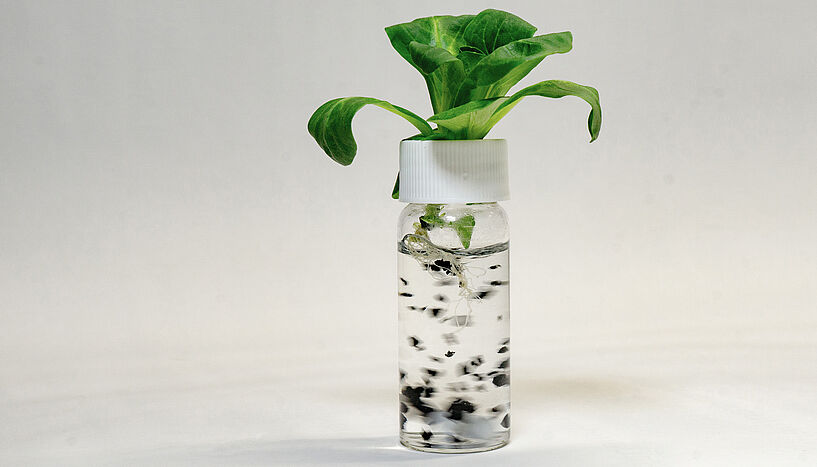
The researchers used hydroponics, a method for growing food on water, using added nutrients delivered to the root systems of plants in tubes or plants floating on styrofoam beds. To simulate road runoff, the team added five chemicals to the hydroponic solutions of lettuce plants. Four of these chemicals are used in tire production. Not all of them are confirmed to be harmful. Yet, the fifth chemical is a transformation product of one of these four, created once the tires are in use on the road, and it is proven to be toxic:
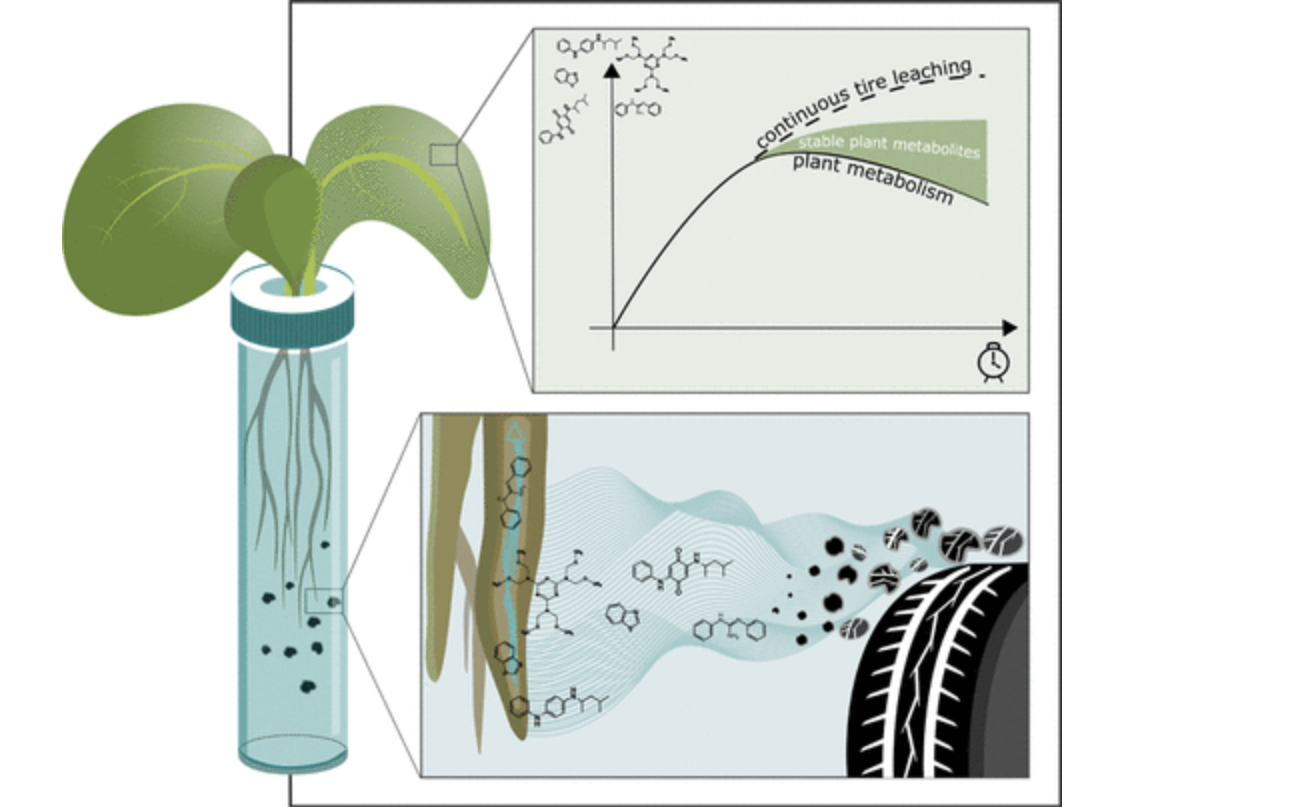
The chemical 6PPD-quinone (originating from 6PPD) has been linked to mass deaths of salmon in the US: “Our measurements showed that the lettuce plants took up all the compounds we investigated through their roots, translocated them into the lettuce leaves and accumulated them there,” Sherman reports.
What is that new toxin produced inside the lettuce and why should we be worried?
This was also evident when the lettuce plants were not exposed to the chemicals directly, but indirectly via tire crumbs added to the growing medium. “The lettuce plants continuously take up the potentially harmful chemicals that are released from the tire abrasion particles over the long term,” notes Hofmann.
Driving a car produces tire wear particles, which are blown into the environment by the wind and washed into rivers and sewage by the rain – in total around 3 pounds per citizen, per year. Through the atmosphere and with the waste water or the sewage sludge used as fertilizer in agriculture, the tire particles can reach agricultural soils. Tire wear particles and other types of microplastics contain additives, which ensure specific properties, consistencies and the durability of these plastics.
Diagram showing how tire bits get pulled in by the roots, converting materials in tires to an unknown toxin
In soils, the small plastic or tyre particles usually release their pollutants in the upper soil layers – this was determined in earlier studies by the research team led by environmental geoscientist Hofmann. In their current study, the researchers shed light on whether the pollutants could migrate from there into the crops.
Using high resolution mass spectrometry methods, the Viennese environmental geoscientists not only measured the extent to which the previously defined chemicals ended up in the lettuce plants. They also identified the substances to which the lettuce plants metabolised the chemicals.
“The plants processed the substances and in doing so they produced compounds that have not been described before. Since we don’t know the toxicity of these metabolites, they pose a health risk that cannot be assessed so far,” said Thorsten Hüffer, senior scientist at the University of Vienna, emphasises.
The metabolites identified by the research team are quite stable in the plant. Most likely, they would therefore be preserved until reaching our plates. “In the human body, however, such compounds are very easily broken down. Thus, if someone eats such a contaminated lettuce, the original chemicals could be released again in the body,” Sherman explains.
Questions we should be asking
This news is particularly troubling and interesting to me. I worked in the area of hydroponics for about 5 years, promoting it as a sustainable method for growing food in cities. Most of the plants grown today in hydroponics are grown in cities or close to them, and they are grown in plastic pipes, tubes and water transport systems. I am left with these questions:
Should we be foraging and growing food in urban centers?
Does hydroponics, which grows food quickly, offer an easier pathway for toxicity into the plant than if it were just grown on a soil which contains more buffering agents and micronutrients?
Can there be innovation in tires so that less tire particles are emitted when driving?
Next up: how do tire particles grow into our food using the traditional soil pathway?
These are questions researchers will need to be asking. And next up the lab will be asking how tire particles are picked up by plants grown in soil. And the goods news for anyone reading this is if you work in science, the lab in Vienna is hiring.
Raphael Mechoulam, discoverer of THC, CBD in medicinal cannabis
It hit me like a punch to the gut: the world pioneer in cannabis research, Prof. Raphael Mechoulam, known as the father of cannabis research died in Israel at age 92. His research in cannabis, on THC and CBD set off a chain reaction globally, recognising cannabis as medicine. His chemistry work on cannabis has helped physicians prescribe better medicine for wider indication. He’s inspired a new generation of biologists to study cannabinoids, the active molecules in cannabis, as medicine.
I got to interview him some 15 years ago when I was working for the Jewish Telegraphic Agency and I appreciate the time he took and candidness in which he approached his interview.
ProfessorMechoulam was the first in the world to isolate the psychoactive substance in cannabis, THC, which affects the brain, consciousness, and creativity, as well as CBD, the plant’s most important substance for its known medical benefits. He did this when at the Weizmann Institute of Science but made the mainstay of his career at Hebrew University in Jerusalem.
He’d received dozens of awards, honors, and decorations throughout his life, including the Harvey Prize, EMET Prize, and Rothschild Prize.
In an article published in the journal Annual Reviews he shared “The endocannabinoid system has recently been revealed to us. Its involvement in a variety of biological processes is very broad, but the role of most of the substances that compose it, has not yet been studied. I want to emphasize that in the field of the endocannabinoid system, as in other fields, collaboration between scientists is a wonderful and useful thing for discovering new biological properties.”
“Working on cannabis was challenging and promising from a scientific perspective,” Mechoulam told me years ago. He had had support from the police, who provided the hashish (originating from police bans), and from the Ministry of Health, which gave the approval. The initial work was done at the Weizmann Institute and continued at the Hebrew University in 1966.
Prof. Asher Cohen, the President of the University, paid tribute to Prof. Mechoulam, “Most of the human and scientific knowledge about cannabis was collected thanks to Prof Mechoulam. He paved the way for a series of studies in the field and called for scientific collaboration among different researchers. He was a sharp-minded, groundbreaking, and charismatic intellectual. This is a sad day for the academic community, and I extend my heartfelt condolences to the family. May his memory be a blessing.”
Prof. Mechoulam was born in Sofia, Bulgaria in late 1930. after surviving the Holocaust he immigrated to Israel with his family in 1949. He began his journey at the Hebrew University with the completion of his second degree in biochemistry in 1953. Prof. Mechoulam began his research in cannabinoids at the Weizmann Institute in 1962 and then joined the Hebrew University in 1966, where he continued to study the compounds found in cannabis. He was appointed as a full-time professor in 1972 and in 1978 was appointed to the Lionel Jacobson Chair in Medicinal Chemistry.
Between 1979-1982, Prof. Mechoulam served as the Rector of the Hebrew University, and during his tenure, the Department of Computer Science was established. In 1999, Prof. Mechoulam was appointed as the President of the International Cannabinoid Research Society, a position he held until 2002. Additionally, he served as the Head of the Natural Sciences Division at the Israel Academy of Sciences and Humanities since 2007.










 Mays Motors, an EV, all electric car from Oman