
 As California’s LEED synagogue hits the auction block, a more sustainable “light unto the nations” might be the DC synagogue’s Energy Star rating. Larry reports.
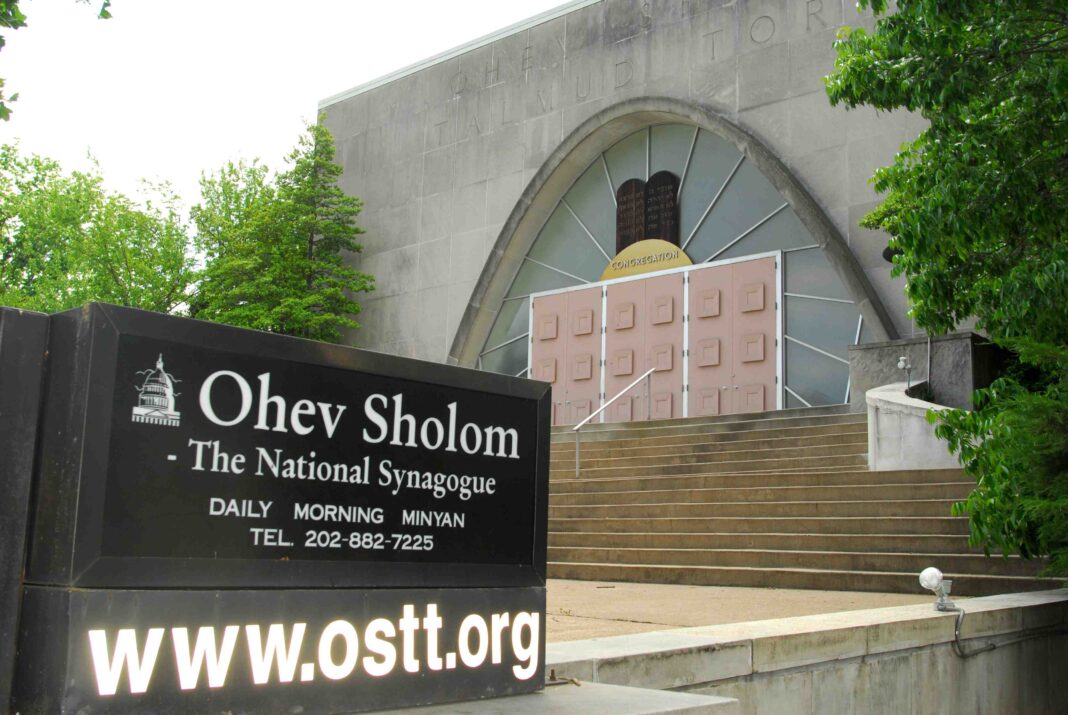
Orthodox Judaism rarely gets mentioned in the same breath as energy conservation. And from the outside, there’s little to suggest that Washington DC’s Ohev Sholom — which brands itself “The National Synagogue” — is a trailblazer when it comes to eco-friendliness.
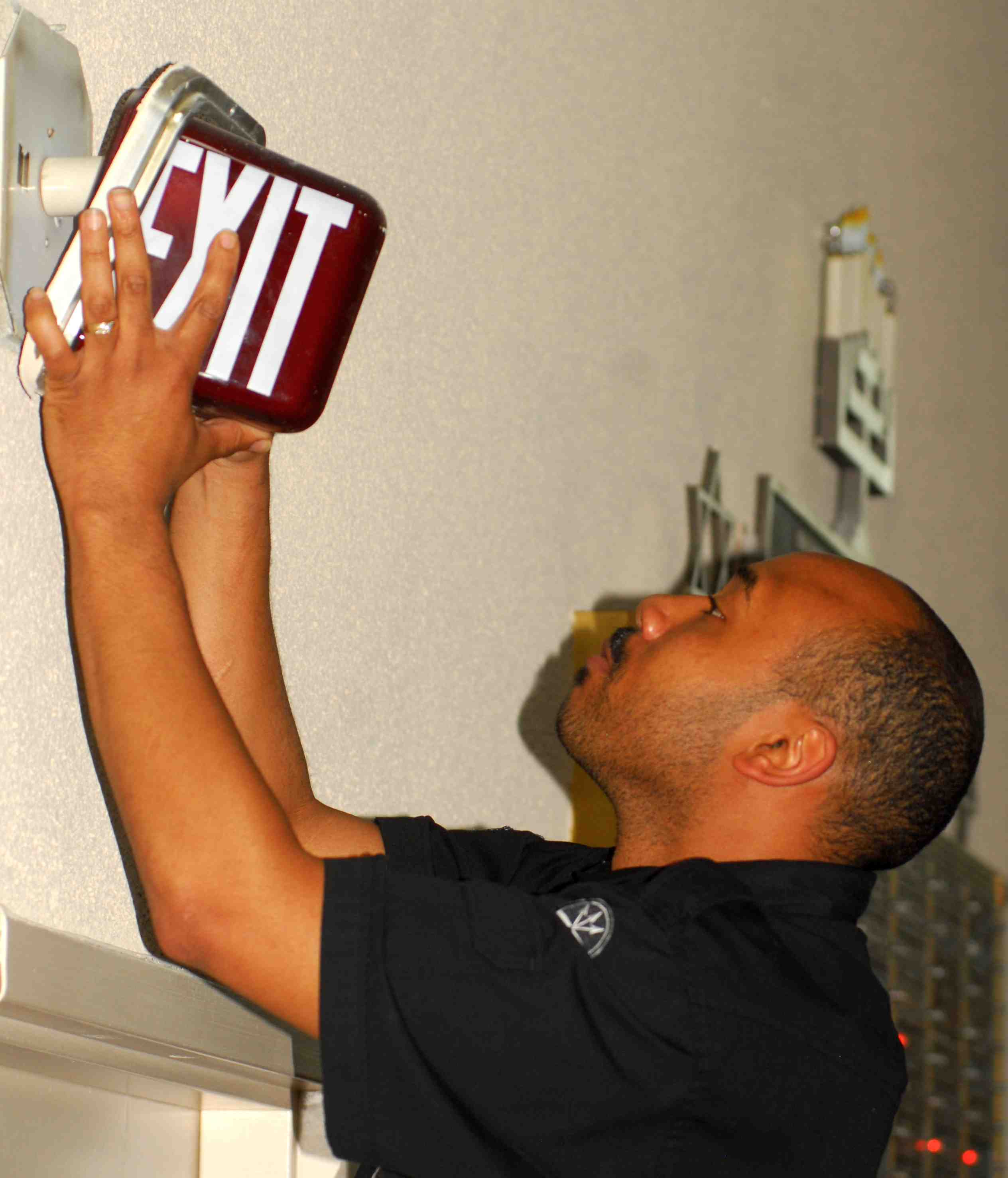
But step inside the capital city’s oldest Orthodox congregation, and you might notice a few new wrinkles: Modern LED-illuminated exit signs on the walls instead of the incandescent glass-covered ones that were there before. Brand-new T8 fluorescent lights rather than less efficient T12 lighting fixtures. Brightly colored recycling bins for plastics used in weekly Kiddush lunches. Individually adjustable air-conditioning units in the shul’s three offices — so the entire building doesn’t need to freeze just to keep those three offices comfortably cool.
Those little things add up to tens of thousands of dollars in potential energy savings. On May 16, the US Environmental Protection Agency will formally present Ohev Sholom its Energy Star achievement certification — meaning that the synagogue meets strict performance levels set by a government agency better known for regulating factory emissions and auto gas-mileage standards than presenting bronze plaques to houses of God.
“Ohev Sholom is proud to be the first synagogue in the country to earn the EPA’s Energy Star certification in recognition of our energy efficiency efforts,” said Rabbi Shmuel Herzfeld, whose shul (synagogue) was built in 1958 and has 300 member families.
Indeed, only 17 US religious institutions have won this certification since the program began in September 2009, and 16 of them are churches. Ohev Sholom is the only synagogue on the list — sandwiched alphabetically between Alabama’s Montevallo Presbyterian Church and Florida’s Plantation Baptist Church.
“This is the sort of distinction or bragging rights that means they are walking the talk,” says Jerry Lawson, EPA’s national manager for Energy Star small business and congregation networks. “They are practicing the energy stewardship that the faith tradition really teaches.”
A Big Green Star
The Green Star certification process, which began with Fortune 500 companies, is now available for office buildings, educational institutions, nursing homes and other public facilities. Earning that distinction simply means that a particular church or synagogue ranks in the upper 25% of energy efficiency of buildings of that type when measured in BTUs of energy use per square foot. And that also translates into savings of 25-30% when it comes to utility bills.
“Very often, the biggest energy savings come from low-cost or no-cost activities like being conscientious about maintenance, keeping filters clean or automating lights. A lot of these things are do-it-yourself,” said Lawson. “Typically, a lighting upgrade results in fairly radical savings, so we like to promote that.”
Jen Singer, who chairs Ohev Sholom’s Green Committee, said that soon after joining the shul in 2007, she started a recycling program, had the synagogue switch to eco-friendly cleaning supplies and launched an environmental education program for the children.
Last October, Singer and the shul’s executive director, Carol Valoris, began working on the energy component.
“I wanted to take the program to the next stage, so we joined the Greater Washington Interfaith Power and Light, a nonprofit organization that reaches out to houses of worship,” said Singer, an environmental consultant. “They did an informal energy audit in 2008 and found there were lots of places for us to make improvements, but we didn’t have a baseline of how much energy we consumed.”
Studying the energy bills
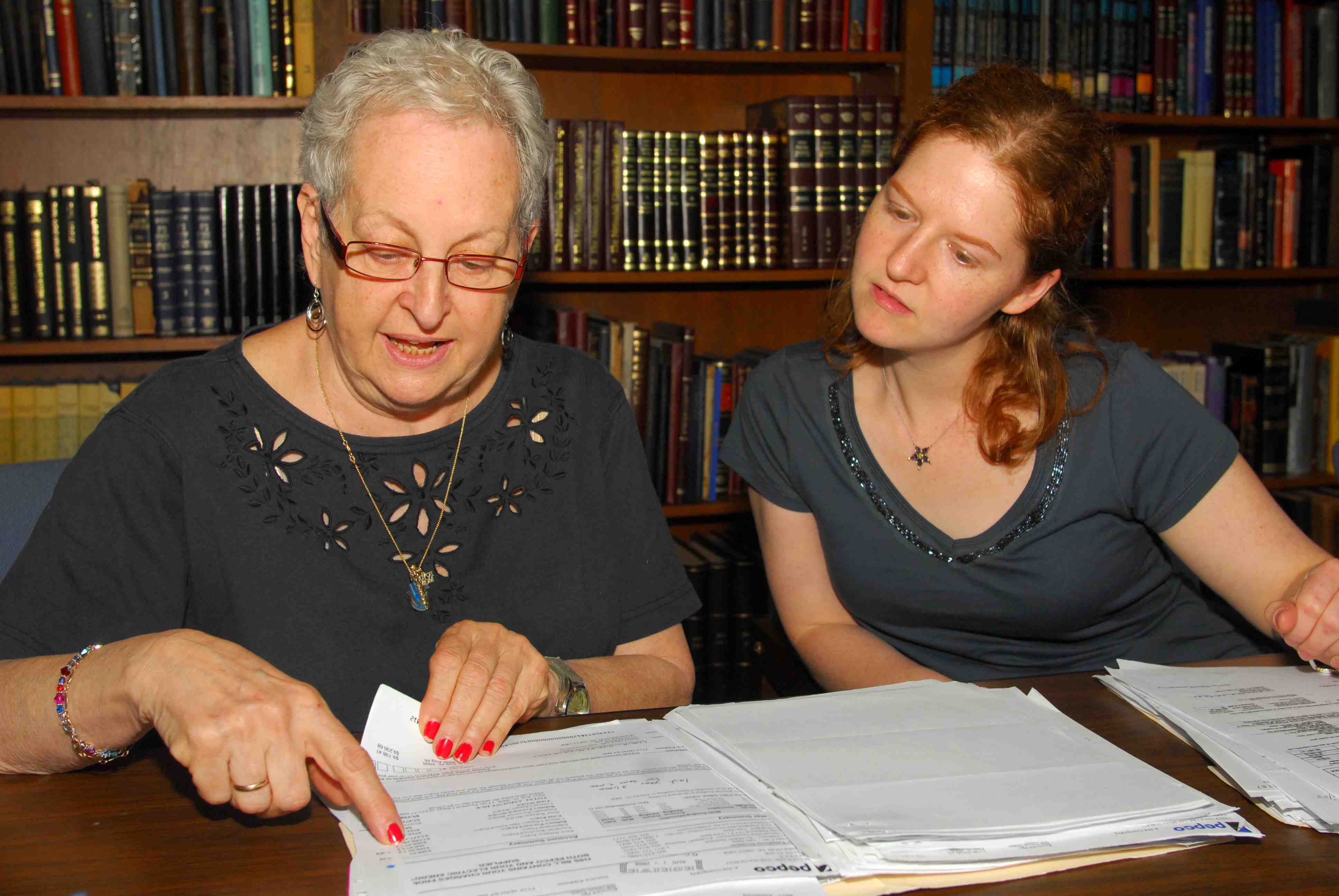
So Singer gathered together the synagogue’s utility bills for all fuel sources from 2008 to 2011. With help from EPA’s Portfolio Manager online tool, the synagogue used 2009 energy data as a baseline, with the period ending date of January 2010 and set a comparison year of 2010, with period ending date of January 2011.
Singer calculated specific ways the shul could cut its monthly electric bills, which often exceeded $2,000 a month.
For example, just changing the building’s 17 exit signs from those that use incandescent lamps to ones using light-emitting diodes (LEDs) cost Ohev Sholom $394.06 — but will save Ohev Sholom 102,244 kilowatt-hours, translating into energy savings of $10,424 over the lifetime of the product.
Consulted by rabbis, imams and preachers
“The rabbi has minyans three times a day. Because fewer people come to those than on Shabbat (Sabbath), he uses the small chapel rather than operate our giant sanctuary that’s 10 times as big, which we use on Shabbat and holidays,” she explained. “Synagogues that have the funds can put in solar panels, but they can also look at low-cost and no-cost measures to manage their buildings in a way that consumes less energy.”
The EPA’s Lawson said he’s spoken to rabbis, imams and preachers about making their respective houses of worship more energy-efficient.
In fact, the EPA is about to certify its first mosque, though Lawson wouldn’t say which one.
“One of the things we found that works really well is friendly competition. Some of my Reform and Reconstructionist friends have taken notice that an Orthodox synagogue was the first. Likewise, the Episcopalians and Methodists are saying they want to look good too,” he said. “We’re going to keep working with all the branches of Judaism until we get everyone in.”
More on the Jewish way of living green:
- Go off-line on Yom Kippur
- Avoid food waste on Passover (good advice anytime)
- Have a sweet and green Rosh HaShanah
This article was first printed by the Washington Jewish Week.