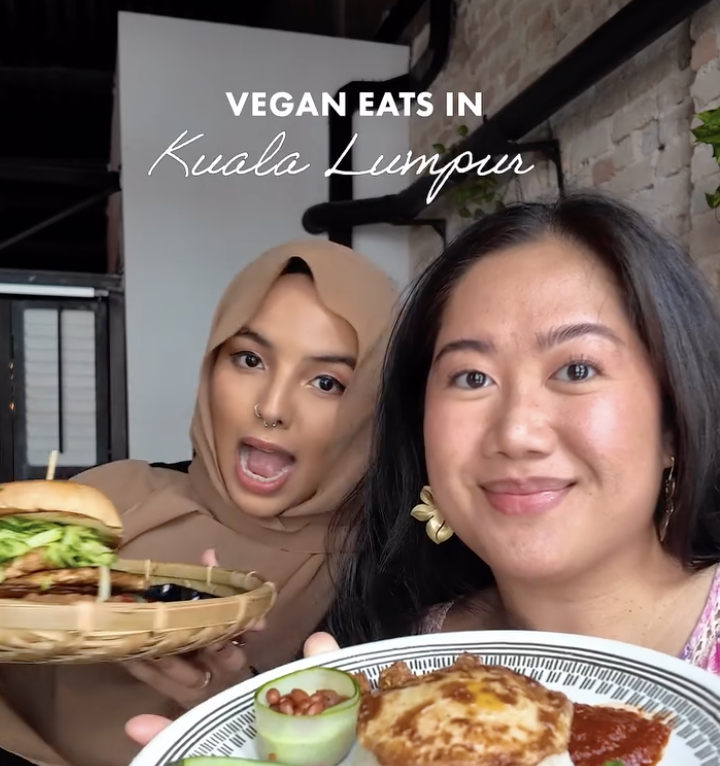

For many people outside Islam, the idea of a vegetarian Muslim sounds unusual. (This is what a Muslim vegetarian looks like). Images of Eid lamb feasts, halal kebab shops, and giant Ramadan buffets dominate perceptions of Muslim food culture. But quietly, across the Middle East, Europe, Southeast Asia, and North America, a growing number of Muslims are choosing vegetarian or vegan lifestyles for environmental, ethical, spiritual, and health reasons.
And according to most Islamic scholars, there is nothing in Islam that says Muslims must eat meat. Islam allows meat consumption, but it does not require it. In fact, many Muslim thinkers throughout history promoted compassion toward animals, moderation in eating, and avoiding waste.
The Quran repeatedly calls humans “stewards” of the Earth, responsible for balance and care for creation. For some modern Muslims, that responsibility now includes reducing meat consumption because of factory farming, climate change, water shortages, and animal cruelty. Jews who normally eat meat on Friday nights are also part of the trend.
Halal does not mean meat is mandatory
One of the biggest misunderstandings is the idea that because halal meat is permitted, Muslims are somehow expected to eat it. But Islamic dietary law mainly focuses on what is allowed and forbidden. Vegetarian food is generally considered halal as long as it contains no alcohol or forbidden ingredients. Read here why Muslims don’t drink alcohol.
Most Islamic scholars agree that Muslims may choose vegetarian or vegan diets for personal reasons including health, ethics, spirituality, or environmental concerns.
Islam and compassion for animals
Animal welfare has deep roots in Islamic teaching. Prophet Muhammad taught kindness toward animals and condemned cruelty. Islamic tradition includes stories warning against overworking animals, mistreating them, or killing unnecessarily. Of course when we hear about horrific forms of animal abuse in Jordan, Hebron or Turkey where a million dogs were killed last year, that does not define a religion. That’s a human interpretation of it.
Modern Muslim scholars like Basheer Ahmad Masri argued that industrial factory farming violates Islamic principles of compassion and humane treatment. Masri believed many Muslims would reject industrial meat production if they fully understood the suffering involved. Read here about the time when Daniella Cheslow got close to her meat during an Eid sacrifice.
This debate has become more urgent as industrial meat production expands across the Gulf states and wider Middle East as more and more people earn greater sums of money for food such as meat.
Saudi Arabia and the UAE are investing heavily in food security projects, including lab-grown meat, vertical farming, and plant-based foods. Dubai has even hosted vegan festivals and sustainable food summits as governments try to reduce the environmental costs of imported meat.
Young Muslims are changing food culture
Social media has helped create a visible community of vegetarian and vegan Muslims. On TikTok, Instagram, and YouTube, Muslim creators now share vegan Ramadan meals, plant-based iftars, halal vegan recipes, and discussions about animal ethics in Islam. (Reach out to us if you want featured on Green Prophet!)
A complicated issue during Eid
One of the biggest tensions for vegetarian Muslims comes during Eid al-Adha, the Islamic holiday involving animal sacrifice. For many Muslim families, meat is deeply connected to tradition, hospitality, and religious celebration.
Some vegetarian Muslims still participate symbolically by donating money for charitable food distribution rather than personally consuming meat. Others focus on the Quranic message behind the sacrifice: generosity, gratitude, and helping the poor.
The issue can become emotional because food is tied closely to family identity and culture.
In some communities, vegetarian Muslims face criticism or are told their lifestyle is “Western” or un-Islamic. But historically, vegetarian practices existed among certain Sufi traditions and Muslim spiritual movements for centuries.
The future of halal may be greener
The halal food market is now worth trillions globally, and companies are beginning to notice growing demand for halal-certified vegetarian and vegan products.
Plant-based shawarma, vegan kebabs, meatless biryani, and dairy-free desserts are appearing in Muslim-majority countries and diaspora communities alike. They are particularly visible in cities like Berlin, where every second shawarma seems to be vegan.
In places facing climate pressure and water scarcity, including much of the Middle East, reducing dependence on industrial meat could become less of a niche lifestyle and more of a practical necessity. For many Muslims, vegetarianism is no longer seen as rejecting Islam.
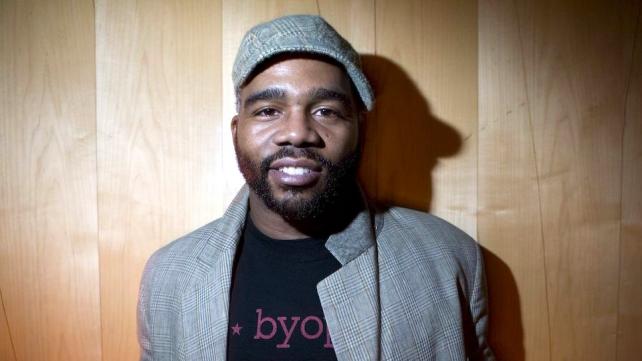
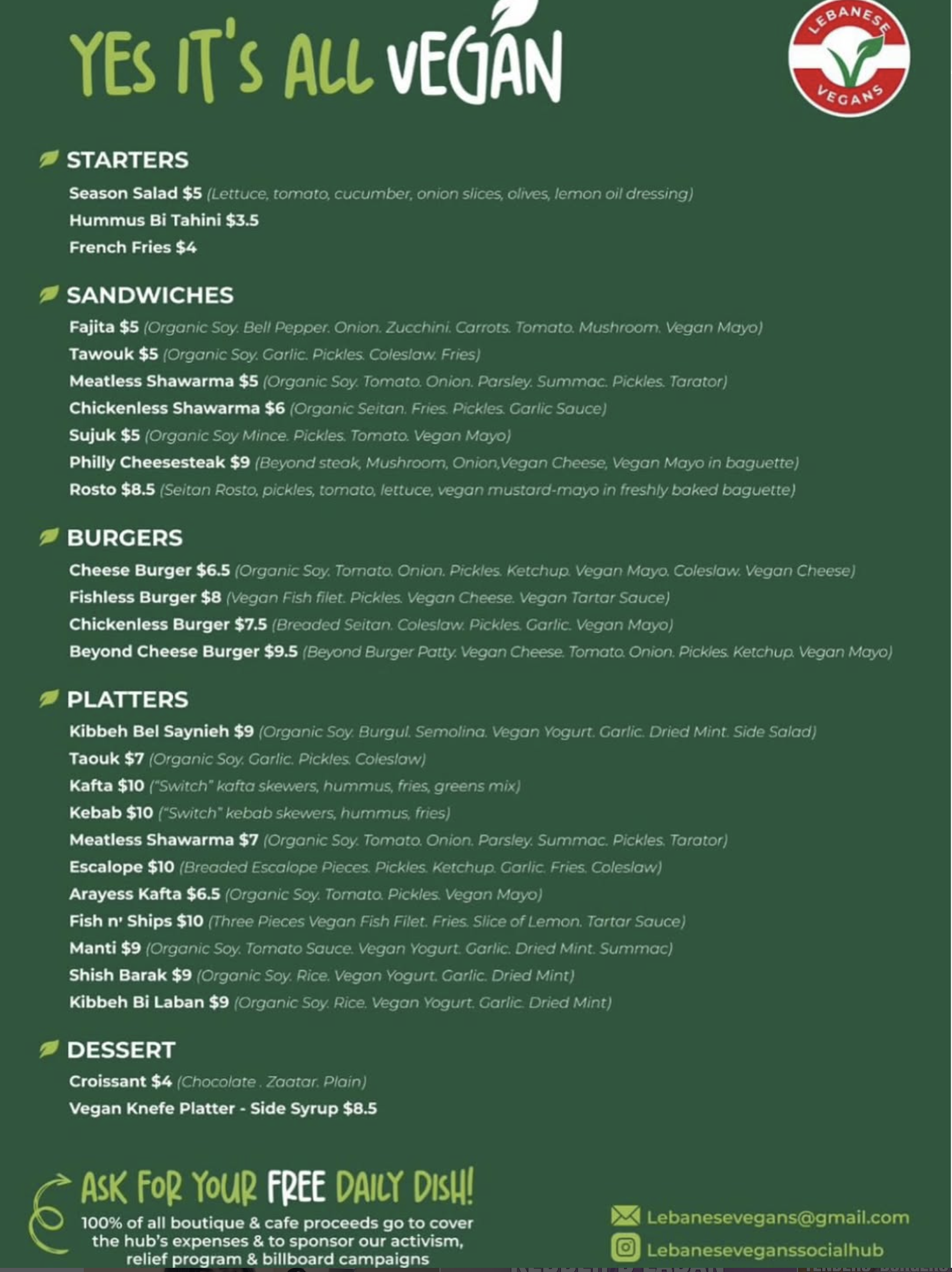
In memory of Green Deen Ibrahim Abdul Matin. To learn more about Christian and Muslim vegetarians in the Middle East, reach out to Lebanese Vegans. They offer free vegan meals to those in need. A sample menu is below.
The top image is of vegan Muslims via the Kampungvegan