
The fuel pumps don’t lie. When oil prices spike, everyone pays, and lately, we have all been feeling the pain.
But the effects of this energy shock may be felt in places you might not expect: in the price of the clothes we wear.
Oil is not just what powers the ships that carry our clothes around the world. It is what most of our clothes are made of, appearing in materials such as polyester, nylon and acrylic, all derived from petrochemicals. And that is how the disruption of oil markets is driving the cost of textile production. Industry experts are already predicting a 20-25% jump in the prices of polyester, and it is only a matter of time before it reaches Irish shops.
So, what should you keep in mind when shopping for your next outfit?
It starts with the fabric
Most clothes are not designed with their end of life in mind. When a garment ends up in a landfill, everything that went into it – the water, the energy, the oil – loses value, and turns into waste that releases microplastics and other harmful chemicals into our water, land and air. Fast fashion giants, like Shein and Temu, have been identified as the biggest polluters in the industry, and France has even introduced a tax targeting their low price points.
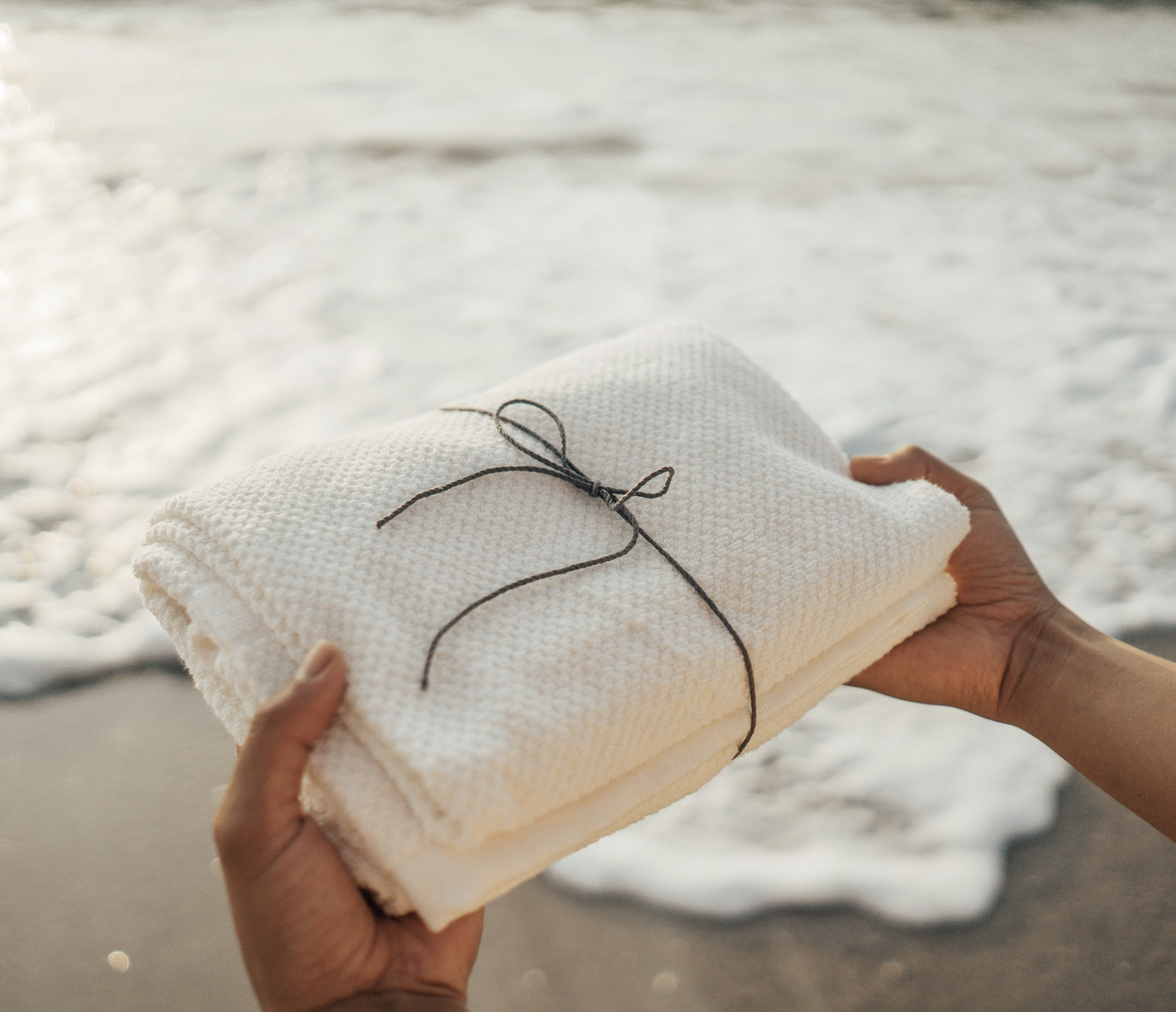
Natural fibres, like hemp, wool and cotton, along with newer materials like lyocell, need to move back into focus, both because they are less tied to oil and better for our health. In fact, emerging research suggests that prolonged exposure to synthetic fibres may harm reproductive health, as featured in the Plastic Detox documentary.
Follow the thread
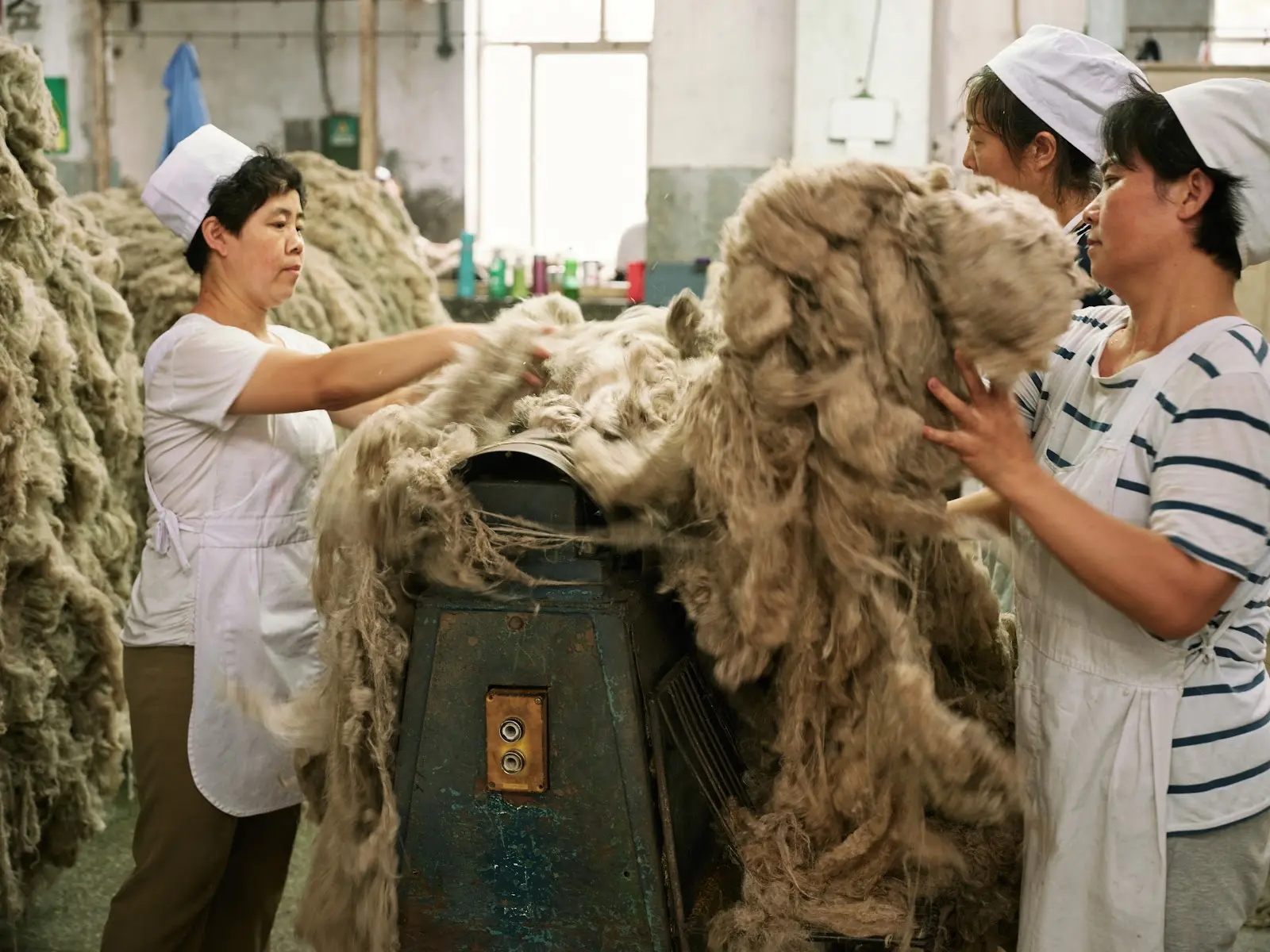
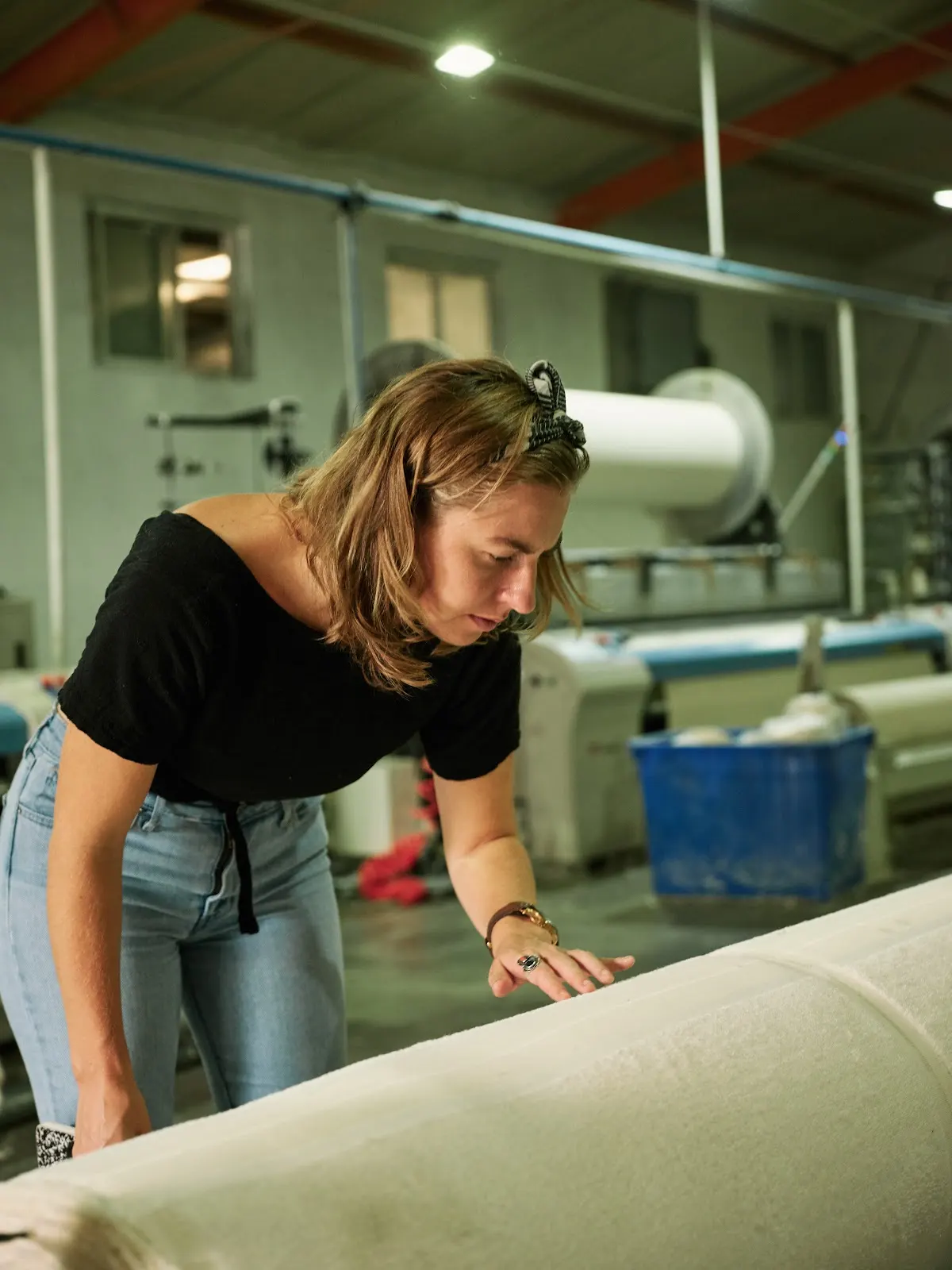
Much of fashion’s environmental impact and cost risk sits far from what we see on the shop shelves. Up to 96% of emissions happen at the start of the supply chain, in the mills and dyehouses, where raw materials become fabrics. That is where the oil shock hits first.
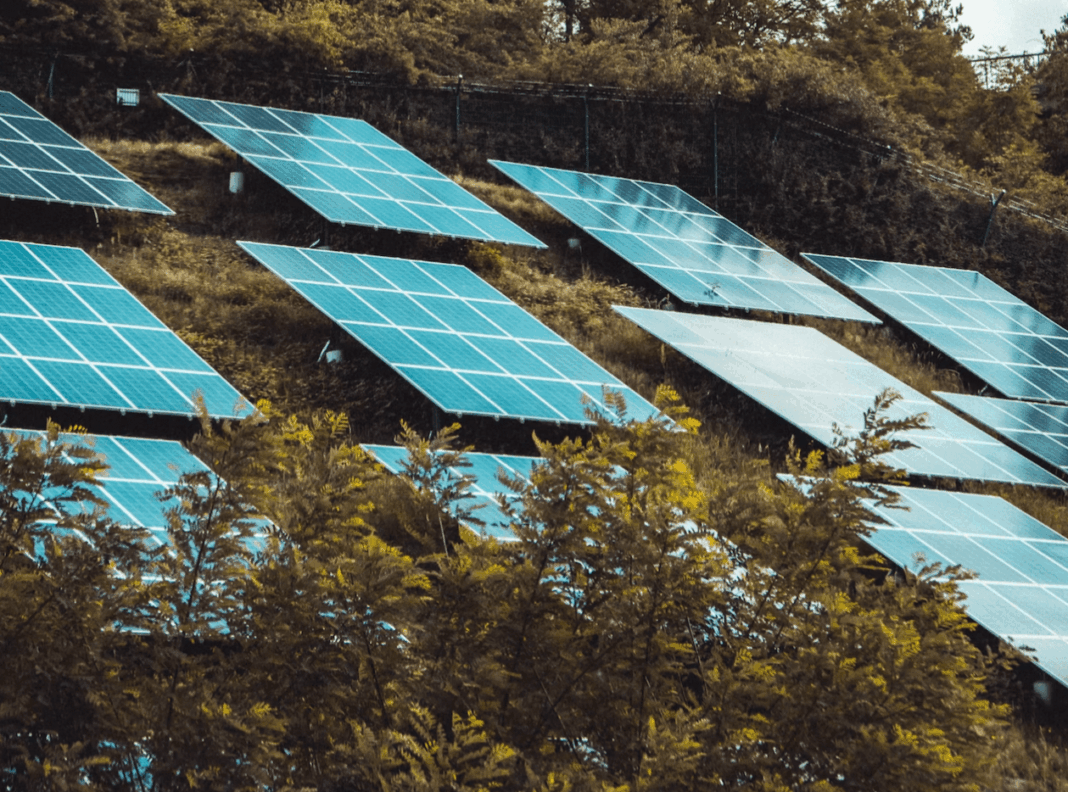
Brands can get ahead of this by investing in renewable energy for their factories, shortening supply chains and experimenting with less resource-intensive processes.
Using impact measurement tools, like Green Story, companies can identify where their emission hotspots are. Puma, for example, introduced a climate transition plan, requiring suppliers to cut emissions. Smaller labels, like Ireland’s Eye, are building their identity around lower-impact production. Industry-wide initiatives, like the Climate Pledge, are bringing companies together to drive joint action.
Dyeing fabric is one of fashion’s most polluting processes, highly intensive in water, chemicals and energy. Waterless dyeing solutions and undyed fabric approaches can reduce environmental impact and improve cost efficiencies.
Asking brands where and how their clothes are made is the most useful question a consumer can ask if you want to make more sustainable choices.
Natural wool and cotton
There is another structural issue in fashion that rarely makes it into the conversation. The twice-yearly wardrobe reset was invented by the fashion industry to sell more clothes. In order to keep up with this, fashion’s production calendar is an 18- to 20-month cycle from design to shop floor. It means that brands are currently finalising collections for spring 2028, committing to volume and materials for garments whose demand they can only guess at. The inevitable result is systemic overproduction, with 40% of garments never sold.
The markdown cycle that follows devalues the brand, trains customers to wait for discounts, and compresses the margins that might otherwise fund the transition to better materials and methods.
Technology is beginning to address this. AI-driven demand forecasting and machine learning models can draw on historical sales, social media signals, weather patterns and macroeconomic indicators, aligning production far more closely with actual demand.
Related: Hemp textiles pave the way for a regenerative
At the same time, 3D digital sampling can remove weeks of spinning, programming, weaving, cutting, sewing and shipping physical samples back and forth before production can begin. Adidas has already deployed it for its Futurecraft 4D footwear. These innovations can make production processes more efficient, shortening supply chains and increasing their resilience in the face of geopolitical disruptions.
Then there are the lower-tech shifts: make fewer things, make them better, and make them last. Some luxury brands like Gucci and Prada have already abandoned the seasonal calendar. This way, brands are not racing to clear last season’s stock; they can charge full price for longer. Consumer behaviour is moving in the same direction, with younger shoppers gravitating toward clothes worth keeping, repairing and reselling.
Small acts, compounding effects
While the transformation we need cannot happen without consistent climate action from governments and industry, individual choices play a role in how markets shift. Demand shapes supply. And with a sundress season approaching, it’s a great moment to reflect on how to choose what to wear, integrating sustainability into your style.
That does not mean transforming your wardrobe overnight, but we can look at buying clothes made of natural fibres as an investment in renewables.
A comment on social media, an email to a brand asking what to do with a product when you are done with it. These small acts add up. And at the end of the day, clothes that make you happy every time you put them on are rarely the ones you bought on an impulse on sale. They are the ones made with care and designed to last, better for your wallet and for the planet.
Brianna Kilcullen, CEO of Anact
Brianna Kilcullen is the founder and CEO of Anact, a producer of sustainable towels made from hemp and organic cotton. Brianna is a symbol of how small choices can spark systemic change, and is a leading voice advocating for regenerative, localized manufacturing and the opportunity of hemp to revolutionize the textile supply chain.
Her mission is to challenge the outdated systems of the industry and inspire others to act by creating products, policies, and partnerships that prioritize people and the planet. Prior to starting Anact, Brianna worked in the apparel industry for prAna, a subsidiary of Columbia Sportswear and Under Armour. She is a proud citizen in the US and Ireland, and has traveled to more than 40 countries, working in factories on almost every continent. Brianna has appeared on numerous podcasts and in online publications like Politico. Brianna has authored opinion pieces and writes her own blog.