
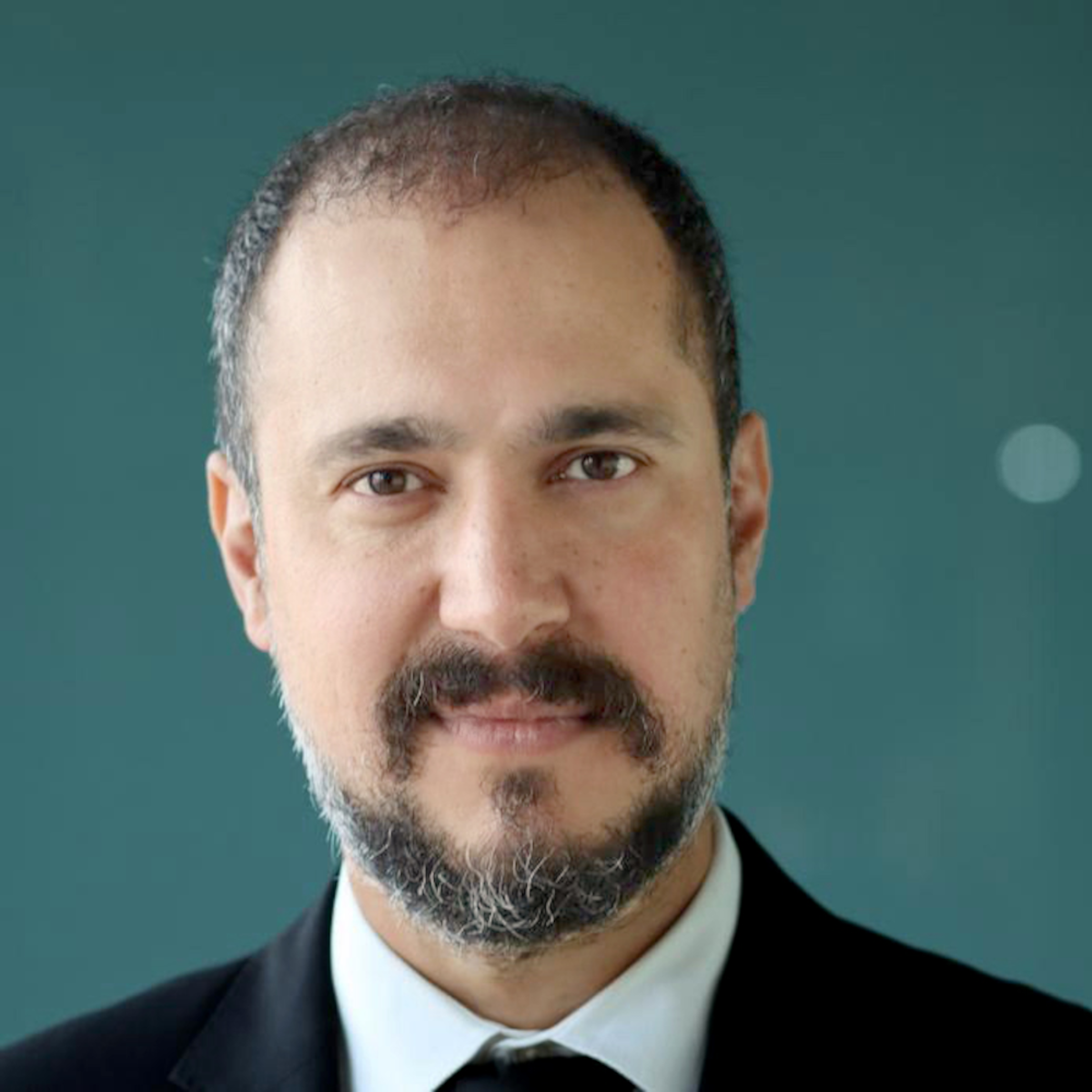
At a time when Iran is again in the headlines for war, conflict, and fire, a different story emerges. It is a story about water, truth, and survival. Kaveh Madani, once branded a “water terrorist” in his own country of Iran, has been named the 2026 laureate of the Stockholm Water Prize, often called the Nobel Prize of water.
It is a striking reversal. A scientist exiled for telling inconvenient truths about water scarcity is now being honored on the global stage for the very same work.
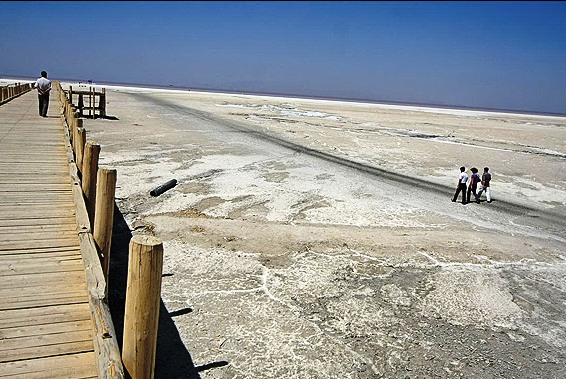
Madani, now director of the United Nations University Institute for Water, Environment and Health, has spent his career confronting one of the most uncomfortable realities of our time. The world is not facing a temporary water crisis. It is entering what he calls “water bankruptcy.” This is not semantics. It is a shift in how we understand collapse. In his own country aquifers and water resources are being bled dry. Lakes, like Lake Urmia, have completely vanished from overuse.
Madani’s framing is simple and devastating. Humanity is no longer living off the renewable flow of water. We are draining ancient reserves, aquifers built over millennia, spending down the planet’s savings account with no plan to repay it. For countries like Iran, this is not theoretical.
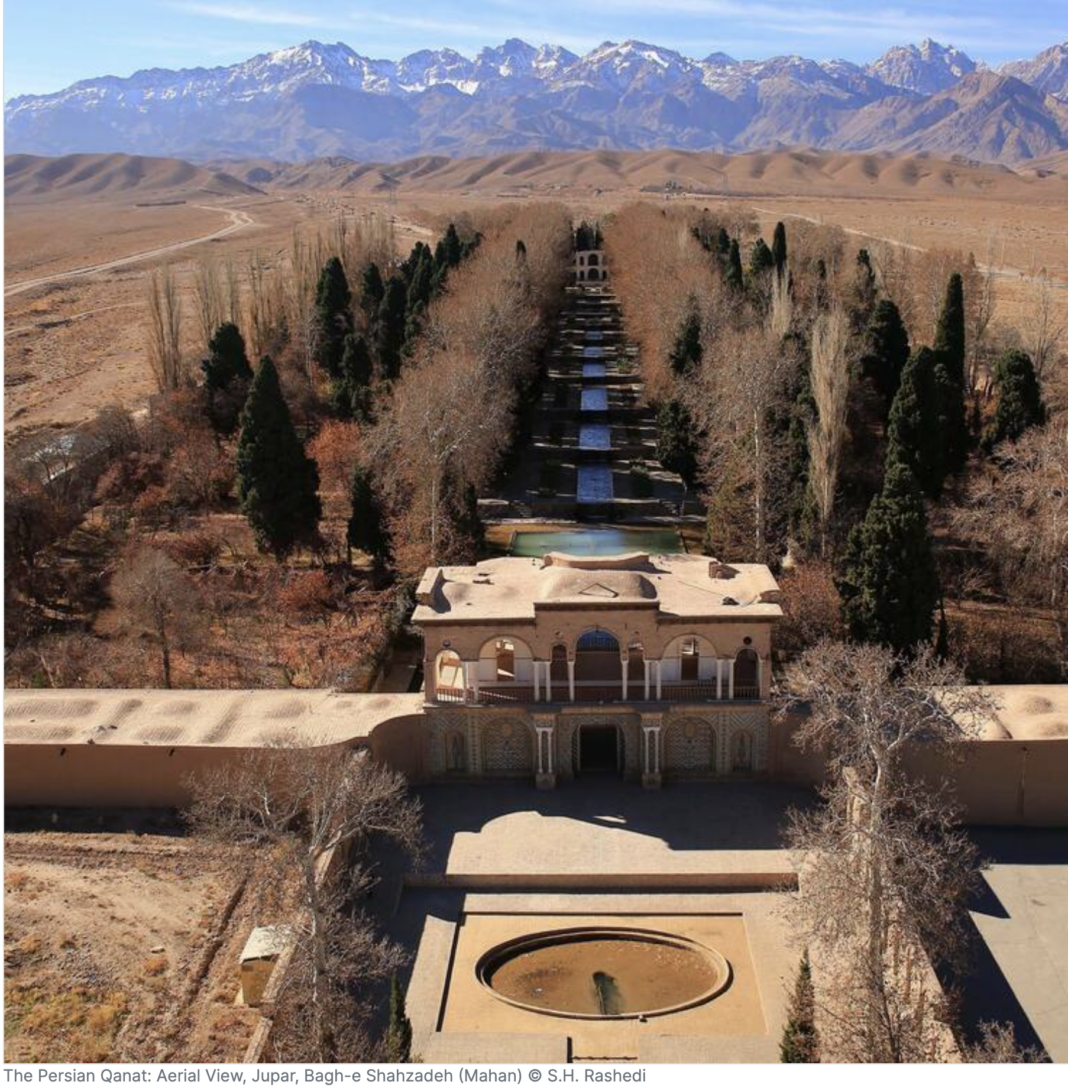
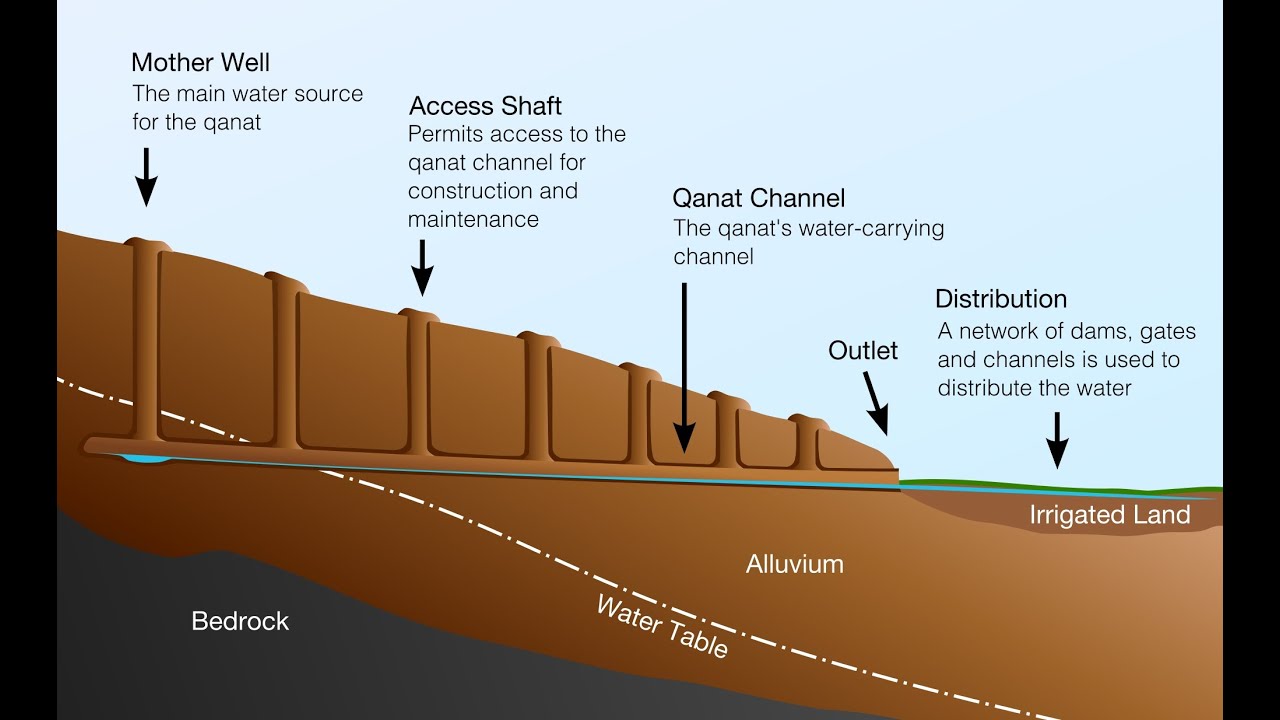
Born in Tehran, Madani grew up inside a system already under stress. He trained as a civil engineer, studied water systems in Sweden, and earned his doctorate in California (like our beloved architect Nader Kahlili). By his early 30s, he was teaching at Imperial College London, one of the world’s leading institutions. Iran, readers should know, was the inventor of the ancient qanat system. They had water aquaducts figured out before the Romans.
Then he did something unusual. He went back.
In 2017, he returned to Iran to serve as Deputy Vice President and Deputy Head of the Department of Environment. It was a move filled with risk working with the regime there, but also hope. His calls for transparency, reform, and honest accounting of Iran’s water crisis collided with entrenched power in the Islamic regime. He was accused of espionage, labeled a threat, and targeted by security forces. Friends and colleagues were arrested. One of his friends died in custody.
Madani fled and then rebuilt his work, moving through Yale and eventually to the United Nations, where he now leads one of the world’s most influential water think tanks. The voice that was silenced at home now advises governments across the globe.
Today Madani challenged a core assumption in water management. That people cooperate. Using game theory, he showed that in reality, individuals, regions, and nations often act in their own interest, even when it leads to collective failure. Water conflicts are not engineering problems alone. They are human ones.
This insight has reshaped how water systems are modeled, negotiated, and governed, especially in regions where trust is thin and resources are shared across borders.
With nearly a million followers online, he has become one of the most visible environmental scientists in the world. He speaks plainly, often bluntly, translating complex hydrology into something people can understand which is the language of survival.
Water is not just about taps and rivers. It is about food, energy, migration, and peace.
He was also one of the first to push water into the climate conversation at the highest level. At COP23, he criticized the lack of attention to water in the Paris Agreement, a gap that still lingers today. Now, as director of the UN’s water institute, he continues to press that point. Without water, there is no climate solution.
The Stockholm Water Prize citation recognizes not just his research, but his ability to turn science into policy and public understanding, often under personal risk.
In his acceptance remarks, he spoke of Nowruz, the Persian New Year, where water symbolizes light and purity. For him, the prize is not personal. It is shared with those who stood by him, and with those who paid a higher price for protecting nature.
In a press release sent to Green Prophet, Madami says: “In the Persian tradition of Nowruz, water is a symbol of light and purity on our New Year table. To be named the Stockholm Water Prize Laureate at this specific moment is a vindication I share with all Iranians who believed in me when I was labeled a ‘threat’ for simply speaking the truth. I accept this honor with profound humility, and I am deeply grateful to my nominators, the selection committee, and the mentors, colleagues, and students who have been my intellectual family throughout this journey.
“I share this award with the millions of compatriots who stood by me, with my friends in the conservation community, who were imprisoned and killed for their love of nature, and with the brave and innocent Iranian lives taken from us in January 2026, and those lost before and since.”
“It is a profound coincidence that this news arrives as my country and the region whose sustainability I have fought for have been burning in the fires of conflicts and a war being conducted in defiance of international law.
“I hope that in the midst of this fragmented world, this Prize and World Water Day serve as a reminder that water does not wait for politics. Water bankruptcy is a common threat that transcends every military line. We must recognize our shared vulnerability if we are ever to find our shared peace.”