
Credit: PETA
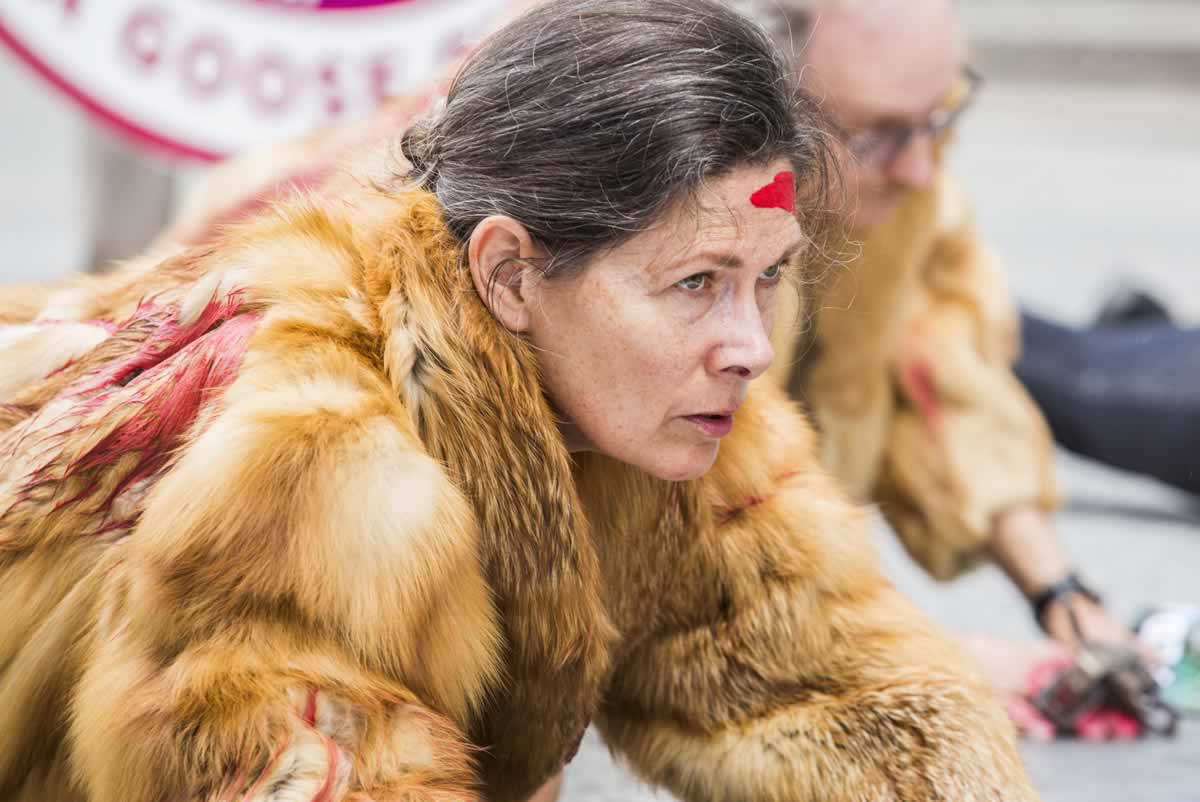
Remember PETA? The group of animal activists that threw paint on fancy women wearing fur to shame them out of fox stoles and mink?
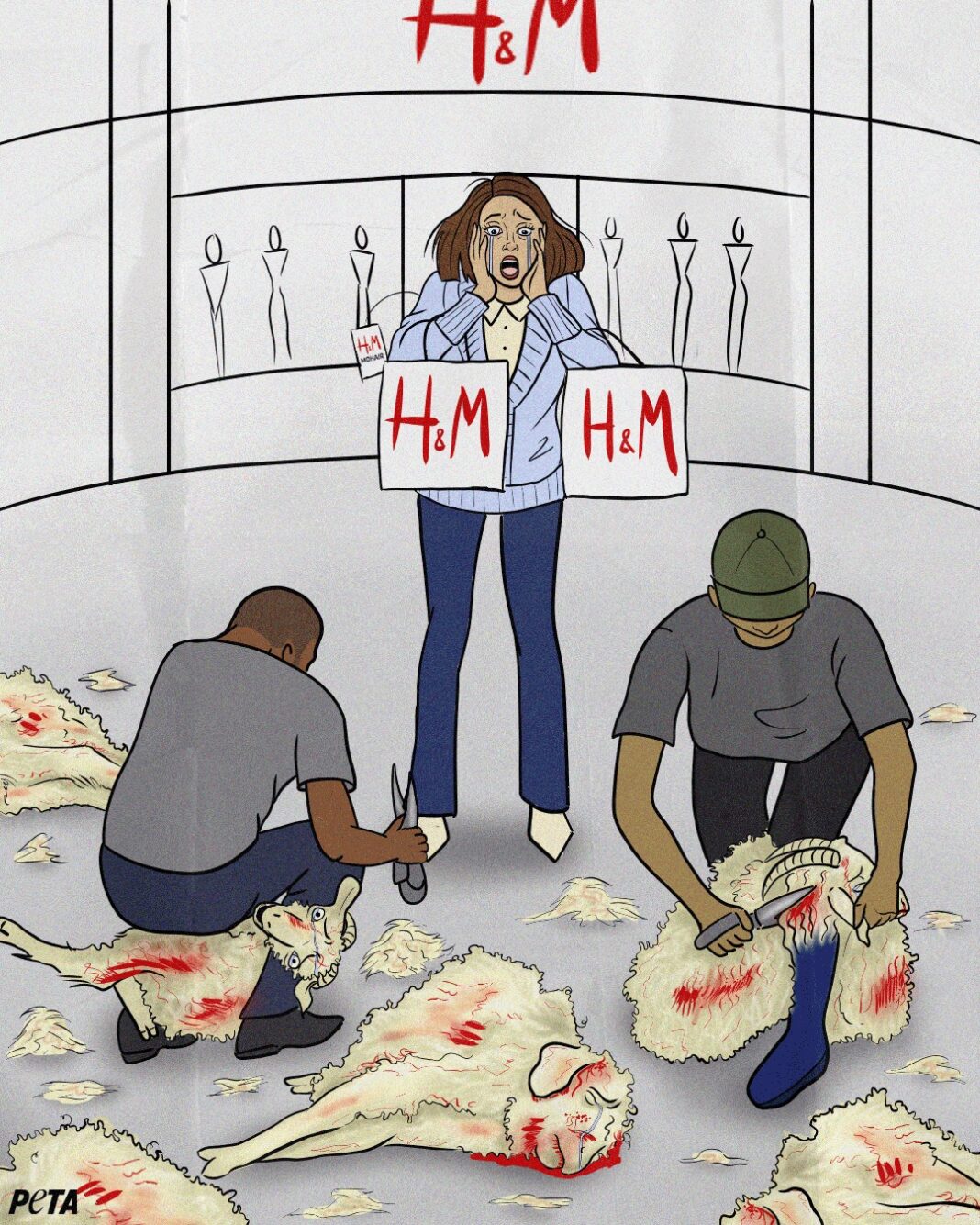
The same animal rights group – People for the Ethical Treatment of Animals – is once again finding targets for animal abuse and this time it’s H&M. PETA sent Green Prophet a press release that they are filing a shareholder resolution that asks the fashion giant to reinstate a ban on mohair, the fiber made from Angora goat hair.
“H&M can’t claim to care about animals while supporting the mohair industry, which mutilates, whips, and drags terrified goats to their deaths,” says PETA President Tracy Reiman. “The only humane materials are vegan, and PETA is calling on H&M to ban mohair immediately.”
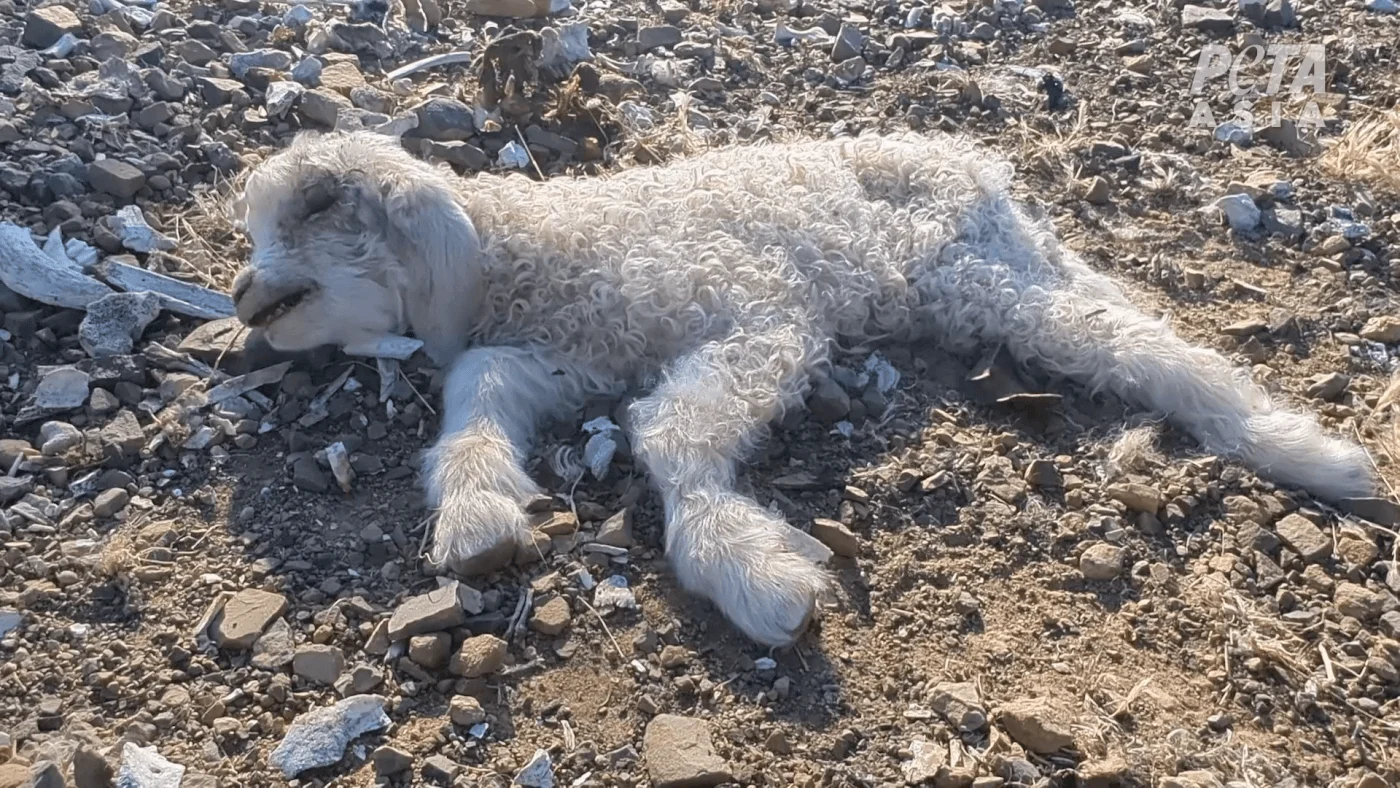
The move follows a new investigation by PETA Asia, which the group says shows goats being beaten, cut and left injured at farms certified under the Responsible Mohair Standard (RMS), a certification system meant to ensure animal welfare in the supply chain. According to PETA, one of the farms investigated supplies fiber through BKB, one of the world’s largest mohair exporters and a partner to global apparel brands.
The dispute highlights a familiar cycle in the fashion industry. In 2018, H&M suspended the use of mohair after reviewing earlier undercover footage from farms in South Africa that appeared to show rough shearing practices and the slaughter of goats. The company later reintroduced mohair in 2020, saying it would only source the fiber from farms certified under the Responsible Mohair Standard.

“I struggle to understand the contradiction of PETA,” says Alexander Smith, the Founder of Alexander Night, London College of Fashion Bespoke, “they seem to go hard on animal welfare yet they give their PETA certificate to brands who use vegan (plastic) leather, polyester and other synthetic materials that in my opinion cause more harm to animals than the leather and fur industry because they harm every single life form on the planet and will continue to do so for the 100+ years they’re on it.”
PETA argues the certification does not adequately protect animals and is now using shareholder activism to push the issue back onto the company’s agenda. Shareholder resolutions are a tactic increasingly used by environmental and social campaigners to force companies to address ethical concerns at annual meetings.
Peta showed “12 South African farms that revealed goat kids crying out in fear as they were roughly handled and shorn, and a worker slowly cutting the throats of fully conscious goats with a dull knife and then breaking their necks.”
Mohair has long been prized by fashion brands for its soft, glossy fibers used in sweaters, scarves and luxury knits. But it has also become a target for animal welfare campaigns.
According to PETA, nearly 300 fashion retailers have banned mohair in recent years following investigations into the industry. Those companies include Zara, Gap, Banana Republic, UNIQLO and Ralph Lauren, among others.
The question is whether campaigns like this still carry the same influence they once did. In the late 2010s, PETA investigations helped push several fashion houses away from fur, angora wool and exotic skins, accelerating the rise of plant-based textiles and synthetic alternatives.

Today the debate is shifting toward sustainable materials, circular fashion and lower-carbon textiles, where animal welfare is only one piece of a larger environmental conversation.
If you want to shop sustainable fibers, try my favorite sweater maker babaa. I own 3 sweaters. Look for mohair in second hand shops or your grandma’s closet. Want to get involved? Download this animal empathy kit and share it with your friends.