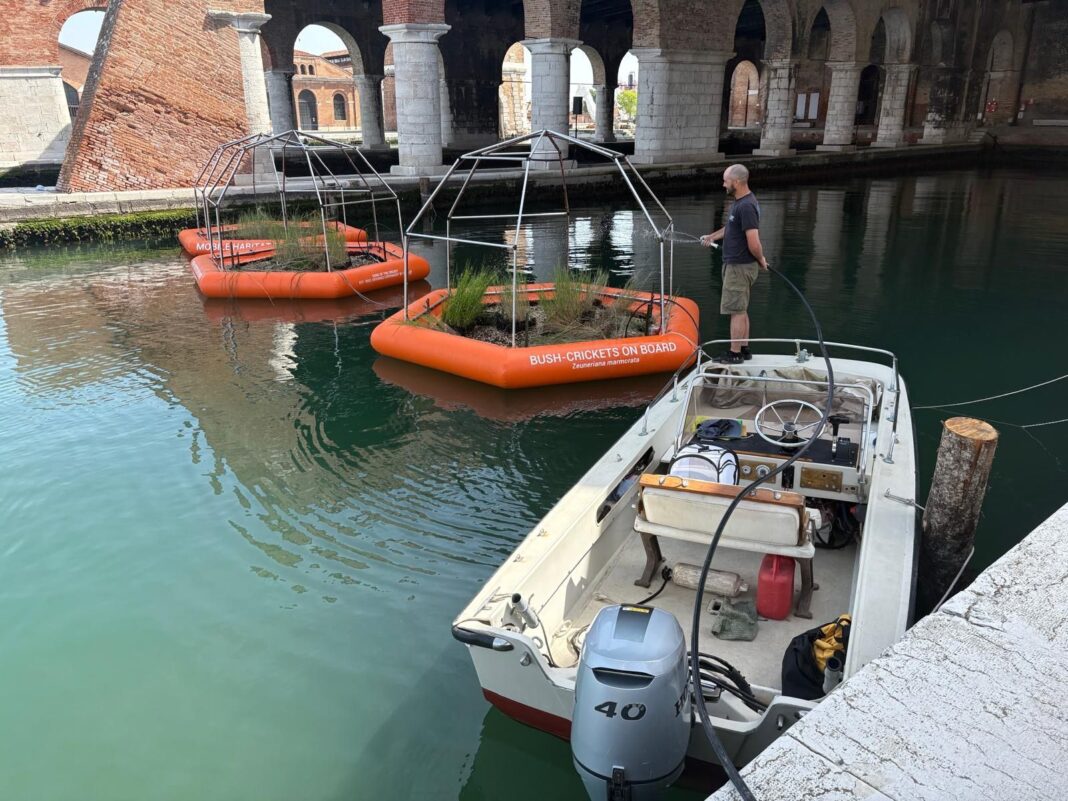


I live in the Mediterranean and this past winter (which is as warm as a New York spring) I had a cricket living outside my window. Every night at dusk he would start up his legs –– at first with a squeaky creak –– and he would ratchet it up to a steady sing for us a marvelous song that would last a few hours. I’d go out and check on him sometimes, hoping to keep him safe but eventually he moved on, or died. My friends say crickets in their garden is their bedtime nightmare. I was dreaming of keeping crickets for my lullabies and the scientists and musicians from Melbourne have helped my dreams come true.
In Venice, sustainability isn’t just a theme—it’s a living, breathing force at the 19th International Architecture Exhibition of La Biennale di Venezia, opening Saturday, May 10.
Among the standout exhibits this year is “Song of the Cricket”, a groundbreaking fusion of ecological conservation and interactive sound art brought to life by researchers from the University of Melbourne.
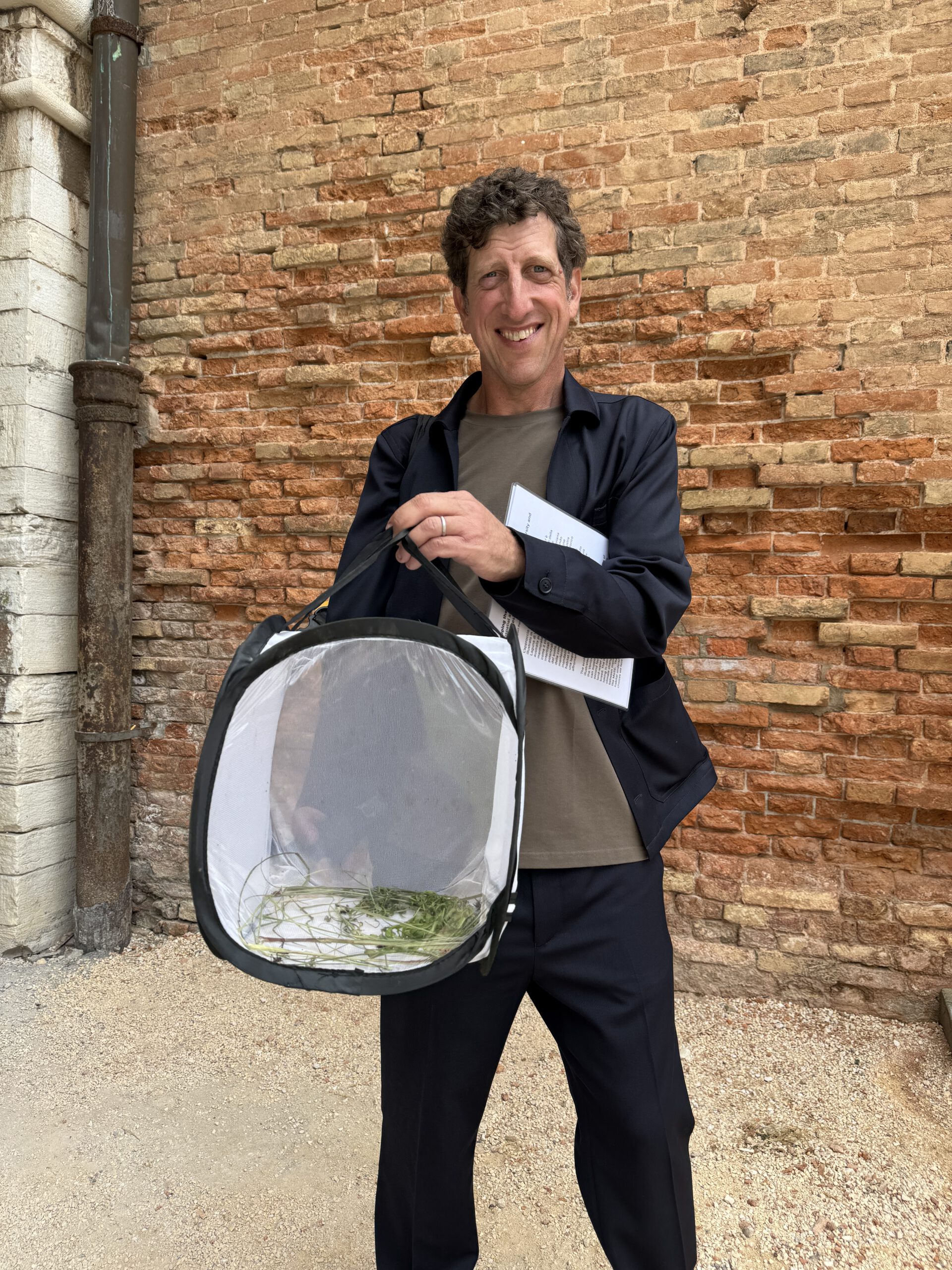
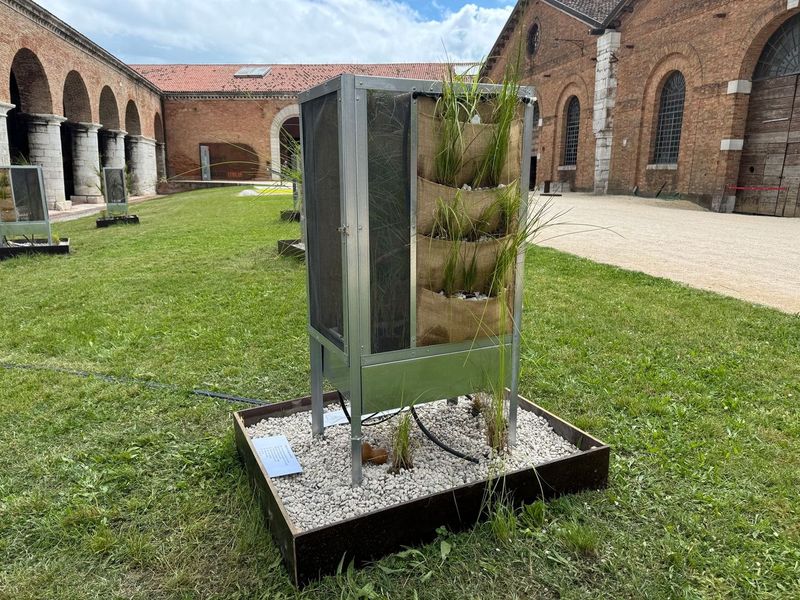
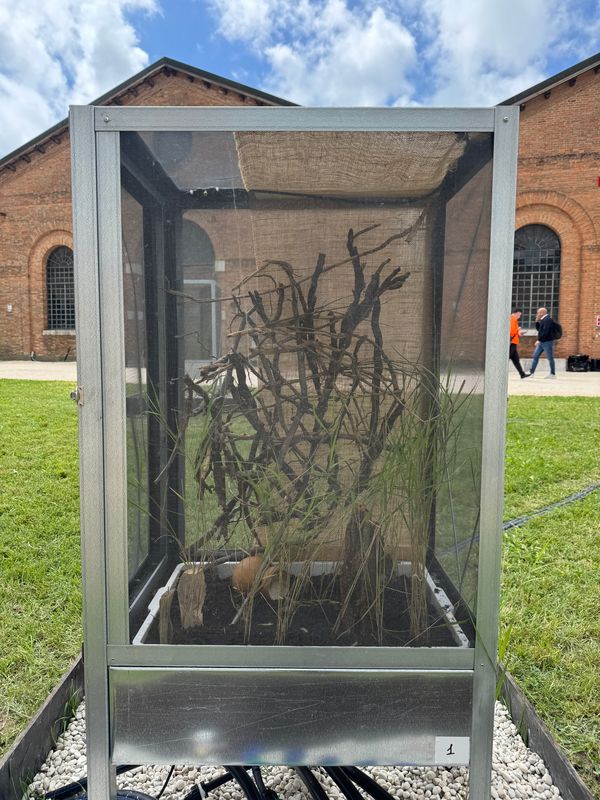
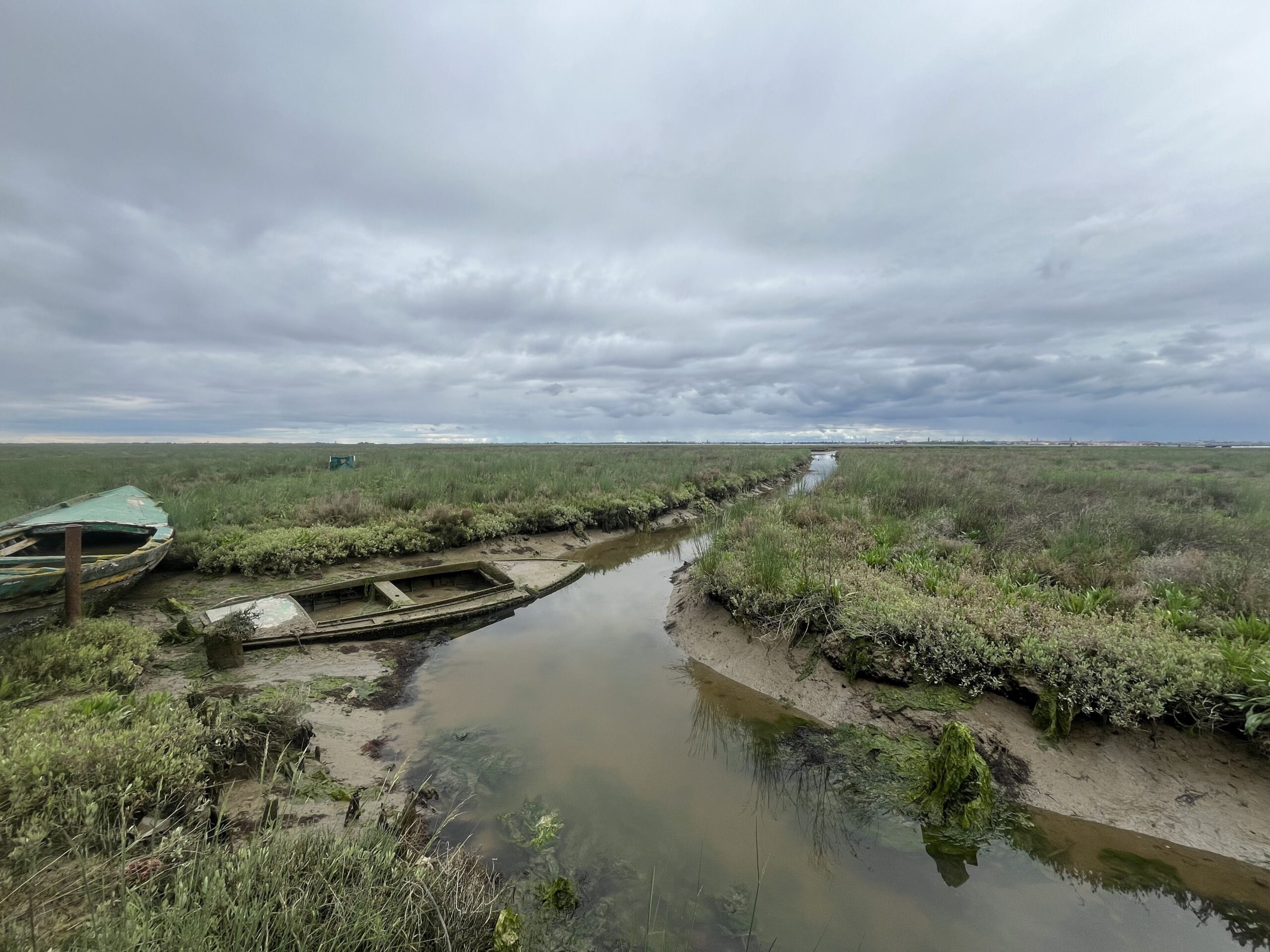
Set in the heart of the Venice lagoon, the installation highlights the precarious status of the Adriatic Marbled Bush-Cricket, a once-common singing insect whose habitat has been reduced to a mere 0.57 square kilometers. Fewer than 5,000 adults are estimated to remain. But this project aims to change that.
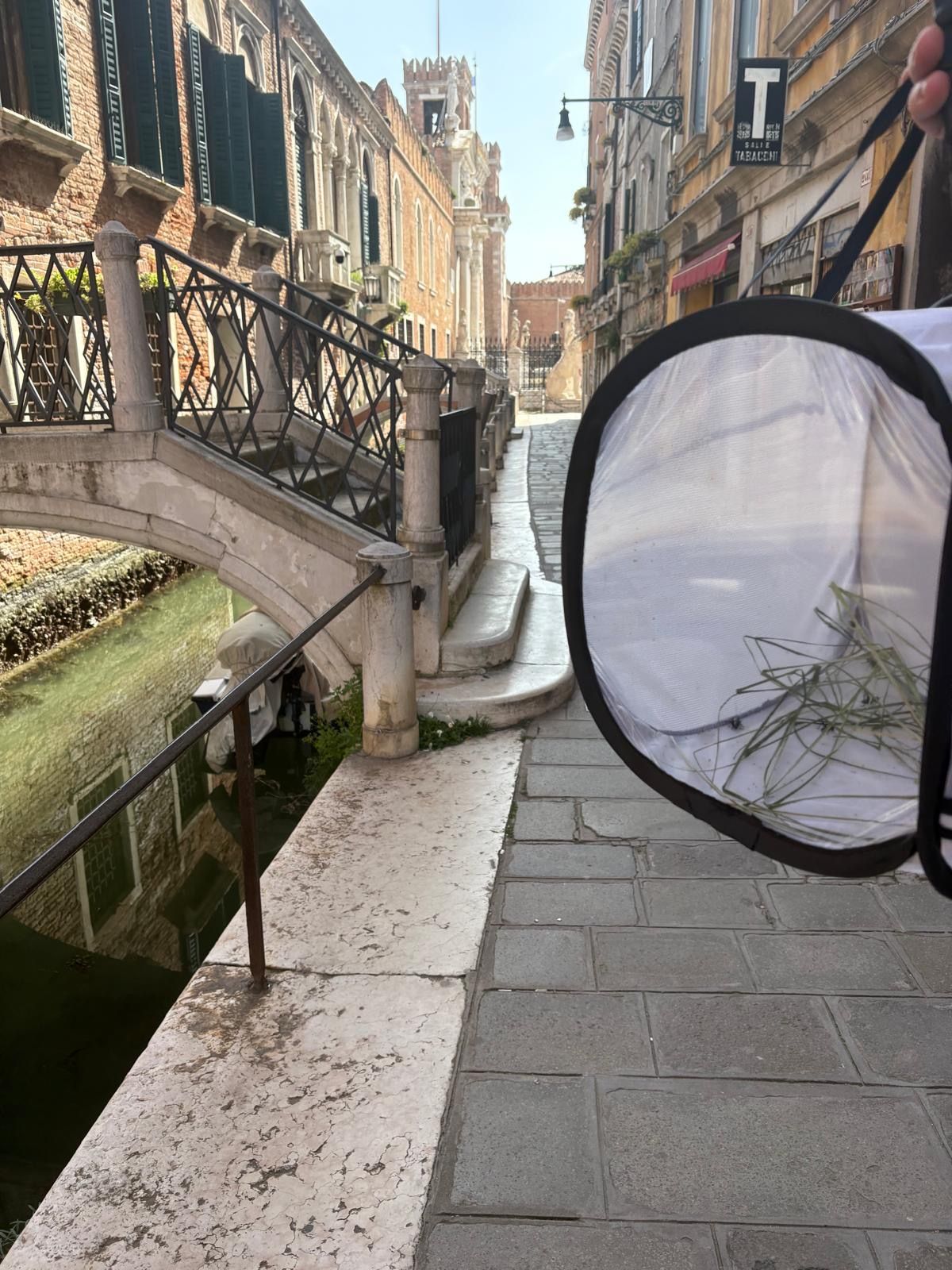
Led by Professor Alex Felson and the Urban Ecology and Design Lab at Melbourne, the team will collect, breed, and relocate these critically endangered crickets in an effort to reintroduce them into the Venice lagoon. At the same time, they will explore adaptive land-use strategies and smarter conservation approaches to help safeguard the species against future climate shifts.
“This is not just a temporary installation – it’s a step toward reconstructing vital cricket populations in the Venice lagoon,” said Professor Felson.
The exhibit features floating, mobile habitats that serve both as conservation tools and interactive sculpture. Each structure is designed to house the crickets while also offering an immersive audio experience for visitors. Blending science and sound art, the project creates a multisensory call to action for ecological stewardship.
Professor Julie Willis, Dean of the Faculty of Architecture, Building and Planning, praised the initiative as a vivid example of university-led innovation.
“‘Song of the Cricket’ showcases world-leading research from across the University. Combining art and science, the exhibit helps people to reimagine this iconic place as a living, responsive, and biodiverse city,” she said.

One of the installation’s most unique features is the interactive sound garden and cricket choir, designed by Associate Professor Miriama Young. Set against the backdrop of a 16th-century Venetian shipyard, the soundscape reawakens the natural chorus that once filled the city’s wetlands.
“Antonio Vivaldi’s Venice was once alive with the sounds of nature. This project re-imagines a healthy bioacoustic environment and develops synergies in ecological art practice through architectures of sound and sustainability,” said Young.
This exhibit joins other sustainability-focused pavilions at the Biennale, such as Australia’s “HOME,” which explores Indigenous environmental knowledge, and Seoul’s call for coexistence with nature in urban planning.
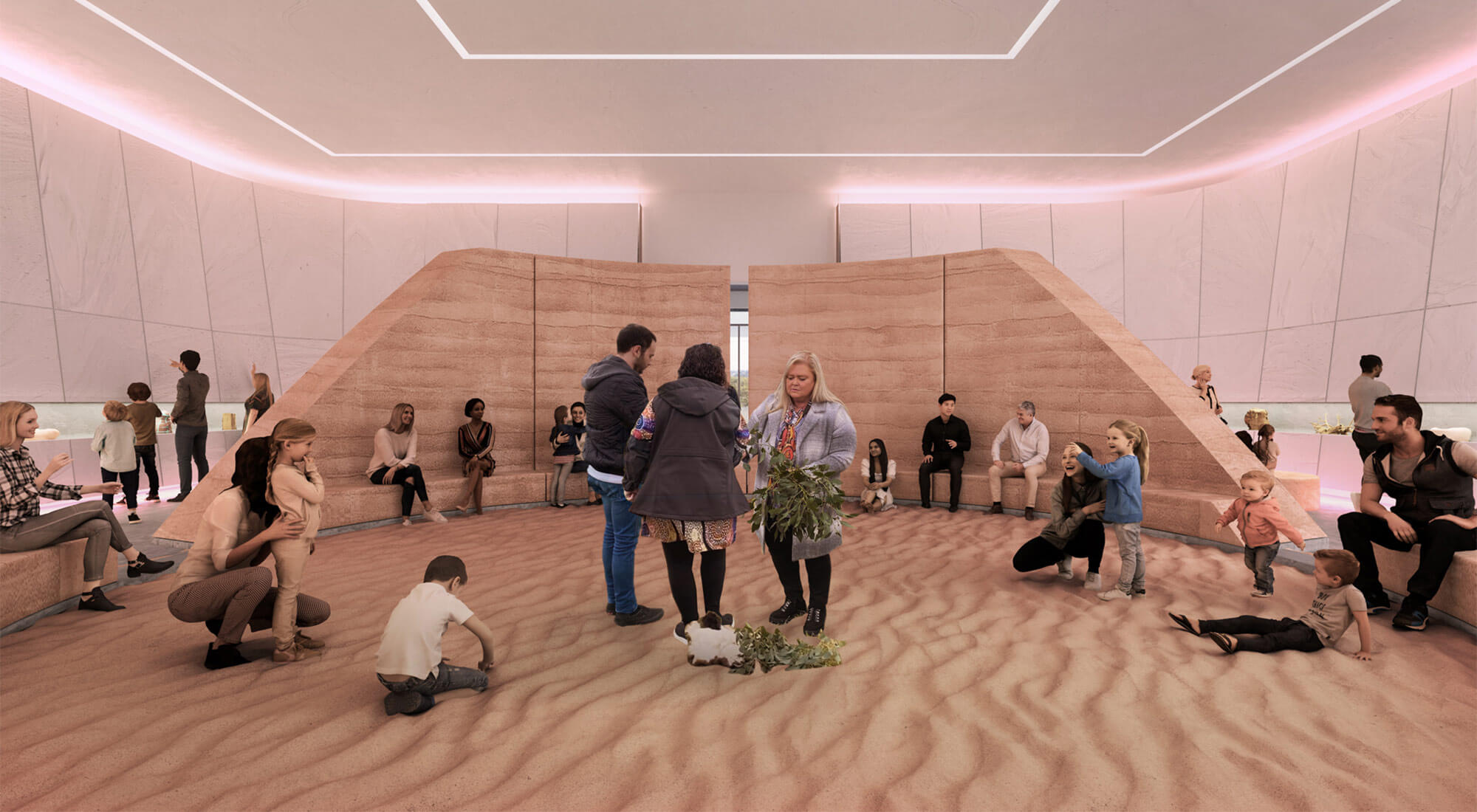
“HOME,” is showcasing Indigenous knowledge systems and their relationship with environmental stewardship. The exhibition invites visitors to engage with Australia’s natural environment through Indigenous perspectives, emphasizing the importance of sustainability and cultural heritage.
Together, these works underscore a larger truth: that architecture and design are no longer just about buildings, but about reviving the ecosystems and cultural soundscapes that make cities truly alive.
Sustainability Takes Center Stage at the 2025 Venice Biennale
The 2025 Venice Biennale is placing sustainability at the forefront, with several national pavilions and exhibitions highlighting environmental themes and practices.