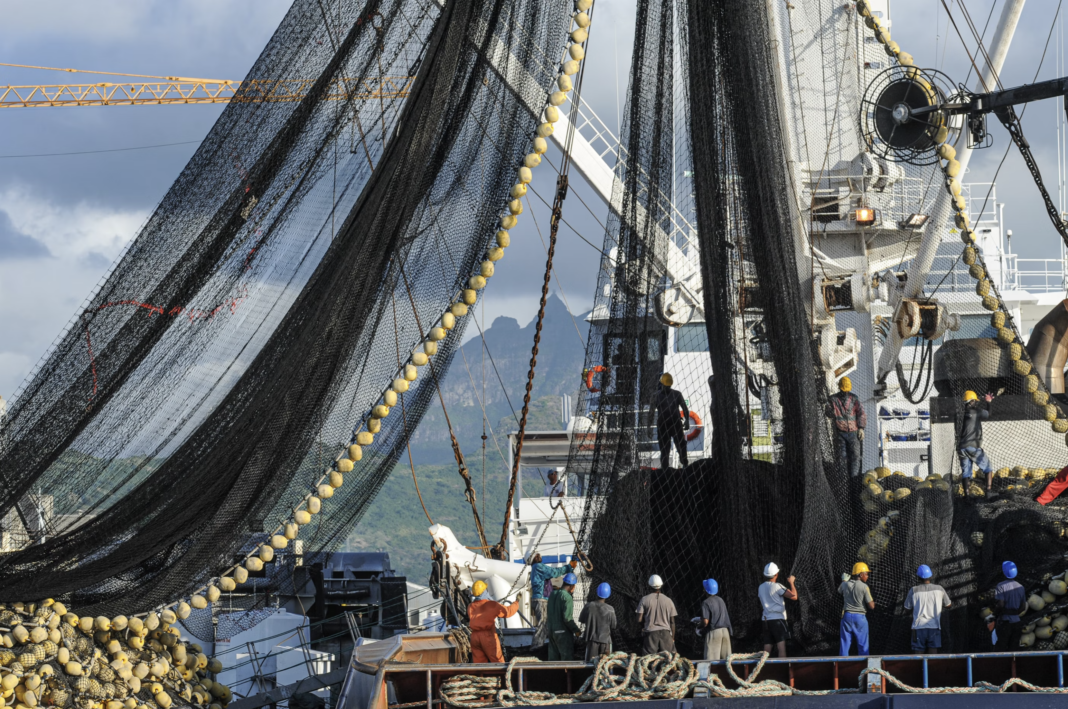
Dolphin bycatch not sustainable

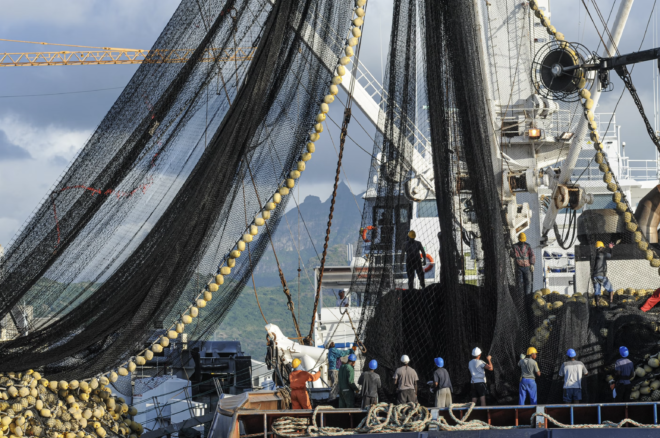
 commercial fishing boat. Mauritius
Commercial fishing boat, Mauritius

Are you still eating commercially caught fish or are trying Alt Protein made to taste like fish? You might think about changing your dietary habits even if you are eating the 7 fish that are totally okay to eat. After taking a deep dive in the fishing industry, dolphin bycatch is being ignored and not reported.

That means with every fish you eat that’s caught from the sea, chances are other wildlife paid the price for your palette. And not just dolphins, but seals, sea turtles, sharks and sting rays are also getting trapped and killed by fishing nets. 
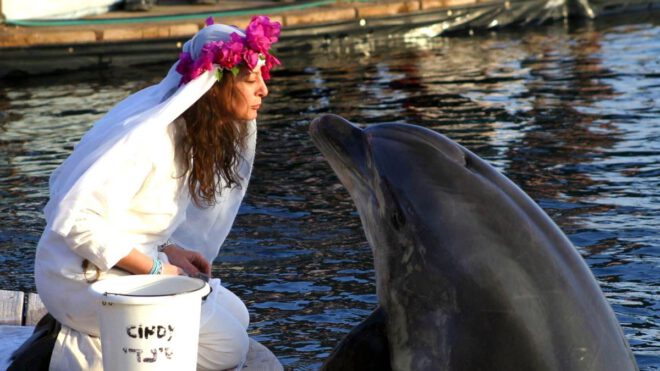
With this herring I thee wed: woman marries dolphin in Israel

An international team of researchers from the United Arab Emirates and the UK have developed a method to assess sustainable levels of human-caused wildlife mortality, which when applied to a trawl fishery shows that dolphin capture is not sustainable. (But is dolphin marriage? Remember the story about the woman from the UK who married a dolphin in Israel? The dolphin died in 2021)

The new study, led by scientists at the University of Bristol and United Arab Emirates University was published in the journal Conservation Biology.

Human activities like commercial fishing can result in the accidental death of non-targeted wildlife, threatening protected and endangered species. “Bycatch and discarding of marine wildlife in commercial fisheries are major challenges for biodiversity conservation and fisheries management the world over”, said Simon Allen of Bristol’s School of Biological Sciences, who studies dolphin behaviour and interactions with fisheries.

Bycatch Reduction Devices were placed in Western Australian trawl nets in 2006, but no quantitative assessment of the impact was carried out.

“We set out to model different levels of dolphin capture, including those reported in skippers’ logbooks and those by independent observers. Unfortunately, our results show clearly that even the lowest reported annual dolphin capture rates are not sustainable”, Allen said.

How to solve the dolphin bycatch problem?

The study’s lead author Oliver Manlik, Assistant Professor at the United Arab Emirates University explained how the researchers introduced a novel approach to assessing human-caused mortality to wildlife that can be applied to fisheries bycatch, hunting, lethal control measures or wind turbine collisions.

“And when we incorporate stochastic factors, random events, we show that previous methods of assessing wildlife mortality were not conservative enough,” says Manlik: “This raises concerns for the dolphin population and highlights a problem with other assessments that do not account for random events, like heatwaves, because these environmental fluctuations are becoming more frequent and intense with climate change.”

With only voluntary or low levels of fisheries monitoring and no quantitative conservation objectives, Allen notes that the UK and EU are also failing to address the bycatch problem.

Greater transparency and the application of more rigorous methods would improve the scientific basis for decision-making around the impacts of fisheries on non-target species like dolphins, whales, seals and seabirds.

While the authors suggest ways for better reporting the problem the only solution seems to be up to you – just don’t buy fish? Seems like a drastic solution but it impacted the tuna industry at some level. Although if the reporting standards are low anyway chances are the tuna industry, even the so-called sustainably caught tunas, are probably greenwashing our conscience. 

Read more on large marine wildlife:

Dubai Marine Life At Risk After Devastating Shark Catch

Kuwaiti Sharks, Ecosystems and Exxon

25 Shark Species In Persian Gulf Need Urgent Protection

Karin Kloosterman
Karin Kloostermanhttp://www.greenprophet.com
Karin Kloosterman is an award-winning journalist, innovation strategist, and founder of Green Prophet, one of the Middle East’s pioneering sustainability platforms. She has ranked in the Top 10 of Verizon innovation competitions, participated in NASA-linked challenges, and spoken worldwide on climate, food security, and future resilience. With an IoT technology patent, features in Canada’s National Post, and leadership inside teams building next-generation agricultural and planetary systems — including Mars-farming concepts — Karin operates at the intersection of storytelling, science, and systems change. She doesn’t report on the future – she helps design it. Reach out directly to [email protected]

TRENDING

Fish or Vegan Omega-3? Does quality, source and science matter more than you think?

In the modern nutrition universe, that level of commitment deserves an applause. But for those who don’t live in a Nordic fishing village, the nutrition company Zinzino has built its omega-3 research and formulations around these principles, combining biomarker testing, antioxidant protection and traceable sourcing across both sustainably harvested small-fish oils and a vegan marine-microalgae alternative.

Startup FreezeM turns food waste into insect protein for fish and chicken

The core technology (PauseM®) is based on inducing a “paused” or “suspended animation” state in Black Soldier Fly (BSF) neonates so that they can survive transportation with extended shelf life before being revived, fed and grown for animal feed. They also have a partnership with Hermetia Baruth GmbH (Germany) for joint production / distribution of PauseM in Europe.

Blood sugar control keeps your brain young: Eat the Med Diet!

This study is one of the first large-scale trials to directly link dietary changes, particularly those associated with the Green-Med diet, to improved glycemic control and slower brain aging.

This fish can taste with its legs

This fish tastes with its legs: It’s “the weirdest, coolest fish I’d ever seen”, says developmental biologist David Kingsley.

Octopus kicks away freeloading fish

Octopuses recruit fish from the right "school" of thought to help them get food.

Should You Invest in the Private Market?

startustartup Unlike public stock exchanges, which offer daily trading, strict...

How to build a 100-year-company

Kongō Gumi is a Japanese construction company, purportedly founded in 578 A.D., making it the world's oldest documented company. What can we learn about building sustainable businesses from them?

From Pilot Plant to Global Stage: How Aduro Clean Technologies’ 2026 Expansion Signals a Turning Point for Chemical Recycling Investors Like Yazan Al Homsi

The company's Next Generation Process (NGP) Pilot Plant in London, Ontario, has officially moved into initial operating campaigns, generating the kind of structured, repeatable data that separates laboratory promise from commercial viability.

How AI Helps SaaS Companies Reduce Repetitive Customer Support Work

SaaS products are designed for large numbers of users with different levels of experience, and also in renewable energy.

Pulling Water from the Air

Faced with water shortage in Amman, Laurie digs up...

Turning Your Energy Consultancy into an LLC: 4 Legal Steps for Founders in Texas

If you are starting a renewable energy business in Texas, learn how to start an LLC by the books.

Tracking the Impacts of a Hydroelectric Dam Along the Tigris River

For the next two months, I'll be taking a break from my usual Green Prophet posts to report on a transnational environmental issue: the Ilısu Dam currently under construction in Turkey, and the ways it will transform life along the Tigris River.

6 Payment Processors With the Fastest Onboarding for SMBs

Get your SMB up and running fast with these 6 payment processors. Compare the quickest onboarding options to start accepting customer payments without delay.

Related Articles

Popular Categories