Future Crops gets $30M investment for hydroponics with substance

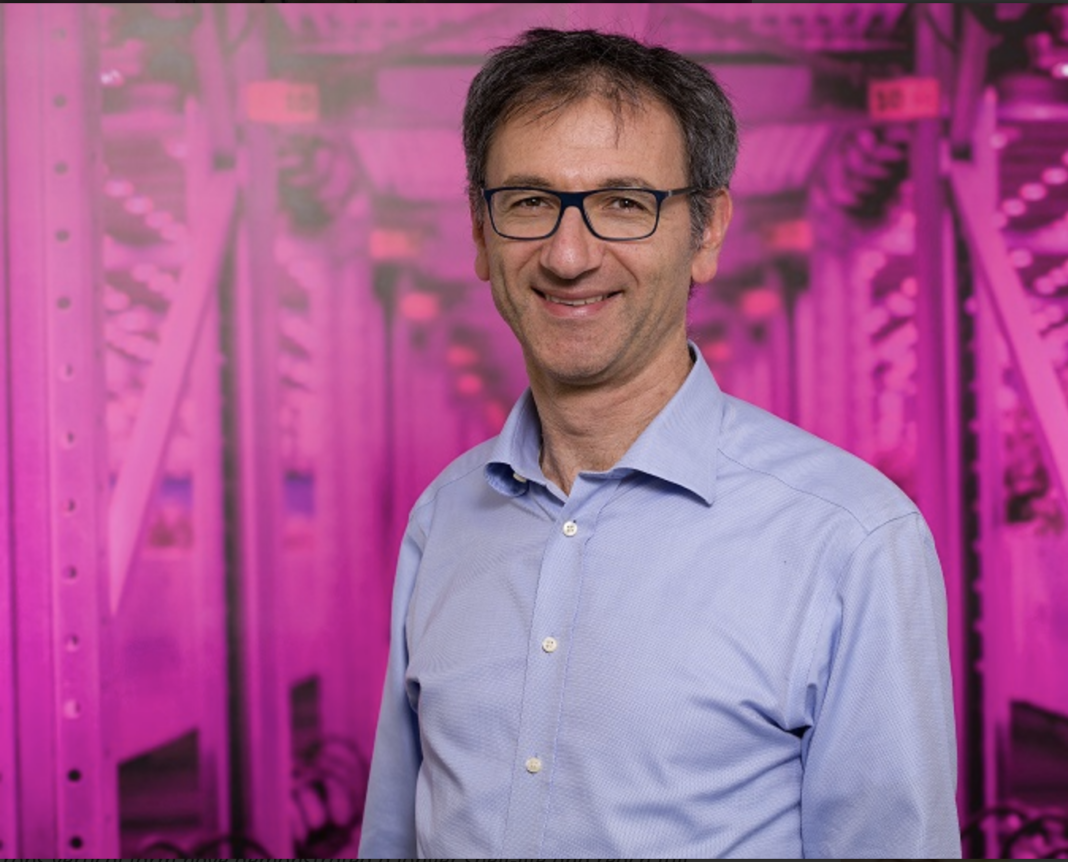
gary grinspan future crops, portrait
Gary Grinspan of Future Crops. Aiming to make hydroponics more closely resembling nature.


The Dutch know greenhouses and the Israelis know tech. Future Crops, a Dutch-Israeli venture to grow crops in greenhouses on a soil-like substrate and not just water in classic hydroponics, announces a new investment round led by Tencent to accelerate growth.

Hydroponics, or growing plants without soil, was investigated by NASA in the 30s but really took off in the 80s when Canadian pot growers were looking to grow cannabis under the radar, in the winter. 

Since then the technology has been developed into a science and the mood has shifted from high quality crops such as medical marijuana to low cost food like lettuce – as the claims go by container farms still very much yet not able to prove their business model works. 

Seedo in Israel, for instance, seemed to manipulate some pump and dump scheme to raise investment and a business that never really panned out. They had planned a grow-it-all fridge for the consumer and then later claimed they would pivot to container farms, amassing an impressive C-suite team. 

InFarm, a group of Israelis in Berlin, have taken another approach, growig fresh herbs and plants inside grocery stores. Their last investment was $170M. 
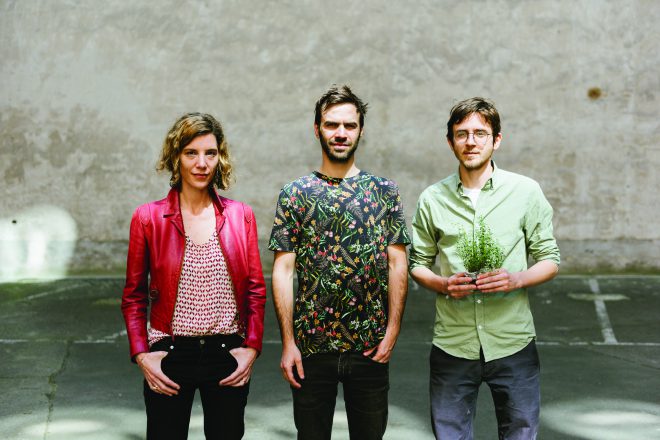
Israeli farmers take on Berlin
The InFarm team

Future Crops, we hope, has learned from the failures with their soil-like substrate in vertical farms to better reproduce the natural environment. The high-tech farm grows fresh, clean, ultra-sustainable, high quality crops at competitive price points. Researchers from Israel’s Agricultural Research Organization (ARO) were an integral part of the team that developed Future Crops’ cutting-edge technology

Some hydroponics growers mainly in cannabis already have used substrate such as coco coir for a couple of decades. Israelis have been using substrates like this in hothouses as well, basically demineralising soil and then adding nutrients back in using drip feed. The system relies on the petroleum industry and mining for NPK, and does overuse plastics and energy. But it might be a productive middle way until the world turns itself over to more small holder farming and regenerative agriculture.

Future Crops had already raised over $30 million USD in seed funding from the Lerman Family, leaders in the American steel  to finance the construction of their state-of-the-art facility and to build their team of experts. 
“We are tremendously excited about this investment,” says Gary Grinspan, CEO and Co-Founder of Future Crops. “Tencent’s investment reflects the company’s focus on sustainable innovations and support for technologies, like vertical farming, which can create clean, locally grown sustainable food while helping to mitigate the negative impacts of climate change. We believe our soil-substrate-based platform is closer to nature and produces fresh, longer-lasting, higher-quality produce at improved yields, as plants grow best in soil”.

While Gary says the word “soil” he does not mean healthy living soil that one finds in nature, but rather soil stripped of its nutrients and supporting actors like micro-fungi, and diverse ecosystem while minerals like NPK are added back in. 

“Tencent supports companies creating solutions to the world’s most critical challenges, including technologies that can feed more people using fewer resources” said Ling Ge, Chief European Representative, Tencent. “Investments in sustainable agriculture technologies, such as vertical farm systems, aligns with our mission to apply technology for good.

About Future Crops

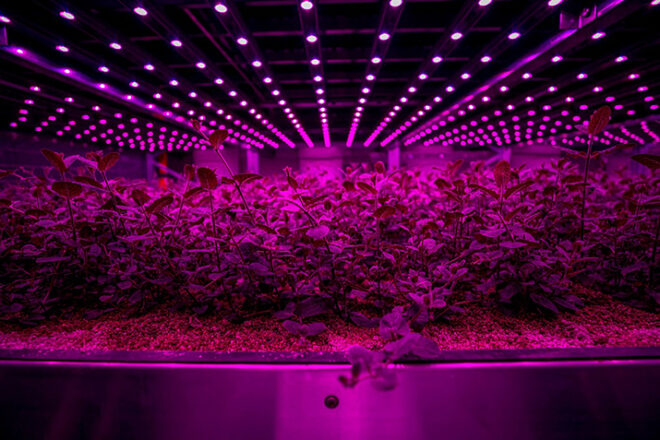
Future Crops has established a fully automated indoor vertical farm in Westland, Netherlands, known as the “greenhouse hub” of Europe. The facility is equipped with high-precision agricultural technology and creates optimal climatic conditions to suit each crop.

It markets fresh herbs grown and processed in a multistory indoor vertical farming system. The crops are grown in a soil-based substrate developed by the company to be as close as possible to nature. The platform can grow a comprehensive range of herbs and leafy greens all year long, without pesticides or biological substances, and in climate-protected conditions. 

Future Crops maintains a strategic partnership with Israel’s Agricultural Research Organization (ARO) and closely collaborates with Wageningen University – both among the leading global research centres in agriculture. 

Karin Kloosterman
Karin Kloostermanhttp://www.greenprophet.com
Karin Kloosterman is an award-winning journalist, innovation strategist, and founder of Green Prophet, one of the Middle East’s pioneering sustainability platforms. She has ranked in the Top 10 of Verizon innovation competitions, participated in NASA-linked challenges, and spoken worldwide on climate, food security, and future resilience. With an IoT technology patent, features in Canada’s National Post, and leadership inside teams building next-generation agricultural and planetary systems — including Mars-farming concepts — Karin operates at the intersection of storytelling, science, and systems change. She doesn’t report on the future – she helps design it. Reach out directly to [email protected]

Hot this week

How Renewable Energy is Revolutionizing the Way We Power Our World

Solar has become the star of the transition thanks to modular hardware and straightforward installation. It fits dense cities and remote towns alike. Many companies are turning to rooftop arrays and carport systems - and exploring commercial solar installation as a practical way to lock in future savings.

How does one start prepping?

Faced with an extreme winter storm this year, Americans wonder how to be prepared for catastrophe. Miriam has lived through wars in the Middle East - so she's prepared on giving you a guide to prepping.

Fishermen sue tire manufacturers on behalf of the salmon

A federal trial in San Francisco has brought US tire manufacturers, fishing groups, and environmental scientists into court over a chemical most drivers have never heard of — but which scientists say may be silently reshaping aquatic ecosystems.

Listening to Water: Tarek Atoui’s Next Work for Tate Modern

Born in Beirut, Lebanon in 1980 and now living in Paris, Atoui has spent years building instruments that don’t sit comfortably in concert halls. Many of them involve water, glass, and ceramics — materials that react to sound instead of simply producing it.

Leading Through a Dual-Energy Transition: Balancing Decarbonisation with Energy Security

Experience in one area of the energy industry isn't enough to guarantee readiness across all the others. That's where a structured program like an MBA in energy can come in. Today's advanced curricula explore energy economics, finance, policy, and strategic management alongside the technical subjects. And when pursuing an energy MBA online, professionals can skill up and retrain without having to step out of the labor market -- an important perk at a time when skilled professionals are already in short supply.

Topics

How Renewable Energy is Revolutionizing the Way We Power Our World

Solar has become the star of the transition thanks to modular hardware and straightforward installation. It fits dense cities and remote towns alike. Many companies are turning to rooftop arrays and carport systems - and exploring commercial solar installation as a practical way to lock in future savings.

How does one start prepping?

Faced with an extreme winter storm this year, Americans wonder how to be prepared for catastrophe. Miriam has lived through wars in the Middle East - so she's prepared on giving you a guide to prepping.

Fishermen sue tire manufacturers on behalf of the salmon

A federal trial in San Francisco has brought US tire manufacturers, fishing groups, and environmental scientists into court over a chemical most drivers have never heard of — but which scientists say may be silently reshaping aquatic ecosystems.

Listening to Water: Tarek Atoui’s Next Work for Tate Modern

Born in Beirut, Lebanon in 1980 and now living in Paris, Atoui has spent years building instruments that don’t sit comfortably in concert halls. Many of them involve water, glass, and ceramics — materials that react to sound instead of simply producing it.

Leading Through a Dual-Energy Transition: Balancing Decarbonisation with Energy Security

Experience in one area of the energy industry isn't enough to guarantee readiness across all the others. That's where a structured program like an MBA in energy can come in. Today's advanced curricula explore energy economics, finance, policy, and strategic management alongside the technical subjects. And when pursuing an energy MBA online, professionals can skill up and retrain without having to step out of the labor market -- an important perk at a time when skilled professionals are already in short supply.

From Green Energy to Healthy Societies: Why old systems thinking is becoming relevant again

Across the Middle East and North Africa, large investments are being made in green hydrogen, renewable energy, water infrastructure and sustainability. Most of these efforts are discussed in the context of climate change, decarbonization and economic diversification. That framing is important, but it may not capture their full value.

We saw peace – an interreligious encounter deep in our eyes

They came from Israel, Palestine, Jordan, Iraq, Yemen, Morocco, Tunisia, Lebanon, Egypt… There are Sunni Muslims, Shiite Muslims, Jews (Orthodox and Reform), Orthodox Christians, Coptic Christians, Protestant Christians, Druze, Baha'is, a Scientologist.

Can biochar reduce ‘Forever Chemicals’ in food if it’s used in farms?

Biochar is produced by heating organic material in a low-oxygen environment so it does not burn. This process, known as pyrolysis, transforms plant matter into a stable, carbon-rich material.

Related Articles

Popular Categories