China is using satellites to protect nature

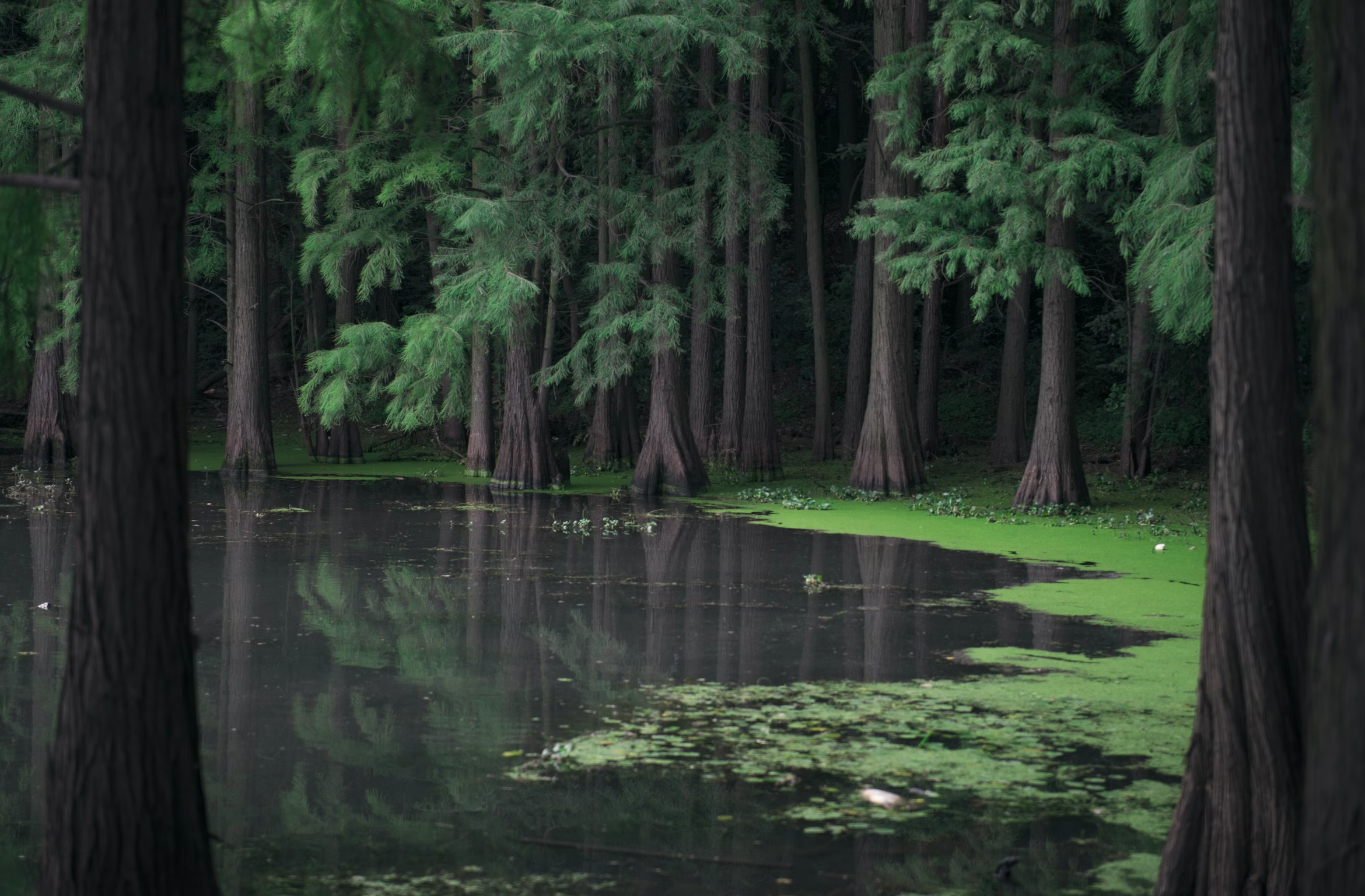
Donghu Lake, Wuhun China
China is using satellites to protect nature. But why so secretive? Donghu Lake, Wuhun, China

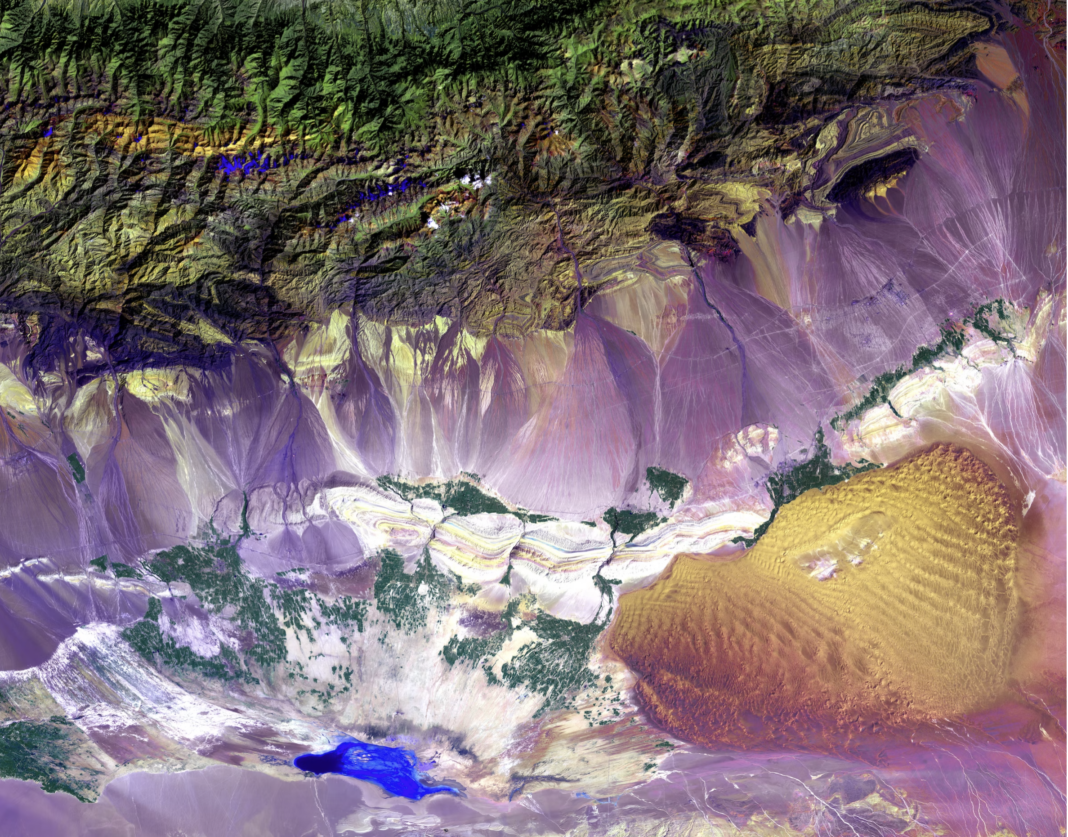
China is one of the first countries to use satellite monitoring to protect nature-conservation areas from illegal developments, such as mining and construction, offers a new report in Nature. China, which has deployed spy balloons over parts of North America, has also added a fleet of 30 satellites to keep a watchful eye on 3 million square kilometres of land and 150,000 square kilometres of sea, doubling the area that is legally protected in China. The International Union for Conservation of Nature (IUCN) counts China as the third most-biodiverse country in the world.

Scientists in essence hope that China will provide a model for remote sensing for conservation purposes. However, environmental scientists are frustrated owing to the lack of transparency about where the boundaries of protected zones lie.

Without any public record, the opposite of what NASA offers, “there’s a possibility that the local governments might be able to shift their redlines to accommodate future [development] needs,” says conservation biologist Fangyuan Hua in a Nature report.

China is not the first to deploy satellites to protect nature. NASA has been using their systems for decades, monitoring climate change globally, and letting us see the recession of water bodies such as the Dead Sea. Their open-source imagery goes from looking at the macro to even smaller anthropogenic parts of our history. Independent researchers look to Google Earth to uncover illegal fishing traps in the Middle East. Also hundreds of agriculture tech companies use open-source satellite imagery to predict bug infestations, droughts and fires. 

The worry with China is that the country is veiled about how it uses its data to control its people and exploit planetary resources without any consequence.


Karin Kloosterman
Karin Kloostermanhttp://www.greenprophet.com
Karin Kloosterman is an award-winning journalist, innovation strategist, and founder of Green Prophet, one of the Middle East’s pioneering sustainability platforms. She has ranked in the Top 10 of Verizon innovation competitions, participated in NASA-linked challenges, and spoken worldwide on climate, food security, and future resilience. With an IoT technology patent, features in Canada’s National Post, and leadership inside teams building next-generation agricultural and planetary systems — including Mars-farming concepts — Karin operates at the intersection of storytelling, science, and systems change. She doesn’t report on the future – she helps design it. Reach out directly to [email protected]

TRENDING

Street Vegan in Sri Thanu is a must-stop family lunch spot on Koh Phangan, Thailand

If you’re anywhere near Sri Thanu on Koh Phangan, Thailand, around the yoga centers: Zen Beach, Haad Yao, or Salad Beach—make time for Street Vegan. It's vegan and so satisfying that one meal might convince you that eating plant-based is not a compromise. I suggest for any vegan restaurant owner or chef to come to this modestly-priced venue to learn from a master.

Plants can eat dust and grow – should we stop dusting them?

Dusty plants? Let them eat their hearts out.

Paris Modest Fashion Week offers style without exposure for Muslims

France is home to around 5 to 7.5 million Muslims according to estimates, and Özlem Şahin, head of the organization behind Modest Fashion Week, has described Paris as "one of the leading modest fashion capitals in Europe".

Kids are vaping. The media shock that made them stop

On one side: aggressive anti-vaping campaigns from the FDA, Truth Initiative, and state programs, backed by over $100 million in annual spending. On the other: a public health crisis. Screenshot

Baby teeth read like tree rings paint a picture of toxins in early life

A new study from the Icahn School of Medicine at Mount Sinai in New York offers a striking insight into how the environments we are born into can quietly shape our brains years later. By analyzing naturally shed baby teeth, the ones tucked under pillows for the tooth fairy, researchers have reconstructed a detailed timeline of exposure to environmental metals during pregnancy and early infancy.

Nobul’s Regan McGee on Shareholder Value: “Complacency Is the Silent Killer” 

Why the governance framework designed to protect shareholders so...

Should You Invest in the Private Market?

startustartup Unlike public stock exchanges, which offer daily trading, strict...

How to build a 100-year-company

Kongō Gumi is a Japanese construction company, purportedly founded in 578 A.D., making it the world's oldest documented company. What can we learn about building sustainable businesses from them?

From Pilot Plant to Global Stage: How Aduro Clean Technologies’ 2026 Expansion Signals a Turning Point for Chemical Recycling Investors Like Yazan Al Homsi

The company's Next Generation Process (NGP) Pilot Plant in London, Ontario, has officially moved into initial operating campaigns, generating the kind of structured, repeatable data that separates laboratory promise from commercial viability.

How AI Helps SaaS Companies Reduce Repetitive Customer Support Work

SaaS products are designed for large numbers of users with different levels of experience, and also in renewable energy.

Pulling Water from the Air

Faced with water shortage in Amman, Laurie digs up...

Turning Your Energy Consultancy into an LLC: 4 Legal Steps for Founders in Texas

If you are starting a renewable energy business in Texas, learn how to start an LLC by the books.

Tracking the Impacts of a Hydroelectric Dam Along the Tigris River

For the next two months, I'll be taking a break from my usual Green Prophet posts to report on a transnational environmental issue: the Ilısu Dam currently under construction in Turkey, and the ways it will transform life along the Tigris River.

Related Articles

Popular Categories