
Subsides Jeopardize Renewable Energy Projects In The Middle East

energy-subsidies-middle-east-petrol-oil-renewables-efficiency-petrol-oil-windEnergy subsidies keeping petrol and electricity prices low in the Middle East are jeopardizing the chances of renewable energy projects

The Middle East may be unique for many reason- the stunning souks, the hospitality of the people and explosive political mentality- but they are probably known for just one thing: oil. Indeed, Gulf nations have emerged from the wilderness and built entire economies and industries around their oil wells. The steady supply of cheap energy also means that petrol prices in Gulf nations are some of the lowest in the world, with many paying under $0.2 per litre at the pump. However, according to a new report by Carboun, these low prices are negatively impacting energy efficiency in the region and undermining the commercial viability of renewable energy projects.

More Subsidies = More Inefficiency

Carboun’s report and visual guide to energy and carbon emissions in the Arab world highlights the fact that after sub-Saharan Africa, the Arab world’s economy has the lowest energy efficiency record of any region in the world. Karim Elgendy, one of the founders of Carboun which is a sustainability consultancy, told GreenProphet: “Our research found that increased energy use in resource-rich countries of the Arab world is not a result of growing economic activity. In fact it represents a wasteful use of energy that is driven by energy subsidies. As energy subsidies increase in the region, its energy use per capita tends to increase, while its economic energy efficiency tends to decrease.”

Low Costs Encourage Excessive Consumption

For example, the report found that the Arab region generates $4.6 GDP per unit of energy consumed whilst the more energy efficient European Union generates $8.1 from the same unit of energy. Oil-rich nations including Qatar, Kuwait, UAE, Bahrain, Oman, Saudi Arabia and Libya generate even less at $3.7 GDP per unit of energy. This low efficiency is partly attributed to the energy subsidies which are widespread in oil-rich nations as they keep energy prices low and encourage increased consumption by cushioning consumers from the real cost of using more energy.

Renewables Can’t Compete With Cheap Energy

Another impact of these energy subsidies is that they make renewables less attractive to businesses and consumers. Compared to the artificially low costs of electricity and petrol, renewable projects just can’t compete and that shows in the renewable energy targets in various countries in the region. As Elgendy explains, “Countries with less energy subsidies tend to have higher renewable energy targets than those with higher subsidies…”

On average, oil-rich nations such as Qatar and Kuwait plan to generate just over 3% of their energy from renewables by 2020. Other more resource-poor nations in the Arab world such as Tunisia and Algeria, however, have a more ambitious target of creating 16% of their total energy via renewables by 2020.

So not only are energy subsidies creating more inefficiency by encouraging excessive consumption, they are also jeopardizing the Middle East’s chances of embracing cleaner energy such as wind and solar. And this diversion from a more sustainable and resilient energy path is the real problem with cheap energy subsides.

For Carboun’s visual guide to energy and carbon emissions in the Arab world, please see Carboun’s latest infographic.

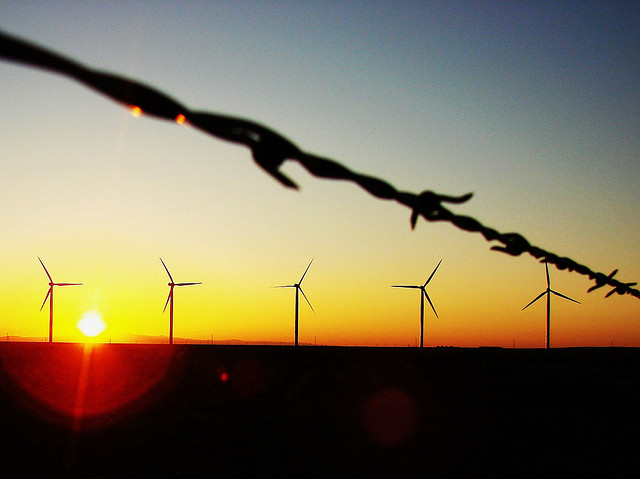
:: Image via Crishna/Flickr.

For more on energy use in the Middle East see:

Carbon Emissions In MENA Double Over 30 Years

Masdar’s Carbon Capture Programme Could Lead To Mass Delirium & Comas

Despite Best Intentions, Gulf Countries Can’t Quit C02

80% of Middle East and Africa Concerned About Climate Change
Arwa Aburawa
Arwa Aburawahttp://www.greenprophet.com
Arwa is a Muslim freelance writer who is interested in everything climate change related and how Islam can inspire more people to care for their planet and take active steps to save it while we can. She is endlessly suspicious of all politicians and their ceaseless meetings, especially as they make normal people believe that they are not part of the solution when they are the ONLY solution. Her Indian auntie is her model eco-warrier, and when Arwa is not busy helping out in the neighborhood alleyway garden, swap shopping or attempting fusion vegetarian dishes- with mixed success, she’d like to add- she can be found sipping on foraged nettle tea.

Read More

TRENDING

Anthropic, Google and Stripe put nearly $1 Billion on carbon removal

A coalition led by Frontier, backed by Stripe, Google, Salesforce and newly joined AI company Anthropic, has committed an additional $915 million to remove carbon dioxide from the atmosphere. The pledge adds to a previous $1 billion commitment and brings Frontier's total buying power to nearly $2 billion.

The fossil fuel problem hiding in your wardrobe

The fuel pumps don't lie. When oil prices spike,...

Japan’s packaging turns black and white from Iran oil shortage

Japan is a country that builds 100-year companies; while...

How you create green steel on a blockchain

The thing about raw materials is that once they are melted down, you can't prove the source of the material. Same is true with gold, cucumbers and even forged products that look the same as the real thing. When it comes to steel, and how we produce it, it has a massive carbon problem. What's happening in Japan right now could change how we think about heavy industry and climate action.

Oil pollution in Basrah’s soil is 1,200% higher than it should be

Soil pollution levels in parts of Basra are 1,200% to 3,300% higher than those typically measured in cities like Toronto or New York, according to new comparative soil data. It's getting into water.

Yerukim Forms a New Green Economy Where the Money is Really Green

The Yerukim members who pick up the recyclables get to keep the monetary reward, the public earns "green" bills that can be used in shops, and business owners get to be associated with environmentalism.

Choosing Riyadh over Dubai? What Investors Should Know

Saudi Arabia is deploying capital at unmatched scale to catalyze tourism and advanced industry while rewiring its power-and-water backbone. The investable frontier is widening—especially in renewables, grid storage, water efficiency/desal retrofits, and hospitality operating platforms. Prudent investors will insist on phased delivery, enforceable KPIs (energy, water, biodiversity), and RHQ/zone compliance—while pricing political-economy and reputational risks alongside growth upside.

Sell your cooking oil for biodiesel money

Want to make money on old french fry oil? Sell it.

Qatar Alternative Energy Summit Pairs Investors And Innovators

Alternative energy investors and innovators can meet n' greet in Doha, Qatar March 16 and 17.

Here’s How To Implement The Four Pillars Of Employee Engagement

If you throw a party for your work team and they are vegans, don't make it a barbecue. Know the sustainability values of your team to boost moral and retain good people.

Locals From Rishon Fight IKEA

Big Box stores are a pretty new concept in Israel, and thank God that not every Israeli city wants them in their backyard. A word from someone who has see the beautiful farmland around her hometown Newmarket, Ontario stripped and converted into vulgar strip malls of big box shops: they have no place in a healthy and sustainable town or city.

The Jewish National Fund Meets An Inconvenient Truth

According to the JNF, it has transformed thousands of acres of barren land into green forests in Israel. They state that each person emits about 23 tons of carbon per year, estimating that each tree planted can absorb one ton of carbon in its lifetime. That's a whole lot of trees you'd need to be planting. Could so many fit in Israel?

How to quiet noise from construction in your office

Streets need to be resurfaced in New York but the humming and grinding noise is unsettling. Noise is environmental pollution. 

Popular Categories