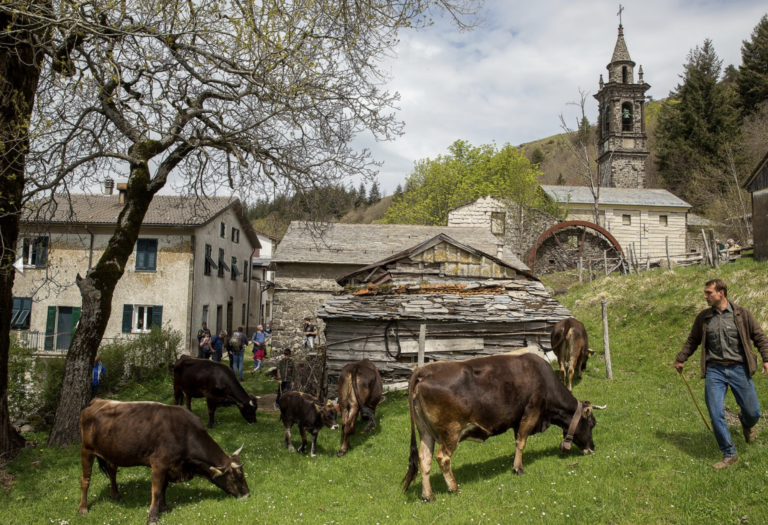
Slow Food is a food movement in Europe that find the best Slow Cheese in Europe. So many organizations. So many labels. So many movements.
The Slow Food movement which started in Italy says everything that we love about real food that is sustainable. Slow Food brings people, farmers, and systems-thinking in agriculture, along with the joy of farming and the pleasure of community. Slow Food has been featured on Green Prophet over the years. Check out this article on the best cheese in Europe and how they make it.
“This was supposed to be the Food COP, but the conclusions were not good neither for the future of the food systems nor for limiting the effects of climate change,” said Edward Mukiibi, Slow Food president.
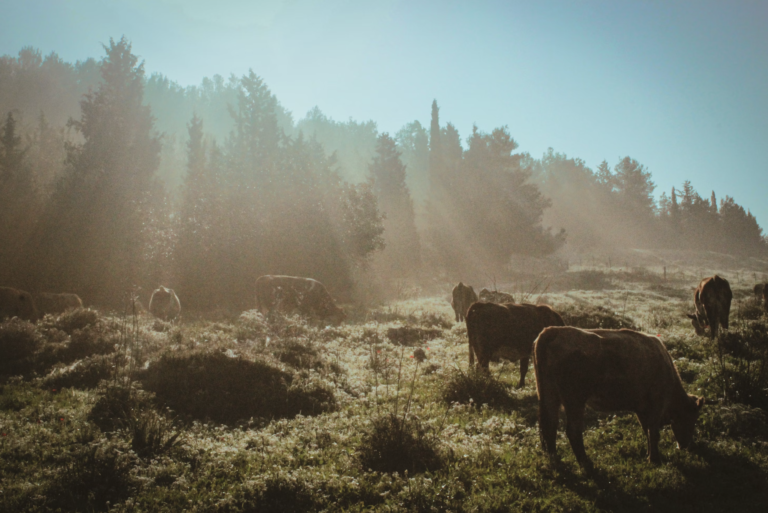
Slow Food cheese
“The expectations around potentially positive efforts such as the Emirates Declaration on Sustainable Agriculture, signed by over 150 States, the Sharm el-Sheikh Joint Work on Agriculture and Food Security and the FAO Roadmap were failed by the lack of concrete and binding targets, the influence of major emitters in the agriculture sector and the postponement of the discussions to transform the food systems at the next meetings.”
The main outcome of /, namely the Global Stocktake, was largely void, with just one mention of food systems under the Adaptation section but excluded from the Mitigation section.
At last, after long negotiations, the mention of a transition away from fossil fuels has been included for the first time, but the deal is full of loopholes that will allow countries not to move as fast as needed to limit global heating to 1.5C above pre-industrial levels.
In addition, despite the different historical responsibility for emissions between developed and developing countries it does not properly differentiate their roles in the transition away from fossil fuels.
“Most disappointingly, as expected, agro-ecology was sidelined and did not emerge in policy discussions as a key element, nor was it mentioned as the solution which will allow us to reverse the course and fight against climate change.”
Translated, this means a further worrying delay in addressing the urgent climate challenges the planet is facing, ignoring crucial climate solutions through a meaningful food systems transformation.
Woody Harrelson stars as narrator in a documentary film about regenerative agriculture
The city of Tel Aviv on the Mediterranean Sea received the advanced grade A- in the ranking of the CDP, the largest international platform for measuring, managing and reporting the environmental data of companies and cities. This is a significant step up compared to the grades the municipality received in previous years, and its position is higher than the global average of all the reported cities.
The CDP is an international non-profit organisation based in the United Kingdom, Japan, India, China, Germany, Brazil and the United States that helps companies, cities, states, regions and public authorities disclose their environmental impact.
Tel Aviv has been reporting to the CDP voluntarily for a decade, and after joining C40 in 2018, an international network of cities committed to reducing the effects of the climate crisis and reducing greenhouse gas emissions, reporting became mandatory.
Cycling with the jacaranda trees in Tek Aviv by Lidor Goldbary
The report to the CDP includes the presentation of consumption and performance data on carbon emissions, energy consumption and runoff management, along with the presentation of a comprehensive climate plan that includes adaptation to climate change and mitigation of greenhouse gas emissions while meeting the municipal goals of this plan.
Tel Aviv is a city that makes a lot of sense in the face of climate change. First of all the moderate weather means less heating in the winter. The environmental footprint of city-goers is low thanks to e-scooters, above ground trains and buses. New projects make Tel Aviv very walkable. Food is hyper local, usually sourced from farms not more than 50 miles away. The Mediterranean Diet! Low key, low cost recreation at night and on the beach make it a great city for locals and travellers. You can live in flip-flops. There are impact investors and super cool startups dealing with climate and the environment.
We interviewed Tel Aviv visitors this summer about climate change. Here is what they say.
Tel Aviv’s mayor Ron Huldai says, “Thinking about sustainability, green energy, runoff management and climate change assessments is part of the DNA of the Tel Aviv-Yafo Municipality, and the significant increase in the ranking in the CDP index proves this.
“The city of Tel Aviv-Yafo is one of the leading cities in the world in climate protection policy and we are members of the C40 leadership organization along with a network of leading cities in the world, working together on the issue. These are not words, we are committed to actions. We will continue to promote and implement the urban climate plan, formulate new plans and expand the green areas in the city, to ensure that we, our children and grandchildren can continue to enjoy life in the city and in Israel as a whole.
A day at the beach in Jaffa, by Karin Kloosterman
There is no doubt that the municipal efforts that include climate risk assessment, the implementation of the action plan to prepare for climate change in broad municipal cooperation, together with the channels of action to reduce greenhouse gas emissions place the city of Tel Aviv-Yafo on the international map. Reporting to the CDP plays a significant role in promoting sustainability and corporate responsibility.
Having a great CDP score means taking responsibility on the urban carbon footprint and encourages it to take significant steps to improve performance and reduce emissions, including risk management from climate change. Investors are increasingly considering environmental, social and governance (ESG) factors when making investment decisions in the city. Reporting to the CDP demonstrates the municipality’s commitment to addressing climate-related risks and can improve investor confidence in the assets and companies that operate within it.
Outlining Tel Aviv’s journey
The first step jump in the Tel Aviv- Yafo municipality’s score in the CDP index occurred in 2020 after the publication of the action plan for preparing for climate change. This program is the first program in Israel for preparing for climate change, and was built after mapping the main threats that the city faces in the context of climate. The action plan focuses on two key tasks – cooling the city and water management.
The channels of action include a variety of nature-based solutions such as planting trees as part of an urban goal of 100,000 trees by 2030 (well Tel Aviv also wants to cut down important trees, let’s not forget) and improving natural percolation in the city by adding runoff retention ponds. This year’s report included a reference to all the actions that were taken, and the high score received indicates a good implementation of the plan in the municipality, and meeting the goals while referring to the climate risks.
We would like to add that this is the first year that the municipality has reported on actions included in the mitigation program to reduce greenhouse gas emissions. The plan will soon be published to the public and includes reference to three main sectors: energy, waste and transportation with measurable targets for reducing emissions. The goals set in the program are ambitious goals that are in line with leading cities in the world and refer to a 50% reduction in greenhouse gas emissions by 2030 and zero emissions by 2050.
The high rating received by the Tel Aviv- Yafo municipality in this year’s index indicates that it places the climate and sustainability field at the top of its priorities. The municipality invests resources in the field of climate and deals with it in a serious and professional manner; Both in terms of analyzing the risks and understanding them, setting ambitious long-term goals and in terms of applicable channels of action in the variety of sectors and arenas of action.
CDP-ICLEI Track is the world’s leading climate reporting platform and progress accountability mechanism for cities. Tracking over 1,100 cities’ climate action in 2021. There are now 119 cities on the ‘A List’, show that action to tackle climate change is becoming mainstream for many of the world’s urban areas, including in the Global South.
Amy’s Kitchen has continued to expand over the years and now includes Amy’s Drive Thru in five locations throughout California. Image via MidJourney
When Amy’s Kitchen started in 1987, its co-founder, Rachel Berliner, admits she and her husband, co-founder Andy Berliner, had no idea it would become a juggernaut organic food pioneer. What began with one homemade vegetable potpie in their 1870s farmhouse has now expanded to up to 1 million meals daily.
“We always felt that if we did the right thing that the business would work rather than trying to have a goal of making this much money, we thought we had a goal of making this much good food and to make it the best we can and the highest quality,” Rachel Berliner told Simon Mainwaring during an episode of his “Lead With We” podcast. “And that’s always been our approach. It’s not the make the money first.”
It’s as authentic as this — if someone is hungry, Rachel Berliner wants to feed them. Amy’s Kitchen offers more than 250 products and budget-friendly multipacks of its popular burritos and a plethora of dietary options including vegan, soy-free, gluten-free, tree nut-free, and kosher items.
Growing up in Los Angeles in the 1950s, Rachel Berliner told CBS News she recalls the organic garden in her yard and how it essentially established the roots of how she ate. “They taught me to always eat healthy and to never eat things I couldn’t pronounce,” Berliner said.
She added that while she didn’t like vegetables at the time, helping in the garden was expected. “My mom is a great cook, and I got a sense of what food should taste like,” Rachel Berliner said on “The Bite Goes On” podcast. “That’s what I do with the company, developing the meals and coming up with ideas.”
When Berliner was pregnant and placed on bed rest, father-to-be Andy Berliner ventured out to find quick and easy vegetarian cuisine for her but returned with some pretty unsatisfactory options. The couple began experimenting with various vegetable potpie recipes, and eventually, their daughter — and the brand — were born.
Andy Berliner said the response within the natural food industry was explosive once they introduced their line.
“We started with one product, a vegetable potpie, organic vegetable potpie. And even though the product wasn’t fully developed at our first trade show and we didn’t think it tasted right yet, people loved it, and they loved the idea,” Andy Berliner said on “Lead With We.”
“And three months later, it was as if we’d been in business for years because it moved into all the natural food stores around the country, and people were saying come out with more products.”
During those early days of getting Amy’s Kitchen off the ground, Rachel Berliner told online training provider Talented Ladies Club in an interview that working from home allowed her to be a stay-at-home mom.
“In the beginning, our office was in our barn, and we worked from home,” she shared. “My mother was also a great help.”
Rachel Berliner revealed her mother actually wrote all the copy on the original boxes. The Berliners also solicited the input of friends and other family members to shape their creations.
With careful attention to detail, Berliner says her approach to presenting the brand was different, just like the food it creates.
“I have a very unusual philosophy about the business, which I started right from the beginning,” she explained. “It’s kind of a subliminal message. Somebody is going to the store, and they’re buying this box of frozen meal, which is really not the most natural way to eat. The natural way to eat is to go to the farmer’s market, get your fresh vegetables, come home, and make salads and soups. But this time in this world, we’re too busy or we don’t know how to cook. But what we try to do is give them a connection to their food.”
Since the beginning, she says personal touches went into photographs used on Amy’s Kitchen packaging.
“I always put a plate from my grandmother, and we have flowers in the garden, and I put a flower on the package,” informed Rachel Berliner, who studied art in college. “And we feel that at every step of the way, all the love that people put into the food, the farmers, the processors, the people working in the office, the people making the food, the shipping, everything — we just try to make it a very loving experience and caring experience.”
Growing Amy’s Kitchen With Care
Rachel Berliner admits that she takes great pride in sharing the joy of Amy’s Kitchen with the world.
For the business owner, the feeling of enthusiasm over Amy’s Kitchen never gets old. It’s one of the reasons she still reads all the fan mail sent to the company’s California headquarters. “I do love reading letters from Amy’s fans who discover our free-from foods and tell us things like: ‘Thank you. I thought my life was over’ and ‘I thought I’d never eat my favorite foods again,’” Berliner said.
Amy’s Kitchen has continued to expand over the years and now includes Amy’s Drive Thru in five locations throughout California. With a menu of organic veggie burgers, pizzas, burritos, salads, and shakes, Amy’s Kitchen’s customers requested fast food made with intention, and the innovative company delivered.
“We’ve got this great opportunity in Amy’s Drive Thru, and we certainly see that continuing to grow, and putting in restaurants in more and more places across initially California and hopefully eventually across the country,” says Paul Schiefer, president of Amy’s Kitchen.
Despite how big their enterprise gets, Rachel Berliner maintains the nucleus of Amy’s Kitchen is still centered around how it started. “We still taste in the farmhouse in Petaluma around the same table,” Rachel Berliner explained. “I wanted to refinish the table, but we decided to leave it the same color because we’ve been using it all these years.”
When you buy a sweater you are going to want it to last years not just a season. You will want it to be warm and sustainably made, so the obvious answer is a sweater from the Spanish company babaa.
I saw a babaa sweater in green online and I knew I had to have one. It started with the striking emerald colour, but then I heard the babaà story, how they raise their sheep and knit their products, and knew I wanted babaà to be my primary wool sweater for the winter. babaa speaks about the place where we need to go to slow down mass consumerism and lack of connection to ourselves.
Maybe the biggest joy this sweater gives me is knowing that it journeyed through the Spanish countryside and if I look hard enough, I can still find bits of nature where the sheep travelled.
Looking decent is important to me, but I want my clothes to represent my values. It’s hard for me to buy fast chain fashion: it doesn’t feel good, it doesn’t look right, it’s not the right thing to do. Educated readers know that the skills of fine craftspeople in fashion are disappearing in Europe and around the world, now that Zara and H&M can produce clothes and shoes for a throwaway, runaway plastic culture.
How do we slow down and recoup what we are losing? Supporting artisan designers and the farms and the craftspeople who keep them in business, of course.
Of course you can go to a local mall and likely find something decent, but babaà is more than just clothes. It’s connecting us to our past, present and future.
babaà is founded by Marta Bahillo (pictured below), from Madrid. She studied Fashion and Textile Design in Dublin, Ireland and after graduating – with a particular passion for knitwear and natural textiles – Marta moved to Argentina to design womenswear for a major fashion house before returning to Spain and founding babaà in 2012.
marta bahillo
According to Marta, “All the materials we use are 100% natural which means our yarns are not mixed with acrylics or any other synthetic fibres. Better quality material means warmer, longer lasting clothes that even improve with wear.”
A big part of their work in creating great sweaters is sourcing local providers and supporting the local textile industry. Their wool comes from sheep in the north of Spain where it compiled, processed, and dyed by Spanish artisans using traditional methods and tools, like the ones shown below.
According to Malta, “These sheep that you see all over Spain are the ones that provide our beautiful pure Spanish wool. Many of you see bits of nature in your babaà jumpers when you get them. Now you know where it comes from! We are very proud to support this traditional local industry so important for the biodiversity and the environment.”
The sheep are also brought out to pasture through a ritual called trashumancia –– the seasonal movement of people with their livestock between fixed summer and winter pastures.
The cotton for the cotton sweaters is sourced in Andalucia, in the south of Spain.The wool and cotton is then shipped to a workshop in Barcelona where it is knit. Designs are all oversized to make you feel cozy and to leave space for growing children.
How do you wash a Babaa sweater
The company suggests hand-washing wool pieces in cold water with a gentle, natural soap. Any organic soap that has little to no scent scent. Submerge your sweater in the water, rub any deep stains, and remove quickly. Lay flat to dry.
Babaa sweaters are a bit stiff. Do they get softer?
The wool comes straight from our sheep to you. In some cases it has never been treated or dyed. Because of this, some people may find the wool mildly abrasive at first. However the wool will soften naturally with each wearing as it adapts, softens and conforms to its new owner.
Chris Perry is a water researcher who worked for the World Bank. These are his field notes after a visit to Israel in 2015 on how to learn to manage a nation’s water using the Israeli model.
Israel is rightly and widely perceived as a leader in water resources management and in the design and adoption of “hi tech” irrigation equipment. Crop yields, the value of production per hectare and productivity per cubic meter of water are all high by international levels, in a context of exceptional water scarcity.
The Israeli experience is often proposed as a model for other countries facing water scarcity. Most particularly “hi tech” irrigation technology (drip, micro sprinklers, sub-surface drip) is seen as a basis for reducing agricultural water use to sustainable levels.
Volumetrically priced water, which Israel has adopted, is also often recommended to encourage avoidance of waste, reduce demand, and achieve better allocation of water among competing users inside and outside the agricultural sector.
Deriving maximum economic benefit from scarce water resources, and reducing demand to sustainable levels, are explicit policy priorities for many countries, so an understanding Israel’s experience is an important contribution to those objectives.
That said, the institutional and regulatory context, historical pattern of use and hydrogeology within which irrigation has developed in Israel are fundamental considerations for the wider applicability of hi tech irrigation, and also to the relevance of water pricing as a demand management mechanism.
Institutional and Regulatory Context
Nana Estate vineyard in Israel. Dry season
Irrigated agriculture developed in Israel under the exceptional circumstances of building a State in a hostile environment. The State was powerful, respected and generally inclined towards centralised management. Two key features that emerged from the earliest days were that water resources are owned by the state, can only be used with a licence—with all use metered. Second, all land is owned by the state, and the area permitted to be irrigated and its allocated water supply are authorised by the state. A farm is thus legally defined in terms of its irrigable area, and its “normal” water allocation.
Water is allocated on the basis of an annually authorised volume per hectare, specified in relation to the “normal” allocation for an average year. Thus is a dry year, authorised volume may be 80% of the normal allocation, and in a wet year the authorised volume might exceed the normal allocation. More broadly, allocations are varied to reflect trends in water availability (aquifer and surface storage conditions).
Water tariffs (the price per cubic meter delivered to the farm) are fixed for three “blocks”. The annually authorised allocation sets the basis for the volume to be supplied in each block: 70% of that volume is available at a relatively low price; the remaining 30% at a premium of 20%. Any additional water that the farmer uses is charged at a high, penalty rate. The tariffs also vary somewhat depending on water quality, encouraging the use of recycled wastewater. This means that farmers are free to use as much water as they choose (including growing highly water-intensive crops), but face a strong financial incentive to use water wisely.
Water demand is thus influenced (but not limited) by the increasing tariffs applied to higher demands, which in turn are designed to result in a “target” level of demand related to the annually available supply.
Volumetric water pricing certainly has a strong role in this scenario, but is several steps removed from a simple market-clearing price, or an estimated constant price designed to balance supply and demand while allowing farmers to profit from irrigation. Most importantly, the role of pricing depends entirely on the national Water Authority’s power to set annual allocations, fix the price in relation to that target, measure water delivery, and charge in accordance with actual use. The national Water Authority is, since 2006, an independent agency, minimising political interference that inhibited timely response to crises in the 1970s, 80s and 90s.
Historical pattern of use in Israel
For many years, water allocations to agriculture increased, as infrastructure was developed to serve new areas and exploit the country’s natural runoff and recharge—most importantly through the national water carrier, abstraction from internal rivers, and development of the mountain and coastal aquifers. After about 1968 allocations gradually stabilised, and in the following years, allocations of fresh water to agriculture were reduced—partly due to some severe droughts, and partly reflecting the increased demands for water from other sectors, including the need to reverse the environmental impacts of water resources development. Despite this, agriculture production continued to grow.
Israel’s agricultural water consumption over time
Two separate factors explain this achievement—as reflected in the graph above. First, the continuous improvement in irrigation technologies and their widespread adoption resulted in an increase in on-farm irrigation “efficiency”—better described as an increase in the proportion of water supplied to the farmer that is converted into productive crop ET. Well-managed flood irrigation typically has an efficiency of 50-55% (that is, roughly half of the water is converted to crop consumption) while advanced drip and sprinkler technology will easily exceed 80% even allowing for flushing of salts. Thus, the supply of water for crop consumption was effectively increased by about 50% over the period that technology was transformed from flood to drip and other hi tech approaches. In fact, freshwater supplies in the last decade or so have actually decreased and have been replaced by treated wastewater, illustrated above in the divergence between total allocations to agriculture and the fresh water (i.e. naturally occurring water from rainfall, percolating to aquifers or running off into streams).
It is a the paradoxical fact, discussed more below, that while freshwater allocations to agriculture declined, crop water consumption in the sector probably increased.
Hydrogeological context
Much of Israel’s irrigated agriculture is in arid areas with no usable aquifers, so that excess irrigation application was lost to evaporation or unretrievable percolation to saline or brackish aquifers.
Towns and cities disposed of their effluent either into rivers that discharged into the sea, or through local treatment plants that released partially treated effluent to the local environment. More recently, and particularly as non-agricultural water use has become a major component of demand, the potential to treat and recycle urban wastewater has been exploited and has provided a major new “source” of water for agriculture. The construction of large-scale desalinisation plants in the last ten years has vastly increased the basic availability of water to the country (600MCM in a total demand of 2,000BCM—an increase in the national water supply of almost 50%) allowing release of freshwater to environmental restoration, and increased supply to urban use.Agriculture in turn has benefited from substantial recycling of the increased supplies to urban areas, which is treated and recycled as wastewater.
What is special about Israel and water use?
Israel’s achievements in the irrigated agricultural sector are remarkable, and appear to have gone through the “usual” cycle of water resources development, expansion of agriculture, over-exploitation of aquifers and rivers (resulting in declining water levels, pollution and environmental degradation) and now emerging into a more unusual scenario where incremental supplies from desalinisation are affordable to augment urban supplies, while re-use of the consequent wastewater is an affordable source for productive, hi tech irrigation. This indeed is special.
Several components of this achievement are perhaps unique to Israel, and are preconditions for the model to work:
control of surface and groundwater resources
control over the irrigated area
measured delivery to the farm level
price incentives (or rationing) at levels sufficient to limit demand
This combination of factors had two separate implications: first, allocations of water have been limited to ensure “sustainability”—long term stability of aquifers and surface storage.Second, since every farmer is short of water, every farmer is a researcher into water productivity, and in consequence almost all farmers have adopted hi-tech irrigation to maximise the productivity of the scarce water resource.
The conventional wisdom is that Israel lives within its water means because it has adopted hi-tech irrigation.The truth is the reverse: Israeli farmers have adopted hi-tech irrigation because every one of them is water-short and needs to maximise production per unit of water available to them—so they have adopted hi tech irrigation.
All the evidence (and indeed hydrological and economic logic) point in the opposite direction: hi-tech irrigation results in a higher proportion of the water delivered to the farm being consumed through ET.Return flows that recharge aquifers or run off back to streams are reduced, potentially harming other users.This is the hydrological impact. Furthermore, because water delivered to the farm is more valuable, farmers can afford to pump longer from deeper to acquire more water.This is the economic impact.
In the absence of the four pre-requisites set out above, promotion of hi-tech irrigation is resulting in the depletion of aquifers across the world, and enhanced competition for surface supplies.This is a vicious circle, widely observed and largely unaddressed:the politics of reducing water allocations, monitoring use and either rationing or charging demand-limiting prices for water are contentious. The engineering implications of monitoring water supplies to individual farmers in most systems are extraordinarily challenging (and expensive).
If these challenges are met—water allocations are set, monitored and enforced, supported by simple rationing or demand-limiting price structures—there is a potential virtuous circle, exemplified by Israel’s water history, of environmental stability, farmer-led adoption of innovations that maximise the productivity of water, and a vibrant agricultural sector that can afford to pay for water services from traditional and non-traditional sources.
(An earlier draft of this article benefited from comments from Michael Gilmont)
About the author
Chris Perry
Chris Perry is an independent water researcher and economist particularly interested in water accounting, the impact of irrigation technology on the demand for, and consumption of water. He worked for the World Bank for more than 20 years, and was subsequently head of research at the International Water Management Institute. Perry wasthe Deputy Director General of the International Water Management Institute, and after retiring was an Editor in Chief of Agricultural Water Management.
Virginity tests are done before marriage to make sure that the new bride is a virgin. It is not done to men. And the test, according to media reports, are often done against a woman’s or a minor’s will. Now Malta, an island country in Southern Europe, located in the Mediterranean Sea, between Italy and Libya has taken a precautionary step in the government and has outlawed virginity testing.
Malta a tiny nation, with just over 500,000 people, cannot handle a huge influx of North African migrants as easily as wealthier nations such as Italy, say its government officials. Home Affairs Minister Byron Camilleri took a hard line on undocumented migrants at an Oct. 7 meeting with other European Union officials. Camilleri said that 70% of migrants who landed in Malta had been returned and that it was important “to send a clear message they have no right to stay.”
A preventative bill to avoid foreign religious customs?
Outlawing virginity tests seems like an unusual move as there are no cases of the practice on the island that she knows of according to Parliamentary Secretary Rebecca Buttigieg who announced the bill late in November. She did not respond to Green Prophet’s request for comment.
Buttigieg said in local Maltese media there is very little information and research on whether virginity tests have been carried out in Malta. There is no mention of virginity testing in Maltese law.
“We spoke to many people, but no evidence has come forward that the test is being practiced in Malta, nor has anyone come forward who has faced trauma after the procedure,” she said. “Having said that, this does not mean that the practice is not happening, and this is the first important step to show that this government does not tolerate sexual violence against women,” she told the Times of Malta.
To prevent any confusion to new immigrants who may be administering virginity tests in Malta, the country has created a bill to outright banned the practice. A virginity test is an examination of a woman’s or girl’s vagina to see if her hymen in intact to determine if she has had vaginal intercourse.
While it is happening in the United Kingdom, and not banned or illegal, anyone caught testing to confirm if a girl or woman is a virgin can be sentenced to up to five years in prison, according to a new legislation the government of Malta is proposing. About 20% of Malta’s population are newcomers to the island – migrants and refugees – and the government is worried that foreign practices such as virginity testing could be taking place on Maltese soil.
According to the 2021 national census, Malta hosted 115,449 migrants, accounting for 22.2% of its total population, representing the highest share of non-nationals within the EU. Migrants from Middle East and North African countries are arriving to Malta at record rates and the country is now being criticized for refusing to respond to distress calls at sea.
Nationals from Syria, Eritrea and Bangladesh were amongst the top three nationalities applying for international protection in Malta in 2022. The refugee population is mainly composed of Syrian, Eritrean and Libyan nationals.
In Indonesia, virginity tests were only officially stopped in 2021 as a requirement to join the police and military force. Research shows that such practice is medically unreliable and invasive and it is happening all over the world. The WHO, the UN Human Rights, and UN Women have called for the ban of virginity testing.
Virginity testing is painful, humiliating, and a traumatic practice that is considered violence against women.
According to the WHO, “virginity, defined as an intact hymen, is considered a sign of sexual purity in Islamic societies and represents the honour of a woman and her family. The loss of virginity before marriage is still a concern in many other cultures too, such as Chinese and Mediterranean societies. In Jordan, as in many other Muslim countries, an intact hymen has such important social value that serious problems, crime or even blood feuds may arise if a newly married girl is found not to be a virgin.”
Sexually active Arab women in Muslim societies have workarounds, explain commenters on Reddit: Some avoid vaginal sex altogether and choose anal sex instead to keep the hymen intact. Or they get a hymen reconstruction surgery which is widely available in Egypt. See Like a Virgin.
One commenter wrote on Reddit that losing your hymen is a life or death question: “The sexually active woman does anal to prevent her hymen breaking for SOCIAL and NOT RELIGIOUS reasons, because if you get caught with a broken hymen or a less that intact virginity your life could be in danger. Plus, many of the sexually active Arab women are ex-muslim closeted Atheists that do not care about things being haram (which means forbidden in Islam) but care about staying alive.
However, I can confirm that most Muslim women are virgins up until they marry and are never sexually active in any way: the risk is too high.
Another commenter, who deleted their profile name continued: “This is why Muslim/Arab women always require parent’s permission to go anywhere, and the parents ask to know of their every move. It’s the typical, suffocating life-style of the average Arab girl in the name of “protecting her”, protecting her from becoming sexually active.”
Hymens as weapons of war
According to the OWP, “Bashar al-Assad’s forces are not the only enemy to Syrian women, ISIS is disrobing them of their human rights, as well. “Marry me or be my slave”; this is how ISIS groups threaten innocent women; whether they accept or refuse they are subjected to various forms of deprivation, threats, solitary imprisonment, as well several forms of torture, rape and sexual harassment.
Women who are not virgins are not worth much in Syria and this is why they may marry their captors.
Other women, such as the Yazidis, were forced to divorce their husbands and forced to practice “jihad sex” with different rebels of ISIS.
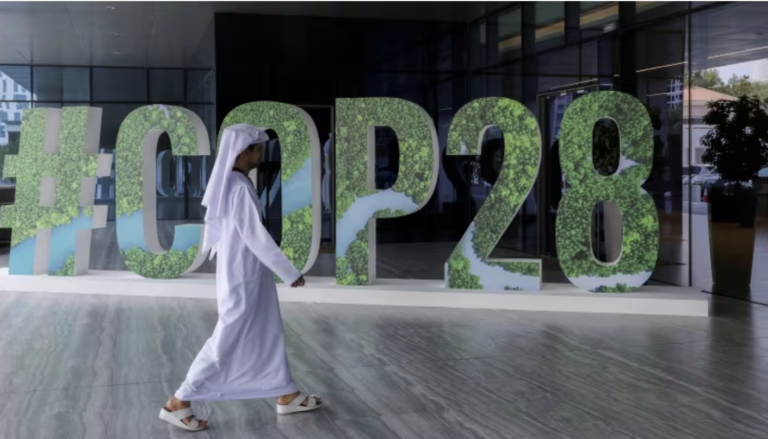
COP28 in Dubai. A loss and damage fund is announced. The rich are expected to compensate the poorer nations.
The 28th United Nations Climate Change Conference, COP28, began last week with a bang as countries came together to adopt a draft resolution for a loss and damage fund — in which rich countries that have benefited from historical activities that produced high emissions help the poorer countries that are hardest-hit by the impacts of climate change.
The loss and damage fund will aim to support the most vulnerable and poorest countries to keep up with the rising costs associated with extreme weather events, such as storms and floods, as well as longer term consequences of climate change including rising sea levels and melting glaciers.
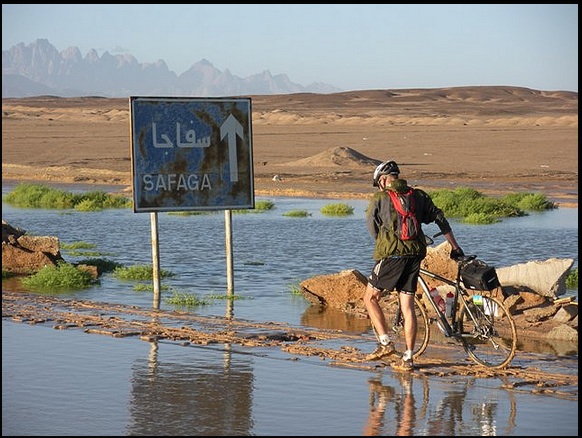
Flooding in Egypt
Nations have already pledged more than $400 USD million to the fund, with host country the United Arab Emirates and Germany both promising $100 USD million. The United States came forward with $17.5 million USD — a relatively paltry sum, but still significant because the United States had previously fought against loss and damage, seeing it as a slippery slope to the idea of climate reparations, which it opposes. Details about how the fund will be disbursed — and whether poorer nations will have to repay the cash — remain to be decided.
As of Dec 6, loss and damage funds from countries are:
AE $100 million
Germany $100 million
other European contributions of $145 million equivalent
Chinstrap Penguin needs to sleep with one-eye open or – in microsleeps
Nursing mothers might feel like they are penguins: new research published in the journal Science finds that penguins can sleep 10,000 times a day for an average of 4 seconds at a time. The breed of penguins studied are chinstrap penguins (Pygoscelis antarcticus) and the scientists observed at 14 birds over 10 days and found that the most the penguins slept was a 34-second power nap, but in total thousands of microsleeps added up to 11 hours of daily rest.
The penguins, researchers surmised, have developed this evolutionary adaptation in order to stay awake while nesting their eggs and guarding themselves from predators. Falling asleep at the wheel for humans, or while sitting on eggs, can be disastrous, so the penguins have adapted in order to rest safely.
The researchers said: “Microsleeps, are seconds-long interruptions of wakefulness by eye closure and sleep-related brain activity, are dangerous when driving and might be too short to provide the restorative functions of sleep. If microsleeps do fulfill sleep functions, then animals faced with a continuous need for vigilance might resort to this sleep strategy.
“We investigated electro-encephalographically defined sleep in wild chinstrap penguins, at sea and while nesting in Antarctica, constantly exposed to an egg predator and aggression from other penguins. The penguins nodded off >10,000 times per day, engaging in bouts of bi-hemispheric and uni-hemispheric slow-wave sleep lasting on average only 4 seconds, but resulting in the accumulation of >11 hours of sleep for each hemisphere.
“The investment in microsleeps by successfully breeding penguins suggests that the benefits of sleep can accrue incrementally.”
Saudi-listed ACWA Power, the world’s largest private water desalination company, leader in energy transition and first mover into green hydrogen, is set to develop in the largest green hydrogen facility in Indonesia with PT Perusahaan Listrik Negara (PLN), Indonesia’s state-owned electricity provider and PT Pupuk Indonesia, a state-owned fertiliser and chemical producer.
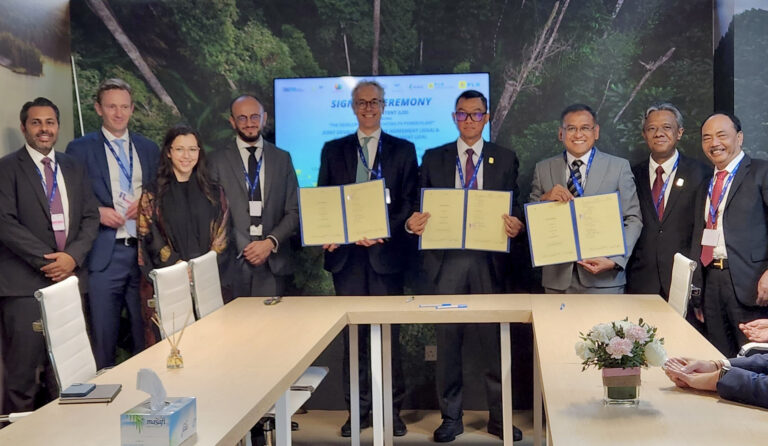
The announcement was made on the sidelines COP28 underway in Dubai. ACWA Power CEO Marco Arcelli signed the agreement with PLN’s CEO Darmawan Prasodjo and Rahmad Pribadi – CEO of Pupuk Indonesia Holding Company.
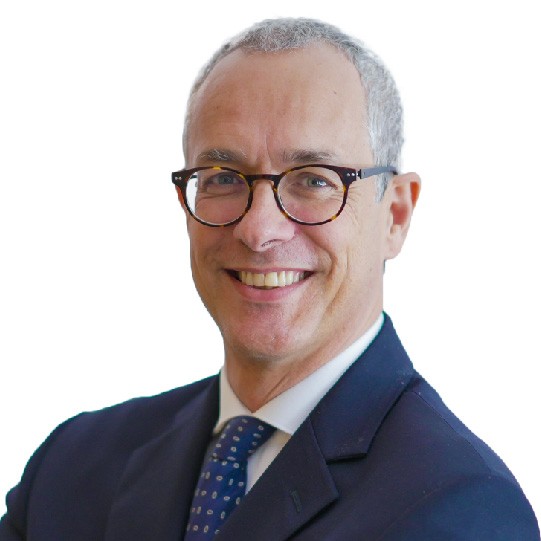
Marco Arcelli, Chief Executive Officer of ACWA Power
The Garuda Hidrogen Hijau (GH2) Project, which is expected to start commercial operations in 2026, will run on 600MW of solar and wind power, and will produce 150,000 tonnes of green ammonia per year. The cost of the project is estimated to be upwards of $1 billion.
The bidding process for engineering procurement and construction (EPC) for the Garuda Hidrogen Hijau project is expected to start in the first quarter of 2024, with financial close planned for the end of 2025.
ACWA Power is expanding its green hydrogen portfolio; work is well underway at the 1.2 million tonne-per-year NEOM Green Hydrogen Project in Saudi Arabia and planned for completion in late 2026, and the company broke ground on a second project in Uzbekistan, in November 2023.
The company is also growing its presence in Indonesia after it was awarded the contracts to develop two floating offshore solar photovoltaic (PV) plants in October 2022.
ACWA Power is a developer, investor, co-owner and operator of a portfolio of power generation and desalinated water production plants with a presence in 12 countries across the Middle East, Africa, Central and South-East Asia. ACWA Power’s portfolio of projects in operation and development has an investment value in excess of USD 74.8 billion, and a capacity of more than 50 GW of power and 7.6 million m3/day of desalinated water.
Its energy portfolio includes efficient combined cycle power plants, solar (Photovoltaic (PV) and Concentrated Solar Power (CSP)), wind, desalination plants, and green hydrogen projects.
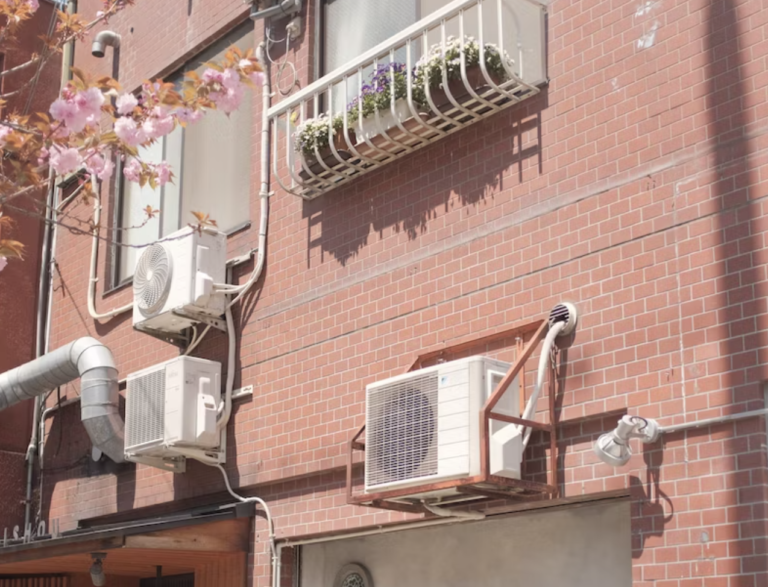
Is your home being filtered for pollutants and dust?
In an age where technology permeates every aspect of our lives, the air we breathe indoors has never been more critical. As we spend considerable time within enclosed spaces, the air quality in these environments can significantly influence our health and well-being. This is where High Efficiency Particulate Air (HEPA) filters play a pivotal role. Renowned for their ability to trap a high percentage of airborne particles, HEPA filters have become a cornerstone in maintaining optimal indoor air quality. This article delves into the importance of HEPA filters and how they are changing the game in our homes and workplaces.
Understanding HEPA Filters and Their Unique Mechanism
HEPA filters stand out in the world of air purification due to their exceptional design and efficiency. Originally developed during the 1940s to capture radioactive particles, these filters have evolved into a household necessity. The core of a HEPA filter is a mesh of fine fibers, typically made of fiberglass. The key to its effectiveness lies in its ability to trap particles of various sizes through interception, impaction, and diffusion.
Interception occurs when particles adhere to the fibers as air passes through the filter. Impaction involves larger particles unable to avoid the fibers and thus becoming embedded. Lastly, diffusion increases the probability of smaller particles colliding with fibers by creating a zigzag pattern in their trajectory. This trifecta of mechanisms ensures that particles as small as 0.3 microns – about 300 times smaller than a human hair – are efficiently captured. This level of filtration is crucial, especially in environments where pollutants, allergens, or pathogens compromise air quality.
The Role of HEPA Filters in Enhancing Indoor Air Quality
Plants in a Brooklyn apartment. A good way to clean air along with air purifers
The relevance of HEPA filters in indoor environments cannot be overstated. They are particularly beneficial in urban settings, where outdoor air pollution can infiltrate our homes, bringing in a mix of dust, pollen, mold spores, and even vehicular exhaust particles. These filters are equally vital in healthcare settings, where maintaining sterile air is paramount. By trapping harmful particles, HEPA filters reduce the likelihood of respiratory problems and allergic reactions, thus contributing to a healthier living environment. As our understanding of indoor air quality grows, so does the appreciation for the role of HEPA filters in our daily lives. They are not just about removing unwanted particles from the air; they’re about improving the indoor air quality of your home. This improvement has numerous health benefits, making HEPA filters a significant investment for anyone concerned about the air they breathe indoors.
HEPA Filters in Everyday Life: Beyond Just Air Purifiers
While HEPA filters are commonly associated with air purifiers, their application extends far beyond. These filters are increasingly integrated into various household and commercial appliances, showcasing their versatility and importance. Vacuum cleaners, for instance, now often come equipped with HEPA filters, ensuring that dust and allergens are not just collected but effectively trapped and removed from the indoor environment. HEPA filters have found their way into heating, ventilation, and air conditioning (HVAC) systems, providing a whole-house solution to air quality issues. This integration allows for a continuous air purification cycle, making it an effective way to maintain consistently clean air throughout a space. The adaptability of HEPA filters to various appliances underscores their role as a vital component in modern living, ensuring that we are surrounded by clean, healthy air no matter where we are within our indoor environments.
The Revolution of HEPA Vacuum Filters: A Game Changer in Indoor Air Quality
When revolutionizing indoor air quality, HEPA vacuum filters stand at the forefront. These filters are a breakthrough in home cleaning, elevating the humble vacuum cleaner from a simple dirt remover to an essential tool for healthful living. Introducing HEPA filters in vacuum cleaners has transformed them into powerful allies against indoor air pollutants.
Unlike standard vacuum filters, HEPA vacuum filters are designed to trap a vast array of tiny particles that would otherwise be recirculated back into the air. This includes common allergens like pet dander, pollen, and dust mite feces – the culprits behind many allergic reactions and respiratory issues. The efficacy of HEPA vacuum filters in trapping these particles is unparalleled, making them an indispensable tool for households, especially those with allergy sufferers. The impact of these filters goes beyond just trapping dirt. They actively contribute to creating a healthier indoor environment by reducing the overall particle load in the air. This is particularly beneficial in homes with young children, elderly residents, or anyone with compromised respiratory systems. In essence, HEPA vacuum filters are not just cleaning our floors; they’re purifying the air we breathe, making them a crucial component in improving and maintaining indoor air quality.
Maximizing the Benefits of HEPA Filters for Superior Indoor Air Quality
To fully harness the benefits of HEPA filters, it’s important to consider their maintenance and proper usage. Regularly replacing or cleaning these filters, as per the manufacturer’s guidelines, ensures they function at peak efficiency. This might mean quarterly changes for air purifiers, while for vacuum cleaners, it could vary depending on usage. Complementing HEPA filters with other air quality improvement measures can lead to even better results. This includes regular cleaning, minimizing volatile organic compounds (VOCs) use, and ensuring adequate ventilation. By integrating these practices, one can create an indoor environment that is clean and conducive to good health.
Introducing HEPA filters into our daily lives marks a significant leap in our quest for cleaner, healthier air. Maintaining clean air cannot be overstated as we continue to spend a significant portion of our time indoors. In embracing this technology, we are not just investing in a product but in our health and well-being.
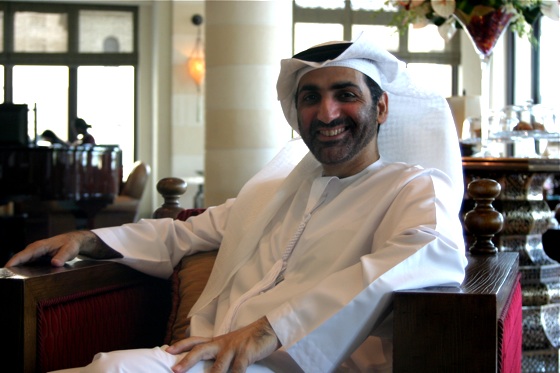
Khalid Ali Al-Ruwaigh, CEO of The Arab Energy Fund
The Arab Energy Fund, previously known as the Arab Petroleum Investments Corporation (APICORP), has announced a significant commitment of $1 billion to drive energy transition and decarbonization efforts. APICORP is wholly owned by the ten member states of the Organization of Arab Petroleum Exporting Countries (OAPEC).
The Organization of Arab Petroleum Exporting Countries is a multi-governmental organization headquartered in Kuwait which coordinates energy policies among oil-producing Arab nations. Member countries include Algeria, Bahrain, Egypt, Iraq, Kuwait, Libya, Qatar, Saudi Arabia, Syria, and the United Arab Emirates. (Egypt’s membership was suspended in 1979, but it was readmitted in 1989. Tunisia ceased to be a member in 1987.) The headquarters are in Kuwait.
This investment, revealed at COP28 in Dubai, is what the oil and gas companies say is part of a strategic shift towards environmentally and socially responsible initiatives, including technological advancements for enhanced energy efficiencies and developing new value chains in the region.
APICORP focused on the MENA energy sector planned investment of up to US $1 billion over the next five years towards advancing energy transition with a focus on decarbonization and related technologies. These could include hydrogen energy and storage breakthroughs and carbon sequestration technologies.
The Arab Energy Fund will rebalance its overall portfolio with continued loan growth and an enhanced focus on equity investments while continuing to innovate to expand its range of financing and direct equity solutions and expert advisory services.
Khalid Ali Al-Ruwaigh, CEO of The Arab Energy Fund announced at COP28: “The Arab Energy Fund transformative strategy marks the institution’s next chapter, deeply rooted in our 50-year legacy and our distinctive role in the MENA energy sector.
“It highlights our commitment to impact-driven solutions, leveraging our deep industry expertise and regional access to enable the evolving energy landscape towards a net-zero world. Our strategy involves diversifying investments by championing technological advancements for enhanced energy efficiencies and driving sustained decarbonization efforts. Additionally, we are extending our investment scope beyond the core value chain, actively cultivating and shaping value chains within the region.”
He added: “Our new strategy and name signify not only our dedication to empowering the region’s energy ecosystem but also resonate with our mission to create a meaningful impact by promoting economic growth, boosting local value chains and local content, through skill development, and fostering knowledge creation.”
Following the establishment of its green bond framework in 2021, the institution set a precedent in sustainable finance by issuing the first-ever green bond issuance by an energy-focused financial institution in the MENA region. The US-denominated five-year benchmark issuance raised an impressive US $750 million, over US $610 million of which has already been allocated to 11 projects in the region.
Currently, 18% of the institution’s US $4.5 billion existing loan portfolio, is dedicated to supporting environmentally and socially responsible initiatives, fostering collaboration between the public and private sectors, and pioneering a path toward more sustainable financing.
The Arab Energy Fund is also in the process of enhancing its ESG Policy Framework, also introduced in 2021, demonstrating the institution’s strong commitment to incorporating responsible business practices into its operations. This effort reflects the institution’s leadership in shaping a more sustainable and responsible future for all.
As the MENA region’s only multilateral impact financial institution, The Arab Energy Fund is also committed to backing the 2050 net zero commitments made by its member countries. The institution has publicly affirmed the imperative need for collective climate action to align with the significant goals laid out in the UN Paris Agreement.
In line with this commitment, the institution introduced several innovative financial solutions that are considered regional firsts, including its pioneering US $75 million Murabaha facility for voluntary carbon offsets and financing of distributed power portfolios.
The Arab Energy Fund stands among the highest-rated financial institutions in the MENA region, boasting ‘AA’ rating from Fitch, alongside ‘Aa2’ from Moody’s and ‘AA-‘ from S&P. This strong endorsement from the rating agencies and the robust regional support from member countries, along with substantial backing from the region’s energy ministries, underpinned by strong liquidity and credit profiles, positions the institution as a key player in championing a pragmatic and sustainable energy future.
The Arab Energy Fund – formerly the Arab Petroleum Investments Corporation (APICORP) – is a multilateral impact financial institution focused on the MENA energy sector established in 1974 by the ten Arab oil-exporting countries.
If breast isn’t the first choice make sure you choose an organic baby formula that feeds baby’s brain
Proper nutrition is crucial for babies. It helps to grow muscle, and bone, and develop the brain correctly. Many baby formulas incorporate various ingredients that help to power up the brains of infants as well as nourish them as they grow up. Probably the most important ingredients that provide vital cognitive progress are omega-3 and omega-6. For example, the famous HiPP organic formula always includes them in its composition. Thus, it’s one of the crucial reasons why this very brand is so popular. We’ll review the role of omega-3 and omega-6 in baby formulas and how they impact brain development.
What Are Fatty Acids
Omega-3 and omega-6 are also called fatty acids or simply fats. They come in different forms, which are:
Saturated
Monounsaturated
Polyunsaturated
Trans fats, and others
Their primary health benefit is fostering the overall development of the growing brain. Mind that there are some other vital health benefits every child can reap. The EU baby formulas always include fatty acids in their compositions.
Development of Cognitive Functions
The primary health benefit for the brain of infants is the development of cognition. In fact, the main nutritional benefits of fatty acids come to infants during the mother’s pregnancy. So, it’s vital for every pregnant mom to take omega-3 and omega-6. Yet, the intake of these fatty acids is crucial after the child is born and continues to grow. They positively impact the development of various cognitive functions, such as:
Thinking
Moving
Speaking
Focusing
Memorizing, etc.
As a result, fatty acids contribute to improved attention and planning. Children can focus on various details and plan their next moves logically. Omega also helps to maintain impulse control.
Improvement of Sleep
Several studies showed that omega-3 and omega-6 can potentially improve sleep in children. The studies showed clear progress in some infants. So, the administering of fatty acids may become a vital solution to all moms and dads whose children have violations in sleep regimes.
Possible Improvement of ADHD Symptoms
ADHD is a common condition affecting many children, characterized by problems with maintaining concentration on something for a long time. Such children are hyperactive and impulsive. Thanks to omega-3 and omega-6, there is a chance to reduce these symptoms or even stop them entirely.
Over 16 studies were carried out to investigate this theory, and the findings are quite promising. Fatty acids helped children:
Enhance memory
Stimulate attention
Reduce hyperactivity
Control impulsiveness
The evidence is clear. Fatty acids cannot be the only therapy for ADHD. Yet, they can be as a supplement to handle this mental deviation faster and more effectively.
Potential for Improved School Performance
As fatty acids have outstanding benefits for brain development, it’s no wonder scientists decided to check how they help children in learning. Thus, a study conducted in 2014 proved that the increase in memory, attention, thinking, and decision-making helped schoolers outperform their peers who did not take any fatty acids.
Can Help Avoid Allergies
As you know, allergic reactions are triggered in the human brain. Several studies proved that the use of fatty acids can help avoid various kinds of allergies because they block the negative impact of the allergens on our system and brain.
The Bottom Line
In summary, the evidence gathered from multiple studies proves the positive impact of omega-3 and omega-6 on the human brain. That is why all renowned EU baby formula makers add them to the composition of their products. They really help to develop the brain in newborns.
Unidentified gunmen in Yemen have carried out an attack and sabotaged a crude oil pipeline in southern Yemen’s oil-rich province of Shabwa, a government official said on Monday according to the Media Line. The gunmen used explosives to bomb the main crude pipeline near the Jannah Hunt oil field on Sunday night, which has caused significant damage and resulted in a substantial crude oil spill, said the official anonymously.
The motives behind the attack remain unclear as the gunmen’s identities are yet to be unveiled, the news outlet reported.
The oil pipeline which connects the Jannah Hunt oil field with the crude oil storage facilities in Alam, Jardan district of Yemen, is now inoperative, posing a challenge to the region’s oil distribution network. Security forces and an engineering team were sent to repair the damage, but the gunmen caused an armed confrontation in the oil fields. The Giants Brigades, a militia loyal to the Southern Transitional Council, intervened. These forces have been governing Shabwa since early 2022.
According to the Media Line, Yemen’s oil infrastructure has been vulnerable to repeated attacks by various armed groups, often motivated by service demands or as a means to exert pressure on local authorities for various reasons, including the release of prisoners.
Yemen’s history with oil
Yemen’s history with oil is marked by both promise and challenges, with the sector playing a significant role in the country’s economy and geopolitical landscape over the last 40 years. Yemen discovered its first commercially viable oil reserves in the late 1980s, particularly in the Marib region. This discovery led to increased foreign interest and investment in the Yemeni oil industry.
During the 1990s, Yemen faced economic difficulties exacerbated by declining oil prices and increasing production costs. The government sought to attract foreign investment and expertise to boost the oil sector. However, political instability and security concerns hindered consistent development. In the early 2000s, Yemen’s oil production reached its peak.
The haunting socotra trees of Yemen
The Yemeni government signed various production-sharing agreements with international oil companies to explore and exploit oil reserves. However, the country’s political instability, tribal conflicts, and the rise of insurgent groups like Al-Qaeda in the Arabian Peninsula (AQAP) posed serious challenges to oil production and infrastructure. Attacks on pipelines and other facilities disrupted operations and led to periodic declines in oil output.
The Houthi insurgency, which gained momentum in the late 2000s and escalated into a full-scale civil war in 2014, further complicated Yemen’s oil industry. The conflict resulted in the division of the country, with the Houthi-controlled north and the internationally recognized government in the south. This division disrupted oil production and exports, significantly impacting the economy.
International interventions and peace negotiations attempted to bring stability to Yemen, but the situation remained precarious. The country continues to face economic challenges, hunger, and water shortages, and the oil sector remains vulnerable to the complex political and security dynamics that have characterized Yemen’s recent history.
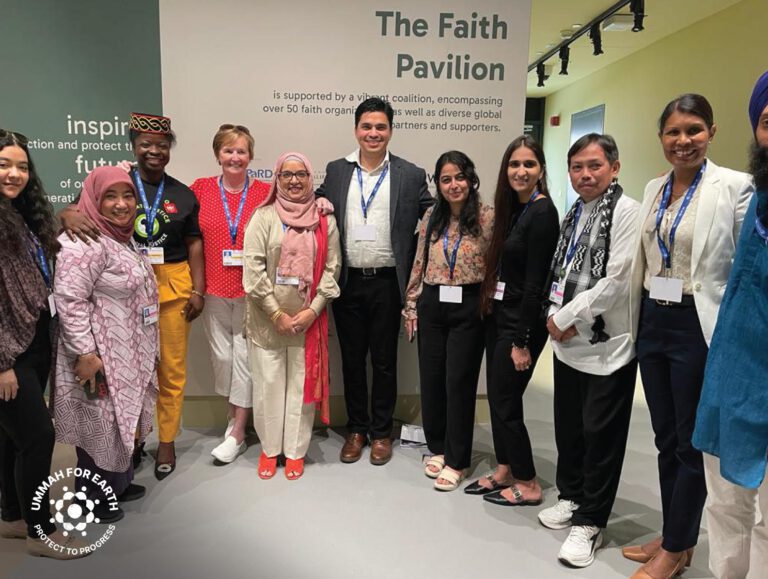
Ummah for Earth unites Muslim faith groups, including Greenpeace MENA at COP28
Ummah for Earth was founded by Greenpeace and several other activist groups, with the goal to empower Muslim communities who are facing environmental crises. These are faith-based groups who want to solve climate change as well. They are present at COP28 asking for climate remediation using faith-based tools.
The Ummah for Earth Alliance created in 2020 was an initiative led by (created) Greenpeace MENA and other allies. The group now includes 30+ organizations and individuals.
Umma for Earth will be hosting events at COP28 and will be present to share tools from their faith, including Islamic Climate Finance, information about water scarcity in the Middle East North Africa region, their aspirations for fossil fuel-free places of worship. Landscape restoration, nature-based solutions and Green Ramadan practices will be part of their talks.
“Our presence will serve to emphasize Muslim and interfaith voices coming from some of the most climate-impacted communities,” the group says in a statement.
They want COP28 to start a fast and fair fossil fuel phase-out, and be a space for initiating protection for climate vulnerable communities: “My hope is that COP 28 will achieve a new momentum to act more passionately and from the heart to affect the change we need”, said Husna Ahmad, the CEO of Global One, a member of Umma for Earth.
“As for the faith leaders present there, I invite them to think about humanity through the eyes of a child who has lost everything and is a climate refugee due to the greed, want and injustice of historical polluters, putting aside their own bias and working together for this child and all humanity”.
Umma4Earth members at Cop28
Umma for Earth members writes out its demands with The Interfaith Statement for COP28 that calls for transformative policies and action to maintain global temperatures within 1.5 degrees Celsius. (We’ve already hit 2 degrees twice in November). They aspire to see a fair implementation for the Loss and Damage Fund while fulfilling climate finance promises to the countries of the Global South following a human rights-centered approach.
Several countries announced their participating in the Loss and Damage fund, as a means to financially support lower-income countries that may be hardest hit from the ravages of climate change.
“Allah has created the universe in cosmic balance (al-Mizan) with all its diversity, richness, vitality and inextricable interdependent mutuality. All creations are Sacred signs of God,” said Imam Saffet Catovic, who comes as an individual from Justice for All.
Saffet Catovic, an eco-imam at COP28
Catovic has worked in New York City and New Jersey Muslim communities on interfaith environmental justice. He began his faith-based activism in 2009 with Green Faith, the leading interfaith organization on environmental activism and education. He also worked on the Green Ramadan Initiative, a mosque-based project across New York, New Jersey, and Pennsylvania aimed at modifying environmentally related behaviors during Ramadan, i.e., local procurement of food, community-supported agriculture, reducing water in ritual washing and consumption, and “leftars” (distributing iftar, Ramadan fastbreak, leftovers to soup kitchens).
“Continued investment in the fossil fuel industry is physically destroying the Signs of God and polluting Earth, thereby depriving us and future generations of a safe climate. The time to end the fossil fuel era and safeguard the right to a clean, healthy and sustainable environment is now! At COP 28 we need all nations to take bold action by significantly increasing their ambition both in terms of NDC CO2 reduction targets and moving up the deadlines for achieving them,” Catovic continued.
“Nations of the world must be transparent and accountable in this process, detailing the specific plans with time bound milestones as to how they will achieve a carbon free – renewable energy future. Since the historic Paris accord promises have been made, but not kept.
“Nations need to heed the call of global faith communities, and civil society organizations and associations as well as many cities and towns across the globe and sign unto and implement the Fossil Fuel Non-Proliferation treaty as a compliment to the Paris accords”.
Sarvestan Palace: Sasanian Eco-Architecture Marvel in Fars, Iran
Nestled in the heart of Fars Province, Iran, the Sarvestan Palace stands as a testament to the rich cultural heritage and ingenious architectural prowess of ancient Persia. This remarkable edifice, built during the Sasanian era (224–651 AD), not only captivates with its aesthetic charm but also holds invaluable lessons for contemporary architects, especially those with a keen interest in eco-friendly and indigenous building practices.
Sarvestan Palace, also known as the “Small Sassanian Palace,” is a prime example of natural building techniques that seamlessly integrate with the surrounding environment. The structure was constructed using locally sourced materials, predominantly mud bricks, which were both abundant and eco-friendly. The use of mud bricks, known for their thermal mass properties, allowed the palace to maintain a comfortable temperature throughout the changing seasons, a principle modern eco-architects strive to achieve.
Sarvestan Palace
One of the key elements that draw eco-architects and enthusiasts to Sarvestan Palace is its harmonious integration with nature. The architects of the Sasanian era possessed an innate understanding of the local environment, crafting structures that blended effortlessly with the landscape. The palace’s earthy tones, complemented by the desert surroundings, create a visually pleasing aesthetic that resonates with lovers of sustainable architecture.
According to the Tehran Times, a project started last year to protect the interior part of the earthen structure from moisture.
The monument with others is part of the UNESCO World Heritage list under the name “Sassanid Archaeological Landscape of Fars Region.”
The ensemble of structures embodies political, historical, cultural, and artistic developments of the mighty Sasanian Empire (224–651), a leading world power alongside its arch-rival, the Roman-Byzantine Empire. The protected sites comprise eight archaeological sites in the areas of Firuzabad, Bishapur, and Sarvestan.
The Sassanid era is of very high importance in the history of Iran. Under Sassanids, Persian art and architecture experienced a general renaissance, according to Tehran Times, and the architecture often took grandiose forms, such as palaces at Ctesiphon, Firuzabad, and Sarvestan, the highlights of the ensemble.
Sarvestan Palace, standing resilient after centuries of exposure to the elements, serves as a beacon of inspiration for those interested in designing structures with longevity. The use of indigenous materials and traditional building techniques has enabled this ancient palace to withstand the test of time, highlighting the sustainability and durability inherent in natural construction methods.
Lessons for the West:
As we navigate the challenges of climate change and seek more sustainable architectural solutions, there are valuable lessons the West can glean from the wisdom of the East, particularly Iran’s indigenous architecture. By embracing natural building materials and methods, architects can create structures that are not only environmentally friendly but also aesthetically pleasing and enduring.
Five Other Notable Examples of Iranian Indigenous Architecture:
Windcatchers of Yazd: The windcatchers, or “badgirs,” of Yazd exemplify ingenious passive cooling systems. These traditional towers capture and direct prevailing winds into buildings, providing natural ventilation and cooling in the arid desert climate. Modern architects can draw inspiration from these structures to develop innovative, sustainable cooling solutions in Western architecture.
Abyaneh Village
Abyaneh Village: Nestled in the Karkas Mountains, Abyaneh village showcases the use of red clay as a primary building material. The village’s unique architecture, with its red mud-brick houses and narrow winding alleys, not only reflects the local culture but also harmonizes with the natural landscape. The incorporation of local materials and vernacular design is a lesson for those aiming to create sustainable communities in the West.
Borujerdi House via Apoche. Notice the windcatchers.
Borujerdi House, Kashan: The Borujerdi House is a masterpiece of Persian architecture in Kashan. Its traditional courtyard design, intricately adorned with colorful tiles and stunning archways, creates a microcosm of serenity. The integration of open spaces and natural light in this historic dwelling offers insights for Western architects aiming to design eco-friendly and aesthetically pleasing homes.
Cryus the Great’s tomb at Pasargadae.
Pasargadae: The capital of the Achaemenid Empire, Pasargadae, showcases the fusion of art and nature. The Tomb of Cyrus the Great, with its simple yet elegant design, emphasizes the use of stone and local materials. The integration of the tomb into the surrounding garden landscape serves as a reminder of the importance of sustainable and contextually sensitive design in monumental architecture.
Jameh Mosque of Isfahan
Jameh Mosque of Isfahan: The Jameh Mosque, a UNESCO World Heritage Site, is a prime example of Persian-Islamic architecture. Its intricate tilework, innovative use of geometry, and sustainable features such as the central courtyard for natural ventilation make it an inspiration for contemporary architects. The mosque demonstrates the potential for combining cultural richness with eco-friendly design.














 Chris Perry is a water researcher who worked for the World Bank. These are his field notes after a visit to Israel in 2015 on how to learn to manage a nation’s water using the Israeli model.