Runners are the upcoming Dubai marathon are challenged to break and make Guinness world records
Runners at the Dubai Marathon will have a rare chance to enter the Guinness World Records archive this year, as the global record-keeping authority partners with the marathon to mark the race’s 25th anniversary.
Announced on January 12, 2026, the collaboration invites participants in the February 1 Dubai Marathon to attempt officially recognized world records under the banner “Be Part Of It.” The initiative merges one of the Middle East’s most established distance-running events with the world’s leading authority on record-breaking achievements.
Rather than focusing only on finishing times, the partnership opens the door to a wide range of creative, endurance-based, and community-driven record attempts. Runners can apply for approved Guinness World Records titles across distance categories, or propose new ones through the official Guinness World Records platform.
Among the record categories available are:
– Fastest marathon completed by a father and son together
– Fastest marathon completed by a mother and daughter together
Additional opportunities include records involving sporting equipment, blindfolded running, roller skating, professional attire, novelty endurance challenges, and visually distinctive running formats.
Break a record at the Dubai marathon. You don’t need speed, just endurance
The aim is to expand how athletic achievement is measured — moving beyond pure speed to include connection, creativity, and participation.
All Guinness World Records applications submitted specifically for the Dubai Marathon will be processed free of charge. Participants will also benefit from fast-tracked application reviews and immediate eligibility assessments, making the process more accessible than traditional record attempts.
Fundraising-related record attempts must receive written approval from an officially authorised UAE charitable entity, in line with national regulations.
The initiative also places strong emphasis on inclusion. People with disabilities are encouraged to apply through Guinness World Records’ dedicated Impairment Classification categories, ensuring fair and consistent assessment across all abilities.
Participants can explore record titles or submit proposals in Arabic or English through the Guinness World Records registration page, and can register for the marathon itself via the official Dubai Marathon website.
Now in its 25th year, the Dubai Marathon has established itself as one of the region’s most respected long-distance running events, attracting elite athletes and community runners from around the world. The Guinness World Records collaboration adds a new dimension to the race, turning it into both a competitive sporting event and a platform for storytelling, legacy, and shared achievement.
In the dark music experience. Could be romantic when you reach for a loved one’s hand.
After a sold-out London debut in 2024, the acclaimed immersive audio experience “in the dark” returns to the capital in January 2026, with performances scheduled for January 22, 23, 29 and 30 at St Andrew’s Church in Holborn.
The 60-minute performance places 30 musicians around the audience in complete darkness. Audience members wear sleep masks while the musicians perform fully live and acoustically, without amplification, speakers, or a conductor. Sound moves around the space in a choreographed 360-degree journey, allowing listeners to experience music purely through hearing.
A similar concept in dining exists in the Jaffa Port, where diners eat in a blacked out dining hall. There are no masks to wear and servers are already blind. You need to have faith and trust in the people around you.
The concept of listening in the dark, first developed in Cambridge in 2017, has grown into an international phenomenon. Its London season in 2024 received the Offies Assessors Choice award and strong critical and audience response. Since its launch, in the dark has staged more than 60 performances for over 8,000 people in venues across the UK.
Musicians are drawn from leading institutions including the Royal College of Music, Guildhall School of Music and Drama, and West End productions. Each performance is shaped by the natural acoustics of the venue, making every show distinct.
Founder Andrea Cockerton describes the philosophy behind the project: “In a world obsessed with being seen, we’re asking people to disappear for an hour. in the dark is a quiet, sound rebellion. No phones, no spectacle, no distractions… just the rare chance to actually feel music again.”
Cockerton, an award-winning arts entrepreneur, is known for her ethical approach to the arts and has received recognition including the NESTA / Observer New Radicals award and the SheSaidSo Alternative Music Power 100 honour.
While not positioned as a wellness event, in the dark mirrors the way nature restores attention and awareness: by removing visual dominance, the experience encourages deep listening, stillness, and presence — the same mental state many people seek in forests, deserts, or by the sea.
The absence of spectacle becomes the point. Each seat offers a different sound perspective. Each listener becomes an active participant in shaping their own experience.
Often described as the “Cirque du Soleil of the senses,” in the dark is now planning future performances across the UK, Europe, Australia and North America.
Tickets for the January performances at St Andrew’s Church, Holborn are now on sale.
Nitsan Joy Gordon and Jawdat Lajon Kasab, the co-founders of the Army of Healers
In a region more accustomed to headlines of loss than of listening, the Institute of International Education (IIE) has chosen to honor something quietly radical: healing. The 2025 Victor J. Goldberg Prize for Peace in the Middle East has been awarded to Nitsan Joy Gordon and Jawdat Lajon Kasab, the co-founders of the Army of Healers, for building spaces where Israelis and Palestinians — Jews, Muslims, Christians, Druze, and Bedouins — can grieve, speak, and rebuild trust together.
The two leaders will share the US$20,000 prize, marking the 21st anniversary of an award created to recognize joint Jewish-Arab partnerships advancing peace.
The Army of Healers emerged after October 7, in response to what Gordon and Kasab describe as a region living inside collective trauma. Rather than launching a political initiative, they created something more fragile — and more human. Today, their program has trained 30 facilitators from across communities and now supports more than 20 healing circles with over 400 participants, conducted in multiple languages and across age groups.
Through ten-session dialogue groups, participants confront fear, express grief, and slowly relearn how to see one another as human beings. “In moments of deep division,” Gordon and Kasab say, “the world needs an army — not of soldiers holding weapons, but of healers cultivating pathways toward peace.”
The circles draw on Internal Family Systems therapy, movement and dance therapy, playback theater, nonviolent communication, and trauma-informed dialogue. The work is hosted under the Israeli nonprofit Together Beyond Words.
Why the Goldberg Prize matters
The Victor J. Goldberg Prize is unique. It does not reward governments or institutions. It honors pairs — one Jewish Israeli and one Muslim Arab — working together at the grassroots level. Victor J. Goldberg, a former IBM executive and longtime IIE trustee who endowed the prize in 2005, emphasized this spirit during the ceremony:
“Nitsan and Jawdat are inspiring examples of the brave individuals and groups who are building platforms of mutual trust and cooperation. Most importantly, they have not lost their commitment to bringing people together to get to know one another as human beings.”
He added that the prize exists to keep hope visible when despair dominates.
Over its 21-year history, the Goldberg Prize has honored 26 pairs whose work has reshaped how peacebuilding looks on the ground. Past laureates have included:
Israeli and Palestinian educators who rewrote textbooks to remove demonization of “the other.” Families who lost children in violence and chose reconciliation over revenge. Medical volunteers who treated patients regardless of religion.
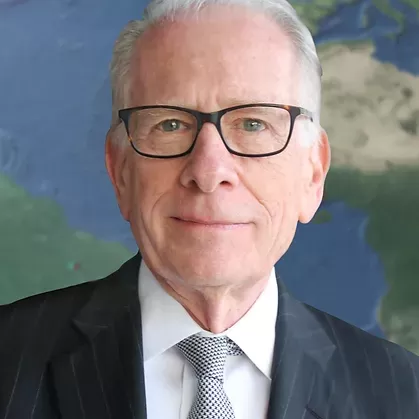
Allan E. Goodman
IIE President Emeritus Allan E. Goodman summarized their legacy: “People who started out hating each other and rejecting each other’s narratives somehow managed to overcome all that to do something good.”
Placed in this lineage, the Army of Healers represents a new generation of peace work — one that recognizes trauma as a political force, and healing as an act of resistance.
We used to think climate work lived in laboratories, policy rooms, and protest signs. But these days it’s living comfortably inside Jewish thought. The Jewish Climate Trust is quietly proving that climate action doesn’t sit outside Judaism — it grows from it. Jewish Climate Trust (JCT) isn’t a think tank that lives only in theory, and it isn’t a charity that writes checks without strategy. It is a values-driven investment in how Jewish life — and Jewish responsibility — shows up in a world already shaped by climate change.
The starting point is simple and uncomfortable: the climate crisis is real, measurable, and accelerating. Denial is not a Jewish position. Despair isn’t either. Judaism teaches obligation without guaranteed success. You are not required to finish the work — but you are not free to abandon it. JCT lives inside that idea: it insists on action without pretending to own the ending.
The focus of the JCT is twofold: putting less carbon into the atmosphere and preparing communities for what is already unfolding.
But there is a third layer that feels distinctly Jewish: co-benefits. Every climate action should strengthen human relationships — between Jews and Jews, Israel and the diaspora, and across borders between people. We see that work in action in Israel’s Arava Center, a cross-border environment research study center that funds desert research, water, cleantech, advancing partners for peace along the way. Climate work, according to the JCT is not only environmental; it is social, political, spiritual, and it’s the moral thing to do.
In North America, JCT has made the largest climate grant ever given in the Jewish world, funding Adamah to accelerate Jewish climate leadership. This includes expanding the Jewish Climate Leadership Coalition, building regional hubs, and integrating climate into young leadership training. They also helped launch a Green Business Network, which is growing faster than anticipated.
Green Prophet founded a chapter of Green Drinks in Israel in 2009. Adamah is continuing the spirit with their next meet-up in Boston in February.
The goal is cultural change — not a single project, but a shift in how Jewish institutions understand responsibility.
In Israel, JCT is funding major research on climate preparedness and security. Climate awareness in Israel is not only about nature — it is about stability, health, migration, food systems, and national resilience. The JCT is pushing Israel to think ahead rather than react too late.
Adamah people on the farm
Regionally, JCT is supporting the Center for Applied Environmental Diplomacy at the Arava Institute — one of the most important cross-border environmental cooperation platforms in the Middle East. When USAID funding was lost, years of trust-building between Israelis, Palestinians, Jordanians, and international partners were suddenly at risk. JCT stepped in with a significant multi-year commitment, joined by private stakeholders, to keep this fragile but vital ecosystem alive.
Israelis and Palestinians work together at the Arava Center
Jewish Climate Trust has quickly attracted the attention and support of some of the most influential voices in Jewish philanthropy, drawing backing from prominent family foundations and business leaders connected to the Bronfman and Schusterman philanthropic networks, alongside climate-focused investors and community builders aligned with founding leader Nigel Savage. Together, these donors have committed many millions of dollars to build a serious, long-term climate platform for the Jewish world — not as a symbolic gesture, but as a strategic intervention in one of the defining challenges of this generation.
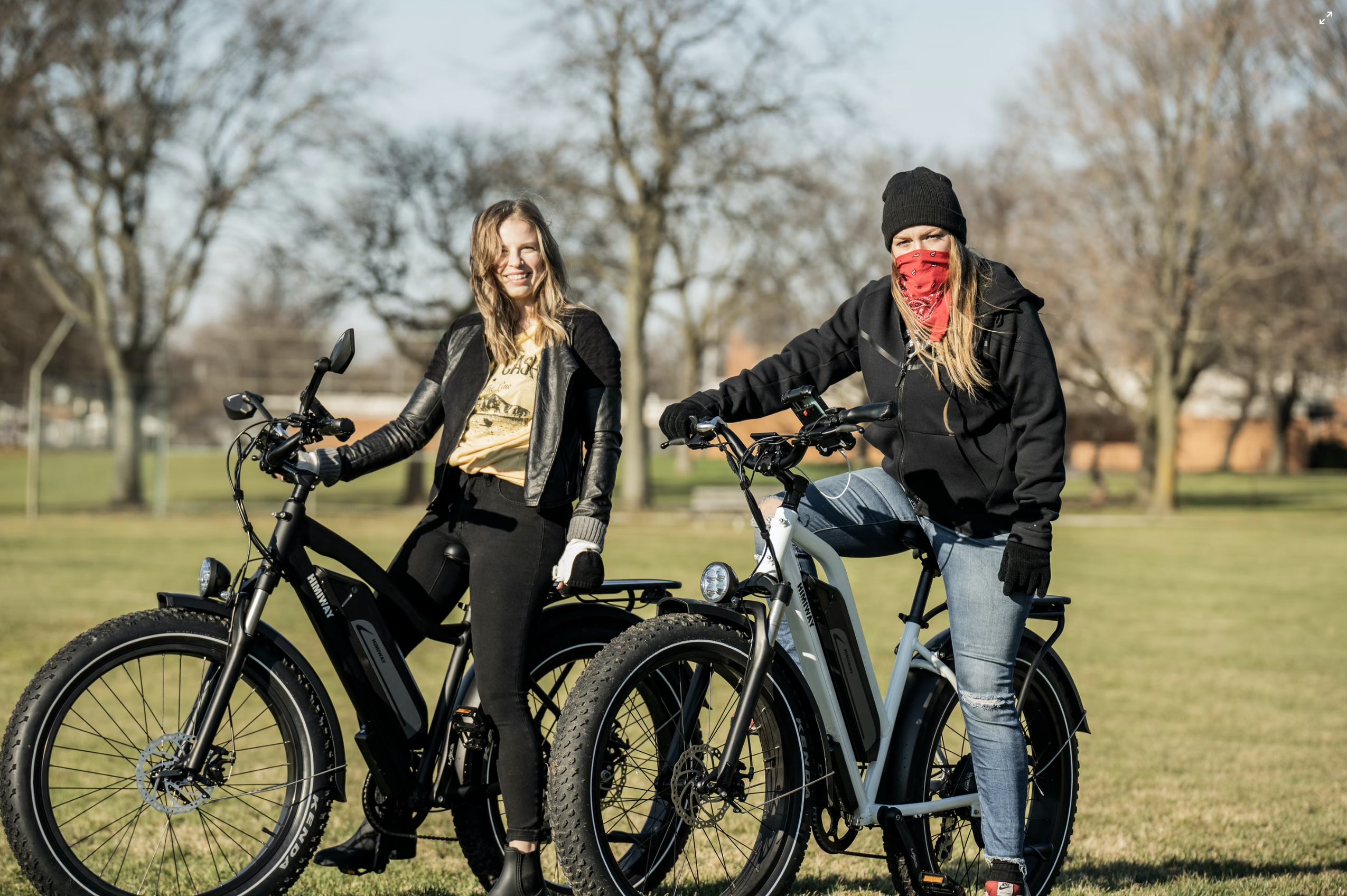
Electric bikes get stolen more often than pedal bikes. Are you insured? Image via Bikeshare.
A stolen bike is upsetting, but the claim can stay straightforward if your paperwork is neat. Insurers mainly want a police report, proof that you owned the vehicle, and documents that match across the FIR, RC, and policy schedule. It also helps to know what happens next, so you are not guessing, rushing, or missing a small but critical step.
Here is a clear guide to the FIR, timelines and proof that usually matter for most Indian insurers today.
File the FIR First and Inform Your Insurer Promptly
A theft claim under a 2 wheeler insurance policy begins with an FIR at the nearest police station, followed by a claim intimation to your insurer. Do not delay. Early reporting protects you if the vehicle is misused and reduces questions later.
What to Mention in the FIR
Keep the FIR factual:
Registration number, make, model, colour, and identifiers
Where it was parked and when you last saw it
Whether it was locked, and where the keys were kept
Take an acknowledged copy, since it is required at multiple stages.
How to Introduce the Claim
Inform the insurer through the channel mentioned in your policy. Share the policy number, FIR details, theft location, and your contact information.
Call the insurer and note the reference
Share the FIR number and the theft location
Send RC and policy details promptly
If you are asked for a written statement, stick to the same facts as the FIR.
Understand Theft Cover under Comprehensive Bike Insurance
Ebikes are not regular bicycles that you power with your feet. Some of them are very powerful machines and without helmet enforcement and riding on bike lanes can be a danger to pedestrians and the drivers. Know your rights even if you think you are driving sustainably. Image via Creative Commons.
Theft is typically covered only when you have own-damage protection, which is why comprehensive bike insurance is important. A third-party-only plan generally does not pay for your stolen vehicle.
What a Theft Claim Typically Pays
If the vehicle is not recovered, the claim is usually treated like a total loss. The payout is generally linked to the insured declared value shown in the policy, subject to terms and applicable deductions. If the vehicle is financed, the insurer may also need the financier’s paperwork before settlement.
What Commonly Delays a Theft Claim
The most frequent delay triggers are mismatched details across documents, missing keys without a clear explanation, or incomplete paperwork.
Theft Claim Timelines Without Surprises
A theft claim runs on two tracks: the insurer’s claim file and the police investigation. The insurer can register your claim once you intimate it, but settlement typically requires the police to formally close their search.
The Early Stage
You will usually be asked for basic claim forms, KYC and ownership proof. Some insurers may also do a verification call. Keep your phone reachable, because a missed verification call can slow the file movement.
The Final Police Report Stage
If the vehicle remains untraced, the police may issue a final report, often called an untraced report or non-traceable certificate. This document is commonly requested before settlement because it confirms that the vehicle could not be recovered through investigation.
Required Proof and Documents to Keep Ready
Most insurers ask for a core set:
FIR copy and, later, the final police report, when available
Policy schedule, claim form, and KYC
RC copy and purchase invoice, if available
Key(s) and a signed declaration, if required
If the two-wheeler is under loan or hypothecation, you may also need the financier’s no-objection paperwork and RTO transfer documents, depending on the insurer’s process.
If Your Policy Has Lapsed: Renewal Matters
A theft during a lapse is typically not payable, so an expired policy renewal should be promptly. If the policy has expired only briefly, some insurers may allow an inspection-free renewal; for longer gaps, a vehicle inspection may be required before own-damage cover is activated. After renewal, instant policy download helps you store proof of cover immediately.
Renew immediately after lapse to restore own-damage protection.
Check if inspection-free renewal applies for short gaps.
Be ready for inspection if the lapse is longer.
Download the renewed policy instantly and save copies.
Closing Note
The fastest theft claims are those with consistent documentation and prompt reporting. Keep copies, respond to insurer queries quickly, and rely on your policy wording for the exact document list. Also, save your claim reference number, note down every call or email, and keep scanned copies in one folder. It reduces back-and-forth and keeps you calmer.
The United States has announced it is withdrawing from 66 international organizations, many of them linked directly or indirectly to the United Nations system. The decision, announced by President Donald Trump and reinforced by Secretary of State Marco Rubio, reflects a renewed “America First” approach to foreign policy and multilateral engagement. The full list of cut funding is here. Given the pro-terror stance for organizations funded by the UN Green Prophet sympathizes with the US and understand that what appear as cleantech or environmental projects is money sent to support countries that are anti-environment, such as Qatar. Read our article on the Union for the Mediterranean.
“Today, President Trump announced the U.S. is leaving 66 anti-American, useless, or wasteful international organizations,” Rubio said. “These withdrawals keep a key promise President Trump made to Americans — we will stop subsidizing globalist bureaucrats who act against our interests. The Trump Administration will always put America and Americans first.” The administration added that its review of additional international organizations remains ongoing.
Although the full list has not yet been released, the move has immediate relevance for sustainability, climate policy, science, and culture, where the US has historically been one of the largest financial contributors. Several UN bodies central to environmental governance are widely expected to be affected, either through full withdrawal, funding cuts, or reduced engagement.
Among the most consequential is the United Nations Framework Convention on Climate Change, which oversees global climate negotiations including the annual COP summits. This year the COP31 event will be held in Antalya, Turkey. The US has already exited the Paris Agreement once under Trump and rejoined under President Biden; this announcement raises fresh uncertainty about America’s long-term role in global climate coordination.
The United Nations Environment Programme is another body closely tied to sustainability. UNEP coordinates international research, policy guidance, and monitoring on biodiversity loss, pollution, and climate adaptation. Critics in Washington argue that UNEP promotes regulatory frameworks that conflict with US economic and energy interests, while supporters say it provides essential scientific coordination that no single country can replicate alone.
Cultural and scientific organizations are also in focus. The UN’s UNESCO, which works on education, heritage protection, and science cooperation, has long been criticized by US conservatives for what they see as politicization and perceived institutional bias, particularly in resolutions related to Israel and the Middle East.
Sustainability advocates note that UNESCO’s work on water resources, ocean science, and heritage conservation often intersects directly with environmental protection. This is true, but the UN funds organizations that seem harmless, but which take a very clear political point of view that contradicts American policies and allies.
Other bodies potentially affected include the Food and Agriculture Organization, which addresses food security and sustainable farming, and the World Health Organization, whose work increasingly links environmental degradation, pollution, and climate change to public health outcomes.
The administration and its supporters argue that many UN and EU-aligned institutions have developed ideological and structural biases that reflect European policy preferences more than American priorities. In the EU and UN funded Union for the Mediterranean (UfM), the organization operates like a pan-Arab support network instead of servicing actual countries in the Mediterranean. These critiques often point to heavy emphasis on precautionary regulation, climate mandates, and social frameworks that are seen as misaligned with US energy production, industrial competitiveness, and national sovereignty.
On the other hand, critics warn that disengagement from UN sustainability institutions risks reducing US influence over global standards that will shape markets, trade, and technology regardless of American participation.
For sustainability advocates, the moment highlights a deeper tension: whether environmental governance is best pursued through global institutions or through national and regional strategies. I personally believe that more power should be put into the hands of local organizations. The bigger and more bloated EU and UN organizations become (with non-elected leaders), the more political biases and racism creep into global policies and perception. The world needs a reset and to restart well intentioned cooperation projects from start. Because right now the UN and EU projects look like software built on code from the 80s, rickety, patched, slow to adapt, and prone to crashing under the weight of outdated assumptions.
Eyeing the mushrooms for sale in the local supermarket, I was intrigued to see shaggy, pearl-white Lion’s Mane mushrooms (H. erinaceus ). It’s not often found fresh, and is mostly used as a health supplement in capsule, powdered, or tincture form.
Traditional Chinese medicine has used it to improve memory and ability to withstand stress, and ease depression, for centuries. This could be helpful for women in menopause, to take just one population needing relief.
Western medicine has begun to recognize the benefits of Lion’s Mane mushrooms. Studies made on mice show tremendous potential for improving cognitive impairment, depression/anxiety, and other major ailments. This is attributed to the antioxidant, antimicrobial, anti-inflammatory and anticancer properties of the mushroom.
Research so far has been limited, and mostly made on people with mild Alzheimer’s disease. Those studies show participants’ improved memory and mood after treatment with Lion’s Mane. Now a pilot study published in the National Library of Medicine presents a different angle: prevention of cognitive decline and health in older age by taking Lion’s Mane while still healthy.
Participants in the study were 41 healthy young adults, men and women, taking Lion’s Mane regularly over 28 days. They showed enhanced memory and improved mood, as well as more ability to withstand stress.
Laboratory mice treated with Lion’s Mane showed faster recovery from nerve injuries, protection against stomach ulcers, lower blood sugar, a healthier heart, higher immunities, improved memory and mood, and even cancer prevention.
Quite a list! Will Lion’s Mane mushrooms rise as the new miracle medicine? That’s something we won’t know until more extensive studies are done on humans.
Caveats: Lion’s mane mushroom might cause the immune system to become more active, which can be great in normal cirumstances such as during flu season. But this could increase the symptoms of auto-immune diseases. According to WebMD, Lion’s Mane mushroom should be viewed with caution by people with these conditions:
Those with auto-immune disease such as multiple sclerosis (MS), lupus rheumatoid arthritis, pemphigus vulgaris (a skin condition), and others. If you have one of these conditions, it’s best to avoid using lion’s mane mushroom.
Patients taking anticoagulant/ antiplatelet drugs: Lion’s mane mushroom might slow blood clotting. This might increase the chances of bruising and bleeding in people with bleeding conditions.
Before surgery: Lion’s mane mushroom might slow blood clotting and reduce blood glucose levels. This might cause extra bleeding, and interfere with blood sugar control during and after surgery. Stop using lion’s mane mushroom at least 2 weeks before a scheduled surgery.
Before a transplant: The strength of immunosuppressants – medications that decrease the immune system – may be weakened by Lion’s Mane.
Diabetics taking medications: Lion’s mane mushroom might lower blood sugar levels. Taking lion’s mane mushroom along with diabetes medications might cause blood sugar to crash.
Now let’s assume that all is well and you want to taste the famous mushroom fresh. Lion’s Mane are hard to grow. To get them fresh, you had to either forage them yourself – assuming you were in the correct, humid forest conditions – or order them from specialty farmers.
I tried growing Lion’s Mane mushrooms myself, out of a kit, but alas – my kitchen window didn’t offer the right conditions. So I was excited to bring some of those Lion’s Mane mushrooms home. I’d have to eat a measured amount of the mushroom on a daily basis to benefit from its medicinal properties, but I wasn’t set up to conduct scientific research in the kitchen; I was set up to conduct culinary research, with my skillet, some good olive oil, and my appetite. I wonder – could we beat cogitive decline by eating Lion’s Mane mushrooms cooked in olive oil?
I chose a simple recipe that allows the umami-rich flavor of the mushroom to shine, without masking it by adding lots of herbs, cream, or other ingredients. This makes 2 appetizers. It may be doubled or tripled.
Simple Sauteed Lions Mane Mushrooms
An easy recipe for umami-rich mushrooms
1 large Lion’s Mane mushroom weighing about 1 lb – 450 grams (sliced into thick rounds)
1 tbsp olive oil or butter
1 garlic clove (finely diced)
Salt and pepper to taste
A squeeze of lemon juice
Gently clean the mushroom with a soft brush or paper towel.
Heat oil in a frying pan over medium heat.
Add the mushroom slices and sear for 2 minutes on each side. Do not crowd the mushrooms; do this in batches if necessary.
Scatter the diced garlic over the pan.
Continue frying the mushroom another 2-3 minutes until golden and crisp.
Season with salt, pepper, and a touch of lemon juice before serving.
Appetizer
lion’s mane recipe, mushrooms
Enjoy!
Photo of sauteed Lion’s Mane mushrooms via acouplecooks.
At a moment when the United States is wrestling with energy policy uncertainty and climate commitments (it left the Paris Accords under the Trump Administration), the conversation around renewable energy has never been more urgent. From grid modernization efforts to biofuel mandates in the pipeline, to renewable energy powering AI, US energy decision-makers are increasingly recognizing that sustainability and resilience must go hand in hand.
Renewable energy is often associated with solar panels and wind turbines. Yet not all renewables are intermittent or dependent on weather conditions. Biogas — methane produced by the anaerobic digestion of organic waste — offers a continuous, reliable source of clean energy that complements intermittent renewable sources like wind and solar. Through engineered systems that capture methane from agricultural residues, wastewater, and landfill gas, biogas technologies can generate electricity, produce renewable natural gas (RNG), and even power transportation fleets and airplanes using SAF.
Embedded in this transformation is a lesser-known but powerful player: biogas engineering — a technology poised to influence long-term environmental planning for decades to come. The engineering behind biogas systems is critical for its uptake. Companies specializing in biogas engineering design, build, and operate facilities that optimize the conversion of waste into usable energy. These systems don’t just generate fuel — they reduce methane emissions, produce valuable by-products such as renewable fertilizer, and help municipalities and farmers meet sustainability goals.
Neste’s SAF biofuel tested in Boeing Emirates flight in 2023
In the context of American energy policy (setting the stage for the world as oil prices are in USD), the relevance of renewable energy planning is increasingly evident. Federal agencies are preparing final biofuel blending mandates under the Renewable Fuel Standard, with decisions expected early in 2026 after delays that have left investors and producers in limbo.
At the same time, cities like San Antonio are demonstrating biogas’s real-world potential: landfill methane is being transformed into renewable natural gas that fuels public transit buses, reducing carbon emissions by up to 85% compared to diesel.Such projects exemplify how renewable energy can weave into everyday infrastructure, supporting decarbonization while enhancing local economies. See how Texas policy supports investment in biogas.
What are the advantages of biogas?
1. Continuous, Dispatchable Clean Energy: Unlike solar or wind, biogas can be scheduled and provided on demand. Its capacity to produce power around the clock strengthens grid reliability as renewable penetration grows.
US EPA
2. Methane Mitigation: Methane is a potent greenhouse gas with more than 80 times the warming impact of CO₂ over 20 years. Capturing methane from waste streams and converting it into energy both lowers emissions and generates a valuable resource.
3. Circular Economy Benefits: Biogas systems turn organic waste into energy and soil amendments, advancing waste reduction and creating added value for rural communities.
4. Strategic Energy Independence: By producing domestic renewable fuels like RNG and compressed natural gas for vehicles, biogas supports U.S. energy security while reducing reliance on imported fuels.
As policymakers and planners consider long-term climate strategies — from updating infrastructure to scaling renewable mandates — integrating biogas engineering into broader frameworks will be crucial. Not only does biogas bridge gaps in the renewable energy landscape, it also aligns environmental, economic, and social objectives in a way that few other solutions can. In a time of accelerating climate challenges and policy debates, renewable energy isn’t just about reducing emissions — it’s about building resilient systems that serve communities sustainably for generations. And it will be interesting to see how AI best practices interface in this market.
If make carrot juice and wonder what to do with all the carrot waste? Maybe turn it into mushrooms? A new study published in ACS’ Journal of Agricultural and Food Chemistry points to a clear opportunity for mushroom growers—commercial and hobby alike: using carrot processing waste as a substrate to grow high-value fungal mycelium for alternative protein.
Researchers investigated whether carrot side streams, generated during the production of natural food colorants, could support edible fungi growth. After screening 106 fungal strains, they identified Pleurotus djamor (pink oyster mushroom) as the most efficient, producing strong biomass growth and high protein content when cultivated on carrot residues.
Rather than growing fruiting bodies, the researchers focused on harvesting mycelium. This approach is especially relevant for growers, as mycelium production typically requires less space, shorter production cycles, and more controlled conditions than traditional mushroom cultivation.
Mushrooms grown on carrot waste
According to the study, the resulting mycelium protein showed biological values comparable to both animal and plant proteins, while remaining low in fat and rich in fiber. As the authors note:
“The biological value of the mycelial protein was comparable to that of animal- and plant-based proteins.”
To test market potential, the mycelium was incorporated into vegan patties and sausages. In blind taste tests, participants consistently preferred products made with 100% mycelium over soy-based alternatives, citing better taste and aroma.
The researchers emphasize the broader implications for sustainable food production: “Utilizing side streams as substrate for mycelium production reduces environmental impact while adding value and supports food security.”
For mushroom growers, this research highlights a scalable, circular model: low-cost or discarded vegetable side streams become feedstock for a premium protein ingredient. It opens the door to partnerships with food processors, diversification beyond fresh mushroom sales, and entry into the fast-growing alternative protein market—without requiring entirely new cultivation expertise.
As demand rises for sustainable proteins that perform well on taste, mycelium grown on agricultural side streams may offer growers a rare combination of efficiency, profitability, and environmental benefit.
There is something disarming about a company that publishes what didn’t work. I first came across this approach at startup events called FailCon, where high-tech founders would bare all and tell people about the mistakes of their lives — money they lost, lives they crushed. And we loved them more for it. Because for every company that works, there are probably a thousand that don’t.
Vivobarefoot, the shoe company taking on Nike and Adidas by turning technology inward — into the people who wear their shoes rather than external gels, soles, and supports — has made failure part of its annual reporting. You can find it laid out plainly in the Unfinished Business Report 2025, an integrated annual report that reads more like a working notebook.
Vivobarefoot is not a public company. There are no quarterly earnings calls to perform for, so they don’t need to do this. The business remains majority owned by the Clark family, with founders Galahad Clark and Asher Clark retaining control. A minority investment from Sofina Group provides patient capital, alongside a long-standing manufacturing partner and a small group of Crowdcube investors. That structure matters. It explains why this report can afford to be honest.
The report is clear about where things fell short. A strong women’s campaign delivered more than 11% growth but left men’s sales down 1% year-on-year, a reminder that focus can also create imbalance. VivoBiome, the much-celebrated scan-to-print footwear initiative, generated awards and media attention, but scanning and production bottlenecks limited volumes and sales.
Vivobarefoot and Balena 3D print a shoe to mimic the shoes of primal man. An early concept for printing footwear.
There were also product issues, including waterproofing and bonding failures in the Tracker Low and High boots, now fixed, and persistent stock availability problems that meant customers often couldn’t get the styles they wanted. None of this is dramatized. It’s presented as information — signals from the system.
What sits alongside these limitations is slower, less flashy progress. ReVivo, Vivobarefoot’s resale and repair platform, now accounts for up to 15% of sales. More than 63,000 pairs were repaired or refurbished this year. During Repair Week, demand overwhelmed expectations — queues outside stores, thousands of repairs booked in days.
Financially, the company grew to £91.4 million in revenue, sold 1.2 million pairs, and maintained a B Corp score of 119.3. But the report resists the idea that regeneration can ever be “done.” Growth is treated as something fragile — easily undone by logistics, incentives, or execution. The company has also published reports by human resources which show a 7.5 happiness rating for employees.
I’ll add a small personal note. Early this year, Vivobarefoot sent us a pair of wool barefoot shoes. I didn’t love them at first. They felt less stable than the ones I’ve bought over the years with laces. (I run in barefoot shoes too). The soles, padded with a rubber/cork composite, irritated my feet in a way that felt like a warm tingling. Then, gradually when I was in Berlin in the fall, I started wearing them as an every day shoe. Somewhere along the way, they became the shoes I reach for every morning. The weather has something to do with it.
Vivobarefoot doesn’t promise instant transformation — of bodies, businesses, or systems. They even suggest that when you buy their shoes wear them at increments until you get used to them. Your better posture should come from within, not given to you by an inflexible sole and the security of a cushioned heel.
Unfinished Business 2025 offers a blueprint for companies people want to support and work for: a company willing to stay with discomfort, to publish what didn’t work and what does.
A new analysis published today by Urgewald, a German NGO, reveals that the European Union continues to play a central role in sustaining Russia’s Arctic gas exports, despite its public commitment to phase out Russian LNG imports by 2027.
Using cargo-level data from Kpler, the report shows that in 2025 the Kremlin’s flagship Yamal LNG terminal generated an estimated €7.2 billion in revenue from LNG shipments to EU ports alone. Of the 19.7 million tonnes exported globally from Yamal last year, 15 million tonnes — more than 76% — were delivered to Europe, making the EU by far the project’s most important customer.
“While Brussels celebrates agreements to phase out Russian gas, our ports continue serving as the logistics lung for Russia’s largest LNG terminal,” said Sebastian Rötters, Sanctions Campaigner at Urgewald. “In the current geopolitical situation, we cannot afford another year of complicity.
“We are not just customers; we are the essential infrastructure keeping this flagship project alive. Every cargo that offloads at an EU terminal is a direct deposit into a war chest that fuels the slaughter in Ukraine. We must stop providing the oxygen for Russia’s energy profits and shut the Yamal loophole now.”
The findings suggest that rather than declining, Europe’s reliance on Yamal LNG intensified in 2025. Yamal cargoes accounted for 14.3% of the EU’s total LNG imports, equivalent to roughly one in every seven LNG ships arriving at European terminals.
Sebastian Rötters
France emerged as the single largest importer of Yamal LNG in 2025, receiving 6.3 million tonnes across 87 shipments at the ports of Dunkirk and Montoir. Belgium’s Zeebrugge terminal also played a critical role, receiving more Yamal LNG than China over the same period.
According to the analysis, Europe’s importance goes beyond demand. Yamal LNG’s Arctic location makes it entirely dependent on a small fleet of 14 Arc7 ice-class tankers, which must operate on short routes to function efficiently. By allowing these vessels to unload in nearby European ports, the EU enables rapid turnaround times that keep exports flowing year-round.
The report also highlights the role of European shipping companies, noting that UK-based Seapeak and Greece’s Dynagas together control over 70% of the Arc7 tanker fleet serving Yamal LNG.
Urgewald warns that unless action is taken soon, Europe risks losing its leverage. As charter agreements expire later this year, the specialized tanker fleet could be transferred into opaque “shadow fleet” structures, further entrenching Russia’s Arctic LNG exports.
“The data shows the EU holds decisive influence over Yamal LNG,” Rötters said. “What’s missing is the political will to use it — and to close the Yamal loophole now.”
Strong infrastructure depends on dependable safety barriers that keep people, property, and equipment protected. Every project, from roadways to construction zones, needs barriers that balance strength, flexibility, and long-term performance. Finding trustworthy concrete barrier suppliers helps projects stay safe, organized, and cost-efficient from start to finish.
As new designs and materials shape the future of public and private construction, knowing which systems deliver consistent results becomes more important. This article explores leading concrete barrier options on the market today and explains how each type supports modern infrastructure goals.
48 Barriers Concrete Barriers
48 Barriers supplies durable concrete products designed for highway, construction, and property use. Their selection includes Jersey barriers, K-Rails, bin blocks, and planters. These products help organize traffic flow, define boundaries, and add stability to various site layouts.
For teams focused on safety and durability, reliable concrete barriers for modern projects support long-term infrastructure goals. The company offers both new and used styles to fit different project budgets. Each barrier meets practical demands for public and private spaces without unnecessary design complexity.
Customers across the country depend on these barriers for traffic control and perimeter protection. The option to choose between sizes and finishes makes it easier to match project standards. Reliable delivery and straightforward service help contractors complete jobs on time and with fewer logistical delays.
Hardstaff Barriers Multibloc TVCB
The Hardstaff Multibloc TVCB offers a solid solution for roads, construction sites, and site security. Each barrier measures about 3 meters long and weighs around 2.5 tonnes, giving it stability under heavy use. It uses reinforced concrete and interlocking joints that allow secure placement in different layouts.
This system meets EN 1317 standards for temporary safety barriers and holds N2/W3 containment approval. It also features threaded sockets that allow flexible use along verges or central reserves. The design supports both workforce protection and vehicle containment on modern highways.
Contractors often choose the Multibloc TVCB for projects that need quick setup and adaptable layouts. Its modular sections can be installed or relocated without complex equipment. As a result, it helps maintain safe work zones while keeping traffic disruption minimal.
REBLOC Concrete Barrier Systems
REBLOC designs and produces modern vehicle restraint systems made from durable precast concrete. The company focuses on safety and efficiency by creating barriers that meet strict performance standards in road and bridge construction. Each barrier unit connects securely to form a stable line that helps reduce vehicle intrusion during impact.
These systems allow fast installation with minimal disruption to traffic. The modular design also supports both temporary and permanent applications, which makes them suitable for highways, tunnels, and construction zones. Their compact form requires less space while still meeting high safety levels.
REBLOC barriers often feature a long service life, helping infrastructure projects meet long-term design goals. They can also integrate with different terminals and access points, giving engineers flexibility in layout and function. As a result, many projects use REBLOC systems to meet modern safety requirements while maintaining practical site operations.
Bohlmann Linkable Concrete Barriers
Bohlmann produces linkable concrete barriers that support both safety and adaptability in infrastructure projects. Each unit connects securely with others, giving job sites a solid layout that stays stable under demanding conditions. The linkable design allows crews to create longer protective lines with less effort.
These barriers come in multiple sizes and can be adjusted in height or finish to meet project standards. Their construction uses high-quality concrete that provides strength for roadways, parking areas, and industrial zones. Forklift knockouts allow for quick placement or removal, which helps reduce setup time.
Many buyers choose Bohlmann barriers because they combine durability with a clean appearance. Decorative options such as color stains or specific aggregate textures make them suitable for public spaces as well as commercial settings. As a result, they serve as both a safety measure and a structural feature that supports the overall function of modern infrastructure projects.
Jensen Infrastructure Safety Barriers
Jensen Infrastructure designs and produces safety barriers that meet modern engineering standards. The company focuses on creating durable precast concrete products that support safe roadways and secure construction zones. Each barrier follows strict quality guidelines to meet the needs of public, commercial, and government projects.
Its safety barriers serve highways, bridges, and industrial sites where steady traffic control is required. They help reduce risks for drivers and workers by guiding vehicle flow and providing separation between lanes or work areas. In addition, these barriers assist with site organization to maintain smooth movement throughout projects.
Jensen Infrastructure continues to expand its product line with solutions that reflect current infrastructure demands. The company applies tested design methods to produce barriers that handle pressure and resist wear over time. These features make the barriers a dependable choice for agencies and contractors focused on safety and long-term performance.
Conclusion
Concrete barriers play a key role in safer and more efficient infrastructure projects. Their solid structure helps guide traffic, protect properties, and reduce impact damage in both public and private areas.
Projects that use precast concrete units gain faster setup, uniform quality, and longer service life. These features save time and lower maintenance costs over the project’s life. In addition, modern design options allow barriers to match urban layouts without losing strength.
Selecting a dependable supplier matters. Contractors should assess material quality, compliance with safety standards, and performance history before purchase.
In short, concrete barriers combine strength, durability, and design flexibility to support safer and more organized infrastructure development.
Binishell homes can be made for emergency house and high-end luxury dwellings. Looking ahead in the job market, we can find new opportunities in hemp concrete and modeling software for energy efficiency
At Green Prophet, we want to start 2026 with a note of genuine thanks. We’re grateful to LinkedIn News for granting us free access to a reporter account. In a media landscape where quality data is often locked behind paywalls, this kind of openness matters — especially for independent journalism focused on climate, sustainability, and the future of work. With LinkedIn we are able to access people and contacts in hours, rather than days.
That access is put to good use in LinkedIn’s newly released Jobs on the Rise 2026, which tracks the 25 fastest-growing roles in the United States based on real employment data from 2023 to mid-2025. Beyond the headlines about AI, which will no doubt play a role in every job in the near future, the report quietly reveals something just as important: sustainability and climate-aligned work is no longer niche — it’s embedded across industries. And this report gives hope, direction and potentially new opportunities for young people starting out in their careers.
We’ve taken a look at the report and helped distill the opportunities that can work with the environment in mind.
Where sustainability shows up in the fastest-growing jobs
AI is used in mining
While “green jobs” aren’t always labeled as such, many of the fastest-growing roles are directly enabling the energy transition, climate resilience, and lower-carbon systems:
Number one on their list is Artificial Intelligence engineers. But what does that mean? Vibe coding Claude?
AI engineers, AI consultants, and AI/ML researchers
These roles are increasingly central to climate modeling, grid optimization, energy efficiency, climate risk analytics, and sustainable supply chains. AI isn’t abstract anymore — it’s infrastructure for climate decision-making. AI is being used to find new sources for mining, for solar panel optimization, and where to build wind turbines.
Field marketing representatives in renewable energy and food systems
LinkedIn data shows hiring momentum in industries tied to renewable energy services and food production — sectors under pressure to decarbonize and scale responsibly. We know that Estee Lauder went solar at the source. Other companies are following suit.
Estee Lauder in Canada sets up solar power on the roof of the manufacturing facility. Businesses can do this as well as individuals.
Fundraising officers, public affairs specialists, and strategic advisors
Climate action increasingly depends on capital, policy, and public trust. These roles help move funding, shape regulation, and translate sustainability goals into action. find jobs in the government, at NGOs and as the VP of sustainability at a job you create.
Construction project leads & new home sales specialists
As building codes tighten and demand rises for energy-efficient housing, these roles will increasingly influence materials, design, and long-term environmental impact. Definitely in solar panel installation, creating new projects like Binishells from hemp concrete, and so on.
LinkedIn’s research also highlights a striking tension: 56% of professionals plan to job-hunt in 2026, yet 76% say they don’t feel prepared.
This gap matters for climate and sustainability. The transition to a low-carbon economy depends not just on technology, but on people who can adapt, reskill, and move between sectors. LinkedIn’s inclusion of free Learning courses alongside each role (available to all members until February 6) is a practical step toward closing that gap.
So thank you, LinkedIn, for the access — and for publishing data that helps journalists, workers, and policymakers see where the future of work is heading.
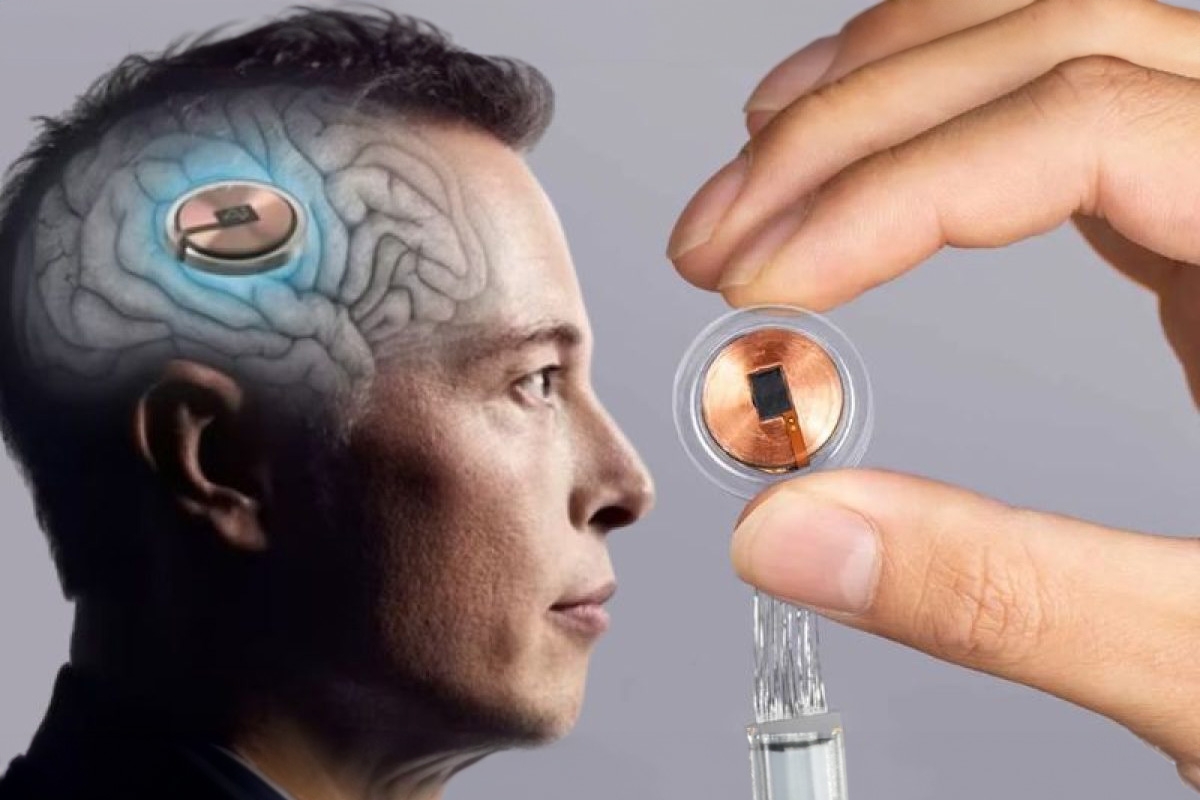
Elon Musk is developing Neuralink to improve the quality of life. Bryan Johnson wants us to live forever. Somewhere in between is new research on what informs our DNA.
A sweeping new genetic analysis of more than 900,000 people in the United States has revealed something profound: as we age, parts of our DNA physically change — and for some people, those changes happen up to four times faster than for others. We’ve read the research that trauma and environmental exposure can hurt us at the DNA and cellular level, harming our future offspring, but this new research will be useful for life hackers, people that want to try to live forever.
Life hackers like Bryan Johnson, a US tech entrepreneur (founder of Braintree, which acquired Venmo) has turned his body into a full-scale longevity experiment called Blueprint. This latest research might allow some people to figure out how they “optimize” differently to live as long as possible.
Bryan Johnson
The study, published this week in the leading science journal Nature, examined repetitive stretches of DNA known as repeat expansions — short genetic sequences that copy themselves again and again over time. These repeats are already known to cause more than 60 inherited diseases, including Huntington’s disease, myotonic dystrophy, and some forms of ALS. What scientists hadn’t realized until now is just how common, dynamic, and genetically controlled this process is across the general population.
“We found that most human genomes contain repeat elements that expand as we age,” said Margaux L. A. Hujoel, PhD, lead author of the study and assistant professor at UCLA. “Some individuals’ repeats expand four times faster than others. That level of genetic control points to real opportunities for intervention.”
Researchers from Broad Institute, Harvard Medical School, and UCLA analyzed whole-genome data from nearly half a million UK Biobank participants and more than 400,000 people enrolled in the U.S.-based All of Us Research Program. Using newly developed computational tools, the team measured instability across more than 356,000 repeat locations in the genome.
What they found reshapes how scientists think about genetic aging. Repeat expansions were shown to increase steadily with age in blood cells, while 29 distinct genetic regions were identified that either accelerate or slow this expansion. Strikingly, the same DNA repair genes could stabilize one repeat while destabilizing another — a reminder that biology rarely behaves in simple, linear ways.
One discovery stood out. Expansions in the GLS gene, present in about 0.03% of people, were linked to a 14-fold increased risk of severe kidney disease and a threefold increase in liver disease risk — pointing to a previously unrecognized repeat expansion disorder hiding in plain sight.
Why does this matter? Because these expanding repeats may become measurable biomarkers — early warning signs that disease processes are accelerating long before symptoms appear. More importantly, the naturally occurring genetic variants that slow repeat expansion may show researchers which molecular pathways to target with future therapies.
“This work tells us that genetic aging isn’t uniform,” Hujoel said. “And if we can learn how to slow it in some people, we may be able to slow disease itself.”
For a world grappling with aging populations and chronic disease, the message is clear: our DNA is not static — but it may be more steerable than we thought.
What is life hacking?
Life hacking is a modern catch-all for a growing movement that treats the human body and mind as systems that can be measured, tested, and improved. A life hacker uses tools from biohacking, data tracking, and behavioral science to pursue human optimization and self-optimization, often through the quantified self approach—measuring sleep, nutrition, stress, and performance to guide personal optimization and performance hacking. Increasingly, this mindset is focused on longevity hacking and anti-aging biohacking, with the aim to slow aging naturally, reduce one’s biological age, and in some cases even attempt to reverse aging.
Central to this effort are concepts like lifespan extension and healthspan optimization, which prioritize living healthier for longer, not just living longer. Researchers and biohackers alike track aging biomarkers such as DNA aging, telomeres, and epigenetic age to understand how fast the body is aging at a cellular level—and whether lifestyle, technology, or medical interventions can meaningfully change that trajectory.
We say eat well, exercise within reason, love your God, your nation and your family, and you will have a great life.
Model Sophia Hadjipanteli sports a unibrow year round
Body hair is a big issue especially for those who have it. Some cultures adore body hair on women and men, others deny that women actually grow body hair on their arms, legs, face, and even chest. Muslims have a haram and halal guide to body hair, and Jewish women remove theirs every month before they go to the mikva when relations with their husband can resume.
Women’s chest hair, armpits, legs and bikini areas. Let it grow!
Middle Eastern women can be hairy and those not wanting it use threading and sugar wax or sugaring to remove it. Removing hair, as men who shave daily, know, is a big hassle. Some get it removed permanently but that could be a big mistake as Januhairy and a new body hair trend is coming back stronger than Brooke Shield’s eyebrows in the 80s.
Sophia-Hadjipanteli
What’s a woman to do? Like Movember when men started growing moustaches for a cause, a new movement called Januhairy is encouraging women to stop removing their body hair. Look at Cypriot-American model Sophia Hadjipanteli and her unibrow. And the TikToker Unibrow Girl. Will you join the movement?
If you look to Takijistan a woman’s beauty is measured by the size of eyebrows. Traditional Tajikistan songs including Bukaran songs by Jewish Tajikis extol women and their large eyebrows. Tajikistan women paint their eyebrows a la Frida Kahlo to appear more attractive.
A unibrow is a sign of beauty in Tajikistan and among Bukharan Jewish culture. Image via El-Len
Egyptians are credited with inventing sugaring, believed to predate shaving. It’s similar to waxing, but uses a sugar-syrup paste that gets spread onto skin. When the mixture cools, it’s quickly peeled off, yanking hair out at the roots. You can eat the sweet pre-product if you use our recipe.
But why bother shaving? Women leading the Januhairy movement like Queen Esie believe that body hair can help a woman reclaim her body and redefine what is beautiful.
She offers some tips, “Most women have shaved and removed their body hair all their life that they don’t know what they look like natural, and feel shame when they body hair slowly starts growing back. If you want to stop be afraid or ashamed of your body hair and slowly start embracing it, here are a few tips:
Tip 1: Accept that you’re a hairy woman & that’s ok ? Tip 2: Wear clothes that reveal your body hair in the comfort of your home? Tip 3: Compliment your hairy body in the mirror ☀️ Tip 4: Let your body hair grow during the winter
“Once you get use to seeing body hair on your body you will slowly stop feeling shame.”
Queen Esie via Instagram
If you lived past the 90s and notice some women have bald eyebrows, that’s because women over-removed their eyebrows and they never grew back. Some women, already back then and it’s always been more common in Europe, have stopped removing armpit hair, leg hair, nipple hair and all hair down there.
Queen Esie via Instagram
Say no to a Brazil body wax
What is a Brazilian wax? In a Brazilian wax common in the west pubic hair is removed from around the external genitals, between the upper thighs, and around the anus. Some women can choose to remove all hair in the area or leave a small strip of hair in the front.
For the last 15 years or the Brazil body wax has made it common for women to remove their pubic hair as though they are pre-pubescent women. The Januhairy movement is encouraging women to keep all their growth, personal and down their intact and to embrace one’s body as it is: hairy and beautiful. It starts with a few women but if women of the world unite, you can stop shaving forever. The other option: get married and save yourself the hassle.
“Female body hair challenges not only the world’s status quo on a superficial, visual level but also our deeper stigmas and beliefs surrounding female pleasure and sex,” says Caley Draws, who discusses sex and hair.