Events and frenetic discussion, both academic and activist in nature, have continued apace here at the 2nd Drylands and Desertification Conference here in Sde Boker, and I’ve taken an afternoon off to process the previous days proceedings. (You can see yesterday’s recap of the conference here.)
The theme of day 2 was titled ‘the role of vegetation in sustainable living within drylands,’ though this was a very loose umbrella for the variety of papers presented.
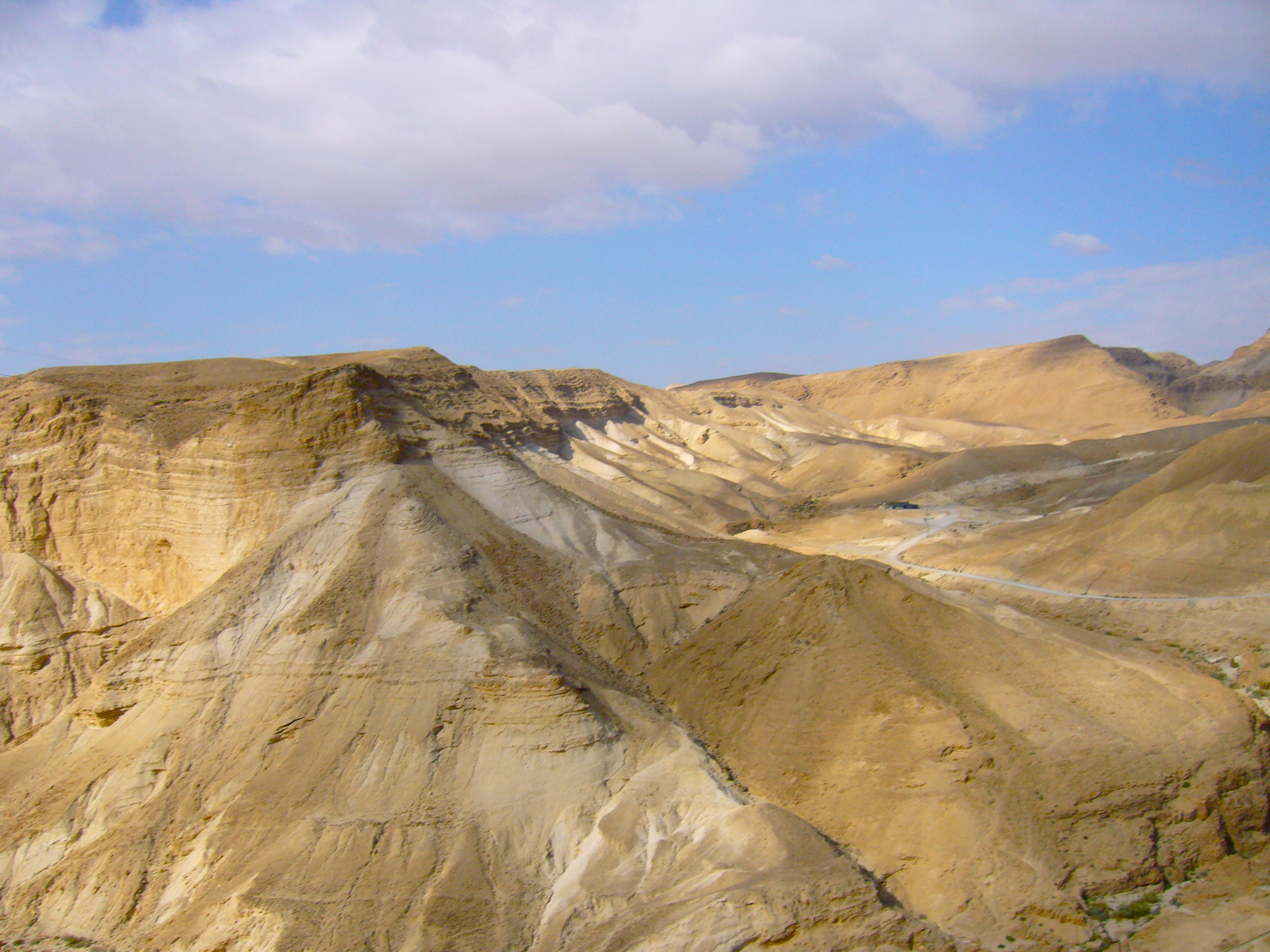
A critical theme emerging from this Internationally significant congregation of experts and interested parties is the effect of the creeping deserts upon human society – encompassing both desert dwellers and urban conorbations.
I was surprized to meet an Italian group here, but they tell me their government takes the increasing aridity of the south of the country, in Sicily, seriously. Some of the other participants have travelled from Ireland, Chad, Togo, Spain and Botswana to be here. A strand of today was the Jeffrey Cook Workshop in Desert Architecture and Urban Planning, which pulled together presentations from the Auroville Community in India, by S. Ayer-Guigan, an architect who works there; to research into microclimatic issues in the planning of a modern city, using examples as diverse as Phoenix, Arizona, Marrakech, and Beersheva.
BGU’s own Eyatar Erell (microclimatic issues) and Yodan Rofe (urban sustainability in deserts) presented these papers. It was particularly illuminating to hear new terms like ‘frontal density’ (what the wind would see and experience as it approaches buildings within a city) and ‘anthropogenic heat’ – the energy we consume and emit in our daily lives, through travel, house heating etc.
Comparing the maps and models of the traditional desert cities with planning for new cities or new suburbs through the prism of this kind of terminology and research is fascinating.

 Dear Green Prophet folks,

 Green events are filling our social calendars this week – first there’s the


 As far as air pollution and carbon emissions go, transportation is usually a pretty major offender. Ranging from airplane transportation (which is the worst) to your run-of-the-mill daily transport via automobiles, transportation has a big negative impact on the environment and is, unfortunately, one of the most difficult habits to change since it’s so integral to people’s everyday routines.