For those unaware, SpaceX has already shifted focus to building a self-growing city on the Moon, as we can potentially achieve that in less than 10 years, whereas Mars would take 20+ years.
For those unaware, SpaceX has already shifted focus to building a self-growing city on the Moon, as we can potentially achieve that in less than 10 years, whereas Mars would take 20+ years.
For those unaware, SpaceX has already shifted focus to building a self-growing city on the Moon, as we can potentially achieve that in less than 10 years, whereas Mars would take 20+ years.
For those unaware, SpaceX has already shifted focus to building a self-growing city on the Moon, as we can potentially achieve that in less than 10 years, whereas Mars would take 20+ years.
For those unaware, SpaceX has already shifted focus to building a self-growing city on the Moon, as we can potentially achieve that in less than 10 years, whereas Mars would take 20+ years.
For those unaware, SpaceX has already shifted focus to building a self-growing city on the Moon, as we can potentially achieve that in less than 10 years, whereas Mars would take 20+ years.
For those unaware, SpaceX has already shifted focus to building a self-growing city on the Moon, as we can potentially achieve that in less than 10 years, whereas Mars would take 20+ years.
For those unaware, SpaceX has already shifted focus to building a self-growing city on the Moon, as we can potentially achieve that in less than 10 years, whereas Mars would take 20+ years.
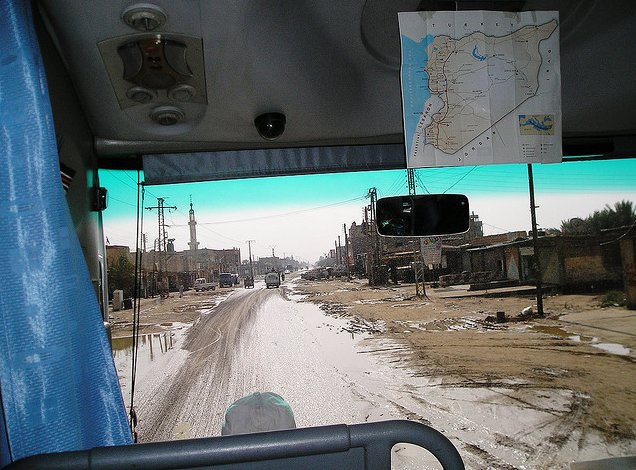
Natural disasters are expected to rise in the coming years in the Middle East. The UN supplies a quick DIY list of tips to keeping developing communities risk-free from floods.
While it’s not exactly flash flood season in the Middle East, now is the time to prepare: Floods have got bigger, droughts in countries like Syria more intense and threats posed by waterborne diseases a bit too much to handle for poor countries trying to use their limited resources to adapt to a moodier climate. “Money isn’t everything,” Alastair Morrison, of the Stockholm International Water Institute (SIWI), wrote in the latest edition of the think-tank’s quarterly journal. “Many of the most effective water-related adaptation measures are free,” she says. Here is a list, based on some of Morrison’s suggestions and community-based adaptation measures on preventing flood damage.
And the best news, most of the tips can be implemented for free. This is a handy resource for development aids and agencies in poorer Middle Eastern regions.
A solar band-aid: Spain and the UN looks to create solar power heating, mainly water, for hospitals in Lebanon.
Thanks to a contribution from Spain, Lebanon’s first solar power heating project for hospitals have been made possible, the Lebanese newspaper The Daily Star is reporting. The project is part of the Lebanese government’s plan called Country Energy Efficiency and Renewable Energy Demonstration Project for the Recovery of Lebanon (CEDRO); it aims to reform the country’s energy sector by promoting the use of renewable energy in public institutions. CEDRO is managed by the Lebanese government together with the United Nations Development Program.
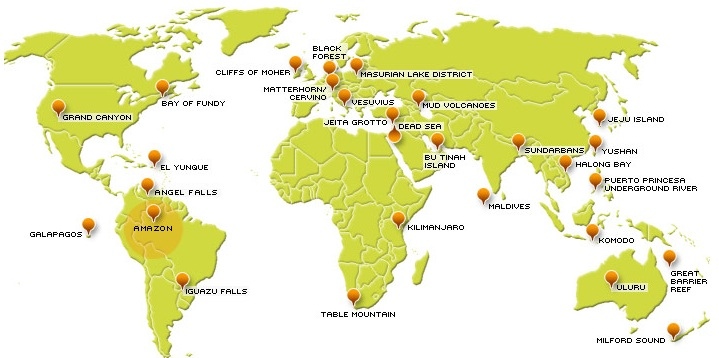
The Dead Sea in Israel, PA, and Jordan; the Jeita Cave Grotto in Lebanon, and the Bu Tinah Island Archepelago in Abu Dhabi – are vying for the 7 Natural Wonders list of 28 from around the world. Cast your votes today.
It seems like this contest has been going on for years already, but okay, we’ll go with it: Although the Pyramids of Giza, the Lighthouse of Alexandria, and the Hanging Gardens of Babylon are relegated to the wonders of the Ancient World, the Middle East may still be able lay claim to at least one of the 7 Wonders of the Modern World. The 28 world locations that now reached the finals in this competition on the New 7 Wonders website, include three Middle East natural wonders. If you care about the Middle East, we implore you to vote!
It’s where the ancient biblical story Jonah and the Whale took place. Now SDE Energy builds tidal energy plant in Jaffa, which should expand to 50 MW.
The ancient port city of Jaffa, today a part of Tel Aviv, has added one more attraction to its historical harbor as a new sea wave power plant is completed.
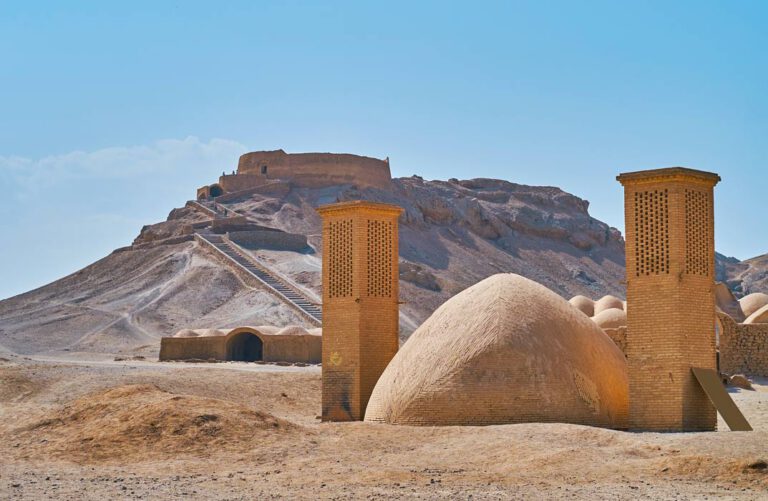
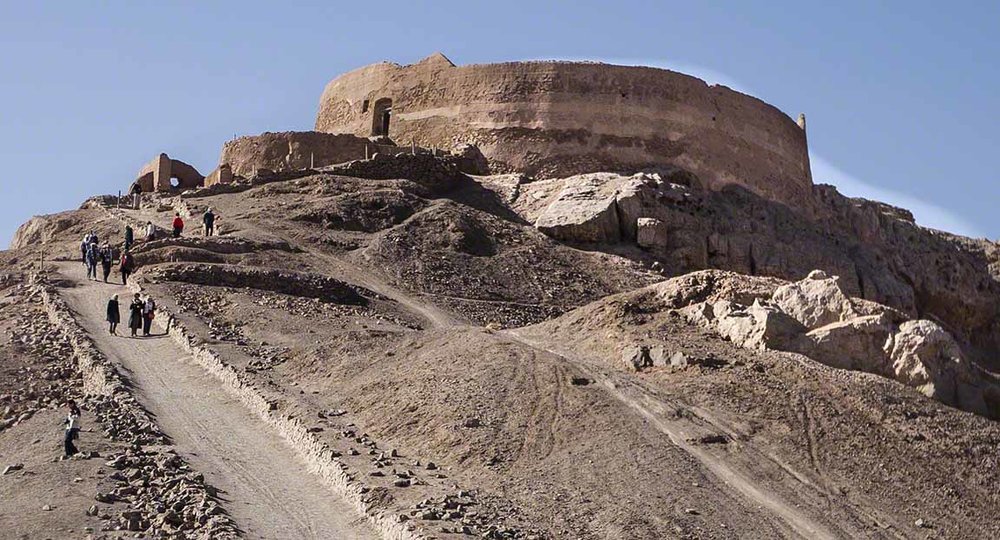
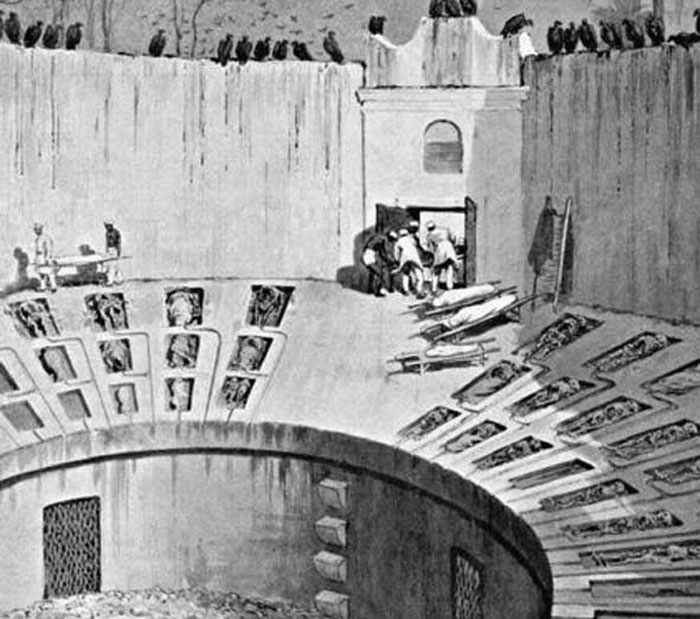
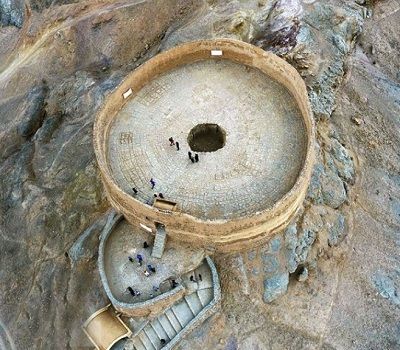
The Tower of Silence, a “green” and ancient burial site in the West of Yazd, Iran. This ancient sky burial site of the Zoroastrians is where corpses were placed atop a tower to be consumed by vultures, last done in the 70s. A culture similar to Tibetan Buddhism.
Until 40 years ago, corpses could still be found on top of the Towers of Silence in Yazd, Iran, slowly disintegrating or being picked apart by desert vultures. The west – eager to learn about green burial and holiday traditions – doesn’t need to invent the wheel. Head over to Iran and see the religious ceremonies and traditions in the Zoroastrian religion and culture that are linked to nature –– like the well-known and popular Zoroastrian spring festival Nowruz.
Putrefaction plateaus in Iran, where the dead are sent for purification
Iranians and have always respected these old traditions. Other ceremonies like Mehregan festival are drawing the attention of Iranians more during the recent years. However, there are points in the old religious culture ancient Persia, which today many Iranians even not too knowledgeable about. One of these traditions is the Zoroastrianism funeral ceremony. And we love it because it’s green.
The religion that Zarathustra introduced does not recommend burying the corpse of the dead. Instead the corpse is washed and put in a special tower to be exposed to the sun and birds of prey. Zoroastrianism believes that the unclean corpse pollutes the soil, so the whole ceremony is done up high, so that the dead corpse is decomposed and is sent back to the nature.
The Zoroastrian Funeral is linked to Nature
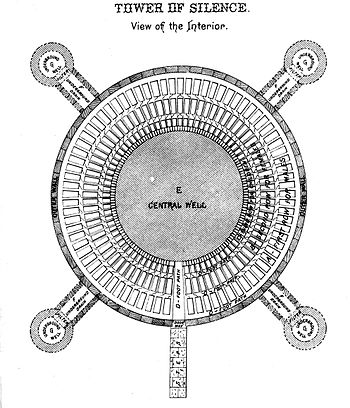
The Zoroastrian funeral is based on the belief that the dead corpse is unclean and preservation of the environment. So the dead are not buried. First they are washed with special ceremony and then the corpse is set on a high construction or tower called Dakhmeh in Persian. In some sites this Dakhmeh translates to the “Tower of Silence”.
After being cleaned, the corpse is set in front of the sun and the birds eventually come in.
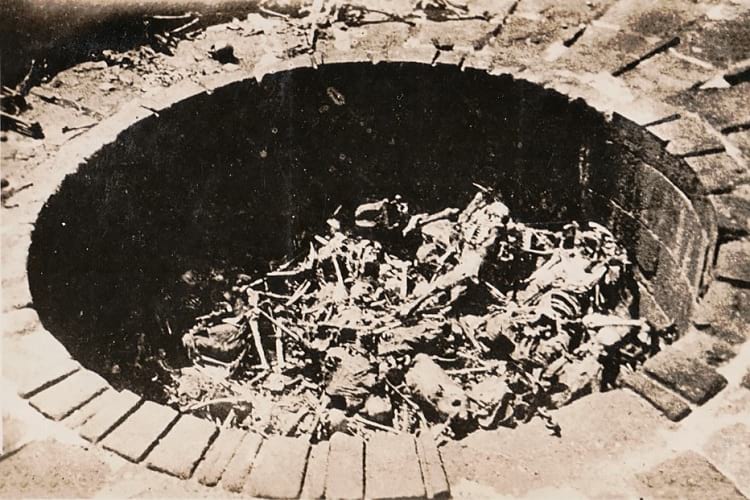
The towers of silence are round, stone constructions with a flat top. The bones of the dead were put in a well-like depth in center of the tower, which was called a stoudan. Men, women, and children were put in separately in different places of the stoudan.
Bones after the vultures and crows have picked them
One of the most famous towers is the one near Yazd in center of Iran, which has an approximate height of 200 meters. The construction has a diameter of more than 50 meters.
The traditional way of Zoroastrian funeral was almost forgotten in the twentieth century and burying the corpse was used instead. The Zoroastrians buried the dead in Tehran starting about 1930, in Kerman in 1940 and in Yazd (famous for their amazing wind catcher invention) in 1960.
The Parsi community of India has an importance share of preserving the religious traditions. There are towers of silence in India too. In some parts, the traditional religious funeral is still practiced.
The Philosophy of the Zoroastrian Burial Rite
There are two main points in the funeral philosophy. The first is that nature should not be polluted and the corpse is a pollutant of the nature, which we’ve talked about already. There are four elements in Zoroastrianism, which are air, water, soil, and fire. These elements are to be respected and man should try to preserve them. That is why the Towers of Silence were built up high.
The place where the dead body is washed, placed on the tower and its remains are kept on a higher level on the ground to be away from the soil. A special example of such places is the Tomb of Cyrus the Great in Pasargad near Shiraz, which is some steps higher than the ground.
The second aspect of this philosophy is that human is composed of body and spirit. The body of human beings is to be respected, but it’s mortal. After death it goes back to the four main elements of the world. But the spirit joins god and reaches ever lasting peace.
Of course in the modern world, it is our option to choose both our life “styles” and death “styles”. The main criteria against which the styles are guarded are dignity and happiness. Ancient cultures and religions do it with regards to nature. Other green burial traditions in tune with nature is seen in other environmental religions like Indian religions. (both links go to PDF).
Are the Towers of Silence still used?
No, they are no longer used for burial—Zoroastrians have adopted alternative “clean death” methods, such as burying bodies in cement-lined coffins to prevent contamination of the earth. Though Yazd’s Towers of Silence are now relics, Zoroastrians elsewhere maintain the same dakhma tradition.
Zoroastrians are the oldest remaining religious community in Iran. Prior to the Muslim conquest of Iran, Zoroastrianism was the primary religion of Sassanid Iran.
According to the country’s official census, there were 25,271 Zoroastrians in the country as of 2011, but some unofficial accounts suggest higher figures. Zoroastrians, are persecuted in Iran, and a history of forced conversions to Islam over the centuries have prevented them from practicing their religion freely.
It was particularly tough for Zoroastrians during the the 1979 Islamic Revolution and remaining numbers of them were reduced even more. Just after the revolution, during Bazargan’s premiership, Muslim revolutionaries “walked into the main Zoroastrian fire temple in Tehran and removed the portrait of the Prophet Zoroaster and replaced it with one of [Ayatollah] Khomeini“.
Summer is in full force and so is our desire to head to cool down by the lake, pool or sea. We’ve heard about the dangers of chemicals in sunscreens, and for many reasons want to avoid them or limit their use. We know sunscreens can cause causing bleaching in corals — another reason to limit their use. They can also transexualize fish. Yuck.
An Israeli company called Lycored that focuses on plant extracts has found an alternate solutions for protecting you from the sun’s harmful rays. Using the help of Mother Nature they’ve developed an extract from the tomato that can protect the skin against harmful UV radiation. The cosmeceutical company Lyc-O-Mato doesn’t turn your skin red, but can prevent you from turning into a tomato.
Available in Europe through Inneov, a joint venture of L’Oreal and Nestle, and by the French company Oenobiol, it is expected to be available in the US shortly, said the company. They also develop a natural red food coloring additive.
Freeing your radicals
The tomato extract oleoresin works magic on the skin to defeat free radicals. Belonging to the carotenoid family, it is extracted from LycoRed’s specially bred tomatoes. Scientific studies have found this extract can “shield” the skin from sunburn and the free radicals that lead to premature aging.
There is a growing amount of scientific evidence that points to the power of antioxidants found in tomatoes. In addition to sun protection, tomatoes may improve the immune system in general, and work to protect us from degenerative diseases such as cancer.
The carotenoid that LycoRed has extracted is made up of several elements: lycopene, phytoene, phytofluene and tocopherols (vitamin E). These natural phytochemicals from the tomato work in harmony to protect the skin from damaging UV radiation, says Zohar Nir, LycoRed’s VP of Scientific Affairs and VP of new product development.
While Lyc-O-Mato is not intended to be a sunscreen replacement, it can be a part of a person’s daily regimen to help maintain their skin beauty and elasticity, he says.
The search for new products had started a few years earlier, when Lycored’s mother company Makhteshim-Agan was looking to diversify its portfolio of products. After a long screening process, they focused on the red color found in tomatoes, to be used as both a wide spectrum antioxidant and also as a natural food coloring product.
Beauty and cosmetics companies now use the LycoRed preparation in a capsule, but it could also come as a fortified food supplement or in a beverage. It doesn’t only protect your skin from free radicals on the skin, but from within as well. In Israel, LycoRed’s special fortification as a nutritional supplement, already appears in dairy products.
With BP’s leaky well in the Gulf of Mexico barely capped and Tony Hayward ousted, Libya will allow BP to commence drilling deep off the coast of the Mediterranean Sea [image via arenamontanus]
While the BP oil spill off the Gulf of Mexico drew worldwide consternation, inspiring an ardent campaign to quit our dependence on oil, the Mediterranean Sea’s Deepwater Horizon goes largely unnoticed.
Though no singular spill so spectacular has occurred, the Financial Times reports that the hundreds of annual spills in the Mediterranean add up to the equivalent. Even so, beyond the reach of potent environmental watchdogs and beyond the scrutiny of the American press, Libya is ready to harbor BP’s dangerous deepwater drills in the Mediterranean.
Organizers of the Health, Safety and Environment Expo in October invite businesses, individuals, and organizations from all over the Middle East to participate in Iran.
Clean tech and green conferences aren’t just taking place in the US and Europe. From 12-15 October 2010, the First International Health, Safety and Environment (HSE) Exhibition 2010 will be held in Kish Island in the Persian Gulf. The Expo will focus on topics such as safety, rescue, firefighting, crisis management, and environmental issues in all disciplines, particularly oil and gas industries.
The expo invites all professional individuals and companies and also academic researchers from Iran and other countries of the region to join the event. The emphasis of the event will be on the health and safety problems of the Middle East and the Persian Gulf region but it is expected that some European companies will also join.
The upcoming months are going to be critical for the success of Israel’s water industry, including Ori Yogev’s Whitewater Group.
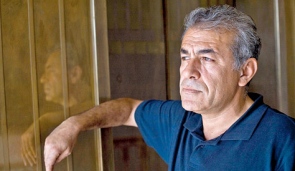
Globes is reporting that Ori Yogev has resigned from his position as chairman of the National Economics Council to focus on his water venture, Whitewater Group. Yogev had taken on the advisory role on a voluntary, temporary basis as a favor to PM Benjamin Netanyahu.
According to Yogev,”Israel has become a leading player in the global water industry, and I consider it a great privilege to promote this industry. Whitewater Group is making progress and growing as planned.”
In recent months Yogev has spoken about the continued promise of Israel’s water technology industry, which can be an international leader, and the the growth of the industry in Israel, which is expected to reach $2.5 billion by 2011.
Palestinian Architect Omar Yousef draws attention to the occupation’s “forced ecology” at the Ecoweek conference in Israel [image taken by Tomer Appelbaum]
Designed to teach young architects the most progressive building practices available, beyond borders or cultural differences, the Ecoweek conference taking place in Israel draws inevitable attention to disparities.
Green Prophet’s interest in natural building practices such as Hassan Fathy’s Nubian-esque structures stems from our intellectual interest in and understanding of ecology. Yousef, on the other hand, explains how in Palestinian territories, natural building occurs out of necessity.
Is your sunscreen protecting you or do you need protection from your sunscreen?
So summer is here and the timing is right for dancing in the street (socially distanced, maybe), but not without first considering the impact of the blistering sun. The automatic instinct is to grab the sunscreen and slather it on when the sun is so unrelenting. But have you ever given a thought as to what is really in your sunscreen?
Most unfortunately, despite the fact that sunscreen is supposed to protect our skin, there are chemicals in the sunscreen which are damaging for our health.
1. Parabens – This group of compounds can appear on the label in several forms such as methylparaben, butylparaben and propylparaben. It is widely used as a preservative, in beauty products and to give sunscreen and other products a long shelf life, however it is easily absorbed through the skin and can disturb hormone levels.
Think about the effect this can have the next time you go to put sunscreen on yourself, or on a child.
2. Benzophenone – Either this or similar compounds such as oxybenzone are active ingredients in sunscreen. This is absorbed by the skin and produces free radicals which in turn play havoc with your body, damaging cells and leading to aging skin.
Some of these compounds also have an estrogen-like effect which can not only disrupt your body’s hormone balance, but also cause have more adverse effects.
3. Cinnamates – These are often used together with benzophenones and have poor water solubility. This means that they are often used in sunscreens marked “water-proof” where they coat your skin.
Quite apart from avoiding certain ingredients, there are other things to keep in mind when worrying about sun care in summer.
The Good Ingredients in Natural Sunscreen
1. There are good ingredients – You might want to have a look for sunscreens with zinc and titanium both of which are natural minerals. Being natural they are both better options for skin protection then chemicals of any form.
2. Vitamin D – The sun is the main source of vitamin D which our bodies need to promote the absorption of calcium as well as to keep bones healthy and strong. Having enough vitamin D can also prevent osteoporosis later in life. Of course it is not good to get too much sun, but a little each day it ideal.
3. Cover up – One of the best ways to avoid too much sun, is to simply cover up. Try wearing a hat outside and t-shirts which don’t expose too much skin. It might be fun to wear skimpy summer clothing, but if you are planning a day outside, consider what that could do to your skin.
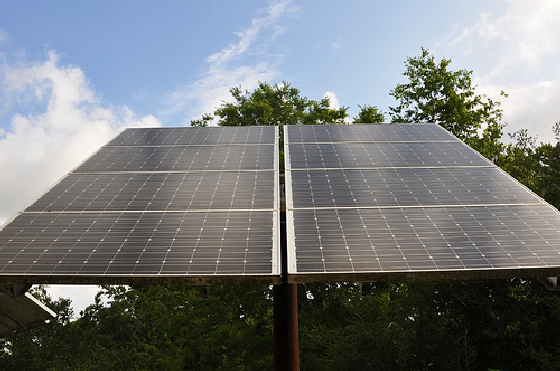
Gilatz builds another solar plant in Italy, capitalizing on the country’s hefty solar subsidies.
Solar is going viral, and can be profitable too. Gilatz Investment, a publicly traded company on the Tel Aviv Stock Exchange, has signed a deal through a subsidiary for the construction of a third 2 MW solar power plant in Italy, according to a Globes report.
PopLove’s recycled fashion did a double eco service during “Thirsty for Change” – it got people excited about upcycled design and aware of the need for greater water conservation efforts. [image via: Fashion Snake]
A few weeks ago a fashion show of PopLove’s upcycled couture was paraded down one of the buildings at the Interdisciplinary Center (IDC) in Herzlia in an attempt to raise awareness about the need for water conservation in Israel. The event, “Thirsty for Change”, was organized by an IDC student, Talya Friedman, as her final seminar project. The proceeds from the (fun) event were donated to Israel Water Treaty – a local organization that attempts to protect residents’ right to quality water and provide educational programs about water.
Don’t swat the wasp! Insects are important links to the food web and deserve protection status too.
As the world begins to pay closer attention to the importance of preserving biodiversity, more has emerged about the Middle East’s wild side. Hundreds of birds flock through the UAE en route from Africa to Asia, while conservation efforts have drawn more negative attention to sharks in the Red Sea.
But less is known about the insect world and why we even care. Often people see a creepy crawly and are moved by some kind of ancient DNA to squish the life out of it. But Anthony van Harten realizes that insects are crucial to maintaining healthy ecosystems and are fighting to protect them in Dubai.
[youtube]http://www.youtube.com/watch?v=osHCbW9orV0[/youtube] Even as they sound an important climate change alarm for Middle Eastern viewers, AFED’s endorsement of MASDAR and KAUST deserves its own alarm.
At Green Prophet, we have lamented environmental inaction in the Middle East for a long time. Ridiculous artificial island schemes and dying rivers, such as the Jordan, are only 2 examples from a long list that both reveal and threaten the region’s stability. The Middle East does not spew the kind of emissions seen in the United States, China, or India, but many countries in the region are blinded by fossil fuel wealth, which obscures the attendant environmental decay. The Arab Forum for Environment and Development (AFED) released a powerful 12 minute documentary that finally sounds the alarm.

 Natural disasters are expected to rise in the coming years in the Middle East. The UN supplies a quick DIY list of tips to keeping developing communities risk-free from floods.







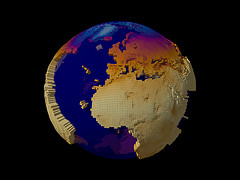
 Organizers of the Health, Safety and Environment Expo in October invite businesses, individuals, and organizations from all over the Middle East to participate in Iran.




 Gilatz builds another solar plant in Italy, capitalizing on the country’s hefty solar subsidies.