
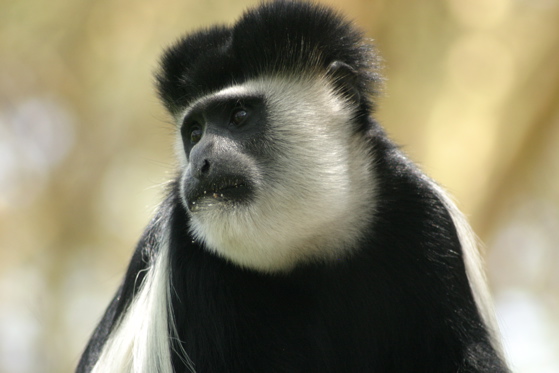
 Will the UN Convention on Biodiversity (CBD) in Nagoya, Japan fare better than Copenhagen?
It’s easy to bandy about the term biodiversity, but much less easy to pin down its meaning. Harder still is to enumerate just how important biodiversity is to human life. The rate at which species are going extinct is 100-1000 times as high as normal. According to the International Institute for Environment and Development (IIEE), 33% of our genetic resources for food and agriculture have been lost, 40% of birds, 42% of amphibians, and roughly 70% of fisheries are stretching the sustainable threshold.
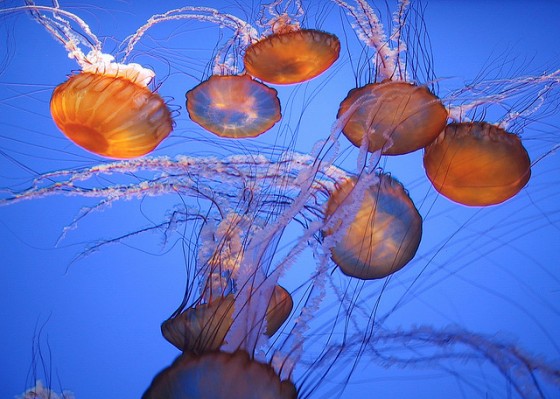
Fish is a staple source of animal protein for many of the world who do not have ready access to McDonalds. But we’ve nearly depleted the larger stock such as bluefish tuna and keep hauling out smaller and smaller species. At this rate, all that will be left to eat are jellyfish and algae, according to a recent IIED report called “Banking on Diversity.” The task of representatives gathered at the Convention on Biological Diversity (CBD) in Japan, then, will be to create policies that will stay what some call the sixth mass extinction.









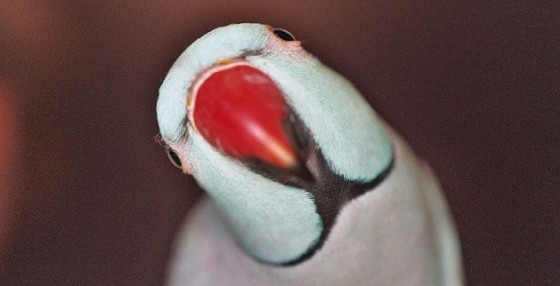 A “beautiful nuisance” infiltrates Jerusalem’s German colony.




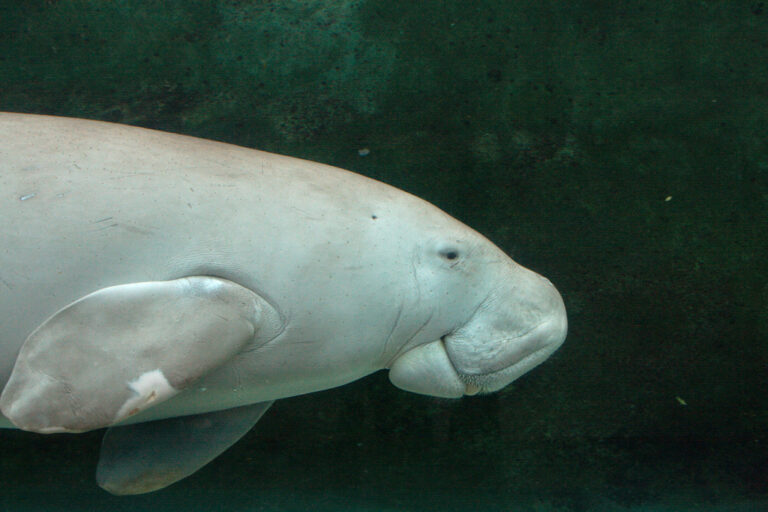
 Little is known about them in the west, but the world’s only vegetarian mammal in marine waters is under serious threat in the Middle East.