San Francisco plans to join the EV fray with an electrified taxi fleet.
In the short-term, electric vehicles (EVs) aren’t so sustainable. Although they reduce carbon emitted from individual vehicles to basically zero, they still require electricity, the bulk of which in most countries is produced by burning carbon-emitting fuels.
They also require unfriendly batteries that are not easily disposed. But once electricity is generated from solar and wind power and appropriate recycling solutions are created, EVs could go a long way to reducing city din and smog.
But there’s more. A significant challenge is getting enough of a charge to make EVs practical. Modern drivers are accustomed to being able to travel long distances, stop, fuel up, and drive on. But recharging EV batteries requires an investment that tests our time-starved society. As a solution, this past April Better Place inaugurated a battery switch program for a Tokyo taxi fleet. Following their success, San Francisco plans to implement the same.

 Pfizer’s Saudi Arabia campaign to teach doctors safe baby milk practices is like cigarette companies promoting cancer prevention.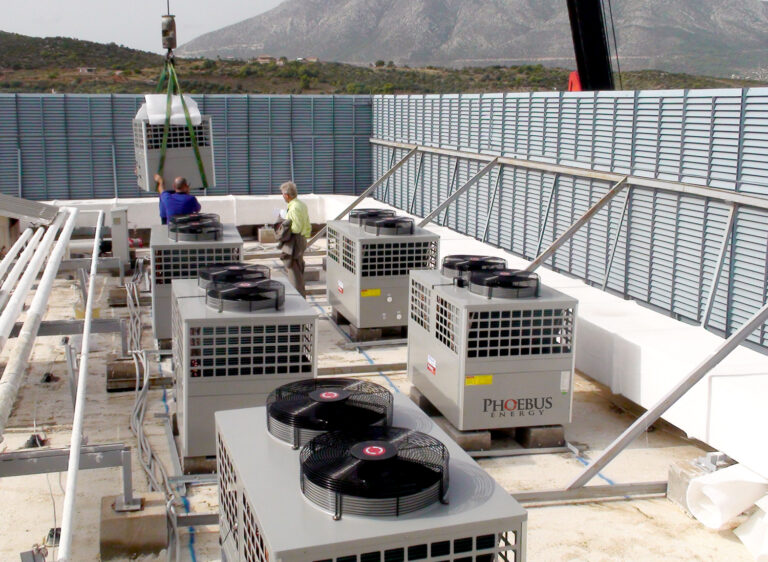
 Using heat pumps and expert data analysis, Phoebus is installing their energy saving solution at the Inbal Hotel in Jerusalem. They promise to offer energy savings, an ROI after 2 to 3 years.




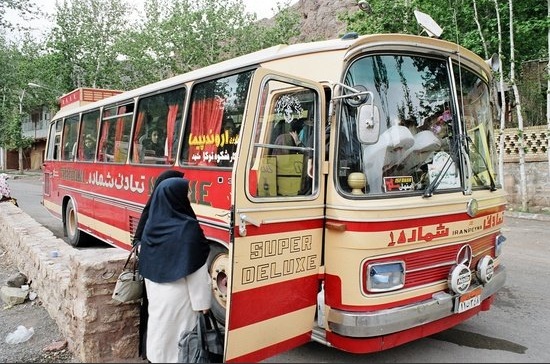 A look at the air pollution in Esfahan, Iran. Cars and the clay brick industry are some of the biggest problems. The solution? Take the bus.




 If you can’t import them, make them! That’s the sentiment behind Nadia Shalaby’s plan to spur a solar manufacturing industry in Egypt.