Research from the Wildlife Conservation Society (WCS) and the University of Queensland, published in Ocean & Coastal Management, found that nearly three out of four marine protected areas (MPAs) worldwide are exposed to sewage pollution.
At a time when climate anxiety can feel abstract and overwhelming, and being Jewish something people may need to hide in big cities, Adamah Los Angeles is trying something different: turning Jewish values into local climate action with dirt-under-the-fingernails practicality.
For families with kids, pets, or anyone trying to build a cleaner outdoor space, removing old astroturf is one of the simplest ways to reduce unnecessary exposure to plastics and heat. Some past studies suggest that if kids have played on these surfaces you need to wash their hands.
Artificial turf, the green plastic stuff that is supposed to look like grass, was sold to many home-owners as a clever compromise: a green-looking surface that makes you feel homey, but which needs no mowing. It survives heavy use, and in dry places like Middle East deserts, and in California or Texas, it can replace thirsty lawns. But it is toxic.
“In the midst of uncertain time, renewable energy remains consistent and steadfast in its expansion,” said Francesco La Camera, IRENA’s Director-General. “A more decentralised energy system, with a growing share of renewables and more market players, is structurally more resilient.”
Research from the Wildlife Conservation Society (WCS) and the University of Queensland, published in Ocean & Coastal Management, found that nearly three out of four marine protected areas (MPAs) worldwide are exposed to sewage pollution.
At a time when climate anxiety can feel abstract and overwhelming, and being Jewish something people may need to hide in big cities, Adamah Los Angeles is trying something different: turning Jewish values into local climate action with dirt-under-the-fingernails practicality.
For families with kids, pets, or anyone trying to build a cleaner outdoor space, removing old astroturf is one of the simplest ways to reduce unnecessary exposure to plastics and heat. Some past studies suggest that if kids have played on these surfaces you need to wash their hands.
Artificial turf, the green plastic stuff that is supposed to look like grass, was sold to many home-owners as a clever compromise: a green-looking surface that makes you feel homey, but which needs no mowing. It survives heavy use, and in dry places like Middle East deserts, and in California or Texas, it can replace thirsty lawns. But it is toxic.
“In the midst of uncertain time, renewable energy remains consistent and steadfast in its expansion,” said Francesco La Camera, IRENA’s Director-General. “A more decentralised energy system, with a growing share of renewables and more market players, is structurally more resilient.”
Research from the Wildlife Conservation Society (WCS) and the University of Queensland, published in Ocean & Coastal Management, found that nearly three out of four marine protected areas (MPAs) worldwide are exposed to sewage pollution.
At a time when climate anxiety can feel abstract and overwhelming, and being Jewish something people may need to hide in big cities, Adamah Los Angeles is trying something different: turning Jewish values into local climate action with dirt-under-the-fingernails practicality.
For families with kids, pets, or anyone trying to build a cleaner outdoor space, removing old astroturf is one of the simplest ways to reduce unnecessary exposure to plastics and heat. Some past studies suggest that if kids have played on these surfaces you need to wash their hands.
Artificial turf, the green plastic stuff that is supposed to look like grass, was sold to many home-owners as a clever compromise: a green-looking surface that makes you feel homey, but which needs no mowing. It survives heavy use, and in dry places like Middle East deserts, and in California or Texas, it can replace thirsty lawns. But it is toxic.
“In the midst of uncertain time, renewable energy remains consistent and steadfast in its expansion,” said Francesco La Camera, IRENA’s Director-General. “A more decentralised energy system, with a growing share of renewables and more market players, is structurally more resilient.”
Research from the Wildlife Conservation Society (WCS) and the University of Queensland, published in Ocean & Coastal Management, found that nearly three out of four marine protected areas (MPAs) worldwide are exposed to sewage pollution.
At a time when climate anxiety can feel abstract and overwhelming, and being Jewish something people may need to hide in big cities, Adamah Los Angeles is trying something different: turning Jewish values into local climate action with dirt-under-the-fingernails practicality.
For families with kids, pets, or anyone trying to build a cleaner outdoor space, removing old astroturf is one of the simplest ways to reduce unnecessary exposure to plastics and heat. Some past studies suggest that if kids have played on these surfaces you need to wash their hands.
Artificial turf, the green plastic stuff that is supposed to look like grass, was sold to many home-owners as a clever compromise: a green-looking surface that makes you feel homey, but which needs no mowing. It survives heavy use, and in dry places like Middle East deserts, and in California or Texas, it can replace thirsty lawns. But it is toxic.
“In the midst of uncertain time, renewable energy remains consistent and steadfast in its expansion,” said Francesco La Camera, IRENA’s Director-General. “A more decentralised energy system, with a growing share of renewables and more market players, is structurally more resilient.”
Research from the Wildlife Conservation Society (WCS) and the University of Queensland, published in Ocean & Coastal Management, found that nearly three out of four marine protected areas (MPAs) worldwide are exposed to sewage pollution.
At a time when climate anxiety can feel abstract and overwhelming, and being Jewish something people may need to hide in big cities, Adamah Los Angeles is trying something different: turning Jewish values into local climate action with dirt-under-the-fingernails practicality.
For families with kids, pets, or anyone trying to build a cleaner outdoor space, removing old astroturf is one of the simplest ways to reduce unnecessary exposure to plastics and heat. Some past studies suggest that if kids have played on these surfaces you need to wash their hands.
Artificial turf, the green plastic stuff that is supposed to look like grass, was sold to many home-owners as a clever compromise: a green-looking surface that makes you feel homey, but which needs no mowing. It survives heavy use, and in dry places like Middle East deserts, and in California or Texas, it can replace thirsty lawns. But it is toxic.
“In the midst of uncertain time, renewable energy remains consistent and steadfast in its expansion,” said Francesco La Camera, IRENA’s Director-General. “A more decentralised energy system, with a growing share of renewables and more market players, is structurally more resilient.”
Research from the Wildlife Conservation Society (WCS) and the University of Queensland, published in Ocean & Coastal Management, found that nearly three out of four marine protected areas (MPAs) worldwide are exposed to sewage pollution.
At a time when climate anxiety can feel abstract and overwhelming, and being Jewish something people may need to hide in big cities, Adamah Los Angeles is trying something different: turning Jewish values into local climate action with dirt-under-the-fingernails practicality.
For families with kids, pets, or anyone trying to build a cleaner outdoor space, removing old astroturf is one of the simplest ways to reduce unnecessary exposure to plastics and heat. Some past studies suggest that if kids have played on these surfaces you need to wash their hands.
Artificial turf, the green plastic stuff that is supposed to look like grass, was sold to many home-owners as a clever compromise: a green-looking surface that makes you feel homey, but which needs no mowing. It survives heavy use, and in dry places like Middle East deserts, and in California or Texas, it can replace thirsty lawns. But it is toxic.
“In the midst of uncertain time, renewable energy remains consistent and steadfast in its expansion,” said Francesco La Camera, IRENA’s Director-General. “A more decentralised energy system, with a growing share of renewables and more market players, is structurally more resilient.”
Research from the Wildlife Conservation Society (WCS) and the University of Queensland, published in Ocean & Coastal Management, found that nearly three out of four marine protected areas (MPAs) worldwide are exposed to sewage pollution.
At a time when climate anxiety can feel abstract and overwhelming, and being Jewish something people may need to hide in big cities, Adamah Los Angeles is trying something different: turning Jewish values into local climate action with dirt-under-the-fingernails practicality.
For families with kids, pets, or anyone trying to build a cleaner outdoor space, removing old astroturf is one of the simplest ways to reduce unnecessary exposure to plastics and heat. Some past studies suggest that if kids have played on these surfaces you need to wash their hands.
Artificial turf, the green plastic stuff that is supposed to look like grass, was sold to many home-owners as a clever compromise: a green-looking surface that makes you feel homey, but which needs no mowing. It survives heavy use, and in dry places like Middle East deserts, and in California or Texas, it can replace thirsty lawns. But it is toxic.
“In the midst of uncertain time, renewable energy remains consistent and steadfast in its expansion,” said Francesco La Camera, IRENA’s Director-General. “A more decentralised energy system, with a growing share of renewables and more market players, is structurally more resilient.”
Research from the Wildlife Conservation Society (WCS) and the University of Queensland, published in Ocean & Coastal Management, found that nearly three out of four marine protected areas (MPAs) worldwide are exposed to sewage pollution.
At a time when climate anxiety can feel abstract and overwhelming, and being Jewish something people may need to hide in big cities, Adamah Los Angeles is trying something different: turning Jewish values into local climate action with dirt-under-the-fingernails practicality.
For families with kids, pets, or anyone trying to build a cleaner outdoor space, removing old astroturf is one of the simplest ways to reduce unnecessary exposure to plastics and heat. Some past studies suggest that if kids have played on these surfaces you need to wash their hands.
Artificial turf, the green plastic stuff that is supposed to look like grass, was sold to many home-owners as a clever compromise: a green-looking surface that makes you feel homey, but which needs no mowing. It survives heavy use, and in dry places like Middle East deserts, and in California or Texas, it can replace thirsty lawns. But it is toxic.
“In the midst of uncertain time, renewable energy remains consistent and steadfast in its expansion,” said Francesco La Camera, IRENA’s Director-General. “A more decentralised energy system, with a growing share of renewables and more market players, is structurally more resilient.”
Mr. Sawaya makes no claims about changing the world, though his design could use a touch of green blush.
Born and raised in Lebanon, the Italian designer William Sawaya once admitted to admiring the famous Iraqi architect Zaha Hadid. Known for defying all reason and physics, Ms. Hadid’s architecture trumps convention with boundless (and genius) flights of fancy. Is it possible to judge an artist by his or her heroes?
While his architecture and design are decidedly grounded – solid, simple, and elegant, often taking brief sojourns to an earlier, more classical era, Mr. Sawaya also shows signs of whimsy, always managing to put a new spin on the past, reinventing himself with every new collection. Now – as one of Qatar’s “Stars Of Science” judges – he has an opportunity to inspire young Qatari couch potatoes to do the same.
How to make innovation and science as enthralling to a couch potato as contestants in a TV game show? Make scientists and inventors contestants in a TV game show!
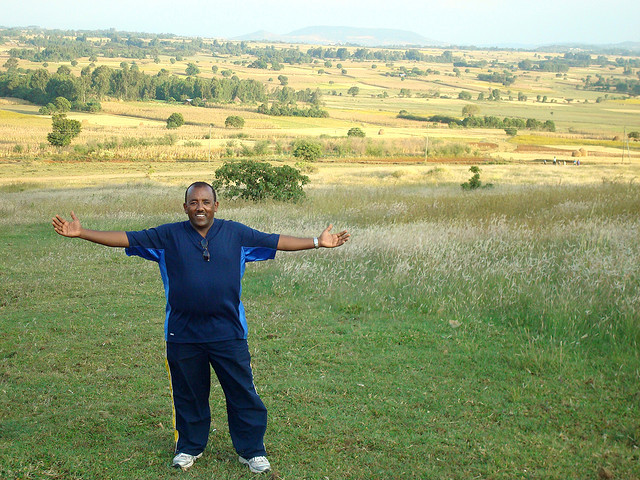
Muslim starts sustainable tree planting operation to make Ethiopia green once again.
Visiting Ethiopia after a thirty year absence, Geshaw Tahir an Ethiopian-born Muslim was struck by one thing. The green landscapes and trees that once surrounded his home had all but disappeared and were replaced with dry fields, eroded and ruined after years of deforestation.
Mountain rivers had dried up, temperatures were rising, malaria was spreading and untold destruction had been done to the environment.
Tahir was so shocked by this sight that he vowed to take action.
Accounting student from Gaza University turns from numbers to chips, and hopes to save lives with his new invention.
When a plant that requires sunlight to grow is stuck in the shade, it will adapt by bending in the direction of the sun. Likewise, Gaza’s residents are adapting to a period of energy depredation by creating alternative solutions. Unfortunately, it is not always easy to be innovative in Gaza.
Either explosions occur that undo months of creative work, or it is impossible to order in necessary supplies. One young man, an accounting student at Gaza University, has developed a cell phone chip that can control generators. He expects that this invention will prevent unnecessary generator explosions that have to date claimed more than two dozen lives.
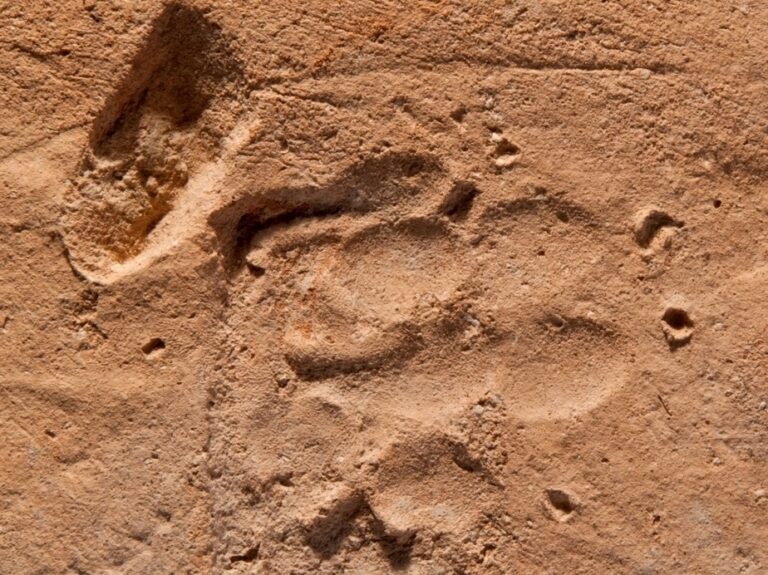
Dating back to the second century CE, archeologists uncover Roman-era paw print this week.
It’s not just ancient Roman baths being uncovered in Jerusalem this week. The Israel Antiquities Authorities are reporting a Roman-era dog’s paw print among its finds. Says Dr. Ofer Sion, excavation director in the Old City of Jerusalem: “Another interesting discovery that caused excitement during the excavation is the paw print of a dog that probably belonged to one of the soldiers. The paw print was impressed on the symbol of the legion on one of the roof tiles and it could have happened accidentally or have been intended as a joke.”
Since the hype clearly failed, Masdar and Foster and Partners have turned to the nuts and bolts of building a sustainable city instead.
Masdar and Foster and Partners (F&P) have eaten several servings of humble pie in the last few months. After a barrage of criticism related to the costs and failed expectations of Abu Dhabi’s Zero Carbon, Zero Waste dream, a scaled-down plan was finally unveiled, albeit still shrouded in some mystery. Given its visibility to date, any kind of clandestine planning would only leave the project vulnerable to more criticism.
If Masdar hopes to regain respect and support, their PR department needs to move in a more transparent direction; judging from a new article in Arabian Business, they may be doing just that. This new tactic allows them to put the rhetoric to rest and demonstrate the minutiae involved in building a zero carbon city – an entirely more respectable approach.
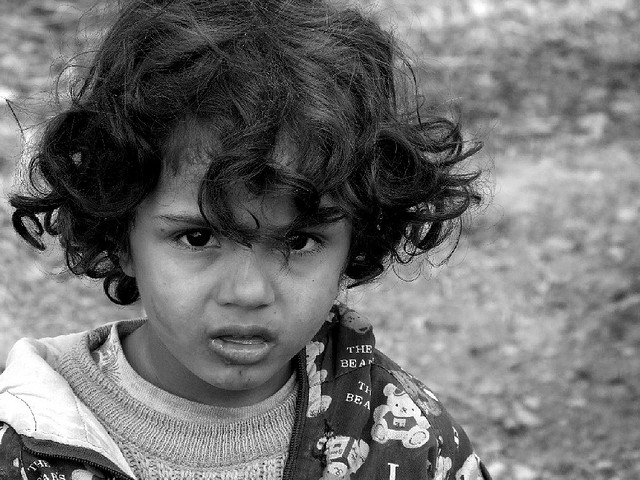
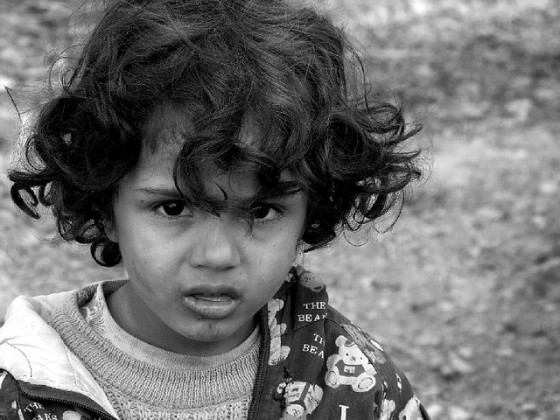
The complicated nature of population growth and movement in the Middle East is highlighted by this note from the photographer’s site: “Shahryar is one of Afghanian children who was born in Iran…Iranian government said all of afghaninan must leave Iran as soon as possible.”
Concerned environmentalists in the Middle East may find another worry to add to their list of frustrations. According to a Huffington Post report, the Iranian President Mahmoud Ahmadinejad is urging young women to marry at 16, in a rejection of the “country’s once effective family planning program.”
This is in line with his goal to increase the number of people – already at 75 million in Iran – upwards to 150 million, and counter-productive to the growing interest in eco-sexuality.
From the source article: Following record birth rates in the wake of the 1979 Islamic revolution, Iran implemented an internationally praised family planning program in the 1990s that dramatically reduced the growth rate. Ahmadinejad has criticized the program as an ungodly and a Western import.
“We should take the age of marriage for boys to 20 and for girls to about 16 and 17,” he said, according to the state-owned Jam-e Jam daily. “The marriage age for boys has reached 26 and for girls to 24, and there is no reason for this.”
In July, he inaugurated a new policy to encourage population growth with financial incentives for every new child born, having previously said the country could feed a population of 150 million.
From an eco-sexual point of view, the number one thing an individual can do for the planet is to support efforts geared to reducing the number of children born. Population management, an unpopular topic when first introduced decades ago, is also an elemental component of planetary stewardship.
Arava Power, based in Kibbutz Ketura in southern Israel, is blazing the bureaucratic path for solar fields in Israel.
Israel reached a milestone yesterday in its efforts to add a substantial solar component to its electric grid: National Infrastructures Minister Uzi Landau signed the country’s first power purchase agreement (PPA) for solar energy with Ketura Sun, a joint venture of the Arava Power Company and Kibbutz Ketura.
The government’s commitment to a PPA is required for solar installations generating over 50 KW of electricity and is essential for securing project financing. As APC President Yosef Abramowitz explained to the Green Prophet, “what was a high-risk business until yesterday has now become a medium-risk business.”
EV’s phone home: While charging EV’s at home are most convenient, the Israeli EV company is going for a monopoly – making customers charge at Better Place installed outlets.
By the end of 2012, electric cars will be a definite addition to the millions of cars that already ply the streets and motorways of our planet. One of the companies pushing for the technology of electric cars, Better Place Inc, is already establishing itself as a leader by setting up an infrastructure for its vehicles. Better Place recently imported 13 Renault Fluence electric cars into Israel to test the company’s battery recharging and exchange networks being developed there. But critics say the way that customers can charge their cars is a monopoly.
Getting your sustainable, vegetarian Omega 3 supplements is easy when they’re hidden inside delicious confections.
Getting kids to take their vitamins can be tough, which is why kids’ vitamins conveniently come in all kinds of fun shapes, colors, and flavors. I was a Flintstone vitamin kid myself, but I had friends who took vitamins disguised as gummy candies or toffees. But when it comes to making adult vitamins and supplements, for some reason manufacturers don’t see the need to make them fun. How about Centrum Plus vitamins shaped like the cast of Glee? Folic Acid supplements in the form of gummy worms?
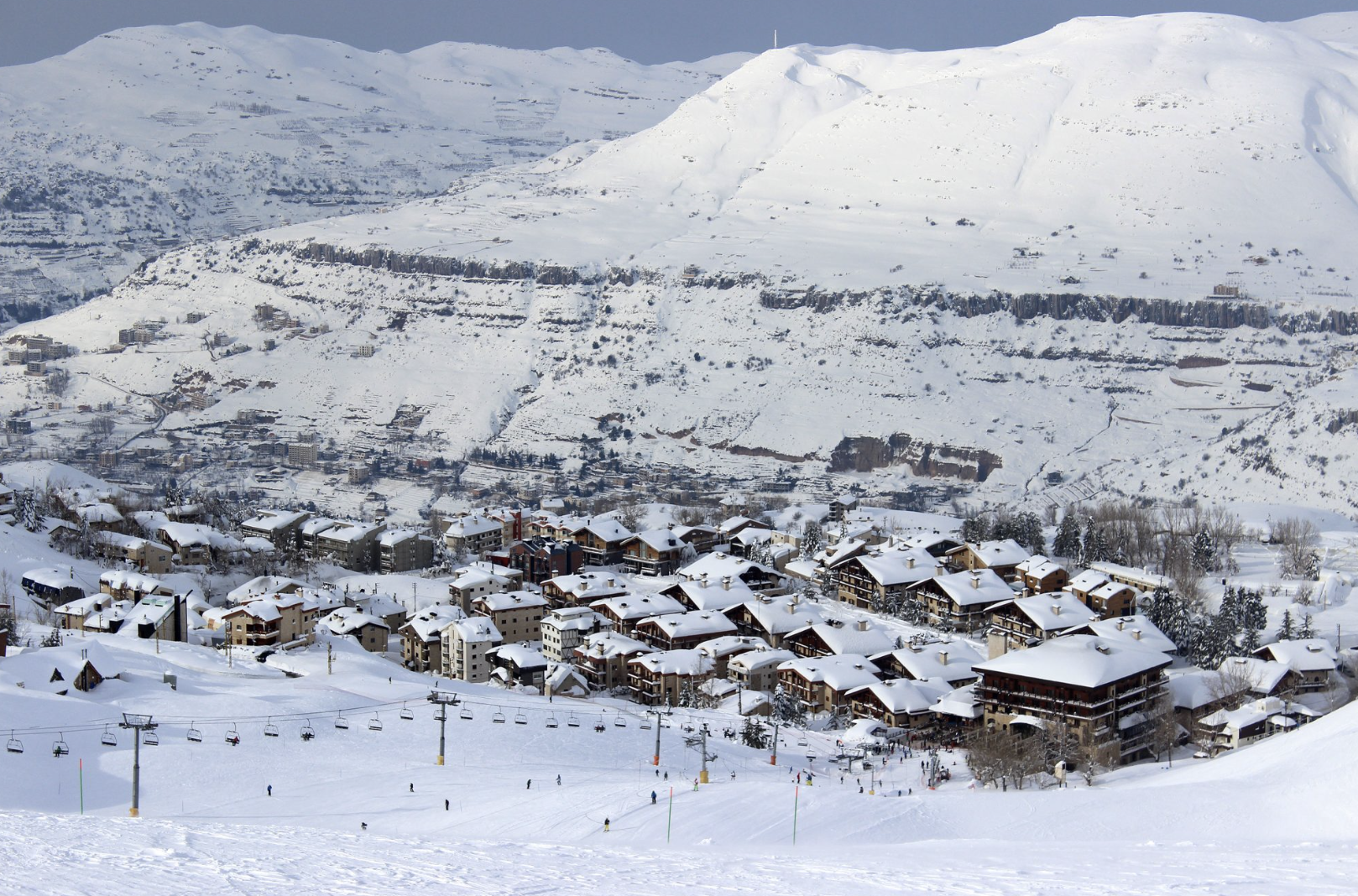
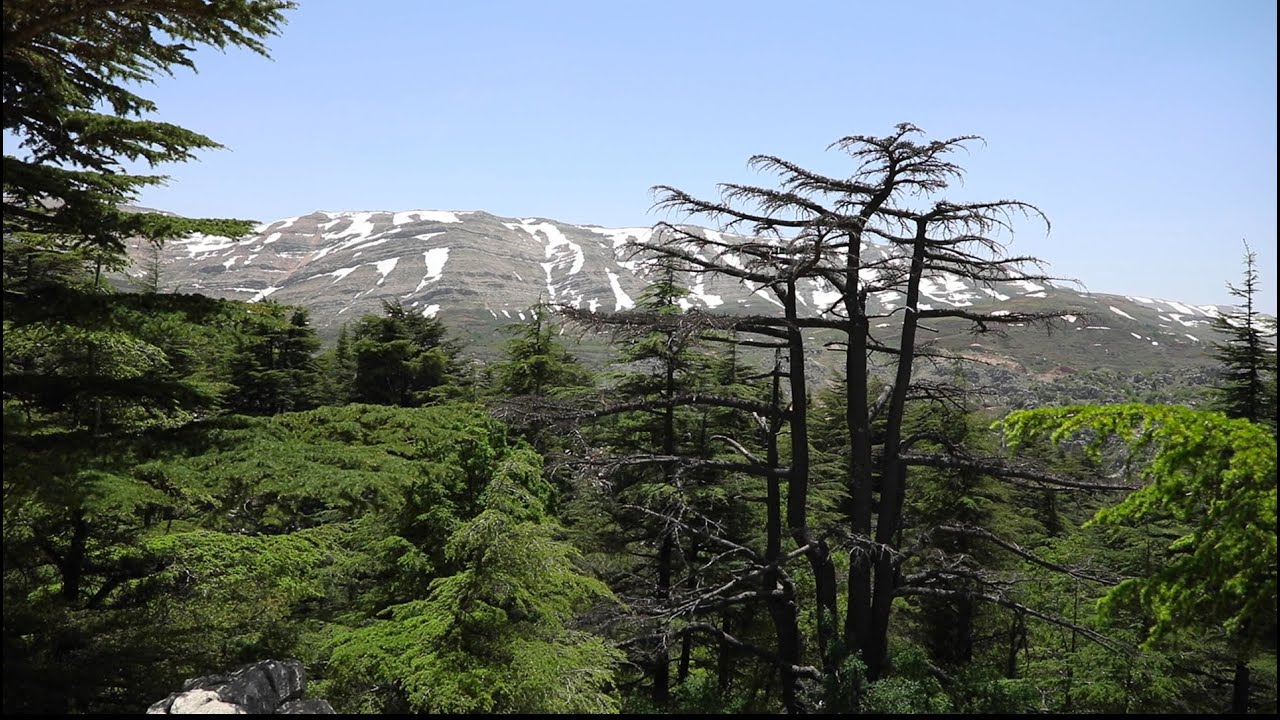
While people were looking elsewhere for its answers to the universe, Earth started heating up, glaciers began to wilt, and a cascade of ecological consequences came tumbling down. In Lebanon, that has culminated in the potential loss not only of its national symbol, the ancient Cedar tree, but one of the country’s most celebrated recreational gems: its ski slopes. (Update 2025 – Where to go skiing in Lebanon)
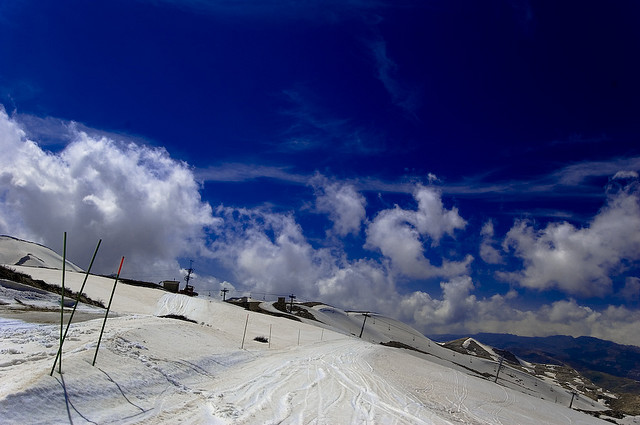
Lebanon has six ski resorts, the most popular of which may be Mzaar (aka Mzaar) which is said to have “world class” facilities for tourists, even platform lifts found in fancy restaurants. Previously avid snowboarders and skiers could sink their teeth into pristine powder for up to three months at a stretch. But rising temperatures have changed that, according to Reuters.
Climate report shows iconic cedars of Lebanon in distress
Mzaar’s manager Christian Rizk refuses to acknowledge that climate change will force a shutdown, insisting instead that the resort has managed to adapt to change. He is willing to acquiesce, however, that times have been rough.
“Last season was catastrophic,” he told Reuters on a sunny late autumn morning near the barren slopes of Jebel Sannin, Lebanon’s second highest mountain at 2,695 meters. “This year we are installing new ski-lifts higher up, above 2,000 meters.”
As Reuters points out, many species climb to higher altitudes in order to reach cooler temperatures, including the Cedar tree. With temperatures climbing, the tree will have no place to go.
“I couldn’t give you a specific date when we might see the last cedar on our mountains, but eventually that might happen,” Vahakn Kabakian, an Environment Ministry official preparing Lebanon’s next climate change report to the United Nations, explained to Reuters.
By 2040, Lebanon could lose 40 percent of its snow, which will not only destroy snow-related tourism, but will also have a devastating impact on groundwater aquifers usually replenished with snow melt. As early as 2015, Lebanon may not be able to keep pace with demand, though the capital is already hydrologically bankrupt.
“In Beirut, summer demand for water already exceeds what the network supplies — partly because around 40 percent is lost to leaks — so many people pump from wells. Over-extraction from coastal aquifers has led to seawater intrusion and salinity,” according to Reuters.
So, if you live in Lebanon (or anywhere else in the hot and dry Middle East), now is a good time to fix those leaky pipes and install a good water catchment system on your roof. You’re going to need it.
No more Mr. Nice Guy! Interpol intends to step up regulation of illegal wildlife trade and other environmental crimes.
What eventually became The International Criminal Police Organization (Interpol) began with fits and starts in the early 20th century. Then the Nazis and disturbing fellows like Reinhard Heydrick, Chief Executor of the “Final Solution to the Jewish Question” took control and diluted its vigor as a non-partisan organization devoted to rooting out international crime.
After 1945, Interpol rose up from the ashes and has since become the second largest intergovernmental organization after the United Nations. Such villainy as child pornography, drug and human trafficking, and genocide all fall under their purview. In a sign of just how serious they are, during the recent 79th General Assembly in Qatar, Interpol resolved to place a renewed emphasis on “green crimes.”
Is nothing holy anymore? The Iranian Government rubber stamps oil exploration in the country’s most important national park.
The Iranian government has decided to start an oil exploration project in a national park in Kavir National Park in the Semnan province, south east of Tehran.
The opponents of the project, from the Iranian Environmental Organization, which is a governmental institution, and also environmental activists, have had debates with the advocates, who are the governmental authorities like the Ministry of Oil heads.
These two pioneered how cycling thousands of miles to Mecca can be done.
Every year, millions of Muslims from all corners of the world board a flight heading to Saudi Arabia to fulfill their pilgrimage to Mecca. While there are no figures on the carbon footprint of these flights, they must make up a decent chunk of the overall carbon produced during hajj season and undermine the possibility of a truly ‘Green Hajj‘.
Two pilgrims from South Africa- Natheem Cairncross, 28 and Imtiyaz Haron, 25- however, decided to take a different route and embarked on an epic nine-month trip from Cape Town to Mecca by bike. Cycling almost 6,800 miles from South Africa to Mecca in Saudi Arabia, this slideshow follows them on their inspirational journey through Africa and the Middle East to their final destination.
What is Hajj?
Hajj is a once in a lifetime pilgrimage to Saudi Arabia. The Muslim pilgrimage to Mecca takes place in the last month of the Muslim year, and all Muslims are expected to make it to Mecca at least once during their lifetime. Hajj is a pilgrimage made to the Kaaba, the “House of God”, in the sacred city of Mecca in Saudi Arabia. Hajj is a pilgrimage made to the Kaaba, the “House of God”, in the sacred city of Mecca in Saudi Arabia.
Natheem and Imtiyaz in South Africa with supporters.
The pair started their journey back in February 2010 in Cape Town and went on to cycle through Botswana, Zimbabwe, Mozambique, Malawi, Tanzania, Kenya, Turkey, Syria and Jordan. Since their travels, hundreds maybe thousands have made the journey.
Although Natheem and Imtiyaz planned to cycle the entire journey, their plans were scuppered when they couldn’t get visas for Ethiopia and Sudan.
They were forced to change their route and decided to fly to Turkey and cycle the rest of the journey from there. In Kenya
“Cycling all the way from Cape Town to Mecca would to most people seem an impossible task,” they say.
“This thought did occur to us in the initial stages but after reading and meeting so many that have undertaken similar journeys, we grew confidant, positive and started to believe that we can achieve this goal.
After three years of contemplation we finally set off on this historic journey with open minds, bare necessities…”
Enjoying a moment’s rest in Tanzania.
The pair have spent months saving for their nine-month journey to Mecca by bike.
Natheem sold his car and they both also received a lot of help and support from their families and communities as well as the people they met on their journey.
In a Syrian market
The pair said that they were blown away by the generosity of the people they met along especially in Syria where where children ran up to their bicycles and invited them home to lunch.
They added that although they were on a tight budget, they always managed to find food and shelter- usually offered by people they met who were always eager to hear about their journey.
Natheem and Imtiyaz take a break from Jordan’s rocky terrain.
Neither Natheem or Imtiyaz are professional cyclists and had to undertake training for the long trek so that they could endure the rugged terrain and any problems thrown at them.
Despite several tire punctures, broken chains and cushion malfunctions they usually managed to cycle 80-100km per day.
Natheem and Imtiyaz at their final destination: Mecca!
The pilgrimage to Mecca is one of the five pillars of Islam and every able-bodied Muslim who can afford it must undertake the journey at least once in their lifetime.
If you’re green minded, and healthy, why not do it by bike!

 Mr. Sawaya makes no claims about changing the world, though his design could use a touch of green blush.
 Muslim starts sustainable tree planting operation to make Ethiopia green once again.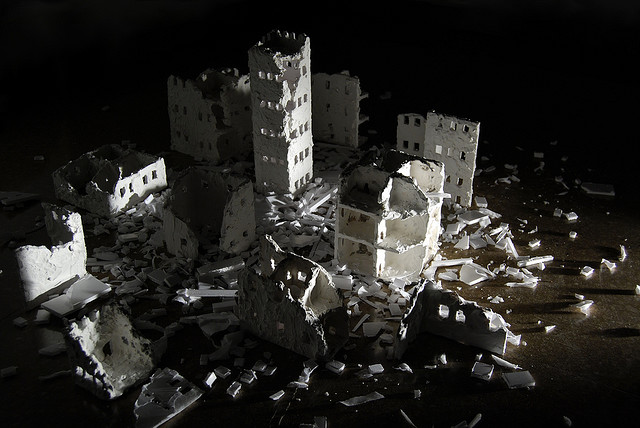

 Dating back to the second century CE, archeologists uncover Roman-era paw print this week.






 Is nothing holy anymore? The Iranian Government rubber stamps oil exploration in the country’s most important national park.


