Home Blog Page 552

As Japan Nuclear Plants Approach “Meltdown” What Can the Mideast Learn?

1

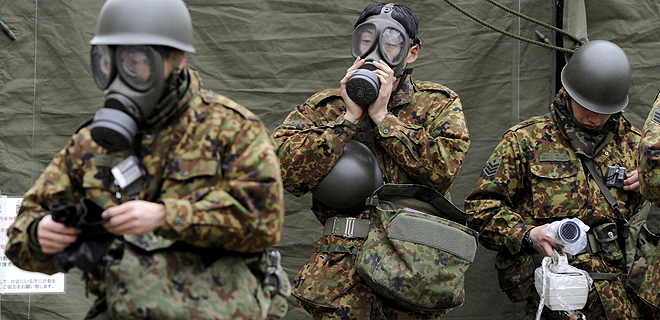
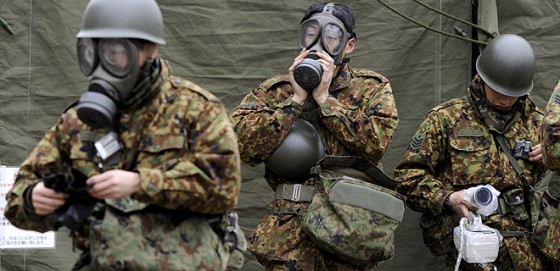
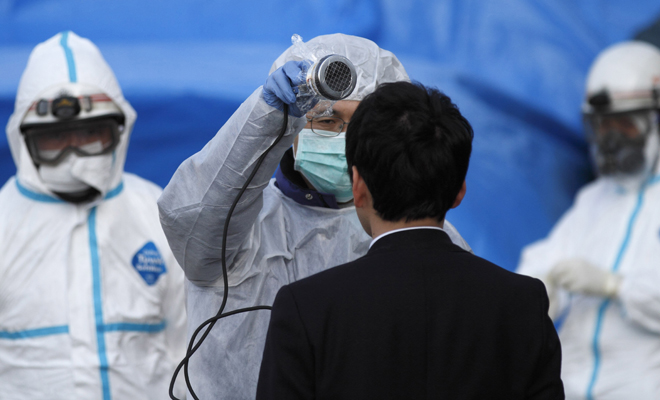
japan nuclear meltdown radiation mask photoJapanese soldiers prepare for the worst. The China Syndrome? Is the worst yet to come?

Radiation from damaged reactor cores at Japan’s Fukushima Diiachi nuclear power plant now appear to be reaching dangerous proportions according to statements being issued by governmental authorities and assessments being made by nuclear energy safety analysts. Some experts in Israel say the Japanese aren’t disclosing the nature of the exposed radiation due to shame. The nuclear facilities at both the Fukushima Diiachi and Fukushima Diani, were both damaged when a giant earthquake and resulting tsunami tidal waves overflowed the protective barriers and flooded equipment vital in keeping the reactor core fuel rods cool.

Watermelon Production In Jordan Threatened By Serious Virus

0

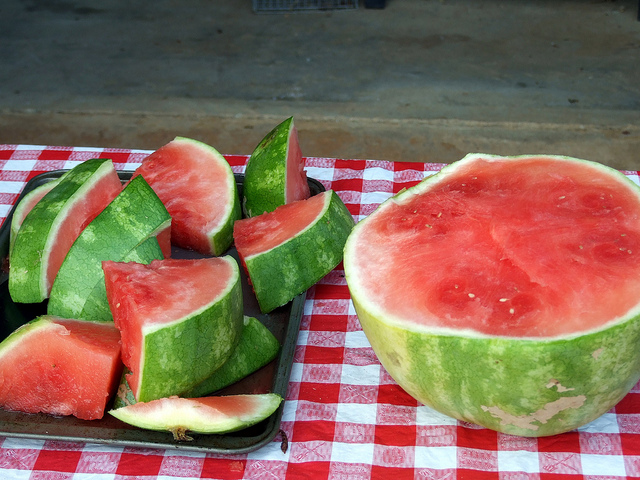
watermelonScientists have discovered incidents of watermelon chlorotic stunt virus (WnCSV) in melons and watermelons in Jordan.

Fewer cold spells are great for pests, but terrible for farmers. Last year, there were higher incidents of bed bugs in the UAE as a result of increasing temperatures and in October, Jordan’s tomato production was hampered by heat and pests. Whether heat is responsible for a recently-discovered infestation of watermelon chlorotic stunt virus (WnCSV) is questionable, but the potential impact on one of Jordan’s top twenty crops could be devastating.

Bull penis stew recipe – or Soup #5

5
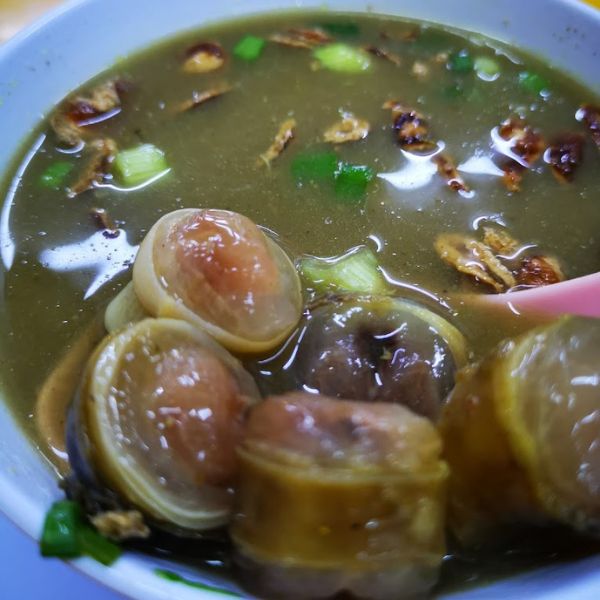
Soup #5 bull penis soup

What exactly is in Soup No. 5 or Soup #5, a soup made from bull’s testes or penis. The dish originates from Filipino cuisine. It is believed to have aphrodisiac properties. People around the world eat the penises of bulls, sheep, and goats, without a quiver.

Keeping to the theme of eating all the animal that began with our post on lamb’s testicles, we now present our readers with another idea to get used to. Penis meat is eaten and enjoyed in the Middle East, Latin America, and the Far East as an ordinary meat and as a boost to virility.

Farmer’s home-made sausages may include sheep, goat, or steer penis.  Each species’s penis has its own flavor. It stays a little rubbery even after long cooking, though.

Bull Penis Stew Recipe

Bull penis stew could be mushroom soup if you squint

Our researches haven’t turned up the truth about supposed Eastern European penis stew, but there are recipes from Bolivia and China.

The one recipe circulating around the Internet was taken word for word from a small out-of-print collection of Yemenite recipes, Yemenite and Sabra Cookery, by Naomi and Shimon Tzabar. The Bull Penis recipe goes like this:

How to make soup #5
How to make soup #5

1 pound of penis, ram’s or bull’s
3 tbls. oil
1 large chopped onion
2 garlic cloves, peeled and chopped
1 tsp coriander seeds, crushed
1 tsp salt
freshly ground black pepper

Scald the penis, then drain and clean.
Place the penis in a saucepan, cover with cold water, and bring to a boil.
Remove any scum, then simmer for 10 minutes.
Drain and slice.
Heat the oil in a large skillet.
Add the onion, garlic, and coriander and fry until the onion is golden.
Add the penis slices and fry on both sides for a few minutes.
Stir in the remaining ingredients with a good grinding of pepper, add enough water to cover, and bring to a boil.
Lower the heat, cover, and simmer for about 2 hours, or until tender.
Add a little water from time to time if necessary to prevent burning
.

Cleaning urine from the penis

Most Westerners don’t know how to clean penis for cooking. The following video from the National Geographic Society makes that clear: the cook slits it open, removes the urethra, and rinses the meat several times under running water to remove any trace of urine.

Hard to swallow the idea? It’s understandable. A study titled Udders, Penises, and Testicles by Robert Rotenberg and published in the 2008 Ethnology (links to PDF) magazine says why:

“Sexual and lactating organs of animals are both foods and symbols,” Rotenberg writes: “Because the organs are visible when the animal is mating or nursing, their shape is unmistakable, and their symbolic potency clings to them, even after slaughter. Cooking them might mask or magnify these qualities.

“…udders, penises and testicles are difficult to separate from the self and hence persistently problematic as foods. …The similarity renders them as self, instead of as foods.”

True. Every man we’ve spoken to about penis as food has crossed his legs.

More Middle-Eastern food:

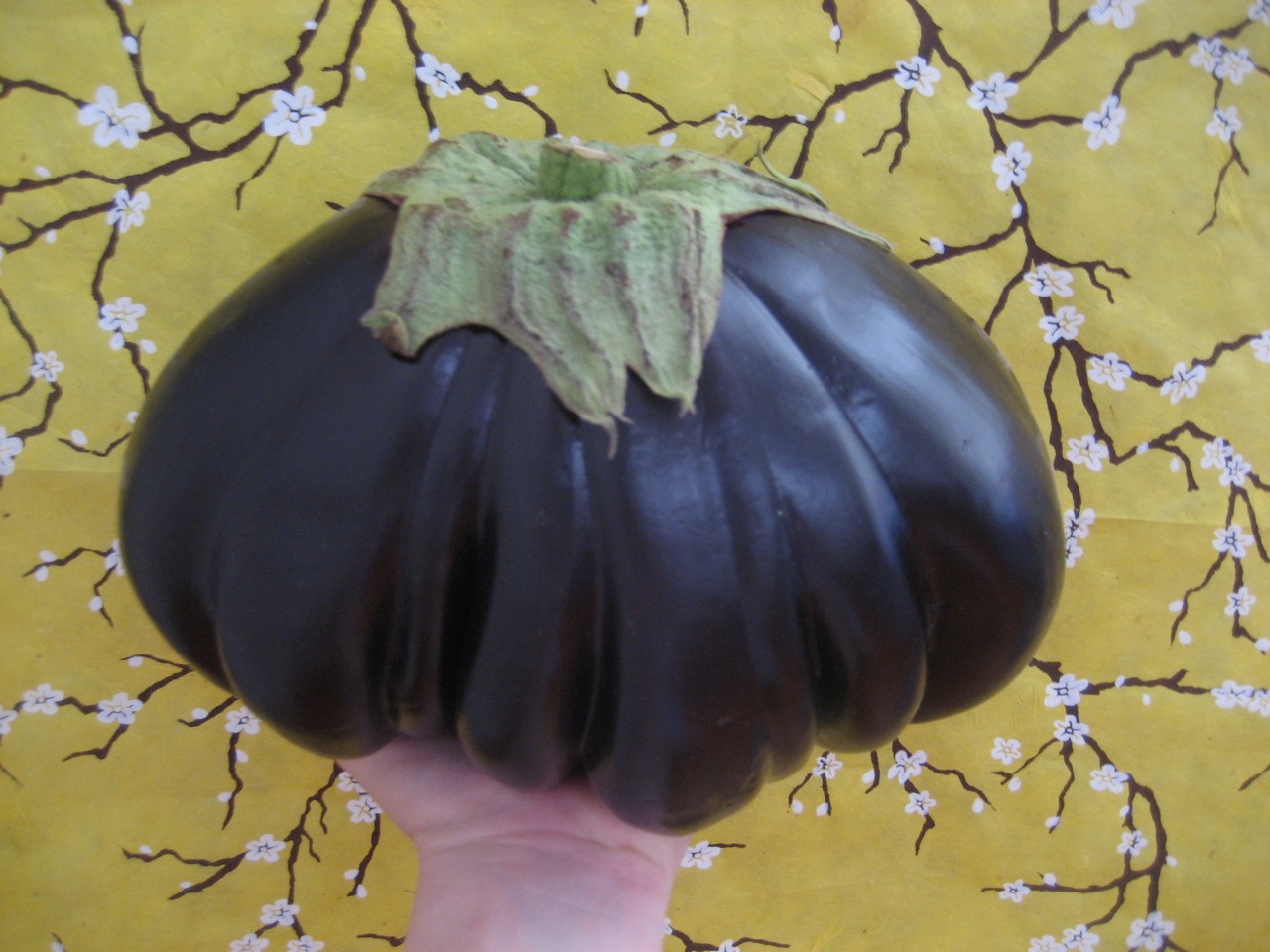
eggplant for bab ghanoush

Yemenite & Sabra Cookery, by Naomi and Shimon Tzabar, Sadan Publishing, 1979, ISBN 965-234-001-4.

Israeli Designer Fashions Couture Gown out of Envirosax Reusable Bags

1

"reusable envirosax bag dress"Colorful, feminine, and elegant, Amit Ayalon’s couture dress upcycles reusable Envirosax bags.

Fun, flirty, and stylish, if you looked at the gown above from a distance you may not even know that it was crafted from repurposed reusable Envirosax bags.  Normally, upcycled dresses are made out of existing clothing, as in the case of Lebanese designer Ziad Ghanem, or the “New Dress a Day” blogger.  In some crazy instances, as in the case of EcoGir suits, we see trendy men’s wear made from recycled plastic PET bottles.

Envirosax, wishing to highlight the beauty and eco-friendliness of its designs, recently selected Israeli designer Amit Ayalon to create the above couture piece (composed of a jacket, Victorian corset, back scroll piece, bustle and skirt) out of colorful reusable Envirosax bags.

MADEO Consolidates Stylish and Eco-Friendly Design Products

0

"upcycled packaging purse ecoist"MADEO does the leg work for you when it comes to tracking down cool gifts for your eco-trendy friends.

You know the scenario: it’s your cool eco-friendly pal’s housewarming/birthday/holiday party/fill-in-the-blank party and you are short one fabulous/original/aesthetic/environmentally-considerate gift.  You want something creative yet functional, like a cool hanging wine glass rack or a funky bread slicer, but the stock at your local design store isn’t too eco-friendly and you know that “green” items make your friend that much happier.  It’s kind of last-minute, so you don’t have time to wait for an eco-friendly and handmade gift from an Etsy artist to be shipped to you, or wait for an item from a green online store.

You need a brick-and-mortar green design store.  If you live in Israel, MADEO (aka Modern and Designed Ecological Objects) makes that easier for you by supplying design stores all over the country with interesting and ecological design products.

Is the Middle East Buying into Disastrous Biofuels?

4

biofuel-jatropha-middle-eastThe Jatropha plant may produce bio-diesel for cars but, like other biofuels, it also leads to a rise in food prices due to competition for land space

From solid gold biofuel Mercedes in Abu Dhabi to biofuel-producing algae lakes in Iran, it seems that biofuels are destined to play a part in the region’s future development. Now, Jordan has announced that it will be experimenting with planting Jatropha, a tree which produces high-quality biodiesel to be used in standard diesel cars.  But are biofuels really the solution to the Mideast’s dependency on gas and oil?

Tehran Residents Complain About Air Pollution and Water Quality

0

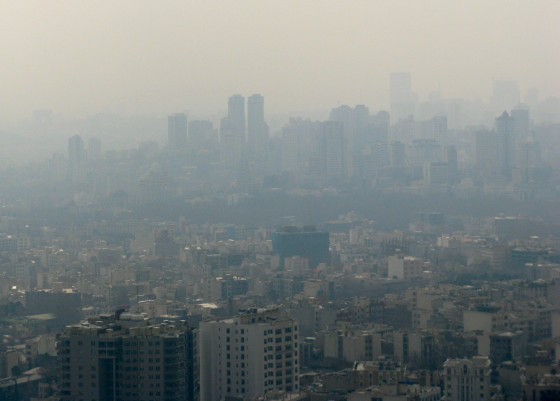
The biggest environmental concerns of the residents of Tehran are air pollution and water quality.

The public awareness of environmental problems is of great importance in today’s societies. It is somehow more important than the governmental privileges. In Iranian society, this awareness is in shadow of political, economic and social issues, which look more substantial to people. In a World Bank report, which were given out in 2007, the environmental awareness of the residents of Tehran were analyzed.

This report was provided three years ago but still can show the reality of the Iranian urban culture. It, as can be predicted, confirms that the first things that are important for people are the issues that directly affects on their lives. Politics is the main one. Also social and culture problems are important but the main factor that adjusts every thing is still politics.

According to the report, environment is not the priority of most of the people. Thirty percent of the respondents of the questionnaires (34 percent men and 29 percent women) think that the political problems are important or very important. This can be compared with the low percentage that was obtained from the same question about economic development, inflation, and environment.

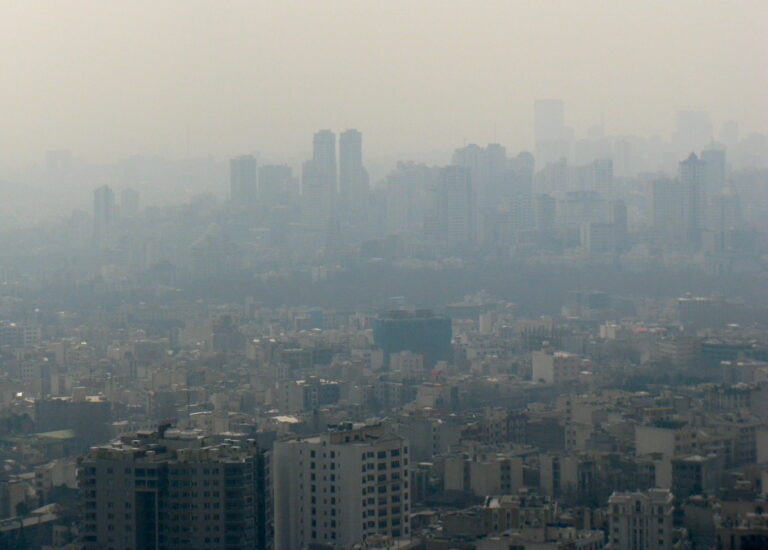
air pollution tehran, iran
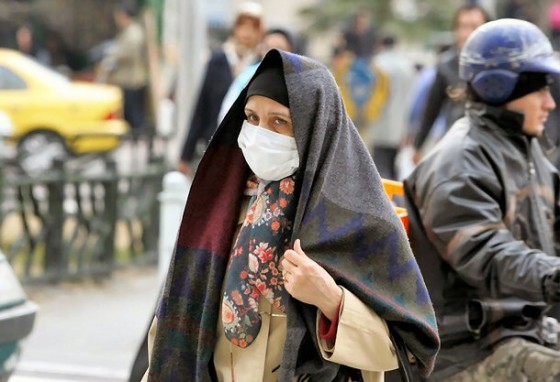
Wearing a facemask against pollution (not Covid) in Tehran

Six percent think that economic development is important or very important (6.4 percent men and 5.3 percent women). Inflation is rated by 6.4 percent (5.8 percent of men and 6.5 percent of women). It seems that the respondents have rated the environmental issues as the least important problem. Only 4 percent have chosen important or very important for the environment (4.4 percent men and 3.3 percent women).

The worst part of the findings is that one third of the respondents (34 percent) believe that the environmental problems are not important at all and 53 percent do not have any opinion.

When the people are questioned more clearly about the problems, it becomes clear that they have some concerns about the environment. Air pollution and water quality are the biggest concerns of them. Some 62.3 percent of men and 61.3 percent of women believe that the water quality is worrying. Also 59.8 percent of men and 60.1 percent of women are worried about the air pollution produced by cars. Similarly the percentages for industrial pollutions are 41.5 for men and 47.1 for women. In the same way, 39.5 percent of men and 41.8 percent of women have declared great worry about the sound pollution.

Similar percentages are obtained from the survey about continuous reduction of green areas, disposal of industrial waste, and household garbage.

Other answers show that people are disappointed of the present situation of the urban environment. For example, just 8.7 percent of men and 10.5 of women strongly agree that “the environmental situation will be better in the future,” while 31.3 percent of men and 26.8 percent of women disagree.

The main bodies in the country that have the ability to improve the People’s responsibility about the environment are the public media, be it governmental or private. The present situation of the effects of the media like newspapers, TV, radio, books, internet, magazines, etc. are analyzed.

By the recent issues like the problems of Orumieh Lake in north-west Iran or the Iranian leopard, people have heard more of such news and have shown to be more conscious of the similar problems.

<!–[if !mso]> <! st1\:*{behavior:url(#ieooui) } –>

Public awareness of environmental problems is of great importance in today’s societies. It is somehow more important than the governmental privileges. In Iranian society, this awareness is in shadow of political, economic and social issues, which look more substantial to people.

In a World Bank report, which were given out in 2007 the environmental awareness of the residents of Tehran were analyzed. This report was provided three years ago but still can show the reality of the Iranian urban culture. It, as can be predicted, confirms that the first things that are important for people are the issues that directly affects on their lives. Politics is the main one. Also social and culture problems are important but the main factor that adjusts every thing is still politics.

According to the report, environment is not the priority of most of the people. 31 percent of the respondents of the questionnaires (34 percent men and 29 percent women) think that the political problems are important or very important. This can be compared with the low percentage that was obtained from the same question about economic development, inflation, and environment. 6 percent think that Economic development is important or very important (6.4 percent men and 5.3 percent women). Inflation is rated by 6.4 percent (5.8 percent of men and 6.5 percent of women). It seems that the respondents have rated the environmental issues as the least important problem. Only 4 percent have chosen important or very important for the environment (4.4 percent men and 3.3 percent women).

The worst part of the findings is that one third of the respondents (34 percent) believe that the environmental problems are not important at all and 53 percent do not have any opinion.

When the people are questioned more clearly about the problems, it becomes clear that they have some concerns about the environment. Air pollution and water quality are the biggest concerns of them. 62.3 percent of men and 61.3 percent of women believe that the water quality is worrying. Also 59.8 percent of men and 60.1 percent of women are worried about the air pollution produced by cars. Similarly the percentages for industrial pollutions are 41.5 for men and 47.1 for women. In the same way, 39.5 percent of men and 41.8 percent of women have declared great worry about the sound pollution.

Similar percentages are obtained from the survey about continuous reduction of green areas, disposal of industrial waste, and household garbage.

Other answers show that people are disappointed of the present situation of the urban environment. For example, just 8.7 percent of men and 10.5 of women strongly agree that “the environmental situation will be better in the future,” while 31.3 percent of men and 26.8 percent of women disagree.

The main bodies in the country that have the ability to improve the People’s responsibility about the environment are the public media, be it governmental or private. The present situation of the effects of the media like newspapers, TV, radio, books, internet, magazines, etc. are analyzed.

By the recent issues like the problems of Orumieh Lake in north-west Iran or the Iranian leopard, people have heard more of such news and have shown to be more conscious of the similar problems.

Water Desalination in the Gulf is Necessary, But Not at Any Cost

3

IBM builds a solar power desalination pilot plant in Saudi Arabia.

News that Saudi Arabia, the world’s largest market for desalination plants, is planning future solar-powered reverse and osmosis projects has been met with general enthusiasm by environmentalists and non-environmentalists alike. However, while politicians in the region play up the significant advantages of modern desalination, a deeper cost-benefit evaluation shows these investments come at a considerable cost.

Israel’s Ambassador Of Dance Ido Tadmor Performs For The Dead Sea

1

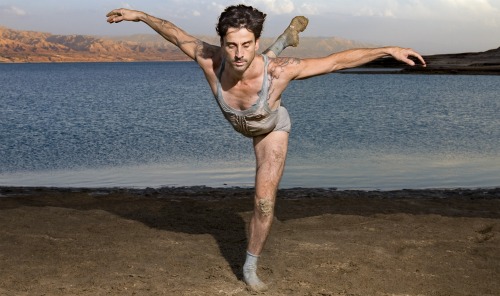
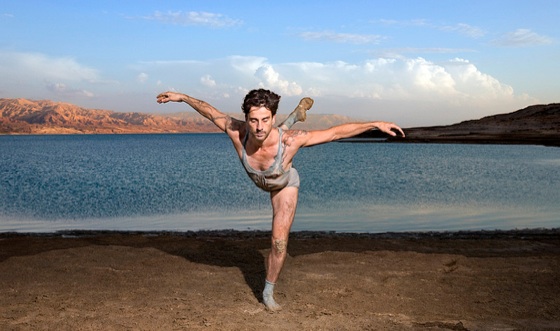
Internationally-acclaimed dance Ido Tadmor does an enigmatic dance for the Dead Sea at Kalya Beach. (image by Inbal Marmari)

Becoming one of seven natural wonders can have enormous benefits for tourism, though competition is steep. Among the 28 candidates for the present campaign are the Great Barrier Reef, the Galapagos, and the Grand Canyon. Scores of people, even Harley Davidson riders, have shown their support for the Dead Sea campaign, which will be a boon to Israel, Jordan and the Palestinian territories. But there’s more to the campaign than generating money. The founder, Bernard Weber, intended for this global initiative to protect remaining beautiful places, to generate unity and respect. Perhaps more than any other pledge of support, Ido Tadmor’s Dead Sea dance – choreographed by him – does just that.

Saudi’s Soaring Construction Industry Could Negate Costly Water Investments

2

saudi economic city construction

Saudi Arabia is investing huge sums to diversify its water supply, while at the same time fanning a booming construction industry. Will the latter negate the former?

Desertification, depletion of underground water sources, and lack of perennial rivers or permanent water bodies are among Saudia Arabia’s greatest environmental challenges. In part, these are being met by pouring money into energy-hungry desalination facilities.

With oil reserves overestimated by 40%, and peak oil on the horizon, the Royals are realizing the need to diversify. Construction Week reported that over the next 15 years, the Gulf country will invest $53 billion on water projects, 70% of which will be devoted to sewage and wastewater treatment plants.

Japan Nuclear Meltdown Will Seriously Affect World Environment

20

japan nuclear meltdown radiationChecking for radiation in Japan. Wouldn’t happen if a solar power plant is damaged.

Japan’s situation involving its damaged nuclear reactors is heading into “critical mass”  following more reactor failures from last week’s mega earthquake and subsequent tsunami tidal waves. Worries about this kind nightmarish scenario happening elsewhere, especially in the Middle East has been expressed in many media sources, including an article in the English version of Egypt’s Al Masry.

The environmental dangers of the radiation leakage from the Fukushima Diiachi nuclear plant following the explosion of one of its reactors could be very harmful to the world’s environment. The article quoted Greenpeace as saying that “Japan is in the middle of a nuclear crises with potentially devastating consequences.” But this you’d already know if you have been reading the news. American aid troops in the region are moving away from the nuclear plant after a plume of radiation was detected 100 miles from the reactor core.

Interview: On Saving Albatrosses And HRH Prince Charles With Meidad Goren

0

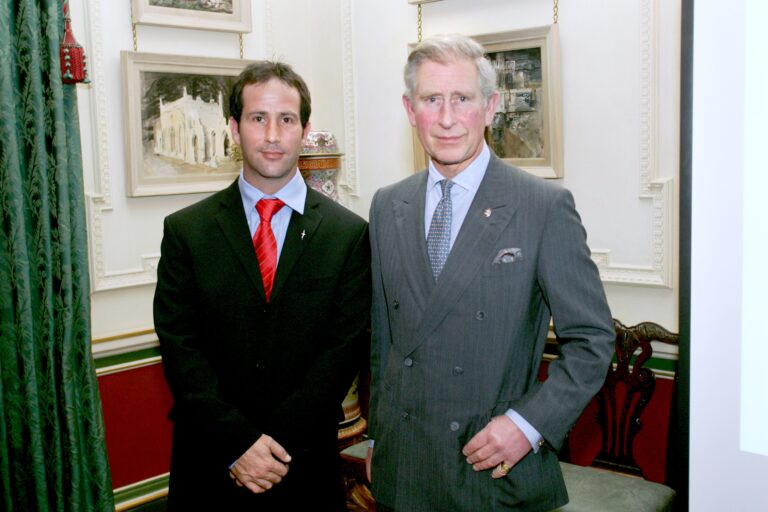
meidad goren prince charlesMeidad poses with Prince Charles at the Clarence House in London, where they discussed the progress of the Albatross Task Force.

Like David de Rothschild, Meidad Goren has spent considerable time at sea working toward nature conservation. His most recent project focused on saving albatrosses. These sea birds become entangled with commercial fishing lines and die at a rate of roughly 100,000 each year. Birdlife International’s South African Albatross Task Force was the first of six teams created worldwide to saving the albatross from the grassroots level up. With support from Prince Charles, and the Royal Society For The Protection of Birds (RSPB), Goren and his team helped reduce albatross mortality rates in South Africa by 85%.  The intrepid bird-lover has since returned to Israel to start up his own conservation project. 

AIDS from Baby Gaga breastmilk ice cream?

9

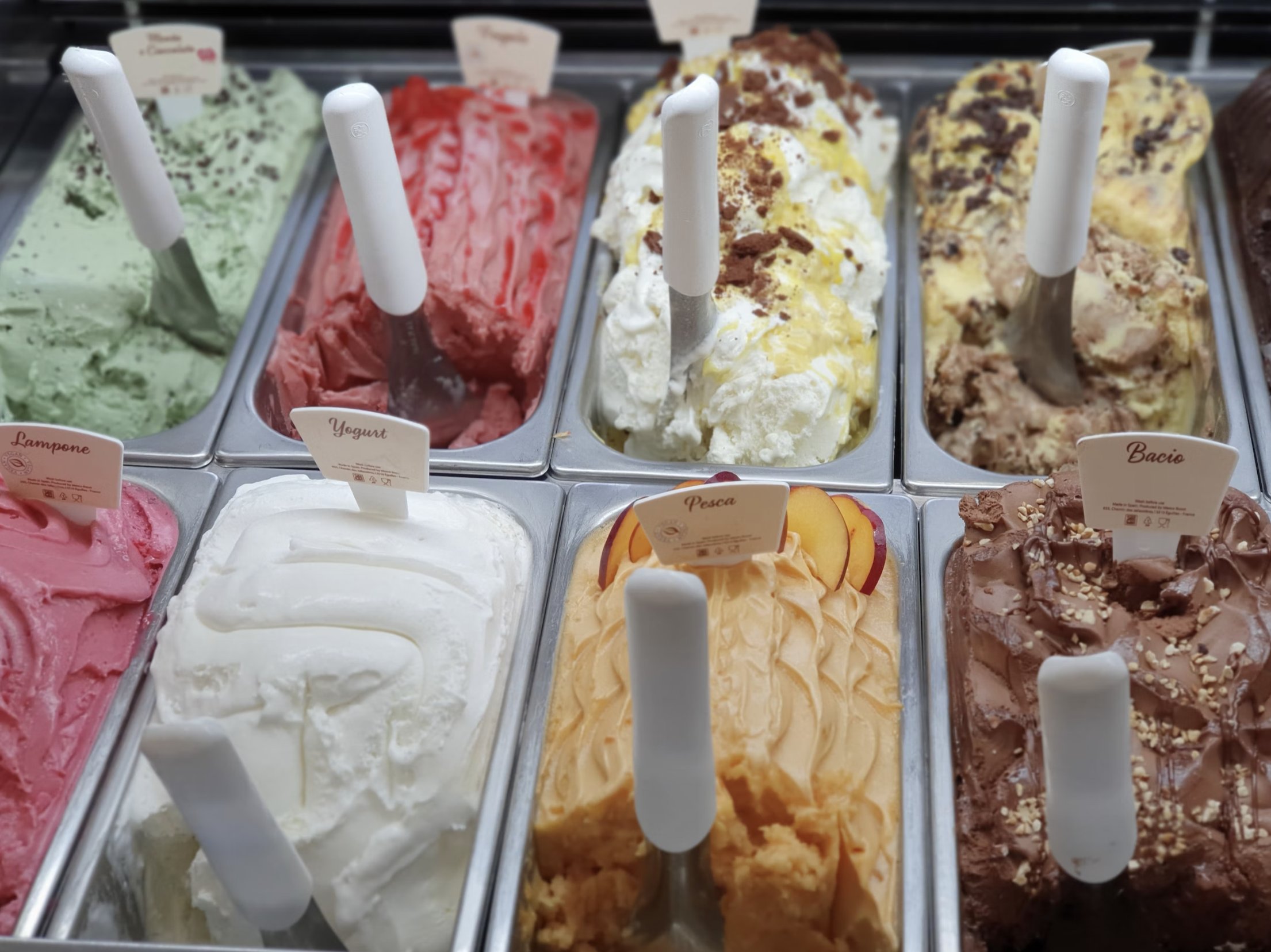
breast milk flavored ice -cream inspired by Lady Gaga

Lady Gaga inspired an ice-cream made from human milk. Could the treat carry health risks?

A London ice cream parlor made headlines recently for producing ice cream made out of human milk. They are calling the flavor Baby Gaga. Responding to concerns about safety, the Westminster Council confiscated the ice cream for quality control testing. When it got confirmation that the mothers had been tested in a lab that also tests blood donors, the ice cream went back on sale. Sounds like a stunt like the hummus-flavored ice-cream from Israel.

Health concerns surrounding Baby Gaga ice cream led us at Green Prophet to consider the health risks of donated human milk. According to lactation experts Jan Riordan and Karen Waumbach, human milk carries “a very low risk of disease transmission.” Diseases that can theoretically be transferred through ingestion of human milk include HIV 1 and 2 (the AIDS virus), human T-lymphoma virus (HTLV—a virus association with childhood leukemia and adult lymphoma), hepatitis B, hepatitis C, and syphilis. Potential milk donors to human milk banks are screened for these diseases, just like blood donors, although the risk of contracting infections from drinking human milk is lower thanks to factors in saliva.

HIV does not live long outside the body. Even if small amounts of HIV-infected blood or semen was consumed, exposure to the air, heat from cooking, and stomach acid would destroy the virus. Therefore, there is no risk of contracting HIV from eating food. Human milk banks in Brazil, the United States, and Europe screen donors and pasteurize the milk, ensuring that the milk is stored safely. Very few cases of disease transmission from human milk have been reported, and the milk banks have a spotless record.

In the Middle East, where no regulated human milk banks exist, parents who seek donor milk must rely on informal donations from relatives, friends or strangers. Parents post requests on breastfeeding message boards contain requests, or use informal milk banks. The safety of these arrangements varies widely.

Parents considering donor milk need to weigh risks against the risks of infant formula, which leads to increased rates of infections and has been recalled many times over the years. Poor quality control and bacterial contamination have led to the deaths of infants. The infants who benefit most from donor milk are premature or have physical conditions, like illness or allergy, that make it hard for them to tolerate formula. The World Health Organization lists donated human milk as a better option than manufactured formula for all babies, with breastfeeding from the baby’s mother the best and bottle-feeding of the mother’s own milk the second choice.

Manufactured infant formula is an environmental hazard, because of the increased water, fuel, and waste involved in its production, transportation, preparation and disposal.

According to the US Center for Disease Control, “HIV does not live long outside the body. Even if small amounts of HIV-infected blood or semen was consumed, exposure to the air, heat from cooking, and stomach acid would destroy the virus. Therefore, there is no risk of contracting HIV from eating food.”

The safety of breastmilk is a serious concern for mothers who carry HIV-1, the virus that causes AIDS. The World Health Organization recommends formula feeding for mothers with access to clean water and sterilizing equipment. But the high mortality rate among bottle-fed infants in developing nations, particularly Africa, led to increased research in AIDS transmission. It turns out that newborns who breastfeed exclusively—in other words they received no water, formula or solid foods—contracted HIV-1 at a much lower rate than the babies who received breastmilk and other foods or liquids.

Exclusive breastfeeding may prevent HIV-1 transmission because elements in breastmilk help maintain the intestinal mucosal barrier, preventing bacteria and other contaminants from being introduced into the gut. Contaminants cause an inflammatory response that damages the mucosa, raising the chance that HIV-1 will penetrate. Currently, the WHO in developing countries recommends that health care workers who support mothers with HIV-1 should help these mothers breastfeed exclusively for as long as possible.

Human milk ice cream was a gimmick to increase sales, but the discussion about health concerns begs the question: Why are we so squeamish about human milk but are fine with drinking cow’s milk? We should be wary of giving the newest members of our species milk from a different animal when the vast majority of mothers are able to breastfeed.

More posts on human milk and breastfeeding by Hannah Katsman:

A Fading Art: Understanding Breastfeeding in the Middle East

10 Tips for Breastfeeding Your Baby in Public in the Middle East

Source: Riordan, Jan and Karen Wambach, Breastfeeding and Human Lactation, Fourth Edition, 2010.

Updated image Feb 6, 2023.

Ecoist Accessories Make Eco-Friendly Egoists Look Good

0

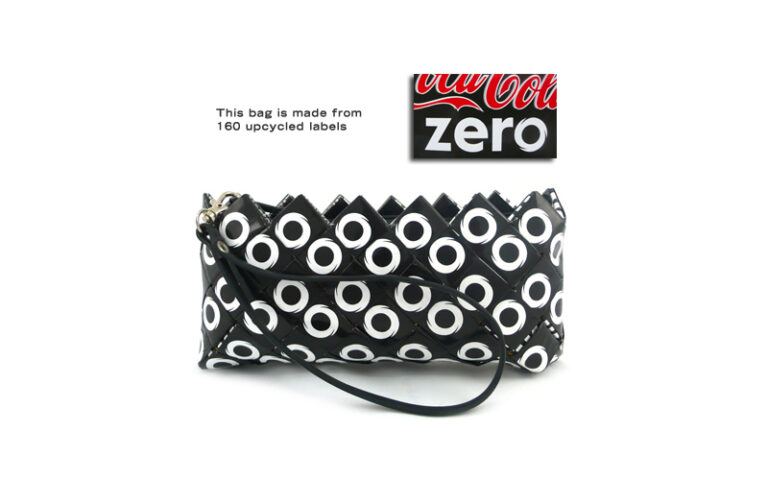
"recycled coke label bag"Ecoist: an individual that lives a modern, eco-minded lifestyle.  (Don’t forget chic.)

When it comes to upcycling discarded products or industrial scraps, designers often turn to making fashion or home accessories.  They are fun to make, and allow people to feel creative and less wasteful in their accessory choices.  Here on Green Prophet we’ve already seen handbags made out of tire inner tubes, Infobags made from pages of old maps and encyclopedias, and even purses make from furniture fabric samples.  While we’ve also seen wallets made out of upcycled product wrappers, we have not yet seen handbags made out of that material and so the Ecoist line of handbags and jewelry caught our attention.

A fashion line started by two Israeli brothers, Jonathan and Yair Marcoschamer, Ecoist handbags, jewelry, and home accessories are all made from misprinted and obsolete packaging generated by junk-food companies such as the Coca-Cola Company, Frito-Lay, and Mars (to name a few).

Land Rover Revs Up Omani Leopard Conservation Program

0

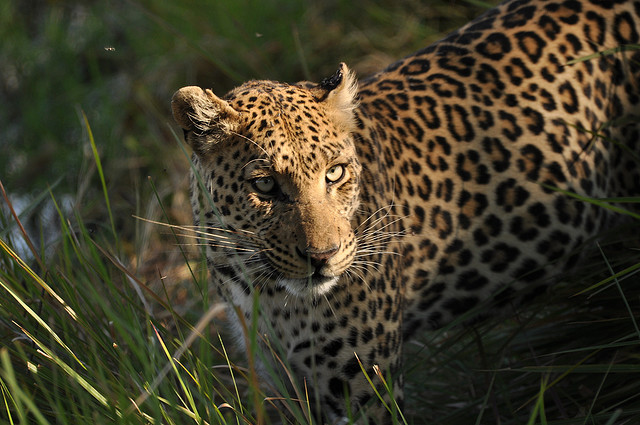
leopard wildlife conservationLand Rover has demonstrated its commitment to Arabian Leopard Conservation for the sixth year by supporting the Biosphere Expeditions research project.

Wildlife conservation is rife with challenges, yet concerned organizations often battle to overcome them as a result of underfunding. Corporate assistance goes a long way to filling those financial gaps. In the Middle East, Egypt’s wild cats are in peril, Iran’s are faring no better, but Oman may just have a population of Arabian leopards that can thrive in the Dhofar mountain region.

For the sixth consecutive year, the 4×4 auto manufacture Land Rover has lent valuable support to the Biosphere Expeditions research project, which tracks leopard populations in order to best inform conservation initiatives.