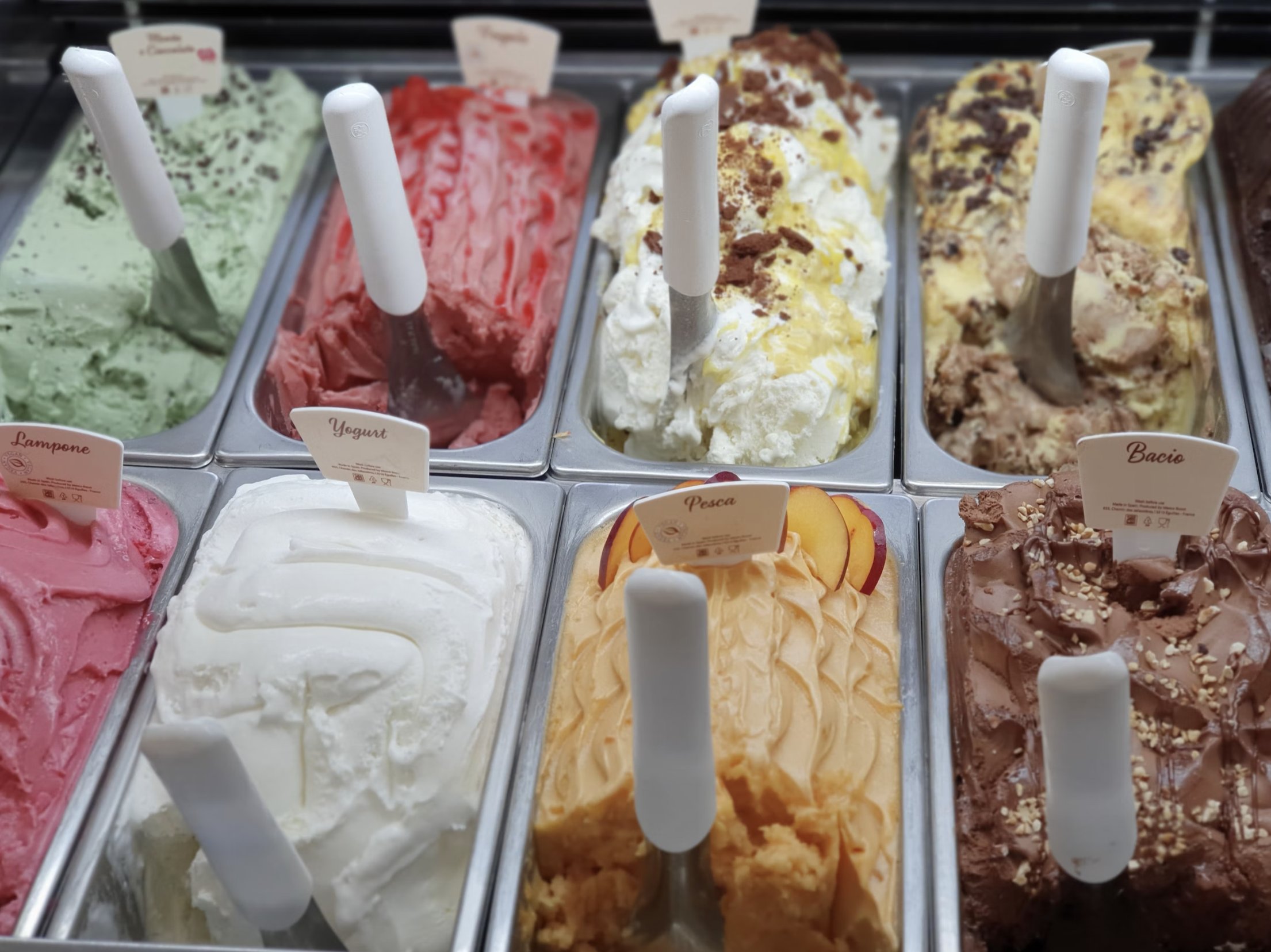
Lady Gaga inspired an ice-cream made from human milk. Could the treat carry health risks?
A London ice cream parlor made headlines recently for producing ice cream made out of human milk. They are calling the flavor Baby Gaga. Responding to concerns about safety, the Westminster Council confiscated the ice cream for quality control testing. When it got confirmation that the mothers had been tested in a lab that also tests blood donors, the ice cream went back on sale. Sounds like a stunt like the hummus-flavored ice-cream from Israel.
Health concerns surrounding Baby Gaga ice cream led us at Green Prophet to consider the health risks of donated human milk. According to lactation experts Jan Riordan and Karen Waumbach, human milk carries “a very low risk of disease transmission.” Diseases that can theoretically be transferred through ingestion of human milk include HIV 1 and 2 (the AIDS virus), human T-lymphoma virus (HTLV—a virus association with childhood leukemia and adult lymphoma), hepatitis B, hepatitis C, and syphilis. Potential milk donors to human milk banks are screened for these diseases, just like blood donors, although the risk of contracting infections from drinking human milk is lower thanks to factors in saliva.
HIV does not live long outside the body. Even if small amounts of HIV-infected blood or semen was consumed, exposure to the air, heat from cooking, and stomach acid would destroy the virus. Therefore, there is no risk of contracting HIV from eating food. Human milk banks in Brazil, the United States, and Europe screen donors and pasteurize the milk, ensuring that the milk is stored safely. Very few cases of disease transmission from human milk have been reported, and the milk banks have a spotless record.
In the Middle East, where no regulated human milk banks exist, parents who seek donor milk must rely on informal donations from relatives, friends or strangers. Parents post requests on breastfeeding message boards contain requests, or use informal milk banks. The safety of these arrangements varies widely.
Parents considering donor milk need to weigh risks against the risks of infant formula, which leads to increased rates of infections and has been recalled many times over the years. Poor quality control and bacterial contamination have led to the deaths of infants. The infants who benefit most from donor milk are premature or have physical conditions, like illness or allergy, that make it hard for them to tolerate formula. The World Health Organization lists donated human milk as a better option than manufactured formula for all babies, with breastfeeding from the baby’s mother the best and bottle-feeding of the mother’s own milk the second choice.
Manufactured infant formula is an environmental hazard, because of the increased water, fuel, and waste involved in its production, transportation, preparation and disposal.
According to the US Center for Disease Control, “HIV does not live long outside the body. Even if small amounts of HIV-infected blood or semen was consumed, exposure to the air, heat from cooking, and stomach acid would destroy the virus. Therefore, there is no risk of contracting HIV from eating food.”
The safety of breastmilk is a serious concern for mothers who carry HIV-1, the virus that causes AIDS. The World Health Organization recommends formula feeding for mothers with access to clean water and sterilizing equipment. But the high mortality rate among bottle-fed infants in developing nations, particularly Africa, led to increased research in AIDS transmission. It turns out that newborns who breastfeed exclusively—in other words they received no water, formula or solid foods—contracted HIV-1 at a much lower rate than the babies who received breastmilk and other foods or liquids.
Exclusive breastfeeding may prevent HIV-1 transmission because elements in breastmilk help maintain the intestinal mucosal barrier, preventing bacteria and other contaminants from being introduced into the gut. Contaminants cause an inflammatory response that damages the mucosa, raising the chance that HIV-1 will penetrate. Currently, the WHO in developing countries recommends that health care workers who support mothers with HIV-1 should help these mothers breastfeed exclusively for as long as possible.
Human milk ice cream was a gimmick to increase sales, but the discussion about health concerns begs the question: Why are we so squeamish about human milk but are fine with drinking cow’s milk? We should be wary of giving the newest members of our species milk from a different animal when the vast majority of mothers are able to breastfeed.
More posts on human milk and breastfeeding by Hannah Katsman:
A Fading Art: Understanding Breastfeeding in the Middle East
10 Tips for Breastfeeding Your Baby in Public in the Middle East
Source: Riordan, Jan and Karen Wambach, Breastfeeding and Human Lactation, Fourth Edition, 2010.
Updated image Feb 6, 2023.


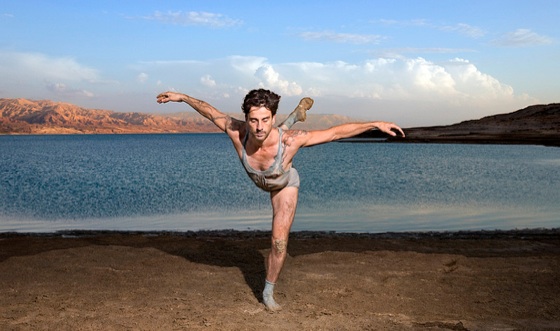 Internationally-acclaimed dance Ido Tadmor does an enigmatic dance for the Dead Sea at Kalya Beach. (image by Inbal Marmari)





 Make your children earth conscious by collecting the special flora of the seasons.
 Philanthropic heavyweight to green and social organizations, Eliezer explains why pressing “Like” doesn’t convert support into donor dollars.