Home Blog Page 539

Zionist Group Seeks Agricultural Homestead Where Jesus Traveled

0

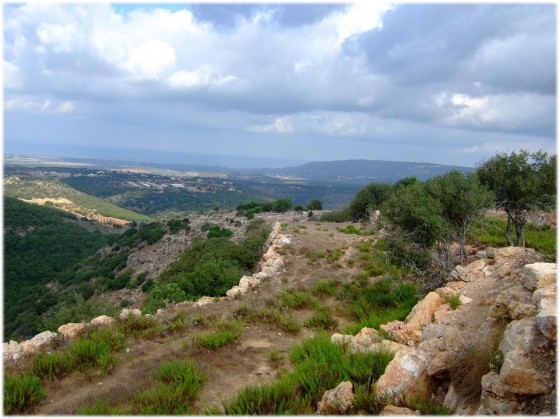
land trust galilee permacultureIsraeli idealists plan to develop a land trust in the northern Galilee to encourage rural homesteading.

Despite its emergence as a developed, industrial country, Israel has a bevy of close-to-the-earth learning experiences to choose from. Several kibbutzim throughout the country offer a variety of useful workshops in permaculture, off-grid living, sustainable building, and organic farming. These programs can be as short as one day or as long as an extended month-long volunteer project. Even so, given our collective agricultural brain drain, the small country could definitely benefit from a resurgence in small-scale, cooperative farming. Which is why the North West Galilee Trust caught our attention.

West Bank and Gaza’s Economic Growth Isn’t Sustainable

0

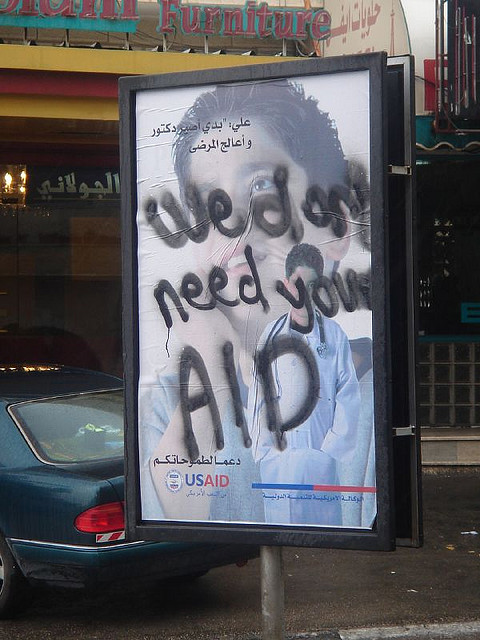
USAID billboard in Ramallah graffiti-ed with words “We Don’t Need Your Aid” but according to latest World Bank report, growth in the West Bank and Gaza is dependent on aid donors.

A stroll around the West Bank is likely to bring you face to face with a project supported by America’s aid agency USAID pretty quickly. The posters and signs seems to be everywhere and although the fragile economies of the West Bank and Gaza are finally showing some signs of growth and development, the question remains: how sustainable can growth funded by aid donors really be?

Well, according to the latest report by the World Bank, not very. The organisation said that the Palestinian economy’s growth isn’t likely to be sustainable as it is largely driven by donor donations, and that it will not be sustainable unless Israeli restrictions are removed. The World Bank report explained that “Aid is what keeps many Palestinians above the poverty line, particularly in Gaza, where unemployment is still 37.4 percent, and a staggering 71 percent of the population benefited from some form of social assistance in 2009.”

DI Bernhard Gruber Designs Cool Green Playground For Hot Climes

0

green playground for hot climes

Before we know it, the Middle Eastern sun will be hot enough to fry eggs on the sidewalk and kids will want to stay inside in front of televisions to escape the heat. But DI Berhard Gruber has designed a playground that is not only cool enough to play in, but also teaches kids about the environment. In addition to fun “outdoorsy” games such as climbing and playing in a sandbox, children can learn to generate energy using their own life force.

Shark finning in the UAE

2

We speak to the International Fund for Animal Welfare Middle East about the need for stronger legislation to protect sharks in the UAE and how working with fisherman can halt the decline of sharks

Following the recent revelation that the UAE remains an important market hub for the Far Eastern delicacy of shark fins, and UAE divers trying to crack down on the trade of shark fins, we spoke to the International Fund for Animal Welfare about the need to end shark finning and the important role that fisherman must play in protecting sharks- for their own sake.

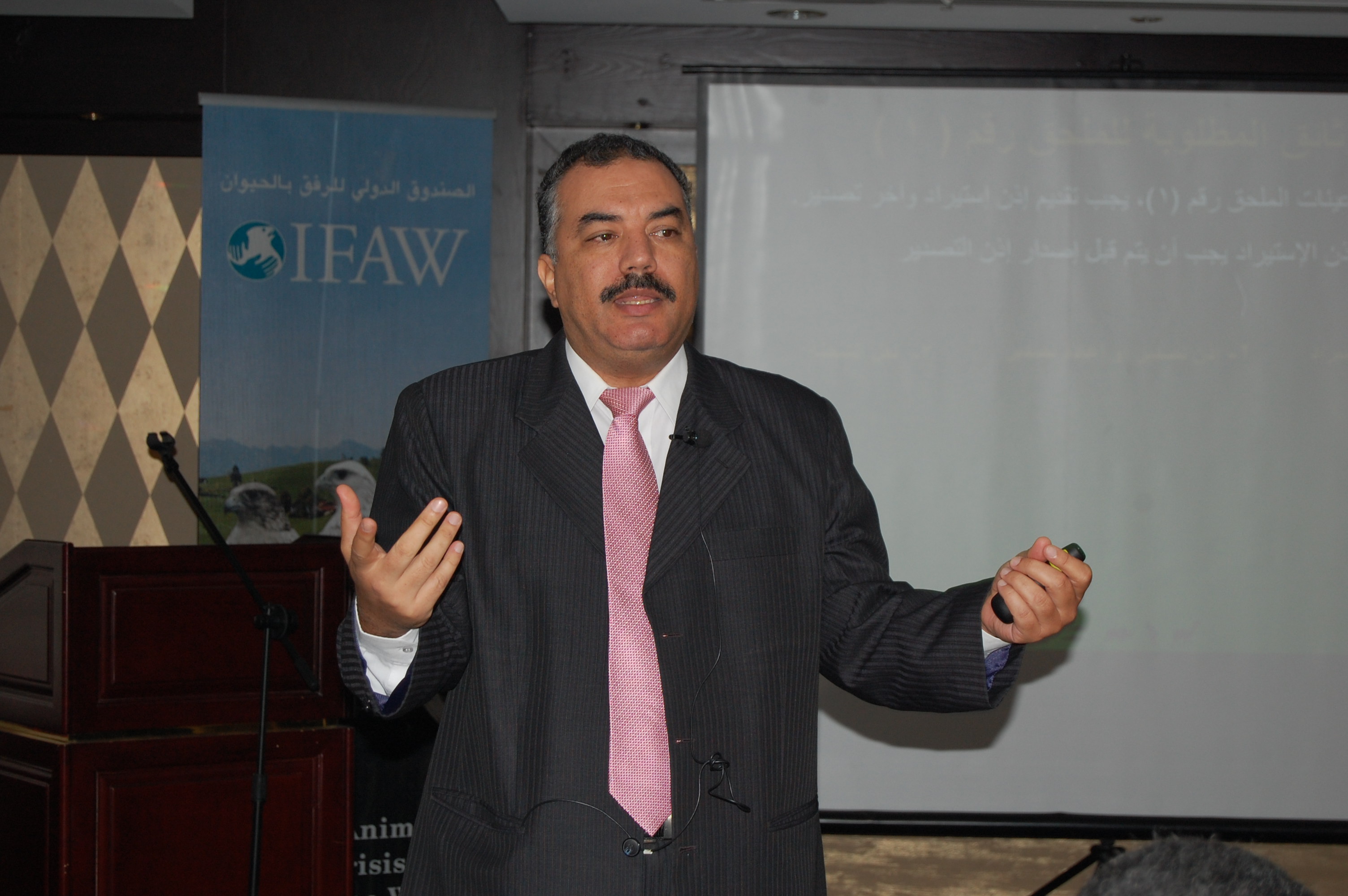
The International Fund for Animal Welfare was setup in 1969 is one of the world’s largest animals and conservation charities. The Middle East branch works on various projects such as training customs officers to help prevent illegal wildlife trade and promoting high standards for animal welfare, wildlife and habitat conservation in the region. I spoke to Elsayed Mohamed, programme manager for IFAW in the Middle East to find out more about their work to end shark finning.

Aburawa: How did the practice and popularity of shark finning emerge in the Middle East?

Mohamed: There is no exact information on the emergence of shark finning in the Middle East. Catching sharks has been a part of fishing activities for centuries but shark finning is not related to any local tradition here in the Arabian Gulf. The shark finning activities is practiced only for export of fins to the Far East to be used in shark fin soup.

IFAW was recently granted $7,000 from the Ford Motor company conservation programme to help stop shark finning. What do you hope to do with the money to help stop shark finning in UAE?

We are planning to organize a workshop about conservation of sharks in Yemen in cooperation with the Ministry of Environment in Yemen. The aim of this workshop is to produce recommendations for strengthening shark catch legislation and reaching a shark conservation plan in Yemen. We are waiting for a suitable time to start or preparation for the workshop due to the current unrest in Yemen.
Although shark finning was banned in 2008 in UAE, the shark fin trade continues unabated. Do you think that more legal action is needed or useful to halt shark finning for good?

Yes I think there is need for more legal action to implement this legislation and more legislation is needed to protect more species of shark from being over fished in general. But the important point here is UAE is used for re-exporting activities of the shark fin trade to the Far East. many countries in the region are practicing shark finning intensively either due to lack of legislation or lack of implementation of their legislation and exporting the shark fin to UAE to be re-exported to the far east.

Finally, what can ordinary people do to help stop the shark finning trade?

It is not the matter of ordinary people here in UAE or Arabia, it is the fishermen and motorboats owner who need to realise that they are depleting their own resource of sharks. Also it is not reasonable to prevent shark finning altogether, as the fins are a part of the fish and should be utilized like any other part of the fish.

Red Sea, Egypt, Saudi Arabia, travel, nature, Red Sea Sharks

The solution to this problem should be based on establishing shark catch quota for each species. Catch quotas should be based on an appropriate regional conservation strategy and monitoring regime for the species concerned and are not detrimental to the survival of the species in the wild.

Read more on sharks in the Middle East:

UAE Divers Organisation Says: “Stop Sharks and Shark Fin Soup”

Sharks Under Attack in Middle East

Despite Ban, UAE remains Market Hub for Shark Fins

“Union for the Mediterranean” Creates Four Steps Enacting Solar Plan

0

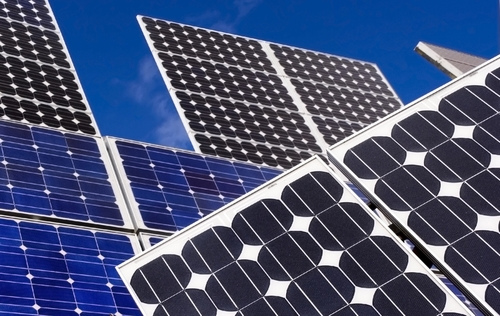
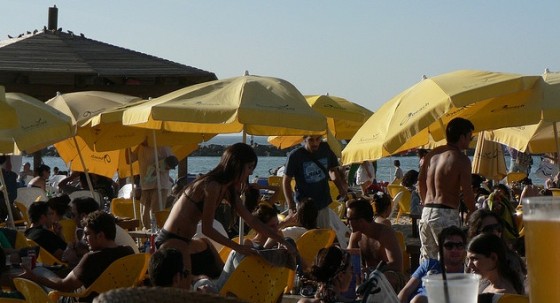
tel aviv sunSeveral Mediterranean countries are hatching a joint plan to bring 20GW of renewable energy on board by 2020.

In July, 2008, several Mediterranean countries came together in Paris, where they hatched a plan to coordinate renewable energy generation and energy efficiency initiatives.

At the end of last year, the Union for the Mediterranean (UfM) resolved to coordinate development of an action and master plan in coordination with the European commission and to elaborate the existing plan by next year. Bound by certain progressive principles, the group have announced the four main objectives that will help them realize 20GW of renewable energy generation by 2020.

Aya Kaya Has Fun With Sustainable Design

0

"eco design trolley"“When you truly ‘listen’ to the material you will find so many possibilities!” says Aya Tager of her green designs.

Lots of designers, including designers living and working in the Middle East, like to play with trash.  Lebanese fashion designer Ziad Ghanem likes to play with trashed clothes, and lots of Israeli designers are rethinking ways to use our junk.  Israeli designer Aya Tager is no exception.  A graphic designer trained in Johannesburg, Holland, and Israel, Tager (aka Aya Kaya) says that her inspiration for her sustainable design products “comes from several directions, often it’s from really looking and ‘playing’ with the material (used, discarded, factory rejects, etc.).”

Seven Steps Required To Make Middle Eastern Cities Sustainable

0

seven steps to sustainable citiesMiddle East city planners take note: These seven steps to creating more efficient cities could literally save the world.

Cities account for 80% of the world’s total greenhouse gas emissions (GHG), 30% of which are generated in Canada and the United States. Both countries have massive sprawling cities, where the super-highway model reigns supreme. But having to travel long distances in order to achieve daily tasks or to work eats up fuel and contributes enormously to GHG emissions. In his book Seven Rules for Sustainable Cities, Patrick Condon has outlined seven simple strategies that can make dense urban environments cleaner, safer, and more livable. As population expands in the Middle East, urban planners who follow these steps instead of the sprawling American model will not only reduce greenhouse gas emissions but ingratiate themselves to what will undoubtedly result in a happier populace.

Arab World Revolutions Make Space for Green and Social Activism

0

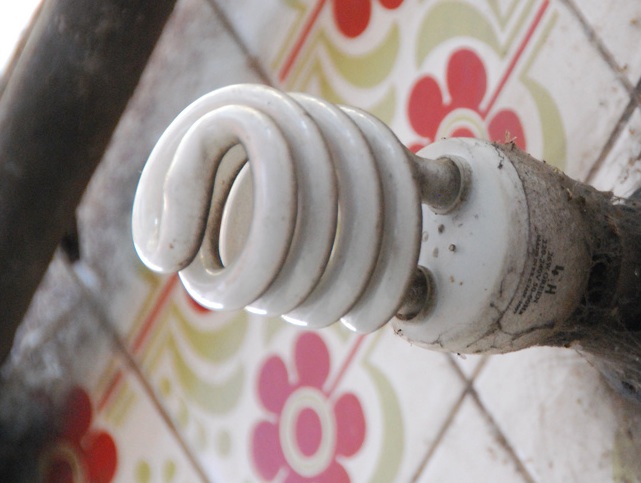
light bulb egpt
Middle East NGOs must cross social, political and religious barriers to achieve long-term solutions to solve their regional complex environmental problems.

While changes in political landscape across the Middle East and North Africa continue to pose immediate security and economic challenges for the region, can the environmental movement find a voice through wider political participation and the development of a functioning civil society? For many Arabs, even those living abroad, there is a new awareness, or perhaps a sense of hope, of the impact of collective spirit and social activism in building a more just society.

“Aflockalypse Now” Bird Deaths and HAARP Death Rays

3

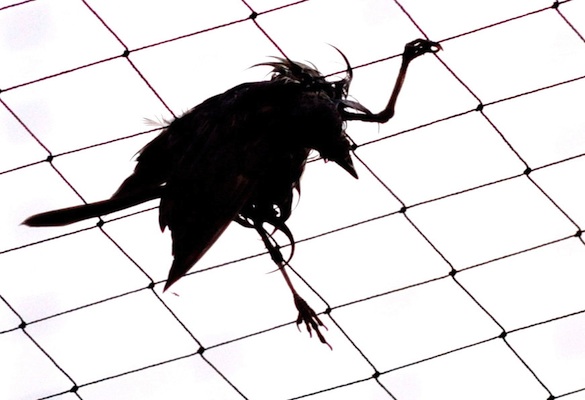
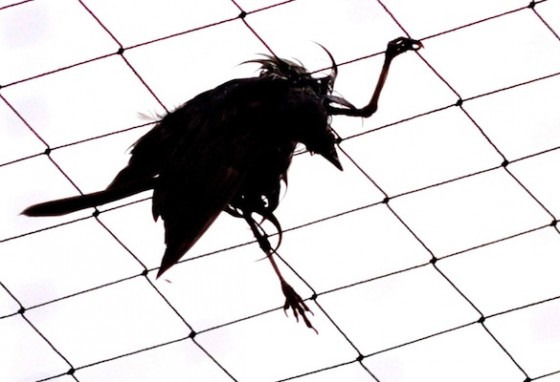
Haarp bird deathIs a bird death “aflockalypse” being caused by ionospheric experimentation?
Strange mass bird and fish kill-offs. Then 152 dolphins get “zapped” in the Straits of Hormuz and 200 cows die suddenly in the American State of  Wisconsin. News reports some 7000 buffalo dying  in Vietnam seem to indicate that something unnatural may be causing all of these apocalyptic animal catastrophes. And the fact that a number of these occurrences have happened since the beginning of this year, make the events seem even odder. These topics were discussed during my resent interview with James Donald, a film producer for the nature film production company John Rubin Productions. He thinks that US experimentation HAARP is to blame.

Arab Scientists Model Red Sea and Persian Gulf to Stop Flash Floods

0

Saudi researchers develop a new model for predicting flash floods in the Middle East.

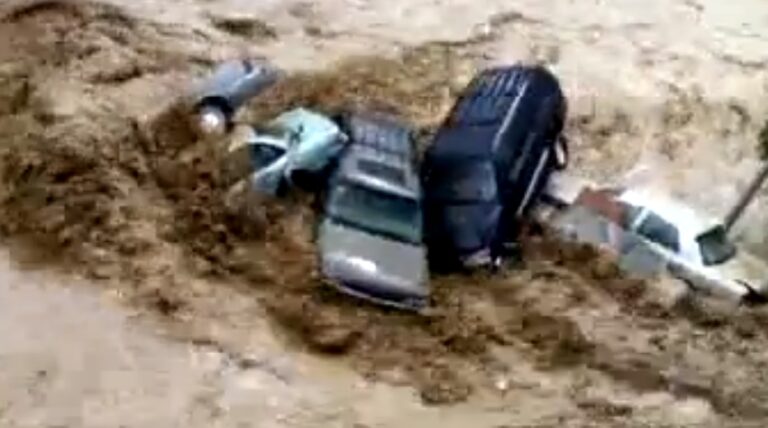
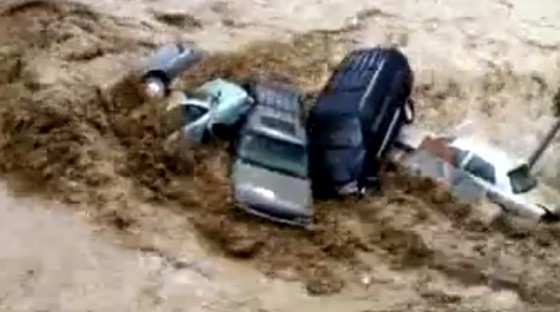
They cripple cities like Jeddah in Saudi Arabia, and take lives each year in the Middle East: flash floods come without warning, and are hard to predict (check out our flash flood survival guide), but now Arab scientists at the King Abdullah University of Science and Technology (KAUST) in Saudi Arabia are developing 4D models to predict flash floods, using their very own supercomputer, nicknamed Shaheen. Using detailed ocean models and maps, and water currents from the past, the KAUST researchers hope to predict the future course of circulation patterns, which can foretell where and when flashfloods will strike. This research can be applied to any areas where flash flooding is a risk.

Stray Dogs Shot Dead in Lebanon

10

The animals rights organisation ‘Animals Lebanon’ has called on the government to deal with stray dogs in a more humane manner

The lack of animals rights in the Middle East is an issue we have discussed here at Green Prophet. We reported on the horses left to die during the revolution in Egypt, the poor treatment of Lions in an Iranian zoo and the murky business of shark finning in the Middle East. However, the way in which stray dogs are dealt with in Lebanon is truly shocking. Joseph Mayton on Bikya Masr reported that just this week, police officers went into a Beirut neighbourhood and shot dead a dozen stray dogs, leaving them on the streets for all to see.

Apparently, Lebanon has a history of shooting stray dogs as its preferred method for controlling the animal rather than supporting neuter and spay initiatives. According to eyewitness reports, a vaccinated puppy was shot dead in front of its mother and the officers failed to protect locals from the carnage they left behind.

Ride a Pod Car and Meet Masdar City @Monthly Fair

0

masdar city street marketEco-tourists can visit Masdar City without a press pass.

If you happen to be in the Abu Dhabi neighborhood, let’s say at the end of April, why not head over to Masdar City’s open house? Well, it’s not exactly a city yet, but as the first residents of this purported zero-carbon city move in, Masdar developers are aiming to keep the green vibe going, even if some of its aspiring visions like the pod car transport will be too expensive to really build. The Market@Masdar City is to be a monthly event (except in the super hot summer months), and a family-oriented street fair and organic market, giving residents and tourists around Abi Dhabi a snapshot into life at the futuristic housing and business complex.

Mohamed Kassas: Egypt’s Prophet Of Desertification

1

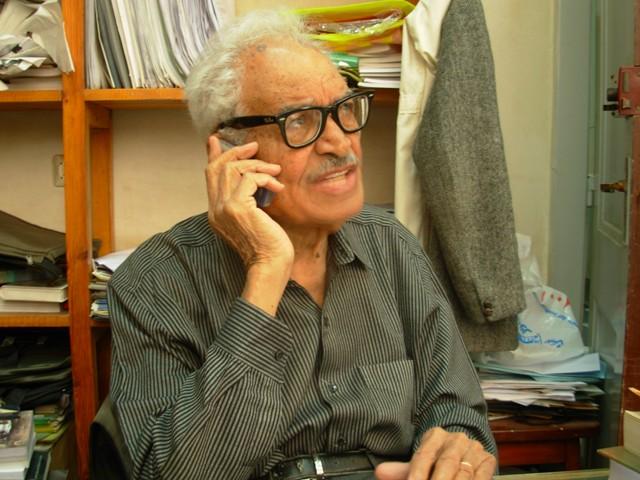
mohamed kassasProfessor Mohammed Kassas in his office at Cairo University, photographed by Louise Sarant

If Hassan Fathy is the Middle East’s father of sustainable architecture, then Mohamed Kassas is the prophet of desertification. The spry ninety year old Egyptian Professor of Botany told Almasry Alyoum that his love of nature sprouted in a fishing village along the shores of the Mediterranean, where people understood and accommodated nature’s cyclical temperament. He left to study in Cairo and then taught for a spell at the University of Khartoum in Sudan. It was there that Kassas discovered desertification before bringing it to the world’s attention.

All Of Saudi Will Come To The New Mile High “Kingdom Tower”

3

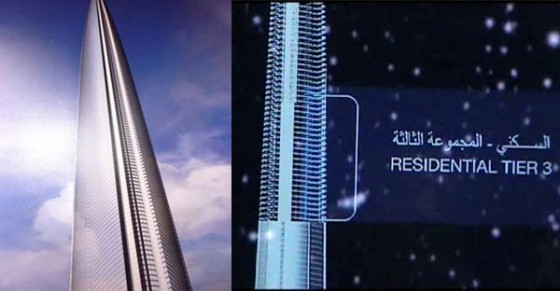
kingdom tower saudi arabiaThe Saudi Kingdom has commissioned a tower twice as tall as the Burj Khalifa.

Not long after we lauded the progress in their construction industry, Saudi Arabia has dashed our green expectations with the announcement that they will build a one-mile-high tower. To put that into perspective, the “Kingdom Tower” (hello Babylon) will be twice as tall as the Burj Khalifa – the world’s tallest tower.

Abu Dhabi Farms Caviar In The Desert With Gusto

2

caviar sturgeon

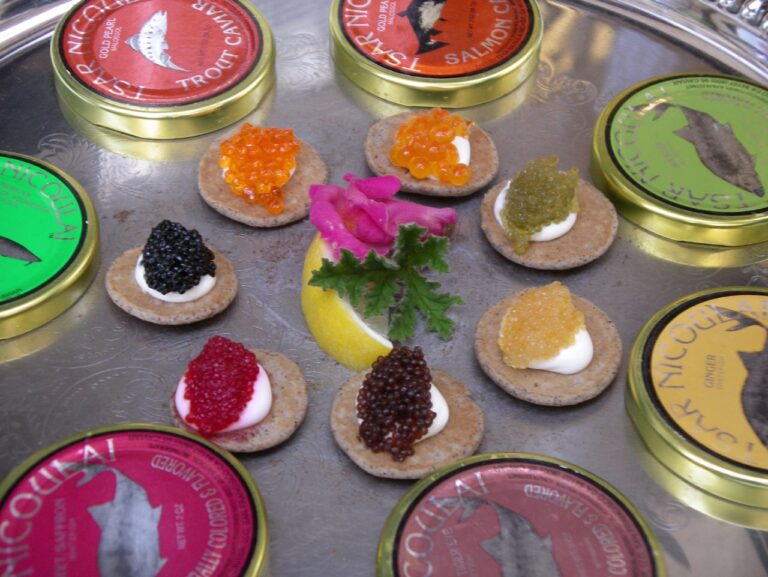
What’s weirder that eating slimy fish eggs? Farming them in Abu Dhabi’s desert.

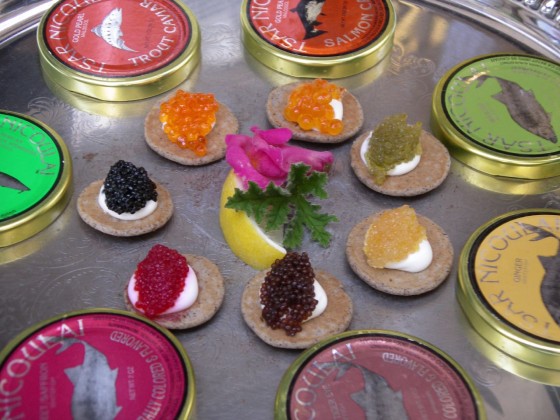
Because we have had a multiple-decade infatuation with eating slimy fish eggs, not to mention our obsession with oil and resultant pollution of their habitat, more than three quarters of sturgeon species are critically endangered. As a result, the global supply of caviar from wild fish has declined precipitously. No problem, says Abu Dhabi, just grow some more in the desert.