We speak to Bashar Masri, the man behind Rawabi, which means “The Hills”, Palestine’s first planned and green city.
Since announcing plans to build Palestine’s first planned and green city back in 2008, the Rawabi project has faced its fair share of criticism. From political complications over using Jewish National Fund trees, concerns by environmentalists over the lack of water and waste-water management plans to threats by Israel to shut down access roads and boycotts– the project really has seen it all.
Rawabi (which means hills in Arabic) is an ambitious $800 million USD project which aims to build houses for up to 25,000 people in a location between Jerusalem and Nablus whilst respecting the environment. Despite these good intentions the Rawabi project does seems to pose more questions then it answer.
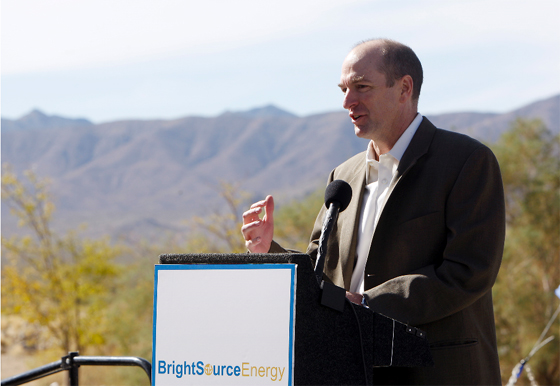
For example, how does it plan to navigate the political conflict between Israel and Palestine during construction? Does the Rawabi project really live up to its green credentials? And what do Palestinians think of the project? In a bid to get to the bottom of these questions we caught up with Bashar Masri, the man behind the Rawabi project to find out more.



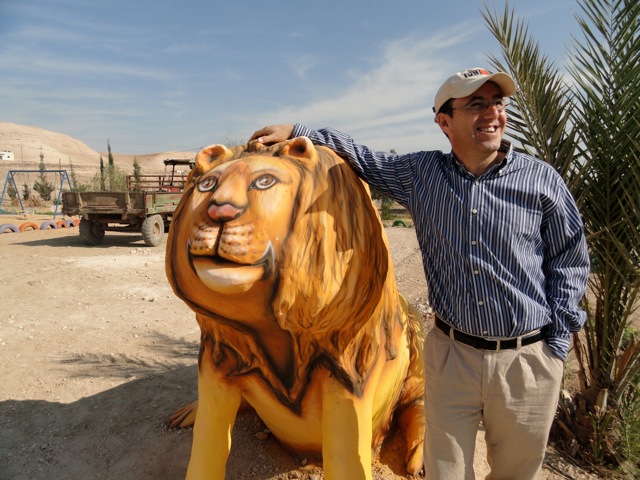
 A visit to Auja, Palestine can open the world’s eyes to sustainable peace through water.

 The Naked Sea installation is intended to draw attention to the declining environmental situation at the Dead Sea. Will you get naked for the Dead Sea?


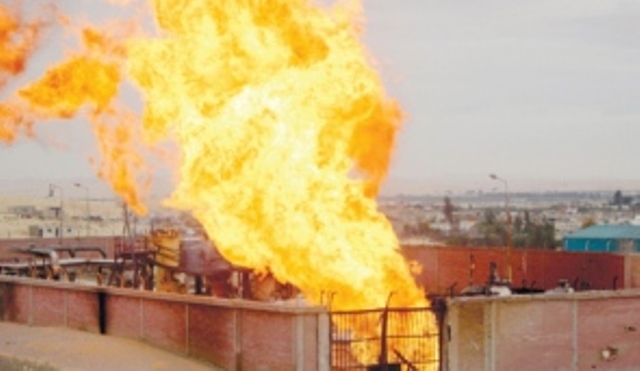
 Sabotaged Gas Pipeline: Relying on Egypt in future is doubtful