Home Blog Page 530

Egyptian Man Plans To Fight African Lion For Tourism

9

lion-fighter, egyptian gladiator, tourism, egypt, endangered speciesThis man claims he will fight a 617 pound lion in order to boost Egyptian tourism.

A modern-day Egyptian gladiator has reportedly announced plans to fight an African lion. Al-Sayed al-Eassawy claims to have the Ministry of Interior’s blessings to fight the animal in front of the Giza pyramids, all in an exceedingly misguided effort to revive the country’s tourism industry. From Egypt’s Daqahlyia Governorate, the stunt man purchased the 617 pound animal (illegally) for approximately $4,200 and will fight it with a dagger and shield. This madness is supposed to happen on 25 June, 2011.

Turkish scientist faces jail for revealing cancer and nursing link

0

Professor Onur Hamzaoğlu could face jail time for publishing a report that found poisonous metals in the systems of Turkish townsfolk. But he is “not afraid,” he tells Green Prophet in an exclusive interview.

Earlier this week, officials from the Turkish province of Kocaeli filed a complaint against Onur Hamzaoğlu for inciting “fear and panic” amongst locals. Hamzaoğlu had indeed published something fearful and alarming: a study showing high levels of heavy metals, such as arsenic, mercury, and lead, in samples of infant feces and mother’s milk from the town of Dilovası.

According to the abstract of the study, it aimed to measure the levels of heavy metals in the population and figure out how it could affect the DNA of newborns.

But as reward for bringing this disturbing information to light, Hamzaoğlu is now being investigated by his employer, Kocaeli University. He could also face a court hearing, and a sentence of several years in prison, if the university decides to turn his case over to the public prosecutor.

“Politicians of local governments and the Council of Higher Education (YOK) [put] pressure on the universities” in Turkey, Hamzaoğlu tells Green Prophet. He acknowledges that Turkey’s treatment of scientists who publish disturbing findings casts it in a negative light, particularly in the context of the European Union, which Turkey’s leaders – publicly, at least – say they hope to join.

While most European countries are trying to move away from dirty industries and seek cleaner forms of energy and fuel, Hamzaoğlu says Turkey is “moving to high pollution factories, such as… cement, paint, and iron and steel.”

Turkey’s manufacturing industry

Dilovası is a stark illustration of this. According to Hamzaoğlu, the province of Kocaeli has been the site of 15 percent of Turkey’s cumulative manufacturing industry over the past decade. The main sectors include chemical products, metal products, and basic metals, so it’s little surprise that traces of these are showing up in the air of the region and the bodies of its residents.

Two highways pass through Dilovası itself, and the center of the town is an official industrial zone comprising 174 companies. Thirteen percent of the firms in Dilovası operate metal factories, and 11 percent are within the paint and chemical sectors.

“In summary, the problems are happening in front of everyone’s eyes,” says Hamzaoğlu.

In the nearby town of Kandıra, where there is practically no industrial activity, cancer rates are far lower than in Dilovası, according to Hamzaoğlu’s report.

Mother’s milk laced with mercury, lead, coppper

Hamzaoğlu is head of the public health department at Kocaeli University. Therefore, he says, “my basic task is to determine [the] health problems of populations and reasons of the problems, and produce solutions.”

That’s why he looked at samples of the purest, most basic fluids that come from babies and mothers: infant meconium, or the earliest stool of an infant, and colostrum, the concentrated milk rich in antibodies that mothers produce until their children are at least a few days old.

In addition to arsenic, mercury, and lead, Hamzaoğlu found trace amounts of copper, aluminum, zinc, cadmium, and iron in the samples.

Kocaeli University will likely hand down a decision on Hamzaoğlu’s case in the next few months. If the university chooses to turn his case over to the public prosecutor, he will face more investigations and a possible prison term of two to four years.

Read more about Hamzaoğlu and environmental hazards in the Middle East:

Turkish Officials File Complaint Against Scientist Over Health Report

Are ‘Sick Chicks’ Poisoning Jerusalem’s Ground Water?

Recycling Tires Can Rid Egypt of Fumes, Mosquitoes and Rats

Hayat Sindi: The Saudi Scientist Changing The World

3

Hayat Sindi holds up the postage stamp-sized invention that could save the lives of millions of people

Born in Saudi Arabia, Hayat Sindi’s path into science may be rather untraditional for a Muslim women but it is there she has excelled and developed technologies which could improve the health of people living in the developing world. A biotechnology researcher, she has helped develop a life saving tool that is the size of a stamp and costs just a penny, which helps detect disease by analysing body fluids.

In a world where humans are doing the majority of the destruction of this planet, it’s nice to be able to point to individuals who are working to improve our existence.

The National Geographic recently announced its list of 14 activists and scientists who could change the world for the better and Hayat Sindi was on their list. They remarked that the science entrepreneur has not only been a inspirational figure for female students to science in the Middle East but also her team’s invention “could be a medical breakthrough saving millions of lives.”

The low-tech diagnostic tool which is made of paper has micro-channels with chemicals which react when the drop of blood that is placed on the paper. They reaction takes around a minute to occur and a change in colour provides the result. In isolated and rural areas of the world where such health monitoring is rare, such a device could help cheaply and safely diagnose millions of patients.

As she told the NatGeo: “For me, science is a universal language that transcends nationality, religion, and gender. It can help solve any problem our world faces.”

Hayat Sindi left her home and family in Mecca as a teen to travel to the UK to become a scientists. After working hard to learn English, she became the first Saudi woman to be accepted at Cambridge University to study in the field of biotechnology. She went on to earn her Ph.D., and became a visiting scholar at Harvard University where she and her team invented the diagnostic life-saving device .

In 2009, Hayat Sindi became the first Arab woman to win a fellowship in the American innovation network PopTech and in 2010 she received the prestigious Prince Khalid Award for her innovative approach to the sciences.

There are nature conservationists who insist that we need to protect the survival of every animal and plant not simply because biodiversity is important but because certain species could hold the key to resolving our problems. Indeed, medical and scientific discoveries have often emerged from the study of the natural world.

In a similar line of argument, it seems that there are certain individuals, who with the right encouragement and opportunities, could also provide the solution to our world’s problem. Hayat Sindi is such an individual and I hope to see more individuals shaping the world for the better emerging from the Middle East.

For more individuals changing the world for better see:

Palestine’s Geothermal Pioneer Shares Expertise Online

Egypt May Survive Climate Change Thanks to AUC Students

Interview With Environmental Filmmaker Zeina Aboul Hosn

Climate Change Cracks Down On Middle East Nuts

0

nuts, climate change, reduced crop production, greenhouse gas emissionsClimate change will disrupt every aspect of life in the next few decades,  including the kernel of Middle Eastern culture.

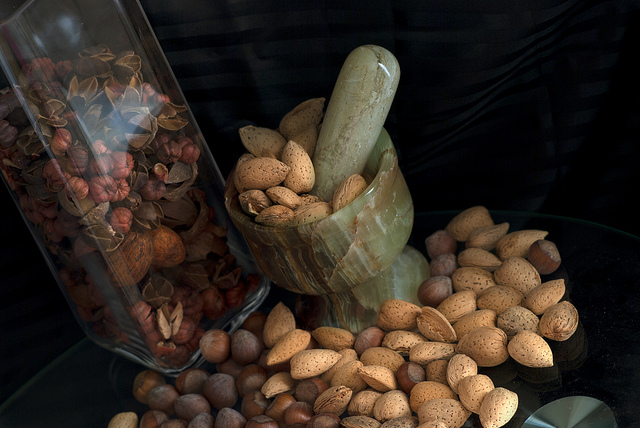
A Middle East without nuts is like Belgium without chocolate: virtually impossible to imagine. But a recent report published in the peer-reviewed journal PLoS ONE (hat tip to Grist) shows that warm (and warming) countries that grow nuts and drupes such as dates and olives could see a major reduction in crop production over the next several decades. Greenhouse gas emissions are the culprit.

Squirming Worms Found In Sharjah Easter Egg

2

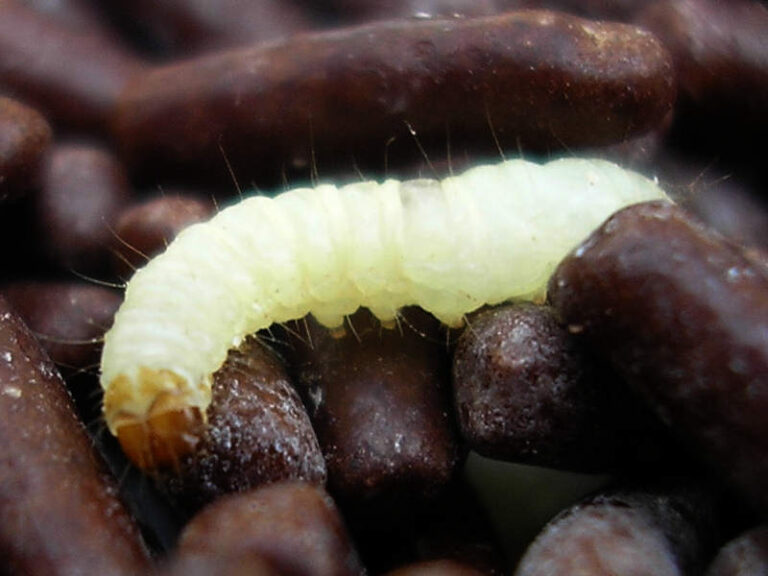
food and health, indian meal moth larvae, worms in chocolate eggIndianmeal moth larvae are frequently described as “worms” found in pantries and grocery stores.

Biting into a chocolate Easter egg full of squiggly insects is high on the list of experiences no consumer ever wants to have. Sharjah Municipality in the United Arab Emirates recently responded to a consumer complaint that an Easter egg purchased in a local supermarket was full of worms. Inspectors corroborated the complaint and  removed all remaining samples to protect unsuspecting children.

Meet Morocco’s Renewable Energy Market at EneR in November

ener morocco solarMeet billions of dollars in human capital and renewable energy finance at the EneR event in November. Morocco to invest 8 billion Euros in renewables over the next 8 years.

Despite unrest in the Arab world, Morocco has remained a relatively stable environment socially and financially. As the first Arab country to make a serious government commitment to renewables for the masses – 35 percent by 2040 –  it has kept true to its promise of an impressive 8 billion Euro commitment in renewable energies and energy efficiency within the next 8 years, in 2020. Investment opportunities will be on display in Casablanca in November.

Lion Cub Shot Dead In Egypt

0

A lion cub belonging to a suspected criminal was shot dead during a police raid in Egypt

The Egyptian police officers who raided the house of wanted suspect in the village of Kafr Essam in north Cairo were probably expecting some resistance but they definitely weren’t expecting a lion to be unleashed on them.  According to local press, the police officers were so shocked by the presence of the lion cub that some jumped from the second floor where the suspect lives to the street below to escape.

Sadly, the police went on to fire 200 bullets killing the lion cub while the wanted suspect managed to escape. A falcon in the suspect’s house was found unharmed. Whilst this story is certainly bizarre, it does illustrate the scale of the illegal trade in wildlife in Egypt as well as animals rights abuses.

10 Ways to Eat Lentils

1

image-lentil-sweet-potato

What’s tasty and vegetarian today? Why, lentils. Of course.

I once saw a weight-loss article that began with one word: “Lentils.” I had to smile, but must say I agree. At 230 calories (cooked) per cup, full of protein and dietary fiber, they’re a natural for weight watchers. But for anyone who likes to eat well and inexpensively, lentils fit the daily bill and satisfy the daily hunger.

They cook up quickly. You can eat them hot, you can serve them cold. Mild or spicy. Yellow, brown, green or black. Main dish, side dish, stewed, souped, or salad.

How do I love lentils? Let me count the ways:

1. Curry lentils up in a classic Indian dal – thick, stewed lentils with plenty of spices.

2. Pair them with sweet potatoes as a cold salad (recipe below).

3. Bake a quarter-cup of cooked lentils into your next loaf of bread.

4. Get Middle-Eastern and cook Majadra (recipe here on Green Prophet), a lentil-rice peasant dish.

5. Lentil soup. Onions, celery, a tomato, some greens like Swiss chard or kale, plus lentils. Add a chunk of meat, or not. Cook until soft – blend if you please, and season.

6. Empower your pasta.   Try our noodles with lentils recipe.

7. Mix some firm, cooked lentils into your next tabouleh. Not traditional, but tasty.

8. Stuff vegetables with cooked lentils and rice; stew in a rich tomato sauce.

9. Add cooked seasoned lentils to stir-fry.

10. Make a dip using our hummous recipe, but substitute cooked yellow lentils for the chickpeas.

Sweet Potato and Lentil Salad

Ingredients:

3 cups of washed, but not peeled, sweet potatoes sliced in bite-sized circles

1/4 cup black or green lentils

1/2 cup of salted water for cooking the lentils

1 medium onion

Juice of 1/2 lemon, or more if liked

3 tablespoons olive oil

2 teaspoons of maple or silan date syrup

salt and pepper

3 large scallions, green parts only

In a small pot, cook the lentils, covered, in the salted 1/2 cup of water. Cook over low heat for 10 minutes, then taste to make sure the lentils are tender. If they look like they’re drying out but still not tender, add a tablespoon or two of water.

Meantime, cook the sweet potato slices in plenty of lightly salted water till tender; about 10 minutes. Keep a sharp eye on them because they should not cook till mushy. Once mushy, they won’t serve for salad.

Slice the onion thinly.

In a small bowl, make a dressing of the lemon juice, olive oil, syrup, and a little salt and pepper.

While the vegetables are still hot, put them in a bowl with the sliced onions and pour the dressing over all. Stir gently, with a wooden spoon.

Allow the salad to cool, covered. Taste it and add more of the dressing ingredients if wished. Slice up the scallions and scatter them over the salad, mixing gently once more.

Chill the salad, covered, and serve cold or at room temperature.

Enjoy!

More good, solid, vegetarian fare on Green Prophet:

Egypt May Survive Climate Change Thanks to AUC Students

5

green building, sustainable development, egypt, american university of cairo, SLIDESThis beautiful solar-powered home could usher in Egypt’s period of healing, sustainably.

Last year when I visited Egypt, it felt heavy. For three decades, Mubarak’s forces succeeded to subdue the once innovative Egyptian people. But in his absence, a palpable sense of hopefulness has returned. While many challenges remain, including rising temperatures, pollution, and insufficient energy supplies, the barriers to fixing them do not.

Enter the American University of Cairo. Their Sustainable Living Interactive Design (SLIDES) project is the first in the Middle East selected to compete in one of the world’s largest inter-collegiate design competitions. Since the Solar Decathlon in Europe considers only the most advanced ideas, the energy efficient, solar-powered house concept produced by AUC students demonstrates that Egypt can heal itself. 

17 Lost Egyptian Pyramids Found With Infra Red Technology

1

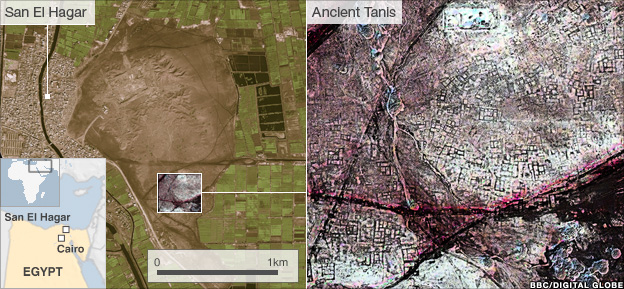
satellite, egypt, lost pyramids, bbcNew infrared technology allows archaeologists to zero in on buried settlements, and 1,000 tombs.
Seventeen mud brick pyramids are among the buried buildings revealed by infrared imagery over the past year. Dr. Sarah Parcak from the University of Alabama in Birmingham used satellites that hover 260km above earth to photograph once thriving Egyptian settlements engulfed by Nile River silts. These images are so detailed that researchers can map out the layout and streets of Tanis, Egypt’s ancient capital located near modern day San El Hagar.

Palestine’s Geothermal Pioneer Shares Expertise Online

2

Madaba’s geothermal systemThe University of Madaba’s geothermal system, the largest in the Middle East

Khaled Al-Sabawi, founder and president of Palestinian green energy pioneers MENA Geothermal, was one of the speakers at this spring’s much-publicised TEDx Ramallah conference. In an engaging and humorous speech, Al-Sabawi detailed the many benefits that geothermal energy has to offer his native land, from lower energy bills and carbon emissions to the prospect of a more independent and self-sufficient energy sector. The speech was reported widely, including by Al-Jazeera English.

As of this week, Al-Sabawi’s talk is now also available online, uploaded to the YouTube channel for TEDx Ramallah, for all to see. In just a few days, the video has attracted almost 10,000 viewers and can be viewed online. See below.

Make Greener Teens Through Composting

9

teen compostComposting with your teens in an educational family project.

Waste not, want not is something that can be taught by making compost. I’ve confess I’ve never much cared whether my vegetables are organic or bought at the neighborhood supermarket. I’ve always thought that the term “organic” is just a marketing ploy targeting a particular group of consumers to whom I do not belong. They are worried about pesticide residues; I’m more concerned with taste.

That’s because I’m a foodie. Taste and texture are all-important. I can take up to 15 minutes at the supermarket feeling each avocado on display to make sure I get the ripest, most perfect avocados on offer. To that end, the first time I had access to a patch of land, I became enamored with the idea of growing heirloom vegetables: huge imperfect Brandywine tomatoes cracking open to reveal sweet red flesh and Country Gentleman corn, white as snow and bursting forth with buttery corn flavor.

I pored over seed catalogues and gardening books and then threw myself into the process of gardening. To my delight, my children shared my interest in all things related to dirt, seeds, flowers, and vegetables. There’s something godlike about growing things.

Like James, I decided to make a compost pile. The teens did the heavy labor and dug a deep hole not too close to the house.

This way, the wind wouldn’t waft composting smells and flies into our open windows. The kids took turns schlepping kitchen detritus out to the compost pile, building up layers of vegetable peels, coffee grounds, and dirt.

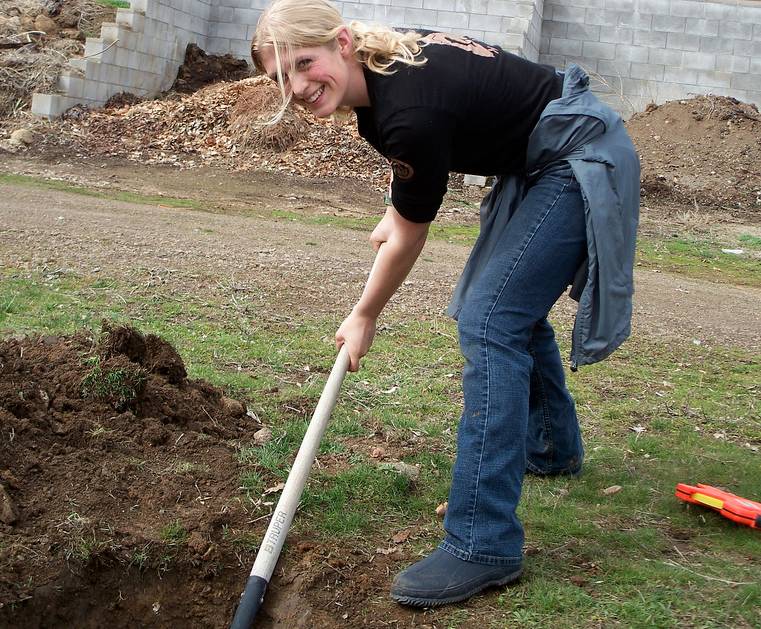
Here and there, a kid would turn the soil with a shovel. They were fascinated to see and touch the rich results of this experiment: dark, almost black compost you just knew would make a terrific growing medium.

Watching what we’d always thought of as garbage turning into soil made us understand the preciousness of potato peels and egg shells. Even after we moved to an urban apartment and had no land to speak of, throwing vegetable peels away felt like a criminal act.

Composting is a lesson in recycling resources your children (and you) will never forget.

More How-To articles on composting:
Mulch, Rot and Invigorate the Compost Heap (Part 1)
A Half Empty Bin and Some Worms (Part 2)
Make Your Own Vegetable Composter for Under $10

New Rx For Growing Your Brain: S.E.X.

New research suggests that certain activities including making love and exercising regenerate key areas in the brain.

It’s understandably a bit confusing to keep up with all the differing sexual health news. Recently, we reported on the mind-blowing effects of coffee, blowing your nose and making love: turns out these are just a few of the known risks factors that temporarily increase your odds of having a stroke. Can it be that sex is also beneficial to the brain? Recently, scientists suggested that sex might regenerate the brain, results that score high on our eco-sexy science news.

Bosphorus To Become Center of Hydrogen Energy Production If Second Canal Is Built

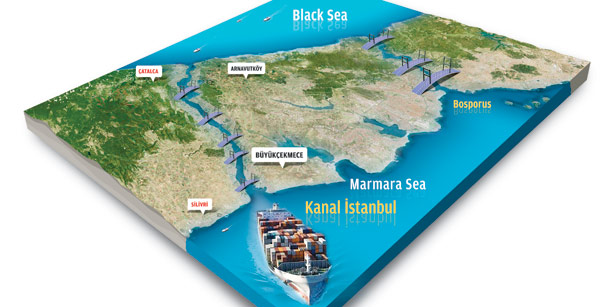
The proposed canal has been slammed by Turkish environmentalists. But authorities at Turkey’s center for hydrogen energy technology see a silver lining: the canal could enable Turkey to become one of the world’s most important producers of hydrogen energy.

When Turkish Prime Minister Recep Tayyip Erdoğan announced his self-termed “crazy project” last month – a new canal connecting the Black Sea and Marmara Sea, a few kilometers west of the Bosphorus Strait – most environmentalists were aghast. The project would open up hitherto undeveloped areas around Istanbul to a rash of giant new constructions, including convention centers, exhibition halls, sports facilities, housing, and Turkey’s largest airport.

But the canal would also take over most of the ship traffic that currently fills the Bosphorus: about 150 ships per day, to be specific. And that would free up the strait for hydrogen energy projects that Turkey has been waiting years to realize.

My Transformation From Carnivore to Vegan, and Back

2

leah koenigAmerican Jewish food writer Leah Koenig talks about her journey back to meat-eating.

A million answers have been given (and a million jokes cracked) around the Passover question “Why is this night different from all other nights?” But this year, my Passover truly felt different. This year, for the first time since I became a vegetarian — nearly 11 years ago — I ate meat at the Seders. My matzo ball swam in a bowl of real chicken soup, and instead of passing along the platter of chicken roasted with thyme and oranges, I joined my tablemates in forking a piece onto my plate.