If you buy vegetables in Cairo, they could be contaminated with human waste.
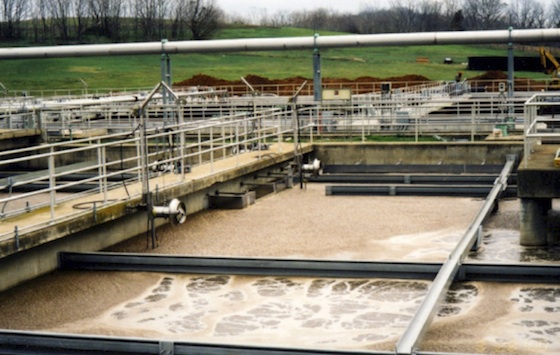
Faced with a shortage of water for irrigation (and the fact it might lose its right to the Nile), Ahmed Osman, a farmer in his late thirties, opted to divert local sewage water to irrigate his two-hectare vegetable plot in the heart of Egypt’s Nile Delta governorate of Sharkia. “Without water, any water, our plants will die, and we will go begging,” he said. “There can be no agriculture without water.”
He is not alone. Other farmers in his village, Kafr Saqr, are doing the same. But experts say the practice is dangerous, according to the UN news source IRIN.
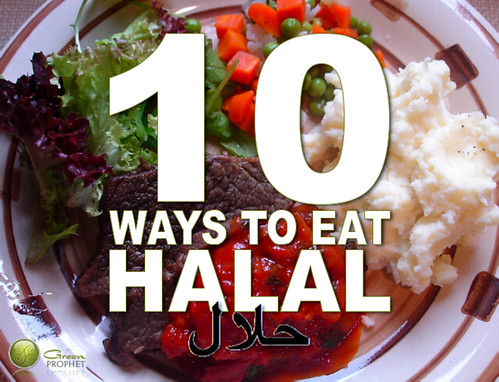
Have a low-carbon footprint by following this sustainable halal guide.
Muslims, whose dietary laws are similar to the Kashrut laws of Judaism, are obligated by their faith to eat only “clean” food that has been blessed in God’s name. The popularity in halal foods has resulted, in part, from the immense industry that packages and mass produces food for convenience to an international market.
When buying Muslims look for that “halal” label (Islamically permissible), or the more recognised vegetarian ‘V’ sign. Read on for Green Prophet’s guide.
What is halal food?
For Muslims, virtually everything available from nature is halal. The only exceptions are:
• Swine/Pork and its by-products
• Animals improperly slaughtered or dead before slaughtering
• Alcohol (and intoxicants)
• Carnivorous animals and birds of prey
• Blood
However, checking every label isn’t practical and more often than not, the full ingredients aren’t listed. This makes it hard for you to know if a food is truly halal. Your active lifestyle doesn’t permit “scratch” cooking for every meal.
This is where Green Prophet’s guide to eating halal can help.
1. Eat at home
Meals in restaurants are pricey and don’t always contain the best ingredients. Regular take-outs are not the healthiest lifestyle option either. Eating at home enables you to cook individualised easy, staple meals, save money, eat more slowly for improved digestion, and learn a few culinary skills. Invite neighbours around for family meals to build community spirit.
The Muslim market is exponentially expanding due to demand and we’re even seeing ‘halal carts’ on the streets of New York. When buying packaged food Muslims look for the ‘halal’ labels meaning it’s ok to eat in accordance with Islamic Shariah (law). Checking labels is important because even if a product is labelled vegetarian or vegan, it may contain alcohol which is haram (prohibited) for Muslims.
4. Eat less meat
100% vegan mac and cheese
Muslim vegetarians unfortunately get caught in the meat debate. There is good reason to become a Muslim vegetarian, and so long as you’re not on a mission to convert others, you can live without meat, raise awareness of animal welfare and stay true to eco principles.
Meat is expensive and too much meat isn’t good for our health. Meat can be responsible for high cholesterol and heart attacks. All you need to do is shift your sources of protein to vegetarian options such as lentils, beans and whole grains.
5. Balance your meals and eat smaller portions.
Consuming in moderation is a strong Muslim ethic. Reducing how much you eat will save you in cost in the long run. Smaller portions and frequent eating are two ways you can drastically improve your health. Balance your meals by colour – at least two portions of red, green or orange fruits and vegetables with each meal.
Eat more carrots –these orange gems are loaded with fibre are high in Vitamin K and A; they’re easy to pack, versatile sticks and easy to cook. Blend together two carrots for every apple to create a sweet and filling smoothie.
Go bananas – cheap to buy in bunches and available all year round, this monkey treat works well for replacing sweeteners in your meals. Try banana muffins, use in milkshakes or slice over cereals with honey.
6. Support sustainable agriculture
What you purchase is a powerful mechanism for creating change. As consumers, we can support sustainable agricultural businesses by buying food and drink that is produced according to sustainable principles: protecting the environment, the economy and society from negative environmental impacts and helping to ensure adequate supplies for future generations.
7. Buy organic
Is organic food better for us? There is no straightforward conclusion but opting for organic food and drink does avoid toxins that non-organic food can contain. Organic food can cost more; when you’re on a tight budget you do not have to buy everything organic. Buying just one organic item the next time you go shopping will at least make a difference to the environment because people will be doing the same thing all over the country.
Eating halal means you’ll experiment with organic food at some stage. Organic produce is the only practical way to avoid eating genetically modified (GM) food and tastes so much better and opens up many different varieties. In the UK alone there are 600 different types of apple. Bet you didn’t know that.
What to grow – mustard, cress, basil, coriander and salads are easy to grow from seed and a good way of getting greens into your sandwiches.
As an eco-Muslim I do have access to a large plot of land in which I grow corn, seasonal vegetables and fruit trees. If you’re lucky enough to have a garden, dedicate a part of it to herbs. Create a haven of peace and get low-cost fruit and vegetables by sharing an allotment with like-minded people.
9. Reduce, Reuse, Recycle and Reject
Traditionally implemented as the 3 R’s – Reduce, Reuse, Recycle, I include Reject as an action to take when your food is sourced unethically.
Reduce waste by reusing containers and freeze left over foods for another day. This works best for soups, strudels, kebabs and homebaked breads.
Recycle: ask your council for a green recycling bin, save each week’s food containers for a trip to your local recycling centre or let creativity flow by recycling packaging into pieces of art.
Reuse clean newspapers by keeping a few damp sheets wrapped around bunches of herbs; cut large plastic containers in half for home-made plant pots; feed your garden by throwing all uneaten uncooked food and peelings to create a compost.
Reject: avoid processed foods and synthetic additives – rejecting preservatives is all the more reason to go organic; and reject foods from regions of conflict.
10. Fast throughout the year
Although the Islamic month of fasting lasts 30 days, you can practice better control by following a few Ramadan tips:
Avoid complex carbohydrates such as chips, cookies, cakes and white bread.
Stay more hydrated by drinking plenty of water, especially in the weeks towards Ramadan and check where your water is sourced from.
Limit your caffeine intake or cut it out altogether. Fizzy drinks need to be reduced to as their caffeine content makes your body lose water.
Two serial water technology entrepreneurs from Israel, Eytan Levy and Ronen Shechter, who also founded Israel’s AqWise, have come up with another way to put bacteria in wastewater to work for us. Their electrogenic bioreactor generates electricity directly during the process of treating wastewater.
War and conflict overshadows the environment in the Middle East, and oceans overlooked, now on brink of catastrophe.
At a time when Arab media attention was focused on extended wars, failed states, and austerity measures, a recent report on the world’s oceans failed to gain considerable attention in the region. The news that the marine environment is in danger is not new, and may seem irrelevant to this part of the world. However, the report should raise global concerns as new findings show that urgent action is needed to avoid a “catastrophe unprecedented in human history”.
Hydrogen-fueled vehicles and power systems could be feasible in Turkey by 2020, says Mustafa Hatipoğlu, managing director of the UN’s International Centre for Hydrogen Energy Technologies in Istanbul.
Since it was established in Istanbul eight years ago, the International Centre for Hydrogen Energy Technologies (ICHET), a project of the United Nations International Development Organization, has been developing a series of small, experimental hydrogen energy projects. But Turkey is beginning to lay the infrastructure for a much larger hydrogen economy, according to the man at the head of ICHET, Mustafa Hatipoğlu.
Green Prophet recently sat down with Hatipoğlu for an exclusive interview about the future and progress to date of hydrogen energy in Turkey.
Call it Bamyeh in Arabic or Bamiah in Hebrew, but okra is relished all over the Middle East.
Okra is a vegetable with an inferiority complex. Its delicious flavor hides under a certain goopiness, or mucilage released in cooking, and some people don’t like it.
On the other hand, you may want the beneficial mucilage. It soothes the entire digestive tract with a protective demulcent coating, much like its relative, the mallow (ideas for how to cook mallow leaves here). The liquid is appreciated as a natural thickener for soups and stews, as the Americans use it in gumbo. While okra is usually served hot, this surprising Lebanese recipe serves it cold as a part of mezze, those lovely little Middle-Eastern salads and nibbles set out on the table before the main dish arrives.
The best pods are no longer than 4 inches long. To avoid releasing mucilage in cooking okra, stir fry the pods over high heat, making sure to include a little of something acidic: tomatoes, lemon juice or vinegar, like in the recipe below.
Okra in Olive Oil
Ingredients
3 cups tender young okra pods
10 pearl onions
3 medium sized tomatoes
1/2 cup lemon juice
1/2 cup chopped fresh cilantro (coriander leaves)
8 cloves garlic
1/2 cup cold water
1/2 tsp. sugar
1/2 tsp. salt
1/2 tsp. black pepper
Crush garlic. Add cilantro and chop it finely, together with the garlic.
Trim the pods of their hard stem ends. Wash well, drain, and tumble in a clean towel to dry them.
Slice the tomatoes thickly.
Fry the okra in deep, hot olive oil until just tender. Remove the okra and fry onions in same oil till soft and golden. Pour off most of the oil and fry the cilantro mixture for 1 minute.
Cover the bottom of a large pan with a layer of sliced tomatoes. Cover the tomatoes with the okra. Scatter the onions over it. Pour the lemon juice over the vegetables, and spoon the cilantro mixture over all. Make a depression in the center of the okra and fill it with the onions. Spoon the cilantro over all. Season with salt and pepper.
Cover and bring the vegetables to a gentle boil over medium heat. Turn the heat down immediately and simmer, uncovered, until most of the liquid is reduced. Check the seasoning.
Spoon the cooked okra into a serving dish. Cover, chill, and serve cold.
Enjoy!
More of Green Prophet’s delectable Middle-Eastern vegetarian recipes:
A 1770 hectare site between Abu Dhabi and Dubai is set to get a green makeover.
After long consultations between residents, prominent community members, and the Abu Dhabi municipality, the Abu Dhabi Urban Planning Council (UPC) has unveiled the Shahama and Bahia Revitilization Master Plan. A 1770 hectare site between Abu Dhabi and Dubai, which includes Al Shahama, Al Bahia, and Coastal Bahia, will receive a green upgrade that fits in with the capital’s Estidama sustainable development initiative.
We speak to the Emirates Diving Association about why they accepted funding from the gas-guzzling car manufacturer Ford Motors
The Emirates Diving Association (EDA) based in Dubai has been working hard over the last couple of years to protect the marine environment, collect data to track changes in coral reefs in the United Arab Emirates and also to end shark finning. Clearly, the organisation cares about the environment and protecting it against the effects of climate change.
So when we found out that they were being funded by a car manufacturer known for its gas-guzzling SUV’s, we thought we’d get in touch and ask them why. I spoke to the director Ibrahim Al Zu’bi, who is also the Al Gore ambassador to the Middle East, to find out more about their policy on corporate sponsorship and why they accepted $10,000 funding from Ford Motors in 2011.
Abu Dhabi’s Corniche has become the Arabian Gulf’s first Blue Flag beach
The city of Abu Dhabi has become the first Arabian Gulf location to gain a Blue Flag environmental award for one of its beaches.
The certification has been awarded to the famous Abu Dhabi Corniche, a four mile stretch of coastline which is also a major tourist attraction, featuring big-name hotels as well as amenities such as cycle tracks, volleyball courts, children’s playgrounds and secure swimming areas. According to the Abu Dhabi Tourism Authority (ADTA), the Corniche was recently ranked amongst the top ten visitor attractions in the Emirate in a tourist poll.
Green Prophet has recently reported on schemes to improve Abu Dhabi’s environmental record, especially amongst its marine habitats, and to educate local schoolchildren about conservation. But the Emirates region also faces ongoing challenges to the marine environment, including illegal shark fishing.
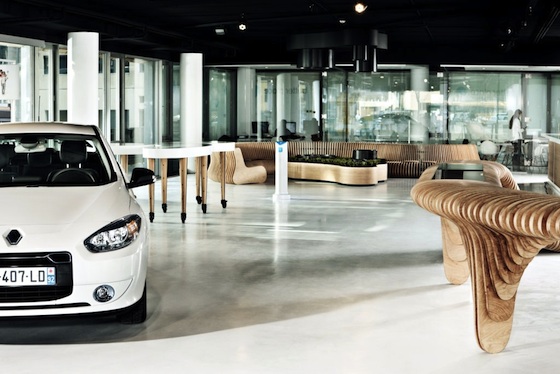
The EV battery switching station was installed in Gladsaxe, a town just outside of Copenhagen. The first battery swap was conducted on a Renault Fluence ZE, which, along with the Nissan Rogue SUV, is one of just two car models designed to accept the robotic battery swap technology designed by Agassi, so far. But that is not slowing Danish enthusiasm for Better Place.
Eventually, desert-dwellers will be able to “print” their own homes using little more than the sun and sand.
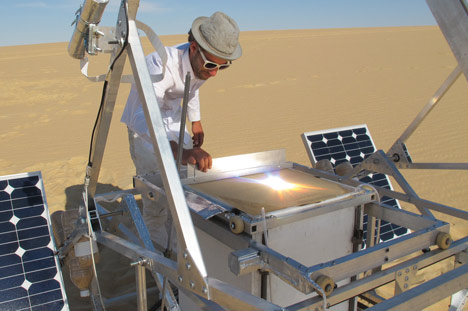
The Solar Sinter designed by Markus Kayser uses the sun and a high-powered fresnel lens to make glass objects from silica sand directly in the Sahara desert. This design requires no factory, no factory line, and no lasers or resins. All that was required were the materials used to make the Sinter (which in time could probably make itself). After initial tests in Morocco’s desert, Kayser scaled up the machine and took it Egypt, near Siwa.
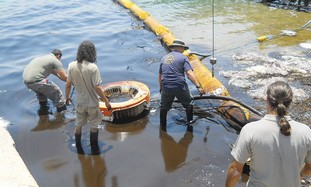
Concerted cleaning efforts averted major disaster in Eilat, but more serious oil spills are only “a matter of time” say Israeli officials.
Two separate oil spills contaminated the waters off Eilat in Israel over the weekend. The Jerusalem Post reports that the initial oil spill on Friday morning came from an unknown source, although officials suspect that a Turkish ship, which was leaking oil while docked at the Port of Eilat, may be the culprit.
The Dubai government’s Emirates National Oil Co (ENOC) has stopped supplying subsidized gasoline to gas stations in neighboring sheikdoms in the United Arab Emirates.
Hit hard by the property crash, the once high-flying Dubai government is now penny pinching. Even at the risk of destabilizing the region – in the same way that rising food prices have done earlier this year – in a drastic move, Dubai is now cutting in half the energy subsidies and transfers that its property wealth had made possible.








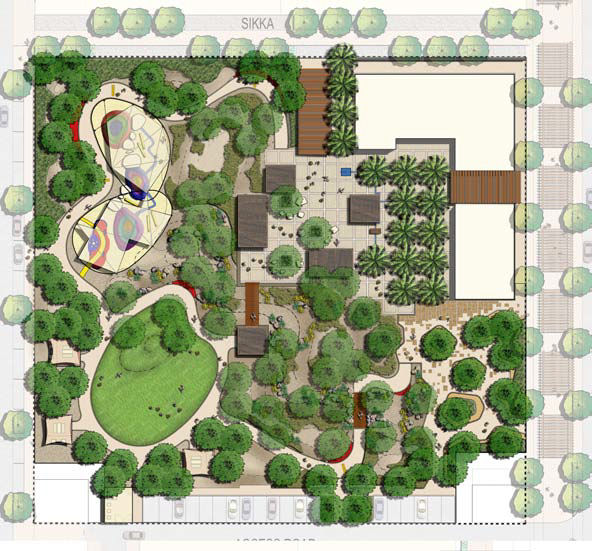
 A 1770 hectare site between Abu Dhabi and Dubai is set to get a green makeover.