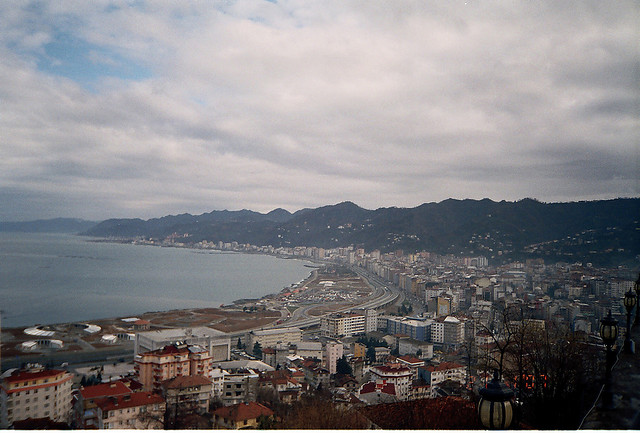
 The Black Sea province of Rize is synonymous with tea production in Turkey. After the Chernobyl nuclear meltdown, the Turkish government tried to avoid testing the area for radioactivity, and encouraged Turks to continue drinking Rize tea.
As the news from Japan gets worse and worse — only one month ago it was announced that three of the nuclear reactors at Fukushima had melted down — attention is turning to parts of the world that have already undergone nuclear disasters. In a recent interview, renowned pediatrician and nuclear energy expert Dr. Helen Caldicott compared the Fukushima disaster to the Chernobyl nuclear meltdown of 1986, noting that Chernobyl was directly responsible for at least 20,000 cancer cases and blighted crops for hundreds of kilometres around.
In Turkey, particularly regions around the Black Sea coast, at least two years of crops were completely ruined. The government’s efforts to hide the truth from Turks, however, were equally insidious, according to Alidost Numan of Greenpeace Mediterranean.







 Holy water: the Zam Zam well in Makkah will be bottled and distributed in 42 outlets



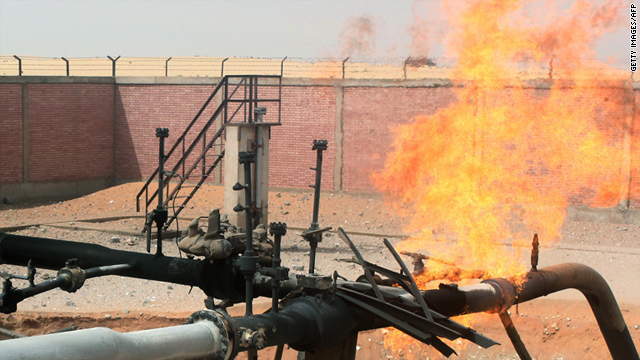
 Jet fuel spurts into pristine nature zone in Israel. Who will pay for this unthinkable mistake?