Before promoting sustainability progress, companies must ensure their initiatives are genuine and measurable. Today’s audiences are increasingly skeptical of vague environmental claims, particularly as awareness of “greenwashing” has grown.
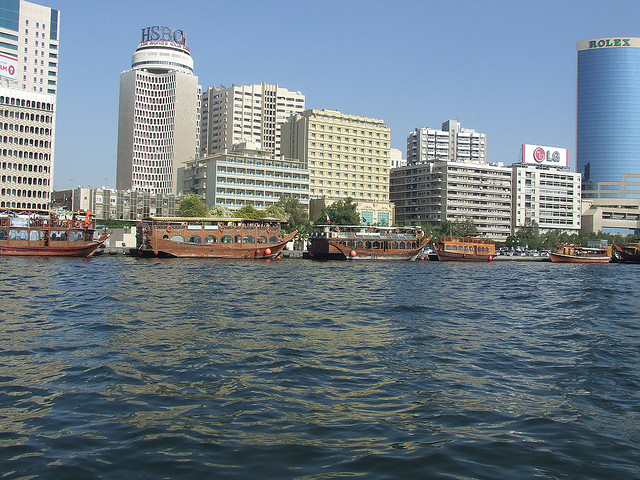
Sydney is best known for the Opera House and the Harbour Bridge. If you’re looking to enjoy dinner with views of these landmarks, here are some great options.
It's sea turtles which may in the end save islands in the Seychelles. They may also better help us understand climate change. Like rings on a tree, scientists have found a way to read sea turtle shells and how they are impacted by climate change tells a story.
For centuries, the Sámi shaman drum was one of the most powerful sacred objects in northern Europe, and one of the most feared by church and state. If ISIS looks bad to us today for its religious fundamentalism, Christians were just as fervent.
Before promoting sustainability progress, companies must ensure their initiatives are genuine and measurable. Today’s audiences are increasingly skeptical of vague environmental claims, particularly as awareness of “greenwashing” has grown.
Sydney is best known for the Opera House and the Harbour Bridge. If you’re looking to enjoy dinner with views of these landmarks, here are some great options.
It's sea turtles which may in the end save islands in the Seychelles. They may also better help us understand climate change. Like rings on a tree, scientists have found a way to read sea turtle shells and how they are impacted by climate change tells a story.
For centuries, the Sámi shaman drum was one of the most powerful sacred objects in northern Europe, and one of the most feared by church and state. If ISIS looks bad to us today for its religious fundamentalism, Christians were just as fervent.
Before promoting sustainability progress, companies must ensure their initiatives are genuine and measurable. Today’s audiences are increasingly skeptical of vague environmental claims, particularly as awareness of “greenwashing” has grown.
Sydney is best known for the Opera House and the Harbour Bridge. If you’re looking to enjoy dinner with views of these landmarks, here are some great options.
It's sea turtles which may in the end save islands in the Seychelles. They may also better help us understand climate change. Like rings on a tree, scientists have found a way to read sea turtle shells and how they are impacted by climate change tells a story.
For centuries, the Sámi shaman drum was one of the most powerful sacred objects in northern Europe, and one of the most feared by church and state. If ISIS looks bad to us today for its religious fundamentalism, Christians were just as fervent.
Before promoting sustainability progress, companies must ensure their initiatives are genuine and measurable. Today’s audiences are increasingly skeptical of vague environmental claims, particularly as awareness of “greenwashing” has grown.
Sydney is best known for the Opera House and the Harbour Bridge. If you’re looking to enjoy dinner with views of these landmarks, here are some great options.
It's sea turtles which may in the end save islands in the Seychelles. They may also better help us understand climate change. Like rings on a tree, scientists have found a way to read sea turtle shells and how they are impacted by climate change tells a story.
For centuries, the Sámi shaman drum was one of the most powerful sacred objects in northern Europe, and one of the most feared by church and state. If ISIS looks bad to us today for its religious fundamentalism, Christians were just as fervent.
Before promoting sustainability progress, companies must ensure their initiatives are genuine and measurable. Today’s audiences are increasingly skeptical of vague environmental claims, particularly as awareness of “greenwashing” has grown.
Sydney is best known for the Opera House and the Harbour Bridge. If you’re looking to enjoy dinner with views of these landmarks, here are some great options.
It's sea turtles which may in the end save islands in the Seychelles. They may also better help us understand climate change. Like rings on a tree, scientists have found a way to read sea turtle shells and how they are impacted by climate change tells a story.
For centuries, the Sámi shaman drum was one of the most powerful sacred objects in northern Europe, and one of the most feared by church and state. If ISIS looks bad to us today for its religious fundamentalism, Christians were just as fervent.
Before promoting sustainability progress, companies must ensure their initiatives are genuine and measurable. Today’s audiences are increasingly skeptical of vague environmental claims, particularly as awareness of “greenwashing” has grown.
Sydney is best known for the Opera House and the Harbour Bridge. If you’re looking to enjoy dinner with views of these landmarks, here are some great options.
It's sea turtles which may in the end save islands in the Seychelles. They may also better help us understand climate change. Like rings on a tree, scientists have found a way to read sea turtle shells and how they are impacted by climate change tells a story.
For centuries, the Sámi shaman drum was one of the most powerful sacred objects in northern Europe, and one of the most feared by church and state. If ISIS looks bad to us today for its religious fundamentalism, Christians were just as fervent.
Before promoting sustainability progress, companies must ensure their initiatives are genuine and measurable. Today’s audiences are increasingly skeptical of vague environmental claims, particularly as awareness of “greenwashing” has grown.
Sydney is best known for the Opera House and the Harbour Bridge. If you’re looking to enjoy dinner with views of these landmarks, here are some great options.
It's sea turtles which may in the end save islands in the Seychelles. They may also better help us understand climate change. Like rings on a tree, scientists have found a way to read sea turtle shells and how they are impacted by climate change tells a story.
For centuries, the Sámi shaman drum was one of the most powerful sacred objects in northern Europe, and one of the most feared by church and state. If ISIS looks bad to us today for its religious fundamentalism, Christians were just as fervent.
Before promoting sustainability progress, companies must ensure their initiatives are genuine and measurable. Today’s audiences are increasingly skeptical of vague environmental claims, particularly as awareness of “greenwashing” has grown.
Sydney is best known for the Opera House and the Harbour Bridge. If you’re looking to enjoy dinner with views of these landmarks, here are some great options.
It's sea turtles which may in the end save islands in the Seychelles. They may also better help us understand climate change. Like rings on a tree, scientists have found a way to read sea turtle shells and how they are impacted by climate change tells a story.
For centuries, the Sámi shaman drum was one of the most powerful sacred objects in northern Europe, and one of the most feared by church and state. If ISIS looks bad to us today for its religious fundamentalism, Christians were just as fervent.
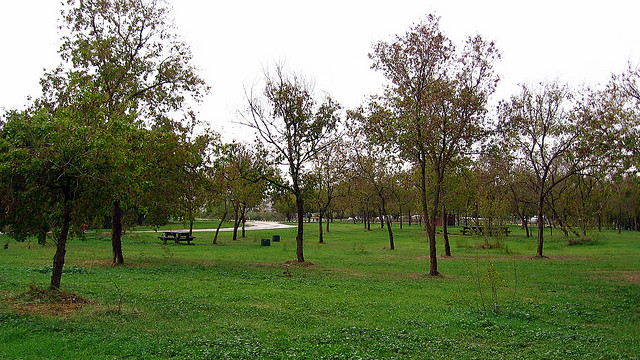
Bnei Barak, one of Israel’s most dense cities, is about to get its first large municipal park.
With 165,000 people living within a 7000 dunam area, Bnei Barak is one of Israel’s densest cities. And its residents don’t have a green zone to call their own. Ruth Mozes, an architect in charge of Bnei Barak’s urban planning department, said that “Bnei Barak does not have a single park, and its largest garden spans 20 dunams.”
In order to rectify the situation, a regional planning committee will officially confirm plans within the coming weeks to expand Tel Aviv’s large Yarkon Park into Bnei Barak. This will grant the city a much needed green lung.
As the political conflict rages on, drought-hit farmers in Syria struggle on and the aid trickling in to help is severely inadequate
In March 2011, the political situation in Syria began to unravel. Syrians took to the streets in places like Homs and Hama in an uprising against president Bashar al-Assad, who responded with mortar and grenade attacks. The intensity of the conflict only increased in subsequent months and now the political situation appears at breaking point. For example, farmers and herders in Syria are being forced to deal with political instability, recurrent drought and also the lack of funds donated to humanitarian programmes in the country.
Why does Israel so lag Arab neighbors like Morocco and Egypt in its renewable energy production?
I do not understand how the nation that invented CSP solar thermal – the solar energy that now powers much of the worlds gigantic utility-scale solar plants – can be just now announcing some tiny 35 MW solar project as its “largest ever!” – and Spain’s Solaer group that is supposedly to build it; doesn’t even have a website – when Morocco is building its first 500 MW plant with international energy giant Siemens.
Can anyone tell me what’s going on? I have never lived in the Middle East region, unlike the rest of the local bloggers here at GreenProphet – perhaps I’m missing something that is rather obvious to the rest of you.
In the US, only our fossil states are as backward in renewable energy development.
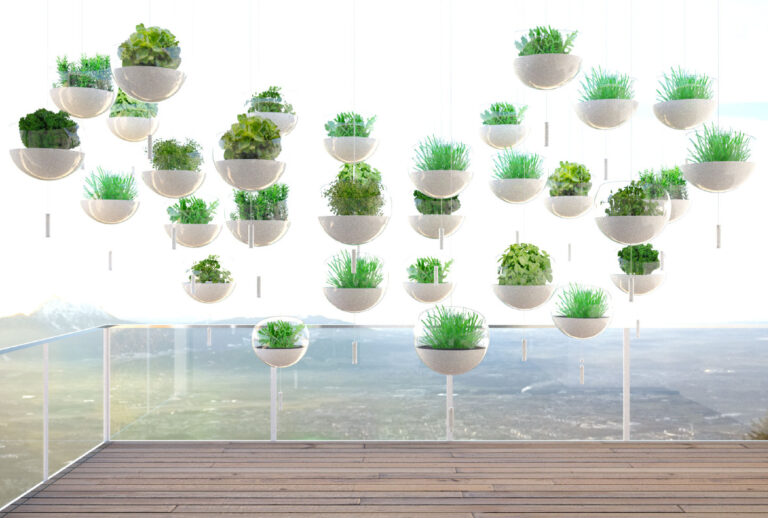
Urban gardens don’t have to be restricted to rooftops alone – they can flourish on balconies, where everyone can see them.
There’s a bit of a paradox within the guidelines for environmentally friendly living. It is widely agreed upon that dense urban living is better for the environment, but it is also true that it is eco-friendlier to live closer to your food sources (to reduce the polluting transportation that brings your food to you). And therein lies the grub: it’s tough to be close to your food sources when you live in a dense, urban environment.
Which is why urban environmentalists have been trying to find ways to bring their food sources closer to home. Most of these solutions have come in the form of rooftop gardens, which are an excellent choice and even help insulate buildings. But balconies are also a good way to make cities a little greener, especially in the Middle East where balconies can be used for much of the year.
Sweden’s Hexicon to supply Malta with 10% of its electricity with a platform-mounting floating wind farm
Despite the fact that the EU is willing to fund renewable energy in its climate laggard states, using cap & trade revenues from the sale of emission allowances, Malta still gets only 1% of its electricity from renewable energy. This is by far the worst performance in the EU. Only Cyprus has done as little.
The EU as a whole averages 20% renewable energy now, led by nations like Germany, Spain and Denmark, as a result of the tough climate legislation that EU members have agreed to, that led to the development of a whole new clean energy industry.
As an EU member Malta is required to produce at least 10% of its energy from renewables by 2020. But it has moved just in time to meet the target.
Launched by 7iberINC, Once Upon A Water aims to tell the story of Jordan’s vanishing water supply and how they can have a ‘happily ever after’
According to the WHO, Jordan has one of the lowest water resource availability per capita in the world. By the year 2025, if current trends continue, per capita water supply is expected to fall from the current 200 cubic meters per person to only 91 cubic meters, putting Jordan in the category of having an absolute water shortage. The Once Upon A Water In Jordan campaign, launched by the influential 7iber media site, is hoping to raise awareness of this dire water situation and also encourage Jordanians to take positive action now.
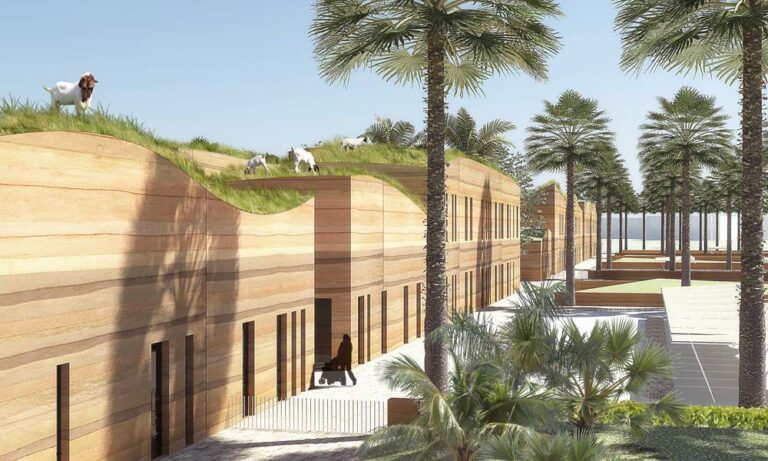
Kuwait used to have a strong agricultural movement, which this new school will hopefully help to revive.
When we think of Kuwait, not only do we have a hard time getting past the young hunter who killed a wolf and then posed for a series of family shots, but we also envision an unforgivable industrial landscape pocked with oil drilling platforms and desalination plants. While not entirely inaccurate, present day Kuwait belies a fertile past. Educators are hoping to reinvigorate “the Cradle of Civilization” with a new green roofed school designed by Perkins + Will that promotes hands-on agricultural learning.
Over the next few weeks, President Obama has a fateful personnel decision to make, and one that will influence the world’s climate, in a way that he has been unable to do through the recalcitrant billionaire-funded opposition congress in the US.
World Bank President Robert Zoellick, a Bush-appointee, will step down in June, and President Obama is responsible for proposing the selection of his replacement.
The World Bank made $57 billion in loans in the last fiscal year, and much more in carbon credits that create private financing of renewable energy – and its focus is on the developing world. It can either invest in dirty coal in developing regions in North Africa, or in renewable energy development.
So the leadership of the World Bank is crucial at a time in world history when decisions about how the last two billion get their energy will decide whether or not “this was the moment when the rise of the oceans began to slow and our planet began to heal” as candidate Obama promised.
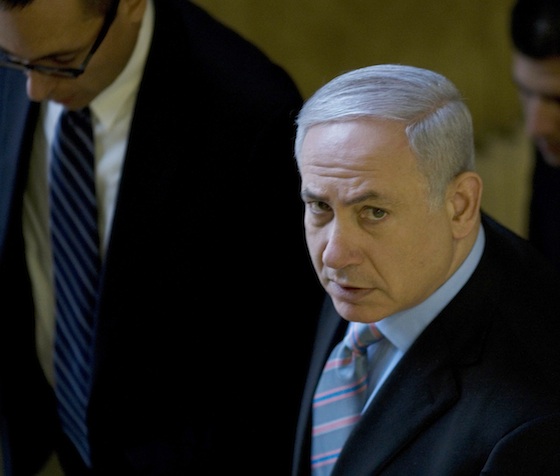
Egypt topped the world Environmental Performance Index for the Middle East and North Africa region, followed closely by Israel
Every two years, Yale University in collaboration with Columbia University release the world Environmental Performance Index which ranks most countries environmental performance. This year, Egypt topped the list for the MENA region, followed closely by Israel and the United Arab Emirates. In the wider context, however, the region is still trailing far behind with Egypt making it only to the ‘modest performers’ list. Egypt was ranked the 60th most environmental country with an EPI score of 55.18 – Switzerland which topped the chart scored 76.69.
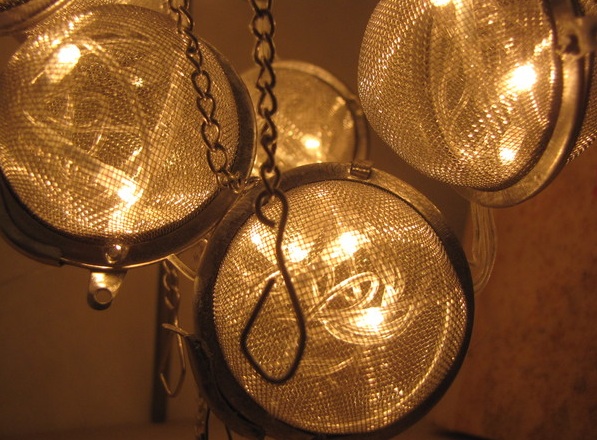
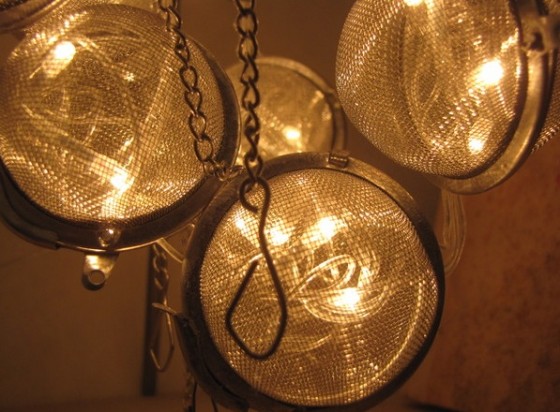
As an alternative light fixture, Israeli designer Marina Rudinsky lights up a string of loose tea strainers.
Items found in the kitchen are often endowed with unusual shapes and holes, and many a designer have found ways to convert kitchen tools into light fixtures. Pasta strainers are an obvious choice, but small, delicate loose tea strainers pose a good option too and Israeli designer Marina Rudinsky has assembled them in a luminous fashion. (Tea paraphernalia has been upcycled in other ways as well, with tea wrappers being masterfully crafted into origami pieces.)
Making fuel subsidies a thing of the past may ‘half the global carbon target’, but politics is a real barrier to change in rich gulf nations
Phasing out subsidies for fossil fuels could get us half way to meeting our global carbon saving goal – that’s what the International Energy Agency chief economist Faith Birol believes. In a recent statement Birol said that IEA research shows a subsidies phase-out would avoid 750m tonnes of CO2 a year by 2015, potentially rising to 2.6 gigatonnes by 2035. That could provide half of the carbon savings needed to stop dangerous levels of climate change. However, it’s hard to see how Gulf nations would ever consider scrapping subsidies which effectively keep citizens content and compliant.
While snorkeling in the Red Sea just before Valentine’s Day, a Swiss scientist came across a 3-legged turtle.
Ivo Blöchliger was snorkeling in the increasingly vulnerable Red Sea just two days before Valentine’s Day when he came across a 3-legged turtle. The turtle was swimming in front of the Swisscare Reef in Nuweiba in South Sinai. The Swiss scientist proceeded to capture just over four minutes of what seems like a perfectly content turtle swimming peacefully. A few years ago, a You Tube clip depicting a turtle equipped with a prosthetic wheel made the rounds. Do you think this turtle needs a new leg?
Inspired by our rueful post on skin care, Miriam offers 5 easy and totally natural ways to keep your face shining. Looking for a natural advisor? Search no more!
Think of people you love – is it the light in their eyes, or the way they smile, that warms your heart, or is it their perfect appearance? Right, it’s their human beauty and warmth, not a resemblance to some fashion model. Still, everyone wants to look well. Here are some tips for preserving your natural beauty naturally.
1. Keep your skin clean, but never use commercial soap on your face. Most commercial bath soaps are really detergents. Buy handcrafted natural soap. Nowadays you can find handmade soap in drugstores and supermarkets as well as in health food stores.
Or use brown sugar for a gentle scrub that will clean but not dry or damage your skin: take a teaspoon of brown sugar in your damp hand and gently rub it all over your wet face and neck. The grains roll any dirt or grease out and the minerals in the dissolving sugar clean and nourish your skin. This is best done in the shower.
For oily skin and acne, you may use the sugar scrub twice a week. People with dry skin may do this once weekly. Those with delicate or damaged skin should not scrub, but should wipe their face with a soft cloth soaked in warm herbal tea or oatmeal water: 1 tsp. oatmeal in 1 cup water – boiled briefly, strained, and applied warm, not hot.
2. Treat your skin to a stimulating mask with once a week. Mix 1 tablespoon honey with 1 tablespoon mashed avocado, banana, or finely-grated apple. For oily skin, add 1 tablespoon yogurt or kefir and a thick slice of cucumber. For very dry skin, blend 2 tablespoons almond, jojoba, or good olive oil with 2 tablespoons mashed fruit – avocado is especially good.
Apply to face and neck. Sit down with your feet up for 20 minutes. The mask will dry and you will feel it tighten. Rinse off carefully with warm water and pat your skin dry. Again, this is most practical just before a shower.
3. Use only warm water on the skin, never hot. Hot water dries the skin out and makes wrinkles. Forage for skin-friendly flowers to make a tonic facial rinse: purple mallow flowers, orange marigolds, yellow sow-thistle flowers and all yellow wild flowers except for mustard. Pick the flowers in season (now is the time in the Middle East) and dry them for future use. If that’s not realistic for you, use chamomile tea bags or buy your herbs from the health food store.
4. Drinking enough water is essential to flexible, healthy skin. Boost your water power by drinking at least one cup of demulcent tea made with one of these wild herbs: plantain leaves, mallow leaves, hollyhock leaves, chickweed. Ratios are 1 tablespoon chopped herb to 1 cup boiling water. Cover and allow to infuse for 20 minutes. Strain and drink.
5. Eliminate regularly. Lack of sleep, a hangover, or constipation inevitably lead to dingy skin. One advantage to the herbal teas recommended above is that they provide slippery demulcent properties that soothe the digestive track and keep you regular.
And a bonus tip: Always, always moisturize. Learn to make your own natural lotions – there are hundreds of sites that teach how – or use plain almond or olive oil in a pinch. Commercial moisturizers promise all kinds of miraculous improvements, but they inevitably have preservatives and fillers that don’t do you any favors in the end. Good-quality oil – a few drops rubbed into your moist face – will protect and moisturize just as well, even if it doesn’t smell as glamorous. Whichever way you choose, never expose your face to sun or wind without protective moisturizer on it.
Things you should know about commercial skin products:
Late winter in the Middle East brings lower prices in the market
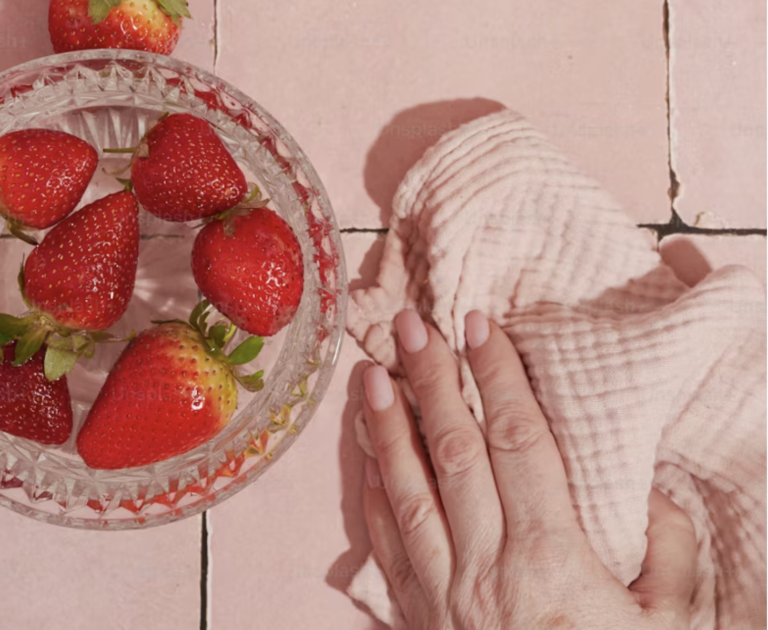
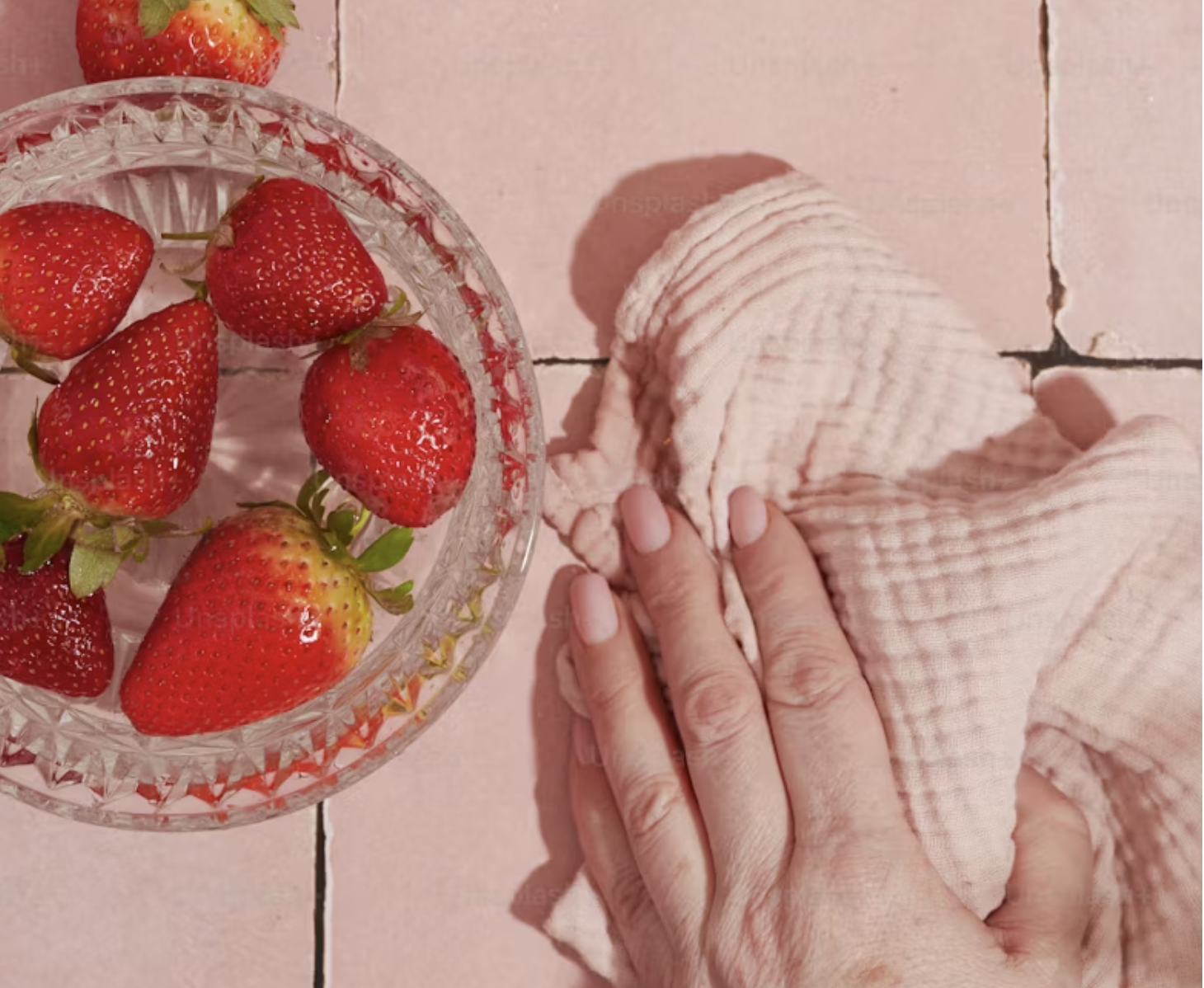
It’s strawberry time again in the Middle East. The sweet red berry’s price has come down to the point where even a careful shopper can allow herself a little indulgence. But let’s wait another 4 to 6 weeks for prices to fall even more; then we can economically make strawberry preserves to last the whole year.
All citrus continue in full flush. Big pomelos with thick rinds, thin-skinned clementines, oranges (see our Moroccan orange salad recipe), lemons – including the little, round lemons so good for pickling in salt – are still abundant and inexpensive. Kumquats are practically falling off the trees in gardens, and in the shuk their price is reasonable.
Vegetables
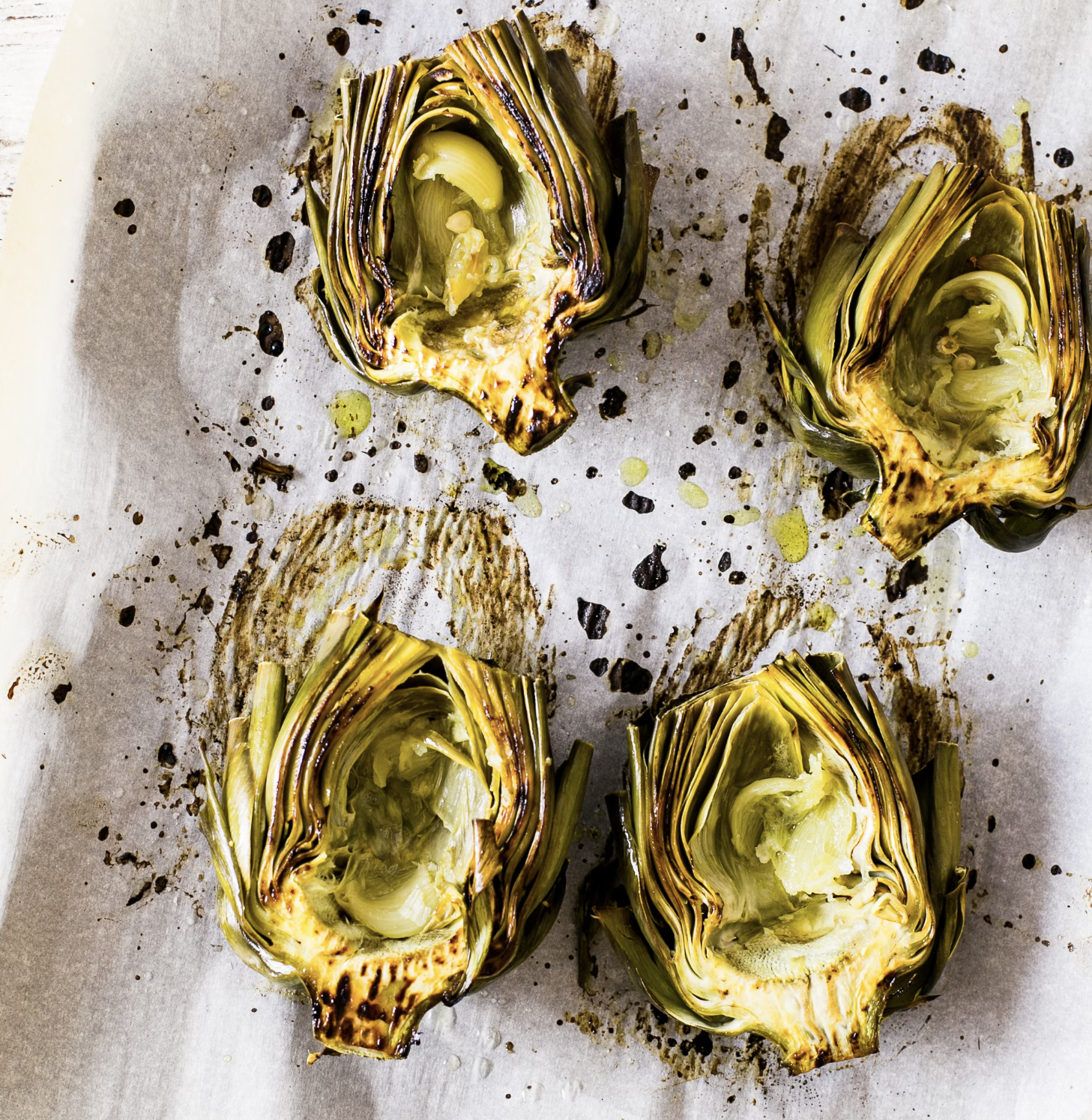
Artichokes, one of the first vegetables known to mankind
Artichokes are in the markets and coming down in price, but still not in full season. Red and green cabbages are excellent and inexpensive. All the nightshade family vegetables are looking handsome, with fair prices: eggplants, tomatoes, peppers, red and white potatoes.
Root vegetables are always best in winter, when plants store most nutrition in their underground parts: carrots, kohlrabi, beets, turnips and radishes. Now we see black Spanish radishes, daikon and other white radishes as well as the usual round red ones. Celeriac and parsley root are excellent now – peel and put them in your soup, or roast them as you would potatoes. Jerusalem artichokes, full and lovely with their brown/pink coloring, are not cheap but worth buying for an excellent roast vegetable side dish, or soup.
Zucchini and all squashes are at reasonable prices although not at their very best. Pumpkins, however, are good, and not expensive now. Try a soup of pumpkin and squashes, with a bay leaf, some cilantro, an onion and a medium potato. Remove the bay leaf and blend the soup before serving. Simple and comforting.
Slender hot-house cucumbers are always stacked up high on the vendor’s tables. Indeed I wonder how Middle Easterners would survive without their tomatoes and cucumbers. Both are at surprisingly good prices, given that they’re really hot-weather plants. Yellow and red cherry tomatoes, probably hot-house produce, are good but expensive.
Local garlic isn’t worth buying now, being last year’s crop – withered and sprouting. Yet if you’re determined to avoid imported garlic which may be processed with chemicals, it’s a cook’s only choice. I’m still cooking with sprouted garlic – as long as it’s sound inside (not rotten), it still works. Onions are cheap but have to be chosen carefully at this time: most are also sprouting.
Fennel, cauliflower and broccoli are handsome and worth buying, even at the slightly higher price than January’s.
Asparagus, never cheap but now quite attractive, has started its season. Mushrooms seem to be in season all the time nowadays – probably because they’re cultivated indoors. String beans and flat Italian green beans are good now – another slightly expensive vegetable treat.
Herbs in season
Fenugreek, watercress, sour grass (schav), parsley, bitter wormwood (sheba) coriander, dill, mint, Thai basil, tarragon, chives, scallions. Always displayed together with Swiss chard and lettuces, the herb displays at the shuk fill up big tables.
Lettuces are varied and good: cos (Arab) lettuce, iceberg, ruffled purple and green. Celery stalks are fat and good.
Avocados, which we treat as a vegetable although they’re a tree fruit, are very abundant and cheap. Now’s the time for guacamole.
Fruits in Season
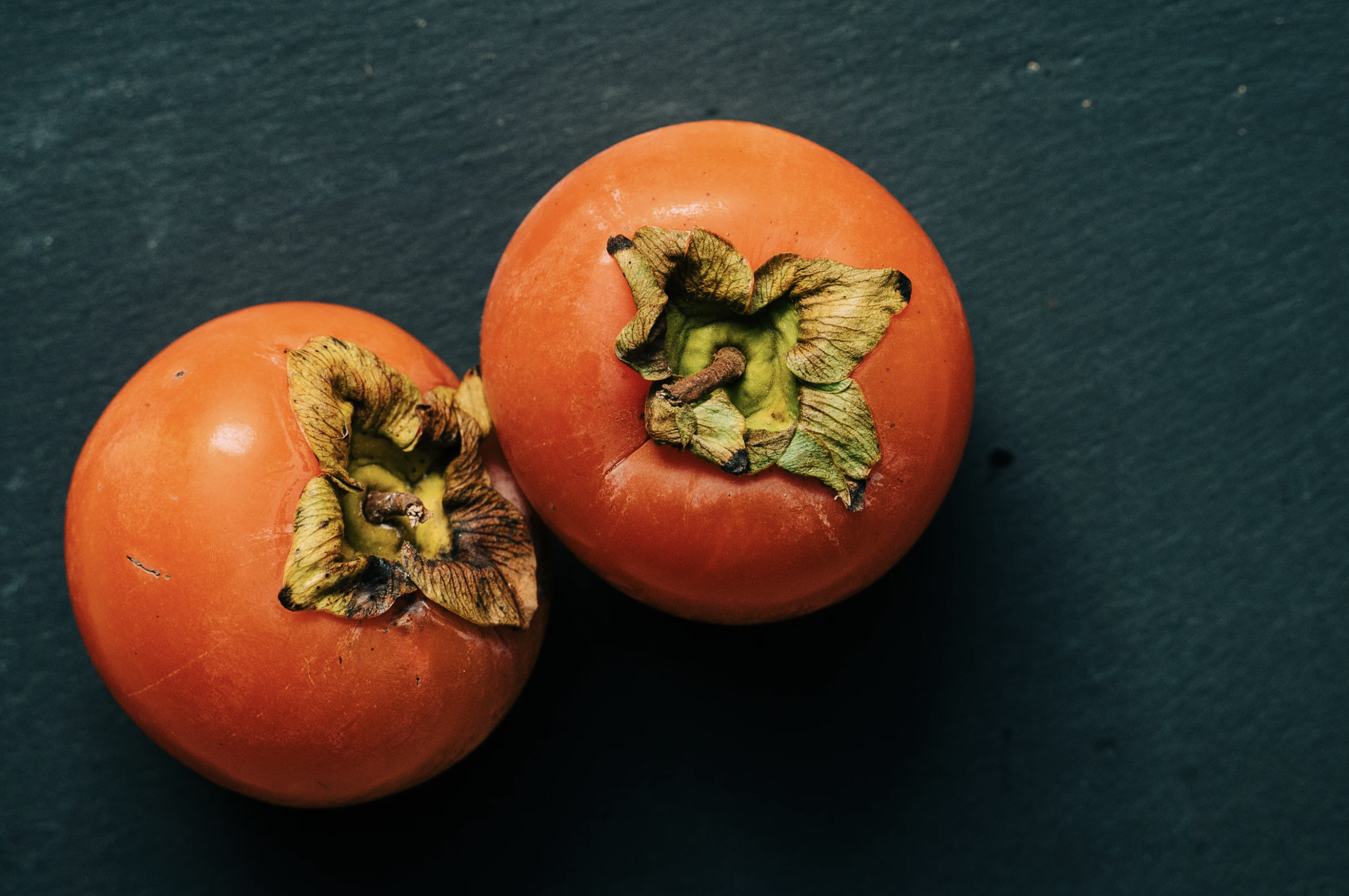
Fruit: There are still a surprising amount of beat-up pomegranates. Last season’s big food fad was pomegranate seeds, which is probably why there’s surplus now. Bananas are handsome and sweet. Apples are slightly higher priced. Pears are still in, but not very good – at least, the ones I’ve seen. Persimmons are in season and their high Vitamin A content makes it worth eating a couple every week.
Persimmons
Kiwis are also in full season, but are expensive. Passion fruit is in the shuk now. There are some grape varieties and melons, but unless you have a serious craving, they’re best left for their proper seasons. The yellow, angled carambola fruit is to be found, but being a specialty fruit, is more a treat than part of the daily diet. There are plenty of very small pineapples, each quite cheap but only yielding enough meat for 1-2 servings. The most worthwhile fruit right now is citrus.
Forager’s Notes for February
Wild mustard has turned empty fields and lots yellow now. These weeks are the best for picking wild edibles and medicinals. Pick now before they become infested with warm-weather snails and caterpillars: nettles, mallows, plantain leaves, wild yellow and white mustard, cleavers, chickweed, henbit, chicory, shepherd’s purse, sow thistle, milk thistle, wild marigolds, wild beets, fumaria, herb Robert. In hilly cold regions you may find early dandelions.
Nettles make a great rinse for the hair and are replenishing in tea. Pick them before they flower like this.
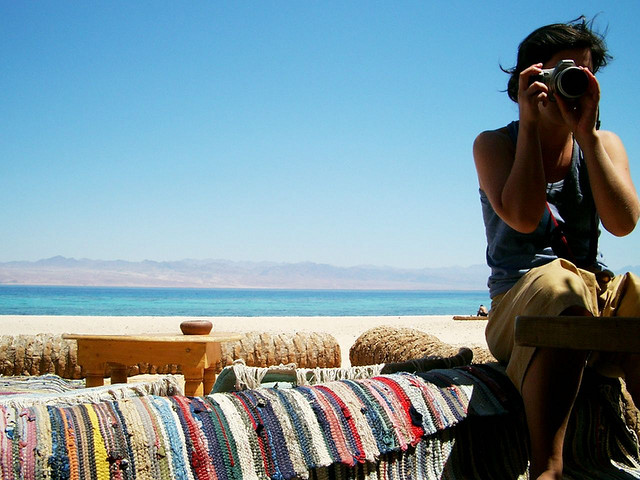
Avid photographers may want to go on field trips to capture citrus and almond blooms on the trees. A lovely thing to do with citrus flowers is to stir them into a little honey. Close the jar loosely – the juices in the blooms will ferment on contact with the honey and you may get a pop! when you next open the jar. Leave the honey alone to infuse for a week or two – it will be deliciously flavored with the flowers then.
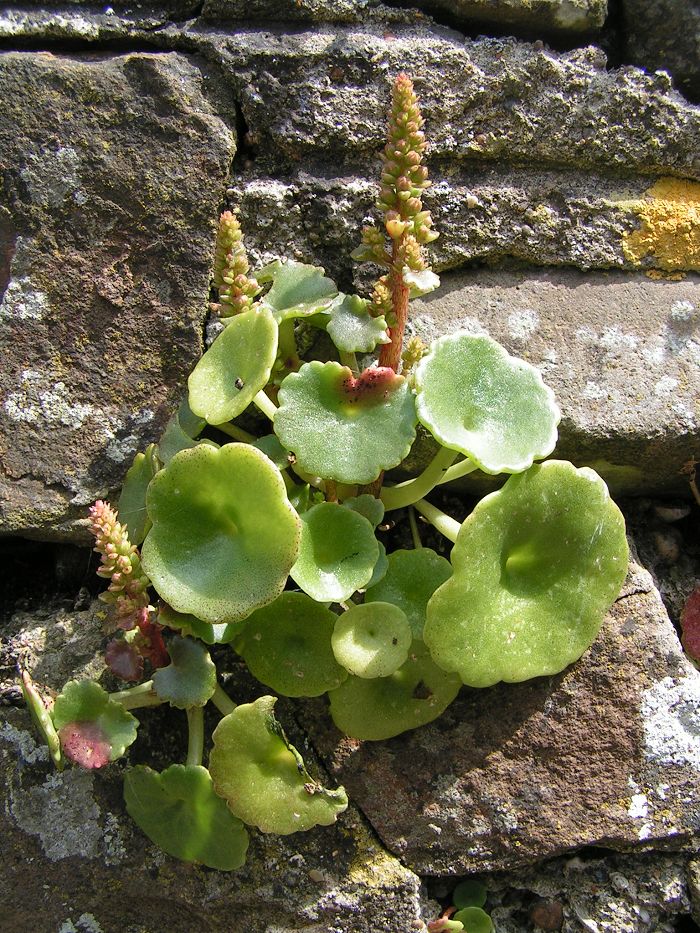
Start looking for navelwort if you make your own moisturizers – infusion of navelwort is wonderful in lotions. Easy wild skin care recipe: collect all the yellow flowers except for mustard: pour 1 cup boiling water over a good handful of them: allow to steep 4 hours. Strain, warm up gently (do not boil again) and use the tea as a cleansing facial rinse. Pat dry. (You do not want mustard flower tea on your face or in your eyes!)
Seasonal recipes using local ingredients on Green Prophet:
When professional photographer Alex Tricani sent this image, I couldn’t get past the giant red craters on my face.
I’ve always been incredibly lazy about beauty. This isn’t because I don’t dream of being an illustrious goddess who rides into the sunset with an equally exotic suitor, but because tending to my mind and soul has always taken priority. Every so often I’ll spend money on a nice haircut, but most of the time I do as little as possible to retain my youthful looks.
This philosophy used to work pretty well for me and my friends were jealous of my unblemished skin – until I lived in Viet Nam for four months. My skin has never recovered from Ho Chi Minh City’s pollution, and I’ve done a terrible job of bringing it back to life. Don’t be like me. Avoid the following five things to keep your skin looking so much better than mine.

 Bnei Barak, one of Israel’s most dense cities, is about to get its first large municipal park.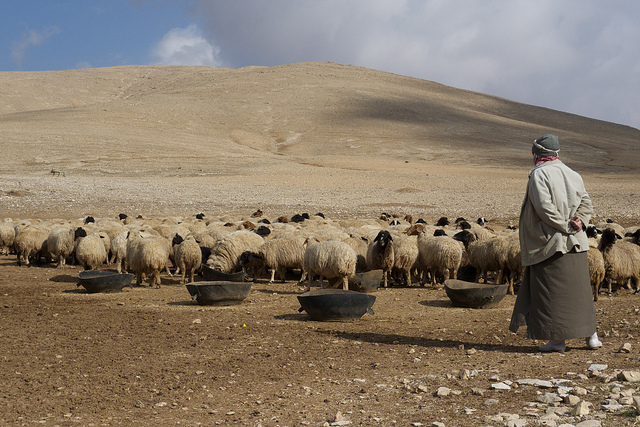






 Egypt topped the world Environmental Performance Index for the Middle East and North Africa region, followed closely by Israel