Home Blog Page 459

A Ruby Red Mystery Flows from Lebanon’s River

1

red river lebanon
Recently the Beirut River in Lebanon, mysteriously turned ruby red spilling unknown substances into the Mediterranean Sea. The Environmental minister Nazem el-Khoury and his team of experts hastily launched an investigation involving scientists, police force and lawyers but  the source and cause of the redness still remains uncertain, some sources talk about dye being dumped by upstream factories. The Daily Star reports:

“Eyewitnesses working in the area … [said] this was not the first time the river had turned a different color. Several business owners around the Chevrolet crossing said that colored water pours into the river roughly every two months but no one pays attention to it. It was the quantity and brightness of the red liquid that grabbed the attention of many passersby and commuters.”

This event exemplifies three very sad stories.
Water Eco Park a Peace Bridge Between Palestinians and Israelis

0

palestinian women kishon river
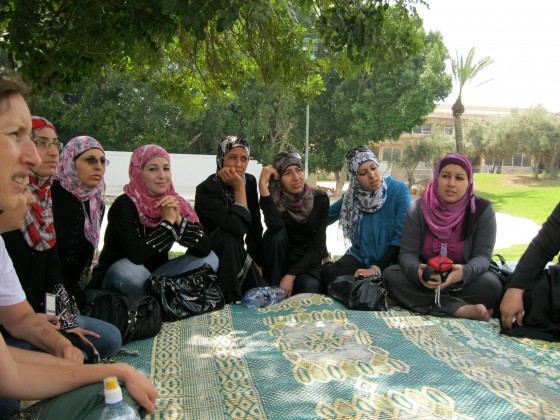
A proposed cross-border ecological park on the banks of the troubled Kishon River shared by Palestinians and Israelis could repair more than the polluted water.

If you are paddling a canoe down one of rivers that flows through Israel to the Mediterranean Sea, you might want to hold onto your oars. Some of these rivers are full of sewage effluent, agriculture runoff, wastewater from animal farms and industrial byproducts.

The Kishon River, which flows from the Palestinian city of Jenin through the Haifa Bay, is one of the most polluted of them all. Oil refinery waste dumped into the Kishon is thought responsible for giving Israeli divers cancer. Recent conservation efforts on Israel’s part have greatly improved the river’s condition. But upstream it’s a different story.

5 Technologies to Make Desalination More Efficient

10

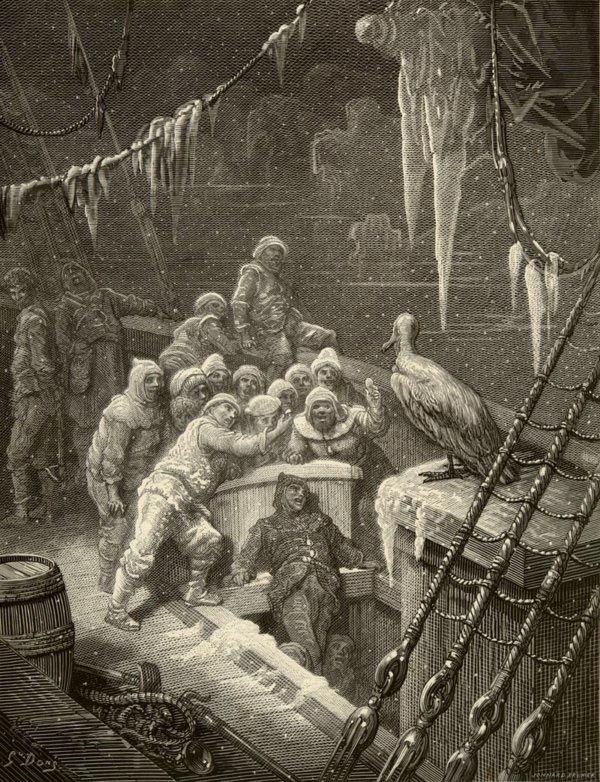
albatross Samuel Taylor Coleridge's Rime of the Ancient Mariner People who live in Mideastern coastal cities might understand the despair expressed in Samuel Taylor Coleridge’s Rime of the Ancient Mariner: “Water, water every where, and nor any drop to drink.”

The poem details the effects of saltwater and thirst on marooned sailors. The ancient mariner hangs an albatross around his neck as an act of atonement for killing this bird, which his shipmates considered to be a good omen. He would not have known that the albatross has desalination glands behind its eyes. These glands concentrate salt and channel it away onto the beak. Some seabirds then sneeze the salt away.

Undrinkable saltwater stretches beyond the horizon from Alexandria, Beirut, Tel Aviv, Abu Dhabi and elsewhere in the Mideast. Fortunately, humans are now able to remove salt from seawater. Israel will soon use desalination for 75 precent of its water supply. But all existing methods are energy intensive and can have significant environmental side effects. The energy cost of desalination is so high that it can be cheaper to transport fresh water hundreds of miles even when there is a great sea on your doorstep. Libya, for example, has plans to purchase fresh water which will be shipped from the Manavgat river in Turkey. Here are some technologies which might reduce the energy and ecological cost of desalinization:

A Real Live Solar City Shines in Israel

0

aleo solar
A town in the Jezreel Valley, Israel prefers its weather sunny, and not only for clear blue skies and golden sunshine.

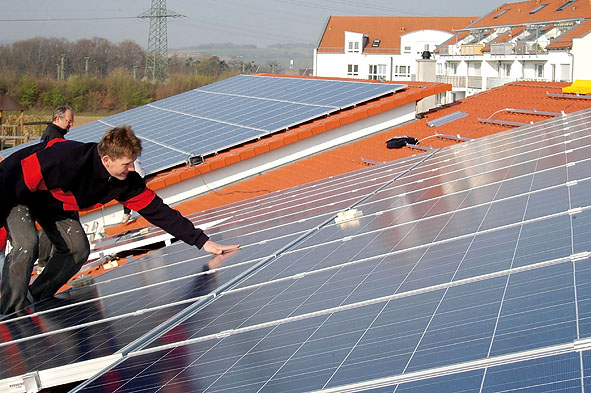
Over 70 percent of the rooftops in Ram-On, a small picturesque town in Israel’s north, are covered in Germany-based Aleo Solar photovoltaic panels for a total capacity of 1,250 kW that both powers the town and, when produced in excess, is fed back into the local grid.

While Israel has slowly gained recognition as a world innovator in solar technology, and recently approved installation of several medium-scale projects in the country’s southern Negev desert, Israel still lags behind in small-scale residential installations.

Egging Me On to Start a Food Fight

5

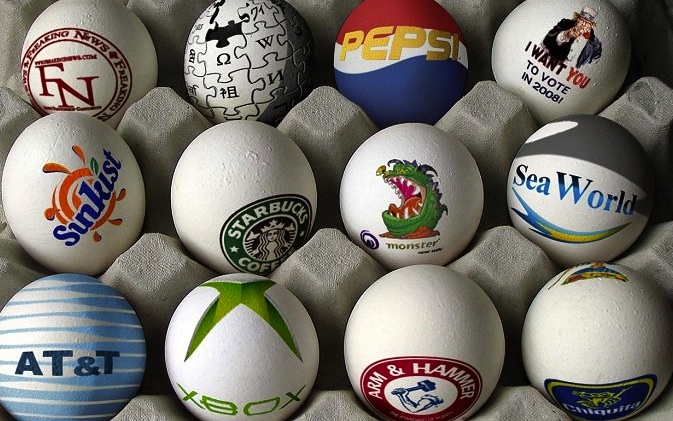
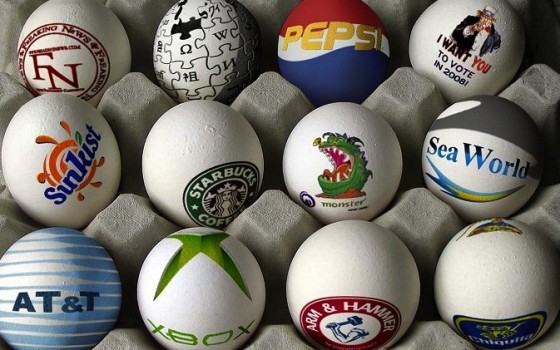
egg advertisingIs no egg sacred? An Israeli company buys rights to print advertising on eggs. Stand up for your rights to crack a clean egg.


Despite the sad job of having to sell three of my young roosters back to the farm today, god am I happy that I farm my own eggs in the city. An Israeli company which manufacturers frozen herbs has imported a new printing technology from the US to advertise its products on millions of eggs. As if that fluorescent dyed date stamp wasn’t enough, the company Dorot plans on printing a whole range of advertising on eggs to get you to buy their frozen herbs. Do you see something wrong with this picture?

Seimens and Volkswagen Drive the Middle East Green

VW Touareg HybridVW Touareg energy saving  Hybrids, like this one, will soon be seen on Arab Gulf roads
Luxury cars like white  gold Mercedes Benz coupes and American high line cars like Cadillacs  have been driven by affluent people living in the Arab Gulf for years. Due to the availability of oil there, not that much attention has been given to making these high priced cars more environmentally friendly; even though one gold Mercedes model is reported to run on biofuel.  This situation may soon be changing, however, due to two of Germany’s largest manufacturing companies, Seimens and Volkswagen are reportedly teaming up to make drivers that work for Seimens in the United Arab Emirates more environmentally conscious.

Eilat Energy Conference Aims to Green A Desert And A Country

0

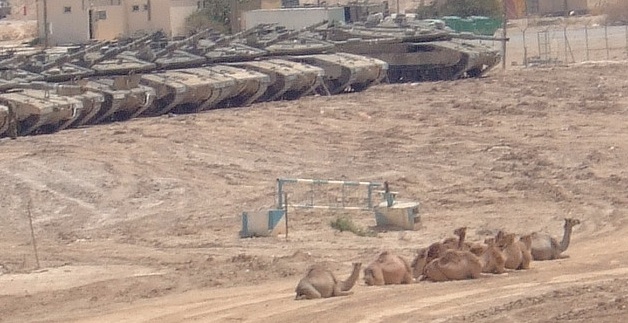
tanks camels israel negev desert

Israel’s vast and dry southern Negev desert may actually help the country go green and just in time for the country’s 2020 10% renewables goal.

At the Eilat-Eilot Forum for Renewable Energy Policy last week, energy experts discussed a recent report, still in draft form, of the Organization for Economic Cooperation and Development, called Cleantech in the Negev as an Engine for Regional Development. The report, composed of several local case studies, was carried out by request of the Ministry of Industry, Trade and Labour (MOITAL) and is part of the OECD review series on Boosting Local Entrepreneurship and Enterprise Creation.

World’s Largest Solar Yacht PlanetSolar Tours Mideast on Final Leg of Around the World Voyage

0

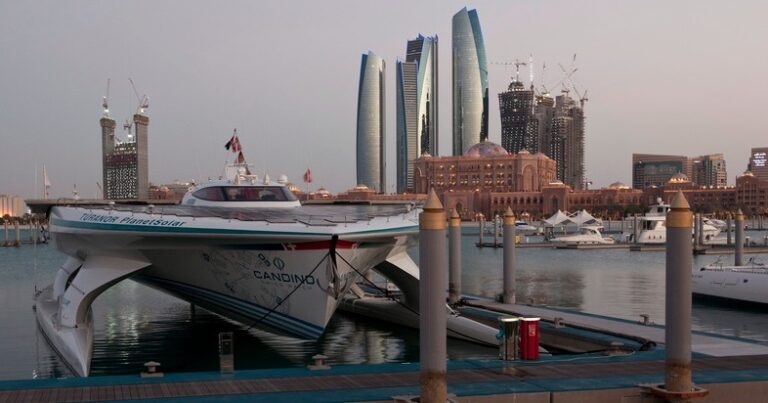
Tûranor PlanetSolar abu dhabi yacht

PlanetSolar’s solar yacht in Abu Dhabi.

After spending some time in Qatar, Tûranor PlanetSolar crossed the Persian Gulf into the United Arab Emirates. It overcame some bad weather and a severe technical problem with the pitch controller for one of its steering propellers to arrive in time for the World Future Energy Summit at the ANDEC convention center in Abu Dhabi.  After arriving back in Monaco it will have become the world’s first photovoltaic yacht to circumnavigate the globe.

US Researchers Clean Waste Water & Create Energy in One Generator

0

waste water treatment, energy, clean energy, reverse electrodialysis, microbial fuel cells, Penn State University, clean tech, Middle East, GulfThis machine cleans waste water and generates energy at the same time.

Researchers from Pennsylvania State University have developed technology that treats waste water and generates energy at the same time – two priorities for Middle Eastern municipalities. Combining Reverse Electrodialysis (RED) technology developed in the Netherlands and Norway, which harvests energy where fresh water and sea water meet, with Microbial Fuel Cells (MFC) that use organic matter to create an electric current, Professor Bruce Logan and his team have found the ultimate solution for developing countries that have limited access to water and power.

Saudi Arabia, Corals, Aviation and Basil – Green News Snippets

0

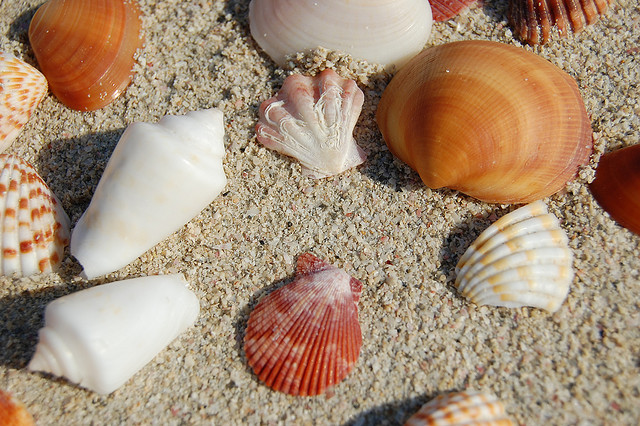
corals and shells saudi arabiaFrom  super corals in the Arabian Gulf, basil planting in Palestine to aviation and Saudi Arabia’s mixed climate message

It’s been another busy week here at GreenProphet and we hope you’ve been enjoying our news offerings. We’ve covered everything from pink farming (yep, you read right), the shocking NASA images of Iran’s salt lake Urmia and Laurie also launched our very own plastic bag challenge. If you are still after more green news from the region, then enjoy our hand-selected news snippets for the week.

Earth-Loving Kibbutzniks Help Build Luxury Waldorf-Astoria Hotel in Jerusalem

0

green building, earth architecture, Neot Smadar Kibbutz, green design, sustainable design, Jerusalem, Waldorf-Astoria, Palace Hotel

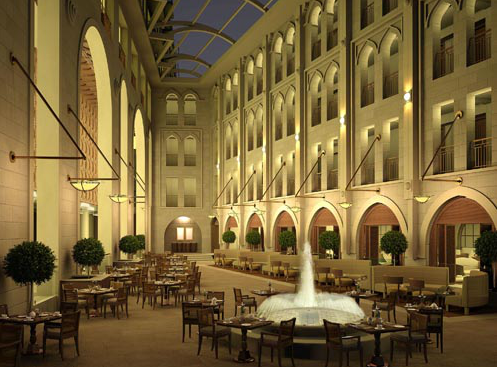
Earth-loving kibbutzniks applied their green building techniques to the luxury Waldorf-Astoria hotel in Jerusalem.

Residents of the Neot Semadar Kibbutz in Israel’s Negev desert have been constructing green buildings for decades, but they’ve never operated beyond their own turf – until now. Tasked with resurrecting Jerusalem’s Palace hotel as the 223 room Waldorf-Astoria, world-renowned Turkish architect Sinan Kafadar sought out their expertise while finishing off the interior.

A founding member of the kibbutz, Mordechai Corcos told Israel 21C that he and other kibbutzniks have never worked on a project outside of the desert, but he felt honored to employ techniques regularly practiced on the numerous colorful green buildings at Neot Semadar to restore the historic 1923 hotel.

Land and Sea Bridge To Connect Saudi Arabia and Egypt

11

red sea causeway, egypt, saudi arabiaPlans to build a Red Sea bridge connecting Saudi Arabia and Egypt have been revived but there are some serious environmental concerns

More than two decades after it was first planned, Egypt and Saudi Arabia may be about to start work on a land and sea bridge connecting the two countries. The proposed bridge would run 50 kilometres from the Tabuk region in Saudi, across the Red Sea to the Gulf of Aqaba in Egypt. Conservationists in Egypt have however raised concerns about the possible destruction of coastal and marine environments in the process of building the bridge. Some explain that the bridge could negatively impact protected areas including coral reefs, the nesting grounds of turtles and the Tiran Island sea birds.

CleanTech Group and WWF Name Israel as 2nd Top Cleantech Producer

0

Cleantech, oil, natural gas, WWF, Cleantech GroupIsrael tops the global clean tech charts once again!

A recent report compiled by Cleantech Group and the World Wildlife Fund shows that Israel is only behind Denmark in terms of its clean tech prowess. The tiny country beat out Sweden, Finland, the United States and other leading national innovators. Called “Coming Clean: The Global Cleantech Innovation Index 2012,” the report evaluated the top 38 countries investing in clean tech and ranked them according to their the establishment of startups in proportion to their overall financial strength.

6 Green Buildings That Won’t Break the Bank

0

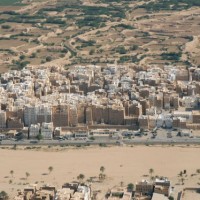
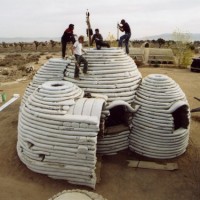
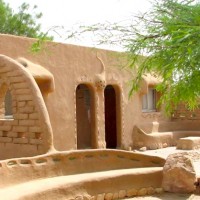
All suited to the Middle East climate and budget, here are 6 green buildings that just about anyone can build without a mortgage.

People often say of green building projects that they aren’t affordable. This is true if you’re shooting to live in a glittering LEED certified urban high rise in Dubai or Saudi Arabia, but if you belong to the 99% of the population who wants a relatively simple, soulful home in which to hang a few plants, grow some herbs and vegetables, tap into the sun, and live in peace without wondering if the electricity is going to get shut off, then this post is for you. Here are six sustainably-built structures that cost very little to build. Some have been around for hundreds of years and a couple of them are new, but in each case they are accessible to everyone.   

First Middle East Carbon Market – Dubai!

2

Dubai is not the first Middle Eastern country you think of when you think climate-friendly. That’s about to change.

Dubai will develop a strategy to reduce carbon dioxide and greenhouse gas emissions, as well as recommendations for ultimately monetising them through a groundbreaking carbon trading scheme, it was announced today.

“Our commitment towards a green economy starts today with the creation of a platform to monitor and benchmark our carbon performance, ” said His Excellency Saeed Al Tayer, VP of Dubai Supreme Council of Energy (DSCE) who made the extraordinary announcement, flanked by Waleed Salman, Chairman of the Dubai Carbon Centre of Excellence (DCCE) and Nejib Zaafrani, CEO of DSCE.  “Any policy or activity cannot be properly assessed unless it is measurable and quantifiable.”