Health insurance is a regulated financial product. Insurers operate under binding contracts, overseen by state insurance commissioners, that legally obligate them to pay claims meeting policy terms. Policyholders who believe a covered claim was wrongfully denied have legal recourse through state regulatory channels.
The New Zealand Merino Company, now rebranded as Zentera, has quietly removed the phrase “world’s leading ethical wool brand” from its website, a notable change that comes after a disturbing investigation by PETA Asia-Pacific into the company’s ZQ-certified wool supply chain, PETA reports to Green Prophet.
Somehow vegetables with short seasons excite the imagination and appetite more sharply than produce that’s available all year around. Good Middle Eastern cooks have many recipes for delicate fava beans, and this turmeric-fragrant soup is one.
Health insurance is a regulated financial product. Insurers operate under binding contracts, overseen by state insurance commissioners, that legally obligate them to pay claims meeting policy terms. Policyholders who believe a covered claim was wrongfully denied have legal recourse through state regulatory channels.
The New Zealand Merino Company, now rebranded as Zentera, has quietly removed the phrase “world’s leading ethical wool brand” from its website, a notable change that comes after a disturbing investigation by PETA Asia-Pacific into the company’s ZQ-certified wool supply chain, PETA reports to Green Prophet.
Somehow vegetables with short seasons excite the imagination and appetite more sharply than produce that’s available all year around. Good Middle Eastern cooks have many recipes for delicate fava beans, and this turmeric-fragrant soup is one.
Health insurance is a regulated financial product. Insurers operate under binding contracts, overseen by state insurance commissioners, that legally obligate them to pay claims meeting policy terms. Policyholders who believe a covered claim was wrongfully denied have legal recourse through state regulatory channels.
The New Zealand Merino Company, now rebranded as Zentera, has quietly removed the phrase “world’s leading ethical wool brand” from its website, a notable change that comes after a disturbing investigation by PETA Asia-Pacific into the company’s ZQ-certified wool supply chain, PETA reports to Green Prophet.
Somehow vegetables with short seasons excite the imagination and appetite more sharply than produce that’s available all year around. Good Middle Eastern cooks have many recipes for delicate fava beans, and this turmeric-fragrant soup is one.
Health insurance is a regulated financial product. Insurers operate under binding contracts, overseen by state insurance commissioners, that legally obligate them to pay claims meeting policy terms. Policyholders who believe a covered claim was wrongfully denied have legal recourse through state regulatory channels.
The New Zealand Merino Company, now rebranded as Zentera, has quietly removed the phrase “world’s leading ethical wool brand” from its website, a notable change that comes after a disturbing investigation by PETA Asia-Pacific into the company’s ZQ-certified wool supply chain, PETA reports to Green Prophet.
Somehow vegetables with short seasons excite the imagination and appetite more sharply than produce that’s available all year around. Good Middle Eastern cooks have many recipes for delicate fava beans, and this turmeric-fragrant soup is one.
Health insurance is a regulated financial product. Insurers operate under binding contracts, overseen by state insurance commissioners, that legally obligate them to pay claims meeting policy terms. Policyholders who believe a covered claim was wrongfully denied have legal recourse through state regulatory channels.
The New Zealand Merino Company, now rebranded as Zentera, has quietly removed the phrase “world’s leading ethical wool brand” from its website, a notable change that comes after a disturbing investigation by PETA Asia-Pacific into the company’s ZQ-certified wool supply chain, PETA reports to Green Prophet.
Somehow vegetables with short seasons excite the imagination and appetite more sharply than produce that’s available all year around. Good Middle Eastern cooks have many recipes for delicate fava beans, and this turmeric-fragrant soup is one.
Health insurance is a regulated financial product. Insurers operate under binding contracts, overseen by state insurance commissioners, that legally obligate them to pay claims meeting policy terms. Policyholders who believe a covered claim was wrongfully denied have legal recourse through state regulatory channels.
The New Zealand Merino Company, now rebranded as Zentera, has quietly removed the phrase “world’s leading ethical wool brand” from its website, a notable change that comes after a disturbing investigation by PETA Asia-Pacific into the company’s ZQ-certified wool supply chain, PETA reports to Green Prophet.
Somehow vegetables with short seasons excite the imagination and appetite more sharply than produce that’s available all year around. Good Middle Eastern cooks have many recipes for delicate fava beans, and this turmeric-fragrant soup is one.
Health insurance is a regulated financial product. Insurers operate under binding contracts, overseen by state insurance commissioners, that legally obligate them to pay claims meeting policy terms. Policyholders who believe a covered claim was wrongfully denied have legal recourse through state regulatory channels.
The New Zealand Merino Company, now rebranded as Zentera, has quietly removed the phrase “world’s leading ethical wool brand” from its website, a notable change that comes after a disturbing investigation by PETA Asia-Pacific into the company’s ZQ-certified wool supply chain, PETA reports to Green Prophet.
Somehow vegetables with short seasons excite the imagination and appetite more sharply than produce that’s available all year around. Good Middle Eastern cooks have many recipes for delicate fava beans, and this turmeric-fragrant soup is one.
Health insurance is a regulated financial product. Insurers operate under binding contracts, overseen by state insurance commissioners, that legally obligate them to pay claims meeting policy terms. Policyholders who believe a covered claim was wrongfully denied have legal recourse through state regulatory channels.
The New Zealand Merino Company, now rebranded as Zentera, has quietly removed the phrase “world’s leading ethical wool brand” from its website, a notable change that comes after a disturbing investigation by PETA Asia-Pacific into the company’s ZQ-certified wool supply chain, PETA reports to Green Prophet.
Somehow vegetables with short seasons excite the imagination and appetite more sharply than produce that’s available all year around. Good Middle Eastern cooks have many recipes for delicate fava beans, and this turmeric-fragrant soup is one.
No more bottled water, no more Brita? Virgin’s Sir Richard Branson and Strauss Group’s Ofra Strauss pose with Virgin Pure, a new dispenser now in the UK
There is no shortage of ideas on how to filter drinking water, from filters in plastic beverage bottles, or by creating water from air conditioning units. Some water filtration devices have included technology that use specially formulated “beads” of bacteria that actually eat nitrates often found in untreated water supplies. Due to dire necessity, Israel has become a world leader in water filtration and treatment, including treatment of waste water. The country’s food and beverage empire Strauss has now forged a deal with Richard Branson and Virgin to make an on-demand water filter that sits on your counter. The aim is to provide filtered hot or cold water on demand, while reducing the need for plastic bottled water.
Water filtration devices especially home water bars are now commonplace in many Israeli homes, especially the TAMI filtered water bars upon which the new UK-Israel partnership is based on.
These water bars began appearing in homes and offices about ten years ago and became so popular that the company TAMI was later purchased by the giant Strauss – Elite food products company in 2009. The success of the TAMI home water filtration units were brought to the attention of British billionaire/entrepreneur Sir Richard Branson, who became impressed with these devices during a tour last of Israeli technology innovations.
This later resulted in Branson’s Virgin group of companies reaching a deal with the Strauss Group to market these water bars in the UK under the name Virgin Pure in a 300 Million Pound deal that he hopes will rival the Hoover vacuum cleaner as being the gadget that changed British homes.
Says Sir Richard after seeing one of these water bars demonstrated to him by Strauss CEO Ofra Strauss : “Ofra showed me the machine in Israel and I wanted to buy one for our family. I realized how few homes in the UK had one of these.”
Water bars and other water filtration devices have been competing for years in Israel against the use of bottled or “mineral” water that is commonly sold in supermarkets. The country’s Mekorot national water company has claimed that purified tap water is safer to drink than bottled mineral water; and this water is now said to be even tastier than bottled water with the use of water filtration units like the TAMI 4 water filter that is being used more and more in restaurants as well as in private homes.
This reality may have helped convince Branson to enter into this agreement with the Strauss Group. Branson also appears impressed in the amount of international investment in Israel’s technology enterprises. He was quoted as being impressed that the Strauss Group began its business “with two cows” and compared it to his own business origins that began with “a phone box at school”.
He added that increased international investment will result in more job opportunities for both Israelis and Palestinians.
Istanbul’s top ten secondhand clothing shops are easily accessible from the city’s main pedestrian drag, Istiklal Avenue, highlighted in blue on the map.
Until recently, Istanbul’s secondhand clothing culture had been minimal, confined to costume shops, small racks in antique stores, and “eskicis” — old men wheeling carts of used items around the streets of the city. But secondhand clothing stores are now on the rise in Istanbul. Several excellent options have opened in fashionable central neighborhoods such as Galata and Cihangir. Always check online before to make sure the shops are still open.
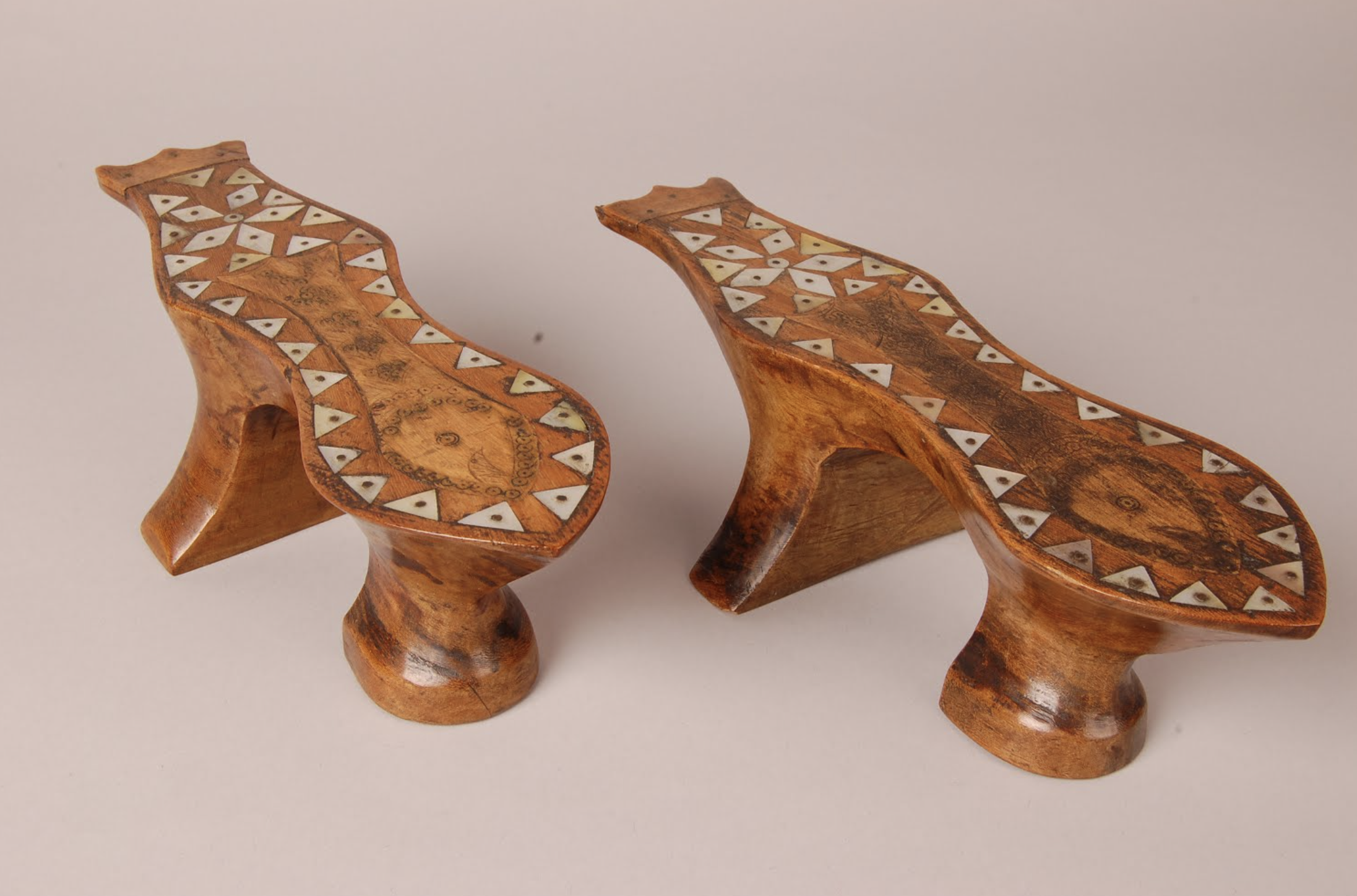
Fish clogs, Turkey, 1900-1950, Provenant de la collection : British Museum. Find these Turkish fish clogs while hunting for second hand in Istanbul?
Secondhand clothing stores are better for the environment and better for your bank balance. You’re also guaranteed to find a one-of-a-kind piece. What’s not to love? For anyone trying to avoid the flashy department stores and have a more eco-friendly shopping experience in Istanbul, Green Prophet has assembled a handy guide to the city’s top ten secondhand clothing stores, with an interactive version of the above map here or below.
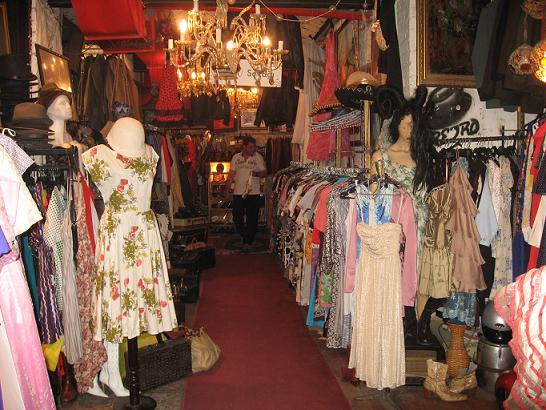
Featuring a dazzling array of vintage clothing from the past half-century, By Retro is Istanbul’s oldest and largest secondhand clothing shop. Men and women can browse a vast selection of retro fashions, from evening dresses to peacoats, vintage sunglasses to chandeliers, glittery heels to winter boots, as well as various household furniture and accessories. By Retro is located just off of Istiklal Avenue, in Suriye Passage – watch for the store’s sign and small display as you’re walking down the avenue, and you can’t miss it.
Price of a summer dress: 40 TL ($22)
2. Nahıl Bekar Sokak 17, Beyoğlu, 0212 251 9085
Originally founded as a handicrafts shop supporting Turkey’s Foundation for the Support of Women’s Work, Nahıl is also one of Istanbul’s least-known secondhand clothing treasures. With two rooms of gently used dresses, blouses, pants, skirts, shoes, jewelry, and a menswear section upstairs, all supplied by donations to the foundation, Nahıl’s prices come closest to those of Goodwill or other major secondhand chains that don’t exist in Turkey. Pick up a handmade soap, journal, or doll in the front on your way out – it all supports a very worthy cause.
One of the newest additions to Istanbul’s secondhand clothing scene, Eleni Vintage just opened four months ago in Istanbul’s bohemian Cihangir neighborhood. Despite this recent opening, owner Eleni Özgür has already amassed a very respectable selection of women’s clothing, accessories, and small furniture. Prices are a little on the higher side, but the quality of the items merits that. Especially charming is the whimsical display.
Istanbul’s priciest secondhand clothing shop by far, mozk has survived long enough to prove that demand exists for the very high-quality vintage pieces they have on offer. Arranged like the rooms in a house of extremely well-dressed ladies, the clothing displays are in magnificent wardrobes, most of which are also for sale. Other furniture and accessories (think vintage perfume bottles and costume jewelry) are also tastefully arranged on mozk’s two floors. A perfect place to splurge on a beautiful dress with a clean green conscience.
Anyone who has wandered through Cihangir before will recognize the lovely outdoor displays of myPERA, one of the neighborhood’s oldest secondhand stores. Conveniently located just next door to a used shoe-seller, this cosy little corner shop contains some real gems in its limited space. Owner and fashion designer Türkan Rodoplu is always helpful and ready with fashion tips. Equal parts vintage boutique and thrift shop, myPERA is a must-visit for any secondhand shopper in Istanbul.
Tucked underground in a building just off Galip Dede Street, the hill that winds down from Istiklal Avenue to Galata Tower, Binbavul feels like a pirate cave. Half the fun is in exploring the various clothing racks and accessory displays in the dim lighting of the shop. Vintage delights such as record players and old accordions can be purchased here, as well as more ordinary items. Although in the pricier range of Istanbul’s secondhand shops, Binbavul’s wide selection contains treasures for everyone.
Price of a summer dress: 70 TL ($39)
7. Atölye Dö Bora Serdar-ı Ekrem Sokak 8-A, Galata, Beyoğlu
Although it’s at the top of its street, the underground den of Atölye Dö Bora is hard to spot unless you know to look for its display of vintage televisions, roller skates, and clothing hanging outside. From the fun name (“Atölye Dö Bora” is Turkified French for “Atelier de Bora”, or “Bora’s Workshop”) to the quirky combination of clothes and vintage accessories and electronics inside, Atölye Dö Bora is a unique secondhand experience in Istanbul.
One of Istanbul’s favorite expatriate hangouts, Molly’s Cafe has become a Galata institution. Part cafe, part secondhand clothing and bookshop, part boutique, this inviting space just beneath Galata Tower has a mix of used items and new ones. At 5 TL ($3) each, the stacked shelves of used books are a steal – and the cafe is the perfect place to read them, or to catch some local authors and poets giving a reading.
Price of a summer dress: 30 TL ($17)
9. The Works – “Objects of Desire” Faik Paşa Caddesi 6/1, Çukurcuma, Beyoğlu, 0212 252 2527
Like an old curiosity shop, every inch of this longstanding secondhand store is covered with intriguing antique items for sale, from old photographs, movie posters, and jewelry to bird cages, vintage games, and taxidermied animals. The clothing section is a small room in the back, and while it’s not the main attraction, some interesting pieces can be found. The store’s slogan says it all: “for the slightly deranged collector seeing identifiable memories.”
Price of a summer dress: 15 TL ($8)
10. Mine’s Shop Kuloğlu Mh, Maç Sokak 3, Cihangir, Beyoğlu
This secondhand shop in Cihangir has just moved indoors from its habitual stall at a corner of two main streets in the fashionable neighborhood. It’s such a casual place that it doesn’t even have a name, but its friendly blonde owner, Mine, is always sitting outside, ready to welcome customers in and help them find some clothing to their liking. A mix of quirky vintage pieces, costumes, and used clothing in piles in the back, Mine’s shop is secondhand culture at its most local and grassroots. It’s just one more sign of how Istanbul’s used clothing industry is becoming more organized and accessible to the general public.
Scott Howard is among a growing number of people working on building projects that are not only eco-friendly, but actually help to regenerate natural systems. Once built, the Regenerative Home in Colorado will hopefully produce its own food in an entryway greenhouse and vertical garden, process all of its own waste, capture and recycle water several times and rely entirely on solar energy for its power needs.
Last week global warming’s wrath swept through the United States and hardly anybody took notice. The worst wildfires in Colorado and Utah history torched hundreds of homes and miles of forest. The Waldo Canyon fire alone, which is still only 45% contained, burned 350 houses right down to the ground. Some residents returned yesterday to find their cars turned to scraps.
Then the searing heat wave that exacerbated these fires marched on, joining forces with a furious hurricane-force wind storm that ripped through several states on the east coast. More than 3 million people are without power amid temperatures of 100 degrees Fahrenheit plus and could remain that way for a week or more. At least 17 people have died. Yet the world has been mostly silent; oil drillers drill on; new deals are signed.
Last week Canadian Natural Resources Minister Joe Oliver came to Israel and met with numerous Israeli leaders of clean-tech and environmental policy, including Uzi Landau, Israel’s Energy and Water Minister, Shalom Simhon, Israel’s Industry, Trade and Labor Minister; representatives from the solar company HelioFocus and researchers at the Technion- Israel Institute of Technology. Oliver also met with oil shale developers at Israel Energy Initiatives and Eitan Parness, head of Israel Renewable Energy Association.
Making your raw, home-grown eggs safe for mayonnaise is easy.
If you raise your own chickens and have plenty of healthy eggs, like chickens our editor Karin raises, there’s little to fear from salmonella. But for those of us bringing eggs home from the supermarket, that fear may creep into the fun of cooking.
True, chances are very low that any egg I have in the fridge is going to carry salmonella. But how many times haven’t I reluctantly skipped over delicious-looking recipes for fearing of using raw eggs?
With a little basic science and a thermometer, though, you can make raw eggs safe. Pasteurize them. Since salmonella-bearing bacteria (if any) live on egg shells, start with the freshest eggs you can find. Farmer’s markets like this one in Israel, or this one in Beirut, are a good choice.
Pasteurized eggs have cooked for just a few minutes at a high temperature, then immediately cooled. Following these instructions exactly, your eggs will still look and behave like raw eggs, but any stray bacteria is killed. Once pasteurized, the eggs should be stored in the refrigerator like any others.
It takes a certain kind of traveler to use Couchsurfing in the first place. Can you imagine high-flying Emiratis or Saudis rocking up on a stranger’s doorstep with a bag full of groceries? And then, would they be willing to give up the comfort of their elaborate villas for a couch? Now that more of us have tried the capitalist version of Couchsurfing, AirBNB, it may be possible.
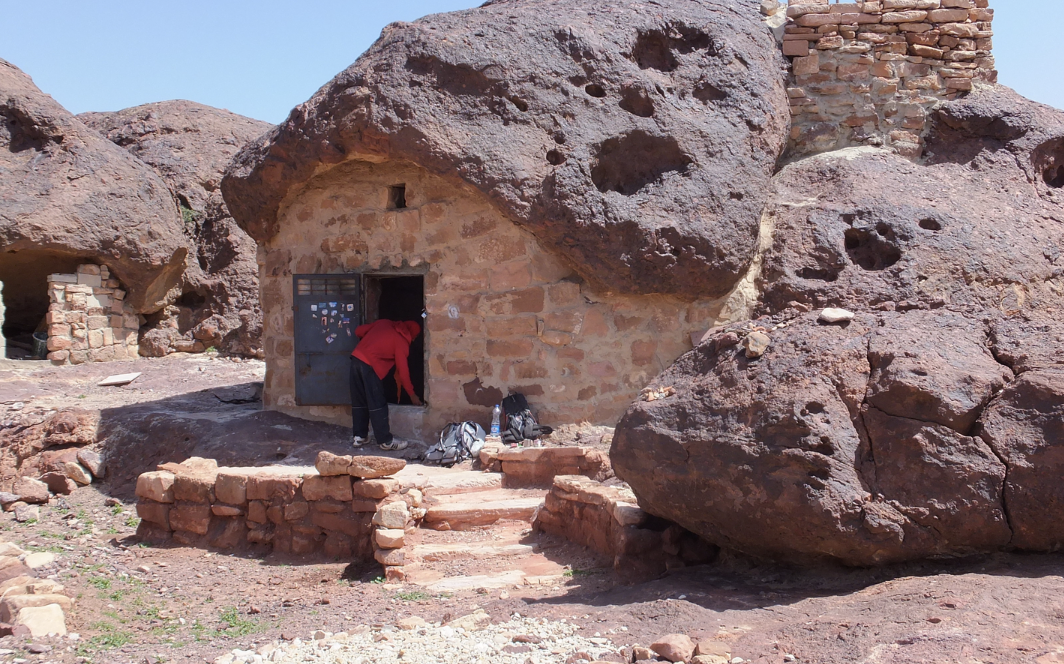
Stranger things have happened and stereotypes are for the simpleminded, but even we were surprised by CNN’s report that one of couchsurfing’s most coveted couches is a cave in Petra, Jordan.
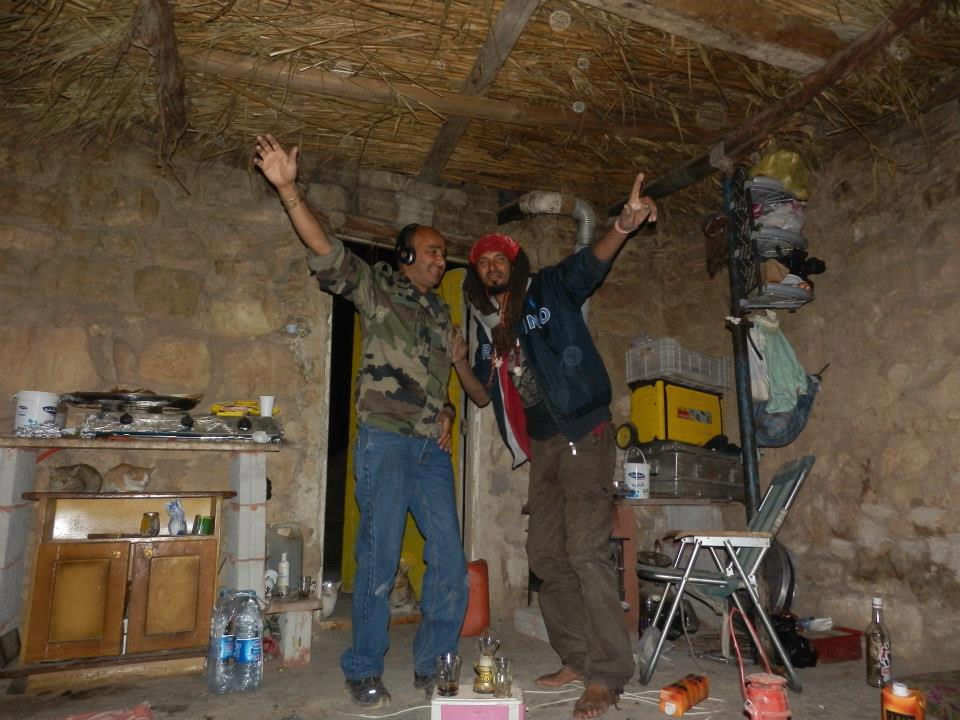
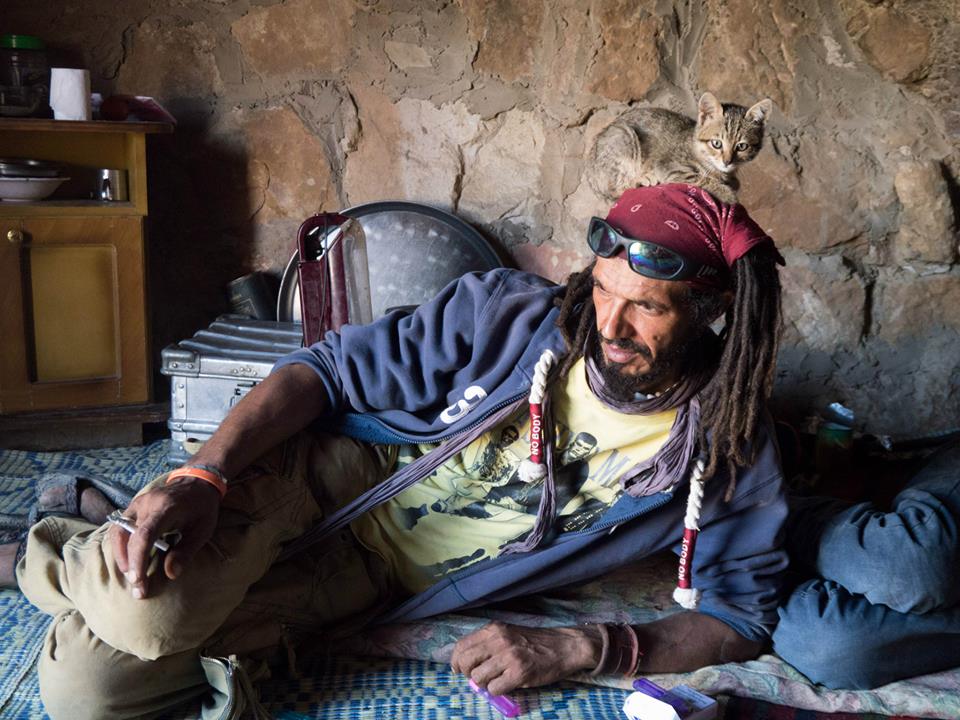
Looking more like Bob Marley than a Bedouin, Ghassab Al-Bedoul first joined CouchSurfing about four years ago. “Since I started, I think I’ve had over 1,200 people come stay at my cave,” Al-Bedoul told CNN.
“Not all from CouchSurfing, but they hear about me. It’s a pleasure to have people from all over the world to learn our culture.
“Just come and stay with us.”
“As you might know Bedouins are very kind people and if you are not sure about it just come and try by yourself,” he wrote on his profile.
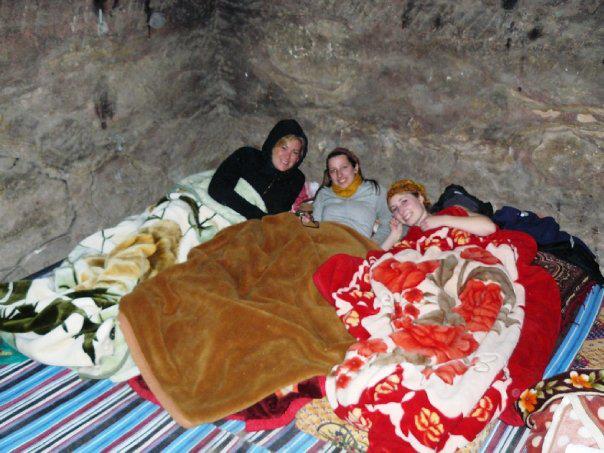
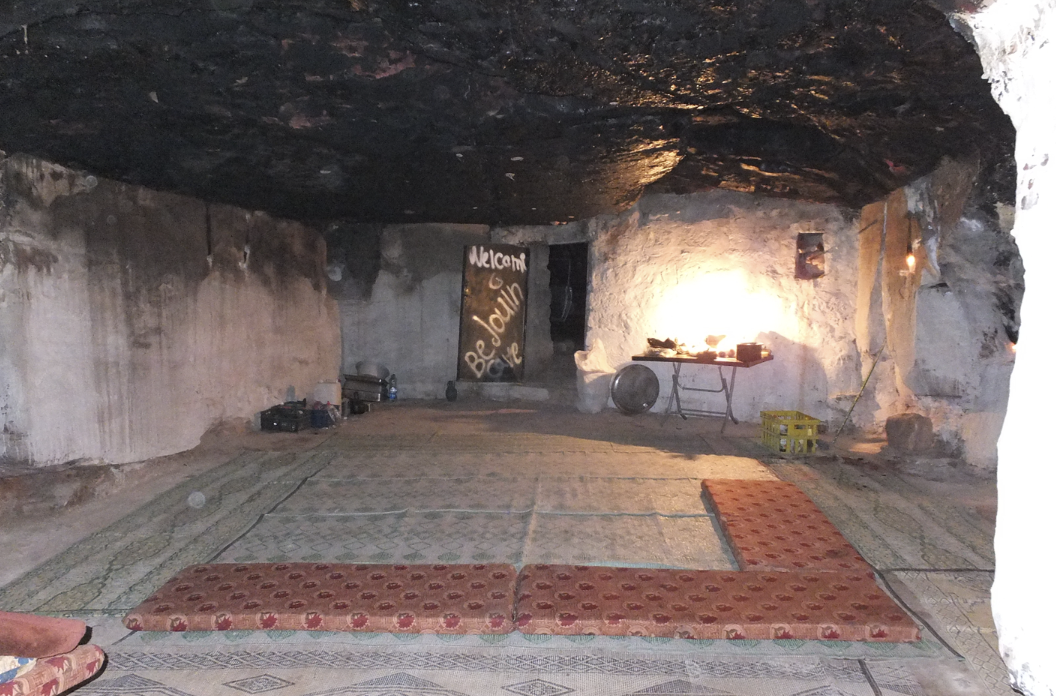
Although visitors don’t actually get a couch (they get a thin mat instead) and toilets don’t come with the package, just about everyone who has been to the cave in which Al-Bedoul was born and raised has good things to say.
“Four friends and I spent one night at Ghassab’s cave. It was one of the most memorable experiences of my life. I wish we had been able to stay for longer. I would go back in a heart beat!”
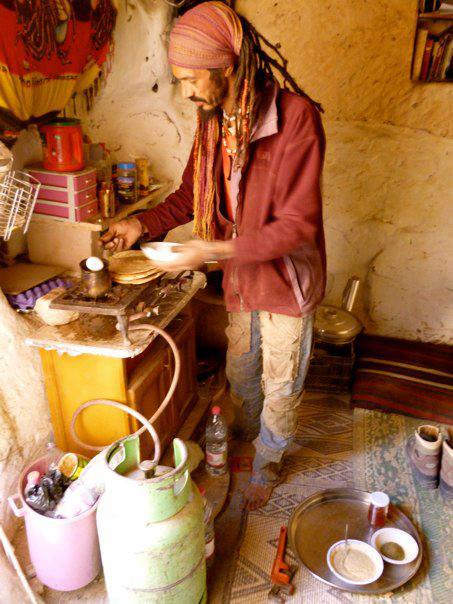
Inside the cave, 2023Looks like he’s offering us to sleep in a repurposed mound of lava
While most hosts limit guests to two or three per night, the cave carved into the historic pink walls of Petra accommodates up to 10 people and Al-Bedoul goes the extra mile by often cooking up a wonderful meal.
A man from Estonia rocked up at the cave when Al-Bedoul had to work, but that didn’t stop his family from showing the couch surfer a good time.
“We stayed with Ghassab’s family near Petra, and although he wasn’t present himself because of his work, his family showed us the best hospitality. The taste of fresh home cooked lavash is still in my mouth.”
He has no negative references.
But not all cave dwellers lease happy homes to Couchsurfers. There were plenty of complaints on the net – the site is currently not online. Do some research first if you are venturing out to stay in an underground cave. There are also Bedouin home stays in Israel.
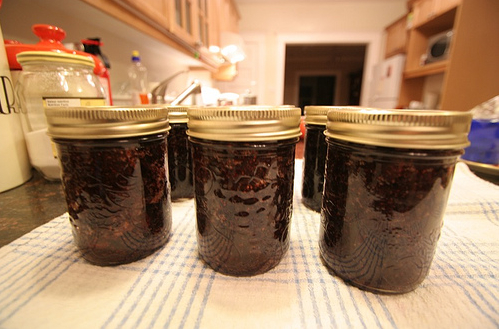
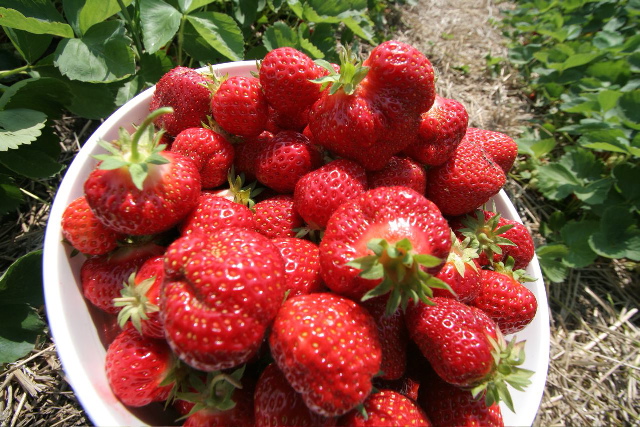
Hamutal goes strawberry picking and shows us how to can our jam like a locavore
One of the great joys of eating seasonal, local food is the unabashed, seam-bursting happiness of eating something you haven’t seen since the last harvest. It’s the kind of excitement which comes from deprivation – food is always tastier when you’re hungry, and strawberries always sweeter, juicier, strawberrier, when you’ve not had them in months.
Another result of eating seasonally – when a fruit or vegetable finally ripens, all of a sudden you are absolutely swimming in it. If you’re anything like me, the embarrassment of riches leads to unbridled enthusiasm, which leads to eyes-bigger-than-tummy syndrome, which leads to, well, just what on earth am I going to do with all this stuff?
And thus we come to strawberry jam. Once upon a time, “putting food by”, preserving a crop at the peak of its season for use throughout the year, was common practice. Cucumbers were pickled, meat was salted, and herbs were dried. We think it’s high time for a resurgence.
Pick your own organic strawberries if you can for your jamStrawberry jam, canned
Preserving’s air of mystique comes, we suspect, from the very reasonable concerns that most of us have about food safety. It seems entirely magical, and thus suspect, that the strawberries which would get mouldy in your fridge in under a week can, if boiled and put in a jar, stay safely on your shelf for months, or years. It’s the kind of alchemy we tend to feel is best left to the experts. But here’s the thing – preserving is actually incredibly easy, and incredibly safe. So long as you follow a few basic guidelines, you can have, by this time tomorrow, a shiny, glistening row of jam jars of your very own.
Homemade Strawberry Jam recipe
9 cups of washed, hulled, and lightly crushed strawberries (usually takes 7-8 quarts of berries)
6 cups sugar
1/2 cup lemon juice
Equipment
8 half-pint preserving jars, with lids and bands*, thoroughly washed with soap and water
1 extremely large pot with a fitted lid, for sterilizing the jars; the pot must be at least 3 inches taller than the jam jars you are using
1 cake or steamer rack that fits inside the extremely large pot
1 stock/soup pot, for cooking the preserves (use a big one – there will be lots of bubbling)
1 jar lifter (a plastic set of tongs for getting the jars in and out of the water)*
*available at kitchen and many hardware stores
1. Get the jam going. In the stock pot, combine the berries, sugar and lemon juice. Heat gradually until the sugar dissolves, then raise the heat and bring the berries to a boil. Continue to cook, stirring often to ensure that the bottom doesn’t scorch.
2. Skim off any foam that rises to the top of the pot. Don’t throw the foam out – it’s perfectly edible, and entirely delicious (the bubbles in the foam are caused by the rapid boiling, and contain nothing but strawberry goodness). When you’ve done with the jam-making, whiz the foam up with a bit of milk or cream in a blender, pour into popsicle molds, and freeze. These will be the best strawberry popsicles you have yet encountered.
Also, slip two small plates into the freezer – you’ll use those in a bit to test how “gelled” the jam is.
3. Meanwhile, sterilize your jars. Place the cake or steamer rack inside the extremely large pot. (From now on, we shall refer to this pot by its fancy preserving name: a hot water canner.) The purpose of the rack is to elevate the jam jars off the bottom of the pot, ensuring that water circulates all around them. Fill the pot with water almost to the top, cover, and set on high heat. When the water starts to boil, use the jar lifter to ease the canning jars into the pot. Make sure the jars fill completely, and are submerged. Once the water comes back to the boil, set a timer for 5 minutes.
When the timer goes off, put as many lids and bands into the pot as you have jars (you may need to do this all in batches), and set the timer for another five minutes. When the timer rings again – congratulations! you have successfully sterilized – use the tongs to fish the jars, lids, and bands out of the water, and place them all on clean dishtowels to drain. Keep the heat on under the canner.
4. Test the jam to see if it’s ready. By now it should have thickened a bit – it will drip slowly off a spoon that you dip into it, rather than running off rapidly like juice would. Take one of the plates out of the freezer, and plop on a small bit of jam. Return to the freezer for a minute or two. Take the plate out, and run your finger through the jam. Does it more or less stay put, retaining the trail traced by your finger? If so, you’re done! If the jam is still runny, keep cooking, and test again in a few minutes.
Canning the jam
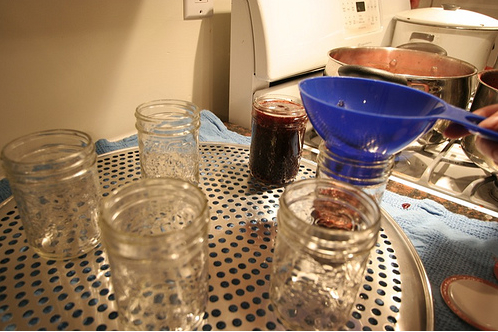
5. Can your jam. Using a ladle, and a wide-mouth funnel if you have one, carefully fill the sterilized jars with your jam. You need the jars to be quite full: fill them to within 1/4″ to 1/2″ of the very top (technical term for this: headspace). Using a dampened paper towel, wipe the rims of all the jars, to ensure that they are clean and not sticky. (Any jam on the rim will prevent the formation of a tight vacuum seal.) Place the lids on the jars, and then lightly tighten the bands around them – stop turning as soon as you feel resistance. (The bands are there to keep the lids in place, and are not actually involved in sealing the jars. If you tighten the bands too much, they will prevent air from escaping the jar, which is the process you want to encourage.)
Using the tongs, return the filled jars to the hot water canner; if necessary, top up with more water, so that the jars are covered by at least 1″. Put the lid on, and when the water comes up to the boil, set a timer for 10 minutes. When the times goes off, remove the jars from the canner, and lay on clean dishtowels to cool. (You may hear a popping sound coming from the jars – this happens when the lids suddenly depress inwards slightly at the centre, as the air is driven out and a vacuum is formed. Popping sound = good.) Leave jars undisturbed for 24 hours (moving the jars, and especially touching the lids, can disturb or break the seals on the jars while they are cooling).
6. Check for a seal. If you’ve got a good vacuum seal, your jam is shelf-stable, and can be safely stored in the cupboard for at least a year. How do you know if you have a vacuum seal? One test: press down on the centre of the lid. If it has no give, and does not bounce back when you take your finger away, it’s good. Another test: remove the lid band, and try to pick the jar up just by using your fingertips on the lid. If you can successfully lift it, the seal is good. (What do you do with jars that failed to seal? Put them in the fridge – they will last for a month.)
Congratulations! You’ve made jam! Put in on your toast, stir into a bowlful of yogurt, or dollop it over ice cream. Open it in six months, and inhale deeply. Seasonal eating won’t seem so limiting after all.
Taking the Italian invention of gelato and making it the most “local” we’ve ever seen is a new Israeli sweet treat: hummus-flavored ice-cream. Made from chickpeas, this Middle East treat isn’t just for dipping your pita anymore. Served in Jaffa, La Genda makes their frozen delicacy with chickpeas, tahini, vanilla and sugar – plus some stabilizers.
“I am a hummus freak. I always thought that one day we should make ice cream out of hummus, and after many experiments, we checked the right temperature, the right kind of grains, and achieved the perfect product,” said owner Michael Mina to an Israeli television station.
One taste tester wrote, that while it’s supposed to have some olive oil in it as well the taste is more like lemony halva, the Middle East treat made from ground sesame seeds.
Among the other flavors of the 30 to try is garlic ice-cream. Kind of reminds me of the old Funny Farm near Powassan, Ontario where I spent my summers. The precursor to Marble Slab Ice-Crea, the Funny Farm used to offer flavors including cat and dog food, and all kinds of candies that you could add and grind into the final treat. Or trick your friends with.
And while we haven’t yet found a recipe for making your own hummus ice-cream, we do have the best recipe from a hummus shop in Haifa as a starter.
Maxim’s Hummus Recipe
• 3 kilograms of “small” sized dried chickpeas
• 1 tablespoon baking soda
• 1 tablespoon baking powder
• 2 tablespoons of salt
• 2 tablespoons of lemon salt
• Half measure of tehina (Amount of tehina equals half the volume of cooked chickpeas)
• Water
• Olive oil to garnish
Take 3 kilograms of dried chickpeas and soak them overnight in cold water, along with baking soda and baking powder. The next morning clean the chickpeas in running water.
Drain the water and remove small stones. Adding cold water to cover the chickpeas and then a double amount, vigorously boil the chickpeas in a large pot. After reaching boiling point, turn down heat, and simmer for 3 hours with a lid, until the chickpeas are soft.
When done, strain the chickpeas, and set aside until cold. When cold, put into a food processor, adding raw tehina – about half the volume of the cooked chickpeas.
Add in salt, lemon salt, and enough tablespoons of cold water to achieve a thick, but smooth consistency. Spread the hummous on a plate, and garnish with olive oil, lemon and parsley because that’s how it is done. Eat with a pita, and a chunk of fresh onion and a hard-boiled egg if you want to put hair on your chest. With ful (fava beans) if you want to look like a local.
Now see how that all blends in with cream and sugar and let us know. You can start with this base a recipe for ice cream.
A relief to the environment as Israel allots money to upgrade poorly services sewers in Arab towns.
Last Wednesday, Israeli Energy and Water Resources Minister Uzi Landau announced the government is allocating NIS 355 million to improve the sewerage systems in Arab neighborhoods across Israel. In recent years, the neglected and dilapidated sewer infrastructures in several Arab towns have collapsed, polluting nearby streams and nature reserves, including Nahal Kziv and Nahal Beit Hakerem in the Galilee.
The environmental group Zalul appeared last Wednesday before the Knesset Interior (the Israeli parliament) and Environment Committee to propose the creation of a fund to support the repair of sewage problems in poor cities not serviced by major water or sewage corporations, mainly Arab villages. Zalul warned that the NIS 335 million (about $85 million) would be spent in vain without plans and funds to maintain these systems.
The group estimates that because small cities can’t afford to keep up expensive sewage systems, around 20 percent of their wastewater ends up in local streams – a reason why the Jordan River is nearly dead.
A useful new resource for eco-writers in the Middle East, now online.
Eco-English vocabulary is hard enough to work with. And for the narrow niche of writers working with Arabic, English, and ecological issues, the search for that appropriate word can get frustrating.
But relief is in sight. Researcher Moshe Terdamana has published the dictionary that fits this dilemma on Green Compass Research.
Not only for writers, but for students and anyone seriously following ecological developments (or disasters) in the Middle East, as in this post about about the Sinai’s ecological future, this new online dictionary is going to prove a treasure.
Okay, so maybe you won’t get a free lunch, but if you become part of a small but growing number of people who are members of Cairo’s Freecycle Network, you could get a toaster, a couch, cutlery, or even lightly-used clothes – for free. Really, the sky’s the limit, and it doesn’t cost a single piastre to join.
Are you leaving Egypt and looking to give the belongings you’ve accumulated a new home? Post it on the shiny new Freecycle Cairo Facebook page, save a newcomer piles of cash, and spare Egypt’s deeply distressed environment. And if you don’t think this small gesture counts, consider this: the international Freecycle community diverts 500 tons of trash from global landfills every day.
Freecycle Cairo – the beginning
Norwegian graduate student Maikki Fonneløp started the Freecycle Cairo Facebook page on June 28, 2012.
“Dearest future users,” she wrote on the newly-minted wall. “When I decided to donate all my houseware items to other expats in Cairo, I received emails from people telling me how great it was that I started a freecycle. That wasn’t my intention, I just wanted to offer my short-term used items to people who were in need for them, to help decrease the massive consumerism and over-production our planet can’t afford.”
“I wish someone had started this when I moved to Cairo,” Maikki added. “So here it is, the page for you all to share your used items! We have a similar page in Oslo, Norway, where people successfully trade their stuff. This is their little sister in Cairo.”
What is the Freecycled community? On May 1st, 2003, Deron Beal sent out a message to about 30 friends and family, as well as a handful of non-profit organizations in Tucson, Arizona, announcing that he had started The Freecycle Network. After trying to secure goods for underprivileged members of the community as part of his work for the non-profit organization RISE, he decided to streamline the system.
And it worked. Not only that, but the initiative has spread to 85 countries with a total of 5,046 groups and 8,943,789 members! If one were to make a pile of “stuff” diverted that is from global landfills through this system in one year, it would be five times higher than the world’s highest mountain – Mt. Everest at 29,035 ft.
Free stuff is cool and the Moneyless Man
The Freecycle Network was registered in the United States a 501(c)3 in November,2006, and the official Cairo group started in September, 2005. Of the 84.5 million or so people living in Egypt, only 367 are members. But that could change if the group’s Facebook presence gains ground. In one day, 51 people have already “Liked” the page.
Getting free stuff is cool, and don’t think it’s only junk. Mark Boyle (a.k.a. The Moneyless Man) who has survived without money for more than two years lives in a caravan that he obtained through his local Freecycle community in the U.K. In addition to promoting community engagement and generosity, freecycling is a very effective waste management tool.
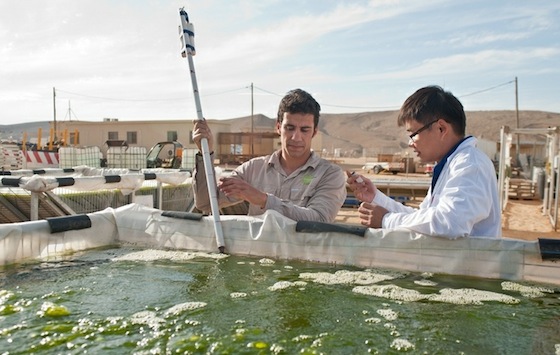
GreenFuel, a US algae-to-biofuel business founded by Israeli Isaac Berzin more than 10 years ago, most likely failed because it was a bit ahead of the zeitgeist. Hoping to reach the market when the product and timing is right, the young Israeli company Univerve plans to turn algae — the green slimy microorganisms you skim from ponds and pools — into the perfect third-generation biofuel. As of 2023 the company’s website was down. But we are leaving the story up so future entrepreneurs and investors can learn from the process.
Ohad Zuckerman, CEO of the 10-person company based in Tel Aviv, thinks he and his team have the right stuff to make it happen. With a 20-year background in seed breeding, Zuckerman is leading his team in developing a new biofuel from a fatty super-strain of algae that grows robustly in a broad range of temperatures.
As Berzin and the Israeli company Seambiotics know, algae is a good source of biofuel that does not compete with crops for food as does biofuel made from potatoes, sugarcane or corn. Second-generation biofuels are better, because they are made from materials that are typically not edible, such as wood, castor plants or jatropha. However, these feedstocks still require arable land and fresh water, meaning that they could never be cultivated in a high enough supply to meet the world’s demands. Algae have a higher yield per acre over time without taking up precious farmland.
“I knew about first-generation biofuels at my seed business, but when I met my partner in March 2008, he told me about second- and third-generation [biofuels] and that algae might be a very good solution,” Zuckerman tells ISRAEL21c. “We founded the company in 2009 because we believe this could be a good way to change the geopolitical arena, and also for environmental reasons.”
He points out that biofuels are good alternatives to fossil fuels for the short and long term. “You don’t have to make modifications to the engines of cars, ships or airplanes. They are really a carbon-neutral solution [because they consume carbon dioxide to grow and produce it when burned], and we looked to microalgae because they do not compete with food.”
Breeding the right algae is the key
Now the trick is to get to a good biofuel, and this is where Zuckerman’s seed-breeding background comes in handy.
“You can’t just throw seeds to the ground to get a good crop,” he tells ISRAEL21c.
Since 1978, the United States Department of Energy (DOE) has been looking into microalgae-based fuels created in both artificial and natural environments, and the topic was discussed in the ivory towers there two decades earlier. When the DOE’s Aquatic Species Program ended in 1996 without finding a cost-effective solution, researchers and industrialists took up the challenge to turn algae into a viable alternative fuel for the future.
Linked to Ben-Gurion University of the Negev and the Weizmann Institute of Science in Rehovot — and with a Tel Aviv University business dean on the board — Univerve is working to improve the strains of algae it cultivates and also to refine a growth system.
The final step, extracting the oil, would be done in partnership with a third party from the United States.
Oiling the wheels for big algae business
Zuckerman won’t be creating genetically modified transgenic crops. He uses traditional plant-breeding techniques to get a hardy strain of algae that can provide the most efficient feedstock. The company will also focus on cultivation and harvesting methodologies.
Univerve has been self-financed till now, but based on current milestones the company is looking for a $5 million investment to continue development of the project and to start the process on leased land with appropriate access to water. The first commercial plant is expected to be built in Israel, where the climate is right.
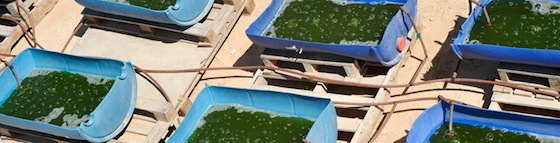
The algae strains that Univerve grows use saline or brackish water rather than freshwater reserves — perfect for a desert with brackish underground reservoirs.
“We assume we will be able to be commercializing by 2014, but we still need to finish development, optimize production, scale up and make processes automated,” says Zuckerman.
Unlike other algae growers that make a range of products from their plants, such as vitamins, Univerve’s focus only on oils is risky from a business perspective. But that’s a risk that clean-tech entrepreneur Zuckerman is willing to take.
The Univerve pilot plant can be seen in action at the Rotem Industrial Park near Dimona, Israel.
Petra’s pink city was built by water smart Nabateans.
Ancient Jewish prayers still recited today include special mention of dew in the summer and rain in the winter. Survival of Israelites back then, and of the Israelis in modern times, rests largely on how much water is available for agriculture. While Israel has answers to drought such as desalinating water, researchers in Israel’s Negev Desert look for more sustainable solutions that have been in use on the land since time immemorial.
Gulf states urge citizens not to visit Lebanon, cancelations abound
Despite appeals from Lebanese leaders, Gulf states are advising their citizens not to travel to Lebanon and those already there to leave, thus boding ill for this summer’s tourism industry. Beirut, once known as the Riviera of the Levant, has thrived through turmoil as a place where visitors from the oil-rich states like to spend their summers and a few billion dollars on everything from renting luxurious apartments on the waterfront, to fancy cars, restaurants, clubs and hotels.
But current political turmoil and security developments in Lebanon have forced many Gulf Arabs to cancel their summer bookings or put them off until the situation in the country stabilizes.

 No more bottled water, no more Brita? Virgin’s Sir Richard Branson and Strauss Group’s Ofra Strauss pose with Virgin Pure, a new dispenser now in the UK