Home Blog Page 42

The Eco Benefits of Radcom: Pioneering a Greener Future in Telecommunications

Self driving cars need a solid 5G network. Radcom is driving the future forward

As the world moves toward a more connected future, and self-driving cars, the transition from 4G to 5G standalone (SA) networks is inevitable and essential. This evolution is not just about faster speeds and lower latency—it also brings significant environmental benefits.

Radcom (NASDAQ: RDCM), a leading provider of assurance services for communication service providers (CSPs), is at the forefront of this transformation. Their innovative solutions help phone companies migrate their networks to the cloud, reducing hardware reliance, cutting operational and capital expenses, and significantly decreasing environmental impact.

Reducing Hardware and Cutting Costs

Traditionally, cellular networks required extensive physical infrastructure, including thousands of base stations, cables, and on-site testing equipment. Radcom’s cloud-native technology changes the game by enabling CSPs to move network assurance and testing to a software-driven approach. This transition leads to a dramatic reduction in hardware, lowering the physical footprint of telecommunications infrastructure.

As a result:

Operating costs drop by 30%

Capital costs are reduced by 40%

These savings are not just financial—they also contribute to environmental sustainability. Less hardware means fewer resources are used in manufacturing, transportation, and maintenance, leading to a smaller carbon footprint for telecom providers.

Eliminating Field Service Calls and Reducing Energy Consumption

Before Radcom’s advanced assurance technology, CSPs relied heavily on field service teams to physically inspect and test networks. This process involved fuel-intensive travel, contributing to emissions and increased labor costs. With Radcom’s automated, software-driven network monitoring, real-time testing is continuously conducted without human intervention.

Michael Cooper, CEO of My Say On Pay, and an investor in Radcom, highlights this crucial shift: “No more field service guys going out to physically test the network. The network is constantly tested via software. Major reductions in service calls as Radcom helps to automatically heal the network.”

This automated approach not only reduces energy consumption but also enhances network reliability by proactively identifying and resolving issues before they affect customers.

Powering Industry 4.0 and Reducing Pollution

The migration to 5G SA is a crucial step in enabling Industry 4.0—the next wave of technological evolution. Radcom’s technology is helping pave the way for innovations such as:

  • Self-driving cars that reduce traffic congestion and carbon emissions.
  • Fully automated factories that can be remotely controlled by employees working from home, eliminating unnecessary commuting and reducing energy waste.
  • Smart cities that optimize energy use, lower pollution levels, and improve overall efficiency.

Cooper further emphasizes the transformative impact of Radcom’s role in Industry 4.0: “But the real upside is how the successful migration to 5G SA will unleash Industry 4.0—that includes self-driving cars, factories of the future that will be fully automated and remotely controlled by employees working from home. All of these outcomes reduce physical and human effort and therefore pollution.”

By facilitating these advancements, Radcom is not only supporting CSPs but also enabling a more sustainable future where human effort and environmental strain are minimized, he stresses.

Currently, only 60 out of 1,000 CSPs have deployed a 5G SA network. This means that there is enormous potential for Radcom to grow by helping mid-tier CSPs transition to 5G. The company is also working on a next-gen networking data plane analytics solution powered by Nvidia BlueField-3 DPU, further strengthening its position in the market, says Cooper.

Founded in 1991, Radcom has been a leader in network intelligence and assurance solutions for over three decades. The company has won multiple awards for its pioneering contributions to the telecom industry and has built strong relationships with major players such as AT&T, Dish, and Rakuten. With a workforce dedicated to pushing technological boundaries, Radcom is well-positioned to drive the future of 5G and beyond.

As the global demand for faster, more reliable, and environmentally friendly communication networks grows, Radcom’s solutions will play a crucial role in shaping a cleaner and more efficient digital future.

More sustainable investment commentary:

How to build a 100 year old company

The top 10 pay packages for American CEOs

How excess CEO pay affects us all 


A Sustainable Path to Rebuilding Gaza: Opportunity for Collaboration and Peace

A solar cooker on a roof in Gaza
A man in Gaza cooks food on his roof using a solar cooker, powered by the sun

As discussions about Gaza’s future unfold, one thing is clear: rebuilding must be done sustainably and inclusively. The sheer scale of destruction presents both a challenge and an opportunity—one that demands a forward-thinking approach rather than short-term, profit-driven solutions.

A logical starting point for reconstruction is utilizing the vast amount of rubble already present. Recycling this debris into new building materials is not just an environmentally responsible choice but also an efficient and cost-effective solution. Infrastructure companies specializing in sustainable urban development should be incentivized to establish operations in Gaza, creating jobs and stimulating local economic growth. This approach would ensure that rebuilding is not only rapid but also resilient, reducing dependency on costly imports.

Masdar Incubator Building, Foster & Partners, clean tech, free economic zone, green design, Masdar City, Abu Dhabi
Masdar is a sustainable city in the UAE. The problem is no one wants to live there

U.S. President Donald Trump has called attention to Gaza’s potential as valuable real estate, given its prime coastal location. However, a luxury-driven redevelopment strategy risks exacerbating inequality rather than fostering long-term stability. If rebuilding efforts focus solely on high-end properties, ordinary Gazans—who have already suffered immense losses—could find themselves permanently displaced.

A more sustainable approach would prioritize mixed-income housing, ensuring that new developments are accessible to a broad range of residents. Investment in public infrastructure, schools, and renewable energy sources would help create a thriving, self-sustaining community rather than an exclusive enclave for the wealthy.

Hempconcrete is a sustainable building material which is fire-proof and which has great thermal insulation

Rebuilding Gaza cannot happen in a political vacuum. Any reconstruction plan must align with agreements between Israel and whatever governing body takes control after Hamas. Israel has made it clear that it will not accept a Hamas-led Gaza, and the formation of a new leadership structure will be a decisive factor in how reconstruction proceeds.

Related: Trump could use these sustainable technologies to rebuild Gaza

This governing body must play an integral role in urban planning, ensuring that development aligns with the needs of Gaza’s residents rather than external interests. International collaboration—including partnerships between governments, NGOs, and sustainability experts—will be key to ensuring a stable and inclusive future.

Given the likelihood of a buffer zone along Gaza’s border, an innovative approach could be to transform this space into a greenbelt. Many cities worldwide have successfully implemented green zones that serve as ecological buffers while also benefiting urban populations. A well-planned greenbelt could provide environmental benefits, support agriculture, and even serve as a shared space between Gazans and Israelis—turning a divisive border into an area of mutual sustainability.

About the author:

Batel Spivack
Batel Spivack

Batel Spivack completed her MA in Environmental Studies with a focus on urban sustainability at Tel Aviv University’s Porter School and has a BA in Political Science from Stern College Yeshiva University. She has been living in Israel for over 20 years and grew up in the USA.

Batel works for the Jerusalem Green Fund where she directs a center for sustainability for the Ultra-Orthodox community, coordinates the Sustainable Jerusalem Lobby which aims to set a sustainable agenda for the city while being heavily involved in urban development on a grassroots level with residents from all sectors.

PG&E’s $15 Billion Deal Could Mean Higher Energy Costs and More Blackouts for Californians

Ivanpah, CSP plant
Is Ivanpah shutting down because of an underhanded deal before Biden left office?

A little-known $15 billion deal between PG&E and the Department of Energy is raising concerns for California residents. The agreement, which will expand hydropower, also includes shutting down the Ivanpah solar plant, which has been providing energy to 140,000 homes.

Without this reliable source of clean energy, California’s already overburdened power grid will struggle, leading to higher energy costs and more frequent blackouts. Critics argue that while PG&E benefits financially, everyday Californians will be left paying the price with increased bills and an even less reliable power system.

Questions are also being raised about possible conflicts of interest with key players in the deal, making it even more controversial. We spoke with one of the main investors of the $2.2 billion Ivanpah plant to learn more.

___

In the final days of the Biden administration, a major energy deal quietly unfolded that could have long-lasting consequences for California’s power grid and taxpayers. A $15 billion loan guarantee from the Department of Energy (DOE) to Pacific Gas & Electric (PG&E) for hydropower expansion has raised concerns about energy reliability, cost, and who ultimately pays the price. This deal, which has been largely unreported, suggests that the Biden administration orchestrated a backroom agreement that benefits PG&E while undermining California’s already fragile grid.

The heart of the issue lies in PG&E’s agreement to buy out Ivanpah’s power purchase agreement (PPA), which will result in the shutdown of the Ivanpah solar plant, a major renewable energy facility. With Ivanpah’s closure, the 140,000 homes it powers will have to rely on the already overburdened grid, especially during peak demand hours. This will further strain the grid at times when energy consumption is highest, leading to more frequent blackouts and an even less reliable power system for California.

Related: what we can learn from Ivanpah’s failure

What’s more concerning is that the energy PG&E will lose from Ivanpah, which can be one of the most affordable sources of power during peak demand, will need to be replaced by energy purchased from the market. However, PG&E’s market purchases are expected to come at a significantly higher cost. These increased costs are likely to be passed on to ratepayers, ultimately negating any supposed savings from the deal and potentially causing long-term rate increases for California consumers. The decision to shut down Ivanpah not only jeopardizes energy reliability but also threatens to undermine the state’s clean energy transition.

A vast field of solar mirrors, at the Ivanpah solar energy facility, reflecting sunlight toward tall central towers, against a desert landscape
Ivanpah solar energy panels

A better alternative would have been for the DOE to restructure Ivanpah’s loan, allowing the facility to remain operational while investing in energy storage technologies to help meet peak demand. “Ivanpah  produces power for 140,000 homes, and has been a reliable source of energy for California residents for over a decade,” said Neal Lee, Vice President of CMB, one of the lead investors in the Ivanpah project to Green Prophet.

Related: Why the Collapse of a $2.2 Billion Solar Dream Threatens the Future of Renewable Energy

“We applaud the Trump Administration’s efforts to unleash the full power of American energy, and rectify the bad deals the previous administration struck that will take energy off the grid. We look forward to working with Secretary Wright to help implement his all-of-the-above energy strategy, and are excited to continue our work with the Department to find more ways to provide affordable, reliable energy during high-demand hours.

“Continued innovation in this plant will expand its capacity and its lifespan, and ensure it powers homes in a state that needs it long into the future,” he added.

Adding to the complexity of this story is the recent hiring of former Energy Secretary Jennifer Granholm to the board of Southern California Edison (SCE), which receives energy from the Ivanpah plant, says an undisclosed source close to the deal.

“We’re thrilled she is joining our boards, and we look forward to the guidance she will provide based on her understanding of the technical, political and economic forces shaping our industry today.” said Pedro J. Pizarro, president and CEO of Edison International, in a statement.

This move raises questions about possible conflicts of interest, given Granholm’s involvement in shaping energy policy during her tenure as Secretary, alludes an advisor working with Lee. “Her new role with SCE has prompted concerns that her influence may have played a role in orchestrating deals like the one between PG&E and the DOE, potentially prioritizing the interests of private energy companies over those of California’s residents,” the source says.

At the heart of this issue is the fact that, while PG&E stands to benefit from the loan guarantee and the Ivanpah deal, it is California’s taxpayers and residents who are left to bear the costs. The shutdown of Ivanpah will weaken the state’s energy infrastructure, could increase the likelihood of blackouts, and may ultimately raise electricity prices. PG&E is under no obligation to replace Ivanpah’s energy at a cost-effective rate, meaning ratepayers are likely to feel the financial strain for years to come. The deal appears to be a short-term gain for PG&E, but at the expense of long-term energy reliability and affordability for California residents, says our source.

__

CMB holds the equity position in Solar Partners that was originally owned by BrightSource (now Kelvin Energy). Solar Partners is a larger group that includes NRG, Google, and Kelvin, all of which own and operate the Ivanpah power plant. CMB is also one of the primary investors in Kelvin Energy, which holds a 13% stake in Solar Partners. In short, CMB is involved both in owning part of the Ivanpah power plant through Solar Partners and as a major investor in Kelvin Energy.

Plastic collected in bird nests is tiny time capsule

Urban ecologist Auke-Florian Hiemstra sorts through trash found inside a coot’s nest.Hielco Kuipers
Urban ecologist Auke-Florian Hiemstra sorts through trash found inside a coot’s nest. Hielco Kuipers

Birds are urban foragers in the most complete sense. I once found a nest in my backyard with a piece of dark blue wool I had been using to knit a scarf for a loved one. That made my heart warm. But when the winds blow in the spring, the old birds nests in my city come loose and I find all manners of plastic bits in their nests from construction sites to wrappers from food. That makes my heart sad. Especially with so much plastics being found in the human body.

Auke-Florian Hiemstra, a scientist from Holland, is looking into the nest of urban birds and is finding the most unusual wrappers, some going back decades in time. He’s like an urban archeologist, understanding how birds construct their nests and reuse materials year after year. One nest, from a Eurasian coot (Fulica atra), was retrieved from an Amsterdam canal with layers going back 30 years in time: the outer layers contained several face masks from the pandemic, while the base held a Mars bar wrapper promoting the 1994 FIFA World Cup.

The discovery sheds light on the growing interaction between urban wildlife and human-made materials, a trend that has intensified in recent decades. Birds, particularly in cities, are increasingly incorporating plastic and other human debris into their nests. He has even found bird nests made from anti-bird spikes. “Even for me as a nest researcher, these are the craziest bird nests I’ve ever seen. Today my paper came out on this rebellious behaviour. And it’s like telling a joke…”

Bird nests made from anti-bird spikes! ? Even for me as a nest researcher, these are the craziest bird nests I've ever seen. Today my paper came out on this rebellious behaviour. And it's like telling a joke... Bird nests made from anti-bird spikes! ? Even for me as a nest researcher, these are the craziest bird nests I've ever seen. Today my paper came out on this rebellious behaviour. And it's like telling a joke...

Typically, coots build new nests each year, but in urban areas, “reusing the foundation of older plastic nests may save time, giving the birds more opportunities to forage or defend their territory,” says Hiemstra. However, he adds, “These face masks — part of our pandemic layer — pose a serious hazard for coots, especially with their large, dinosaur-like feet.”

Auke-Florian Hiemstra

This can offer practical benefits, such as reusing the structural components of old nests, which can save valuable time and energy. Yet, these materials also come with risks. While the plastic may be convenient, it is not biodegradable and poses a long-term hazard to the birds.

Bird nests and food wrappers help date the nests

The face masks found in the nest are particularly concerning, as they can entangle or restrict the movement of the coots, especially given their large, heavy feet. This poses a significant danger, as entanglement can affect the birds’ ability to forage for food or escape from predators.

Furthermore, the accumulation of plastic in natural habitats is a growing environmental issue, with animals unknowingly ingesting or getting trapped in discarded plastic materials. Trump brings back the plastic straw is a win for some, a loss for wildlife.

The researchers are calling for more awareness of this issue, urging urban planners and environmentalists to consider the impact of waste on local wildlife. As human society produces ever more plastic waste, it is essential to find ways to mitigate its effects on the ecosystems that share our cities.

Hiemstra hopes that this study on birds nests will encourage more research into how wildlife adapts to urban environments and the materials they encounter there, while also highlighting the need for better waste management and conservation efforts.

Hiemstra, together with his girlfriend Liselotte Rambonnet and a team of volunteers, takes to the city’s canals every week to rid them of plastic waste. He has also written a children’s book about animals in the city.

Your Sweat is Unlocking Toxins in Plastic—Here’s Why Natural Fibers Matter

0
Yoga pants and microplastics

A recent scientific study has found that some people have up to a crayon’s worth of plastic in their brains. How is it getting there? A 2023 study revealed that human sweat can extract toxic chemicals from microplastics, potentially making them available for absorption through the skin. This discovery raises serious concerns about the synthetic materials we wear every day like yoga pants and synthetic underwear.

Researchers at the University of Birmingham tested common plastic microfibers in a lab using synthetic sweat. Their findings, published in Environmental Science and Technology, showed that brominated flame retardants—chemicals commonly used to enhance plastic performance—leached out of the microplastics upon contact with sweat. These chemicals, previously linked to neurotoxicity, reproductive harm, and cancer in animal studies, could now pose direct risks to human health.

Polyethylene microplastics were found to release the highest levels of these toxic additives. Alarmingly, our skin is in constant contact with microplastics—not only from clothing but also from dust, plastic aligners for our teeth, cosmetics, and even the air we breathe.

Related: a new study says some of us have a crayon worth of plastics in our brain

Dr. Mohamed Abdallah, a lead researcher on the study, emphasized that human sweat contains oily components that accelerate the leaching process, making these chemicals more readily available for skin absorption. With microplastics already widespread in our environment, the clothing we choose matters more than ever.

“Because toxic flame-retardant chemicals are hydrophobic, it wasn’t clear if they would leach out of the microplastic to human sweat. However, human sweat is a complex mixture that contains oily components known as sebum, which facilitated the leaching of toxic chemicals from microplastics, rendering them available for absorption through the skin.

“With this new evidence, policy makers need to seriously consider the risks of microplastics and human contact with them on a regular basis. We will be continuing to research how these chemicals that can be leached through contact with sweat may be absorbed by human skin on a daily basis.”

Fast Fashion’s Hidden Risk

soft babaa sweater
Sweaters by Babaa use real, natural wool for a sweater than won’t shed microplastics to the environment or your body. We own this sweater and wear it all the time. 

Synthetic clothing, often made from polyester, nylon, and acrylic, sheds microplastics with every wash and wear. Now, evidence suggests that these plastic fibers could be releasing harmful chemicals directly onto our skin—especially when we sweat.

The study also found that antiperspirants and foundation increased the bioaccessibility of certain toxic chemicals, making it even easier for them to enter the body. Smaller microplastic particles (0.45mm) doubled the rate at which these chemicals leached out compared to larger particles (4mm), suggesting that prolonged exposure to plastic-based fabrics could worsen the risks.

Related: plastics in your teabags

Natural fibers like organic cotton for clothing and bedding, hemp, and wood-based fabrics such as Tencel and modal offer a safer, breathable alternative to synthetic materials. These fabrics don’t shed microplastics, don’t contain toxic flame retardants, and allow your skin to breathe without the risk of chemical exposure.

As evidence grows about the dangers of microplastic exposure, it’s time to rethink the fabrics we wear daily. Choosing natural fibers isn’t just an eco-friendly decision—it’s a choice for better health.

Love our findings? We have a whole series of microplastics risks, worries and solutions here

Microplastics have invaded our brains

0
Microplastics in plastic aligners
Microplastics and orthodontic plastic aligners. Is there a health risk of keeping plastic in your months for weeks, months and years?

The findings should trigger alarm, says lead doctor in new study

At Green Prophet, we’ve been sounding the alarm on microplastics for over a decade. From plastic toothbrushes to disposable water bottles and even the invisible fragments shed by plastic teeth aligners, these tiny pollutants are everywhere—and they’re making their way into the most vital parts of our bodies, including our brains.

Matthew Campen
Matthew Campen

Plastics have infiltrated the planet’s most remote places, from the depths of the Mariana Trench to fresh Antarctic snow. They are in the dust of the Mojave Desert. Now, scientists are uncovering just how deeply they’ve infiltrated us. Research has revealed microplastics in human lungs, kidneys, and even the bloodstream.

But one of the most concerning discoveries yet? The presence of microplastics in the human brain and in some people if you put it together, it’s about the size of a crayon.

A recent study in Nature by toxicologist Matthew Campen at the University of New Mexico found that human brain tissue contains significant amounts of microplastics. By dissolving brain tissue samples, Campen’s team was able to isolate up to 10 grams of microplastics per brain—about the weight of a crayon. These findings highlight a grim reality: the plastics we ingest, inhale, and absorb from everyday products don’t just pass through our bodies; they accumulate in our organs, including the brain.

“I never would have imagined it was this high. I certainly don’t feel comfortable with this much plastic in my brain, and I don’t need to wait around 30 more years to find out what happens if the concentrations quadruple,” he says.

Scientists are racing to determine what microplastics do once they reach the brain. Early research suggests they may contribute to neuro-inflammation, cell death, and disruptions in brain function. Some studies even point to potential links between microplastics and neurological disorders like Alzheimer’s disease and dementia, though more research is needed to confirm these risks.

Made a brain goo and pulled plastic from the slurry

The researchers chemically dissolved the brain tissue, creating a kind of slurry, then ran it through a centrifuge, which spun out a small pellet containing undissolved plastic. The pellet was then heated to 600 degrees Celsius, a process known as pyrolysis. The researchers captured gas emissions as the plastics burned. Ions derived from the combusted polymers were separated chromatographically and identified with a mass spectrometer.

A crayon worth of plastic in your brain

The technique detected and quantified 12 different polymers, the most common of which was polyethylene, which is widely used for packaging and containers, including bottles and cups.

“Dose makes the poison,” says Campen, adding that the new results should give rise to alarm about a global threat to human health. He acknowledges it can be hard to motivate consumers, who often shrug when warned about environmental contaminants that tend to be measured in parts per billion.

But the new findings might finally get their attention, he said. “I have yet to encounter a single human being who says, ‘There’s a bunch of plastic in my brain and I’m totally cool with that.’”

The team also used transmission electron microscopy to visually examine the same tissue samples that had high polymer concentrations – and found clusters of sharp plastic shards measuring 200 nanometers or less – not much larger than viruses. These are small enough to cross the blood-brain barrier, although Campen says it is unclear how the particles are actually being transported into the brain.

Are heart stents, fake breasts and artificial joints adding to the problem?

It is also unclear what effects plastic, which is considered to be biologically inert and used in medical applications like heart stents and artificial joints, might be having, he said. The physical characteristics of these particles may be the real problem, as opposed to some sort of chemical toxicity.

“We start thinking that maybe these plastics obstruct blood flow in capillaries,” Campen said. “There’s the potential that these nanomaterials interfere with the connections between axons in the brain. They could also be a seed for aggregation of proteins involved in dementia. We just don’t know.”

He suspects that most of the microplastics in the body are ingested through food – particularly meat, because commercial meat production tends to concentrate plastics in the food chain. A great deal of plastic is used in drip irrigation, and in hydroponics, furthering the sustainability question of this kind of “futuristic” food production. Netafim started developing compostable drip pipes a decade ago but jumps in innovation in this area have not been reported.

“The way we irrigate fields with plastic-contaminated water, we postulate that the plastics build up there,” Campen said. “We feed those crops to our livestock. We take the manure and put it back on the field, so there may be a sort of feed-forward biomagnification.”

The team has found high concentrations of plastic in meat bought at grocery stores, he added.

Where Are These Microplastics Coming From?

The plastic in your daily routine could be a major culprit. Here are some common sources:

  • Plastic Teeth Aligners: Popular alternatives to metal braces, these aligners constantly shed microscopic plastic fragments as they wear down in the mouth.
  • Toothbrushes: Most toothbrushes are made of plastic, and over time, bristles and handles break down into microplastics that can be ingested or washed into water systems.
  • Water Bottles: Single-use and even reusable plastic bottles leach microplastics into the water you drink, particularly when exposed to heat.
  • Food Packaging: Many processed foods come in plastic packaging that releases microplastics into food, especially when heated.
  • Air Pollution: Microplastics are not just ingested—they are also inhaled. Synthetic clothing, car tires, and industrial waste contribute to airborne microplastic pollution.

The Health Risks: What We Know So Far

Microplastics Nature Study

While research on microplastics in the human body is still emerging, initial findings are troubling:

Microplastics in the brain could interfere with cognitive functions, potentially contributing to neurodegenerative diseases.

A groundbreaking 2024 study from Harvard found that 60% of heart surgery patients had microplastics in their arteries. Those with plastic particles were 4.5 times more likely to suffer heart attacks, strokes, or death.

Microplastics have been found to trigger immune responses, leading to chronic inflammation.

Many plastics contain endocrine-disrupting chemicals (EDCs), which can interfere with hormone regulation and reproductive health.

How to avoid microplastics

Balena, eco and biodegradable sandal slide, plastic, eco plastic, biocir, cycles of decomposition
This company Balena makes a decomposting plastic for shoes and fashion

Reducing exposure to microplastics is challenging but not impossible. Here are some steps you can take:

  • Use a stainless steel or glass water bottle instead of plastic.
  • Switch to old fashioned steel braces
  • Switch to a natural, biodegradable or bamboo toothbrush.
  • Choose ceramic or stainless steel food containers over plastic ones. A great way to start buying handmade dishes! Avoid or question products from countries like China where glaze testing is unreliable.
  • Avoid heating food in plastic packaging.
  • Invest in a high-quality air purifier to reduce airborne plastic particles indoors.
  • Support policies that limit plastic production and pollution.
  • Use natural, biodegradable plastics for wrapping food


People with dementia have up to 5 times more microplastics in their brains

0

Microplastics in the brain

Microplastics leach out of plastic tea bags, water bottles and its in the food we eat, especially fish. They are in plastic toothbrushes and plastic teeth aligners. Researchers suggest we can cut down exposure dramatically by stopping the use of plastic water bottles and drinking filtered tap water.

New commentary from Canada published this week in Brain Medicine warns we need to work fast on getting microplastics out of our bodies. Researchers in Ottawa discuss findings from a groundbreaking Nature Medicine article on the bioaccumulation of microplastics in decedent human brains. Those are people who have died.

The research reveals that human brains contain approximately a spoon’s worth of microplastics and nanoplastics – MNPs –  with levels 3 to 5 times higher in individuals with documented dementia diagnoses.

More concerning still, brain tissues showed 7 to 30 times higher concentrations of MNPs compared to other organs like the liver or kidney, which means that microplastics are bio-accumulating in the brain. Heat treatments like saunas may help sweat them out, but we need to start turning urgently to bioplastics, those made from algae, sugarcane and natural sources.

Microplastics testicles poster
Microplastics are in your testicles in a NY Subway ad, via Laurie Balbo for Green Prophet

“The dramatic increase in brain microplastic concentrations over just eight years, from 2016 to 2024, is particularly alarming,” said Dr. Nicholas Fabiano from the University of Ottawa’s Department of Psychiatry, lead author of the Commentary. “This rise mirrors the exponential increase we’re seeing in environmental microplastic levels.”

Of particular concern are particles smaller than 200 nanometers, predominantly composed of polyethylene, which show notable deposition in cerebrovascular walls and immune cells. This size allows them to potentially cross the blood-brain barrier, raising questions about their role in neurological conditions.

gold dust graduation from Walmart
The gold dust bought at Walmart may make your graduation photo pretty. But one blow and it’s forever cycling as microplastics that will get into our lungs.

The Commentary review highlights practical strategies for reducing exposure, noting that switching from bottled to filtered tap water alone could reduce microplastic intake from 90,000 to 4,000 particles per year, he says.

The research team also explores potential elimination pathways, including evidence that sweating might help remove certain plastic-derived compounds from the body. However, Dr. David Puder, host of the Psychiatry & Psychotherapy Podcast, warned, “We need more research to wrap our heads around microplastics—rather than wrapping our brains in them—since this could be one of the biggest environmental storms most people never saw coming.

“The commentary calls for urgent research priorities, including establishing clear exposure limits and assessing long-term health consequences of microplastic accumulation. The authors emphasize the need for large-scale human studies to determine dose-response relationships between microplastic exposure and chronic health outcomes.”

A Simple Change Can Reduce Your Microplastic Intake from 90,000 to 4,000 Particles Per Year

0
gold dust graduation from Walmart
The gold dust bought at Walmart may make your graduation photo pretty or your baby reveal a happy moment. But one blow and it’s forever cycling as microplastics that will get into our lungs.

Microplastics have infiltrated nearly every aspect of modern life, from the personal care products we use to the food we consume. These tiny plastic fragments, often smaller than a grain of rice, have been linked to potential health risks, including harm to the digestive, respiratory, and reproductive systems. Some studies even suggest they may contribute to serious conditions such as lung and colon cancer. A recent study says that humans may have as much as one teaspoon of microplastics in their brains!

We are just starting to learn about the effects of microplastics and as they build up in the body the effects may be irreversible.

According to a newly released scientific paper, three medical experts assert that switching from bottled water to filtered tap water could significantly decrease annual microplastic consumption—dropping it by about 90%, from 90,000 to 4,000 particles per year.

How to reduce exposure to microplastics 

picture of a reusable water bottle
A steel water bottle

Completely eliminating microplastic exposure is unlikely, given their widespread presence in the environment. However, the researchers, publishing in Genomic Press, emphasize that targeting the most significant sources of intake is a more practical strategy.

“The dramatic increase in brain microplastic concentrations over just eight years, from 2016 to 2024, is particularly alarming,” notes Dr. Nicholas Fabiano from the University of Ottawa’s Department of Psychiatry, lead author of the Commentary. “This rise mirrors the exponential increase we’re seeing in environmental microplastic levels.”

Bottled water remains one of the largest contributors to microplastic ingestion. Data from the beverage industry indicates that bottled water was the most popular packaged drink in the US last year, with Americans consuming 16.2 billion gallons—a 2% increase from 2023. However, plastic particles can shed into bottled water over time, especially when bottles are squeezed or exposed to heat.

“Bottled water alone can expose people to nearly as many microplastic particles annually as all ingested and inhaled sources combined,” says Dr. Brandon Luu, an Internal Medicine Resident at the University of Toronto. “Switching to tap water could reduce this exposure by almost 90%, making it one of the simplest ways to cut down on microplastic intake.”

Other significant sources include plastic tea bags, which can release millions of micro and nano-sized particles per brewing session. He also highlights that how we heat and store food matters. “Heating food in plastic containers—especially in the microwave—can release substantial amounts of microplastics and nanoplastics,” he explains. “Avoiding plastic food storage and using glass or stainless steel alternatives is a small but meaningful step in limiting exposure.

“While these changes make sense, we still need research to confirm whether lowering intake leads to reduced accumulation in human tissues.”

If switching to filtered tap water isn’t an option, there are other effective ways to limit microplastic exposure.

Beyond bottled water, alcohol and seafood have been identified as other significant dietary sources of microplastics. Fish swim in a sea of microplastics and when we eat fish, we eat the plastic too. Researchers also warn against heating food in plastic containers, as this practice can release millions of microplastic particles per square centimeter in just minutes. Microplastics are less than 5mm in size and some are not visible to the naked eye. They can fibers from clothes, fragments and beads, or pieces of film used in food packaging.

Other recommendations for reducing exposure include:

  • Storing food in glass or stainless steel instead of plastic
  • Limiting consumption of canned and highly processed foods
  • Avoiding microwaving meals in plastic containers

One study found that highly processed foods, such as chicken nuggets, contained 30 times more microplastics per gram than unprocessed chicken breast. This underscores the role of industrial food processing, where plastics are often used in various stages of production.

The global plastic industry produces approximately 460 million metric tons of plastic annually, with projections suggesting this could rise to 1.1 billion metric tons by 2050. We already see research that shows that recycling programs are a lie in the Western world as most plastics are not recycled and when recycling they emit toxic chemicals.

On an individual level, Americans are estimated to inhale and ingest between 39,000 and 52,000 microplastic particles each year. These particles have been found in human blood, lungs, kidneys, livers, testicles, the brain and even placentas.

Recent research suggests that microplastics can disrupt gut bacteria, cause inflammation, and harm intestinal cells. Even more alarming, a study published last month revealed that the human brain may contain the equivalent of a spoonful of plastic fragments.The researchers behind the latest paper advocate for more in-depth studies on the long-term health effects of microplastic exposure. They also call for clear regulatory limits on microplastic consumption.

While minimizing intake seems like a logical step, the authors caution that it remains uncertain whether these reductions will directly lead to lower plastic accumulation in human tissues. However, given the potential risks, making simple lifestyle changes—like switching to filtered tap water—could be a crucial step toward reducing microplastic exposure and protecting long-term health.


Vivobarefoot Unveils ‘Unbound’: A Documentary Championing Women’s Footwear Liberation

0

Vivobarefoot, a pioneer in minimalist footwear, proudly announces the release of “Unbound,” a compelling short documentary that challenges conventional beliefs about women’s footwear and its impact on health. This initiative seeks to empower women to reclaim their natural strength and embrace the benefits of barefoot movement. For centuries, societal norms have perpetuated the idea that “beauty is pain,” leading many women to endure discomfort from narrow, pointy, and heeled shoes.

These footwear choices have often been linked to persistent foot problems and broader health issues. “Unbound” delves into this narrative, shedding light on the adverse effects of modern footwear and advocating for a return to natural foot movement.The documentary is a collaboration with visionary filmmaker Becky Hutner, known for “Fashion Reimagined,” and Oscar-nominated producer Melissa Robledo of “Food, Inc.”

It features insights from five women across diverse fields—including medicine, academia, sports, wellness, and indigenous culture—each sharing their holistic health journeys and perspectives on the importance of natural foot health.Among them are, Tati Gabrielle, pictured below.

She advocates for strong feet which connect with the ground and how this has played an important role in her personal wellness (scoliosis, mental health), and in her Martial Arts training, which will be showcased in Mortal Kombat in Fall 2025, her biggest role yet. barefoot shoes, united states Others featured in the movie are Radhi Devulkia-Shetty, a plant-based cookbook author and natural health thought leader; Rina Harris, a functional podiatrist; Bonnie Wright, a Hollywood star in her youth (Ginny Weasley from Harry Potter); Arizona Muse — and why off-duty models prefer to be barefoot. 

“Unbound” is not just a film; it’s a movement encouraging women to question what’s ‘normal’ in footwear, reclaim their natural strength, and discover the joy of barefoot movement. By highlighting personal stories and expert opinions, the documentary aims to inspire a shift towards healthier footwear choices and overall well-being. Vivobarefoot invites everyone to watch “Unbound” and join the conversation on women’s footwear liberation.

The documentary is available for viewing on the Vivobarefoot website.

For more information, please visit Vivobarefoot Women’s Barefoot Liberation.

Hard To Get Eggs? Raise Chickens!

0

Limited eggs sign in NY

This sign was in a New York supermarket in January of this year. Have you seen one like it where you live?

Eggs are scarce these days, and when you can get your hands on a dozen, the price shocks you.
According to data from the U.S. Bureau of Labor Statistics, the current average cost of a dozen eggs in the U.S. is $4.95. That’s 53% more than a year ago: a wallop to the wallet.

Ordinarily, you wouldn’t think twice about scrambling a couple of eggs, or cracking half a dozen eggs into cake batter, but now eggs are so expensive that people are almost hoarding them. And if you’re paying more for breakfast at the corner café these days, it may be that they’re adding a surcharge for the eggs used.

The rise in the cost of eggs is due to the virulent outbreak of H5N1, a contagious, fatal strain of avian flu that’s killed 140 million egg-laying birds since early 2022 and continues sweeping through American chicken farms. The U.S. Department of Agriculture reports that  more than 20 million egg-laying chickens in the U.S. died from avian flu last quarter alone.

Turkeys, ducks and other poultry die in the millions as well, but for the American consumer, it’s about those chicken eggs. 250 million eggs are consumed each day in the country. Where will the eggs come from?

Some are actually smuggling eggs in from Canada and Mexico. But it looks like legitimately imported eggs will come from Turkey. The American Farm Bureau Federation says that the US is looking to import 420 million eggs from there this year. Yet Turkish eggs probably won’t cover the demand.

“While this is enough to offset some productions losses, it won’t provide much support if HPAI (avian flu) continues at its current pace,” said Bernt Nelson, an economist at the American Farm Bureau Federation.

Why not go self-sufficient and raise chickens?

Green Prophet’s Karin Kloosterman raised chickens in her backyard. Read all about it here.

Karin Kloosternan, eggs make your own coop
Karin Kloosterman as a child with eggs from her chickens

Consider the benefits. Fresh eggs at hand, of course. Even meat, if you’re willing, and raise enough hens. With success, you may cover expenses and even make some money selling surplus eggs, or barter with them. I can see bartering 4 eggs for a bouquet of garden roses, or 12 for an hour of light housework. And there’s the enormous satisfaction in taking charge of your food supply.

Consider also how involving kids in the routine outdoor tasks builds character, as old folks used to say. It’s different from getting an allowance for helping around the house when it’s real, live creatures a kid is helping with. A healthy hen can live 10 or even 15 years, although her egg-laying will taper off after age 5 or so; long enough to become a pet if you allow it.

Chickens don’t need to free range to be happy, healthy and productive. It’s possible to raise chickens even in cities. What you need is a backyard and commitment. A well-built coop and an enclosed run offer protection from predators and the weather, as well as space to nest and run around.

There’s plenty of reliable information about raising backyard chickens on the Net. The University of Minnesota Extension site offers a comprehensive beginner’s guide. Here’s another useful guide from PetMD about what you need to know about raising backyard chickens.

If this strikes a note, do your research before buying a flock of chicks. You’ll need zoning permits and probably, the neighbor’s agreement. Consult local authorities such as your local homeowners association or poultry enthusiasts in your community.

With a well-informed plan in hand, you can go into your home egg production confidently. And beat the market.

image-raw-eggsimage-fresh-eggs

Here are some eggy recipes to fire up your chicken-raising ambition:

Shakshuka, Tunisian Eggs Poached in Tomato Sauce

Saudi Arabian Spiced Eggs

Vernacular Architecture in America: A Tradition Rooted in Adaptation

Vernacular architecture, Nipissing, Ontario
This is vernacular architecture from the late 1880s in Northern Ontario. Pioneers built their own homes from a government-supplied blueprint. Is it really vernacular then?

Vernacular architecture refers to structures built using local materials, knowledge, and cultural influences rather than formal architectural styles. It is often associated with deep-rooted traditions, yet in a country like the United States—where many people have historically lived in temporary or nomadic housing—one might ask: Does America even have a vernacular architectural tradition? How can nations like the U.S. and Canada, with their histories of migration and cultural diversity, engage in a meaningful dialogue about vernacular design?

Unlike many older nations with centuries-old villages, America’s architectural landscape has been shaped by movement. From Indigenous structures to frontier settlements, and later, urban and suburban expansion, American vernacular architecture is defined not by a singular aesthetic but by adaptability. Rather than a lack of tradition, the U.S. has a diverse set of regional architectural practices that reflect its people, geography, and history.

Five Examples of Vernacular Architecture in America

1. Indigenous Dwellings: Tipis, Longhouses, and Adobe Structures

Before European colonization, Indigenous peoples built structures suited to their environments. The Lakota and other Plains tribes used tipis—portable dwellings made from buffalo hides and wooden poles—ideal for their nomadic lifestyle. The Iroquois built longhouses, communal wooden structures reflecting their agricultural and social traditions. Meanwhile, Pueblo communities in the Southwest created adobe dwellings, using sun-dried earth bricks that provided insulation against extreme temperatures.

2. Shotgun Houses (Southern United States)

Found primarily in Louisiana and Mississippi, shotgun houses are narrow, single-story homes with rooms arranged in a straight line. They are thought to have origins in West Africa and the Caribbean, brought to the U.S. by enslaved Africans. The design allows for natural ventilation, making them well-suited for the hot Southern climate.

3. Log Cabins (Appalachia and the Frontier)

Log cabins were a staple of early American settlers, particularly in the Appalachian region. Built from readily available timber, they were simple, durable, and easy to construct with basic tools. The log cabin has since become an iconic symbol of American pioneering spirit.

4. Earth-Sheltered Homes (Southwest and Midwest)

Using the landscape for insulation, earth-sheltered homes—like sod houses built by settlers on the Great Plains—were a response to the lack of trees and extreme weather conditions. Indigenous Navajo hogans also utilized earthen materials for thermal efficiency and spiritual alignment with nature.

5. Bungalows (California and the Midwest)

In the early 20th century, the American bungalow became a popular vernacular style, especially in California. Influenced by Indian and British designs, these single-story homes used local materials and were affordable for middle-class families, demonstrating how vernacular architecture adapts to economic and social needs.

How Do We Dialogue Vernacular Architecture in the U.S. and Canada?

Given America’s history of migration and cultural blending, the idea of vernacular architecture must be understood not as a static tradition but as an evolving conversation. Countries like the U.S. and Canada can participate in this dialogue by: Recognizing Indigenous Contributions: Acknowledging that Indigenous structures formed the foundation of North American vernacular architecture and integrating traditional ecological knowledge into modern design. Valuing Regional Differences: Instead of a one-size-fits-all approach, promoting architecture that responds to local climates, materials, and cultural histories.

Embracing Sustainability: Many vernacular traditions were inherently sustainable, using passive design techniques and local resources—principles that can inform contemporary green architecture. Preserving Historic Structures: Supporting the restoration and adaptive reuse of vernacular buildings to maintain cultural continuity.


Greening healthcare starting with anaesthesia

0
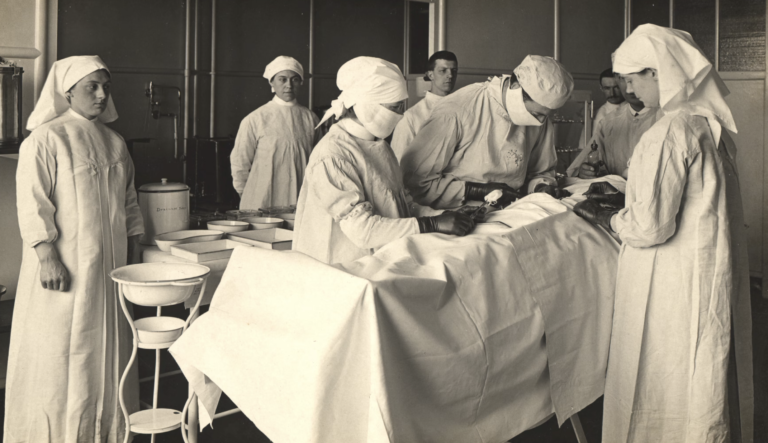
King George Military Hospital, 3rd floor Theatre Collection: Images from the History of Medicine (IHM) Contributor(s): Zwerdling, Michael, former owner Publication: [England] : [publisher not identified], [1915] Language(s): English Format: Still image Subject(s): Hospitals, Military, Operating Rooms, Surgeons, Nurses, King George Military Hospital Genre(s): Postcards Abstract: Black and white photograph of the 3rd floor operating theatre at King George Military Hospital, London, England. A surgeon is performing an operation with 7 medical personnel in attendance.
An operation at King George Medical Hospital, 1915

Dentists and physicians might favor sevoflurane over isoflurane, as sevoflurane is the least environmentally harmful ether

Not all greenhouse gases are created equally. Some, like carbon dioxide, linger in the atmosphere for centuries, while others, such as methane and nitrous oxide, are significantly more potent in their warming effects. Inhaled anesthetic gases, though a small percentage of total emissions, have an outsized impact due to their high global warming potential and direct release into the atmosphere.

Anesthesia gases contribute to greenhouse gas emissions, but solutions are emerging to mitigate their impact. Emissions in healthcare come from various sources, including waste management, single-use plastics, transportation, and food services. In addition, 3% of healthcare’s emissions stem from inhaled agents used during anesthesia.

A study performed at Michigan Medicine reveals that the use of less polluting inhaled anesthetic agents reduced harmful emissions by 50% in one year without impacting patient safety or outcomes.

Related: 9 ways to make your dental practice more sustainable

“Tens of thousands of people undergo general anesthesia at Michigan Medicine every year. Inhaled anesthetics are a natural area to pursue reductions in emissions because, as greenhouse gases, they are so disproportionately bad for the environment,” said Douglas Colquhoun, M.B.Ch.B., assistant professor of anesthesiology at U-M Medical School.

“We’ve shown that small changes in our practice lead to big changes for the environment and, importantly, no changes for the patients.”

The findings culminate from The Green Anesthesia Initiative, launched at Michigan Medicine in March 2022, aimed to reduce the use of nitrous oxide, utilize less environmentally harmful inhaled fluorinated ethers, and increase the use of intravenous anesthetics.

Hospitals and medical professionals such as dentists are taking steps to lower the environmental footprint of anesthesia through:

  1. Lower-GWP anesthetics: The initiative encouraged providers to reduce nitrous oxide (which is 270 times more potent than carbon dioxide at warming the environment) and favor sevoflurane over isoflurane, as sevoflurane is the least environmentally harmful ether. These changes resulted in an average decrease of more than 14 kg per case in CO2 equivalents.
  2. Total Intravenous Anesthesia (TIVA): Using IV-based anesthesia, such as propofol, eliminates the need for inhaled gases and reduces greenhouse gas emissions.
  3. Gas Capture Technologies: Some hospitals are adopting systems to capture and safely dispose of anesthetic gases rather than venting them directly into the atmosphere.

The team compared the output of CO2 equivalents traditionally used to measure the effect of greenhouse gases on the environment, as well as the amount of anesthetic used and patient outcomes such as post-surgery nausea and vomiting, pain scores, and unintended awareness and recall of the surgery. There were no changes in measured depth of anesthesia, pain scores, or postoperative nausea and vomiting.

Related: the environmental impact of dentistry

“I think the important thing that we showed was that it is possible to significantly reduce the environmental impact of anesthesia. Even beyond the study period, we reduced our emissions by a huge amount in under three years.

“We did this while modernizing our care and improving safety for patients. This is a great example of where mindful choices, technology, and education all come together to make care better for our patients – both directly in the OR and in the environment in which we all live,” said David Hovord, M.B. B.Chir, clinical assistant professor of anesthesiology.

“Our individual and team efforts to save the planet are essential. The carbon emissions reduction accomplishments of anesthesiology and support teams are a point of pride at Michigan Medicine, as they are a demonstration of creativity, persistence, and teamwork,” said Tony Denton, Michigan Medicine’s senior vice president and chief environmental, social, and governance officer.

“These impressive results show that we can redesign our long-standing approaches to care without compromising patient safety, quality, and outcomes. This is a great example of what we can do to reduce environmental harm and improve public health across the communities and society we serve,” he said.

“We should all be proud and grateful for this important collaboration which emphasizes Michigan Medicine’s daily commitment to continuous improvement while finding new solutions that can save our planet and lives, simultaneously.”

Japanese factory lets you knit your own socks with a bicycle

0

There is nothing like Japan’s craft, design and industry and where it meets on a bicycle

Souki, a Japanese company dedicated to preserving and promoting traditional craftsmanship, is offering a unique opportunity to experience the art of sock-making through interactive workshops in Koryo Town. Known for its rich history in textile production, Koryo Town serves as the perfect backdrop for this hands-on (well, foot’s on) activity, allowing participants to engage in the intricate process of creating high-quality socks.

sock cycling machine

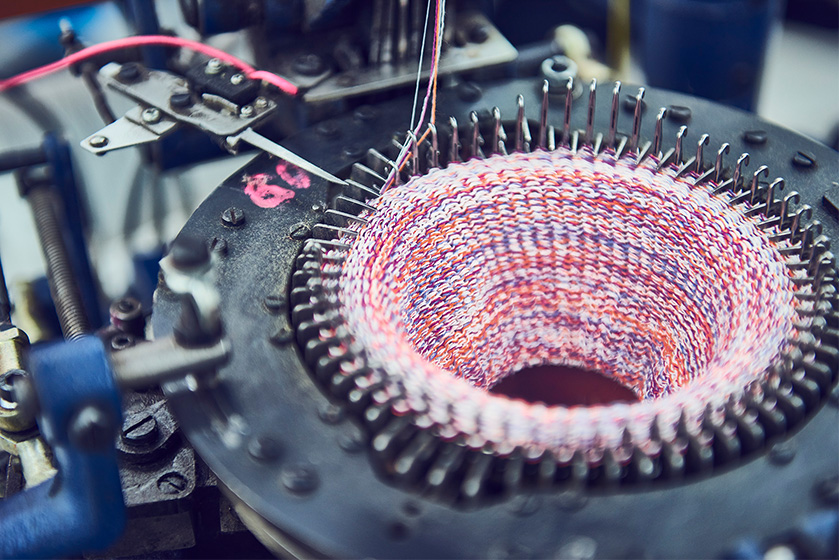
At the heart of the workshop is SOUKI’s original system, CHARIX—a fascinating blend of tradition and innovation. This ingenious setup combines an actual knitting machine, once used in the factory, with a bicycle mechanism. By pedaling the bike, participants power the knitting machine, weaving their own socks in real-time.

This interactive approach not only makes learning fun but also offers a deeper appreciation for the craftsmanship involved in sock production. It’s charming for children to see industry in action. When we were in Japan, my son saw a waffle machine, hand run, churn out waffles on the streets of Kyoto.


The workshop on socks provides an immersive experience, guiding participants through the complete process of sock-making. After the knitting phase, SOUKI’s skilled staff steps in to sew the toes and apply a press-finish, ensuring the socks are ready for wear. This firsthand exposure to the meticulous techniques of sock production highlights the precision and dedication required in the craft. Of course you can knit socks at home, but that takes a lot more skill, and experience.

Related: Japanese newspaper embedded with seeds

Participants can select their preferred color combinations, crafting a unique pair tailored to their style. The result? A pair of low-gauge, ultra-soft socks that provide both comfort and warmth—perfect for everyday wear.

Japan design lets you knot socks with a knitting machine

::Souki


Shilajit honey is a superfood discovered by monkeys

0
Shilajit poster for blakc honey
Shilajit was discovered as a superfood when people observed monkeys eating it in the Himalayas.

Shilajit honey is a powerful natural health product that combines the benefits of raw honey with shilajit, a mineral-rich resin that has been used in traditional medicine for centuries. This unique blend offers a range of health advantages, making it a popular choice among those seeking natural ways to boost energy, stamina, and overall vitality.

The Ancient History of Shilajit

The origins of shilajit trace back thousands of years to the rugged mountain ranges of the Himalayas, Altai, Caucasus, and other high-altitude regions. This rare, tar-like substance was discovered by local inhabitants who noticed that Himalayan monkeys, known for their vitality, would consume it by licking the rock surfaces. Observing the enhanced energy and longevity of these animals, early healers and scholars began experimenting with shilajit as a medicinal remedy.

In Ayurveda, one of the world’s oldest holistic healing systems, shilajit has been revered for its rejuvenating and life-enhancing properties. Ancient Indian texts, including the Charaka Samhita, describe it as a powerful “Rasayana” (rejuvenator) that promotes strength, mental clarity, and longevity. It was also valued in Traditional Tibetan and Russian medicine for its ability to enhance physical endurance and cognitive function.

Shilajit is primarily found in high-altitude regions such as the Himalayas, the Altai Mountains in Russia, the Caucasus Mountains, and parts of Central Asia. It is formed over centuries from the slow decomposition of plant material trapped in rock layers, undergoing a natural fermentation process due to extreme temperature variations. As it oozes out of rock crevices, it hardens into a resin-like substance, which is then harvested and purified for consumption.

The Rise of Shilajit Honey: A Modern Trend

Shilajit honey is made from shilajit resin and raw honey

Recently, shilajit honey has gained mainstream popularity as health-conscious individuals seek natural superfoods to enhance energy, immunity, and overall well-being. With the rise of the biohacking movement, fitness enthusiasts and wellness experts are turning to traditional remedies like shilajit, blending them with honey for a more palatable and accessible supplement.

The appeal of shilajit honey aligns with the global wellness trend favoring ancient, plant-based medicines over synthetic alternatives. Influencers and wellness advocates highlight its use for cognitive enhancement, athletic performance, and anti-aging benefits. It has been particularly embraced by those in the Ayurvedic, holistic health, and longevity-focused communities, further boosting its status as a modern superfood.

How to Buy Shilajit Honey

Due to its increasing demand, shilajit honey is now available in various forms through specialty health stores, online wellness shops, and Ayurvedic suppliers. When purchasing shilajit honey, consider the following:

Purity: Look for products that use genuine Himalayan or Altai mountain shilajit, free from additives or synthetic fillers.

Raw Honey Base: High-quality shilajit honey should use unprocessed, raw honey to retain its natural enzymes and nutrients.

Certifications: Choose brands that test for heavy metals and ensure safe processing methods.

Reputable Sellers: Buy from trusted health and wellness brands that provide transparency about their sourcing and purification process.

The Health Benefits of Shilajit Honey

The combination of honey and shilajit enhances the individual benefits of each component, creating a nutrient-dense superfood. Some of the key benefits include:

Shilajit is renowned for its ability to support mitochondrial function, which is essential for energy production. When combined with the natural sugars in honey, this blend can provide a sustained energy boost without the crash associated with artificial stimulants.

Both honey and shilajit contain antioxidants and antimicrobial properties that may help strengthen the immune system. Honey is well known for its antibacterial effects, while shilajit provides essential minerals that support immune function.

Fulvic acid, a major component of shilajit, is known for its neuroprotective properties. It helps in reducing oxidative stress in the brain, potentially improving focus, memory, and mental clarity. The natural sugars in honey can also offer a quick cognitive boost.

Shilajit is often used by athletes and fitness enthusiasts due to its potential to enhance endurance and muscle recovery. The natural enzymes in honey further support metabolism and digestion, making it a great pre- or post-workout supplement.

Rich in antioxidants, shilajit honey may help combat oxidative stress, which is linked to aging and chronic diseases. The minerals and bioactive compounds in shilajit contribute to cellular regeneration and overall longevity.

How to Use Shilajit Honey

Shilajit honey can be consumed in various ways to maximize its benefits:

  • Direct Consumption: Take a teaspoon of shilajit honey on an empty stomach for a quick energy boost.
  • In Beverages: Stir into warm water, tea, or smoothies for a nutritious drink.
  • With Meals: Drizzle over toast, oatmeal, or yogurt for added nutrients.

According to sources like David Wolfe, health food influencer, Shilijit, is the “perfect survival food.” He says that one 1/2 gram “easily provides enough nutrition for an entire day. Shilajit is a mineral-rich black Jing resinous material.”

While shilajit honey is generally safe for most people, it is important to ensure that the shilajit used is of high quality and free from contaminants. Individuals with certain medical conditions, such as diabetes, should consult their healthcare provider before consuming shilajit honey due to its natural sugar content.

Some other health trends you may never have heard of include drinking kombucha tea, and the use of kefir for fermenting milk. There is

Israeli Anti-Prostitution Bill Passes Into Law

0

undefined

My parents lived contentedly in a high-rise building in central Israel, until twelve women moved into a top floor apartment. Soon afterward, the elevator began working triple time, with men going up and down at all hours of the day and night. The apartment, formerly occupied by a middle-class family, had been rented out as a brothel.

Israel aims to eliminate its sex trade with a law banning the sale of sex. Justice Minister Yariv Levin recently announced that the Criminal Prohibition of Consumption of Prostitution Services and Community Treatment Bill has been voted into law. The law has been functioning since July 2020 under a trial period, pending study of its effects.

“Turning the prohibition on the consumption of prostitution into a permanent law is a significant step in the fight against this harmful phenomenon. The move expresses our commitment to protecting the victims of the prostitution cycle, and it is a social step of the highest importance,” Levin said.

The law is based on The Nordic Model. Its aims are to criminalize “customers,” decriminalize the prostitute, rehabilitate former sex workers, and create public awareness campaigns. Israel is the eighth country in the world to pass such a law.

The law aims to eliminate exploitation of vulnerable women and and move the public’s view of prostitution from indifference to rejection. Theoretically, it’s working. According to a survey conducted by the Myers-JDC-Brookdale Institute, support for the law increased to 72% in 2024, compared to 39% in 2016.

Yet the real picture isn’t all that rosy. Buying sex increased between 2021 and 2024 from 7% to 9% for Jewish men aged 18 to 70, the research found. The researchers attribute this to weak law enforcement. Most “customers” aren’t aware of the law, and while there’s so little enforcement, it’s not likely that they’ll know or pay attention.

As an aside – among the men visiting the upstairs apartment were policemen, my parents said.

There’s little safety in sex work. Better said, there’s no safety at all. Prostitutes risk their physical and mental health many times every day. Often the risk is to their very lives. The average age at death of a prostitute is calculated to be 46 – and that’s generous. Some studies indicate that age 40 is more like it. This is considering violence at the hands of pimps or those buying their services. Illness. Drug addiction. Suicide.

Related: Is sex on an airplane legal?

It’s an underground trade and full data is almost impossible to obtain. How many prostitutes are on Israel’s streets today; how many are minors; where they come from; who “handles” them; how many hidden brothels are operating – answers to those, and to other relevant questions, are yet to be fully discovered.

The Task Force on Human Trafficking & Prostitution provides some hard facts. One that stands out is that 14,000 women, men, transgenders, and minors are prostituted every day in Israel. 3,000 of those are minors. According to them, kids as young as 13 begin their working lives as prostitutes.

The law is meant to punish those who pay for sex, not prostitutes. A man’s mere presence in a brothel makes him liable for a fine of NIS 2,000 (about $700 USD), even if he claims that he wasn’t engaging a prostitute. Whether in a brothel or on the street, he’ll pay double the fine if found paying for sex again. Repeat “customers,” pay up to NIS 70,000, about $25,000 USD. However, they’re given the option of attending an educational course whose objective is to change the offender’s thinking about paying for sex. It would be interesting to know how effective those courses are.

Additions to the new anti-prostitution law include support for women leaving the sex industry, via the health, welfare, education and National Insurance systems. Some originally grass-roots programs have been incorporated into those larger bodies. They offer vocational rehabilitation to prostitutes seeking a new life: courses teaching marketable skills in fields like fashion design, cooking, computer skills and cosmetics. Students learn to manage a budget, and receive psychosocial support. Former prostitutes with physical and psychiatric disabilities may claim financial support from The National Insurance Institute.

While the law relates to prostitution on the ground, the next phase is predictably dealing with sex for pay through dating apps. Exploitation of minors through social media connections is another big, dark issue. Let’s see how soon Israel and the world will catch up with that. In the meantime, if the Israeli law reduces the incidence of women forced into sex work, I’m for it.

And if you’re wondering, my parents moved out of the building.

Prostitutes by Toulouse-Lautrec

Images via Wikipedia.

More on protecting women:

Virginity tests carry prison sentence in Malta