Neom, a bombastic collection of futuristic cities and resorts, has flopped as Saudi oil prices roll back reality. The Saudi plan of hosting the 2029 Asian games to be held at Trojena, a ski report in the desert, has been cancelled.
A large sperm whale has washed ashore on Zikim Beach in southern Israel, marking only the eighth documented case of its kind along the country’s Mediterranean coast since monitoring began.
For millennia, the Middle East's water crisis seemed an immutable fact of geography — a region defined as much by what it lacked as by what lay beneath its sands. Today, a convergence of plummeting solar costs, advancing membrane technology, and hard-won engineering expertise is rewriting that story.
Neom, a bombastic collection of futuristic cities and resorts, has flopped as Saudi oil prices roll back reality. The Saudi plan of hosting the 2029 Asian games to be held at Trojena, a ski report in the desert, has been cancelled.
A large sperm whale has washed ashore on Zikim Beach in southern Israel, marking only the eighth documented case of its kind along the country’s Mediterranean coast since monitoring began.
For millennia, the Middle East's water crisis seemed an immutable fact of geography — a region defined as much by what it lacked as by what lay beneath its sands. Today, a convergence of plummeting solar costs, advancing membrane technology, and hard-won engineering expertise is rewriting that story.
Neom, a bombastic collection of futuristic cities and resorts, has flopped as Saudi oil prices roll back reality. The Saudi plan of hosting the 2029 Asian games to be held at Trojena, a ski report in the desert, has been cancelled.
A large sperm whale has washed ashore on Zikim Beach in southern Israel, marking only the eighth documented case of its kind along the country’s Mediterranean coast since monitoring began.
For millennia, the Middle East's water crisis seemed an immutable fact of geography — a region defined as much by what it lacked as by what lay beneath its sands. Today, a convergence of plummeting solar costs, advancing membrane technology, and hard-won engineering expertise is rewriting that story.
Neom, a bombastic collection of futuristic cities and resorts, has flopped as Saudi oil prices roll back reality. The Saudi plan of hosting the 2029 Asian games to be held at Trojena, a ski report in the desert, has been cancelled.
A large sperm whale has washed ashore on Zikim Beach in southern Israel, marking only the eighth documented case of its kind along the country’s Mediterranean coast since monitoring began.
For millennia, the Middle East's water crisis seemed an immutable fact of geography — a region defined as much by what it lacked as by what lay beneath its sands. Today, a convergence of plummeting solar costs, advancing membrane technology, and hard-won engineering expertise is rewriting that story.
Neom, a bombastic collection of futuristic cities and resorts, has flopped as Saudi oil prices roll back reality. The Saudi plan of hosting the 2029 Asian games to be held at Trojena, a ski report in the desert, has been cancelled.
A large sperm whale has washed ashore on Zikim Beach in southern Israel, marking only the eighth documented case of its kind along the country’s Mediterranean coast since monitoring began.
For millennia, the Middle East's water crisis seemed an immutable fact of geography — a region defined as much by what it lacked as by what lay beneath its sands. Today, a convergence of plummeting solar costs, advancing membrane technology, and hard-won engineering expertise is rewriting that story.
Neom, a bombastic collection of futuristic cities and resorts, has flopped as Saudi oil prices roll back reality. The Saudi plan of hosting the 2029 Asian games to be held at Trojena, a ski report in the desert, has been cancelled.
A large sperm whale has washed ashore on Zikim Beach in southern Israel, marking only the eighth documented case of its kind along the country’s Mediterranean coast since monitoring began.
For millennia, the Middle East's water crisis seemed an immutable fact of geography — a region defined as much by what it lacked as by what lay beneath its sands. Today, a convergence of plummeting solar costs, advancing membrane technology, and hard-won engineering expertise is rewriting that story.
Neom, a bombastic collection of futuristic cities and resorts, has flopped as Saudi oil prices roll back reality. The Saudi plan of hosting the 2029 Asian games to be held at Trojena, a ski report in the desert, has been cancelled.
A large sperm whale has washed ashore on Zikim Beach in southern Israel, marking only the eighth documented case of its kind along the country’s Mediterranean coast since monitoring began.
For millennia, the Middle East's water crisis seemed an immutable fact of geography — a region defined as much by what it lacked as by what lay beneath its sands. Today, a convergence of plummeting solar costs, advancing membrane technology, and hard-won engineering expertise is rewriting that story.
Neom, a bombastic collection of futuristic cities and resorts, has flopped as Saudi oil prices roll back reality. The Saudi plan of hosting the 2029 Asian games to be held at Trojena, a ski report in the desert, has been cancelled.
A large sperm whale has washed ashore on Zikim Beach in southern Israel, marking only the eighth documented case of its kind along the country’s Mediterranean coast since monitoring began.
For millennia, the Middle East's water crisis seemed an immutable fact of geography — a region defined as much by what it lacked as by what lay beneath its sands. Today, a convergence of plummeting solar costs, advancing membrane technology, and hard-won engineering expertise is rewriting that story.
Muslims will probably throw away more than 40 percent of all food prepared daily during the upcoming Ramadan – read our food saving tips below
According to Bahraini environmentalist Mohammed Aman, food waste during the upcoming Ramadan will continue – despite the contradiction it poses to the spirit of Ramadan and a growing global demand for basic food commodities. Aman, a waste disposal unit senior environment specialist at the Public Commission for the Protection of Marine Resources, Environment and Wildlife, urged Bahrainis to be more economical during the Muslim holy month of fasting.
Speaking to Gulf Daily News, he explained that, “People in this part of the world (the Middle East) tend to show off the amount of food they have on their Iftar (the evening meal when Muslims break their fast) table,” Aman said.
Safari animals in Israel get giant popsicles to help them beat the heat.
The worldwide heatwave is also showing effects in the Middle East. To help its zoo and safari animals cool down, the Israel Ramat Gan Safari Zoo has started introducing popsicles into the diets of the animals. The popsicles cool down the body’s core temperature, having a physiological effect on the animals, safari curator Amelia Turkel told Sky News.
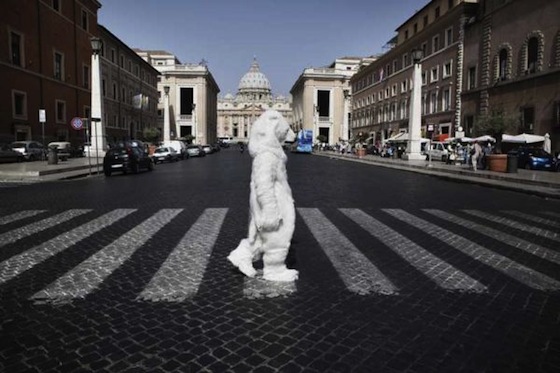
Unlike the dubious global warming theme park in the United Arab Emirates “Ice Land”, where extraordinary amounts of water go to waste, Israelis are trying to tackle northland conservation in a more sane manner. Thanks to Greenpeace Mediterranean, a sliding glacier with polar bears will be visiting the streets of Tel Aviv, Israel this week to educate locals on the problems caused by energy companies rallying to grab their stake in the arctic and North Pole. The campaign is part of Greenpeace’s “Save the Arctic” movement.
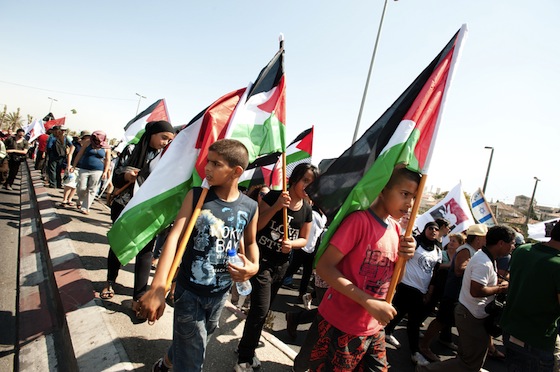
New rallies are taking place across Israel to mark the one year anniversary of the country’s mass social protests last summer. Some believe the Israeli movement influenced the Occupy Wall Street movement in the US last summer. In Israel, protestors took over the city streets in tent cities in protest of the high cost of living in Israel and lack of social services. To mark the anniversary of the tent protests a man in Jerusalem poured flammable liquid over himself, and then set fire to himself.
Israel’s Arothron gets inspired by the pufferfish for a novel type of underwater energy storage system using compressed air.
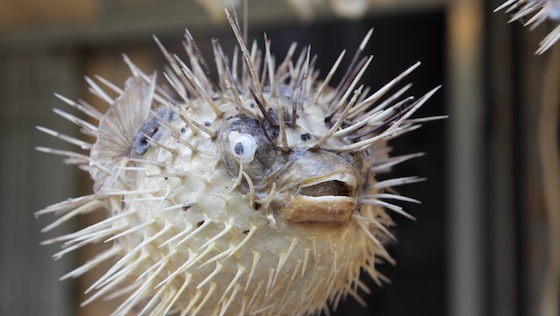
Arothron was established in 2011 as an enterprise focused on underwater compressed air energy storage (UWCAES). Arothron is named after a type of pufferfish which can inflate its body into a spherical shape. This Israel-based company’s mascot helps us understand how underwater compressed air storage works. Underwater compressed air energy storage has several advantages. The first is that it can be used wherever there is a deep body of water. Some large Mideastern cities meet this criteria. The second is that because deep water is under high pressure, the containers needn’t be made of high strength steel or rock. Ordinary concrete or even plastic bladders can be used as an underwater compressed air storage tank.
But first, let me explain how electrical storage can make our grid more efficient.
Gas is 15 cents a liter (60 cents a gallon) in Saudi Arabia: the government is fighting to keep both high standard of living and long-term energy security
Saudi Arabia has been aggressively looking for anything and everything that can provide energy. Whether it is to maintain its status as the largest exporter of crude oil or to meet its own escalating domestic energy demands, the kingdom has considered solar and nuclear and everything in between.
Currently, of the 8.3 million barrels daily in oil production, almost half is consumed by domestic market especially industries. The domestic demand is expected to double by 2028 and if the existing resources are dedicated towards meeting that demand, it may compromise the export capacity of the kingdom.
Apple product releases are delayed in the Mideast shortening the supported product life in this part of the world. Apple also practices planned obsolescence.
In an open letter to customers, Apple’s senior VP of hardware engineering admitted that it was a mistake to remove Apple products from the EPEAT environmental rating system. He writes:”We’ve recently heard from many loyal Apple customers who were disappointed to learn that we had removed our products from the EPEAT rating system. I recognize that this was a mistake. Starting today, all eligible Apple products are back on EPEAT.”
The Electronic Product and Environmental Assessment Tool (EPEAT) is a voluntary environmental rating system for electronic products. It was developed in 2003 as a collaborative effort between business, government and academic interests and helps define and measure such parameters as energy consumption, use of toxic materials, greenhouse gas emission, recycling efficiency and serviceability.
When Apple suddenly removed all of its iPhones, iPads and Macbooks from the EPEAT registry, it was the equivalent of an architectural firm suddenly saying it would would no longer look at LEED, BREEAM, Estidama or GSAS green building standards. It went beyond mystifying, it was just plain stupid. This isn’t just a green opinion, it was an immediate threat to Apple’s bottom line. When Apple dropped EPEAT, certain government agencies including the city of San Francisco and large companies such as Ford would stop buying Apple products.
These cuts have inflamed the local populace, sometimes resulting in tire-burning protests that further degrade the environment. But help may be on the way as Lebanon has signed a $360 million agreement to purchase energy from electricity-generating Turkish barges over a three year period.
Palestinians want to be more energy independent but will Israeli authorities, which are currently threatening the demolition of solar plants in the West Bank, allow them to be?
In light of the Israeli environment minister’s proposal to cut Gaza’s electricity if supplies are running low, it makes perfect sense for Palestinian explore their own energy possibilities. As it stands Palestinians are almost entirely dependent on Israel for electricity and that is not a comfortable place to be for any nation. Indeed, these damning findings convinced investor Hanna Siniora [member of the Palestine National Council and the chairperson of the Palestinian-American Chamber of Commerce] and economist Iskandar Najjar [Professor Emeritus at Al-Quds University] to establish a solar energy project near Jericho.
An ancient branch of the Nile River is found, explaining how the pyramids were built. Want a Nile Cruise?
You can visit travel websites for all-inclusive holidays where you can find week-long or two-week sun holidays in Sharm, Sinai; You can also find loads of ways to hang out in Agadir, Morocco at exclusive resorts; but not every all-inclusive option can give you the right eco spirit you are aiming for.
Normally planning an eco holiday requires a lot of looking around online, reading articles on Green Prophet if you are headed to the Middle East, or a lot of money if you hire a specialized travel agent who can cater to your every whim and desire.
But if you have a week or two to spare, if you can book the flight there are some pretty remarkable opportunities right under your nose. And here we’ll give you some ideas, based on a little alternative thinking. Just by visiting the Middle East in these troubled times helps boost the local economies, especially if you visit eco resorts and hotels that are owned by the locals.
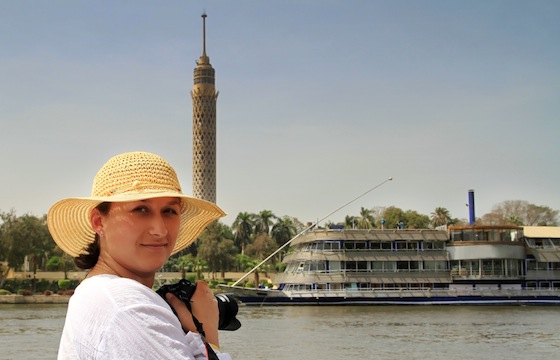
Nile Cruise in Egypt: A must for your bucket list is a cruise down the Nile River. The cruise will let you take in all the must-see Egyptian sights including the Giza pyramids, but from a home base cabin that slowly travels down the Nile.
These kinds of cruises include accommodation, food and in some cases flights depending on where you are booking from. Look around online for the best deals or contact your local travel agent for what’s available from your country. Knowing more about Nile people can help you protect their way of life.
Taking on different trips like this will help you explore not just new places, but new cultures and customs along the way. Make sure to read through all the cruise ship reviews Middle East is offering to get a sense of what experiences align best with your expectations and travel style. Reviews can highlight everything from onboard amenities to the quality of shore excursions. This way, you’ll be better prepared and more confident in your choices.
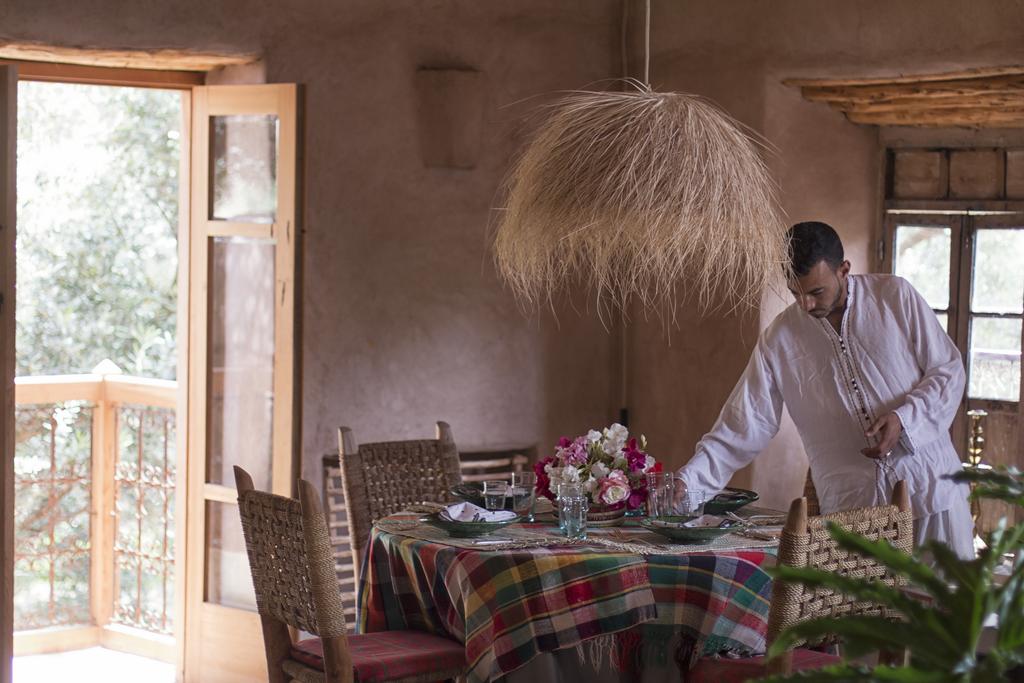
Inside a Berber home
Stay with some Berbers: A number of hotels in Morocco offer the all-inclusive deal, getting there, staying there, and travelling around there. Our favorite Morocco-bucket-list destination is the Kasbah du Toubkal in the Atlas Mountains.
Even though you are in a remote location there is more than enough going on nearby, from hikes to the top of Toubkal, to learning more about argan oil, to listening to a local show before a soccer match, to being a paparazzi for the nearby swank Branson eco-lodge for millionaires. We could stay at the Kasbah for a week or more full board, and never, never be bored.
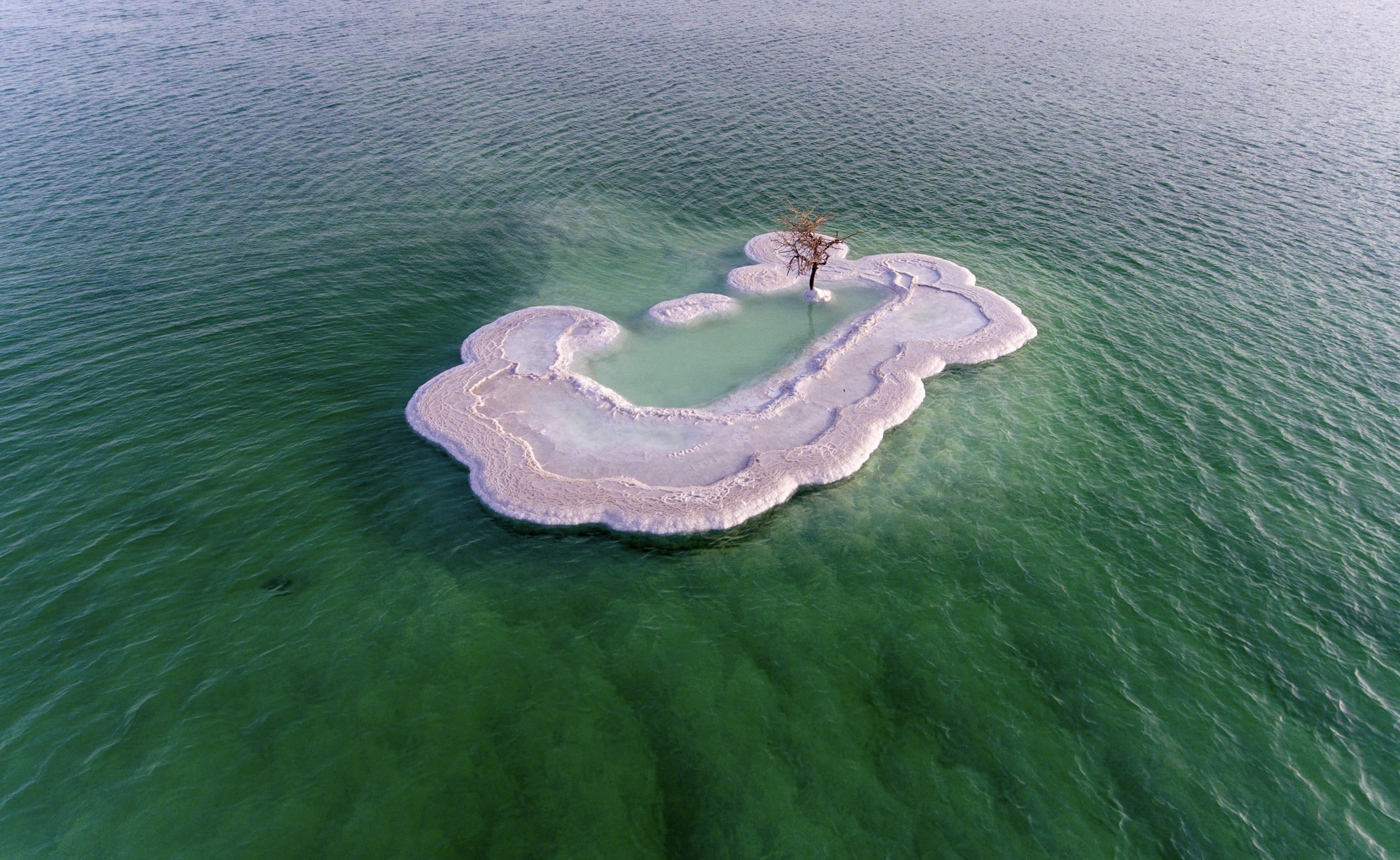
Tour the desert and the Dead Sea. The world’s ancient beauty secret, there is plenty of time to laze around and catch some UV-filtered sun’s rays at the lowest place on earth.
The Dead Sea
Whether you are on the Israeli side or the Jordanian side of the Dead Sea, almost every hotel there offers all-inclusive deals, some even with exclusive spa treatments. The Dead Sea offers a great health retreat for people with Crohn’s disease, arthritis, asthma and skin disorders such as exema. While there’s not much to offer in the way of eco, some resorts are finding ways to use more solar energy, and ways to recycle much-needed water. Going there can help you find out why the Dead Sea is dying.
Cruising the Nile, the Atlas Mountain Berber’s and the Dead Sea: Three places you must add to your bucket list. Going there will help you know more about the local issues and pressures in the Middle East. There are many other places to visit. Add your bucket list destination in the comments, explaining why.
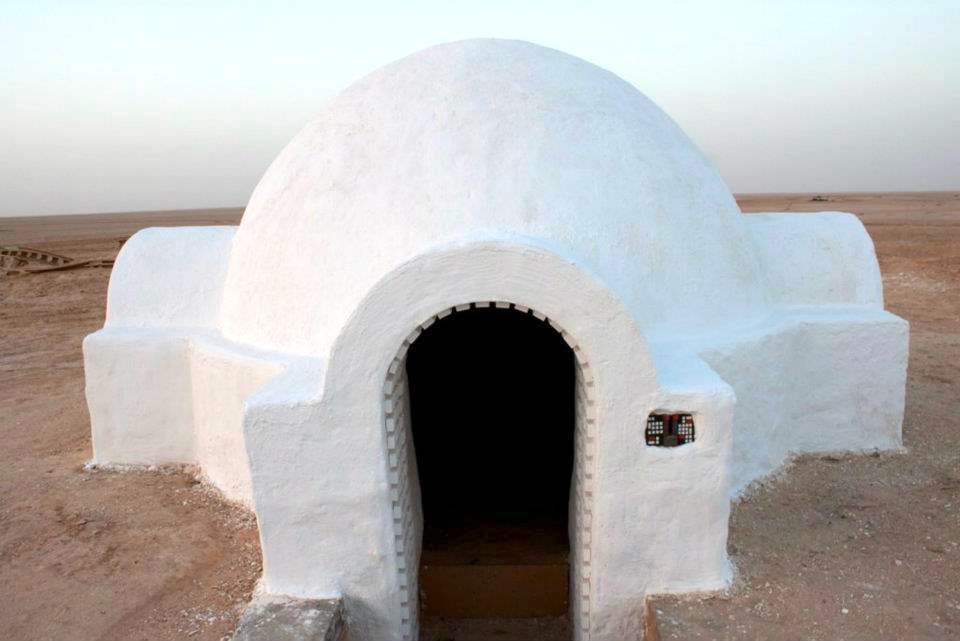
In 2010 Mark Dermul from Belgium led a tour of the remaining Star Wars relics scattered throughout Tunisia’s desert. It wasn’t the first time he had visited these sites, but on this particular occasion, accompanied by fans from around the world, he was dismayed to find Luke Skywalker’s Lars Homestead featured in Episode IV: A New Hope in a state of total disrepair. Thus began an epic journey to restore this small rounded hut (reminiscent of Tunisia’s troglodytes) to its former glory.
Israelis might have to cool off with just fans this summer.
Summer heat waves in Israel and other parts of the Middle East are putting extraordinary strains on electricity power grids. These strains are so intense, that recently, Israel’s environment minister, Gilad Erdan, even proposed that his country cut back electric power to Gaza, which receives around 80% of its total electricity from Israel’s national power grid.
But Gaza’s electricity shortage problems are not felt by the Israeli public, which has increased its usage of air conditioners and other appliances so much that power stations of the Israel Electric Company (IEC) are not able to supply enough power, according to the Jerusalem Post. To handle crisis the country will be sending SMS alerts to customers to warn them about the brownouts, and will educate them about better efficiency use.
A German company has just secured the contract for a mega project in Mecca which will house around 160,000 inhabitants
Despite reassurances that Mecca would take a more considered approach to construction, a new mega-scheme for the city has just been given the green light. Following the horrendous Mecca Clocktower and the growing sprawl surrounding the city, another huge project seems like the last things the city needs. The new project, which is being led by Germany-based White Sky Group and Riyadh-based Al Fayadh Consultants, is a mixed-use development covering three million square meters in Mecca.
The partnership apparently beat off strong competition from Foster + Partners and will include “middle and high-rise buildings, utilising new technologies in mobility and sustainability.” The development will include things like hotels, residential homes, technical and medical infrastructure as well as parks, open spaces and spacious prayer areas.
As the Hajj pilgrimage attracts up to 3 million people annually, land in and around Mecca is highly sought after and there seems to be no way of holding back development.
Indeed, Hajj itself is slowly becoming more upscale and luxurious by the year. According to a recent report by Bloomberg, rising wealth is contributing to a demand for high standards of accommodation during Hajj and that’s contributing to a surge in hotel investment:
“Hilton Worldwide Inc., owned by Blackstone Group LP, plans to more than double the number of hotels it operates in the country to 14, including six in Mecca. It currently runs six in Saudi Arabia. U.K.-based InterContinental will increase its room numbers by about 50 percent to 7,300 in the next three to five years. Hyatt, whose only Saudi hotel opened in 2009, expects to have eight more in five years.”
On the grand scale of greenliness, the Radisson Blu scores pretty low, but they are making an effort that is worth writing about. On a recent visit to their branch in Dubai’s Media City, Michael Strauss, a contributing editor to the Green Traveler Guide, found their efforts to go green “sincere.” Committed to scouting out the most conscientious and sustainable innkeepers and hoteliers around the globe, this online guide doesn’t pander to the green-washers at all. So when we learned that they were willing to recommend the Radisson Blu, we had to take note.
Seven years ago Nicholas Fernandez was an air-conditioning mechanic at the Radisson Blu. Now he is the hotel’s chief engineer and main eco-advocate who is largely responsible for the Blu’s green makeover. Fernandez came into the hotel on his day off to take Strauss on a tour of the various initiatives he has helped to implement.
They started in the lobby. The bespoke waterfall there no longer uses fresh water, which is important given the extent to which Dubai and other Emirates rely on desalination to meet their water needs. Instead, Fernandez devised a system that harvests and recycles water created as a byproduct of the hotel’s air-conditioning units.
Energy-saving initiatives include motion sensors that only activate lights when there is someone around. When they leave, they automatically switch off. In a six-story hotel, this small measure amounts to significant savings. So do the new compact fluorescent and LED light bulbs, which are becoming increasingly sophisticated.
Fernandez has also started growing vegetables on the hotel’s roof – a “thumb nail” garden according to Strauss. So far there are eggplants, green peppers and okra growing despite the extraordinary heat, as well as cilantro.
Although there is a limit to the hotel’s greening, Fernandez has also helped to raise social awareness – an important part of any healthy community. In particular, he started “The Box Appeal,” to collect razors, clothing and other daily essentials for the many migrant workers who live on the city’s fringes.
This was then taken up by the Belgium-based managing company behind Calson Rezidor Hotel Group throughout the region, resulting in collections amounting to $270,000!
Of course, the Radisson is not a great option for budget travelers, but if you are interested in traveling through Dubai and don’t want to rack up an enormous carbon footprint in the process, this hotel seems to be one of the best available options.
The 2010 Deepwater Horizon oil spill in the Gulf on the Florida coast shocked the world. We watched as the BP-owned rig leaked 4.9 million barrels of oil into Florida’s fragile ecosystem. Two years later, BP will be paying, with fines expected to go from $5 billion to $21 billion, most of which would be going to marshes, the fishing industry and all the damaged businesses along the coast.

 Muslims will probably throw away more than 40 percent of all food prepared daily during the upcoming Ramadan – read our food saving tips below