
Laurie escaped from the Trade Towers 11 years ago and as a building expert looks critically at standards in the Middle East.
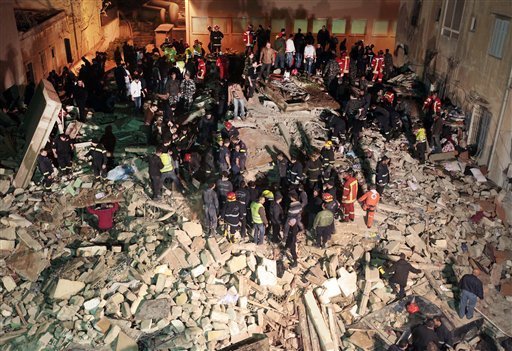
Building codes ensure that a properly constructed building will safely stand up to predictable wear and tear. Codes specify fire-resistant performance for materials and prescribe safe exiting requirements for occupants. But what guides human behavior in a building emergency? How would you make out in a crisis? In short, would you make it out? This question takes on new urgency in the Middle East: Last July, firefighters battled a blaze that erupted in Manama, Bahrain’s capital city, destroying hundreds of shops in the popular Isla Town Market. Over 500 stalls were destroyed in the five hours it took to bring the blaze under control. In May, fire engulfed Doha’s Villaggio Mall, killing 19 people. A 5-story apartment building collapsed in Beirut in January, killing another nineteen (see above photo).
I confess a strong personal bias on this topic, being one of fortunate thousands who walked away from the biggest building collapse in history. I trekked down the stairs of One World Trade Center with architects and engineers from my office (several who actually built the place 30 years earlier) and we building “professionals” barely knew how to exit.






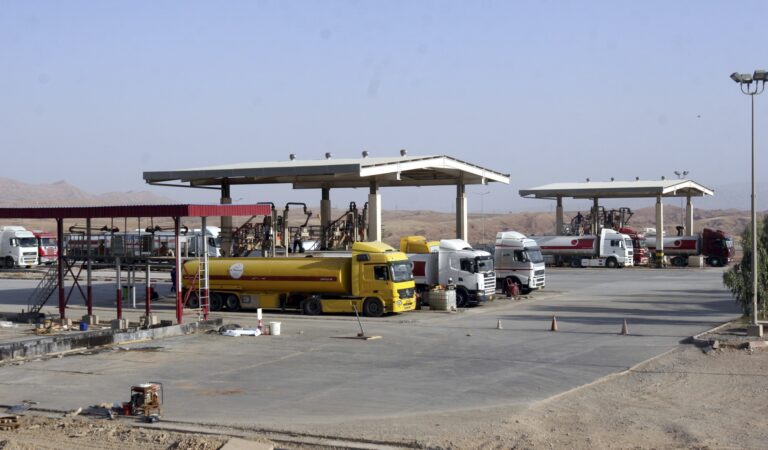
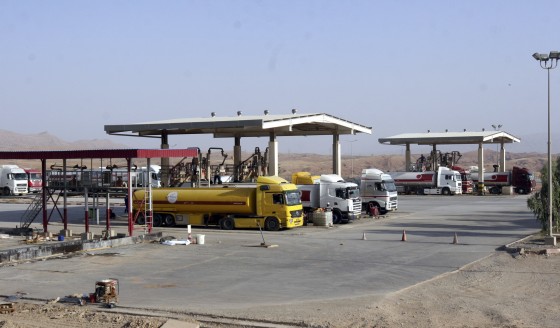 Defying the Iraqi central government, the Kurdistan Regional Government (KRG) has begun selling gas directly to Turkey. Crude oil sales will also begin soon.