Home Blog Page 395

Will Submerged Atlantis Super Volcano Cause Giant Tsunami?

1

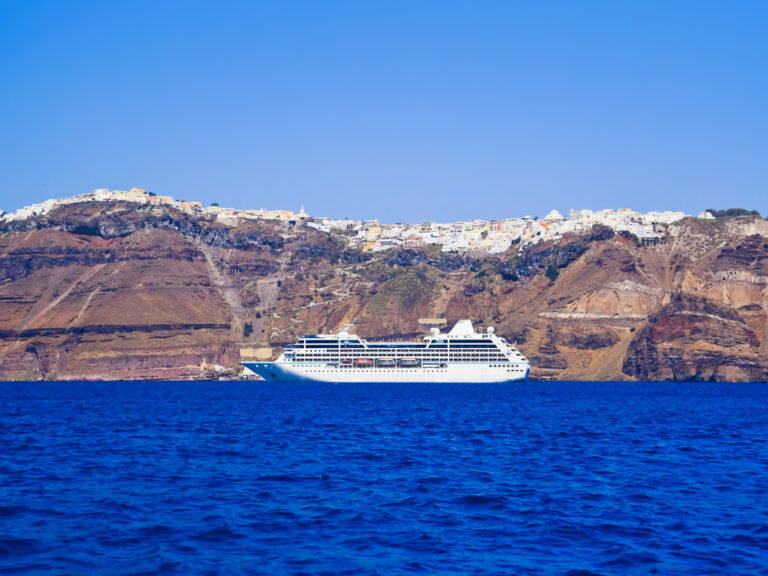
santorini cliffs viewSantorini’s quaint town of Thera actually sits on rim of a super volcano.

The Mediterranean Sea basin, especially that bordered by Greece, Turkey, Lebanon and Israel will soon have a new Marine Center that will help to reveal some of the secrets   of this ancient and historical body of water. This includes the ancient seaport of Ceasarea, which was built and made famous during the reign of King Herod the Great and was partially destroyed by earthquakes and subsequent tsunami  tidal waves such as those  caused by mega volcano eruptions in Greece, Crete and Turkey more than 3,000 years ago.

Gaza Parkour Take to the Streets

0

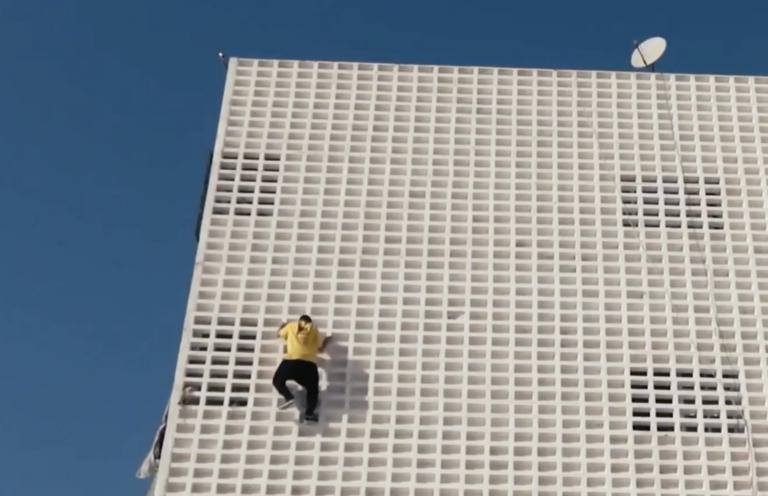
parkour, Gaza, Gaza ParkourPalestinian youth practice “parkour” skills in Khan Younis in the southern Gaza Strip

A budding physical discipline called parkour is attracting several youth in Gaza, aged between 12 and 23 years old to pass their time training in cemeteries, former Israeli settlements and in abandoned or run-down buildings. Parkour originated in the suburbs of Paris and originates from the French word “parcours,” meaning route or journey. In a very literal sense the sport is about overcoming obstacles, using your imagination and tackling the restraints of physical barriers to “run through” a journey. It inspires a philosophical outlook on life that reflects this acrobatic discipline.

Israel’s 4MW Biogas Plant to Clean up After 14,000 Cows

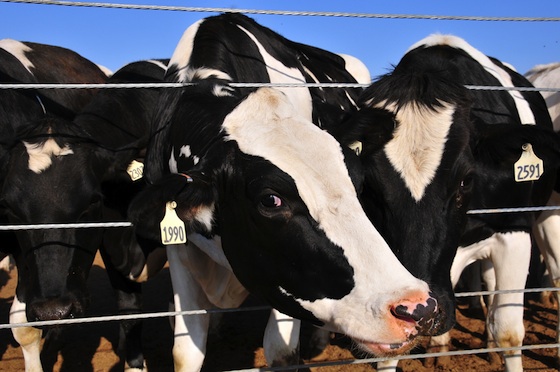
biogas, methane, Israel, global warming, climate changeRidding Israel’s environment of the poop of chickens and cows is a fabulous way to usher in the Jewish New Year. Once it becomes fully operational in the next few months, the recently inaugurated Be’er Tuviya biogas plant will scoop up the waste of 14,000 cows and in total roughly 15% of all chicken and dairy farms in the country. All that manure will then be used to generate electricity for thousands of homes.

Film Review: ‘The Blessed Tree’ – An Interfaith Meeting Under The Shade of Nature

0

the-blessed-tree-islam-natureUnder a solitary tree in the desert, a young Prophet Muhammed met with the Christian monk Bahira. This documentary charts the importance of this chance meeting.

The Blessed Tree is a short and beautifully-filmed documentary which tells the story of a chance encounter between a Christian monk named Bahira and the young Prophet Muhammed (pbuh) under a tree in the desert. As well as drawing light on this important meeting, the documentary focuses on the belief that the very tree which witnessed this event is alive today in the Jordanian desert. It also captures a gathering of some of the most important Islamic scholars under that tree and their interpretation of the lessons the incident has to offer the modern world.

Turkey Ripe For Renewable Energy Boom – So Why The Delay?

1

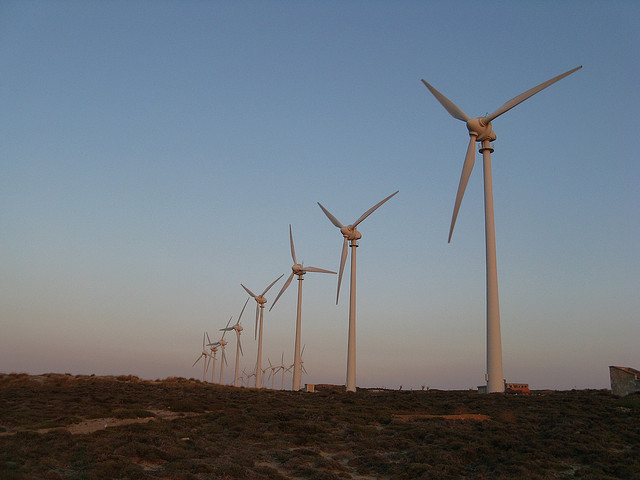
Despite its vast solar and wind energy potential, Turkey’s renewable resources have only been developed in small pockets of the country, such as the windy Aegean island of Bozcaada (pictured above).

With European countries having already tapped most of their low-hanging renewable energy development opportunities, Turkey is perfectly poised to become the new renewable energy dynamo in the region, according to an analysis published yesterday in the Financial Times‘s beyondbrics blog.

Tunisian Teacher Cycles to China for Wetland Conservation

0

wetland-conservation-tunisia-cycle-bikeSeven months ago, a Tunisian university teacher decided to travel from Tunisia to China on his bike to help raise awareness of the human and environmental value of wetlands. Here is his journey.

I am a sucker for any cycling journey – although it doesn’t quite have the nostalgia of travelling by train, it certainly has fun and adventure. Whether it is cycling to Mecca from South Africa or cycling for peace, I am instantly hooked. So when I heard that a Tunisian university teacher and environmental engineering graduate had decided to cycle all the way to China, I had to find out more. Here is his journey so far.

Luxury Underwater Discus Hotel Close to Anchoring in the Gulf

0

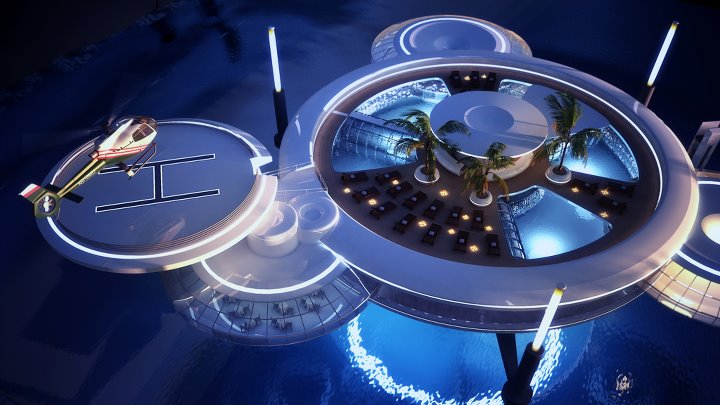
Gulf, Underwater Hotel, Discus Hotel, Deep Ocean Technology, Luxury, Hotel, Oman, UAEThe Water Disqus Hotel (WDH) lauded on blogs galore a few months ago is one step closer to reality, and the project’s new investment team has received exclusive rights to build in all Gulf Cooperation Council (GCC) countries, they told Green Prophet.

Comprised of an above water disc connected to an underwater disc by five legs, a vertical shaft, lift and stairway, the WDH was designed by Deep Ocean Technology to give leisure travelers a novel way to experience underwater life. Now the company has teamed up with BIGInvestConsult AG  in order to commercialize WDH projects all over the world!

Libya’s Oldest Mud City is Critically Endangered

0

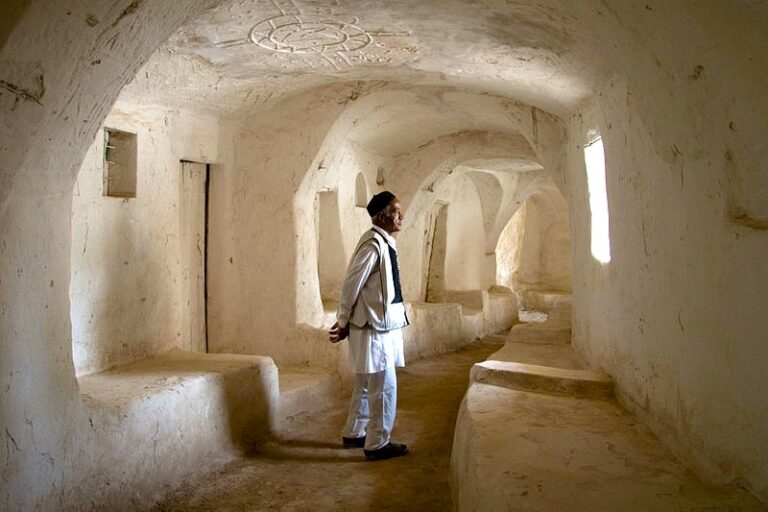
Ghadames, tourism, earth architecture, mud buildings, Libya, Sahara, travelGhadamès is one of the oldest habitable medinas in the Sahara, and it is made almost entirely out of mud. Built in the seventh century and listed as a UNESCO world heritage site in 1986, this clustered clay settlement in Libya epitomizes everything that makes earth architecture so worthwhile.

In the summer, according to the locals, these are the only houses anyone can stand to live in since they are protected against the relentless sun. And in  winter, when temperatures in the desert drop down to nothing, the clay and straw walls absorb and hold daytime heat. In the last few decades, the oasis town became completely reliant on a steady stream of tourists, and now that the revolution is over, at least one man wants them back. 

Are LED lights a health hazard?

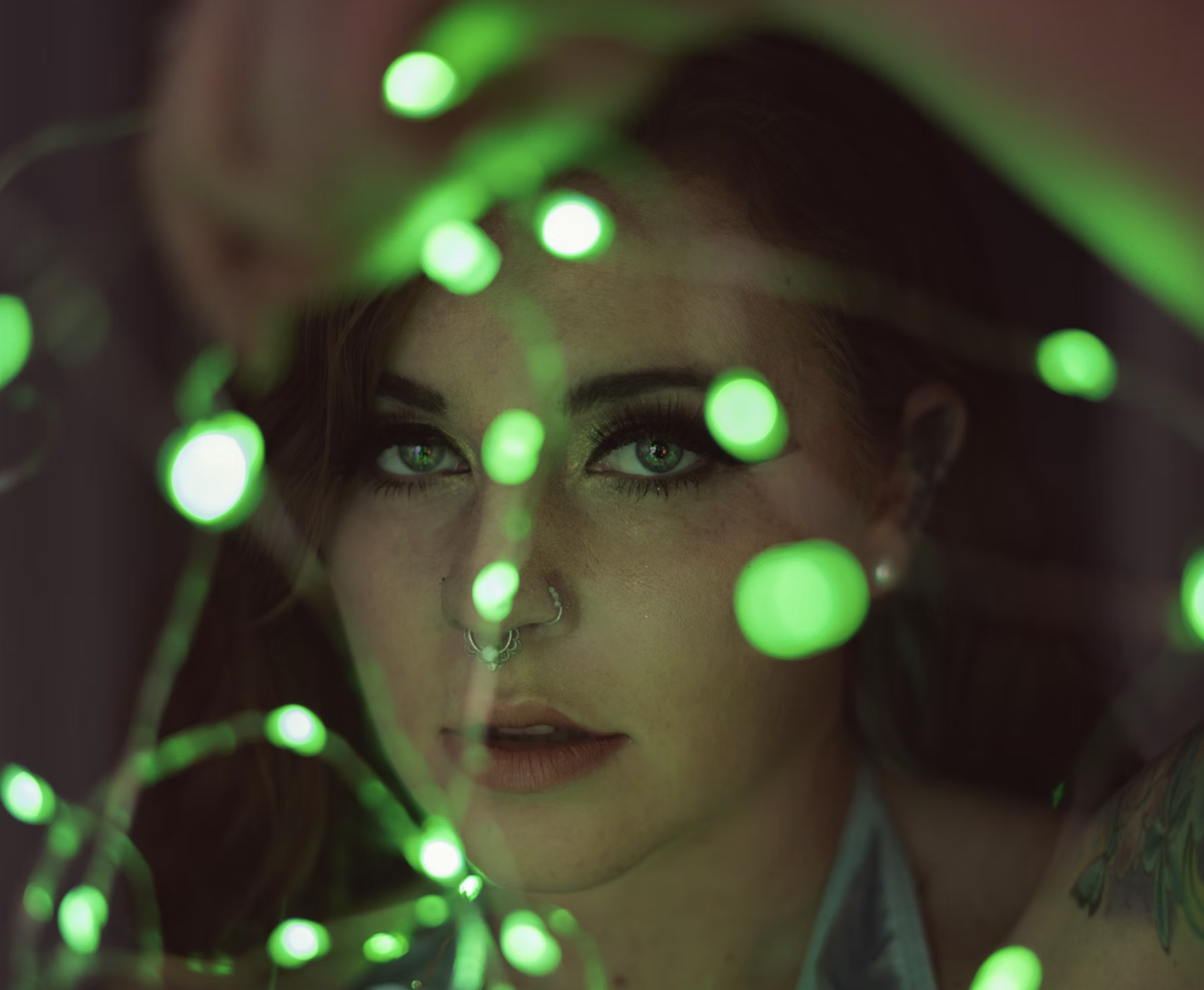
LED lights on a woman's face, green lights, nose piercing

In teddy bears, iPhones and baby sleep monitors: turn off those LED lights at night before they affect your sleep cycles and health!

Professor Abraham Haim, an authority on the biological effects of light pollution, presented his findings at the International Congress of Zoology (ICZ) in Haifa Israel.

World experts discussed, “Light Pollution and its Ecophysiological Consequences” and came to a consensus that light pollution does have health consequences.

Professor Haim’s team studied the effect of night light on blind mole rats and seeing rats.  He presented his research findings indicating that the biological effects of nocturnal lights included damage to metabolic rates, body mass, oxygen consumption and the level of certain hormones including melatonin– which is known to impact sleep cycles and mood and is believed to suppress some cancers and tumors.

Studies seemed to indicate that the short-wavelength blueish light emitted by Light Emitting Diodes (LEDs) has an especially strong effect. Ever since humans brought light into their homes in the form of candles and oil lamps, we’ve considered artificial lights to be a positive influence in our lives.  World religions reinforced this belief with the miracles of menorahs, eternal flames and the light of the world.

Up through the invention of incandescent bulbs indoor lights had a color which was warmer (redder) than natural sunlight.  This changed somewhat with the advent of greenish florescent lights.  But a more dramatic change came very recently with the invention of efficient white light Light Emitting Diodes (LEDs).

The history of LED lights

H.J. Round was working in the UK’s Marconi labs when he noticed electroluminescence of a cat’s-whisker silicon carbide diode in 1907.

LEDs which followed in 1927 were so dim as to be impractical until Biard and Pittman of Texas Instruments made the first practical red LED in 1961.  The color of an LED is proportional to the bandgap voltage which is proportional to energy which is proportional to the chances of burning out your LED before you can say, “Hey, look what I invented!”

Decades passed with only dim red and yellow-green LEDs commercially available.  Finally in 1993 Shuji Nakamura worked for Nichia Corporation in Japan and combined blue LEDs with a yellow-white phosphor to produce the first white light LEDs.  He moved to the University of Santa Barbara and won the millennium prize for inventing brighter green, blue and white LEDs as well as the blue lasers which make blue-ray video players possible.

The problem with LED lights

We may have learned this in grade school, a perfect mix of the primary colors red, blue and green will make white. Existing red LEDs along with Nakamura’s bright green and blue LEDs finally made this possible.

Only that’s not how most white LEDs work.  After years hovering just the other side of impossible, blue LEDs became more efficient than their red and green grandparents.  So most white LEDs are actually deep blue LEDs with Nakamura’s yellow-white phosphor coating.  Yellow-white + blue = white.

But even though our eyes try to average it out, the strong blue spectral component remains.  And that’s where the trouble comes from.  It seems that the human biological clock evolved around fire so isn’t as easily fooled by reddish-yellow incandescent lights. Blue light is different: As soon as it hits our pineal gland, our melatonin levels fade and our biological clocks are reset to wake-up time. That’s all fine if you’re only exposed to blue light shortly before sunrise.

But blue-white LEDs aren’t just inside eco-efficient LED fixtures. They’re in your television and the mobile phone you use to checked your Facebook status and the iPad you use to read your bedtime novel. My son’s teddy bear, baby monitor and night light all contained blue or blue-white LEDs. And all of these devices emit enough blue light to potentially effect hormone levels and sleep patterns or cause other biological effects.

Alternatives to LED lights?

Electron Stimulated Luminescence (ESL) lights are one alternative which can replace both mercury-laden CFLs and expensive blue-white LEDs but they aren’t yet easy to find and their bulky shape makes them a poor fit for many of the tight spots where LEDs shine.  It is possible that by refining LED composition and control circuits, an efficient white LED will be invented which does make use of a warmer balance of red, green and blue LEDs.  LEDs are rugged, efficient, long-lasting and very bright but nearly every new technology has a hidden downside which must be studied and balanced against the advantages.  LEDs are no different.

Saudi Oil Wells May Run Dry By 2030

4

saudi-oil-well-run-dry-2030According to a 150-page report by Citigroup, Saudi Arabian oil could dry up as early as 2030 which is a lot sooner than previously thought

The high consumption of oil in the Gulf nations for air-conditioning and desalination means that oil wells are likely to run dry a lot sooner than expected. That’s the news coming from a report by Citigroup which states that Saudi Arabia could be an oil importer by 2030. Local Saudi consumption is skyrocketing with residential use making up 50 percent of demand and over two thirds of that goes to air-conditioning. Saudis are also consuming 250 litres of water per person per day – that makes them (rather shockingly) the world’s third largest water consumer – and most of that water is from energy intensive desalination plants.

Rosh Hashanah recipes for vegan, veggie and aware people

4
Apples Jewish new year
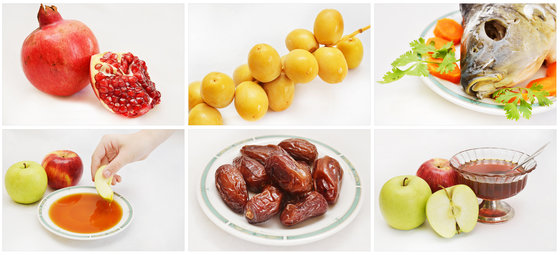
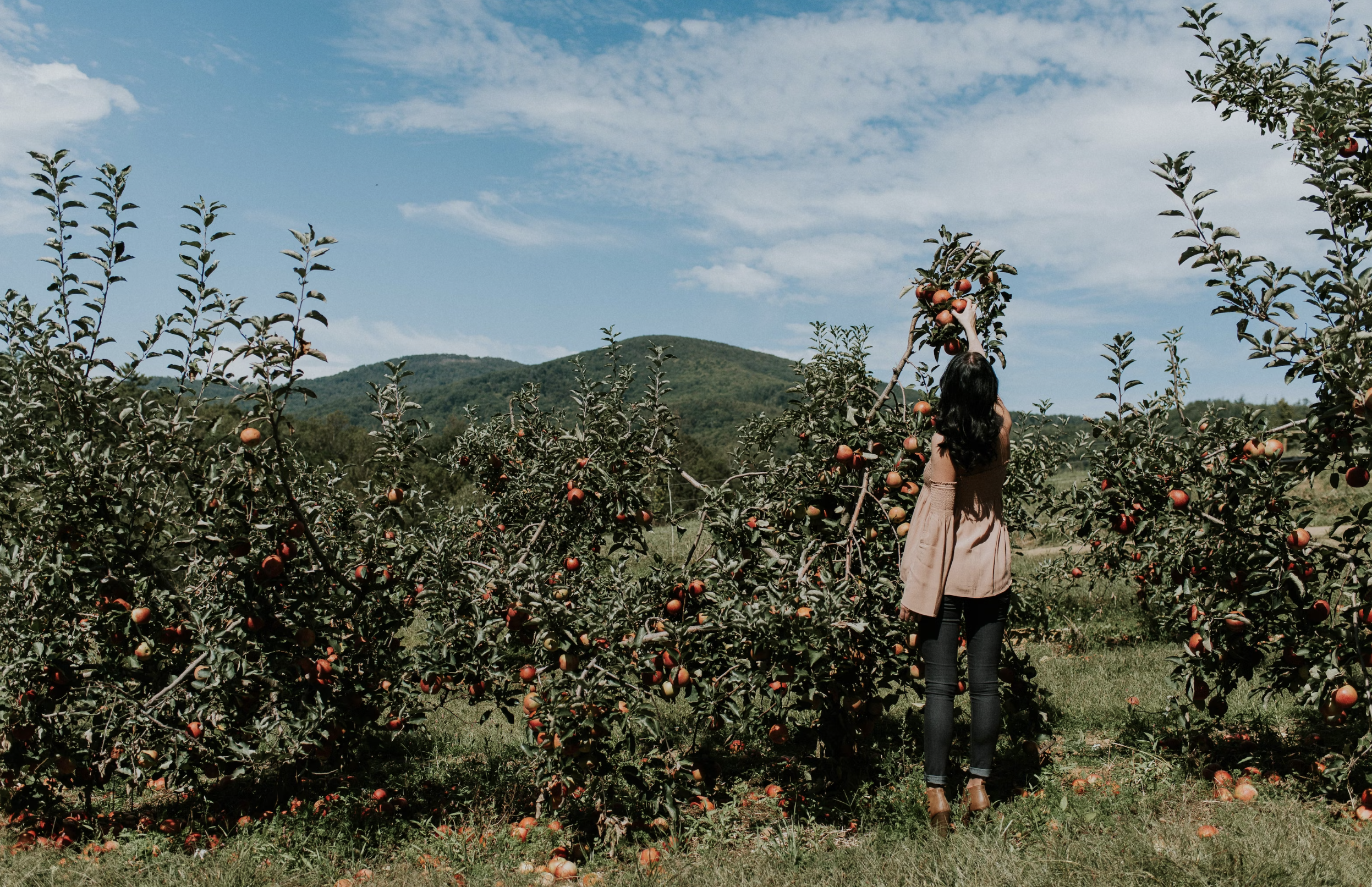
Apples picked by hand is a good way to start the Jewish New Year. Add some honey and voila. Rosh HaShanah’s Symbolic Foods are only the start of the Jewish New Year’s feasting. Apples are a big part of the deal.

While the Jewish new year is a time for contemplation and prayer, there’s nothing sparse about the festivities. Families gather together to feast in the late morning and again in the evening, after blessing the day with wine. The family cook often starts feeling overwhelmed with the quantity of cooking that takes place. To help plan menus, view our roundup of festive recipes for some splendid holiday meals.

For vegetarians

For vegetarians, or for a dairy break in the middle of the two-day round of fancy meals, try some of these meat-free ideas:

food, health, freekeh, grain, quinoa, slow food, sustainable food, ancient middle eastern grain

5 Fresh Fig and Cheese Recipes

A medley of links to recipes featuring super-food Freekeh

Salads for Rosh Hashannah:

Pomegranate-Nut Salad

Chickpea and Artichoke Salad

Easy Moroccan Orange Salad

Freekah, Feta and Fig Salad

For those who eat a bit of meat, try these poultry dishes:

Poussins Stuffed with Pine Nuts and Rice

Makluba, Arabic Upside-Down Chicken and Rice

Persian Chicken in Walnut Sauce

Desserts for Rosh Hashannah:

image-honey-cookies

Honey Cake

Honey Cookies

Silky Malabi pudding: keep malabi dairy-free by substituting coconut  or almond milk.

A Condiment, a  Dip, and a Spread:

image-pomegranate-molasses

Home-Made Pomegranate Molasses

Baba Ganoush

Pesto

Beverages:

Almond Milk

Honey Beer

Make Turkish Coffee Like a Native

More  Rosh HaShannah Goodies on Green Prophet:

Clothing Laced With Live Bacteria is Weirdly Cool

0

bacteria, eco-couture, israel, design, fashion, green design, sarine zakenSarine Zaken is the world’s first designer to incorporate living bacteria into clothing and jewelry that people can actually wear! A third year student at Shenkar College of Engineering and Design, the young Israeli fantasized about incorporating something alive into her final project.

While that may seem a bit creepy at first, a chance encounter led her to Professor Eshel Ben Jacob, whose work with a unique bacteria called Paenibacillaceae completely revolutionized her design approach.

Solar-Powered Doomsday Clock Counts Down to 12-21-2012

solar power, cleantech, 2012, Mayan calendar, end of times, Times Square, New York, Doomsday Clock, O*GEDesigners from Israel hope to install a solar-powered doomsday clock in Times Square, where it will count down to 12-21-2012. Using cutting-edge technology, including concentrated photovoltaic power and LED lights, the glowing four meter globe is designed to harness humanity’s attention in the lead up to the so-called end of times.

But there’s a twist. The creative might behind O*GE are smart, reasonable people who aren’t going to blow their life-savings before the Mayan calendar ends. They’re not drafting goodbye texts because the sun’s December solstice is due to align with the center of our galaxy. Instead, they’re planning to stage a massive party to usher in the seconds, minutes and hours expected to follow 21h12, 12-21-2012. 

Jordan Websites Go Black to Protest Pending Censorship

2

jordan
Within 24 hours Jordan may become the latest Arab nation to muzzle media freedom if Parliament passes a bill to censor internet access in Kingdom.

New amendments to the Press and Publications Law would require online news sites to register with the government, obtain costly operating licenses from the Ministry of Information, become members of the press association, appoint a chief editor and pay annual membership fees.

According to Avaaz,  a global web movement dedicated to bringing  “people-powered politics to decision-making everywhere”,  the expanded ministerial powers could gag Jordanian bloggers, restrict or block public access to international sites and allow governmental monitoring and potential restriction of individual blog comments.

Activists conducted SOPA-inspired website blackouts last week and they’re staging sit-ins today and tomorrow to halt the censorship.  Participating websites include JeeranJo24Wamda, and BeAmman, and a few hundred others. The goal of #BlackoutJo is to attract sufficient attention from mainstream media outside of Jordan to convince the government to withdraw its draft bill.

Will Building Catastophes Make Smarter Occupants?

0

beirut building collapse
Laurie escaped from the Trade Towers 11 years ago and as a building expert looks critically at standards in the Middle East. 

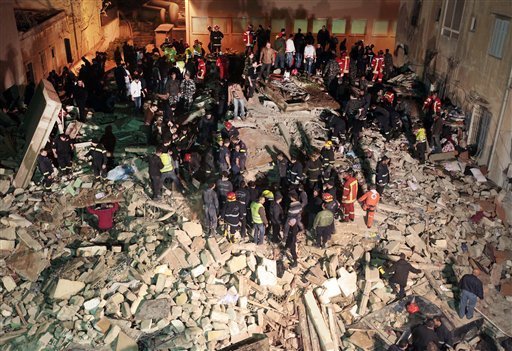
Building codes ensure that a  properly constructed building will safely stand up to predictable wear and tear. Codes specify fire-resistant performance for materials and prescribe safe exiting requirements for occupants. But what guides human behavior in a building emergency? How would you make out in a crisis?  In short, would you make it out?  This question takes on new urgency in the Middle East: Last July, firefighters battled a blaze that erupted in Manama, Bahrain’s capital city, destroying hundreds of shops in the popular Isla Town Market. Over 500 stalls were destroyed in the five hours it took to bring the blaze under control. In May, fire engulfed Doha’s Villaggio Mall, killing 19 people.  A 5-story apartment building collapsed in Beirut in January, killing another nineteen (see above photo).

I confess a strong personal bias on this topic, being one of fortunate thousands who walked away from the biggest building collapse in history. I trekked down the stairs of One World Trade Center with architects and engineers from my office (several who actually built the place 30 years earlier) and we building “professionals” barely knew how to exit.