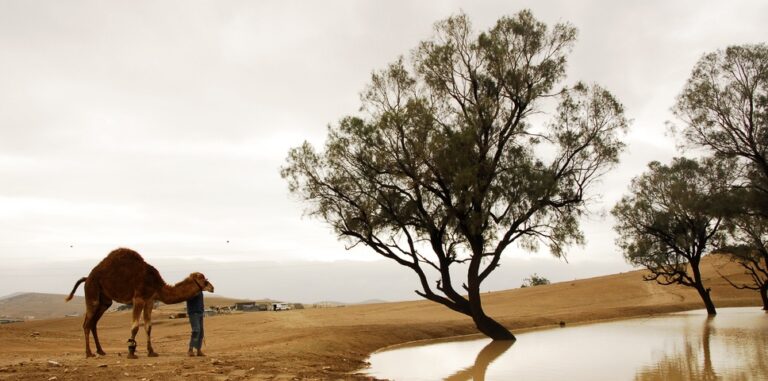
Taking irrigated water from the Nile, the Toshka pumping station in upper Egypt was supposed to help combat encroaching desert
Political tension in Egypt in the aftermath of the revolution which began nearly two years ago, has hit tourism, led to high food prices, and caused an economic slowdown which is raising food security concerns. In 2012, Egypt was the world’s largest wheat importer (read this story on how wheat connects the planet), shipping in 11.5 million tons, and highlighting the gap between official food sustainability goals and reality.
“There is an urgent need to increase wheat productivity,” said Nagui Saeed, head of Egypt’s Wheat Producers’ Association – not just to conserve foreign currency but also to cater for Egypt’s growing population, which has nearly doubled in the last 30 years to 83 million.


 Is Better Place hiring a new CEO?